Search

How Worn-Out Laser Nozzles Affect Cutting Quality & Cost: An Essential Guide to Fiber Laser Cutting Consumables

Introduction

In the demanding world of metal fabrication, precision and efficiency are paramount. For businesses relying on fiber laser cutting technology, any deviation from optimal performance can lead to significant production bottlenecks, increased operational costs, and compromised product quality. One often-overlooked yet critical component that directly impacts these factors is the laser nozzle. A worn-out laser nozzle can silently degrade your cutting quality, leading to costly rework and downtime.

This article delves into the crucial role of laser nozzles and other essential fiber laser cutting Consumables, explaining how their condition directly influences cutting precision, machine efficiency, and overall cost-effectiveness. We aim to provide practical insights for machine users, operators, and metal fabrication owners, ensuring you understand the importance of quality spare parts and timely replacement.

Download Spare Parts Checklist to optimize your machine's performance!

Why Spare Parts & Consumables Matter in Laser Cutting

The intricate dance of a fiber laser cutting machine relies on a symphony of components working in harmony. Each spare part and consumable plays a vital role in the machine's ability to deliver consistent, high-quality cuts. Neglecting the quality or timely replacement of these elements is a common pitfall that can lead to a cascade of negative consequences.

  • Impact on Performance: Genuine, high-quality spare parts maintain the machine's original specifications and performance. Subpar or worn components can lead to reduced cutting speed, poor edge quality, increased dross, and incomplete cuts, directly affecting your production output and customer satisfaction.
  • Cost of Low-Quality Parts: While aftermarket parts might seem like a cost-saving measure upfront, they often come with hidden costs. Frequent replacements, increased scrap material, rework, and potential damage to other machine components can quickly erase any initial savings, ultimately proving more expensive in the long run.
  • Machine Efficiency: A laser cutting machine operating with worn or inferior parts will consume more energy, gas, and laser power to achieve a desired cut, leading to inefficiencies. Optimal performance is directly tied to the health of your consumables, from the nozzle to the laser cutting machine ceramic ring, ensuring every watt of laser power is utilized effectively.

Complete Overview of Laser Cutting Machine Spare Parts

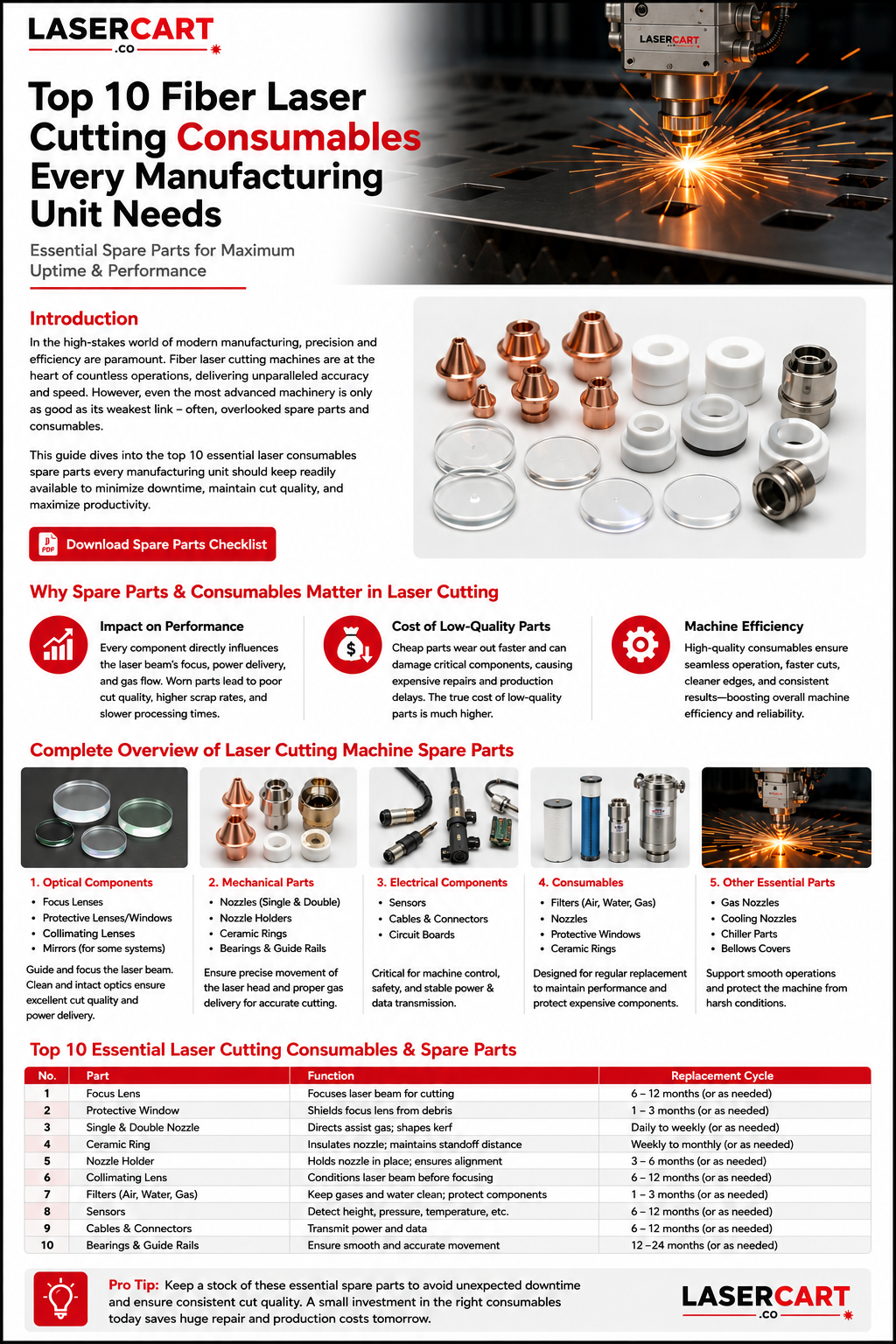
Understanding the various spare parts within your fiber laser cutting machine is key to proactive maintenance and ensuring operational longevity. These parts can be broadly categorized into optical, mechanical, electrical, and consumables.

Optical Components

These parts are critical for guiding and focusing the laser beam. Their pristine condition is non-negotiable for achieving precise cuts.

  • Focusing Lenses: Concentrates the laser beam to a tiny, powerful spot for cutting. Scratches or contamination reduce beam quality.
  • Protective Windows (Cover Slides): Shields the focusing lens from spatter and debris. A damaged window can cause beam distortion.
  • Mirrors: Direct the laser beam along its path (in some systems). Their reflectivity must be maintained.

Mechanical Parts

These components ensure the precise movement and stability of the cutting head.

  • Nozzles: Direct the assist gas and shape the laser beam exit point. Essential for cut quality and piercing.
  • Bearings and Guide Rails: Enable smooth and accurate movement of the cutting head across the work area. Wear can lead to jerky movements and inaccuracies.
  • Gear Racks and Pinions: Facilitate precise positioning of the cutting head. Play or wear here affects positional accuracy.

Electrical Components

These parts control the machine's operations, from power delivery to motion control.

  • Sensors: Detect material presence, cutting head height, and other critical parameters. Faulty sensors lead to operational errors.
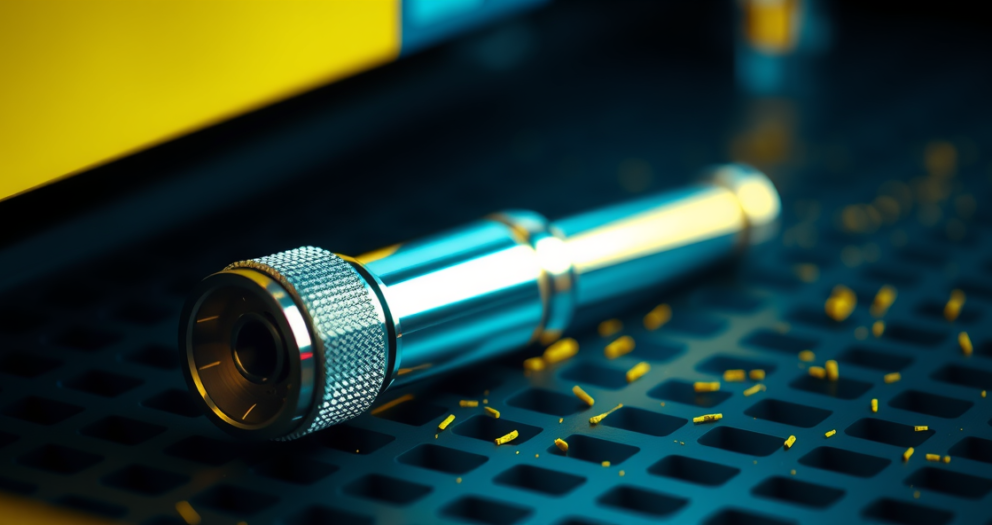
  • Cables and Connectors: Transmit power and data throughout the machine. Damaged cables can cause intermittent issues or complete failures.
  • Servo Motors and Drives: Control the precise movement of axes. Malfunctions impact cutting speed and accuracy.

Consumables

These are parts that are designed to be regularly replaced due to wear and tear or contamination, directly impacting cutting performance.

  • Filters: Maintain the purity of assist gases and coolants. Clogged filters reduce efficiency and can damage other components.
  • Ceramic ring for laser cutting machine: Provides electrical insulation for the nozzle and delivers the electrical signal for capacitance height sensing.
  • Nozzles: As discussed, these wear out due to heat, spatter, and gas erosion.

Table: Essential Laser Cutting Spare Parts & Consumables Overview

Part Function Replacement Cycle (Approx.)
Nozzle Directs assist gas & laser beam exit Daily to weekly, depending on use
Laser ceramic ring Electrical insulation & height sensing Monthly to quarterly
Protective Window Shields focusing lens from spatter Weekly to monthly
Focusing Lens Concentrates laser beam Quarterly to annually, with proper care
Air/Gas Filters Ensures gas purity Monthly to quarterly
Collimator Lens Collimates laser beam Annually or as needed

Types of Laser Cutting Consumables Explained

Understanding the specific types of consumables and their variations is crucial for optimizing your laser cutting operations. Choosing the right consumable for the job significantly impacts cut quality and cost.

Nozzles (Single & Double Nozzle)

The laser nozzle is arguably the most critical consumable after the laser source itself. It serves a dual purpose: directing the high-pressure assist gas concentrically around the laser beam and shaping the final output of the laser beam. Nozzles come in various orifice sizes and types, each suited for different materials and cutting applications.

  • Single Nozzle: Features a single, conical opening. Typically used for nitrogen cutting (fusion cutting) of stainless steel, aluminum, and other non-ferrous metals where a clean, dross-free edge is desired. The gas pressure is higher, blowing away molten material without oxidation.
  • Double Nozzle: Characterized by two concentric orifices. Primarily used for oxygen cutting (flame cutting) of mild steel. The inner orifice directs the laser beam, while the outer orifice delivers oxygen, which reacts exothermically with the molten metal, accelerating the cutting process.

Choosing between a Single Nozzle and a Double Nozzle depends entirely on the material, thickness, and assist gas being used. Proper selection and regular inspection for wear are paramount.

Ceramic rings

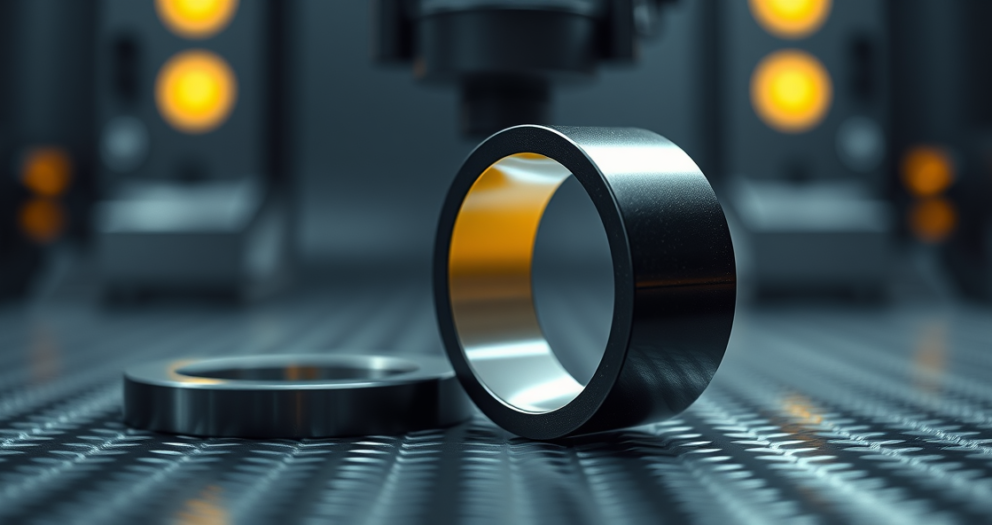
The ceramic ring for laser cutting machine (also known as a fiber laser ceramic ring or laser ceramic ring) is a crucial component that often goes unnoticed until issues arise. It sits between the cutting head and the nozzle, providing electrical insulation and serving as the primary sensing element for the capacitive height control system. This system ensures a precise and consistent standoff distance between the nozzle and the workpiece, which is vital for optimal cutting.

A damaged or contaminated ceramic ring for laser cutting machine can lead to unstable height sensing, causing the nozzle to crash into the material, inconsistent cutting gaps, and ultimately, poor cut quality and potential damage to the cutting head. Genuine ceramic ring for laser cutting machines ensure accurate sensing and reliable operation.

Lenses (Protective Windows & Focusing Lenses)

While often grouped, there are two primary types of lenses in a fiber laser cutting head: the protective window and the focusing lens. Both are critical for beam delivery.

  • Protective Windows: These inexpensive, sacrificial lenses protect the much more costly focusing lens from spatter and debris generated during cutting. They are the first line of defense and should be inspected and replaced regularly before significant contamination or damage occurs.
  • Focusing Lenses: This is where the magic happens, concentrating the raw laser beam into a powerful, focused spot. These lenses are highly sensitive to contamination (dust, oil, smoke) and thermal stress. Even a tiny imperfection can cause beam distortion, leading to inconsistent cut quality, reduced power density, and potential thermal damage to the lens itself. Proper cleaning and replacement with OEM-quality lenses are essential.

Signs Your Spare Parts Need Replacement

Being able to identify the warning signs of worn or failing spare parts is crucial for preventing major machine breakdowns, maintaining production quality, and controlling operational costs. Proactive replacement saves time and money in the long run.

  • Poor Cutting Quality: This is often the most immediate indicator. Look for:
    • Rough Edges: Instead of a clean, smooth cut, edges appear jagged or textured.
    • Excessive Dross: Molten material adhering to the bottom of the cut, requiring costly secondary finishing.
    • Incomplete Cuts: The laser beam fails to penetrate the material entirely, leaving parts still attached.
  • Burr Formation: The presence of small, sharp edges or irregularities along the cut line, indicating improper gas flow or beam focus.
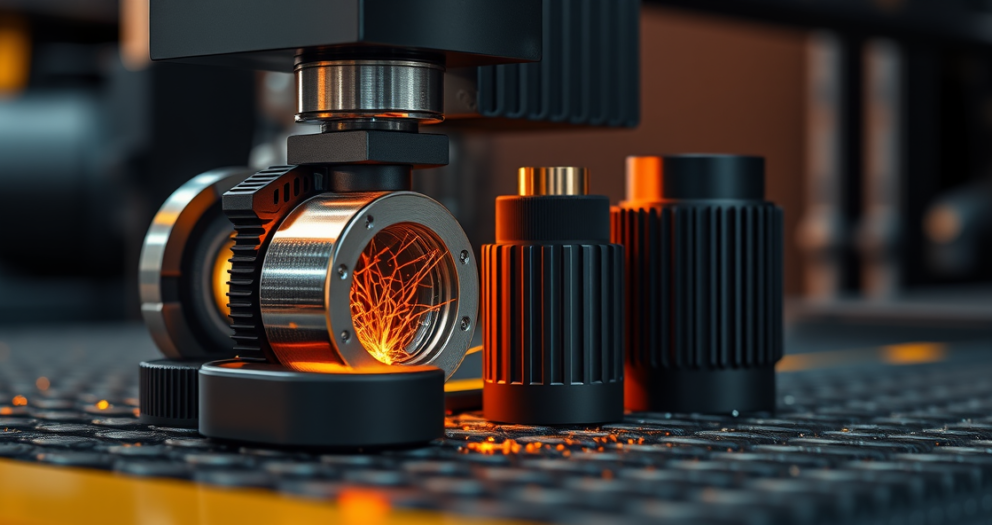
  • Irregular Sparks: Instead of a consistent, steady stream of sparks, you might observe sporadic, uneven, or excessively wild sparks during cutting. This often points to a worn nozzle or an issue with assist gas delivery.
  • Frequent Nozzle Crashes: If your machine is constantly crashing the nozzle into the material, it could indicate a faulty fiber laser ceramic ring or an issue with the height sensing system.
  • Reduced Cutting Speed: A noticeable drop in the machine's ability to cut at its usual speed without compromising quality.
  • Increased Gas Consumption: Worn nozzles can lead to inefficient gas flow, meaning you're using more assist gas than necessary for the same job.
  • Discoloration or Pitting on Protective Window/Lens: Visual inspection of optical components can reveal contamination or damage, which will degrade beam quality.

What are signs of worn laser cutting parts?

Signs of worn laser cutting parts include poor cutting quality (rough edges, dross, incomplete cuts), burr formation, irregular sparks, frequent nozzle crashes, reduced cutting speed, increased gas consumption, and visible damage or discoloration on optical components like protective windows or focusing lenses.

OEM vs Aftermarket Spare Parts

When it comes to replacing parts for your fiber laser cutting machine, a critical decision arises: whether to opt for Original Equipment Manufacturer (OEM) parts or aftermarket alternatives. This choice has significant implications for performance, longevity, and overall cost.

  • OEM (Original Equipment Manufacturer) Parts: These are parts manufactured by or for the original maker of your laser cutting machine (e.g., Raytools, Precitec, OSPRI). They are designed to exact specifications, ensuring perfect fit, optimal performance, and compatibility with your machine's integrated systems.
  • Aftermarket Parts: These parts are produced by third-party manufacturers. While often cheaper, their quality, precision, and material composition can vary widely.

Comparison Table: OEM vs Aftermarket Spare Parts

Feature OEM Parts Aftermarket Parts
Quality & Precision Guaranteed to meet original specifications; superior precision Varies significantly; can be inconsistent
Performance Optimal, ensures peak machine efficiency & cut quality Potentially reduced performance; may impact cut quality
Compatibility Perfect fit & seamless integration May have fitment issues; potential for system conflicts
Longevity & Durability Designed for maximum lifespan; reliable Often shorter lifespan; more frequent replacements
Warranty Typically covered by manufacturer's warranty Varies; often limited or no warranty
Cost Higher initial cost Lower initial cost
Risk Low risk of machine damage or operational issues Higher risk of damage, downtime, and long-term costs

While the allure of lower initial cost for aftermarket parts is strong, the potential for reduced performance, increased downtime, and even damage to your expensive machinery often makes OEM or high-quality branded consumables the more economical choice in the long run.

How to Choose High-Quality Spare Parts Supplier

Selecting the right supplier for your fiber laser cutting machine spare parts and fiber laser cutting Consumables is as crucial as choosing the parts themselves. A reputable supplier ensures you receive genuine, reliable components that uphold your machine's performance and extend its lifespan.

  • Certifications and Quality Assurance: Look for suppliers who adhere to international quality standards (e.g., ISO certifications). They should be able to provide documentation proving the authenticity and quality of their products. This is particularly important for precision components like nozzles and lenses.
  • Brand Compatibility and Genuine Parts: Ensure the supplier offers parts specifically designed for your machine's cutting head and laser source. Trusted brands like Raytools, OSPRI, Precitec, and Fine Focus are leaders in laser cutting technology. A good supplier will stock or have access to genuine consumables from these manufacturers, guaranteeing compatibility and performance.
    • Raytools: Renowned for their cutting heads and integrated solutions, requiring specific nozzles and ceramic ring for laser cutting machines.
    • Precitec: A global leader in laser cutting and welding heads, known for high-precision optics and consumables.
    • OSPRI: Offers reliable laser components, including nozzles and protective windows.
    • Fine Focus: Specializes in laser optics and consumables, ensuring high beam quality.
    Insist on parts that are specified by these original equipment manufacturers to avoid compatibility issues and performance degradation.
  • Technical Support and Expertise: A knowledgeable supplier can offer invaluable technical advice, helping you troubleshoot issues, select the correct parts, and understand replacement procedures. Their expertise can minimize downtime and optimize your cutting process.
  • Inventory and Availability: Fast access to spare parts is vital. Choose a supplier with a robust inventory and efficient logistics to minimize lead times and keep your operations running smoothly.
  • Customer Reviews and Reputation: Research the supplier's reputation within the industry. Positive reviews and long-standing relationships with other fabricators are strong indicators of reliability and trustworthiness.

Maintenance Tips to Increase Machine Life

Proactive and consistent maintenance is the bedrock of maximizing the lifespan of your fiber laser cutting machine, ensuring sustained performance, and avoiding costly breakdowns. A few simple practices can make a significant difference.

  • Regular Cleaning of Optical Components: The focusing lens and protective window are highly susceptible to contamination. Clean them daily, or as recommended by the manufacturer, using only specialized lens cleaning solutions and lint-free wipes. Even microscopic dust can absorb laser energy, leading to thermal damage.
  • Checking Nozzle Alignment: A misaligned nozzle can lead to inconsistent cuts, excessive dross, and even damage to the nozzle itself. Regularly check and adjust the nozzle's concentricity and standoff distance according to your machine's specifications. This ensures optimal assist gas flow and beam delivery.
  • Replacing Consumables Regularly: Adhere to the recommended replacement schedules for Single & Double Nozzles, ceramic ring for laser cutting machines, and protective windows. Even if a part "looks" okay, invisible wear can significantly degrade performance. Preventive replacement is far more cost-effective than reactive repairs.
  • Inspecting and Cleaning Guide Rails and Bearings: Keep the motion system clean and lubricated to ensure smooth, accurate movement of the cutting head. Dust and debris can cause premature wear and affect cutting precision.
  • Monitoring Assist Gas Purity: Impure assist gas can contaminate optical components and degrade cut quality. Regularly check and replace gas filters to maintain optimal gas purity.
  • Calibrating Height Sensor: Ensure your capacitive height sensor, which relies on the laser ceramic ring, is calibrated correctly to maintain the precise standoff distance required for consistent cutting.

Book Maintenance Consultation for expert advice and service tailored to your laser cutting machine!

Cost Optimization Strategy

Beyond the initial investment, managing the operational costs of a fiber laser cutting machine is crucial for profitability. Strategic approaches to spare parts and consumables can significantly reduce expenses without compromising quality.

  • Bulk Buying of Consumables: For frequently replaced items like Single Nozzles, Double Nozzles, protective windows, and fiber laser ceramic rings, consider purchasing in larger quantities from reputable suppliers. This often secures better pricing and reduces shipping costs, ensuring you always have essential items on hand.
  • Preventive Maintenance Schedule: Implement a strict preventive maintenance schedule. By regularly inspecting and replacing worn components before they fail, you avoid costly emergency repairs, extensive downtime, and potential damage to more expensive machine parts. This strategy significantly extends the overall life of your equipment.
  • Using Genuine and Branded Consumables: While aftermarket alternatives might seem cheaper, genuine consumables from trusted brands like Raytools, OSPRI, Precitec, and Fine Focus offer superior performance, longer lifespan, and consistent quality. This reduces scrap material, rework, and ultimately, lowers the true cost per part produced. Investing in quality upfront saves money down the line.
  • Operator Training: Well-trained operators can identify issues early, perform basic maintenance, and optimize machine settings, reducing wear and tear on consumables and preventing costly mistakes.
  • Optimizing Cutting Parameters: Fine-tuning cutting speeds, assist gas pressures, and focal positions for different materials and thicknesses can significantly extend consumable life and reduce gas consumption.

Applications & Industry Use Cases

Fiber laser cutting technology, supported by robust spare parts and consumables, is a cornerstone across a multitude of industrial sectors, demonstrating its versatility and efficiency.

  • Automotive Industry: From precision cutting of intricate components for engine parts to chassis fabrication and aesthetic body panels, fiber lasers provide the speed and accuracy required for high-volume automotive production.
  • Sheet Metal Fabrication: This is perhaps the broadest application, covering everything from HVAC ductwork and architectural panels to custom enclosures and structural components. The ability to cut various metals with precision and speed is invaluable.
  • Electronics and Electrical Manufacturing: Fiber lasers are used for cutting delicate components, circuit board stencils, and various metal housings where precision and minimal heat affect zones are critical.
  • Aerospace and Defense: High-precision cutting of specialized alloys and composite materials for aircraft components, requiring impeccable quality and repeatability.
  • Medical Device Manufacturing: Creating small, intricate parts for medical instruments and implants, where tolerances are extremely tight and material integrity is crucial.
  • Heavy Machinery and Construction: Fabricating thick plates and structural elements for agricultural equipment, construction machinery, and industrial infrastructure.

In all these applications, the reliability of fiber laser cutting Consumables, particularly the Single & Double Nozzles and the ceramic ring for laser cutting machine, directly translates to the quality and efficiency of the final product.

FAQs

Q1: How often should I replace my laser nozzle?

A1: The replacement frequency for laser nozzles (Single & Double Nozzles) varies depending on the material being cut, laser power, assist gas, and the cutting intensity. For high-volume production, some operators replace them daily, while others might do so weekly. Always inspect your nozzle for wear or damage before each shift.

Q2: Can using non-genuine ceramic rings affect my laser cutting?

A2: Absolutely. A non-genuine ceramic ring for laser cutting machine might not provide the precise electrical insulation or consistent capacitive sensing required by your machine. This can lead to inaccurate height control, nozzle crashes, inconsistent cut quality, and potentially damage to your cutting head.

Q3: What's the difference between a Single Nozzle and a Double Nozzle?

A3: A Single Nozzle has one opening, typically used with nitrogen for fusion cutting stainless steel and aluminum. A Double Nozzle has two concentric openings and is used with oxygen for flame cutting mild steel, promoting an exothermic reaction for faster cutting.

Q4: How can I tell if my protective window needs replacing?

A4: Regularly inspect your protective window for any visible signs of spatter, scratches, haziness, or pitting. Even minor imperfections can scatter the laser beam, reduce power, and lead to poor cut quality. Replace it promptly if any damage is observed.

Q5: Is preventive maintenance truly cost-effective for fiber laser cutters?

A5: Yes, preventive maintenance is highly cost-effective. It minimizes unexpected downtime, extends the lifespan of expensive components, reduces scrap material, and ensures consistent high-quality output. Avoiding a single major breakdown can easily offset the cost of regular maintenance and consumable replacements.

Conclusion

The performance and profitability of your fiber laser cutting operation are inextricably linked to the quality and timely management of your spare parts and fiber laser cutting Consumables. Worn-out components, particularly the humble laser nozzle and the critical ceramic ring for laser cutting machine, can dramatically compromise cutting quality, escalate operational costs, and reduce machine efficiency.

By prioritizing genuine parts from trusted brands like Raytools, OSPRI, Precitec, and Fine Focus, implementing a rigorous preventive maintenance schedule, and educating your operators, you can ensure your laser cutting machine operates at its peak. Investing in quality fiber laser cutting Consumables is not an expense; it's a strategic investment in precision, productivity, and your business's bottom line.

  • Request Quote: Get personalized pricing for your essential spare parts.
  • Talk to Expert: Connect with our specialists for tailored advice and solutions.
  • Download Catalog: Explore our full range of genuine laser cutting machine spare parts and consumables.
Common Laser Cutting Problems & Their Consumable Solutions: An Expert Guide to Fiber Laser Cutting Consumables

Introduction

In the demanding world of metal fabrication, laser cutting machines are indispensable, offering precision, speed, and versatility. However, even the most advanced systems are susceptible to performance issues and unexpected downtime. These challenges often stem from overlooked components: spare parts and Fiber laser cutting consumables. For cutting machine users, operators, and metal fabricators, understanding these common problems and their solutions is crucial for maintaining operational efficiency and achieving superior cut quality.

This expert guide delves into the intricate relationship between laser cutting performance and the quality of your consumables. We will explore how proper maintenance and the use of genuine spare parts can significantly impact your machine's output, reduce operational costs, and prevent costly disruptions. Prepare to optimize your laser cutting operations and extend the lifespan of your valuable machinery.

Download Spare Parts Checklist

Why Spare Parts & Consumables Matter in Laser Cutting

The performance of a laser cutting machine is a symphony of interconnected components, where each part plays a critical role. When any spare part or consumable begins to degrade, the entire system's efficiency and output quality can suffer dramatically. This impact goes beyond just the immediate cut; it cascades into increased operational costs and potential machine damage.

Low-quality or worn-out parts are a false economy. They lead to frequent replacements, higher energy consumption, material wastage due to poor cuts, and, most importantly, machine downtime. Investing in high-quality, genuine fiber laser cutting consumables and spare parts ensures optimal machine efficiency, consistent cutting performance, and a longer operational life for your laser cutting system.

Complete Overview of Laser Cutting Machine Spare Parts

A comprehensive understanding of your laser cutting machine's anatomy is the first step towards effective maintenance and problem-solving. Each category of spare parts contributes uniquely to the machine's overall functionality.

Optical Components

  • Lenses: These are crucial for focusing the laser beam onto the material. Contamination or damage to focusing lenses can lead to poor cut quality, beam distortion, and reduced cutting efficiency. High-quality lenses from brands like Raytools, OSPRI, and Precitec ensure precise beam delivery.
  • Protective Windows/Mirrors: Acting as barriers to shield delicate internal optics from splatter and debris, protective windows are vital. Scratches or haze on these components can absorb laser power, reduce beam intensity, and impact cutting performance.

Mechanical Parts

  • Nozzle: The nozzle guides the assist gas and shapes the laser beam exit. Its condition directly influences cut quality, dross formation, and piercing ability. We will discuss Single & Double Nozzle types later in detail.
  • Bearings & Guide Rails: These components facilitate smooth and precise movement of the cutting head. Wear in bearings or contamination on guide rails can lead to inaccuracies, vibrations, and poor cut geometry.
  • Nozzle Holder: This component securely holds the nozzle in place, ensuring correct alignment and gas flow. A damaged or improperly fitted holder can cause significant issues.

Electrical Components

  • Sensors: Various sensors monitor machine parameters, head height, and safety features. Faulty sensors can lead to incorrect processing parameters or safety hazards.
  • Cables & Connectors: Integrity of power and signal cables is essential for reliable operation. Damaged or loose connections can cause intermittent errors or complete machine failure.
  • Laser Power Supply Components: These critical parts ensure stable and consistent power delivery to the laser source. Any malfunction can directly impact laser output and cutting capability.

Consumables

Table: Common Laser Cutting Parts & Their Function/Replacement Cycle

Part Function Replacement Cycle (Approx.)
Focusing Lens Focuses laser beam onto material 6-12 months (or as needed based on inspection)
Protective Window Protects internal optics from debris 1-3 months (or as needed)
Nozzle Guides assist gas and shapes beam exit Daily to weekly (depending on material/gas)
Ceramic Ring Insulates nozzle, guides beam alignment 3-6 months (or as needed)
Air Filters Maintains air purity for optics/cooling 1-3 months
Water Filters Keeps cooling system clean 3-6 months

Types of Laser Cutting Consumables Explained

Fiber laser cutting consumables are specifically designed to wear out and be replaced, ensuring the longevity and optimal performance of the more expensive permanent components. Understanding their specific roles is key.

Nozzles (Single & Double)

The nozzle is perhaps the most frequently replaced consumable. Its design and condition are paramount for effective cutting.

  • Single Nozzle: Typically used for cutting with oxygen as an assist gas (e.g., carbon steel), the Single Nozzle delivers a concentrated jet of gas. Its design promotes a clean, exothermic reaction.
  • Double Nozzle: Preferred for cutting with nitrogen or air (e.g., stainless steel, aluminum), the Double Nozzle has a wider gas flow pattern, providing better cooling and removal of molten material, which is critical for fusion cutting processes. The choice between Single & Double Nozzle depends entirely on the material and assist gas being used. High-quality nozzles, compatible with Raytools, Precitec, and Fine Focus cutting heads, ensure optimal gas dynamics and cutting precision.

Ceramic Rings

Also known as a fiber laser ceramic ring or laser ceramic ring, the ceramic ring for laser cutting machine plays a pivotal role in the laser cutting head. It functions as an insulator and a precisely manufactured component that holds the nozzle in correct alignment with the laser beam. The internal channels within the laser cutting machine ceramic ring guide the electrical signal for the auto-focus function, which is critical for maintaining consistent focal height. Damage or wear to the ceramic ring for laser cutting machine can lead to erratic auto-focus, beam misalignment, and ultimately, poor cut quality and damage to other expensive optical components.

Lenses (Protective & Focusing)

While often considered optical components, protective windows and focusing lenses are also consumables due to their need for periodic replacement. Protective windows shield the more expensive focusing lens from spatter. Focusing lenses, particularly from reputable brands, are engineered for specific laser wavelengths and power outputs. Degradation of these lenses, whether from contamination, scratches, or thermal stress, directly impacts the beam's quality and cutting power, necessitating replacement to restore performance.

Signs Your Spare Parts Need Replacement

Timely identification of worn or faulty parts is critical to avoid costly downtime and maintain consistent production quality. Operators and maintenance personnel should be vigilant for these common indicators:

  • Poor Cutting Quality: This is the most obvious sign. Issues like excessive dross, rough edges, inconsistent cut width (kerf), or incomplete cuts are strong indicators that your nozzle, lens, or ceramic ring may be compromised.
  • Burr Formation: The presence of burrs on the underside of the cut material suggests that the laser beam is not penetrating cleanly or the assist gas flow is suboptimal. This often points to a worn nozzle, a dirty lens, or incorrect focal position.
  • Irregular Sparks or Flame: An uneven or excessively energetic spark pattern during cutting can indicate a damaged nozzle orifice, misalignment, or issues with the assist gas delivery system.
  • Frequent Machine Errors or Stops: If your machine is constantly alarming for arc detection, head crashes, or focus errors, it might be related to a faulty ceramic ring for laser cutting machine or sensor.
  • Reduced Piercing Speed: A noticeable slowdown in the time it takes to pierce the material can be attributed to a weakened laser beam (dirty lens, protective window) or a sub-optimal nozzle.
  • Overheating: Components like the cutting head or optics might overheat if cooling systems are compromised by clogged filters or if the laser beam is being absorbed rather than transmitted due to dirty lenses.

Featured Snippet: What are signs of worn laser cutting parts?

Signs of worn laser cutting parts include poor cutting quality (dross, rough edges), excessive burr formation, irregular sparks during cutting, frequent machine errors related to focus or head crashes, and a noticeable reduction in piercing speed. These issues often indicate that consumables like the nozzle, lens, or ceramic ring need immediate inspection and potential replacement.

OEM vs Aftermarket Spare Parts

When it comes to replacing spare parts and fiber laser cutting consumables, manufacturers face a choice between Original Equipment Manufacturer (OEM) parts and aftermarket alternatives. Each option presents distinct advantages and disadvantages that can impact machine performance, longevity, and overall cost.

Table: OEM vs. Aftermarket Spare Parts Comparison

Feature OEM Parts Aftermarket Parts
Quality Assurance Guaranteed to meet original specifications and performance. Varies widely; can be high quality or significantly lower.
Compatibility Perfect fit and seamless integration with the machine. May require modifications or have minor compatibility issues.
Performance Optimal and consistent performance as designed by the machine manufacturer. Performance can be inconsistent, potentially leading to varied cut quality.
Warranty Often backed by manufacturer's warranty, protecting machine warranty. May void machine warranty; typically has its own limited warranty.
Cost Generally higher upfront cost. Lower upfront cost, but potential for higher long-term costs (downtime, damage).
Availability Typically available through authorized dealers. Widely available from various third-party suppliers.
Technical Support Full support and documentation from the machine manufacturer. Support varies by supplier; may lack detailed machine-specific knowledge.

While aftermarket parts might offer an attractive lower price point, the hidden costs associated with compromised quality, potential machine damage, increased downtime, and reduced product lifespan often outweigh the initial savings. For critical components like optics, nozzles, and ceramic rings, genuine OEM or high-quality branded alternatives are almost always the superior choice for sustained performance and reliability.

How to Choose High-Quality Spare Parts Supplier

Selecting the right supplier for your laser cutting machine spare parts and fiber laser cutting consumables is as crucial as choosing the parts themselves. A reliable supplier ensures you receive genuine, high-performance components that keep your operations running smoothly.

  • Certifications and Quality Standards: Look for suppliers who can demonstrate adherence to international quality standards (e.g., ISO 9001). This indicates a commitment to consistent product quality and reliable manufacturing processes.
  • Brand Compatibility and Authenticity: Ensure the supplier offers parts specifically compatible with leading laser head brands such as Raytools, OSPRI, Precitec, and Fine Focus. More importantly, verify the authenticity of branded consumables like nozzles and ceramic rings. Counterfeit parts, though cheaper, can severely compromise machine performance and longevity.
  • Technical Support and Expertise: A good supplier offers more than just parts; they provide expert technical advice. This includes guidance on part selection, installation, troubleshooting, and maintenance best practices. Their team should understand the nuances of fiber laser cutting consumables and their impact on different materials and processes.
  • Inventory and Logistics: Timely delivery of spare parts is essential to minimize downtime. Choose a supplier with a robust inventory system and efficient logistics to ensure rapid dispatch and delivery.
  • Reputation and Reviews: Research the supplier's reputation within the industry. Online reviews, testimonials, and industry forums can provide insights into their reliability, product quality, and customer service.

Maintenance Tips to Increase Machine Life

Proactive maintenance is the cornerstone of maximizing the lifespan and efficiency of your laser cutting machine. Regular, scheduled checks and replacements of fiber laser cutting consumables are far more cost-effective than reactive repairs.

  • Regular Cleaning of Optics: The focusing lens and protective window require daily inspection and cleaning with specialized optical wipes and solutions. Even microscopic dust can cause significant laser power loss and damage.
  • Checking Nozzle Alignment and Condition: Inspect your nozzle daily for wear, blockages, or damage. Ensure it is perfectly centered to the laser beam. Misalignment can lead to poor cut quality and damage to the ceramic ring and lens.
  • Replacing Consumables Regularly: Adhere to the recommended replacement cycles for nozzles, ceramic rings, and filters. Even if they appear fine, their performance degrades over time.
  • Maintain Assist Gas Purity: Ensure your assist gases are of the highest purity. Contaminated gas can lead to poor cuts and leave residues on optics. Regularly check gas lines for leaks.
  • Chiller System Maintenance: The chiller maintains the optimal temperature for the laser source and cutting head. Regularly clean its filters and check coolant levels and quality.
  • Lubrication of Mechanical Components: Keep guide rails and bearings properly lubricated to ensure smooth motion and prevent premature wear.

Book Maintenance Consultation

Cost Optimization Strategy

Balancing operational costs with performance is a constant challenge for metal fabricators. Implementing strategic approaches to consumables and spare parts can significantly reduce expenses without compromising quality.

  • Bulk Buying Genuine Consumables: Purchasing fiber laser cutting consumables like nozzles, ceramic rings, and protective windows in larger quantities can often unlock volume discounts, reducing the per-unit cost. This strategy, however, should only be applied to genuine, quality parts.
  • Implementing a Rigorous Preventive Maintenance Schedule: Proactive maintenance prevents minor issues from escalating into major, costly breakdowns. Regular inspections, cleaning, and timely replacement of worn parts reduce the risk of extensive damage to expensive components like the laser head or source, thereby avoiding massive repair bills and prolonged downtime.
  • Using Genuine, Branded Consumables: While aftermarket parts may seem cheaper initially, genuine fiber laser cutting consumables from brands like Raytools, OSPRI, Precitec, and Fine Focus offer superior performance and longevity. This translates to fewer replacements, consistent cut quality (reducing material waste), and optimized machine efficiency, leading to lower overall operational costs in the long run.
  • Operator Training: Well-trained operators can identify issues early, perform basic maintenance, and ensure correct machine settings, all of which contribute to reduced wear and tear on parts and prevent costly errors.

Applications & Industry Use Cases

Laser cutting technology, underpinned by reliable spare parts and fiber laser cutting consumables, is a cornerstone across numerous industrial sectors, enabling precision fabrication and rapid prototyping.

  • Automotive Industry: Used extensively for cutting complex shapes in body panels, chassis components, and specialized parts from various metals, including high-strength steels and aluminum alloys. The precision and speed of laser cutting are critical for meeting stringent automotive standards.
  • Sheet Metal Fabrication: From general sheet metal shops to bespoke architectural elements, laser cutting offers unparalleled versatility in processing different sheet thicknesses and materials, creating components for construction, HVAC, and industrial equipment.
  • General Fabrication & Manufacturing: Essential for producing parts for machinery, agricultural equipment, consumer goods, and custom metal projects. The ability to cut intricate designs with minimal material distortion makes it ideal for a wide array of manufacturing needs.
  • Aerospace: High-precision laser cutting is crucial for manufacturing lightweight, durable components from exotic alloys, where accuracy and material integrity are paramount.
  • Medical Device Manufacturing: Laser cutting provides the minute precision required for small, intricate components in medical instruments and implants, often working with biocompatible materials.

FAQs

  • Q: How often should nozzles be replaced in a fiber laser cutting consumable setup?
    A: The replacement frequency for nozzles depends on material type, assist gas, laser power, and operating hours. Daily inspection is recommended, and replacement might be necessary daily or weekly for optimal cut quality.
  • Q: What is the main function of a ceramic ring for laser cutting machine?
    A: A ceramic ring for laser cutting machine primarily serves as an electrical insulator and a mounting for the nozzle, ensuring its precise alignment with the laser beam. It also facilitates the electrical signals for auto-focus systems.
  • Q: Can using non-OEM parts damage my laser cutting machine?
    A: Yes, using non-OEM or low-quality aftermarket parts can lead to improper fit, reduced performance, premature wear on other components, and even severe damage to expensive parts like the laser head or source, potentially voiding your machine's warranty.
  • Q: How can I improve the lifespan of my focusing lens?
    A: To improve lens lifespan, ensure daily cleaning with appropriate optical solutions and wipes, maintain clean assist gases, replace protective windows frequently, and operate the machine within recommended parameters to avoid thermal stress.
  • Q: What are the benefits of preventive maintenance for laser cutters?
    A: Preventive maintenance minimizes unexpected downtime, maintains consistent high-quality output, extends the overall lifespan of the machine, reduces costly emergency repairs, and optimizes operational efficiency and cost-effectiveness.
  • Q: Why is the choice between Single & Double Nozzle important?
    A: The choice between Single & Double Nozzle is critical because it dictates the assist gas flow pattern. Single Nozzles are for oxygen cutting, while Double Nozzles are for nitrogen/air cutting, each optimized for different materials and processes to achieve the best cut quality.

Conclusion

The efficiency, precision, and longevity of your laser cutting machine are inextricably linked to the quality and maintenance of its spare parts and fiber laser cutting consumables. From the critical alignment provided by the ceramic ring for laser cutting machine to the focused beam shaped by a premium nozzle, every component plays a vital role. Recognizing the signs of wear, choosing reputable suppliers, and committing to a robust preventive maintenance schedule are not just best practices—they are essential strategies for cost optimization and sustained high-performance.

By investing in genuine consumables and maintaining your machinery diligently, you empower your operations with reduced downtime, superior cut quality, and a significantly extended machine life. Ensure your laser cutting operations remain at the forefront of precision and efficiency.

  • Request Quote
  • Talk to Expert
  • Download Catalog

Future of Laser Consumables: Smart Components Improving Fiber Laser Technology

Introduction

In the dynamic world of metal fabrication, fiber laser cutting machines are indispensable. Their precision, speed, and efficiency redefine production standards. However, the true potential of these advanced machines relies heavily on high-quality spare parts and Consumables. Downtime, inconsistent cutting quality, and unexpected operational costs often stem from neglecting these critical components.

The future of fiber laser technology is deeply linked to the evolution of its consumables. Smart components are emerging, promising to enhance machine performance, reduce operational expenditures, and improve cutting accuracy. This article will explore how these advancements are shaping the landscape for B2B laser cutting machine users, operators, and metal fabricators. Understanding these innovations is key to achieving peak operational excellence.

Download our comprehensive Spare Parts Checklist to ensure your operations run smoothly and efficiently.

Why Spare Parts & Consumables Matter in Laser Cutting

The performance of a fiber laser cutting machine is a delicate balance of complex engineering and precise component interaction. While the laser source is the heart, the spare parts and consumables are vital arteries. Neglecting their quality or timely replacement can lead to costly problems.

Impact on Performance

Every component, from the nozzle to the protective lens, plays a vital role. High-quality parts ensure precise beam delivery, stable gas flow, and efficient debris removal. When these parts degrade or are inferior, the laser beam can become unfocused, gas dynamics are compromised, and cut quality suffers. This results in rough edges, dross, taper, and incomplete cuts, impacting product quality and requiring costly post-processing.

Cost of Low-Quality Parts

Aftermarket or generic spare parts might seem like a cost-saving measure initially. However, hidden costs often outweigh upfront savings. Low-quality components have shorter lifespans, requiring frequent replacements. They can also cause accelerated wear on other, more expensive machine parts, leading to premature failures and significant repair expenses. Production loss due to increased downtime further hits the bottom line, making seemingly cheap parts ultimately more expensive.

Machine Efficiency

Optimal machine efficiency is achieved when all components work in harmony. Genuine and high-quality consumables from reputable brands like Raytools, Precitec, OSPRI, and Fine Focus are engineered to specific tolerances. This synergy ensures consistent cutting speeds, reduced power consumption, and minimized waste. When consumables function as intended, operators achieve higher throughput and maintain consistent production schedules, boosting overall plant efficiency.

Complete Overview of Laser Cutting Machine Spare Parts

Understanding the various categories of spare parts is crucial for effective maintenance and procurement. Each category contributes uniquely to the machine's overall functionality and cutting precision.

Optical Components

These parts are critical for guiding and focusing the laser beam. They must be impeccably clean and free from defects to prevent beam degradation:

  • Focus Lenses: Converge the laser beam to a tiny, high-intensity spot. Cleanliness impacts cut quality and piercing.
  • Protective Windows/Lenses: Shield the focus lens from spatter and debris. Highly exposed, requiring regular inspection and replacement.
  • Collimating Lenses: Straighten the divergent beam from the fiber, preparing it for focusing.
  • Mirrors: Used in some systems for beam path guidance; must maintain perfect reflective surface.

Mechanical Parts

Mechanical parts facilitate movement, positioning, and gas delivery. Their precision and durability are essential for smooth operation.

  • Nozzles: Direct assist gas and shape the laser beam's interaction with the material.
  • Bearings and Guide Rails: Ensure smooth and accurate movement of the cutting head.
  • Gearboxes and Motors: Drive the gantry and cutting head for precise positioning.
  • Pressure Regulators and Valves: Control assist gas flow and pressure, critical for different materials.

Electrical Components

These components control the laser source, machine movement, and safety systems. Malfunctions can lead to operational failure or safety hazards.

  • Sensors: Monitor parameters like gas pressure, cutting head height, and cooling system status.
  • Cables and Connectors: Ensure reliable power and data transmission.
  • Power Supplies: Provide stable power to the laser source and electronic systems.
  • Control Boards: The "brain" of the machine, processing commands and coordinating functions.

Consumables

Consumables are parts designed for regular replacement due to wear, tear, or contamination, ensuring consistent performance.

  • Nozzles: Critical for directing assist gas and shaping the laser beam.
  • Ceramic rings for laser cutting machine (Insulators): House the nozzle and provide electrical insulation for height sensing.
  • Protective Lenses: Shield the focus lens from debris.
  • Filters: For water cooling systems, air filtration, and dust collection, maintaining purity.

Here’s a table summarizing common laser cutting machine parts, their functions, and typical replacement cycles:

Part Function Replacement Cycle
Nozzle Directs assist gas, shapes laser beam Daily to weekly, depending on material/power
Ceramic ring for laser cutting machine Electrical insulation, height sensing 1-3 months, depending on use
Protective Lens Shields focus lens from spatter Weekly to monthly, or upon contamination
Focus Lens Focuses laser beam onto material 6-12 months, or upon damage/degradation
Filters (Air/Water) Maintain system purity, prevent contamination 1-6 months, based on environment/usage
Bearings Smooth movement of cutting head Annually or as per manufacturer

Types of Laser Cutting Consumables Explained

Consumables are at the forefront of laser cutting performance. Their design, material, and quality directly influence the efficiency and precision of every cut.

Nozzles

The nozzle is arguably the most frequently replaced consumable, playing a direct role in beam delivery and assist gas dynamics. Its condition significantly impacts cut quality.

  • Single Nozzle: Primarily used for cutting thinner materials or precise piercing. The single opening focuses assist gas directly, providing a clean, narrow cut, effective for basic tasks.
  • Double Nozzle: With a dual-orifice design, the Double Nozzle is optimized for cutting thicker materials, especially stainless steel and aluminum, reducing dross. The inner orifice provides main gas flow, while the outer creates a protective shield. The use of a Single & Double Nozzle strategy optimizes for different material types and thicknesses.

Brands like Raytools, OSPRI, and Precitec offer high-quality nozzles engineered for specific applications. Using genuine nozzles ensures optimal gas flow, consistent beam shaping, and longer lifespan, reducing downtime and improving cut quality.

Ceramic rings for laser cutting machine

The ceramic ring for laser cutting machine, also known as the fiber laser ceramic ring or laser ceramic ring, is a crucial component often overlooked. It houses the nozzle and provides electrical insulation within the cutting head, fundamental for the capacitive height sensing system. A high-quality ceramic ring for laser cutting machine ensures stable height control, paramount for consistent focus and optimal cut quality. Damage to the laser cutting machine ceramic ring can lead to erratic height sensing, causing nozzle crashes, inconsistent cutting, and damage to the cutting head. Investing in durable ceramic rings from trusted suppliers like Fine Focus, Raytools, or Precitec is essential for reliable operation.

Lenses

Lenses are optical consumables critical for beam delivery and focusing. While the protective lens is replaced more frequently, the main focus lens also has a finite lifespan.

  • Protective Lenses/Windows: These sacrificial elements shield the expensive focusing lens from spatter, smoke, and debris. Regular inspection and replacement of protective lenses, even if slightly smudged, are vital. A contaminated lens can absorb laser energy, leading to overheating and damage.
  • Focus Lenses: The heart of the beam delivery system, converging the laser beam into a fine point. Its quality and cleanliness are paramount for precise cuts. Scratches or contamination scatter laser light, reducing intensity and degrading cut quality. While not replaced often, focus lenses need careful handling and cleaning. Leading brands like Precitec and Raytools produce high-performance focus lenses.

Signs Your Spare Parts Need Replacement

Proactive identification of worn or damaged spare parts is critical for maintaining optimal machine performance and preventing severe issues. Operators should be vigilant for these common indicators:

Poor Cutting Quality

This is often the most noticeable sign. If clean cuts suddenly show increased dross, rough edges, or inconsistent kerf width, consumables like nozzles or lenses are degrading. A dull nozzle tip disrupts assist gas flow, while a contaminated lens scatters the laser beam, leading to a less precise cut. This impacts product quality and requires costly post-processing.

Burr Formation

Excessive burr or slag on the underside of the cut material signals worn consumables. It indicates inefficient material expulsion due to an improperly sized or damaged nozzle orifice, an unclean focus lens, or a compromised ceramic ring for laser cutting machine affecting height control. Addressing this promptly saves significant time and cost in secondary finishing operations.

Irregular Sparks

During cutting, a consistent spark pattern is desired. Erratic, violent, or unusually large sparks often point to an issue with the nozzle or assist gas flow. A worn nozzle or obstructed orifice leads to inefficient material expulsion, causing irregular sparking and potentially damaging the workpiece or cutting head.

Other signs include frequent nozzle crashes, inconsistent piercing times, increased laser power for the same cut, and visible discoloration or pitting on protective windows.

"What are signs of worn laser cutting parts?"

Signs of worn laser cutting parts include poor cutting quality (rough edges, dross), excessive burr formation, irregular or violent sparks during cutting, frequent nozzle crashes, inconsistent piercing, and visible damage or contamination on optical components like protective lenses. Monitoring these indicators allows for timely replacement, preventing costly downtime and maintaining optimal machine performance.

OEM vs Aftermarket Spare Parts

When procuring spare parts and consumables, operators face a choice between Original Equipment Manufacturer (OEM) parts and aftermarket alternatives. Each option presents distinct advantages and disadvantages impacting performance, cost, and machine longevity.

OEM Parts

OEM parts are manufactured by or for the original machine manufacturer, designed to exact specifications. Brands like Raytools, Precitec, OSPRI, and Fine Focus often supply OEM components.

  • Pros: Guaranteed compatibility, optimal performance, higher reliability, often with warranties, maintain machine warranty, and contribute to longer machine lifespan.
  • Cons: Generally higher upfront cost.

Aftermarket Parts

Aftermarket parts are produced by third-party manufacturers. Quality varies widely among suppliers.

  • Pros: Lower initial cost, wider availability.
  • Cons: Variable quality and reliability, potential for incompatibility, may void machine warranty, shorter lifespan, leading to increased downtime and repair costs.

Here’s a comparison table to help decide:

Feature OEM Parts Aftermarket Parts
Quality Assurance High, manufacturer-certified Variable, depends on supplier
Compatibility Guaranteed perfect fit May require modifications, fit issues
Performance Optimized, maintains machine specs Can degrade performance, efficiency
Lifespan Longer, designed for durability Often shorter, requires frequent replacement
Warranty Often included, maintains machine warranty Rarely included, may void machine warranty
Cost Higher initial investment Lower initial investment (but higher long-term)
Technical Support Direct from machine/component manufacturer From third-party supplier, can be limited

How to Choose High-Quality Spare Parts Supplier

Selecting the right supplier for your fiber laser cutting machine spare parts is crucial. It impacts operational efficiency and profitability, extending beyond just price to reliability, quality, and support.

Certifications

A reputable supplier adheres to international quality standards like ISO 9001, demonstrating commitment to quality management. Look for certifications validating material composition and performance of their laser consumables.

Brand Compatibility (Raytools, Precitec, etc.)

Ensure the supplier offers parts explicitly compatible with your machine model. Leading brands like Raytools, Precitec, OSPRI, and Fine Focus demand precision. A good supplier provides genuine or high-quality compatible alternatives that meet stringent requirements, ensuring seamless integration and optimal performance without compromising warranty.

Technical Support

Robust technical support is a hallmark of a top-tier supplier. This includes expert advice on part selection, troubleshooting, and quick issue resolution. A supplier with knowledgeable staff understanding fiber laser technology can be an invaluable partner, offering accessible support channels to minimize downtime.

Other factors include inventory availability, positive customer reviews, fair and transparent pricing, and efficient logistics.

Maintenance Tips to Increase Machine Life

Proactive and consistent maintenance is the cornerstone of maximizing the lifespan and efficiency of your fiber laser cutting machine. It prevents costly breakdowns and ensures consistent cut quality.

Cleaning Lenses

Optical lenses are susceptible to contamination. Regular and careful cleaning is paramount using approved optical solutions and lint-free wipes. Scratches or smudges cause laser beam scattering, leading to overheating, power loss, and damage. Always follow manufacturer guidelines.

Checking Nozzle Alignment

Proper nozzle alignment is critical for precise beam delivery and efficient assist gas flow. A misaligned nozzle leads to off-center cuts, reduced piercing efficiency, and poor cut quality. Regularly inspect nozzle concentricity using a centering tool or test cuts. Adjustments should follow the machine's manual, ensuring the laser beam passes through the nozzle center. This also applies to both Single Nozzle and Double Nozzle types.

Replacing Consumables Regularly

Consumables like nozzles, the ceramic ring for laser cutting machine, and protective lenses have defined lifespans. Adhering to recommended replacement schedules, even if parts appear visually acceptable, prevents unexpected failures and maintains peak performance. Proactive replacement prevents minor wear from escalating into major problems, minimizing downtime.

Other practices include cooling system checks, air filtration maintenance, lubrication, and software updates.

Book a Maintenance Consultation with our experts to optimize your machine’s longevity and performance.

Cost Optimization Strategy

Investing in high-quality spare parts is essential, but smart procurement and maintenance can significantly optimize costs without compromising performance. Balancing quality with cost-effectiveness is key for profitability.

Bulk Buying

For frequently used consumables like nozzles, protective lenses, and the indispensable fiber laser ceramic ring, consider purchasing in bulk. Many suppliers offer discounts for larger orders, leading to significant per-unit savings. This ensures readily available stock, reducing lead times and minimizing production delays. Proper inventory management is crucial.

Preventive Maintenance

Implementing a rigorous preventive maintenance schedule is the most effective cost-saving strategy. Regular inspections, cleaning, and timely replacement prevent minor issues from escalating into major breakdowns, which require expensive repairs and lead to extensive downtime. Investing in routine maintenance extends the life of costly components and ensures consistent, high-quality output, reducing scrap rates.

Using Genuine Consumables

While aftermarket parts offer a lower initial price, genuine consumables from trusted brands like Raytools, OSPRI, Precitec, and Fine Focus are more cost-effective long-term. Their superior quality, precision, and durability translate into longer lifespans, fewer replacements, better cut quality (reducing rework), and less wear on other machine components. This reduces overall operational costs, minimizes unexpected downtime, and preserves the machine’s warranty and resale value. Consistent performance boosts efficiency and productivity.

Applications & Industry Use Cases

Fiber laser cutting technology, powered by reliable consumables, has revolutionized manufacturing across diverse industries. Its precision, speed, and versatility make it indispensable for processing various materials.

Automotive

In the automotive sector, fiber lasers cut intricate parts for vehicle bodies, chassis, and exhaust systems. They excel at processing high-strength steels and aluminum alloys with exceptional accuracy, meeting stringent quality standards. Cutting complex geometries with minimal heat distortion is crucial for lightweighting initiatives and rapid prototyping.

Sheet Metal Fabrication

The general sheet metal fabrication industry is a primary beneficiary. Fiber lasers cut mild steel, stainless steel, aluminum, brass, and copper for enclosures, brackets, panels, and custom metalwork. The efficiency and precision provided by quality consumables allow fabricators to achieve tight tolerances and high throughput.

Specialized Fabrication & Industrial

Beyond automotive and general sheet metal, fiber laser cutting is vital in specialized fields like aerospace (turbine blades), medical devices (surgical instruments), agricultural machinery, construction equipment, and consumer electronics. The versatility to process diverse materials, including reflective metals, with consistent quality is a key advantage, supported by components like the Single & Double Nozzle and ceramic ring for laser cutting machine.

FAQs

  • Q: How often should I replace my laser cutting nozzle?
    A: Nozzle replacement frequency depends on material, laser power, and operating hours. For demanding applications, daily inspection and replacement might be necessary, while for lighter use, weekly or bi-weekly could suffice. Always check for wear or buildup.
  • Q: What is the primary function of a fiber laser ceramic ring?
    A: The primary function of a fiber laser ceramic ring is to provide electrical insulation for the cutting head and ensure accurate capacitive height sensing. This precise height control maintains the optimal distance between the nozzle and the workpiece, crucial for consistent cut quality.
  • Q: Can I use aftermarket spare parts to save costs?
    A: While aftermarket parts offer lower initial costs, their quality, compatibility, and performance vary. Non-genuine parts can lead to reduced efficiency, shorter lifespan, increased downtime, and may void your machine's warranty. Using OEM or high-quality branded alternatives is generally recommended.
  • Q: How do I know if my protective lens needs changing?
    A: Visually inspect your protective lens regularly. Signs it needs changing include visible spatter, scratches, pits, haze, or discoloration. Even subtle imperfections can cause the laser beam to scatter, reducing cutting power and potentially damaging the focus lens.
  • Q: What are the benefits of using a Double Nozzle for laser cutting?
    A: A Double Nozzle is beneficial for cutting thicker materials, especially stainless steel and aluminum. Its dual-orifice design creates a protective gas shield that reduces dross adhesion and improves cut quality by providing a more stable gas flow.
  • Q: Why is preventive maintenance important for laser cutting machines?
    A: Preventive maintenance is crucial for extending the lifespan of your machine, ensuring consistent cut quality, and minimizing unexpected downtime. Regular checks, cleaning, and timely replacement of consumables prevent minor issues from escalating into costly repairs and maintain peak operational efficiency.

Conclusion

The future of fiber laser technology is inextricably linked to the continuous innovation and meticulous management of its consumables and spare parts. For B2B laser cutting machine users, operators, and metal fabricators, understanding the profound impact of high-quality components is a strategic imperative. Investing in genuine, branded consumables from industry leaders like Raytools, OSPRI, Precitec, and Fine Focus, coupled with a robust preventive maintenance strategy, directly translates into superior cutting quality, enhanced machine efficiency, and significant cost optimization. Embracing smart components and prioritizing quality ensures your fiber laser cutting machine remains a powerful, reliable, and profitable asset. Don't compromise on the integrity of your operations; choose quality, choose efficiency, choose the future.

Ready to upgrade your machine's performance or need expert advice?

Understanding Fiber Laser Consumables: Cover Glass, Lens, and Nozzle for Optimal Machine Performance

Introduction

In the demanding world of industrial laser cutting, unexpected downtime, inconsistent cutting quality, and soaring operational costs are common frustrations. Often, these challenges trace back to overlooked components: your fiber laser consumables. These seemingly small parts—the cover glass, focusing lens, and nozzle—are, in fact, the critical backbone of your machine's performance.

For B2B laser cutting machine users, operators, and metal fabricators, understanding and managing these consumables isn't just about maintenance; it's about safeguarding precision, maximizing speed, and enhancing overall profitability. This article delves deep into the practical insights, performance improvements, and cost optimization strategies associated with these vital components.

Download Spare Parts Checklist

Why Spare Parts & Consumables Matter in Laser Cutting

The efficiency and output quality of your fiber laser cutting machine are inextricably linked to the quality and condition of its spare parts and consumables. These components are at the forefront of the cutting process, directly interacting with the laser beam and workpiece.

Genuine, high-quality spare parts and consumables directly influence the beam quality, cut edge finish, and cutting speed. They ensure the laser beam maintains its integrity and delivers precise energy to the material, leading to superior results.

Opting for cheaper, subpar components might seem like a cost-saving measure initially. However, it often leads to frequent replacements, increased downtime, material waste, and ultimately, higher long-term operational costs due to compromised performance and potential damage to more expensive machine parts.

Proper consumables contribute significantly to stable machine operation, reduced maintenance interventions, and maximized throughput. They are essential for maintaining the delicate balance of the laser system, ensuring consistent cuts and extending the overall lifespan of your valuable machinery.

Complete Overview of Laser Cutting Machine Spare Parts

Optical Components (Lens, Mirrors, Cover Glass)

Optical components are crucial for guiding and focusing the laser beam. The focusing lens, often from leading brands like Precitec or Raytools, concentrates the laser energy to a precise spot on the material, directly influencing cut quality and speed.

The protective cover glass, also known as a protective window, acts as a sacrificial barrier. It shields the expensive focusing lens from spatter, fumes, and debris generated during the cutting process, preventing damage and prolonging lens life.

Reflection mirrors also play a role in directing the laser beam within certain systems. The cleanliness and integrity of all optical components are paramount for maintaining beam quality and minimizing energy loss.

Mechanical Parts (Nozzle, Bearings, Motors)

Mechanical parts are integral to the physical movement and precise delivery of the laser beam. The Single & Double Nozzle is a primary mechanical consumable, directing both the laser beam and assist gas flow to the workpiece.

Other mechanical parts include bearings, which ensure smooth and accurate movement of the gantry and laser head, and servo motors, responsible for precise positioning. These components contribute to the machine's speed and accuracy.

Regular inspection and replacement of worn mechanical parts prevent backlash, vibrations, and misalignments that can severely impact cutting performance and machine longevity.

Electrical Components (Cables, Sensors)

Electrical components are the nerve center of your laser cutting machine, facilitating communication and control. High-flex cables transmit data and power reliably, enduring constant movement during operation.

Accurate sensors monitor various parameters, from gas pressure to laser head height, ensuring safe and consistent operation. Faulty electrical components can lead to intermittent issues, safety hazards, and significant downtime.

Consumables (Filters, Ceramic Rings, Gas)

Consumables are parts that are regularly replaced due to wear or usage. This category includes air filters and water filters, which maintain the cleanliness of the compressed air and cooling water systems, respectively.

The fiber laser ceramic ring is another critical consumable, providing electrical insulation and enabling capacitive height sensing for stable cutting. Even assist gases like oxygen, nitrogen, and compressed air are considered consumables, vital for the cutting process itself.

Part Function Replacement Cycle
Nozzle Directs laser beam and assist gas for optimal cutting; protects lens from spatter. Every 2-8 hours of operation, depending on material, thickness, and cutting parameters. Inspect daily.
Cover Glass (Protective Window) Protects the focusing lens from spatter, fumes, and debris. Weekly inspection, replace every 1-4 weeks or sooner if contaminated/damaged.
Focusing Lens Focuses the laser beam to a precise spot for cutting. Every 3-6 months, or if visible damage/contamination affects beam quality. Requires careful handling.
ceramic ring for laser cutting machine Provides electrical insulation and guides the nozzle, ensuring stable capacitive height sensing. Every 1-3 months, or if height sensing becomes unstable or shows visible wear/cracks.
Water Filter Removes impurities from the chiller's cooling water. Every 3-6 months, or as recommended by chiller manufacturer.
Air Filter Filters compressed air supplied to the laser head and machine. Every 1-3 months, or if pressure drop indicates blockage.

Types of Laser Cutting Consumables Explained

Nozzles (Single & Double)

Nozzles play a critical role in shaping the assist gas flow and protecting the focusing lens. They are essential for achieving desired cut quality and efficiency across various materials and thicknesses.

A Single Nozzle is typically used for thicker materials or specific applications where a focused, high-pressure gas stream is needed. It provides direct gas flow for piercing and cutting.

The Double Nozzle is more common for thinner materials, offering better gas flow control, enhanced cutting speed, and improved cut quality by creating a more stable cutting environment. Selecting the correct nozzle type and aperture size is paramount for optimal results.

Reputable brands like Raytools and Precitec offer a wide range of high-quality nozzles designed for durability and precision, ensuring consistent performance for your fiber laser cutting Consumables.

fiber laser ceramic rings

The ceramic ring for laser cutting machine is a vital component of the laser head, more than just a holder for the nozzle. It provides crucial electrical insulation and is integral to the capacitive height sensing system.

This system ensures a consistent standoff distance between the nozzle and the workpiece, which is critical for maintaining optimal focus and cut quality. A damaged or contaminated laser ceramic ring can lead to unstable cutting height, poor cut quality, and even collisions with the material, causing costly damage.

Brands such as OSPRI and Fine Focus are known for producing reliable and precise ceramic ring for laser cutting machines, ensuring the stability and accuracy of your laser cutting operations.

Lenses and Protective Windows (Cover Glass)

The focusing lens is arguably the most critical optical component in a fiber laser machine. It concentrates the raw laser beam into a fine, powerful spot, directly impacting the beam spot size and power density delivered to the material.

Protective windows, or cover glass, are sacrificial elements strategically placed to shield the expensive focusing lens from spatter, smoke, and debris generated during the cutting process. These must be clean and free of defects to avoid beam distortion.

It is essential to use high-transmission, low-absorption optics from reputable manufacturers like Raytools, Precitec, or OSPRI. This maintains beam integrity, minimizes heat buildup in the lens, and extends the overall life of these delicate components, ensuring consistent cutting performance.

Signs Your Spare Parts Need Replacement

Timely identification of worn-out spare parts and consumables is crucial for preventing extensive damage, maintaining cut quality, and optimizing machine efficiency. Operators should be vigilant for several common indicators.

  • Poor cutting quality: Jagged edges, excessive dross, incomplete cuts, or an inconsistent kerf width are clear signs that components like the nozzle, lens, or protective window may be compromised.
  • Burr formation: An increase in burr on the underside of the cut material often indicates issues with focus, a worn nozzle, or improper assist gas settings.
  • Irregular sparks: Uncontrolled or excessive sparks during the cutting process frequently point to a worn nozzle, a misaligned beam, or a contaminated protective window.
  • Unstable height sensing: If the laser head frequently collides with the material or struggles to maintain a consistent standoff distance, the fiber laser ceramic ring or its electrical connection may be worn or damaged.
  • Reduced piercing time or speed: A noticeable drop in piercing efficiency or overall cutting speed can signify a degraded lens condition, a worn nozzle, or issues with assist gas delivery.

What are signs of worn laser cutting parts?

Signs include poor cutting quality, increased burr formation, irregular sparks, unstable height sensing, and reduced piercing time or speed. These often indicate issues with the nozzle, cover glass, focusing lens, or ceramic ring for laser cutting machine, signaling the need for inspection or replacement.

OEM vs Aftermarket Spare Parts

When sourcing replacements for fiber laser cutting consumables, businesses face a choice between Original Equipment Manufacturer (OEM) parts and aftermarket alternatives. Understanding the distinctions is crucial for long-term machine performance and cost management.

Feature OEM (Original Equipment Manufacturer) Parts Aftermarket Parts
Quality & Reliability Guaranteed to meet original specifications, highest reliability, optimal performance. Varies significantly; can be high-quality and cost-effective, but also low-quality and unreliable.
Compatibility Perfect fit and seamless integration with the machine. May require modifications; fit and function can be inconsistent.
Warranty Often covered by manufacturer's warranty, protecting machine performance. Typically includes vendor's warranty; may void machine's warranty.
Cost Generally higher upfront cost. Often lower upfront cost, but potential for higher long-term costs due to frequent replacement or damage.
Performance Ensures peak machine performance and maintains cutting quality. Performance can be compromised, leading to subpar results and efficiency loss.
Technical Support Full support from the machine manufacturer and parts supplier. Support depends solely on the aftermarket supplier; may lack specialized machine knowledge.
Risk Minimal risk of machine damage or compromised safety. Higher risk of machine damage, safety issues, and operational downtime.

How to Choose High-Quality Spare Parts Supplier

Selecting the right supplier for your fiber laser consumables is as important as choosing the right machine. A reliable supplier ensures continuous operation and peak performance.

  • Certifications and Quality Assurance: Look for suppliers that adhere to international quality standards, such as ISO certifications, and provide thorough documentation for their products. This guarantees that parts are manufactured to precise specifications and undergo rigorous testing.
  • Brand Compatibility and Genuine Products: Prioritize suppliers offering genuine consumables from renowned brands. For instance, using Raytools nozzles and protective windows, OSPRI focusing lenses, Precitec ceramic rings, or Fine Focus cover glass ensures optimal compatibility and performance matching your machine's original design.
  • Technical Support and Expertise: A superior supplier offers more than just parts; they provide invaluable expert advice on product selection, correct installation, and effective troubleshooting. This technical partnership is invaluable for optimizing your cutting process and resolving issues efficiently.
  • Inventory and Availability: Ensure the supplier maintains a robust inventory and efficient logistics to minimize lead times, especially for critical consumables like the Single & Double Nozzle or the ceramic ring for laser cutting machine. Quick access to parts reduces costly downtime.
  • Customer Reviews and Reputation: Check industry reviews and testimonials to gauge a supplier's reputation for product quality, consistent service, and overall reliability. A strong track record is a good indicator of future performance.

Maintenance Tips to Increase Machine Life

Proactive maintenance of your fiber laser cutting machine, particularly its consumables, is the most effective way to extend its lifespan, ensure consistent performance, and prevent expensive repairs. Regular attention to these key areas can yield significant returns.

  • Regular Cleaning of Optical Components: The protective window (cover glass) and focusing lens are highly susceptible to contamination. They must be cleaned daily, or even more frequently depending on usage, using only approved cleaning solutions and lint-free wipes to prevent scratches and residue buildup.
  • Checking Nozzle Alignment and Condition: Routinely inspect the nozzle for any signs of wear, damage, or spatter buildup. Ensure proper alignment with the laser beam using a centering tool. A misaligned Single Nozzle or Double Nozzle can lead to poor cut quality and potentially damage other components in the laser head.
  • Replacing Consumables Regularly: Adhere strictly to the manufacturer’s recommended replacement schedules for items such as the protective window, focusing lens, fiber laser ceramic ring, and various filters. Proactive replacement prevents catastrophic failures and maintains consistent, high-quality cutting performance.
  • Monitor Chiller and Air System: Ensure the chiller consistently maintains the optimal water temperature, and that its cooling water filters are clean and free of debris. Regularly check the assist air pressure and confirm that air filters are not clogged, as clean and consistent assist gas is crucial for quality cuts and protecting optics.
  • Software and Firmware Updates: Keep your machine's operating software and firmware updated to the latest versions. These updates often include performance enhancements, bug fixes, and new features that can improve machine efficiency and reliability.

Book Maintenance Consultation

Cost Optimization Strategy

Managing the operational costs of a fiber laser cutting machine goes beyond the initial investment. Strategic approaches to consumable purchasing and maintenance can significantly reduce your total cost of ownership.

  • Bulk Buying of Consumables: Purchasing frequently used fiber laser cutting consumables, such as nozzles, protective windows, and ceramic ring for laser cutting machines, in larger quantities can often lead to substantial discounts per unit. This strategy not only reduces direct costs but also ensures you always have essential spares on hand, minimizing costly downtime.
  • Implementing Preventive Maintenance Schedules: A rigorously structured preventive maintenance plan is key to identifying and addressing potential issues before they escalate into major, expensive repairs or extended periods of machine downtime. This includes regular inspections and the proactive replacement of worn parts, saving both time and money in the long run.
  • Using Genuine and Branded Consumables: While the upfront cost of genuine consumables from brands like Raytools, OSPRI, Precitec, or Fine Focus may seem higher, they offer superior performance, longer operational life, and greater reliability. This strategic investment reduces material waste, significantly improves cutting efficiency, and minimizes the risk of damage to expensive machine components, resulting in a lower overall operating cost over time.
  • Optimizing Cutting Parameters: Properly calibrating and fine-tuning cutting parameters for different materials and thicknesses can extend the lifespan of your consumables and optimize assist gas consumption. Efficient parameter usage directly impacts operational costs by reducing wear and waste.

Applications & Industry Use Cases

Fiber laser cutting technology, powered by reliable consumables, is a cornerstone in numerous industrial sectors due to its precision, speed, and versatility.

  • Automotive Industry: Fiber laser machines are indispensable for cutting high-strength steels, lightweight aluminum alloys, and intricate components for vehicle bodies, chassis, and exhaust systems. The precision enabled by quality consumables ensures exact fit and finish, critical for safety and performance.
  • Sheet Metal Fabrication: From mild steel to stainless steel and aluminum, fiber lasers with optimized consumables excel in rapid, high-quality cutting of various sheet metal thicknesses. This is essential for producing structural components, enclosures, decorative panels, and custom parts across diverse industries.
  • General Manufacturing & Fabrication: These machines are widely used across a broad spectrum of manufacturing for creating prototypes, producing custom parts, and handling high-volume production runs for machinery, appliances, furniture, and agricultural equipment. The versatility and consistent performance are heavily reliant on the quality of laser consumables.
  • Medical Device Manufacturing: The extremely high precision and clean cuts afforded by well-maintained fiber lasers and top-tier consumables are absolutely critical for producing components for medical instruments, implants, and sophisticated equipment where tolerances are exceptionally tight and material integrity is paramount.

FAQs

  • Q1: How often should I replace my fiber laser nozzle?
    A1: The replacement frequency for your Single & Double Nozzle depends on the material, thickness, and laser power used, typically ranging from every 2-8 hours of operation. Daily inspection for wear and spatter buildup is crucial for maintaining cut quality.
  • Q2: What is the purpose of the protective cover glass in a fiber laser?
    A2: The cover glass, or protective window, acts as a sacrificial barrier. Its primary purpose is to shield the much more expensive focusing lens from spatter, dust, and noxious fumes generated during the cutting process, thereby significantly extending the life of the lens.
  • Q3: Can using aftermarket consumables damage my laser cutting machine?
    A3: Yes, using low-quality or incompatible aftermarket consumables can lead to poor cutting performance, accelerate wear on other machine parts, and in severe cases, cause significant damage to the laser head or expensive optical components due to improper fit, inferior material quality, or poor optical properties.
  • Q4: Why is the ceramic ring for laser cutting machine so important?
    A4: The ceramic ring for laser cutting machine is vital because it provides essential electrical insulation and enables the capacitive height sensing system. This system ensures the nozzle maintains a precise, consistent standoff distance from the workpiece, which is critical for optimal cutting quality and preventing collisions.
  • Q5: How can I tell if my focusing lens needs to be replaced?
    A5: Signs that your focusing lens needs replacement include a noticeable drop in cutting power, inconsistent beam quality, excessive dross, or visible scratches, burns, cracks, or contamination on the lens surface that cannot be safely cleaned. These issues directly impair the laser's ability to focus effectively.

Conclusion

In conclusion, while often considered minor components, the cover glass, focusing lens, and nozzle are the fundamental fiber laser cutting Consumables that underpin the efficiency, precision, and profitability of your fiber laser cutting operations. Understanding their critical function, implementing rigorous maintenance routines, and ensuring their timely replacement are not mere recommendations but essential practices.

Investing in genuine, branded consumables from trusted suppliers is not an expense; it is a strategic investment. High-quality parts from manufacturers like Raytools, OSPRI, Precitec, and Fine Focus deliver superior performance, extended operational life, and greater reliability. This approach ultimately minimizes downtime, reduces material waste, and significantly lowers your overall operating costs, ensuring your machine consistently delivers exceptional results.

  • Request Quote
  • Talk to Expert
  • Download Catalog

Laser Consumables Buying Guide: How to Choose Quality Components for Optimal Performance and Efficiency

Laser Consumables Buying Guide: How to Choose Quality Components for Optimal Performance and Efficiency

In the demanding world of metal fabrication, a laser cutting machine is often the heart of production. However, even the most advanced fiber laser cutting machine is only as good as its components. Downtime due to unexpected failures or poor cutting quality stemming from substandard parts can severely impact your bottom line. For cutting machine users, operators, and metal fabricators owners, understanding the critical role of quality laser consumables and spare parts is not just about maintenance—it's about ensuring uninterrupted production, superior product quality, and long-term cost optimization.

This comprehensive guide delves into the intricate world of laser cutting machine spare parts, offering practical insights to help you choose genuine, high-quality components. We'll explore how selecting the right parts can lead to significant performance improvement and enhanced machine efficiency, ultimately contributing to your operational success.

Download Spare Parts Checklist

Why Spare Parts & Consumables Matter in Laser Cutting

The continuous operation of a fiber laser cutting machine depends heavily on the integrity and quality of its individual components. Every part, from the smallest nozzle to sophisticated optical lenses, plays a crucial role in the cutting process. The impact on performance is immediate and evident: genuine parts ensure precise cuts, consistent beam delivery, and optimal gas flow, leading to clean edges and minimal material waste.

The cost of low-quality parts extends far beyond their initial purchase price. Substandard consumables wear out faster, necessitating frequent replacements and increasing operational expenses. More critically, they can cause damage to other expensive machine components, leading to extensive repairs, prolonged downtime, and lost production opportunities. Such hidden costs quickly erode profit margins.

Conversely, investing in quality laser cutting machine spare parts directly contributes to superior machine efficiency. Optimal part functionality ensures the laser operates at its peak, reducing energy consumption, speeding up cutting times, and maintaining consistent output quality. This translates into higher throughput, lower operational costs, and a competitive edge in the market.

Complete Overview of Laser Cutting Machine Spare Parts

A fiber laser cutting machine is a complex integration of various sophisticated parts. Understanding these components is the first step towards informed purchasing decisions and effective maintenance strategies.

Optical Components

These parts are fundamental to the laser beam's path and focus. They directly influence the quality and precision of the cut.

  • Focusing Lenses: These lenses concentrate the raw laser beam into a fine, powerful spot at the material's surface. A high-quality lens is crucial for achieving precise cuts and minimizing beam divergence.
  • Protective Windows (Cover Slides): Positioned to shield the expensive focusing lens from spatter and debris, protective windows are consumables that require regular inspection and replacement to maintain beam quality.
  • Collimating Lenses: These lenses parallelize the laser beam before it enters the cutting head, ensuring a consistent beam profile for the focusing lens.

Mechanical Parts

Mechanical parts facilitate the movement, positioning, and interaction of the cutting head with the material.

  • Nozzles: The Single & Double Nozzle directs the assist gas and shapes the laser beam exit. Its quality and precise manufacturing are critical for cut quality and process stability.
  • Bearings and Guide Rails: These components ensure smooth, accurate, and rapid movement of the cutting head across the work area, directly impacting cutting speed and precision.
  • Gear Racks and Pinions: Part of the motion control system, they translate rotary motion into linear motion, demanding high precision for accurate positioning.

Electrical Components

These parts control the machine's operations, power delivery, and safety systems.

  • Laser Source Components: While often considered a unit, specific parts like diodes, power supplies, and control boards within the laser source can require replacement.
  • Sensors and Switches: Proximity sensors, limit switches, and safety interlocks are vital for machine operation, safety, and automation.
  • Cables and Connectors: High-quality, shielded cables are essential for reliable signal transmission and power delivery, preventing electrical interference and ensuring consistent operation.

Consumables

These are parts that are regularly consumed or wear out during the cutting process and require periodic replacement.

  • Nozzles: As mentioned, Single Nozzle and Double Nozzle are critical consumables.
  • ceramic ring for laser cutting machine: An essential insulator in the cutting head, ensuring stable arc discharge and optimal cutting conditions.
  • Filters: Air filters, water filters, and dust collector filters maintain the cleanliness of critical systems and the working environment.
  • Protective Windows: These prevent damage to the main optics from spatter and fumes.

Here's a table summarizing key parts, their functions, and typical replacement cycles:

Part Function Replacement Cycle (Indicative)
Focusing Lens Focuses laser beam onto material 6-12 months (or sooner based on usage/damage)
Protective Window Shields focusing lens from spatter Daily to weekly (or as needed)
Single & Double Nozzle Directs assist gas, shapes beam exit Daily to weekly (or as needed)
ceramic ring for laser cutting machine Insulates electrode, stabilizes arc 1-3 months (or as needed)
Filters (Air/Water/Dust) Maintains system cleanliness 1-6 months (depending on type and environment)
Collimating Lens Parallelizes laser beam 12-24 months (or sooner based on usage/damage)

Types of Laser Cutting Consumables Explained

Understanding the specific types of fiber laser cutting consumables and their nuances is essential for any operator or metal fabricator. Choosing the right consumables directly impacts cut quality, speed, and overall machine longevity.

Nozzles (Single & Double)

The nozzle is arguably the most frequently replaced consumable in a laser cutting head. Its design and material directly influence the gas flow and the interaction of the laser beam with the workpiece.

  • Single Nozzle: Typically used for cutting with oxygen (fusion cutting). It provides a concentrated gas flow, ideal for thicker mild steel, creating a wider kerf and often a more pronounced slag on the underside.
  • Double Nozzle: Primarily used for cutting with nitrogen or compressed air (melt and blow cutting). The double-layer design helps create a laminar gas flow, which is crucial for achieving clean, dross-free cuts on stainless steel, aluminum, and other non-ferrous metals. The inner nozzle focuses the beam, while the outer nozzle provides a protective gas shield.

The material of the nozzle (chrome-plated copper is common for good conductivity and heat dissipation) and its precise manufacturing affect arc stability, beam concentricity, and ultimately, cut quality. Inferior nozzles can lead to poor gas flow, overheating, and erratic cutting performance.

Ceramic ring for laser cutting machine

Also known as a fiber laser ceramic ring or a laser ceramic ring, this component is often overlooked but plays a vital role in the cutting process, particularly in capacitive height sensing systems. The ceramic ring for laser cutting machine acts as an electrical insulator, guiding the high-frequency current used for distance sensing between the nozzle and the workpiece.

A high-quality ceramic ring for laser cutting machine ensures a stable and accurate stand-off distance, which is critical for maintaining optimal focus and consistent cut quality. If the fiber laser ceramic ring is cracked, chipped, or contaminated, it can lead to erratic height sensing, causing the nozzle to crash into the material, inconsistent cutting, or even damage to the cutting head. Choosing a genuine and robust laser cutting machine ceramic ring is paramount for reliable operation.

Lenses

While some lenses are considered long-life components, protective lenses or cover slides are very much consumables. They act as a sacrificial barrier, protecting the expensive focusing lens from spatter and fumes. Regular inspection and timely replacement of these protective lenses are crucial.

Even minor scratches, pitting, or residue on a protective lens can significantly degrade the laser beam quality, leading to unfocused cuts, burrs, and reduced cutting speeds. For optimal performance improvement and machine efficiency, only use lenses that meet the original equipment manufacturer's specifications for material, coating, and optical clarity.

Signs Your Spare Parts Need Replacement

Proactive identification of worn or failing parts is key to preventing costly downtime and maintaining consistent quality. Pay close attention to these indicators:

  • Poor Cutting Quality: This is often the first and most obvious sign. If you notice rough edges, excessive dross, taper, or an inconsistent kerf width, it could indicate a worn nozzle, a contaminated protective lens, or a failing ceramic ring for laser cutting machine.
  • Burr Formation: The presence of burrs or slag on the underside of your cuts suggests that the cutting parameters are no longer optimal, often due to a degraded nozzle or insufficient gas flow caused by compromised components.
  • Irregular Sparks or Plume: An inconsistent or erratic spark pattern during cutting, or a significantly altered plume shape, can point to a damaged nozzle or an issue with the gas assist system, potentially related to the cutting head components.
  • Frequent Nozzle Crashes: If your nozzle frequently collides with the workpiece, it's a strong indicator of a faulty fiber laser ceramic ring or issues with the height sensing system.
  • Reduced Cutting Speed: A noticeable drop in cutting speed for a given material and thickness, without changes to machine settings, often points to a compromised laser beam, which could be due to dirty or damaged optical components.
  • System Alarms: Modern laser machines are equipped with sensors. Pay attention to any alarms related to gas pressure, temperature, or cutting head errors, as these often signal component issues.

What are signs of worn laser cutting parts?

Signs of worn laser cutting parts include poor cutting quality (rough edges, excessive dross), burr formation on cut edges, irregular spark patterns during cutting, frequent nozzle crashes due to faulty height sensing, and a noticeable reduction in cutting speed or efficiency. Visual inspection for physical damage like scratches, pits, or deformation on nozzles, lenses, and ceramic ring for laser cutting machine is also crucial.

OEM vs Aftermarket Spare Parts

When sourcing laser cutting machine spare parts, manufacturers are faced with a choice: Original Equipment Manufacturer (OEM) parts or aftermarket alternatives. Each option presents distinct advantages and disadvantages in terms of quality, cost, and compatibility.

Feature OEM Spare Parts Aftermarket Spare Parts
Quality & Precision Guaranteed to meet original specifications, precise fit, and optimal performance. Often higher quality materials and manufacturing standards. Varies widely. Can be equivalent, superior, or inferior. Quality control may be less stringent. Fit might not be perfect.
Compatibility 100% compatibility and seamless integration with your machine. Designed specifically for your equipment. May require modifications or may not be fully compatible. Risk of damaging other components if not a precise fit.
Performance Ensures original machine performance, efficiency, and cut quality. Minimizes unexpected issues. Performance can be inconsistent. May lead to reduced machine efficiency, lower cut quality, or increased wear on other parts.
Cost Generally higher upfront cost. Often lower upfront cost.
Warranty Typically comes with manufacturer warranty, protecting your investment. May maintain machine warranty. Warranty varies by supplier. Using non-OEM parts can sometimes void your machine's warranty.
Reliability Highest reliability and predictable lifespan. Reduces risk of unexpected downtime. Reliability can be a gamble. Higher risk of premature failure and unplanned downtime.
Technical Support Direct access to manufacturer's expert technical support. Support varies by aftermarket supplier; may not have in-depth machine knowledge.

While aftermarket parts might offer initial cost savings, the potential for reduced performance improvement, increased downtime, higher long-term maintenance costs, and even damage to your valuable fiber laser cutting machine often outweighs these savings. For critical laser cutting machine spare parts and consumables, investing in genuine OEM or high-quality branded alternatives is a superior strategy for overall cost optimization and machine longevity.

How to Choose High-Quality Spare Parts Supplier

Selecting the right supplier for your fiber laser cutting consumables and spare parts is as crucial as choosing the parts themselves. A reliable supplier ensures you receive genuine, high-performance components that keep your machine running optimally.

  • Certifications and Quality Standards: Look for suppliers who adhere to international quality management standards (e.g., ISO 9001). This indicates a commitment to consistent product quality and reliable manufacturing processes. Ask for material certifications or test reports for critical components like nozzles and lenses.
  • Brand Compatibility and Reputation: Prioritize suppliers who offer genuine parts or high-quality alternatives from reputable brands known in the laser cutting industry. This includes brands like Raytools, OSPRI, Precitec, and Fine Focus, which are recognized for their precision engineering and performance. A supplier with strong relationships with these manufacturers is a good sign.
  • Technical Support and Expertise: A good supplier does more than just sell parts; they offer technical guidance. They should have knowledgeable staff who can assist with part identification, troubleshoot common issues, and provide advice on maintenance and optimization. This support is invaluable for cutting machine users and operators.
  • Inventory and Availability: Ensure the supplier maintains a robust inventory of common laser cutting machine spare parts and consumables. Quick access to parts reduces lead times and minimizes downtime, which is critical for metal fabricators.
  • Transparent Pricing and Warranty: A reputable supplier will offer transparent pricing and clear warranty policies for their products. Be wary of excessively low prices, as they often signal compromised quality.
  • Customer Reviews and References: Check customer testimonials and ask for references. Feedback from other metal fabricators owners can provide valuable insights into a supplier's reliability and product quality.

Maintenance Tips to Increase Machine Life

Regular and meticulous maintenance is the cornerstone of maximizing the lifespan and efficiency of your fiber laser cutting machine. Implementing a structured maintenance schedule can significantly reduce unexpected breakdowns and maintain optimal performance.

  • Cleaning Lenses and Protective Windows: This is paramount. Dust, debris, and spatter on optical components degrade beam quality, reduce cutting efficiency, and can cause overheating and permanent damage. Use only specified optical cleaning solutions and lint-free wipes. Clean protective windows daily or even multiple times a day, depending on the workload and material.
  • Checking Nozzle Alignment and Condition: The concentricity of the laser beam through the Single Nozzle or Double Nozzle is critical. Check daily for physical damage, burrs, or blockages. Ensure the nozzle is perfectly centered to the beam. Proper alignment ensures efficient gas flow and precise cutting.
  • Replacing Consumables Regularly: Adhere strictly to recommended replacement cycles for fiber laser cutting consumables like protective windows, nozzles, and the ceramic ring for laser cutting machine. Even if they appear visually fine, their performance degrades over time. Proactive replacement prevents minor issues from escalating into major problems.
  • Inspecting and Cleaning the Ceramic ring for laser cutting machine: Regularly inspect the fiber laser ceramic ring for cracks, chips, or carbon buildup. A damaged or dirty laser ceramic ring impairs height sensing accuracy. Gently clean it with an appropriate solvent if needed, or replace it if any damage is present.
  • Maintaining the Cooling System: Ensure the chiller operates correctly and the coolant is clean and at the correct temperature. A well-maintained cooling system prevents overheating of the laser source and cutting head, preserving the life of expensive components.
  • Lubricating Moving Parts: Regularly lubricate guide rails, bearings, and gear racks according to the manufacturer's guidelines. This prevents premature wear, ensures smooth movement, and maintains positional accuracy.
  • Calibrating and Aligning Optical Path: Periodically, or if cut quality issues persist, a professional should inspect and realign the entire optical path to ensure optimal beam delivery from the laser source to the cutting head.

Book Maintenance Consultation

Cost Optimization Strategy

Achieving cost optimization in laser cutting operations involves more than just finding the cheapest parts. It's about a holistic approach that balances upfront costs with long-term performance, reliability, and efficiency.

  • Bulk Buying of Consumables: For frequently used fiber laser cutting consumables like nozzles, protective windows, and ceramic ring for laser cutting machine, consider purchasing in bulk from trusted suppliers. This often secures better unit pricing and ensures a ready supply, preventing urgent, higher-cost purchases and reducing downtime associated with waiting for parts.
  • Preventive Maintenance Schedule: Implementing a rigorous preventive maintenance program is a cornerstone of cost optimization. Regularly inspecting and replacing worn parts *before* they fail prevents catastrophic damage to more expensive components, minimizes unscheduled downtime, and avoids costly emergency repairs.
  • Using Genuine or Branded Consumables: While aftermarket parts may seem cheaper initially, genuine OEM or high-quality branded consumables (e.g., from Raytools, OSPRI, Precitec, Fine Focus) offer superior performance, longer lifespan, and better compatibility. This leads to consistent cut quality, reduced material waste, higher machine efficiency, and fewer costly replacements or repairs in the long run. The slight increase in part cost is often offset by significant savings in operational expenses and increased productivity.
  • Operator Training: Well-trained operators understand the importance of proper machine settings, maintenance routines, and the impact of component quality. This reduces operational errors, extends part life, and optimizes material usage, contributing to overall cost savings.
  • Inventory Management: Implement an efficient inventory system for your laser cutting machine spare parts. This helps track usage, identify optimal reorder points, and avoid both overstocking (tying up capital) and understocking (leading to downtime).

Applications & Industry Use Cases

The reliability and precision offered by well-maintained fiber laser cutting machines, equipped with quality laser cutting machine spare parts and consumables, are critical across a diverse range of industrial applications and sectors.

  • Automotive Industry: From precision cutting of chassis components and interior parts to specialized cuts for prototypes, laser cutting machines are indispensable. Quality Double Nozzle and fiber laser ceramic ring ensure the high accuracy and repeatability required for automotive manufacturing, where safety and performance are paramount.
  • Sheet Metal Fabrication: This is arguably the largest user of laser cutting technology. Fabrication shops rely on laser cutters for producing everything from architectural panels and HVAC components to custom enclosures and structural elements. The demand for clean edges and tight tolerances necessitates optimal performance from every fiber laser cutting consumable.
  • Heavy Machinery and Equipment Manufacturing: For large-scale machinery, including agricultural equipment, construction vehicles, and industrial plants, laser cutting provides the ability to cut thick plates with high precision. Durable and reliable laser cutting machine spare parts are essential to handle the strenuous demands of cutting robust materials.
  • Aerospace Industry: The aerospace sector demands extreme precision and material integrity. Laser cutting is used for intricate parts made from specialized alloys, where quality components from brands like Precitec or Fine Focus ensure the exacting standards are met without compromise.
  • Medical Device Manufacturing: For delicate and complex medical instruments, laser cutting offers unparalleled precision. The use of high-quality optics and Single Nozzle is crucial for creating fine features and smooth finishes on materials vital for medical applications.

FAQs

Here are some frequently asked questions regarding fiber laser cutting consumables and spare parts:

Q1: How often should I replace my laser cutting nozzle?

A: The replacement frequency for your Single & Double Nozzle depends on material, assist gas, laser power, and operating hours. Many operators replace them daily or every few days, especially when cutting demanding materials or experiencing noticeable drops in cut quality. Always visually inspect before each shift.

Q2: Can I clean and reuse my protective window?

A: While light cleaning of protective windows is possible with specified optical cleaners, severe contamination, scratches, or pitting warrant immediate replacement. Reusing a compromised window will degrade beam quality and risk damage to more expensive internal optics.

Q3: Why is a genuine ceramic ring for laser cutting machine important?

A: A genuine fiber laser ceramic ring ensures accurate and stable height sensing, preventing nozzle crashes and maintaining consistent focus. Non-genuine rings may have inconsistent dielectric properties, leading to erratic sensing, poor cut quality, and potential damage to the cutting head.

Q4: What's the difference between Single Nozzle and Double Nozzle?

A: Single Nozzle is typically used for oxygen cutting of thicker mild steel, providing a focused gas stream. Double Nozzle is for nitrogen or air cutting of stainless steel and aluminum, offering a more laminar gas flow for dross-free cuts.

Q5: How do I know if my laser cutting machine needs new lenses?

A: Signs include a decline in cut quality (roughness, burrs), reduced cutting speed despite optimal settings, or visible damage (scratches, pits, haze) on the lens surface during inspection. A significant loss of laser power at the workpiece is also a strong indicator.

Q6: Are spare parts from brands like Raytools and Precitec interchangeable?

A: Generally, no. While they are both leading brands, parts like nozzles, ceramic ring for laser cutting machine, and lenses are specifically designed for their respective cutting heads (e.g., a Raytools nozzle for a Raytools head). Always ensure compatibility with your specific cutting head model.

Conclusion

For cutting machine users, operators, and metal fabricators owners, the journey to optimal laser cutting performance and significant cost optimization hinges on one fundamental principle: the unwavering commitment to quality components. The impact of choosing genuine, high-quality fiber laser cutting consumables and laser cutting machine spare parts cannot be overstated. They are the silent heroes that ensure consistent cut quality, maximum machine efficiency, and a robust defense against unexpected downtime.

By investing in reputable brands like Raytools, OSPRI, Precitec, and Fine Focus, implementing a diligent maintenance schedule, and understanding the critical role of every part from the Single & Double Nozzle to the ceramic ring for laser cutting machine, you are not just maintaining your equipment—you are safeguarding your entire production process. Make informed choices, prioritize quality, and watch your operational efficiency and profitability soar.

Request Quote

Talk to Expert

Download Catalog

Best Practices for Extending the Life of Fiber Laser Cutting Consumables

Introduction

Downtime and subpar cutting quality are significant pain points for metal fabricators. These issues often trace back to neglected or low-quality laser consumables. Optimizing the lifespan of your fiber laser cutting consumables is not just about reducing immediate costs; it’s about ensuring consistent performance, superior cut quality, and maximizing the efficiency of your laser cutting operations. This guide will delve into the best practices to achieve these goals, benefiting machine operators, production managers, and business owners alike.

Download Spare Parts Checklist

Why Spare Parts & Consumables Matter in Laser Cutting

The precision and speed of your fiber laser cutting machine are directly influenced by the quality and condition of its spare parts and consumables. Worn or inferior components can lead to inaccurate cuts, rough edges, and increased scrap material.

While investing in high-quality, genuine parts might seem like an upfront expense, it significantly reduces long-term operational costs. Low-quality aftermarket parts can cause frequent breakdowns, extensive downtime, and even damage to major machine components, leading to far greater expenditures.

A well-maintained machine with optimal consumables operates at peak efficiency. This translates to faster production cycles, reduced energy consumption, and a lower cost per part, directly impacting your bottom line.

Complete Overview of Laser Cutting Machine Spare Parts

This section will cover the essential components that keep a fiber laser cutting machine running smoothly. Understanding each part's role is crucial for effective maintenance and longevity.

Optical Components

Optical components, such as focusing lenses and protective windows, are critical for directing and shaping the laser beam. They must be kept impeccably clean and free from damage to maintain beam quality and cutting precision. Brands like Precitec and Raytools are renowned for their high-quality optical heads and associated components.

Mechanical Parts

Mechanical parts ensure the precise movement and positioning of the cutting head. This includes components like guide rails, ball screws, and various bearings. The nozzle, a crucial mechanical part, directs the assist gas and laser beam onto the workpiece. Proper alignment and condition of these parts prevent vibration and ensure smooth operation.

Electrical Components

Electrical components encompass everything from the laser source power supply to various sensors, motors, and control boards. These parts manage the machine's intricate functions, ensuring safety and precision. Malfunctions in electrical components can lead to system errors or complete machine shutdown.

Consumables

Consumables are components that are regularly replaced due to wear and tear or contamination. These include various filters, O-rings, and critically, the ceramic ring for laser cutting machine and cutting nozzles. Their timely replacement is paramount for maintaining cut quality and machine health.

PartFunctionReplacement Cycle
Focusing LensFocuses the laser beam to a precise spot3-6 months (depending on usage & maintenance)
Protective WindowShields the focusing lens from spatter and debris1-4 weeks (depending on usage & material)
NozzleDirects assist gas and laser beam onto workpieceDaily check, replace every 1-4 days or as needed
ceramic ring for laser cutting machineInsulates and centers the nozzle, provides electrical connection1-3 months (depending on usage & conditions)
Air FiltersCleans compressed air supplied to the machine1-3 months
Water FiltersCleans cooling water for the laser source and optics1-3 months
O-RingsSeals connections, prevents leaksAs needed during maintenance/part replacement

Types of Laser Cutting Consumables Explained

Understanding the different types of laser cutting consumables is key to managing their lifespan and ensuring optimal cutting performance. These are the workhorses that directly interact with the cutting process.

Nozzles

Laser cutting nozzles are perhaps the most frequently replaced consumable. They come in various types, including the Single Nozzle and Double Nozzle configurations, each suited for specific cutting applications and material types. A Single Nozzle is typically used for melting and blowing processes like oxygen cutting, while a Double Nozzle is often preferred for nitrogen cutting, creating a more stable gas flow for cleaner cuts. The orifice diameter and shape of the nozzle are critical for controlling assist gas flow and beam delivery. Brands like Raytools and Precitec offer precision-engineered Single & Double Nozzle options designed for their respective cutting heads, ensuring compatibility and peak performance. Regular inspection for spatter build-up, deformation, or wear is essential. Even minor damage can lead to poor cut quality, excessive burr, and inconsistent piercing.

Ceramic rings

The ceramic ring for laser cutting machine plays a vital role in the cutting head, serving multiple functions. Primarily, it electrically isolates the nozzle from the cutting head while providing the capacitive signal for height sensing. A high-quality fiber laser ceramic ring ensures stable height control, which is critical for maintaining the correct focal position and achieving consistent cut quality. Brands like OSPRI, Precitec, and Raytools are known for their reliable laser ceramic ring components. Damage or contamination to the ceramic ring for laser cutting machine can lead to unstable height sensing, resulting in collisions, incorrect focal shifts, and ultimately, damaged parts and increased downtime. Always opt for genuine or high-quality compatible laser cutting machine ceramic ring replacements.

Lenses

Focusing lenses are perhaps the most sensitive and critical optical components. They concentrate the raw laser beam into a highly focused spot with extreme power density, enabling the cutting process. Protective windows, on the other hand, shield the more expensive focusing lens from spatter and fumes, acting as a sacrificial barrier. Maintaining the pristine condition of these lenses is paramount. Even microscopic dust particles or slight imperfections can cause beam distortion, overheating, and eventually, catastrophic failure of the lens, leading to significant replacement costs and downtime. Regular inspection and meticulous cleaning using only approved methods and materials are non-negotiable for extending their lifespan. Companies like Fine Focus produce high-quality optics essential for precision laser cutting.

Signs Your Spare Parts Need Replacement

Recognizing the early warning signs of worn or damaged spare parts and fiber laser cutting consumables is crucial for preventing more significant issues, maintaining production quality, and avoiding costly machine downtime.

Poor cutting quality

One of the most immediate indicators of consumable wear is a noticeable drop in cutting quality. This can manifest as rough edges, increased dross, or inconsistent cut lines. If your cuts are no longer clean and precise, it's often a sign that the nozzle, focusing lens, or ceramic ring for laser cutting machine needs attention.

Burr formation

Excessive burr formation on the cut edge is a classic symptom of a worn nozzle or an improperly focused laser beam. A damaged nozzle tip can disrupt the assist gas flow, preventing effective molten material expulsion. Similarly, a contaminated or misaligned lens will prevent the laser from focusing optimally, leading to incomplete cutting and burr.

Irregular sparks or plasma

During the cutting process, the spark pattern observed from beneath the workpiece should be consistent and uniform. Irregular or erratic sparks, excessive plasma formation, or even a complete lack of sparks can indicate issues with the nozzle, assist gas pressure, or the integrity of the laser beam delivery system. This often points to a worn Single Nozzle or Double Nozzle.

"What are signs of worn laser cutting parts?"
Worn laser cutting parts often manifest as poor cutting quality with rough edges and excessive burr, irregular or erratic sparks during cutting, and inconsistent piercing. Other indicators include frequent collisions, unstable height sensing (often due to a damaged fiber laser ceramic ring), and increased machine downtime.

OEM vs Aftermarket Spare Parts

The choice between Original Equipment Manufacturer (OEM) parts and aftermarket alternatives is a critical decision for any metal fabricator. While aftermarket parts may seem appealing due to lower upfront costs, understanding the long-term implications is essential.

FeatureOEM (Original Equipment Manufacturer) PartsAftermarket Parts
Quality & ReliabilityGuaranteed to meet original specifications, highest quality materials, rigorously tested.Quality varies widely; can be good but often lower quality, less consistent materials, and minimal testing.
PerformanceOptimized for machine performance, ensures consistent cut quality and efficiency.May compromise machine performance, leading to inconsistent cuts, reduced speed, and more scrap.
CompatibilityPerfect fit and seamless integration with your machine.Fit might be imprecise, potentially causing wear on other components or requiring modifications.
Warranty & SupportBacked by manufacturer warranty and direct technical support.Often no warranty or limited support; disputes can be challenging.
LifespanDesigned for maximum lifespan, leading to fewer replacements and less downtime.Generally shorter lifespan, requiring more frequent replacements.
CostHigher initial cost.Lower initial cost, but potentially higher long-term operational and maintenance costs.
RiskMinimal risk of machine damage or operational issues.Higher risk of machine damage, increased downtime, and safety concerns.

How to Choose High-Quality Spare Parts Supplier

Selecting the right supplier for your fiber laser cutting consumables and spare parts is as crucial as selecting the parts themselves. A reliable supplier acts as a partner in your manufacturing success.

Certifications

Look for suppliers who adhere to international quality standards such as ISO 9001. These certifications indicate a commitment to quality management and ensure that products meet specified standards. A certified supplier is more likely to provide consistently high-quality components for your fiber laser cutting machine.

Brand compatibility (Raytools, Precitec, etc.)

Ensure the supplier offers parts compatible with leading laser head brands like Raytools, OSPRI, Precitec, and optics from Fine Focus. While direct OEM parts are ideal, reputable suppliers often provide high-quality, compatible alternatives that meet or exceed OEM specifications. Inquire about their partnerships or expertise with these specific brands, especially for critical items like Single & Double Nozzle and fiber laser ceramic ring.

Technical support

A superior supplier provides robust technical support. This includes expert advice on part selection, installation guidance, and troubleshooting assistance. The ability to quickly get answers and support from knowledgeable professionals can significantly reduce downtime and improve your maintenance efficiency.

Maintenance Tips to Increase Machine Life

Proactive and consistent maintenance is the cornerstone of extending the life of your fiber laser cutting machine and its expensive consumables. Adhering to a strict maintenance schedule can prevent premature wear and ensure optimal performance.

Cleaning lens

The focusing lens and protective window are highly susceptible to contamination from spatter, dust, and fumes. Use only lens-specific cleaning solutions and lint-free wipes. Follow the manufacturer's guidelines for cleaning frequency and technique. Even a tiny smudge can cause the lens to overheat and crack, leading to significant expenses. Regularly inspect protective windows and replace them at the first sign of haziness or pitting.

Checking nozzle alignment

Proper alignment of the Single & Double Nozzle is critical for effective gas flow and beam delivery. Misalignment can lead to uneven cuts, excessive dross, and even damage to the nozzle itself. Use the designated alignment tools or features on your machine (e.g., center calibration) to ensure the laser beam passes perfectly through the center of the nozzle orifice. This simple check can prevent many cutting quality issues.

Replacing consumables regularly

Adhere strictly to recommended replacement schedules for fiber laser cutting consumables like nozzles, laser ceramic ring, and filters. While it might be tempting to extend the life of a part, the cost savings are often outweighed by reduced cutting quality, increased material waste, and the risk of damaging more expensive components. Implement a detailed log to track usage and replacement dates for all consumables.

Book Maintenance Consultation

Cost Optimization Strategy

Managing the expenses associated with fiber laser cutting consumables is crucial for profitability. Implementing smart cost optimization strategies ensures you get the most out of your investment without compromising quality or machine performance.

Bulk buying

Purchasing frequently used fiber laser cutting consumables, such as nozzles and protective windows, in larger quantities can often lead to significant cost savings per unit. Many suppliers offer discounts for bulk orders. This strategy also ensures you have a readily available stock, minimizing downtime waiting for critical parts.

Preventive maintenance

As discussed, preventive maintenance is not just about avoiding breakdowns; it's a powerful cost-saving measure. By regularly cleaning, inspecting, and replacing parts before they fail, you prevent reactive repairs, reduce scrap material, and extend the overall lifespan of your machine and its components. This includes the timely replacement of the fiber laser ceramic ring and Single Nozzle / Double Nozzle.

Using genuine consumables

While aftermarket parts might offer a lower initial price, genuine or high-quality branded consumables from reputable manufacturers like Raytools, OSPRI, Precitec, and Fine Focus offer superior performance, longer lifespan, and better machine compatibility. This reduces the frequency of replacements, minimizes machine wear, and avoids costly damage, leading to lower total cost of ownership.

Applications & Industry Use Cases

Fiber laser cutting machines, supported by robust spare parts and high-quality consumables, are indispensable across a wide range of industries, demonstrating their versatility and precision.

Automotive

In the automotive sector, laser cutting is used for fabricating chassis components, intricate interior parts, and prototyping. The precision offered by well-maintained machines with optimal fiber laser cutting consumables ensures lightweight and structurally sound designs.

Sheet metal

The sheet metal fabrication industry relies heavily on fiber laser technology for cutting various metals like stainless steel, aluminum, and mild steel into complex shapes. High-quality Single & Double Nozzle and ceramic ring for laser cutting machine are critical for achieving clean, dross-free cuts, which are essential for subsequent forming and welding processes.

Fabrication

General fabrication shops leverage laser cutting for everything from custom machinery parts to architectural elements. The ability to quickly and accurately cut diverse materials with minimal post-processing makes it a preferred method, provided consumables are regularly inspected and replaced.

FAQs

  • Q: How often should I replace my laser cutting nozzle?

    A: The replacement frequency for your Single Nozzle or Double Nozzle depends on the material, thickness, and cutting parameters. Generally, daily inspection is recommended, and replacement every 1-4 days for heavy use, or as soon as any signs of wear or spatter buildup are observed.
  • Q: What is the role of a laser cutting machine ceramic ring?

    A: The ceramic ring for laser cutting machine is crucial for insulating the nozzle and providing the capacitive signal for the machine's height sensing system. It ensures the correct distance between the nozzle and the workpiece, which is vital for maintaining optimal focal position and cut quality.
  • Q: Are aftermarket laser consumables as good as OEM?

    A: While some aftermarket fiber laser cutting consumables can offer decent performance, their quality is highly variable. OEM parts or high-quality branded alternatives (e.g., from Raytools, Precitec) are generally recommended for guaranteed performance, longevity, and to avoid potential damage to your expensive laser cutting machine.
  • Q: How can I extend the life of my focusing lens?

    A: To extend the life of your focusing lens, prioritize meticulous cleaning with approved materials and strictly follow manufacturer guidelines. Regularly replace the protective window to shield the main lens from contaminants and inspect for any signs of damage or haziness.
  • Q: Why is preventive maintenance important for laser cutting machines?

    A: Preventive maintenance is vital for ensuring consistent cutting quality, maximizing machine uptime, and significantly extending the lifespan of both the machine and its fiber laser cutting consumables. It helps identify and address minor issues before they escalate into costly repairs or major production interruptions.

Conclusion

Extending the life of your fiber laser cutting consumables is a multifaceted approach that combines diligent maintenance, strategic part selection, and informed supplier choices. By prioritizing genuine spare parts, understanding their function, and adhering to best practices, you can dramatically improve your machine's performance, reduce operational costs, and achieve superior cutting results.

The investment in quality consumables and consistent maintenance is not an expense but a strategic move towards enhanced productivity and long-term profitability in your metal fabrication operations.

  • Request Quote
  • Talk to Expert
  • Download Catalog

Maximize Uptime: Top 10 Fiber Laser Cutting Consumables Every Manufacturing Unit Needs

Introduction

In the high-stakes world of modern manufacturing, precision and efficiency are paramount. Fiber laser cutting machines are at the heart of countless operations, delivering unparalleled accuracy and speed. However, even the most advanced machinery is only as good as its weakest link – often, overlooked spare parts and consumables. Downtime due to a failed component or subpar cutting quality from worn-out parts can cripple production schedules and inflate operational costs.

This comprehensive guide dives into the top 10 essential laser consumables spare parts every manufacturing unit should keep readily available. We'll explore how these critical components impact your machine's performance, outline the benefits of using high-quality parts, and provide practical insights for optimizing your laser cutting operations. Don't let unexpected breakdowns or compromised quality hinder your productivity. Proactive management of your fiber laser cutting consumables is key to sustained success.

Download Spare Parts Checklist

Why Spare Parts & Consumables Matter in Laser Cutting

The continuous operation and optimal performance of a fiber laser cutting machine heavily rely on the integrity and quality of its spare parts and consumables. These components, though often small, play a monumental role in the overall output and longevity of your equipment.

Impact on Performance

Every element, from the nozzle to the protective lens, directly influences the laser beam's focus, power delivery, and gas flow. Worn or inferior parts can lead to beam divergence, inconsistent power, and inefficient gas dynamics, resulting in poor cut quality, increased scrap rates, and slower processing times. Maintaining a stock of high-quality laser cutting machine spare parts ensures your machine operates at its peak performance.

Cost of Low-Quality Parts

While aftermarket parts might initially seem like a cost-saving solution, the long-term expenses often outweigh any immediate benefits. Low-quality fiber laser cutting consumables wear out faster, necessitating frequent replacements and increasing procurement costs. More significantly, they can cause damage to other critical machine components, leading to expensive repairs and prolonged downtime. The true cost of cheap parts extends far beyond their purchase price, impacting your bottom line through reduced output and increased maintenance.

Machine Efficiency

Genuine and high-quality consumables are engineered to work seamlessly with your specific laser cutting system. They maintain precise tolerances, withstand harsh operating conditions, and ensure optimal interaction with the laser beam and assist gases. This synergy translates directly into enhanced machine efficiency, allowing for faster cuts, cleaner edges, and consistent results across various materials and thicknesses. Investing in the right laser consumables is an investment in your machine's enduring efficiency and reliability.

Complete Overview of Laser Cutting Machine Spare Parts

Understanding the different categories of spare parts is crucial for effective inventory management and ensuring uninterrupted operation of your fiber laser cutting machine.

Optical Components

These parts are fundamental to guiding and focusing the laser beam. Their cleanliness and integrity directly impact cut quality and power delivery.

  • Focus Lenses: Crucial for focusing the raw laser beam into a precise, high-power cutting point. Damage or contamination significantly reduces cutting efficiency and quality.
  • Protective Lenses/Windows: Shield the focus lens from spatter, fumes, and debris. Regular replacement prevents costly damage to the main optics.
  • Collimating Lenses: Condition the laser beam before it enters the focusing optics, ensuring optimal beam characteristics.
  • Mirrors (for some systems): Used in certain laser systems to direct the beam path with minimal loss.

Mechanical Parts

These components ensure the physical interaction of the laser head with the workpiece and facilitate the cutting process.

  • Single & Double Nozzle: Direct the assist gas and define the cutting kerf. Different types are used for various materials and thicknesses.
  • Nozzle Holders: Secure the nozzle in place and ensure precise alignment with the laser beam.
  • Ceramic Rings: Insulate the nozzle and provide a stable platform for signal transmission, crucial for height sensing.
  • Bearings & Guide Rails: Enable smooth and precise movement of the cutting head across the gantry, critical for accuracy.

Electrical Components

These parts are vital for the machine's control, safety, and power delivery systems.

  • Sensors: Detect various parameters like height, gas pressure, and temperature, feeding critical data back to the control system.
  • Cables & Connectors: Transmit power and data throughout the machine, prone to wear and tear in industrial environments.
  • Circuit Boards: Govern the machine's logic and control, though less frequently replaced, they are critical.

Consumables

These are the components designed for regular replacement due to wear, contamination, or finite lifespan.

  • Filters (Air, Water, Gas): Maintain the purity of assist gases, cooling water, and internal air, protecting sensitive components.
  • laser cutting machine ceramic ring: As mentioned, these are vital for maintaining proper standoff distance and electrical insulation.
  • Nozzles: Frequently replaced due to spatter accumulation and wear, directly affecting cut quality.
  • Protective Windows: Essential for shielding the internal optics, requiring periodic replacement.

Spare Parts and Consumables Overview

Part Function Replacement Cycle
Focus Lens Focuses laser beam for cutting 6-12 months (or as needed)
Protective Window Shields focus lens from debris 1-3 months (or as needed)
Single & Double Nozzle Directs assist gas; shapes kerf Daily to weekly (or as needed)
ceramic ring for laser cutting machine Electrical insulation & height sensing 3-6 months (or as needed)
Air Filter Purifies assist gas/cooling air 1-3 months (or as needed)
Water Filter Maintains cooling water purity 3-6 months (or as needed)
O-rings/Seals Ensures gas/liquid tight connections As needed (during maintenance)
Fiber Optic Cable Transmits laser light to head (rarely, but critical) Years (or if damaged)
Gas Solenoid Valve Controls assist gas flow Years (or if faulty)
Beam Delivery Optics (if applicable) Guides laser beam within machine Years (or if damaged/contaminated)

Types of Laser Cutting Consumables Explained

A deeper dive into the most frequently replaced fiber laser cutting consumables highlights their critical roles and the importance of selecting high-quality options.

Nozzles (Single & Double)

The Single & Double Nozzle are perhaps the most frequently replaced consumables in a fiber laser cutting system. Their design dictates the assist gas flow and the quality of the cut.

  • Single Nozzle: Typically used for cutting with oxygen (fusion cutting). The smaller diameter orifice creates a concentrated gas stream, ideal for reactive cutting of mild steel.
  • Double Nozzle: Preferred for cutting with nitrogen or air (melt and blow cutting), particularly for stainless steel and aluminum. The concentric design provides a wider, more stable gas flow, helping to eject molten material and prevent oxidation.

Choosing the correct Single & Double Nozzle for the material and thickness is crucial for achieving optimal edge quality, piercing stability, and efficient material removal. Branded consumables from manufacturers like Raytools, OSPRI, Precitec, and Fine Focus are known for their precision engineering, ensuring consistent gas flow and prolonged life, directly contributing to performance improvement and cost optimization.

ceramic ring for laser cutting machines

The laser cutting machine ceramic ring is a vital component within the laser cutting head. It serves multiple critical functions:

  • Electrical Insulation: It electrically insulates the nozzle from the rest of the cutting head, which is essential for the capacitive height sensing system.
  • Signal Transmission: The fiber laser ceramic ring helps transmit the height sensing signal, allowing the cutting head to maintain a precise standoff distance from the workpiece. This constant distance is crucial for consistent cut quality and preventing nozzle crashes.
  • Nozzle Alignment: It provides a stable and accurate mounting point for the nozzle, ensuring that the assist gas stream is perfectly concentric with the laser beam.

A damaged or contaminated ceramic ring for laser cutting machine can lead to unstable height sensing, erratic cutting, and potential damage to the workpiece or the cutting head itself. Always opt for genuine laser ceramic rings from reputable brands like Raytools, OSPRI, Precitec, or Fine Focus to ensure reliable performance and extend the life of your cutting head.

Lenses (Focus & Protective)

  • Focus Lenses: These are the workhorses of the optical system, responsible for converting the wide laser beam into a concentrated, high-power spot. Made from specialized materials like fused silica or ZnSe, they must be kept impeccably clean and free from scratches or pitting. Any imperfection will scatter the laser light, reduce power density, and lead to poor cut quality.
  • Protective Lenses/Windows: Positioned closer to the workpiece, these act as sacrificial elements, shielding the more expensive focus lens from spatter, smoke, and debris generated during cutting. While designed to be replaced more frequently, their quality still matters. A clear, high-quality protective window from brands like Raytools or Precitec ensures maximum laser transmission and prevents light loss that could impact cutting speed and quality.

Regular inspection and cleaning, along with timely replacement of both focus and protective lenses, are non-negotiable for maintaining optimal fiber laser cutting performance.

Signs Your Spare Parts Need Replacement

Proactive identification of worn or failing parts is key to avoiding major breakdowns and maintaining consistent output quality. Pay close attention to these indicators:

  • Poor Cutting Quality: Ragged edges, excessive dross, uneven cuts, or a significant decrease in cut speed are primary indicators that your Single & Double Nozzle, lenses, or assist gas system components might be compromised.
  • Burr Formation: The presence of burrs on the underside of the cut material often suggests a worn nozzle, incorrect gas pressure, or an improperly focused laser beam due to lens issues.
  • Irregular Sparks: An uneven or scattered spark pattern from the cutting area indicates a problem with the nozzle, its alignment, or contamination within the cutting head, possibly related to the ceramic ring for laser cutting machine.
  • Frequent Nozzle Crashes: If your cutting head frequently crashes into the material, the fiber laser ceramic ring or the height sensing system might be faulty, leading to inaccurate standoff distance.
  • Reduced Piercing Time: An increase in the time it takes to pierce through the material can point to a degraded focus lens, a worn nozzle, or issues with gas delivery.
  • Error Messages: Machine alarms or error codes related to gas pressure, sensor readings, or head collision are direct signals to inspect relevant spare parts.

Featured Snippet:

"What are signs of worn laser cutting parts?"
Signs of worn laser cutting parts include poor cutting quality, excessive burr formation, irregular spark patterns during cutting, frequent nozzle crashes, extended piercing times, and specific error messages from the machine's control system. These often indicate issues with nozzles, lenses, or the ceramic ring for laser cutting machine.

OEM vs Aftermarket Spare Parts

When it comes to procuring spare parts and consumables for your fiber laser cutting machine, a crucial decision lies between Original Equipment Manufacturer (OEM) parts and aftermarket alternatives.

Feature OEM Spare Parts Aftermarket Spare Parts
Quality & Precision Highest; designed and manufactured to exact machine specifications. Optimal material composition for longevity and performance. Varies greatly; can range from decent to very poor. May not meet original design tolerances or material standards.
Compatibility Guaranteed perfect fit and seamless integration with your machine. Ensures optimal system functionality. May require modifications; fit can be inconsistent. Can lead to unforeseen compatibility issues or reduced performance.
Performance & Efficiency Ensures peak machine performance, consistent cut quality, and maximum efficiency as per machine design. Performance can be inconsistent or degraded. May lead to slower cutting speeds, poor edge quality, and increased scrap.
Machine Life & Warranty Helps maintain machine longevity and preserves manufacturer's warranty. Prevents premature wear of other components. Can potentially void warranties. May accelerate wear on other expensive machine components, reducing overall machine life.
Cost (Initial) Generally higher upfront cost. Typically lower upfront cost, appealing for budget-conscious purchases.
Cost (Long-term) Lower total cost of ownership due to extended life, fewer replacements, reduced downtime, and consistent quality. Higher total cost of ownership due to frequent replacements, increased downtime, rework, and potential damage to the machine.
Technical Support Full support from the machine manufacturer or authorized dealer, including expert advice. Support varies; may be limited or non-existent from the part supplier.

While the initial cost of aftermarket parts might be attractive, the long-term implications for machine efficiency, cut quality, and overall operational costs often favor genuine OEM or high-quality branded fiber laser cutting consumables. For critical components like focus lenses, Single & Double Nozzle, and ceramic ring for laser cutting machines, sacrificing quality for a lower price can be a very expensive mistake.

How to Choose High-Quality Spare Parts Supplier

Selecting the right supplier for your fiber laser cutting consumables is as important as choosing the parts themselves. A reliable supplier ensures you receive genuine, high-performance components that keep your operations running smoothly.

  • Certifications & Quality Assurance: Look for suppliers who can demonstrate adherence to international quality standards (e.g., ISO 9001). They should provide certifications for their products, guaranteeing material authenticity and manufacturing precision. This is especially vital for optical components and precision-engineered Single & Double Nozzle.
  • Brand Compatibility & Authenticity: Prioritize suppliers that stock genuine parts or authorized alternatives from leading brands. For instance, when sourcing fiber laser ceramic rings or nozzles, ensure compatibility with your laser head brands like Raytools, OSPRI, Precitec, or Fine Focus. Authentic branded consumables guarantee that the parts are designed to the exact specifications of these industry-leading cutting heads.
  • Technical Expertise & Support: A superior supplier offers more than just parts; they provide technical expertise. This includes guidance on part selection, installation advice, and troubleshooting support. Their staff should be knowledgeable about different laser cutting machine models and their specific spare part requirements.
  • Inventory & Availability: A good supplier will have a robust inventory of frequently needed fiber laser cutting consumables, minimizing lead times and reducing your risk of downtime. Ask about their stock levels and delivery capabilities.
  • Transparent Pricing & Warranty: Choose suppliers with clear, competitive pricing and a transparent warranty policy for their products. This provides peace of mind and protection against faulty components.

Maintenance Tips to Increase Machine Life

Beyond simply replacing worn parts, implementing a rigorous preventive maintenance schedule is crucial for maximizing the lifespan and efficiency of your fiber laser cutting machine.

  • Regular Cleaning of Optics: The focus lens and protective window must be cleaned daily (or even more frequently depending on usage) using proper optical cleaning solutions and specialized wipes. Contamination on these surfaces can lead to laser power loss and damage to the lens itself.
  • Checking Nozzle Alignment: Misalignment of the Nozzle with the laser beam is a common cause of poor cut quality. Regularly check and adjust the concentricity and focus position using appropriate tools and procedures. This is vital for both Single Nozzle and Double Nozzle setups.
  • Replacing Consumables Regularly: Adhere to recommended replacement schedules for high-wear items like Single & Double Nozzle, protective windows, and ceramic ring for laser cutting machines, even if they appear visually sound. Preventive replacement avoids sudden failures and maintains consistent performance.
  • Inspect and Clean Filters: Regularly check and replace air, water, and gas filters. Clogged filters reduce flow, strain pumps, and can contaminate sensitive components, impacting the performance of your fiber laser cutting machine.
  • Lubrication of Moving Parts: Ensure all guide rails, bearings, and other moving mechanical components are properly lubricated according to the manufacturer's guidelines to prevent friction and premature wear.
  • Monitor Assist Gas Purity: Impurities in assist gases can significantly degrade cut quality and damage optics. Ensure your gas supply meets purity specifications and check for leaks in the gas delivery system.

Book Maintenance Consultation

Cost Optimization Strategy

Managing the costs associated with fiber laser cutting consumables and spare parts is a critical aspect of overall operational cost optimization. A strategic approach can significantly reduce expenses without compromising quality or machine performance.

  • Bulk Buying & Inventory Management: For high-turnover consumables like Single & Double Nozzle, protective windows, and ceramic ring for laser cutting machines, consider purchasing in bulk from trusted suppliers. This often secures better pricing. Implement a robust inventory management system to track usage, anticipate needs, and prevent overstocking or stockouts.
  • Preventive Maintenance Schedule: As discussed, a strict preventive maintenance schedule reduces unexpected breakdowns, which are the most expensive form of maintenance. By proactively replacing parts before they fail, you avoid costly emergency repairs, expedited shipping for parts, and significant downtime losses.
  • Using Genuine Consumables: While the initial cost may be higher, genuine fiber laser cutting consumables from brands like Raytools, OSPRI, Precitec, and Fine Focus offer superior performance, longer lifespan, and better protection for your machine's expensive core components. This translates to fewer replacements, less rework, and sustained machine efficiency, leading to significant long-term cost savings.
  • Operator Training: Well-trained operators can identify issues early, use parts correctly, and minimize accidental damage. Proper handling and usage of consumables can extend their life and reduce waste.
  • Energy Efficiency Checks: Ensure your machine is running optimally, not consuming excess power due to inefficient components or settings. Regular checks can identify areas for energy cost savings.

Applications & Industry Use Cases

Fiber laser cutting machines, supported by robust spare parts and consumables management, are indispensable across a multitude of industries due to their versatility and precision.

  • Automotive Industry: Used extensively for cutting lightweight yet strong materials like high-strength steel and aluminum alloys for vehicle chassis, body panels, and intricate engine components. The precision afforded by quality consumables ensures perfect fits and structural integrity.
  • Sheet Metal Fabrication: From general fabrication shops to specialized metalworking facilities, fiber lasers cut a vast array of sheet metals, including stainless steel, mild steel, and aluminum, into components for architectural structures, industrial enclosures, and custom parts.
  • Electronics Sector: Essential for precise cutting of thin metal sheets used in electronic casings, circuit board components, and intricate connectors where tolerances are extremely tight.
  • Aerospace Industry: For demanding applications requiring superior material processing, laser cutting is used for aircraft components from high-performance alloys, where accuracy and material integrity are non-negotiable.
  • Medical Device Manufacturing: Produces minute, high-precision components for medical instruments and implants, often from specialty metals, where the cleanliness and accuracy of the cut are paramount.

In all these applications, the reliability derived from using top-tier fiber laser cutting consumables and maintaining a well-stocked inventory of spare parts is directly correlated with production quality, efficiency, and profitability.

FAQs

  • Q: How often should I replace my laser cutting Nozzle?
    A: The replacement frequency for your laser cutting Nozzle (both Single Nozzle and Double Nozzle) depends on the material, thickness, assist gas, and operational hours. Some operators replace them daily, while others may do so weekly or as soon as cut quality degrades or spatter builds up.
  • Q: What is the lifespan of a ceramic ring for laser cutting machine?
    A: A ceramic ring for laser cutting machine typically lasts between 3 to 6 months, but its lifespan can vary based on usage intensity, frequency of head crashes, and adherence to maintenance protocols. Regular inspection for cracks or damage is recommended.
  • Q: Are branded consumables like Raytools and Precitec worth the extra cost?
    A: Yes, absolutely. Branded fiber laser cutting consumables from manufacturers like Raytools, OSPRI, Precitec, and Fine Focus are engineered to precise tolerances using high-quality materials. They offer superior performance, longer lifespan, and better protection for your machine, leading to significant long-term cost savings and consistent cut quality compared to generic alternatives.
  • Q: What happens if I don't replace my protective lens regularly?
    A: Failing to replace your protective lens regularly will lead to accumulation of spatter and smoke residue, which reduces laser beam transmission and can cause the lens to overheat and crack. This can result in costly damage to the more expensive focus lens or even the laser head itself, leading to significant downtime.
  • Q: How can I tell if my focus lens needs cleaning or replacement?
    A: Signs that your focus lens needs attention include a noticeable drop in cutting speed, inconsistent cut quality, increased dross, or visible spots/haze on the lens surface during inspection. If cleaning doesn't restore performance, replacement is necessary.

Conclusion

For any manufacturing unit relying on fiber laser cutting technology, a well-managed inventory of essential laser consumables spare parts is not just a best practice—it's a fundamental requirement for operational excellence. Proactive replacement of components like Single & Double Nozzle, protective lenses, and ceramic ring for laser cutting machines, coupled with strategic sourcing of genuine and branded consumables from suppliers like Raytools, OSPRI, Precitec, and Fine Focus, directly translates to enhanced machine efficiency, superior cutting quality, and significant cost optimization.

By understanding the critical role each component plays, implementing a rigorous maintenance schedule, and making informed choices about your spare parts supply, you can minimize downtime, extend the life of your valuable machinery, and consistently deliver high-quality products. Don't wait for a breakdown to realize the importance of these vital components. Invest in quality, plan for the future, and keep your fiber laser cutting operations running at peak performance.

Request Quote

Talk to Expert

Download Catalog

The Unseen Impact: How Fiber Laser Consumables Define Cutting Speed, Edge Quality, and Production Cost

Introduction

In the demanding world of metal fabrication, precision, speed, and cost-effectiveness are paramount. For businesses relying on advanced fiber laser cutting technology, unexpected downtime or inconsistent cut quality can severely impact profitability and project timelines. Many operators and owners often focus solely on the laser source, overlooking a critical factor that dictates overall performance: fiber laser cutting consumables.

This article will detail how these vital components profoundly affect your machine's cutting speed, the pristine edge quality of your finished products, and ultimately, your production costs. Understanding and optimizing your consumable choices and maintenance is not just about keeping the machine operational; it's about unlocking its full potential and maintaining a competitive edge in manufacturing. Let's explore how strategic management of your machine’s spare parts can revolutionize your operation.

Download Spare Parts Checklist

Why Spare Parts & Consumables Matter in Laser Cutting

The efficiency and output of a sophisticated fiber laser cutting machine are intrinsically linked to the quality and condition of its spare parts and consumables. These components are not merely accessories; they are vital arteries of the cutting process, directly influencing the laser beam's integrity, assist gas delivery, and overall operational stability.

Low-quality or worn-out parts can lead to a cascade of negative effects. This includes slower cutting speeds, frequent interruptions, increased material waste, and the production of parts that fail to meet stringent quality standards. The hidden costs—rework, material scrap, prolonged lead times, and increased energy consumption—far outweigh any initial savings from choosing inferior components.

Conversely, investing in genuine, high-quality parts ensures peak machine efficiency. This translates into faster processing times, superior cut quality, reduced maintenance frequency, and a significantly longer lifespan for your expensive machinery. It’s a strategic investment that consistently delivers returns in productivity and profitability.

Complete Overview of Laser Cutting Machine Spare Parts

A fiber laser cutting machine is a complex integration of various precise components. Understanding each category is crucial for optimal maintenance and consistent performance.

Optical Components

  • Focus Lenses: Critical for concentrating the laser beam into a precise, high-power spot. Scratched, dirty, or degraded lenses cause beam dispersion, leading to poor cutting quality and reduced speed. Renowned brands include Raytools, OSPRI, Precitec, and Fine Focus for their high-quality optics.
  • Protective Windows/Cover Slides: Shield the focus lens from spatter and fumes. These must be meticulously clean; contamination absorbs laser energy, causing overheating and potential damage to the main lens.
  • Collimating Lenses: Flatten the laser beam to ensure it remains parallel before reaching the focusing lens, vital for consistent cutting performance across the work area.

Mechanical Parts

  • Nozzles: Guides the assist gas and shapes the laser beam exit. Its condition directly impacts gas flow dynamics, critical for dross-free cuts. Worn or improperly aligned nozzles lead to poor gas efficiency and cut quality. This includes both Single Nozzle and Double Nozzle types.
  • Bearings and Guide Rails: Essential for smooth, precise movement of the cutting head. Worn components cause vibration, leading to inaccurate cuts and increased wear on other parts.
  • Gear Racks and Pinions: Ensure accurate positioning and motion control of the gantry, maintaining tight tolerances in cut parts.

Electrical Components

  • Sensors: Monitor parameters like gas pressure, temperature, and distance control for safe, efficient operation. Faulty sensors lead to incorrect settings and poor cutting results.
  • Cables and Connectors: High-power and signal cables transmit critical information and energy. Damaged cables cause intermittent issues, power loss, or system failure.
  • Power Supply Units: Provide stable power to machine components. Fluctuations impact laser stability and overall machine performance.

Consumables

  • Filters: Air and water filters are vital for maintaining the purity of assist gases and cooling liquids, protecting sensitive components. Blocked filters reduce efficiency and can lead to expensive damage.
  • ceramic ring for laser cutting machines: Also known as insulators, these rings protect the nozzle from electrical discharge and help maintain proper standoff distance between the nozzle and workpiece. A damaged laser cutting machine ceramic ring compromises the electrical connection and cutting quality. High-quality fiber laser ceramic rings are crucial for stable operation.
  • Nozzles: Due to regular wear and tear, nozzles are also key consumables.
  • Protective Windows: Often replaced due to spatter accumulation, making them a frequently used consumable.

Table: Key Laser Cutting Parts, Function, and Replacement Cycle

PartFunctionTypical Replacement Cycle
Focus LensFocuses laser beam onto material3-12 months (usage & maintenance dependent)
Protective WindowShields focus lens from spatterWeekly to monthly (material & power dependent)
NozzleDirects assist gas, shapes beam exitDaily to weekly (material & piercing dependent)
laser ceramic ringElectrically insulates nozzle, maintains standoff1-3 months (arcing frequency dependent)
Air FiltersPurifies assist gas supply1-6 months (environment dependent)
Water FiltersEnsures clean cooling water3-6 months (water quality dependent)

Types of Laser Cutting Consumables Explained

Understanding specific consumables reveals their critical roles in optimizing fiber laser cutting. Choosing the right type and maintaining its integrity directly impacts cutting efficiency and product quality.

Nozzles: The Gateway to Precision

Nozzles are perhaps the most frequently replaced consumable, acting as the final guide for both the laser beam and the assist gas. Their design significantly influences cutting dynamics. Common types include Single & Double Nozzle configurations.

  • Single Nozzle: Ideal for fusion cutting (inert gas like nitrogen) and fine cutting, where a smaller, concentrated gas jet is desired. When using a Single Nozzle, ensure it’s clean and free of spatter for optimal gas flow and beam quality.
  • Double Nozzle: Typically used for oxygen cutting of thicker materials. The outer ring of the Double Nozzle provides a wider, gentler flow of oxygen, preventing excessive burning and improving slag removal. The inner bore directs the concentrated assist gas and laser beam. Proper selection between a Single Nozzle and a Double Nozzle is paramount for material thickness and type.

The orifice size, material (copper or chrome-plated copper), and concentricity are critical. A worn or misaligned nozzle causes turbulent gas flow, leading to dross, uneven cuts, and slower speeds. Leading brands like Raytools, Precitec, and OSPRI offer high-precision nozzles designed for consistent performance.

ceramic ring for laser cutting machines: The Insulators of Efficiency

The ceramic ring for laser cutting machine (also known as the fiber laser ceramic ring or insulator) is crucial for the capacitive height sensing system. It electrically isolates the nozzle from the cutting head, allowing accurate non-contact distance measurement. This precise standoff distance is vital for consistent focus and effective assist gas delivery.

A damaged or contaminated ceramic ring for laser cutting machine leads to erratic height sensing, causing the nozzle to collide or cut at an incorrect height. This results in poor edge quality, reduced cutting speed, and potential damage to the nozzle and cutting head. Genuine ceramic ring for laser cutting machine from manufacturers like Raytools, Precitec, and Fine Focus ensure reliable arc protection and stable performance.

Lenses: The Heart of the Beam

Protective windows and focus lenses are consumables due to their susceptibility to degradation. The focus lens is the most critical optical component, responsible for concentrating the laser beam. Its quality directly influences the beam's spot size and power density, fundamental to cutting speed and precision.

Dust, debris, or spatter on the lens surface causes the laser beam to scatter, leading to a wider kerf, reduced power density, and a significant drop in cutting efficiency and edge quality. Even minor imperfections create hot spots, potentially damaging the lens. Protective windows act as a sacrificial barrier. Regular inspection, cleaning, and timely replacement are non-negotiable for optimal performance.

Signs Your Spare Parts Need Replacement

Proactive identification of worn or damaged parts is key to preventing major breakdowns and maintaining consistent output. Operators should be vigilant for these common indicators:

  • Poor Cutting Quality: Excessive dross, burnt edges, uneven kerf width, or a rough finish often signal a degraded nozzle, contaminated lens, or unstable ceramic ring for laser cutting machine.
  • Burr Formation: Burrs or slag on the underside of the cut material indicate insufficient laser power density, improper assist gas pressure, or a worn nozzle. This can also be a sign of a dirty focus lens.
  • Irregular Sparks: An inconsistent or erratic spark pattern during cutting often suggests a damaged or misaligned nozzle, or issues with the laser ceramic ring affecting height sensing.
  • Reduced Cutting Speed: A sudden decrease in cutting speed for a given material and thickness strongly indicates suboptimal laser beam focus or compromised assist gas flow, often due to consumable degradation.
  • Frequent Arc Detection Errors: Persistent errors related to arc detection point directly to issues with the fiber laser ceramic ring or nozzle contamination.
  • Visible Damage or Contamination: Physically inspect nozzles for wear, deformation, or spatter. Check protective windows and focus lenses for scratches, dust, or burn marks.
  • Increased Gas Consumption: A worn nozzle can lead to inefficient assist gas usage, significantly increasing operational costs.

What are signs of worn laser cutting parts?

Signs of worn laser cutting parts include poor cutting quality (dross, rough edges), burr formation, irregular spark patterns, decreased cutting speed, frequent arc detection errors, and visible damage or contamination on components like nozzles, lenses, or the ceramic ring for laser cutting machine.

OEM vs Aftermarket Spare Parts

When replacing laser cutting machine spare parts, manufacturers face a choice between Original Equipment Manufacturer (OEM) parts and aftermarket alternatives. Each option presents distinct advantages and disadvantages.

Table: OEM vs. Aftermarket Spare Parts Comparison

FeatureOEM PartsAftermarket Parts
Quality & PrecisionGuaranteed to meet original specifications, highest precision.Varies widely; can be good, but often lower or inconsistent quality.
CompatibilityPerfect fit and seamless integration with your specific machine model.May require modifications, or have slight fitment issues.
PerformanceOptimal and consistent performance, maintaining machine warranty.Performance can be unpredictable, potentially voiding warranties.
CostGenerally higher upfront cost.Often lower upfront cost.
LifespanDesigned for maximum durability and extended service life.Typically shorter lifespan, requiring more frequent replacement.
ReliabilityHigh reliability, reduces unexpected downtime and maintenance.Risk of premature failure, leading to increased downtime.
Technical SupportFull manufacturer support and documentation.Limited or no official support from machine manufacturer.

While aftermarket parts might offer a lower initial price, the potential for reduced performance, increased downtime, and premature failure often makes them a false economy. For critical components like focus lenses, nozzles (e.g., for Single Nozzle or Double Nozzle applications), and the fiber laser ceramic ring, OEM-quality or reputable branded alternatives (like Raytools, OSPRI, Precitec, Fine Focus) are always recommended to safeguard your investment and operational consistency.

How to Choose High-Quality Spare Parts Supplier

Selecting the right supplier for your fiber laser cutting consumables and spare parts is as critical as choosing the parts themselves. A reliable supplier ensures you receive genuine, high-performance components that extend machine life and optimize output.

  • Certifications and Quality Assurance: Look for suppliers adhering to international quality standards (e.g., ISO certifications). Request quality certifications for specific parts, especially for critical optical components and ceramic ring for laser cutting machine.
  • Brand Compatibility and Authenticity: Ensure the supplier offers parts specifically compatible with your machine's brand (e.g., Raytools, OSPRI, Precitec, Fine Focus). A reputable supplier clearly states compatibility and offers genuine parts from these leading manufacturers.
  • Technical Support and Expertise: A good supplier offers technical guidance. Can they help troubleshoot issues? Do they have experts who understand laser cutting processes? This support is invaluable for optimizing performance.
  • Inventory and Timely Delivery: Downtime is costly. Choose a supplier with a robust inventory of common fiber laser cutting consumables and efficient logistics for quick delivery.
  • Reputation and Reviews: Check industry reputation, customer testimonials, and reviews. A long-standing history of satisfied customers indicates reliability and quality.

Maintenance Tips to Increase Machine Life

Consistent, proactive maintenance is the cornerstone of maximizing the lifespan and performance of your fiber laser cutting machine. It also directly impacts the longevity and efficiency of your fiber laser cutting consumables.

  • Regular Cleaning of Lenses and Protective Windows: Contamination is the enemy of optical components. Follow guidelines for daily/weekly cleaning of protective windows and focus lenses using appropriate solutions and wipes. Even a tiny speck of dust causes beam defocusing or hotspots, leading to premature component failure.
  • Checking Nozzle Alignment and Condition: Inspect nozzles daily for spatter, deformation, or wear. Ensure the Single Nozzle or Double Nozzle is perfectly concentric with the laser beam. Misalignment drastically reduces cutting quality and increases assist gas consumption. Replace worn nozzles promptly.
  • Regularly Replacing Consumables: Adhere to recommended replacement schedules for all fiber laser cutting consumables, including filters, protective windows, nozzles, and the ceramic ring for laser cutting machine. Preventive replacement avoids costly downtime and maintains peak performance.
  • Maintain Assist Gas Purity: Ensure your assist gas supply (oxygen, nitrogen, air) is clean and dry. Use high-quality filters and regularly check for leaks. Impurities contaminate optics and compromise the cutting process.
  • Calibrate Height Sensor: Regularly calibrate the capacitive height sensor, which relies on the integrity of the fiber laser ceramic ring. Accurate height sensing is vital for consistent cutting quality and preventing head crashes.
  • Lubricate Moving Parts: Keep guide rails, gear racks, and bearings clean and properly lubricated to ensure smooth and accurate motion.
  • Monitor Cooling System: Ensure the chiller operates correctly, maintaining the specified temperature for the laser source and cutting head. Clean chiller filters regularly.

Book Maintenance Consultation

Cost Optimization Strategy

Investing in high-quality fiber laser cutting consumables is fundamental to significant long-term cost savings and improved profitability.

  • Bulk Buying Genuine Consumables: Purchasing frequently used consumables like nozzles, protective windows, and ceramic ring for laser cutting machine in bulk from reputable suppliers can often secure better pricing. Ensure these are genuine parts from trusted brands (Raytools, Precitec, OSPRI, Fine Focus) to avoid compromising quality.
  • Implement a Strict Preventive Maintenance Schedule: Proactive maintenance is the most effective cost-saving strategy. It prevents minor issues from escalating into major, expensive repairs or prolonged downtime. Scheduled checks and replacements are cheaper than emergency repairs and lost production.
  • Optimize Cutting Parameters: Fine-tune your machine's cutting parameters (power, speed, assist gas pressure, focus position) for each material and thickness. Optimal settings reduce wear on consumables, minimize material waste, and improve energy efficiency.
  • Operator Training: Well-trained operators understand the importance of proper machine operation and consumable handling, reducing errors, extending part life, and improving overall efficiency.
  • Monitor Consumable Life and Performance: Keep detailed records of consumable lifespan and performance. This data helps identify cost-effective parts and anticipate replacement needs, preventing unexpected stoppages.
  • Reduce Rework and Scrap: By ensuring consistent cutting quality through proper consumable management, you drastically reduce material waste and the need for costly rework, directly impacting your bottom line.

Applications & Industry Use Cases

Fiber laser cutting technology, powered by reliable spare parts and consumables, is indispensable across sectors demanding high precision and efficiency:

  • Automotive Industry: From chassis to intricate interior parts, laser cutting provides precision for lightweighting and complex designs. High-volume production requires consistent, high-speed cutting, making the quality of Single & Double Nozzle and fiber laser ceramic ring critical.
  • Sheet Metal Fabrication: The largest user base, creating everything from structural components to decorative panels. Fabricators rely on optimal cutting speed and edge quality for competitive lead times and superior products.
  • Aerospace Industry: For cutting high-strength alloys and composite materials with extreme accuracy, laser cutting is preferred. Optical component integrity and consumable reliability are non-negotiable for safety-critical parts.
  • Agricultural Machinery: Manufacturing robust parts for farm equipment requires precise cuts on thick gauge materials, where the right Double Nozzle and powerful laser are essential.
  • HVAC Manufacturing: Efficiently producing ductwork and ventilation components requires rapid and clean cuts on sheet metal, emphasizing quality nozzles and lenses.
  • Construction Equipment: Heavy machinery relies on durable, precisely cut components, making the consistent performance offered by genuine fiber laser cutting consumables vital for the production line.

FAQs

  • Q: How often should I replace my laser cutting nozzle?
    A: Nozzle replacement frequency depends on material, power, and cutting type (piercing vs. edge cutting). Daily or multiple times a day may be needed for heavy use/thick piercing; weekly for lighter work. Always inspect for wear or spatter.
  • Q: What is the main function of a ceramic ring for laser cutting machine?
    A: Its primary function is to electrically insulate the nozzle from the cutting head. This enables the capacitive height sensor to accurately measure the distance to the workpiece, ensuring a consistent standoff height vital for optimal focus and cutting quality.
  • Q: Can using aftermarket parts void my laser machine warranty?
    A: Yes, using non-OEM or unauthorized aftermarket parts can often void your machine's warranty, especially if they cause damage or contribute to a malfunction. Always consult your manufacturer's warranty terms.
  • Q: How do fiber laser cutting consumables impact production cost?
    A: High-quality fiber laser cutting consumables reduce costs by increasing cutting speed, improving edge quality (reducing rework), minimizing material waste, decreasing downtime, and extending expensive machine component lifespans. Poor quality leads to higher operating costs.
  • Q: What are the key differences between a Single Nozzle and a Double Nozzle?
    A: A Single Nozzle has one central opening for beam and gas, ideal for inert gas (nitrogen) cutting and fine cuts. A Double Nozzle has a central opening and an outer ring, commonly used for oxygen cutting of thicker materials, with the outer ring providing wider gas flow for slag removal.
  • Q: How often should I clean the protective window?
    A: Inspect daily and clean as needed, based on material and power. For heavy spatter, it may require multiple cleanings daily or replacement if contamination cannot be removed without scratching.

Conclusion

The performance of your fiber laser cutting machine directly reflects the quality and maintenance of its spare parts and fiber laser cutting consumables. From the precision-guided laser beam shaped by the nozzle to the critical height sensing enabled by the ceramic ring for laser cutting machine, every component plays an indispensable role in achieving optimal cutting speed, superior edge quality, and ultimately, a lower production cost.

Ignoring the importance of genuine, high-quality consumables from trusted brands like Raytools, OSPRI, Precitec, and Fine Focus is a false economy that leads to increased downtime, rework, and wasted materials. By implementing a rigorous preventive maintenance schedule, choosing reputable suppliers, and understanding the impact of each part, you empower your operation to reach new heights of efficiency and profitability. Invest in the longevity and performance of your machinery by prioritizing the right consumables and spare parts – it’s the smart choice for any B2B laser cutting machine user.

Request Quote

Talk to Expert

Download Catalog

Optimizing Fiber Laser Cutting: Essential Nozzle Maintenance for Accuracy and Uptime

Optimizing Fiber Laser Cutting: Essential Nozzle Maintenance for Accuracy and Uptime

In the high-stakes world of industrial manufacturing, precision and efficiency are paramount. For businesses relying on fiber laser cutting technology, unexpected downtime and compromised cutting quality can severely impact productivity and profitability. The intricate dance between powerful lasers and the materials they process hinges significantly on the condition of critical components, especially consumables like nozzles.

This comprehensive guide delves into the vital role of laser consumables, particularly nozzle maintenance, in achieving superior cutting accuracy and drastically reducing operational downtime. Understanding and implementing proper maintenance protocols, coupled with the use of high-quality spare parts, is not merely a best practice—it's a fundamental strategy for success in metal fabrication. Download our Spare Parts Checklist to ensure you're always prepared.

Why Spare Parts & Consumables Matter in Laser Cutting

The performance of a fiber laser cutting machine is a direct reflection of the quality and condition of its components. Every part, from the most robust mechanical assembly to the smallest consumable, plays a crucial role in the overall cutting process. Neglecting these elements can lead to a cascade of problems, ranging from minor inefficiencies to complete operational halts.

Impact on Performance

Substandard or worn-out spare parts and consumables directly compromise cutting precision, speed, and edge quality. A degraded nozzle, for instance, can lead to imprecise gas flow, resulting in rough cuts, burrs, and inconsistent kerf width. This not only necessitates secondary finishing processes, adding time and cost, but also impacts the structural integrity and aesthetic appeal of the finished product.

Cost of Low-Quality Parts

While aftermarket parts might initially seem like a cost-saving measure, their lower price often comes with significant hidden costs. Inferior materials and manufacturing tolerances can lead to premature wear, frequent replacements, and increased risk of damage to other, more expensive machine components. Genuine parts, like those from Raytools, OSPRI, Precitec, or Fine Focus, are designed to integrate seamlessly and perform optimally, offering long-term reliability and true cost efficiency.

Machine Efficiency

Optimal machine efficiency is achieved when all components work in harmony. Quality spare parts and regularly replaced consumables ensure that the laser cutting system operates at its peak, maximizing output and minimizing energy consumption. This translates directly into higher throughput, lower operational costs, and a competitive edge in the market.

Complete Overview of Laser Cutting Machine Spare Parts

A fiber laser cutting machine is a complex system comprising various interconnected parts. Understanding each category helps in developing a holistic maintenance strategy.

Optical Components

These are the heart of the laser delivery system. They include protective windows, focusing lenses, and collimating lenses. Their cleanliness and integrity are crucial for maintaining beam quality and power delivery to the workpiece. Scratches, dust, or contamination on these surfaces can scatter or absorb laser energy, leading to reduced cutting efficiency and damage to the optics themselves.

Mechanical Parts

Mechanical parts encompass components responsible for motion and structural support. This includes guide rails, gear racks, bearings, and the cutting head assembly itself. Proper lubrication and alignment of these parts are essential for smooth, precise motion and to prevent wear and tear. A misaligned cutting head can negate even the most perfectly calibrated laser beam.

Electrical Components

The electrical system powers and controls the entire machine. This category includes power supplies, servo motors, sensors, cables, and control boards. Reliable electrical components ensure stable operation, accurate positioning, and timely execution of cutting commands. Faulty electrical parts can lead to erratic machine behavior, safety hazards, and significant downtime.

Consumables

Consumables are parts that are designed to be replaced regularly due to wear or degradation during the cutting process. These include nozzles, ceramic rings, protective windows, filters, and sometimes even lenses. Their timely replacement is critical for maintaining cutting quality and protecting more expensive, permanent components.

PartFunctionReplacement Cycle
NozzleDirects assist gas, shapes laser beamDaily inspection, weekly/monthly replacement (depending on use)
Ceramic ring for laser cutting machineInsulates nozzle, provides electrical connectionMonthly to quarterly, or when damage is visible
Protective WindowShields internal optics from splatterWeekly to monthly, or when contaminated/damaged
Focusing LensFocuses laser beam to a precise pointQuarterly to annually, or when cutting quality degrades
Air/Water FiltersEnsures clean assist gas/cooling waterMonthly to quarterly

Types of Laser Cutting Consumables Explained

Focusing on the most critical consumables offers insight into their impact on cutting quality and machine longevity.

Nozzles (Single & Double)

Nozzles are perhaps the most frequently replaced consumable in fiber laser cutting. They are crucial for shaping the assist gas flow around the laser beam, which helps in expelling molten material from the kerf and protecting the lens from splatter. The choice between a Single Nozzle and a Double Nozzle depends on the material type and thickness being cut.

  • A Single Nozzle is typically used for thicker materials and high-pressure cutting with inert gases like nitrogen, where a concentrated gas stream is beneficial.
  • A Double Nozzle, featuring an additional outer ring, is often employed for thinner materials and oxygen cutting. The outer ring provides a wider, gentler gas flow, which helps in achieving cleaner cuts and preventing burning.

Maintaining the integrity of both Single & Double Nozzle types is paramount for optimal cutting results. A worn, dirty, or misaligned nozzle can cause inconsistent gas flow, leading to poor cut quality, excessive dross, and even damage to the protective window. Brands like Raytools and Precitec offer high-quality nozzles engineered for precision and durability, enhancing your fiber laser cutting consumables performance.

Ceramic rings

Often overlooked, the ceramic ring for laser cutting machine is a vital component. It serves as an electrical insulator and positioning device for the nozzle, ensuring that the capacitive sensor within the cutting head accurately measures the distance to the workpiece. This precise distance control is fundamental for maintaining a consistent focal point and optimal cutting performance. A damaged fiber laser ceramic ring can lead to unstable height sensing, causing the nozzle to collide with the material, or to maintain an incorrect focal distance, resulting in poor cut quality and potential damage to the cutting head. Investing in a high-quality laser ceramic ring from reputable suppliers is a wise decision to prevent such issues.

Lenses

While some lenses are considered long-term components, protective windows and sometimes focusing lenses are often categorized as consumables due to their susceptibility to damage and contamination. The protective window shields the expensive internal focusing lens from debris and spatter. Its clarity is crucial; any haze or damage directly impacts the laser beam's quality. The focusing lens itself, if it becomes contaminated or scratched, can degrade the laser's ability to create a precise cut, leading to wider kerfs and rough edges. Regular inspection and cleaning, and timely replacement, are key to maintaining optical integrity. Leading suppliers like OSPRI and Fine Focus provide excellent optical components designed for longevity and performance.

Signs Your Spare Parts Need Replacement

Proactive identification of worn parts is crucial for preventing major breakdowns and maintaining consistent cutting quality. Operators should be trained to recognize these tell-tale signs.

Poor Cutting Quality

This is often the first and most obvious indicator. If your cuts are no longer clean, straight, or precise, it’s a strong sign that something is amiss. This could manifest as excessive dross, irregular kerf width, or poor edge finish. A primary suspect is usually the nozzle or the protective window.

Burr Formation

The presence of burrs along the cut edge indicates inefficient material expulsion. This can be caused by a worn or dirty nozzle, incorrect assist gas pressure, or an improperly focused laser beam, often linked to contaminated optics or a faulty ceramic ring for laser cutting machine.

Irregular Sparks

During the cutting process, the sparks emanating from the kerf should be consistent and uniform. Irregular or scattered sparks can point to a number of issues, including a blocked or damaged nozzle, an unclean protective window, or an unstable focal point, potentially caused by a faulty fiber laser ceramic ring.

"What are signs of worn laser cutting parts?"

Signs of worn laser cutting parts include a noticeable decrease in cut quality, such as rough edges, excessive dross, or burn marks. You might also observe irregular spark patterns during cutting, increased instances of machine errors, or unusual noises from mechanical components. For optics, visible contamination or scratches on protective windows and lenses are clear indicators. Furthermore, frequent nozzle clogging, inconsistent gas flow, or erratic height sensing (often due to a compromised laser ceramic ring) all point to parts needing replacement.

OEM vs Aftermarket Spare Parts

The debate between Original Equipment Manufacturer (OEM) and aftermarket parts is ongoing. For critical industrial machinery, the choice has significant implications.

FeatureOEM PartsAftermarket Parts
Quality & ReliabilityHigh, guaranteed to meet specificationsVaries widely, can be unreliable
CompatibilityPerfect fit and functionMay require modifications, fit issues possible
PerformanceOptimized for machine's intended performanceMay compromise machine efficiency and cut quality
WarrantyOften comes with manufacturer's warrantyLimited or no warranty
CostGenerally higher initial costLower initial cost
Downtime RiskLower, due to reliabilityHigher, due to potential failures and poor performance

While aftermarket parts may offer a lower initial price, OEM parts—especially for critical fiber laser cutting consumables—provide assurances of quality, compatibility, and performance that often outweigh the upfront cost. Brands like Raytools, Precitec, OSPRI, and Fine Focus are synonymous with OEM quality in the laser cutting industry, ensuring your investment pays off in consistent production and minimal downtime.

How to Choose High-Quality Spare Parts Supplier

Selecting the right supplier is as critical as choosing the right parts themselves. A reliable supplier ensures you receive genuine, high-performance consumables and support.

Certifications

Look for suppliers who adhere to international quality standards such as ISO 9001. This indicates a commitment to quality management and consistent product delivery. Additionally, check for certifications specific to the materials or components, ensuring they meet industry benchmarks for durability and performance.

Brand Compatibility (Raytools, Precitec, etc.)

Ensure the supplier offers parts compatible with your specific laser cutting machine and cutting head. Reputable suppliers will clearly state compatibility with leading brands like Raytools, Precitec, OSPRI, and Fine Focus. Using parts specifically designed for these systems guarantees optimal integration and performance, safeguarding your investment in fiber laser cutting consumables.

Technical Support

A good supplier doesn't just sell parts; they offer expert technical support. This includes assistance with part identification, troubleshooting, and advice on optimal usage and maintenance. A knowledgeable support team can be invaluable in minimizing downtime and maximizing the lifespan of your consumables.

Maintenance Tips to Increase Machine Life

Regular and meticulous maintenance is the cornerstone of maximizing the lifespan of your laser cutting machine and its components. It not only extends the life of the equipment but also ensures consistent output quality.

Cleaning Lens

The protective window and focusing lens are highly susceptible to contamination from spatter, dust, and fumes. Regular cleaning with specialized optical cleaning solutions and lint-free wipes is essential. Even a microscopic speck of dust can absorb laser energy, leading to localized heating and eventual damage to the lens, impacting your fiber laser cutting consumables' longevity.

Checking Nozzle Alignment

The concentricity of the laser beam through the nozzle orifice is critical. Any misalignment can lead to an uneven gas flow, poor cut quality, and premature nozzle wear. Operators should regularly check and adjust nozzle alignment using a dedicated alignment tool. This simple check is a fundamental step in Single & Double Nozzle maintenance.

Replacing Consumables Regularly

Adhere to recommended replacement cycles for all consumables, including nozzles, ceramic rings, and protective windows. Even if a part appears visually fine, its performance might be degraded. For instance, a Double Nozzle might appear intact, but microscopic wear can affect gas dynamics. Proactive replacement prevents unexpected failures and maintains peak cutting efficiency. Don't wait for a part to fail; replace it before it impacts production. Book a Maintenance Consultation to optimize your machine's performance.

Cost Optimization Strategy

Balancing performance with cost is a constant challenge. Smart strategies can help optimize expenses without compromising quality.

Bulk Buying

For high-usage consumables like nozzles and protective windows, purchasing in bulk often yields significant cost savings. Many suppliers offer discounts for larger orders, reducing the per-unit cost over time. This also ensures a readily available supply, preventing production halts due to stock shortages.

Preventive Maintenance

Implementing a rigorous preventive maintenance schedule is a long-term cost-saving measure. By identifying and addressing potential issues before they escalate, you avoid costly emergency repairs, extensive downtime, and damage to more expensive machine components. Regular maintenance of your fiber laser cutting consumables contributes significantly to overall machine health.

Using Genuine Consumables

While the initial outlay for genuine parts from brands like Raytools, OSPRI, Precitec, and Fine Focus might be higher, their superior quality and longer lifespan result in lower overall operational costs. Genuine parts offer consistent performance, reduce the frequency of replacements, and protect your machine's warranty, ultimately delivering better value and reducing the total cost of ownership for your fiber laser cutting machine.

Applications & Industry Use Cases

Fiber laser cutting technology, supported by robust maintenance and quality consumables, is indispensable across numerous industrial sectors.

Automotive

In the automotive industry, laser cutting is used for intricate components, chassis parts, and prototype development. High precision and speed are critical for mass production and safety standards. Maintaining consumables like a Single Nozzle and ceramic ring for laser cutting machine ensures consistent quality for crucial parts.

Sheet Metal Fabrication

Sheet metal fabricators rely on fiber lasers for cutting various metals, from mild steel to stainless steel and aluminum. The versatility and precision of laser cutting allow for complex designs and tight tolerances, making Single & Double Nozzle maintenance vital for producing high-quality finished products.

Fabrication

General fabrication shops utilize fiber lasers for custom projects, structural components, and architectural elements. The ability to cut a wide range of materials with speed and accuracy makes laser cutting a preferred method. Quality fiber laser ceramic ring and Double Nozzle components are crucial for diverse material processing.

FAQs

1. How often should I replace my laser nozzle?

Nozzle replacement frequency depends on usage, material type, and assist gas. Generally, daily inspection is recommended, with replacement needed if any damage, blockage, or degradation in cut quality is observed. For heavy use, a weekly or bi-weekly replacement might be necessary, ensuring optimal performance of your fiber laser cutting consumables.

2. What is the role of a ceramic ring for laser cutting machine?

The ceramic ring for laser cutting machine is critical for electrically isolating the nozzle from the cutting head and providing a stable platform for the nozzle. It enables the capacitive sensor to accurately measure the distance to the workpiece, ensuring precise focal point control and optimal cutting conditions. A high-quality laser ceramic ring is essential for reliable operation.

3. Can I use aftermarket spare parts for my fiber laser cutting machine?

While aftermarket parts might be cheaper, they often lack the precision, quality, and compatibility of OEM parts. Using non-genuine parts can lead to decreased performance, increased downtime, potential damage to your machine, and may void your warranty. It's always recommended to use genuine fiber laser cutting consumables from reputable brands like Raytools or Precitec.

4. How do I know if my laser's protective window needs cleaning or replacement?

If you observe haziness, scratches, or visible debris on the protective window, it's time for cleaning. If cleaning doesn't restore clarity, or if there are deep scratches or burn marks, it needs immediate replacement. A degraded protective window directly impacts beam quality and cutting efficiency.

5. What are the benefits of using a Double Nozzle over a Single Nozzle?

A Double Nozzle is typically used for oxygen cutting of thinner materials, where its wider, gentler assist gas flow helps achieve cleaner cuts and prevents burning. A Single Nozzle is preferred for thicker materials and high-pressure nitrogen cutting, where a concentrated gas stream is more effective. The choice depends on the specific cutting application to optimize your fiber laser cutting consumables usage.

Conclusion

Mastering fiber laser cutting operations goes beyond simply owning advanced machinery; it demands a meticulous approach to maintenance and a discerning eye for quality consumables. The longevity, precision, and efficiency of your laser cutting machine are intrinsically linked to the care and quality of its spare parts, especially the often-underestimated nozzles and ceramic rings. By prioritizing genuine components from trusted brands like Raytools, OSPRI, Precitec, and Fine Focus, implementing rigorous maintenance schedules, and understanding the nuances of each consumable, you can dramatically improve cutting accuracy, reduce costly downtime, and ensure a higher return on your investment.

Embrace a proactive strategy for your fiber laser cutting consumables, and transform your operational challenges into consistent successes. Ready to enhance your machine's performance and reduce operational costs?

Mastering Fiber Laser Machine Laser Consumables: A Guide to Ceramic Ring Function and Replacement

Introduction

In the demanding world of metal fabrication, the performance of your fiber laser cutting machine is paramount. Downtime and compromised cutting quality are not merely inconveniences; they directly impact production schedules, material waste, and ultimately, your bottom line. Achieving consistent, high-precision results hinges on more than just the laser source itself; it relies heavily on the integrity and quality of every component, especially the consumables.

This comprehensive guide delves into the critical role of fiber laser machine laser consumables, with a particular focus on the ceramic ring for laser cutting machine. We will explore its working principle, discuss replacement strategies, and highlight how choosing genuine spare parts from trusted brands like Raytools, OSPRI, Precitec, and Fine Focus can optimize your operations. Understanding these elements is key to enhancing machine efficiency, improving cutting quality, and ensuring cost-effective production.

Download Spare Parts Checklist

Why Spare Parts & Consumables Matter in Laser Cutting

The intricate dance between the laser beam and the material being cut requires precision at every stage. Even the smallest defect or wear in a spare part can lead to a cascade of problems, from uneven cuts to complete machine stoppage. The impact on performance is immediate and significant.

Investing in high-quality, genuine spare parts and consumables is not an expense; it's a strategic investment in your machine's longevity and operational excellence. Low-quality or counterfeit parts might offer a tempting initial cost saving, but they invariably lead to increased maintenance, frequent replacements, and substantial downtime, escalating overall operational costs.

Machine efficiency is directly correlated with the health of its components. Optimized spare parts ensure that your fiber laser cutting machine operates at its peak, delivering maximum output with minimal waste. This translates into faster production cycles, reduced energy consumption, and superior end-product quality, reinforcing your competitive edge in the market.

Complete Overview of Laser Cutting Machine Spare Parts

A fiber laser cutting machine is a sophisticated system, a synergy of various components working in harmony. Understanding each category of spare parts is crucial for effective maintenance and troubleshooting.

Optical Components

These parts are responsible for guiding, focusing, and shaping the laser beam. Their pristine condition is vital for beam quality and cutting accuracy. Key optical components include:

  • Focusing Lenses: These lenses concentrate the laser beam into a small, powerful spot on the material. Contamination or scratches can severely degrade cutting performance.
  • Protective Windows (Cover Slides): Shielding the expensive focusing lens from spatter and debris, protective windows are consumables that require regular inspection and replacement.
  • Collimating Lenses: These lenses convert the diverging laser beam into a parallel beam before it reaches the focusing lens.

Mechanical Parts

Mechanical parts facilitate the movement and positioning of the laser head and material, ensuring precision and stability.

  • Nozzles: Directing the assist gas and shaping the laser beam exit, Single & Double Nozzles are critical for optimal cutting.
  • Bearings and Guide Rails: These components ensure smooth and accurate motion of the cutting head along the X, Y, and Z axes. Wear can lead to vibrational issues and inaccuracies.
  • Gear Racks and Pinions: Part of the drive system, these enable precise positioning of the cutting head.

Electrical Components

Electrical parts control the machine's functions, from power delivery to communication between different modules.

  • Sensors: Various sensors monitor machine parameters like temperature, pressure, and position, ensuring safe and efficient operation.
  • Cables and Connectors: High-quality, shielded cables are essential for reliable signal transmission and power delivery, especially in high-power laser systems.
  • Control System Boards: The "brain" of the machine, these boards process commands and manage all operational aspects.

Consumables

Consumables are parts that are designed to be replaced regularly due to wear, contamination, or scheduled maintenance. They are fundamental to continuous, high-quality production.

  • Nozzles: As mentioned, nozzles are constantly exposed to high temperatures and spatter.
  • Ceramic ring for laser cutting machines: These are crucial for proper nozzle alignment and electrical insulation.
  • Protective Windows/Cover Slides: Essential for protecting internal optics.
  • Filters: For cooling systems, air filters, and dust collection systems, maintaining air and fluid quality.

Here’s a quick overview of common parts, their function, and typical replacement cycles:

PartFunctionReplacement Cycle
NozzleDirects assist gas, shapes laser beam exitDaily to weekly, depending on usage and material
Ceramic ring for laser cutting machineInsulates, aligns nozzle, provides capacitive sensingMonthly to quarterly, or as needed
Protective WindowShields internal optics from spatterWeekly to monthly, or when visibly dirty/damaged
Focusing LensConcentrates laser beamEvery 3-12 months, or as needed with proper cleaning
Air FiltersCleans air supply to optics and cabinetMonthly to quarterly

Types of Laser Cutting Consumables Explained

Optimizing your fiber laser cutting process means having a deep understanding of your consumables. Each plays a distinct role in achieving precision and efficiency.

Nozzles (Single & Double)

Nozzles are more than just simple apertures; they are precision-engineered components that directly influence the cutting kerf, speed, and quality. They work in conjunction with the assist gas to remove molten material from the cut zone. There are two primary types:

  • Single Nozzle: Often used for fusion cutting with inert gases like nitrogen for stainless steel and aluminum, or with oxygen for mild steel cutting. The design ensures a focused, high-pressure gas stream.
  • Double Nozzle: These nozzles feature an outer and inner orifice. They are commonly employed for oxygen cutting of thicker mild steel, providing a wider gas flow pattern that enhances exothermic reactions and material removal. The choice between Single & Double Nozzle depends on the material, thickness, and desired cut quality. Regular inspection for spatter, deformation, or wear is crucial to maintain optimal gas flow and beam integrity. Quality nozzles from brands like Raytools and Precitec ensure consistent performance.

Ceramic ring for laser cutting machines

The fiber laser ceramic ring, often referred to as the laser cutting machine ceramic ring, is a small but mighty component located within the laser head. Its primary functions are multifaceted and absolutely critical:

  • Nozzle Alignment: The ceramic ring for laser cutting machine holds the nozzle precisely concentric to the laser beam. Any misalignment here will result in poor cutting quality, increased burr, and potential damage to other components.
  • Electrical Insulation: Made from high-quality ceramic, it provides electrical insulation for the capacitive height sensing system. This system allows the laser head to maintain a precise, non-contact distance from the workpiece, which is essential for consistent focus and cut quality across uneven material surfaces.
  • Capacitive Sensing: The laser ceramic ring is integral to the capacitive sensor, detecting the distance to the material. A faulty or contaminated fiber laser ceramic ring can lead to height sensing errors, causing the nozzle to crash into the material or cut at an incorrect focal height.

Over time, the ceramic ring for laser cutting machine can accumulate spatter, micro-cracks, or suffer from electrical degradation. Signs of a failing fiber laser ceramic ring include unstable height sensing, frequent nozzle crashes, and inconsistent cut quality. Brands like Raytools, OSPRI, Precitec, and Fine Focus offer robust and reliable laser cutting machine ceramic rings designed for optimal performance and longevity.

Lenses (Focusing and Protective)

The optical train of a fiber laser is highly sensitive. Lenses are engineered to transmit and manipulate the laser beam with minimal loss or distortion.

  • Focusing Lenses: These are the workhorses for concentrating the laser energy. They come in various focal lengths to suit different materials and thicknesses. Proper cleaning and handling are paramount. Scratches, dust, or oil film can absorb laser energy, leading to thermal lensing, beam distortion, and even lens cracking.
  • Protective Windows (Cover Slides): Positioned closest to the workpiece, these transparent plates act as sacrificial elements, protecting the expensive focusing lens from spatter, smoke, and debris. They are fiber laser cutting consumables that need frequent inspection and replacement when they become dirty or damaged. Delaying replacement can lead to irreversible damage to the focusing lens, incurring significant costs.

The purity and integrity of these optical components are non-negotiable for achieving superior cut quality and extending the lifespan of your fiber laser cutting machine. Always use genuine, high-quality optics from reputable suppliers.

Signs Your Spare Parts Need Replacement

Proactive identification of worn or damaged parts is crucial to prevent catastrophic failures and maintain optimal cutting performance. Paying attention to these warning signs can save you time, money, and material.

  • Poor Cutting Quality: This is often the first and most obvious indicator. If your cuts are no longer clean, straight, or have excessive dross, it's a strong sign. This could be due to a worn nozzle, a contaminated lens, or a failing ceramic ring for laser cutting machine.
  • Burr Formation: Excessive burr on the underside of the cut material suggests an issue with the laser beam, assist gas, or focal point. This points towards issues with the nozzle, lens, or fiber laser ceramic ring.
  • Irregular Sparks or Spatter: If the spark pattern during cutting becomes inconsistent, erratic, or produces excessive spatter, it's a clear sign of a problem. This often indicates a damaged nozzle, incorrect focal position due to a faulty laser cutting machine ceramic ring, or a dirty protective window.
  • Frequent Nozzle Crashes: If your laser head frequently crashes into the material, it's a strong indication that the height sensing system is compromised. The ceramic ring for laser cutting machine is central to this system, and its degradation is a primary suspect.
  • Reduced Cutting Speed: A noticeable drop in cutting speed for the same material and thickness settings, without any other changes, can indicate a loss of laser power at the workpiece, often due to dirty optics or a degraded nozzle.
  • Overheating of Components: Unusual heat buildup in the laser head or specific components can be a sign of a blockage in the cooling system or an electrical issue.
  • Visible Damage or Contamination: Always conduct visual inspections of nozzles, protective windows, and focusing lenses. Look for spatter, scratches, cracks, or discoloration. Even minor damage can significantly impact performance.

Featured Snippet: What are signs of worn laser cutting parts?

Signs of worn laser cutting parts include poor cutting quality, excessive burr formation, irregular sparks, frequent nozzle crashes, reduced cutting speed, and visible damage or contamination on components like nozzles, lenses, or the ceramic ring for laser cutting machine. These issues indicate a need for immediate inspection and potential replacement of fiber laser cutting consumables to restore optimal machine performance.

OEM vs Aftermarket Spare Parts

When it comes to replacing parts for your fiber laser cutting machine, a critical decision arises: whether to opt for Original Equipment Manufacturer (OEM) parts or aftermarket alternatives. Each option presents distinct advantages and disadvantages that can significantly impact your machine's performance, lifespan, and your overall operational costs.

OEM parts are manufactured by the original company that built your laser cutting machine, or by their authorized suppliers. They are designed to exact specifications, ensuring perfect fit, form, and function. Aftermarket parts, on the other hand, are produced by third-party manufacturers. While they are often designed to be compatible with various machines, their quality can vary widely.

FeatureOEM Spare PartsAftermarket Spare Parts
Quality & PrecisionGuaranteed to meet original specifications; higher reliability and consistency.Variable quality; can range from good to poor; may not meet exact specifications.
Fit & CompatibilityPerfect fit, ensuring seamless integration and optimal machine performance.May require modifications; fit might not be exact, potentially causing issues.
PerformanceDesigned for optimal machine performance and longevity.Performance can be inconsistent, potentially reducing machine efficiency.
WarrantyTypically comes with a manufacturer's warranty.Warranty coverage varies greatly, often limited or non-existent.
CostGenerally higher initial cost.Lower initial cost, but can lead to higher long-term expenses due to frequent replacement or damage.
Technical SupportAccess to manufacturer's technical support and expertise.Limited or no technical support from the original manufacturer; reliance on third-party supplier.
RiskLower risk of machine damage or operational issues.Higher risk of incompatibility, premature failure, and potential damage to other components.

For critical fiber laser cutting consumables like the fiber laser ceramic ring, nozzles, and optical lenses, opting for OEM or high-quality branded alternatives from trusted suppliers is almost always the safer and more cost-effective choice in the long run. While the upfront cost may be higher, the peace of mind, extended machine life, and consistent performance far outweigh the perceived savings of cheaper aftermarket parts.

How to Choose High-Quality Spare Parts Supplier

Selecting the right supplier for your fiber laser cutting machine spare parts and consumables is as important as choosing the parts themselves. A reputable supplier ensures you receive genuine, high-quality products that will maintain your machine's peak performance.

  • Certifications and Standards: Look for suppliers who adhere to international quality standards such as ISO 9001. These certifications demonstrate a commitment to quality management systems and product reliability. It also ensures traceability of parts.
  • Brand Compatibility and Authorization: Ensure the supplier offers genuine branded consumables and spare parts that are compatible with your specific laser head, such as Raytools, OSPRI, Precitec, and Fine Focus. An authorized distributor will provide authentic products, preventing the risk of counterfeit or inferior components. Inquire about their direct relationship with these brands.
  • Technical Support and Expertise: A high-quality supplier doesn't just sell parts; they offer expert technical support. This includes assistance with part identification, installation guidance, and troubleshooting. Their team should possess in-depth knowledge of fiber laser technology and the specific products they supply.
  • Inventory and Availability: Timely access to spare parts is crucial to minimize downtime. Choose a supplier with a robust inventory and efficient logistics to ensure quick delivery of essential fiber laser cutting consumables.
  • Reputation and Reviews: Research the supplier's reputation within the industry. Customer testimonials and reviews can provide valuable insights into their reliability, product quality, and customer service.
  • Warranty and Returns Policy: A reliable supplier will stand behind their products with a clear warranty and a fair returns policy, offering recourse in case of defective or incorrect parts.

Prioritizing quality and reliability in your supplier choice ensures your investment in fiber laser cutting technology continues to yield optimal results.

Maintenance Tips to Increase Machine Life

Regular and meticulous maintenance is the cornerstone of maximizing the lifespan, efficiency, and cutting quality of your fiber laser cutting machine. Implementing a structured maintenance schedule can significantly reduce unexpected downtime and costly repairs.

  • Regular Cleaning of Optics: The focusing lens and protective window are highly susceptible to contamination from dust, smoke, and spatter. Clean these components daily or as specified by the manufacturer, using only optical-grade cleaning solutions and wipes. Even a tiny speck can absorb laser energy, leading to overheating and damage.
  • Checking Nozzle Alignment: Ensure the nozzle is perfectly concentric with the laser beam. Misalignment can lead to uneven cutting, increased burr, and damage to the nozzle and other components. Many modern laser heads, especially from brands like Raytools and Precitec, have integrated alignment features. Regularly check and adjust as needed, or after any nozzle replacement, particularly for Single Nozzle and Double Nozzle types.
  • Replacing Consumables Regularly: Adhere strictly to the recommended replacement cycles for fiber laser cutting consumables such as nozzles, protective windows, and especially the ceramic ring for laser cutting machine. Do not wait for a component to fail before replacing it. Proactive replacement prevents cascading failures and maintains consistent performance.
  • Inspect and Clean the Ceramic ring for laser cutting machine: Regularly inspect the fiber laser ceramic ring for spatter accumulation, cracks, or signs of electrical degradation. Gently clean it with appropriate solutions to ensure the capacitive height sensing functions accurately. A clean and intact laser ceramic ring is vital for precise standoff control.
  • Maintain Cooling System: Ensure the chiller operates effectively, maintaining the correct temperature for the laser source and cutting head. Regularly check coolant levels, filter condition, and inspect for leaks.
  • Lubricate Moving Parts: Keep guide rails, ball screws, and other mechanical moving parts properly lubricated according to the manufacturer's guidelines. This reduces wear and tear, ensuring smooth and accurate motion.
  • Check Gas Purity and Pressure: Verify that assist gases (oxygen, nitrogen, air) meet the specified purity levels and are delivered at the correct pressure. Contaminated gas can degrade cut quality and damage optics.

Book Maintenance Consultation

Cost Optimization Strategy

Operating a fiber laser cutting machine involves significant investment, and managing operational costs efficiently is key to profitability. Strategic approaches to spare parts and consumables can lead to substantial savings without compromising quality.

  • Bulk Buying of Consumables: For frequently used fiber laser cutting consumables like nozzles, protective windows, and ceramic ring for laser cutting machines, consider purchasing in bulk from trusted suppliers. This often secures better pricing per unit and ensures you always have essential parts on hand, reducing lead times and potential downtime.
  • Preventive Maintenance Schedule: As discussed, implementing a rigorous preventive maintenance schedule is a primary cost-saving measure. By replacing worn parts before they fail, you avoid costly repairs, extensive downtime, and potential damage to more expensive components. This proactive approach significantly extends the machine's overall lifespan and reduces emergency service calls.
  • Using Genuine Consumables: While aftermarket parts may seem cheaper initially, genuine fiber laser cutting consumables from reputable brands (Raytools, OSPRI, Precitec, Fine Focus) offer superior performance, longer life, and greater reliability. This reduces the frequency of replacement, minimizes material waste from poor cuts, and prevents damage to the laser head, leading to significant long-term savings.
  • Operator Training: Well-trained operators can significantly impact cost optimization. They are more likely to identify early signs of wear, perform correct maintenance procedures, and use consumables efficiently, reducing waste and extending part life.
  • Inventory Management: Implement an efficient inventory system for spare parts and consumables. This prevents overstocking (tying up capital) and understocking (leading to downtime), ensuring you have what you need, when you need it.

Applications & Industry Use Cases

Fiber laser cutting technology has revolutionized various industries, offering unparalleled precision, speed, and versatility. The reliability of fiber laser cutting consumables, including the fiber laser ceramic ring and Single & Double Nozzles, is critical across these sectors.

  • Automotive Industry: From cutting intricate components for vehicle bodies and chassis to fabricating parts for exhaust systems and interior structures, fiber lasers are indispensable. They handle a wide range of materials, including high-strength steels and aluminum, with the precision required for modern automotive manufacturing.
  • Sheet Metal Fabrication: This is perhaps the broadest application. Fiber lasers are used for cutting mild steel, stainless steel, aluminum, brass, and copper into various shapes and sizes for construction, machinery, appliances, and general fabrication. The speed and clean cuts achieved with reliable fiber laser cutting consumables are key.
  • General Fabrication and Job Shops: Small to large job shops leverage fiber laser technology for custom part manufacturing, prototyping, and short-run production. The flexibility to switch between materials and designs quickly makes it an invaluable asset.
  • Aerospace Industry: The aerospace sector demands extremely high precision and consistency for critical components. Fiber lasers cut lightweight alloys and specialized materials used in aircraft and spacecraft, where quality and reliability of every cut are paramount.
  • Medical Device Manufacturing: For the production of intricate and sterile medical instruments and components, fiber lasers offer the accuracy and clean cuts required.

FAQs

Here are some frequently asked questions regarding fiber laser machine laser consumables and their maintenance:

Q1: How often should I replace my ceramic ring for laser cutting machine?

A1: The replacement frequency for a fiber laser ceramic ring varies depending on machine usage, material types, and operating conditions, but typically ranges from monthly to quarterly. Regular inspection for spatter accumulation, cracks, or height sensing issues is crucial for determining the optimal replacement time.

Q2: What is the difference between Single Nozzle and Double Nozzle?

A2: A Single Nozzle has one opening, typically used for high-pressure inert gas cutting (e.g., nitrogen for stainless steel). A Double Nozzle has two orifices and is commonly used with oxygen for cutting thicker mild steel, providing a wider, more stable gas flow for exothermic reactions.

Q3: Can I clean my focusing lens, or does it always need replacement?

A3: Focusing lenses can often be cleaned, but it requires extreme care using optical-grade cleaning solutions and lint-free wipes in a clean environment. If scratches, pits, or permanent discoloration are present, replacement is necessary. Always consult your machine's manual and use proper cleaning techniques.

Q4: Why should I choose genuine fiber laser cutting consumables over cheaper alternatives?

A4: Genuine fiber laser cutting consumables from trusted brands (like Raytools, OSPRI, Precitec, Fine Focus) guarantee precise fit, optimal performance, and longer lifespan, reducing downtime and preventing damage to expensive machine components. Cheaper alternatives often lead to inconsistent cut quality, frequent replacements, and higher long-term costs.

Q5: How does the laser cutting machine ceramic ring affect cutting quality?

A5: The laser cutting machine ceramic ring is crucial for maintaining precise nozzle alignment with the laser beam and enabling accurate capacitive height sensing. If the ceramic ring for laser cutting machine is worn or contaminated, it can lead to misaligned nozzles, incorrect focal height, and unstable standoff distance, all of which severely degrade cut quality, cause dross, and even lead to nozzle crashes.

Conclusion

The efficiency and profitability of your fiber laser cutting operations are inextricably linked to the quality and timely replacement of your machine's spare parts and consumables. Understanding the working principle of critical components like the ceramic ring for laser cutting machine, and adhering to best practices for their maintenance and replacement, is not just good practice—it's essential for sustained success.

By investing in genuine, high-quality fiber laser cutting consumables from reputable brands such as Raytools, OSPRI, Precitec, and Fine Focus, and by implementing a robust preventive maintenance strategy, you can significantly enhance cutting performance, optimize costs, and extend the lifespan of your valuable machinery. Do not compromise on quality when it comes to the components that keep your production line running smoothly and precisely.

Request Quote | Talk to Expert | Download Catalog

Back to Top