

Introduction
In the demanding world of metal fabrication, precision, speed, and cost-effectiveness are paramount. For businesses relying on advanced fiber laser cutting technology, unexpected downtime or inconsistent cut quality can severely impact profitability and project timelines. Many operators and owners often focus solely on the laser source, overlooking a critical factor that dictates overall performance: fiber laser cutting consumables.
This article will detail how these vital components profoundly affect your machine’s cutting speed, the pristine edge quality of your finished products, and ultimately, your production costs. Understanding and optimizing your consumable choices and maintenance is not just about keeping the machine operational; it’s about unlocking its full potential and maintaining a competitive edge in manufacturing. Let’s explore how strategic management of your machine’s spare parts can revolutionize your operation.
Download Spare Parts Checklist
Why Spare Parts & Consumables Matter in Laser Cutting
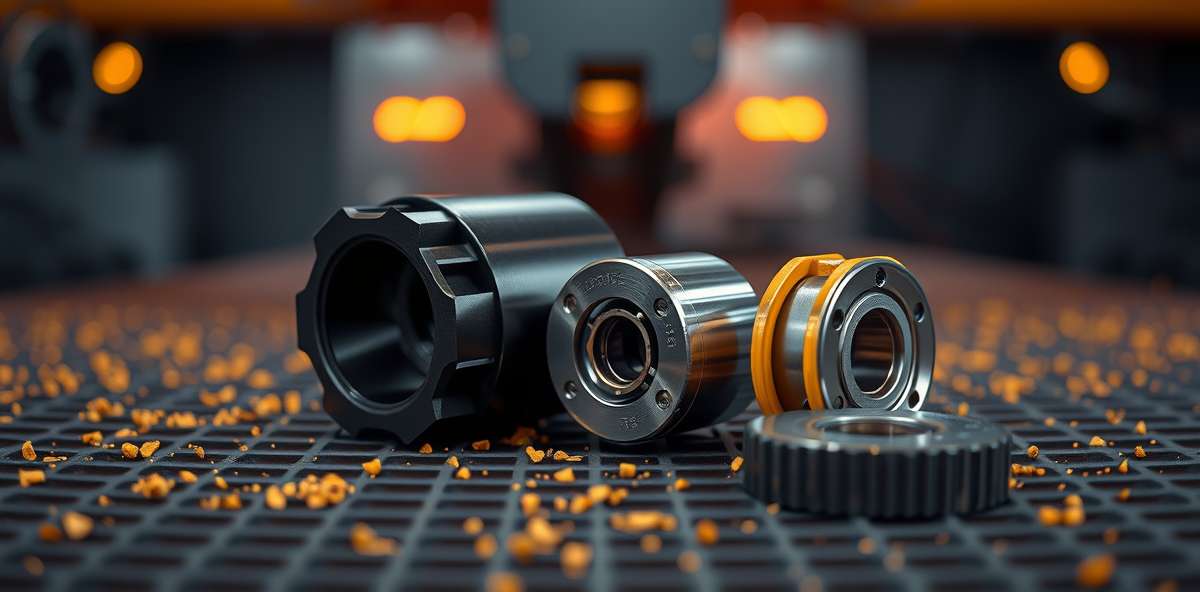
The efficiency and output of a sophisticated fiber laser cutting machine are intrinsically linked to the quality and condition of its spare parts and consumables. These components are not merely accessories; they are vital arteries of the cutting process, directly influencing the laser beam’s integrity, assist gas delivery, and overall operational stability.
Low-quality or worn-out parts can lead to a cascade of negative effects. This includes slower cutting speeds, frequent interruptions, increased material waste, and the production of parts that fail to meet stringent quality standards. The hidden costs—rework, material scrap, prolonged lead times, and increased energy consumption—far outweigh any initial savings from choosing inferior components.
Conversely, investing in genuine, high-quality parts ensures peak machine efficiency. This translates into faster processing times, superior cut quality, reduced maintenance frequency, and a significantly longer lifespan for your expensive machinery. It’s a strategic investment that consistently delivers returns in productivity and profitability.
Complete Overview of Laser Cutting Machine Spare Parts
A fiber laser cutting machine is a complex integration of various precise components. Understanding each category is crucial for optimal maintenance and consistent performance.
Optical Components
- Focus Lenses: Critical for concentrating the laser beam into a precise, high-power spot. Scratched, dirty, or degraded lenses cause beam dispersion, leading to poor cutting quality and reduced speed. Renowned brands include Raytools, OSPRI, Precitec, and Fine Focus for their high-quality optics.
- Protective Windows/Cover Slides: Shield the focus lens from spatter and fumes. These must be meticulously clean; contamination absorbs laser energy, causing overheating and potential damage to the main lens.
- Collimating Lenses: Flatten the laser beam to ensure it remains parallel before reaching the focusing lens, vital for consistent cutting performance across the work area.
Mechanical Parts
- Nozzles: Guides the assist gas and shapes the laser beam exit. Its condition directly impacts gas flow dynamics, critical for dross-free cuts. Worn or improperly aligned nozzles lead to poor gas efficiency and cut quality. This includes both Single Nozzle and Double Nozzle types.
- Bearings and Guide Rails: Essential for smooth, precise movement of the cutting head. Worn components cause vibration, leading to inaccurate cuts and increased wear on other parts.
- Gear Racks and Pinions: Ensure accurate positioning and motion control of the gantry, maintaining tight tolerances in cut parts.
Electrical Components
- Sensors: Monitor parameters like gas pressure, temperature, and distance control for safe, efficient operation. Faulty sensors lead to incorrect settings and poor cutting results.
- Cables and Connectors: High-power and signal cables transmit critical information and energy. Damaged cables cause intermittent issues, power loss, or system failure.
- Power Supply Units: Provide stable power to machine components. Fluctuations impact laser stability and overall machine performance.
Consumables
- Filters: Air and water filters are vital for maintaining the purity of assist gases and cooling liquids, protecting sensitive components. Blocked filters reduce efficiency and can lead to expensive damage.
- ceramic ring for laser cutting machines: Also known as insulators, these rings protect the nozzle from electrical discharge and help maintain proper standoff distance between the nozzle and workpiece. A damaged laser cutting machine ceramic ring compromises the electrical connection and cutting quality. High-quality fiber laser ceramic rings are crucial for stable operation.
- Nozzles: Due to regular wear and tear, nozzles are also key consumables.
- Protective Windows: Often replaced due to spatter accumulation, making them a frequently used consumable.
Table: Key Laser Cutting Parts, Function, and Replacement Cycle
| Part | Function | Typical Replacement Cycle |
|---|---|---|
| Focus Lens | Focuses laser beam onto material | 3-12 months (usage & maintenance dependent) |
| Protective Window | Shields focus lens from spatter | Weekly to monthly (material & power dependent) |
| Nozzle | Directs assist gas, shapes beam exit | Daily to weekly (material & piercing dependent) |
| laser ceramic ring | Electrically insulates nozzle, maintains standoff | 1-3 months (arcing frequency dependent) |
| Air Filters | Purifies assist gas supply | 1-6 months (environment dependent) |
| Water Filters | Ensures clean cooling water | 3-6 months (water quality dependent) |
Types of Laser Cutting Consumables Explained
Understanding specific consumables reveals their critical roles in optimizing fiber laser cutting. Choosing the right type and maintaining its integrity directly impacts cutting efficiency and product quality.
Nozzles: The Gateway to Precision
Nozzles are perhaps the most frequently replaced consumable, acting as the final guide for both the laser beam and the assist gas. Their design significantly influences cutting dynamics. Common types include Single & Double Nozzle configurations.
- Single Nozzle: Ideal for fusion cutting (inert gas like nitrogen) and fine cutting, where a smaller, concentrated gas jet is desired. When using a Single Nozzle, ensure it’s clean and free of spatter for optimal gas flow and beam quality.
- Double Nozzle: Typically used for oxygen cutting of thicker materials. The outer ring of the Double Nozzle provides a wider, gentler flow of oxygen, preventing excessive burning and improving slag removal. The inner bore directs the concentrated assist gas and laser beam. Proper selection between a Single Nozzle and a Double Nozzle is paramount for material thickness and type.
The orifice size, material (copper or chrome-plated copper), and concentricity are critical. A worn or misaligned nozzle causes turbulent gas flow, leading to dross, uneven cuts, and slower speeds. Leading brands like Raytools, Precitec, and OSPRI offer high-precision nozzles designed for consistent performance.
ceramic ring for laser cutting machines: The Insulators of Efficiency
The ceramic ring for laser cutting machine (also known as the fiber laser ceramic ring or insulator) is crucial for the capacitive height sensing system. It electrically isolates the nozzle from the cutting head, allowing accurate non-contact distance measurement. This precise standoff distance is vital for consistent focus and effective assist gas delivery.
A damaged or contaminated ceramic ring for laser cutting machine leads to erratic height sensing, causing the nozzle to collide or cut at an incorrect height. This results in poor edge quality, reduced cutting speed, and potential damage to the nozzle and cutting head. Genuine ceramic ring for laser cutting machine from manufacturers like Raytools, Precitec, and Fine Focus ensure reliable arc protection and stable performance.
Lenses: The Heart of the Beam
Protective windows and focus lenses are consumables due to their susceptibility to degradation. The focus lens is the most critical optical component, responsible for concentrating the laser beam. Its quality directly influences the beam’s spot size and power density, fundamental to cutting speed and precision.
Dust, debris, or spatter on the lens surface causes the laser beam to scatter, leading to a wider kerf, reduced power density, and a significant drop in cutting efficiency and edge quality. Even minor imperfections create hot spots, potentially damaging the lens. Protective windows act as a sacrificial barrier. Regular inspection, cleaning, and timely replacement are non-negotiable for optimal performance.
Signs Your Spare Parts Need Replacement
Proactive identification of worn or damaged parts is key to preventing major breakdowns and maintaining consistent output. Operators should be vigilant for these common indicators:
- Poor Cutting Quality: Excessive dross, burnt edges, uneven kerf width, or a rough finish often signal a degraded nozzle, contaminated lens, or unstable ceramic ring for laser cutting machine.
- Burr Formation: Burrs or slag on the underside of the cut material indicate insufficient laser power density, improper assist gas pressure, or a worn nozzle. This can also be a sign of a dirty focus lens.
- Irregular Sparks: An inconsistent or erratic spark pattern during cutting often suggests a damaged or misaligned nozzle, or issues with the laser ceramic ring affecting height sensing.
- Reduced Cutting Speed: A sudden decrease in cutting speed for a given material and thickness strongly indicates suboptimal laser beam focus or compromised assist gas flow, often due to consumable degradation.
- Frequent Arc Detection Errors: Persistent errors related to arc detection point directly to issues with the fiber laser ceramic ring or nozzle contamination.
- Visible Damage or Contamination: Physically inspect nozzles for wear, deformation, or spatter. Check protective windows and focus lenses for scratches, dust, or burn marks.
- Increased Gas Consumption: A worn nozzle can lead to inefficient assist gas usage, significantly increasing operational costs.
What are signs of worn laser cutting parts?
Signs of worn laser cutting parts include poor cutting quality (dross, rough edges), burr formation, irregular spark patterns, decreased cutting speed, frequent arc detection errors, and visible damage or contamination on components like nozzles, lenses, or the ceramic ring for laser cutting machine.
OEM vs Aftermarket Spare Parts
When replacing laser cutting machine spare parts, manufacturers face a choice between Original Equipment Manufacturer (OEM) parts and aftermarket alternatives. Each option presents distinct advantages and disadvantages.
Table: OEM vs. Aftermarket Spare Parts Comparison
| Feature | OEM Parts | Aftermarket Parts |
|---|---|---|
| Quality & Precision | Guaranteed to meet original specifications, highest precision. | Varies widely; can be good, but often lower or inconsistent quality. |
| Compatibility | Perfect fit and seamless integration with your specific machine model. | May require modifications, or have slight fitment issues. |
| Performance | Optimal and consistent performance, maintaining machine warranty. | Performance can be unpredictable, potentially voiding warranties. |
| Cost | Generally higher upfront cost. | Often lower upfront cost. |
| Lifespan | Designed for maximum durability and extended service life. | Typically shorter lifespan, requiring more frequent replacement. |
| Reliability | High reliability, reduces unexpected downtime and maintenance. | Risk of premature failure, leading to increased downtime. |
| Technical Support | Full manufacturer support and documentation. | Limited or no official support from machine manufacturer. |
While aftermarket parts might offer a lower initial price, the potential for reduced performance, increased downtime, and premature failure often makes them a false economy. For critical components like focus lenses, nozzles (e.g., for Single Nozzle or Double Nozzle applications), and the fiber laser ceramic ring, OEM-quality or reputable branded alternatives (like Raytools, OSPRI, Precitec, Fine Focus) are always recommended to safeguard your investment and operational consistency.
How to Choose High-Quality Spare Parts Supplier
Selecting the right supplier for your fiber laser cutting consumables and spare parts is as critical as choosing the parts themselves. A reliable supplier ensures you receive genuine, high-performance components that extend machine life and optimize output.
- Certifications and Quality Assurance: Look for suppliers adhering to international quality standards (e.g., ISO certifications). Request quality certifications for specific parts, especially for critical optical components and ceramic ring for laser cutting machine.
- Brand Compatibility and Authenticity: Ensure the supplier offers parts specifically compatible with your machine’s brand (e.g., Raytools, OSPRI, Precitec, Fine Focus). A reputable supplier clearly states compatibility and offers genuine parts from these leading manufacturers.
- Technical Support and Expertise: A good supplier offers technical guidance. Can they help troubleshoot issues? Do they have experts who understand laser cutting processes? This support is invaluable for optimizing performance.
- Inventory and Timely Delivery: Downtime is costly. Choose a supplier with a robust inventory of common fiber laser cutting consumables and efficient logistics for quick delivery.
- Reputation and Reviews: Check industry reputation, customer testimonials, and reviews. A long-standing history of satisfied customers indicates reliability and quality.
Maintenance Tips to Increase Machine Life
Consistent, proactive maintenance is the cornerstone of maximizing the lifespan and performance of your fiber laser cutting machine. It also directly impacts the longevity and efficiency of your fiber laser cutting consumables.
- Regular Cleaning of Lenses and Protective Windows: Contamination is the enemy of optical components. Follow guidelines for daily/weekly cleaning of protective windows and focus lenses using appropriate solutions and wipes. Even a tiny speck of dust causes beam defocusing or hotspots, leading to premature component failure.
- Checking Nozzle Alignment and Condition: Inspect nozzles daily for spatter, deformation, or wear. Ensure the Single Nozzle or Double Nozzle is perfectly concentric with the laser beam. Misalignment drastically reduces cutting quality and increases assist gas consumption. Replace worn nozzles promptly.
- Regularly Replacing Consumables: Adhere to recommended replacement schedules for all fiber laser cutting consumables, including filters, protective windows, nozzles, and the ceramic ring for laser cutting machine. Preventive replacement avoids costly downtime and maintains peak performance.
- Maintain Assist Gas Purity: Ensure your assist gas supply (oxygen, nitrogen, air) is clean and dry. Use high-quality filters and regularly check for leaks. Impurities contaminate optics and compromise the cutting process.
- Calibrate Height Sensor: Regularly calibrate the capacitive height sensor, which relies on the integrity of the fiber laser ceramic ring. Accurate height sensing is vital for consistent cutting quality and preventing head crashes.
- Lubricate Moving Parts: Keep guide rails, gear racks, and bearings clean and properly lubricated to ensure smooth and accurate motion.
- Monitor Cooling System: Ensure the chiller operates correctly, maintaining the specified temperature for the laser source and cutting head. Clean chiller filters regularly.
Book Maintenance Consultation
Cost Optimization Strategy
Investing in high-quality fiber laser cutting consumables is fundamental to significant long-term cost savings and improved profitability.
- Bulk Buying Genuine Consumables: Purchasing frequently used consumables like nozzles, protective windows, and ceramic ring for laser cutting machine in bulk from reputable suppliers can often secure better pricing. Ensure these are genuine parts from trusted brands (Raytools, Precitec, OSPRI, Fine Focus) to avoid compromising quality.
- Implement a Strict Preventive Maintenance Schedule: Proactive maintenance is the most effective cost-saving strategy. It prevents minor issues from escalating into major, expensive repairs or prolonged downtime. Scheduled checks and replacements are cheaper than emergency repairs and lost production.
- Optimize Cutting Parameters: Fine-tune your machine’s cutting parameters (power, speed, assist gas pressure, focus position) for each material and thickness. Optimal settings reduce wear on consumables, minimize material waste, and improve energy efficiency.
- Operator Training: Well-trained operators understand the importance of proper machine operation and consumable handling, reducing errors, extending part life, and improving overall efficiency.
- Monitor Consumable Life and Performance: Keep detailed records of consumable lifespan and performance. This data helps identify cost-effective parts and anticipate replacement needs, preventing unexpected stoppages.
- Reduce Rework and Scrap: By ensuring consistent cutting quality through proper consumable management, you drastically reduce material waste and the need for costly rework, directly impacting your bottom line.
Applications & Industry Use Cases
Fiber laser cutting technology, powered by reliable spare parts and consumables, is indispensable across sectors demanding high precision and efficiency:
- Automotive Industry: From chassis to intricate interior parts, laser cutting provides precision for lightweighting and complex designs. High-volume production requires consistent, high-speed cutting, making the quality of Single & Double Nozzle and fiber laser ceramic ring critical.
- Sheet Metal Fabrication: The largest user base, creating everything from structural components to decorative panels. Fabricators rely on optimal cutting speed and edge quality for competitive lead times and superior products.
- Aerospace Industry: For cutting high-strength alloys and composite materials with extreme accuracy, laser cutting is preferred. Optical component integrity and consumable reliability are non-negotiable for safety-critical parts.
- Agricultural Machinery: Manufacturing robust parts for farm equipment requires precise cuts on thick gauge materials, where the right Double Nozzle and powerful laser are essential.
- HVAC Manufacturing: Efficiently producing ductwork and ventilation components requires rapid and clean cuts on sheet metal, emphasizing quality nozzles and lenses.
- Construction Equipment: Heavy machinery relies on durable, precisely cut components, making the consistent performance offered by genuine fiber laser cutting consumables vital for the production line.
FAQs
- Q: How often should I replace my laser cutting nozzle?
A: Nozzle replacement frequency depends on material, power, and cutting type (piercing vs. edge cutting). Daily or multiple times a day may be needed for heavy use/thick piercing; weekly for lighter work. Always inspect for wear or spatter. - Q: What is the main function of a ceramic ring for laser cutting machine?
A: Its primary function is to electrically insulate the nozzle from the cutting head. This enables the capacitive height sensor to accurately measure the distance to the workpiece, ensuring a consistent standoff height vital for optimal focus and cutting quality. - Q: Can using aftermarket parts void my laser machine warranty?
A: Yes, using non-OEM or unauthorized aftermarket parts can often void your machine’s warranty, especially if they cause damage or contribute to a malfunction. Always consult your manufacturer’s warranty terms. - Q: How do fiber laser cutting consumables impact production cost?
A: High-quality fiber laser cutting consumables reduce costs by increasing cutting speed, improving edge quality (reducing rework), minimizing material waste, decreasing downtime, and extending expensive machine component lifespans. Poor quality leads to higher operating costs. - Q: What are the key differences between a Single Nozzle and a Double Nozzle?
A: A Single Nozzle has one central opening for beam and gas, ideal for inert gas (nitrogen) cutting and fine cuts. A Double Nozzle has a central opening and an outer ring, commonly used for oxygen cutting of thicker materials, with the outer ring providing wider gas flow for slag removal. - Q: How often should I clean the protective window?
A: Inspect daily and clean as needed, based on material and power. For heavy spatter, it may require multiple cleanings daily or replacement if contamination cannot be removed without scratching.
Conclusion
The performance of your fiber laser cutting machine directly reflects the quality and maintenance of its spare parts and fiber laser cutting consumables. From the precision-guided laser beam shaped by the nozzle to the critical height sensing enabled by the ceramic ring for laser cutting machine, every component plays an indispensable role in achieving optimal cutting speed, superior edge quality, and ultimately, a lower production cost.
Ignoring the importance of genuine, high-quality consumables from trusted brands like Raytools, OSPRI, Precitec, and Fine Focus is a false economy that leads to increased downtime, rework, and wasted materials. By implementing a rigorous preventive maintenance schedule, choosing reputable suppliers, and understanding the impact of each part, you empower your operation to reach new heights of efficiency and profitability. Invest in the longevity and performance of your machinery by prioritizing the right consumables and spare parts – it’s the smart choice for any B2B laser cutting machine user.
Request Quote
Talk to Expert
Download Catalog



Write a comment
Your email address will not be published. All fields are required