

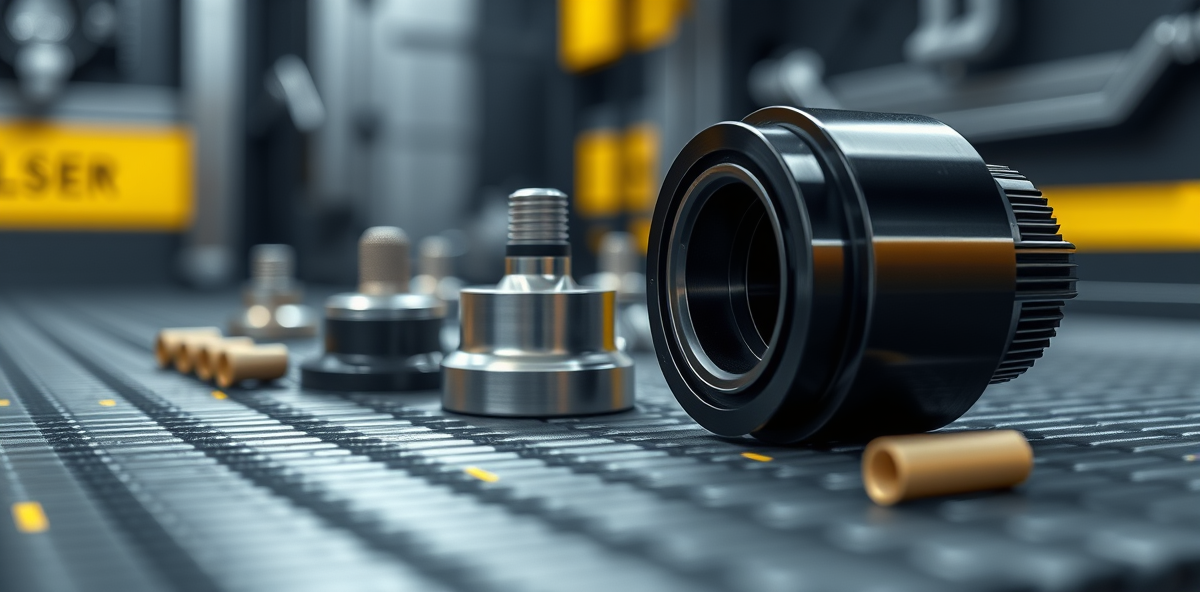
Laser Consumables Checklist: Components Every Operator Should Monitor for Peak Performance
In the demanding world of metal fabrication and industrial manufacturing, the precision and efficiency of fiber laser cutting machines are paramount. However, even the most advanced machinery can falter if its critical components, particularly consumables and spare parts, are overlooked. Downtime due to unexpected failures or subpar cutting quality can lead to significant financial losses and missed deadlines. For every cutting machine user, operator, and metal fabricator owner, understanding and actively monitoring these essential items is not just a best practice—it’s a necessity for maintaining operational excellence.
This comprehensive guide delves into the vital fiber laser cutting Consumbales and spare parts that demand constant attention. By focusing on practical insights, performance improvement, and cost optimization, we aim to equip you with the knowledge to extend machine life and enhance output quality. Download our exclusive Spare Parts Checklist to streamline your maintenance routine and ensure your operations run smoothly.
Why Spare Parts & Consumables Matter in Laser Cutting
The reliability of your laser cutting machine directly correlates with the quality and condition of its spare parts and consumables. These seemingly small components play an outsized role in the overall performance, precision, and longevity of your equipment.
- Impact on Performance: Worn or inferior parts can lead to immediate and noticeable degradation in cutting quality. This includes rough edges, burr formation, incorrect kerf width, and even incomplete cuts. The consistent quality of your output, which is crucial for client satisfaction and product integrity, hinges on properly functioning components.
- Cost of Low-Quality Parts: While aftermarket parts may sometimes offer an attractive lower upfront cost, the long-term expenses associated with them can be staggering. Substandard materials or manufacturing processes often result in premature wear, frequent replacements, and increased downtime. This not only incurs direct costs for new parts but also indirect costs from lost production and potential damage to other machine components. Genuine and branded consumables, such as those from Raytools, OSPRI, Precitec, and Fine Focus, ensure optimal performance and longevity, proving to be more cost-effective in the long run.
- Machine Efficiency: Properly maintained and high-quality spare parts contribute significantly to overall machine efficiency. Efficient machines consume less energy, operate faster, and produce higher volumes of quality parts. Conversely, compromised components can force the machine to work harder, increasing energy consumption, slowing down operations, and accelerating wear on other vital systems.
Complete Overview of Laser Cutting Machine Spare Parts
A fiber laser cutting machine is a complex system of interconnected components. Understanding each part’s function and typical replacement cycle is fundamental for proactive maintenance.
Optical Components (Lens, Mirrors, Protective Windows)
These components are the heart of the laser beam delivery system. Any contamination or damage can severely impact beam quality and cutting effectiveness.
- Focusing Lens: Essential for converging the laser beam to a precise focal point on the material. Damage or contamination leads to a diffused beam and poor cut quality.
- Collimating Lens: Ensures the laser beam is parallel before it enters the focusing lens.
- Protective Window (Cover Slide): Shields the internal optics from spatter, smoke, and debris. It’s a sacrificial component that needs frequent inspection and replacement.
- Mirrors (for CO2 lasers, less common in fiber): Guide the laser beam along its path. Fiber lasers primarily use fiber optics, minimizing mirror usage.
Mechanical Parts (Nozzle, Bearings, Drive System)
These parts facilitate the movement and interaction of the laser head with the workpiece.
- Nozzle: Directs the assist gas and shapes the laser beam exiting the cutting head. Critical for cut quality and piercing.
- Bearings: Found in various moving parts, ensuring smooth and precise motion along the axes.
- Linear Guides & Racks: Provide the pathway for the cutting head’s movement, crucial for accuracy and repeatability.
Electrical Components (Sensors, Cables, Power Supply Modules)
The electrical system controls the machine’s operations, from laser firing to axis movement.
- Sensors: Monitor various parameters like position, temperature, and gas pressure.
- Cables: Transmit power and data throughout the machine.
- Power Supply Modules: Provide stable power to different machine components, including the laser source.
Consumables (Filters, Ceramic Rings)
These items are designed for regular replacement due to wear or contamination, safeguarding other critical components.
- Air Filters: Protect internal components from dust and particles, especially in the electrical cabinet.
- Water Filters: Maintain the purity of the cooling water circulated through the laser source and cutting head.
- Ceramic rings: An integral part of the cutting head, ensuring stable nozzle position and electrical insulation.
Table: Essential Laser Cutting Machine Parts, Function, and Replacement Cycle
| Part | Function | Typical Replacement Cycle |
|---|---|---|
| Protective Window | Shields internal optics from debris | 1 week to 1 month (depending on material/power) |
| Nozzle | Directs assist gas, shapes beam | Daily to weekly (inspection daily) |
| Ceramic ring for laser cutting machine | Holds nozzle, electrical insulation | 1-3 months (or as needed) |
| Focusing Lens | Focuses laser beam | 3-6 months (with proper cleaning) |
| Air Filters | Protects electrical components | 1-3 months |
| Water Filters | Maintains chiller water purity | 3-6 months |
Types of Laser Cutting Consumables Explained
Focusing specifically on consumables, these are the items that require the most frequent monitoring and replacement to ensure continuous, high-quality operation.
Nozzles (Single & Double)
The laser nozzle is a critical component that controls the flow of assist gas and helps shape the laser beam as it exits the cutting head. Its condition directly impacts cutting speed, edge quality, and pierce stability.
- Single Nozzle: Typically used for cutting with oxygen (fusion cutting) on thicker mild steel, providing a narrower kerf.
- Double Nozzle: Preferred for nitrogen or air cutting (melt and blow cutting) on stainless steel, aluminum, and thinner mild steel. The dual stream helps to clear molten material more effectively.
Regular inspection for wear, spatter build-up, and deformation is essential. A damaged Single & Double Nozzle can lead to erratic cutting, burrs, and reduced piercing capabilities. Brands like Raytools and Precitec offer precision-engineered nozzles designed for optimal performance and longevity.
Ceramic rings
Often overlooked, the laser cutting machine ceramic ring is vital for maintaining the stability and electrical insulation of the nozzle. It precisely positions the nozzle relative to the laser beam and also acts as an insulator for the capacitive height sensing system.
A worn or cracked fiber laser ceramic ring can cause:
- Inaccurate height sensing, leading to improper focal point and poor cut quality.
- Instability of the nozzle, resulting in inconsistent kerf width and beam alignment issues.
- Electrical discharge, potentially damaging other sensitive components in the cutting head.
Always opt for genuine ceramic ring for laser cutting machine from reputable manufacturers such as OSPRI and Fine Focus to ensure compatibility and durability. Monitoring its condition is crucial for consistent performance.
Lenses (Focusing and Collimating)
While often categorized under optical components, the focusing lens is a high-wear item that needs regular cleaning and occasional replacement. It’s responsible for concentrating the laser beam into a small, intense spot at the material surface.
- Focusing Lens: Directs the laser energy. Its cleanliness and condition are paramount for achieving a precise cut. Contamination from dust, smoke, or spatter can cause the lens to overheat, crack, or scatter the laser beam, severely degrading cut quality.
- Collimating Lens: Ensures the beam is parallel. Less prone to direct contamination but still requires periodic inspection.
Proper cleaning procedures and timely replacement of damaged lenses are critical. A slight scratch or speck of dust can significantly reduce the efficiency of your fiber laser cutting Consumbales system.
Signs Your Spare Parts Need Replacement
Being able to identify the early warning signs of worn or failing components can save significant time and money by preventing more severe issues.
- Poor Cutting Quality: This is often the most immediate indicator. Look for rough edges, excessive dross, or cuts that are not perpendicular to the material surface.
- Burr Formation: The presence of molten material clinging to the bottom edge of the cut is a clear sign that something is amiss, often related to the nozzle, assist gas, or focal point.
- Irregular Sparks: Instead of a consistent, clean spark pattern during cutting, irregular or excessive sparking can point to a damaged nozzle, incorrect focal position, or a compromised ceramic ring for laser cutting machine.
- Frequent Error Messages: Machine controllers often display warnings related to sensor malfunctions, pressure irregularities, or optical issues. Don’t ignore these.
- Reduced Cutting Speed: If your machine is suddenly taking longer to complete cuts that were previously faster, it could be a sign of reduced laser power or inefficient beam delivery due to worn optics.
- Inconsistent Piercing: Difficulty in initiating a clean pierce or prolonged pierce times can indicate nozzle damage, incorrect gas pressure, or a degraded focusing lens.
- Visible Damage: Physically inspect nozzles for deformed orifices, protective windows for pitting or cloudiness, and fiber laser ceramic ring for cracks or discoloration.
Featured Snippet: “What are signs of worn laser cutting parts?”
Signs of worn laser cutting parts include poor cutting quality (rough edges, dross), excessive burr formation, irregular sparking patterns, frequent error messages, reduced cutting speed, inconsistent piercing, and visible physical damage like deformed nozzles or clouded lenses.
OEM vs Aftermarket Spare Parts
When it comes to replacing parts, operators and owners face a crucial decision: original equipment manufacturer (OEM) parts or aftermarket alternatives. Each option presents distinct advantages and disadvantages.
Comparison Table: OEM vs. Aftermarket Laser Parts
| Feature | OEM Parts | Aftermarket Parts |
|---|---|---|
| Quality Assurance | Guaranteed, precise fit & performance | Varies widely; can be good or poor |
| Compatibility | 100% compatible, designed for specific machine | May require modifications, fit issues possible |
| Warranty | Typically comes with manufacturer’s warranty | Often limited or no warranty |
| Performance | Optimized for machine efficiency & longevity | Can compromise performance & lifespan |
| Cost (Upfront) | Higher initial investment | Lower initial investment |
| Long-Term Cost | Potentially lower due to durability & less downtime | Potentially higher due to frequent replacement & repairs |
| Technical Support | Direct from manufacturer, specialized knowledge | May be limited or generic |
While aftermarket parts might offer a lower upfront cost, the risks associated with them—such as reduced performance, faster wear, and potential damage to your expensive machinery—often outweigh the initial savings. For critical components and consumables like nozzles, laser ceramic ring, and lenses, investing in genuine or high-quality branded parts (e.g., from Raytools, Precitec, OSPRI, Fine Focus) is a superior strategy for reliability and cost-effectiveness in the long run.
How to Choose a High-Quality Spare Parts Supplier
Selecting the right supplier for your fiber laser cutting Consumables and spare parts is as crucial as choosing the parts themselves. A reliable supplier ensures you receive genuine, high-performance components that keep your operations running smoothly.
- Certifications & Quality Standards: Look for suppliers who adhere to international quality management systems like ISO 9001. This indicates a commitment to consistent product quality and reliable processes. Ensure their products meet industry standards for materials and precision.
- Brand Compatibility & Authenticity: A reputable supplier will offer genuine parts or high-quality alternatives that are explicitly compatible with major laser cutting head brands such as Raytools, OSPRI, Precitec, and Fine Focus. They should be able to verify the authenticity of their products, ensuring you receive parts that match the original specifications of your machine.
- Technical Support & Expertise: Beyond just selling parts, a good supplier offers expert technical support. This includes assistance with part identification, installation guidance, troubleshooting, and advice on optimizing your laser cutting process. Their team should possess in-depth knowledge of various laser systems and applications.
- Inventory & Availability: Timely access to spare parts is critical to minimize downtime. A supplier with a comprehensive inventory and efficient logistics can ensure quick delivery of essential consumables and components.
- Customer Reviews & Reputation: Research the supplier’s reputation within the industry. Online reviews, testimonials, and industry forums can provide insights into their reliability, product quality, and customer service.
Maintenance Tips to Increase Machine Life
Proactive maintenance is the cornerstone of maximizing the lifespan and efficiency of your fiber laser cutting machine and its fiber laser cutting Consumbales.
- Cleaning Lenses and Protective Windows: Regularly inspect and clean all optical components with appropriate lens cleaning solutions and lint-free wipes. Even microscopic dust can significantly degrade beam quality and lead to lens damage.
- Checking Nozzle Alignment and Condition: Perform daily checks on your Single & Double Nozzle for spatter build-up, deformation, or clogs. Ensure it is perfectly centered to the laser beam. Misalignment can cause uneven cuts and increase processing time.
- Replacing Consumables Regularly: Adhere to manufacturer-recommended replacement schedules for nozzles, ceramic ring for laser cutting machine, and protective windows. Don’t wait for a part to fail before replacing it.
- Maintaining the Chiller System: Regularly check the coolant level, quality, and filters in your chiller. Clean and stable coolant is vital for preventing overheating of the laser source and optics.
- Lubricating Moving Parts: Keep linear guides, racks, and bearings properly lubricated according to the machine’s maintenance schedule to ensure smooth and accurate motion.
- Calibrating Height Sensing: Periodically calibrate the capacitive height sensor to ensure the correct focal distance is maintained during cutting.
- Keeping the Work Area Clean: A clean machine and work environment minimize the ingress of dust and debris into sensitive components.
By integrating these practices into your daily and weekly routines, you can significantly extend the operational life of your machine and reduce the frequency of costly repairs. Book a Maintenance Consultation with our experts to develop a tailored maintenance plan for your specific machinery.
Cost Optimization Strategy
Optimizing costs without compromising performance is a constant challenge for metal fabricators. A smart approach to managing your fiber laser cutting Consumbales can yield significant savings.
- Bulk Buying: For frequently used consumables like nozzles, protective windows, and fiber laser ceramic ring, purchasing in bulk often unlocks volume discounts from suppliers. This reduces the per-unit cost and ensures you always have critical parts on hand, preventing production stoppages.
- Preventive Maintenance: As discussed, proactive maintenance minimizes unexpected breakdowns, which are far more costly than scheduled servicing. By preventing damage to expensive core components, you avoid hefty repair bills and lost production time.
- Using Genuine Consumables: While aftermarket options may seem cheaper upfront, genuine or high-quality branded consumables (Raytools, OSPRI, Precitec, Fine Focus) offer superior durability and performance. This translates to fewer replacements, better cut quality, and less wear on other machine parts, leading to lower total cost of ownership.
- Inventory Management: Implement an efficient inventory system to track usage and anticipate needs. This prevents overstocking (tying up capital) and understocking (leading to emergency purchases at higher prices).
- Operator Training: Well-trained operators use the machine and its consumables more efficiently, reducing premature wear and damage. Proper handling of optics and correct setup procedures directly impact consumable lifespan.
Applications & Industry Use Cases
The reliability afforded by diligent monitoring and replacement of fiber laser cutting Consumbales is critical across a diverse range of industries that depend on precision metal fabrication.
- Automotive Industry: From chassis components to intricate engine parts, laser cutting produces high-precision components vital for vehicle manufacturing. Consistent quality from well-maintained machines is non-negotiable.
- Sheet Metal Fabrication: A cornerstone industry for laser cutting, producing everything from enclosures and brackets to custom architectural elements. Optimal consumable performance ensures clean cuts and efficient production runs.
- General Manufacturing: For manufacturing various machinery, equipment, and structural components, the accuracy and speed of laser cutting are indispensable.
- Aerospace & Defense: Where materials are often specialized and tolerances extremely tight, the performance of every laser cutting machine ceramic ring and nozzle contributes to safety-critical components.
- Medical Device Manufacturing: Producing small, intricate, and high-precision parts for medical instruments requires absolute consistency, making consumable quality paramount.
FAQs
Q1: How often should I check my laser cutting consumables?
A1: Critical consumables like nozzles and protective windows should be inspected daily, sometimes even multiple times a day depending on workload and material. Ceramic rings and focusing lenses should be checked weekly or every few days, with replacement cycles ranging from weeks to months based on usage and environmental factors.
Q2: What is the main difference between a Single Nozzle and a Double Nozzle?
A2: A Single Nozzle is typically used for oxygen cutting on thicker mild steel, providing a concentrated gas flow. A Double Nozzle is used for nitrogen or air cutting on stainless steel and aluminum, creating a wider gas flow to clear molten material more efficiently.
Q3: Why are genuine fiber laser cutting Consumbales important?
A3: Genuine fiber laser cutting Consumbales are engineered to precise specifications, ensuring optimal compatibility, performance, and durability. They reduce the risk of premature wear, machine damage, and costly downtime compared to often inconsistent aftermarket alternatives.
Q4: Can improper maintenance of consumables affect my laser cutting machine’s warranty?
A4: Yes, using non-approved or low-quality consumables, or neglecting routine maintenance, can often void your machine’s warranty. Manufacturers typically require adherence to specified maintenance schedules and use of compatible parts to uphold warranty terms.
Q5: How can I identify a reliable supplier for Raytools or Precitec spare parts?
A5: Look for suppliers with certifications, a strong reputation, positive customer reviews, and clear indications of direct partnerships or authorized distribution for brands like Raytools, OSPRI, Precitec, and Fine Focus. They should also offer robust technical support.
Q6: What is the role of the ceramic ring for laser cutting machine in the cutting head?
A6: The ceramic ring for laser cutting machine serves two primary functions: it precisely holds and insulates the nozzle, ensuring stable positioning relative to the laser beam, and it acts as an electrical insulator for the capacitive height sensing system, critical for maintaining the correct focal distance during cutting.
Conclusion
The success of your laser cutting operations hinges on a meticulous approach to managing consumables and spare parts. By understanding the function of each component, adhering to a diligent monitoring and replacement schedule, and choosing high-quality, genuine parts from trusted brands like Raytools, OSPRI, Precitec, and Fine Focus, operators and owners can significantly enhance machine performance, optimize costs, and extend the overall lifespan of their valuable equipment. Investing in premium fiber laser cutting Consumbales and proactive maintenance isn’t an expense; it’s an investment in unparalleled precision, efficiency, and profitability.
Ready to elevate your laser cutting operations? Request a Quote for genuine spare parts, Talk to an Expert for personalized advice, or Download Our Catalog to explore our comprehensive range of high-quality consumables.

Write a comment
Your email address will not be published. All fields are required