

Introduction
Downtime and subpar cutting quality are significant pain points for metal fabricators. These issues often trace back to neglected or low-quality laser consumables. Optimizing the lifespan of your fiber laser cutting consumables is not just about reducing immediate costs; it’s about ensuring consistent performance, superior cut quality, and maximizing the efficiency of your laser cutting operations. This guide will delve into the best practices to achieve these goals, benefiting machine operators, production managers, and business owners alike.
Download Spare Parts Checklist
Why Spare Parts & Consumables Matter in Laser Cutting
The precision and speed of your fiber laser cutting machine are directly influenced by the quality and condition of its spare parts and consumables. Worn or inferior components can lead to inaccurate cuts, rough edges, and increased scrap material.
While investing in high-quality, genuine parts might seem like an upfront expense, it significantly reduces long-term operational costs. Low-quality aftermarket parts can cause frequent breakdowns, extensive downtime, and even damage to major machine components, leading to far greater expenditures.
A well-maintained machine with optimal consumables operates at peak efficiency. This translates to faster production cycles, reduced energy consumption, and a lower cost per part, directly impacting your bottom line.
Complete Overview of Laser Cutting Machine Spare Parts
This section will cover the essential components that keep a fiber laser cutting machine running smoothly. Understanding each part’s role is crucial for effective maintenance and longevity.
Optical Components
Optical components, such as focusing lenses and protective windows, are critical for directing and shaping the laser beam. They must be kept impeccably clean and free from damage to maintain beam quality and cutting precision. Brands like Precitec and Raytools are renowned for their high-quality optical heads and associated components.
Mechanical Parts
Mechanical parts ensure the precise movement and positioning of the cutting head. This includes components like guide rails, ball screws, and various bearings. The nozzle, a crucial mechanical part, directs the assist gas and laser beam onto the workpiece. Proper alignment and condition of these parts prevent vibration and ensure smooth operation.
Electrical Components
Electrical components encompass everything from the laser source power supply to various sensors, motors, and control boards. These parts manage the machine’s intricate functions, ensuring safety and precision. Malfunctions in electrical components can lead to system errors or complete machine shutdown.
Consumables
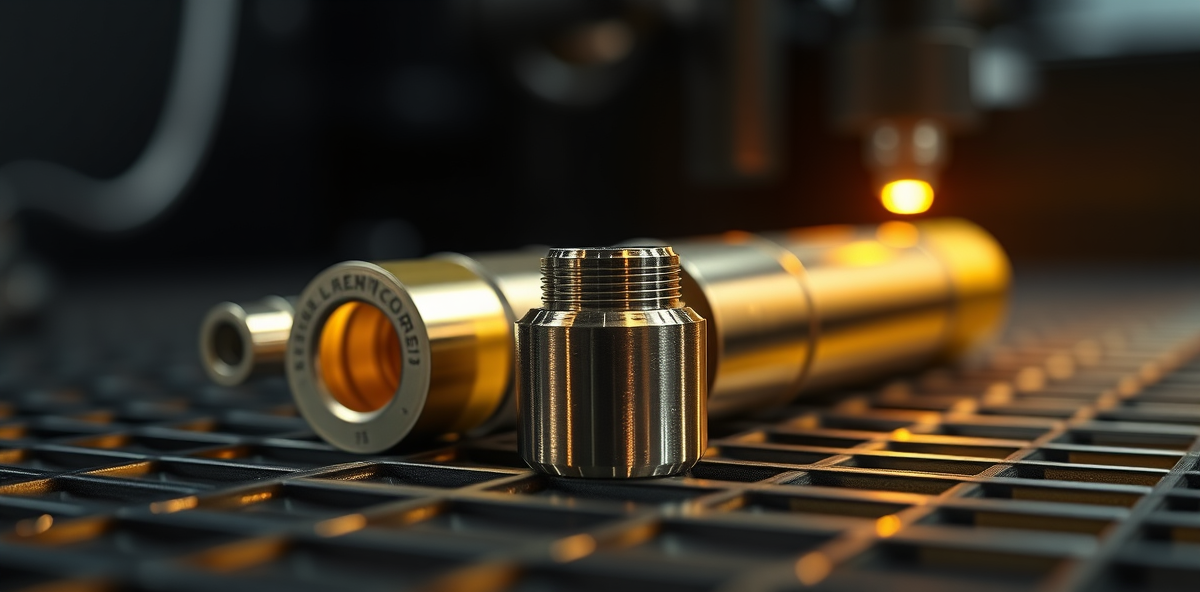
Consumables are components that are regularly replaced due to wear and tear or contamination. These include various filters, O-rings, and critically, the ceramic ring for laser cutting machine and cutting nozzles. Their timely replacement is paramount for maintaining cut quality and machine health.
| Part | Function | Replacement Cycle |
|---|---|---|
| Focusing Lens | Focuses the laser beam to a precise spot | 3-6 months (depending on usage & maintenance) |
| Protective Window | Shields the focusing lens from spatter and debris | 1-4 weeks (depending on usage & material) |
| Nozzle | Directs assist gas and laser beam onto workpiece | Daily check, replace every 1-4 days or as needed |
| ceramic ring for laser cutting machine | Insulates and centers the nozzle, provides electrical connection | 1-3 months (depending on usage & conditions) |
| Air Filters | Cleans compressed air supplied to the machine | 1-3 months |
| Water Filters | Cleans cooling water for the laser source and optics | 1-3 months |
| O-Rings | Seals connections, prevents leaks | As needed during maintenance/part replacement |
Types of Laser Cutting Consumables Explained
Understanding the different types of laser cutting consumables is key to managing their lifespan and ensuring optimal cutting performance. These are the workhorses that directly interact with the cutting process.
Nozzles
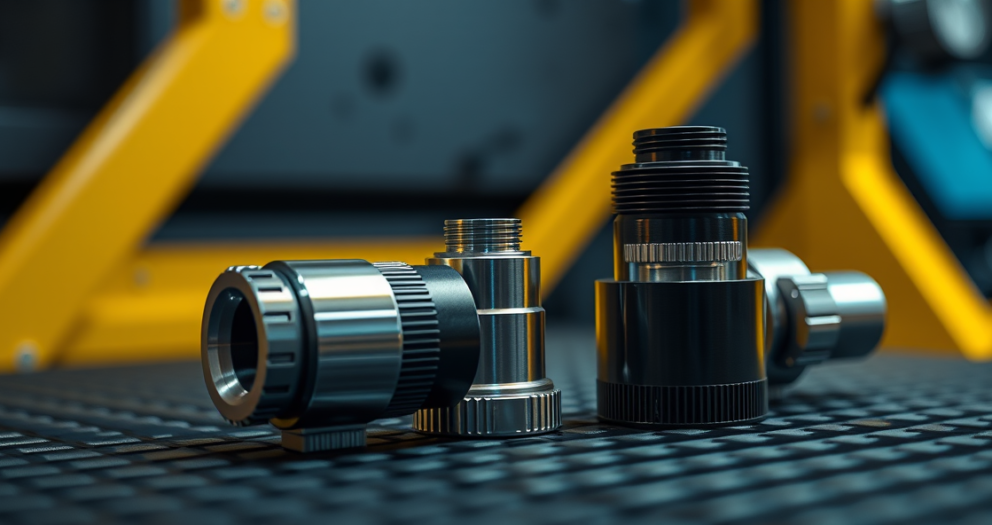
Laser cutting nozzles are perhaps the most frequently replaced consumable. They come in various types, including the Single Nozzle and Double Nozzle configurations, each suited for specific cutting applications and material types. A Single Nozzle is typically used for melting and blowing processes like oxygen cutting, while a Double Nozzle is often preferred for nitrogen cutting, creating a more stable gas flow for cleaner cuts. The orifice diameter and shape of the nozzle are critical for controlling assist gas flow and beam delivery. Brands like Raytools and Precitec offer precision-engineered Single & Double Nozzle options designed for their respective cutting heads, ensuring compatibility and peak performance. Regular inspection for spatter build-up, deformation, or wear is essential. Even minor damage can lead to poor cut quality, excessive burr, and inconsistent piercing.
Ceramic rings
The ceramic ring for laser cutting machine plays a vital role in the cutting head, serving multiple functions. Primarily, it electrically isolates the nozzle from the cutting head while providing the capacitive signal for height sensing. A high-quality fiber laser ceramic ring ensures stable height control, which is critical for maintaining the correct focal position and achieving consistent cut quality. Brands like OSPRI, Precitec, and Raytools are known for their reliable laser ceramic ring components. Damage or contamination to the ceramic ring for laser cutting machine can lead to unstable height sensing, resulting in collisions, incorrect focal shifts, and ultimately, damaged parts and increased downtime. Always opt for genuine or high-quality compatible laser cutting machine ceramic ring replacements.
Lenses
Focusing lenses are perhaps the most sensitive and critical optical components. They concentrate the raw laser beam into a highly focused spot with extreme power density, enabling the cutting process. Protective windows, on the other hand, shield the more expensive focusing lens from spatter and fumes, acting as a sacrificial barrier. Maintaining the pristine condition of these lenses is paramount. Even microscopic dust particles or slight imperfections can cause beam distortion, overheating, and eventually, catastrophic failure of the lens, leading to significant replacement costs and downtime. Regular inspection and meticulous cleaning using only approved methods and materials are non-negotiable for extending their lifespan. Companies like Fine Focus produce high-quality optics essential for precision laser cutting.
Signs Your Spare Parts Need Replacement
Recognizing the early warning signs of worn or damaged spare parts and fiber laser cutting consumables is crucial for preventing more significant issues, maintaining production quality, and avoiding costly machine downtime.
Poor cutting quality
One of the most immediate indicators of consumable wear is a noticeable drop in cutting quality. This can manifest as rough edges, increased dross, or inconsistent cut lines. If your cuts are no longer clean and precise, it’s often a sign that the nozzle, focusing lens, or ceramic ring for laser cutting machine needs attention.
Burr formation
Excessive burr formation on the cut edge is a classic symptom of a worn nozzle or an improperly focused laser beam. A damaged nozzle tip can disrupt the assist gas flow, preventing effective molten material expulsion. Similarly, a contaminated or misaligned lens will prevent the laser from focusing optimally, leading to incomplete cutting and burr.
Irregular sparks or plasma
During the cutting process, the spark pattern observed from beneath the workpiece should be consistent and uniform. Irregular or erratic sparks, excessive plasma formation, or even a complete lack of sparks can indicate issues with the nozzle, assist gas pressure, or the integrity of the laser beam delivery system. This often points to a worn Single Nozzle or Double Nozzle.
“What are signs of worn laser cutting parts?”
Worn laser cutting parts often manifest as poor cutting quality with rough edges and excessive burr, irregular or erratic sparks during cutting, and inconsistent piercing. Other indicators include frequent collisions, unstable height sensing (often due to a damaged fiber laser ceramic ring), and increased machine downtime.
OEM vs Aftermarket Spare Parts
The choice between Original Equipment Manufacturer (OEM) parts and aftermarket alternatives is a critical decision for any metal fabricator. While aftermarket parts may seem appealing due to lower upfront costs, understanding the long-term implications is essential.
| Feature | OEM (Original Equipment Manufacturer) Parts | Aftermarket Parts |
|---|---|---|
| Quality & Reliability | Guaranteed to meet original specifications, highest quality materials, rigorously tested. | Quality varies widely; can be good but often lower quality, less consistent materials, and minimal testing. |
| Performance | Optimized for machine performance, ensures consistent cut quality and efficiency. | May compromise machine performance, leading to inconsistent cuts, reduced speed, and more scrap. |
| Compatibility | Perfect fit and seamless integration with your machine. | Fit might be imprecise, potentially causing wear on other components or requiring modifications. |
| Warranty & Support | Backed by manufacturer warranty and direct technical support. | Often no warranty or limited support; disputes can be challenging. |
| Lifespan | Designed for maximum lifespan, leading to fewer replacements and less downtime. | Generally shorter lifespan, requiring more frequent replacements. |
| Cost | Higher initial cost. | Lower initial cost, but potentially higher long-term operational and maintenance costs. |
| Risk | Minimal risk of machine damage or operational issues. | Higher risk of machine damage, increased downtime, and safety concerns. |
How to Choose High-Quality Spare Parts Supplier
Selecting the right supplier for your fiber laser cutting consumables and spare parts is as crucial as selecting the parts themselves. A reliable supplier acts as a partner in your manufacturing success.
Certifications
Look for suppliers who adhere to international quality standards such as ISO 9001. These certifications indicate a commitment to quality management and ensure that products meet specified standards. A certified supplier is more likely to provide consistently high-quality components for your fiber laser cutting machine.
Brand compatibility (Raytools, Precitec, etc.)
Ensure the supplier offers parts compatible with leading laser head brands like Raytools, OSPRI, Precitec, and optics from Fine Focus. While direct OEM parts are ideal, reputable suppliers often provide high-quality, compatible alternatives that meet or exceed OEM specifications. Inquire about their partnerships or expertise with these specific brands, especially for critical items like Single & Double Nozzle and fiber laser ceramic ring.
Technical support
A superior supplier provides robust technical support. This includes expert advice on part selection, installation guidance, and troubleshooting assistance. The ability to quickly get answers and support from knowledgeable professionals can significantly reduce downtime and improve your maintenance efficiency.
Maintenance Tips to Increase Machine Life
Proactive and consistent maintenance is the cornerstone of extending the life of your fiber laser cutting machine and its expensive consumables. Adhering to a strict maintenance schedule can prevent premature wear and ensure optimal performance.
Cleaning lens
The focusing lens and protective window are highly susceptible to contamination from spatter, dust, and fumes. Use only lens-specific cleaning solutions and lint-free wipes. Follow the manufacturer’s guidelines for cleaning frequency and technique. Even a tiny smudge can cause the lens to overheat and crack, leading to significant expenses. Regularly inspect protective windows and replace them at the first sign of haziness or pitting.
Checking nozzle alignment
Proper alignment of the Single & Double Nozzle is critical for effective gas flow and beam delivery. Misalignment can lead to uneven cuts, excessive dross, and even damage to the nozzle itself. Use the designated alignment tools or features on your machine (e.g., center calibration) to ensure the laser beam passes perfectly through the center of the nozzle orifice. This simple check can prevent many cutting quality issues.
Replacing consumables regularly
Adhere strictly to recommended replacement schedules for fiber laser cutting consumables like nozzles, laser ceramic ring, and filters. While it might be tempting to extend the life of a part, the cost savings are often outweighed by reduced cutting quality, increased material waste, and the risk of damaging more expensive components. Implement a detailed log to track usage and replacement dates for all consumables.
Book Maintenance Consultation
Cost Optimization Strategy
Managing the expenses associated with fiber laser cutting consumables is crucial for profitability. Implementing smart cost optimization strategies ensures you get the most out of your investment without compromising quality or machine performance.
Bulk buying
Purchasing frequently used fiber laser cutting consumables, such as nozzles and protective windows, in larger quantities can often lead to significant cost savings per unit. Many suppliers offer discounts for bulk orders. This strategy also ensures you have a readily available stock, minimizing downtime waiting for critical parts.
Preventive maintenance
As discussed, preventive maintenance is not just about avoiding breakdowns; it’s a powerful cost-saving measure. By regularly cleaning, inspecting, and replacing parts before they fail, you prevent reactive repairs, reduce scrap material, and extend the overall lifespan of your machine and its components. This includes the timely replacement of the fiber laser ceramic ring and Single Nozzle / Double Nozzle.
Using genuine consumables
While aftermarket parts might offer a lower initial price, genuine or high-quality branded consumables from reputable manufacturers like Raytools, OSPRI, Precitec, and Fine Focus offer superior performance, longer lifespan, and better machine compatibility. This reduces the frequency of replacements, minimizes machine wear, and avoids costly damage, leading to lower total cost of ownership.
Applications & Industry Use Cases
Fiber laser cutting machines, supported by robust spare parts and high-quality consumables, are indispensable across a wide range of industries, demonstrating their versatility and precision.
Automotive
In the automotive sector, laser cutting is used for fabricating chassis components, intricate interior parts, and prototyping. The precision offered by well-maintained machines with optimal fiber laser cutting consumables ensures lightweight and structurally sound designs.
Sheet metal
The sheet metal fabrication industry relies heavily on fiber laser technology for cutting various metals like stainless steel, aluminum, and mild steel into complex shapes. High-quality Single & Double Nozzle and ceramic ring for laser cutting machine are critical for achieving clean, dross-free cuts, which are essential for subsequent forming and welding processes.
Fabrication
General fabrication shops leverage laser cutting for everything from custom machinery parts to architectural elements. The ability to quickly and accurately cut diverse materials with minimal post-processing makes it a preferred method, provided consumables are regularly inspected and replaced.
FAQs
- Q: How often should I replace my laser cutting nozzle?
A: The replacement frequency for your Single Nozzle or Double Nozzle depends on the material, thickness, and cutting parameters. Generally, daily inspection is recommended, and replacement every 1-4 days for heavy use, or as soon as any signs of wear or spatter buildup are observed. - Q: What is the role of a laser cutting machine ceramic ring?
A: The ceramic ring for laser cutting machine is crucial for insulating the nozzle and providing the capacitive signal for the machine’s height sensing system. It ensures the correct distance between the nozzle and the workpiece, which is vital for maintaining optimal focal position and cut quality. - Q: Are aftermarket laser consumables as good as OEM?
A: While some aftermarket fiber laser cutting consumables can offer decent performance, their quality is highly variable. OEM parts or high-quality branded alternatives (e.g., from Raytools, Precitec) are generally recommended for guaranteed performance, longevity, and to avoid potential damage to your expensive laser cutting machine. - Q: How can I extend the life of my focusing lens?
A: To extend the life of your focusing lens, prioritize meticulous cleaning with approved materials and strictly follow manufacturer guidelines. Regularly replace the protective window to shield the main lens from contaminants and inspect for any signs of damage or haziness. - Q: Why is preventive maintenance important for laser cutting machines?
A: Preventive maintenance is vital for ensuring consistent cutting quality, maximizing machine uptime, and significantly extending the lifespan of both the machine and its fiber laser cutting consumables. It helps identify and address minor issues before they escalate into costly repairs or major production interruptions.
Conclusion
Extending the life of your fiber laser cutting consumables is a multifaceted approach that combines diligent maintenance, strategic part selection, and informed supplier choices. By prioritizing genuine spare parts, understanding their function, and adhering to best practices, you can dramatically improve your machine’s performance, reduce operational costs, and achieve superior cutting results.
The investment in quality consumables and consistent maintenance is not an expense but a strategic move towards enhanced productivity and long-term profitability in your metal fabrication operations.
- Request Quote
- Talk to Expert
- Download Catalog
Write a comment
Your email address will not be published. All fields are required