

Introduction
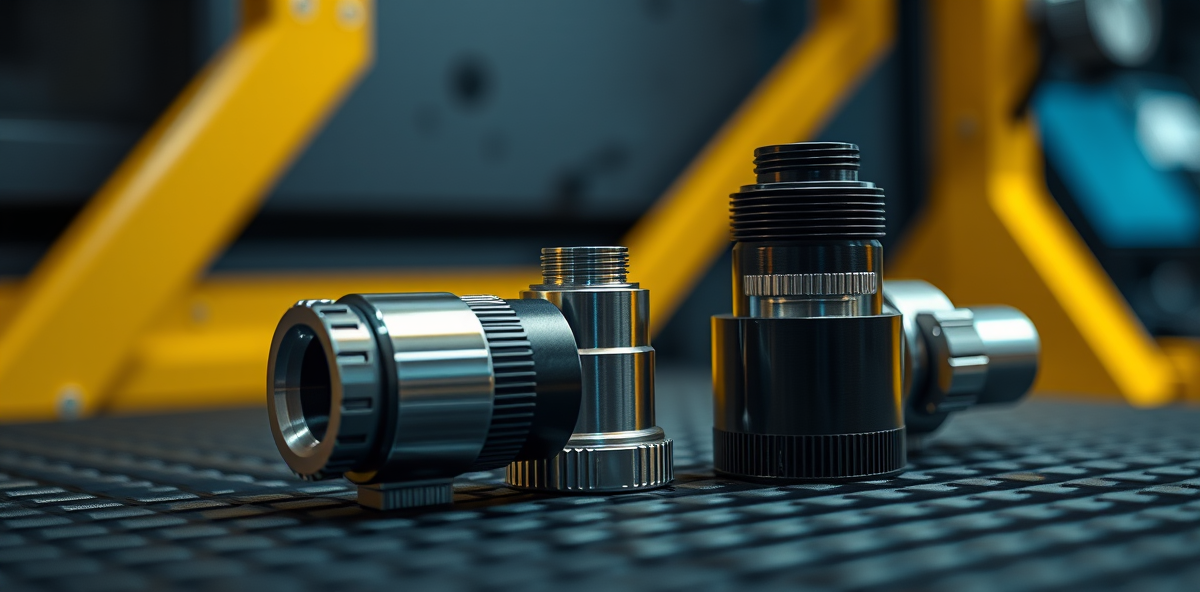
In the dynamic world of metal fabrication, fiber laser cutting machines are indispensable. Their precision, speed, and efficiency redefine production standards. However, the true potential of these advanced machines relies heavily on high-quality spare parts and Consumables. Downtime, inconsistent cutting quality, and unexpected operational costs often stem from neglecting these critical components.
The future of fiber laser technology is deeply linked to the evolution of its consumables. Smart components are emerging, promising to enhance machine performance, reduce operational expenditures, and improve cutting accuracy. This article will explore how these advancements are shaping the landscape for B2B laser cutting machine users, operators, and metal fabricators. Understanding these innovations is key to achieving peak operational excellence.
Download our comprehensive Spare Parts Checklist to ensure your operations run smoothly and efficiently.
Why Spare Parts & Consumables Matter in Laser Cutting
The performance of a fiber laser cutting machine is a delicate balance of complex engineering and precise component interaction. While the laser source is the heart, the spare parts and consumables are vital arteries. Neglecting their quality or timely replacement can lead to costly problems.
Impact on Performance
Every component, from the nozzle to the protective lens, plays a vital role. High-quality parts ensure precise beam delivery, stable gas flow, and efficient debris removal. When these parts degrade or are inferior, the laser beam can become unfocused, gas dynamics are compromised, and cut quality suffers. This results in rough edges, dross, taper, and incomplete cuts, impacting product quality and requiring costly post-processing.
Cost of Low-Quality Parts
Aftermarket or generic spare parts might seem like a cost-saving measure initially. However, hidden costs often outweigh upfront savings. Low-quality components have shorter lifespans, requiring frequent replacements. They can also cause accelerated wear on other, more expensive machine parts, leading to premature failures and significant repair expenses. Production loss due to increased downtime further hits the bottom line, making seemingly cheap parts ultimately more expensive.
Machine Efficiency
Optimal machine efficiency is achieved when all components work in harmony. Genuine and high-quality consumables from reputable brands like Raytools, Precitec, OSPRI, and Fine Focus are engineered to specific tolerances. This synergy ensures consistent cutting speeds, reduced power consumption, and minimized waste. When consumables function as intended, operators achieve higher throughput and maintain consistent production schedules, boosting overall plant efficiency.
Complete Overview of Laser Cutting Machine Spare Parts
Understanding the various categories of spare parts is crucial for effective maintenance and procurement. Each category contributes uniquely to the machine’s overall functionality and cutting precision.
Optical Components
These parts are critical for guiding and focusing the laser beam. They must be impeccably clean and free from defects to prevent beam degradation:
- Focus Lenses: Converge the laser beam to a tiny, high-intensity spot. Cleanliness impacts cut quality and piercing.
- Protective Windows/Lenses: Shield the focus lens from spatter and debris. Highly exposed, requiring regular inspection and replacement.
- Collimating Lenses: Straighten the divergent beam from the fiber, preparing it for focusing.
- Mirrors: Used in some systems for beam path guidance; must maintain perfect reflective surface.
Mechanical Parts
Mechanical parts facilitate movement, positioning, and gas delivery. Their precision and durability are essential for smooth operation.
- Nozzles: Direct assist gas and shape the laser beam’s interaction with the material.
- Bearings and Guide Rails: Ensure smooth and accurate movement of the cutting head.
- Gearboxes and Motors: Drive the gantry and cutting head for precise positioning.
- Pressure Regulators and Valves: Control assist gas flow and pressure, critical for different materials.
Electrical Components
These components control the laser source, machine movement, and safety systems. Malfunctions can lead to operational failure or safety hazards.
- Sensors: Monitor parameters like gas pressure, cutting head height, and cooling system status.
- Cables and Connectors: Ensure reliable power and data transmission.
- Power Supplies: Provide stable power to the laser source and electronic systems.
- Control Boards: The “brain” of the machine, processing commands and coordinating functions.
Consumables
Consumables are parts designed for regular replacement due to wear, tear, or contamination, ensuring consistent performance.
- Nozzles: Critical for directing assist gas and shaping the laser beam.
- Ceramic rings for laser cutting machine (Insulators): House the nozzle and provide electrical insulation for height sensing.
- Protective Lenses: Shield the focus lens from debris.
- Filters: For water cooling systems, air filtration, and dust collection, maintaining purity.
Here’s a table summarizing common laser cutting machine parts, their functions, and typical replacement cycles:
| Part | Function | Replacement Cycle |
|---|---|---|
| Nozzle | Directs assist gas, shapes laser beam | Daily to weekly, depending on material/power |
| Ceramic ring for laser cutting machine | Electrical insulation, height sensing | 1-3 months, depending on use |
| Protective Lens | Shields focus lens from spatter | Weekly to monthly, or upon contamination |
| Focus Lens | Focuses laser beam onto material | 6-12 months, or upon damage/degradation |
| Filters (Air/Water) | Maintain system purity, prevent contamination | 1-6 months, based on environment/usage |
| Bearings | Smooth movement of cutting head | Annually or as per manufacturer |
Types of Laser Cutting Consumables Explained
Consumables are at the forefront of laser cutting performance. Their design, material, and quality directly influence the efficiency and precision of every cut.
Nozzles
The nozzle is arguably the most frequently replaced consumable, playing a direct role in beam delivery and assist gas dynamics. Its condition significantly impacts cut quality.
- Single Nozzle: Primarily used for cutting thinner materials or precise piercing. The single opening focuses assist gas directly, providing a clean, narrow cut, effective for basic tasks.
- Double Nozzle: With a dual-orifice design, the Double Nozzle is optimized for cutting thicker materials, especially stainless steel and aluminum, reducing dross. The inner orifice provides main gas flow, while the outer creates a protective shield. The use of a Single & Double Nozzle strategy optimizes for different material types and thicknesses.
Brands like Raytools, OSPRI, and Precitec offer high-quality nozzles engineered for specific applications. Using genuine nozzles ensures optimal gas flow, consistent beam shaping, and longer lifespan, reducing downtime and improving cut quality.
Ceramic rings for laser cutting machine
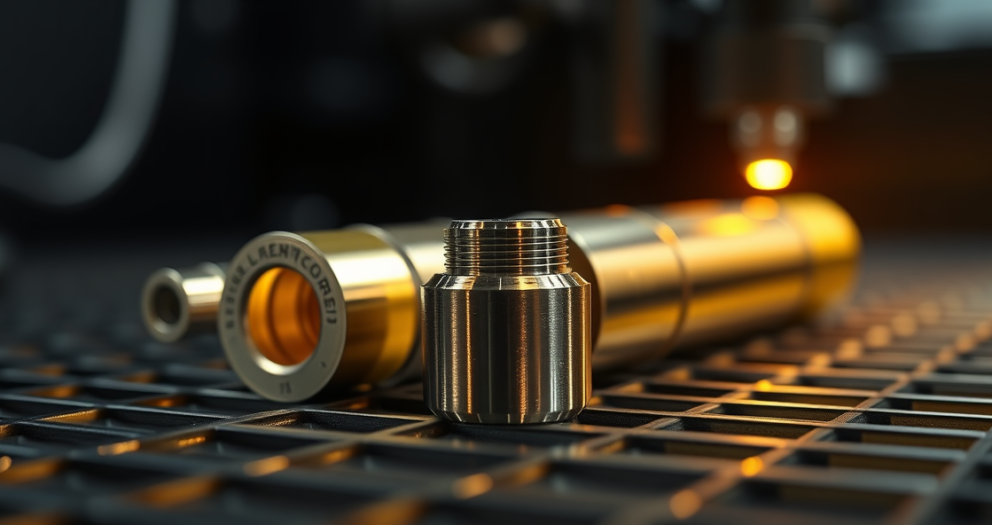
The ceramic ring for laser cutting machine, also known as the fiber laser ceramic ring or laser ceramic ring, is a crucial component often overlooked. It houses the nozzle and provides electrical insulation within the cutting head, fundamental for the capacitive height sensing system. A high-quality ceramic ring for laser cutting machine ensures stable height control, paramount for consistent focus and optimal cut quality. Damage to the laser cutting machine ceramic ring can lead to erratic height sensing, causing nozzle crashes, inconsistent cutting, and damage to the cutting head. Investing in durable ceramic rings from trusted suppliers like Fine Focus, Raytools, or Precitec is essential for reliable operation.
Lenses
Lenses are optical consumables critical for beam delivery and focusing. While the protective lens is replaced more frequently, the main focus lens also has a finite lifespan.
- Protective Lenses/Windows: These sacrificial elements shield the expensive focusing lens from spatter, smoke, and debris. Regular inspection and replacement of protective lenses, even if slightly smudged, are vital. A contaminated lens can absorb laser energy, leading to overheating and damage.
- Focus Lenses: The heart of the beam delivery system, converging the laser beam into a fine point. Its quality and cleanliness are paramount for precise cuts. Scratches or contamination scatter laser light, reducing intensity and degrading cut quality. While not replaced often, focus lenses need careful handling and cleaning. Leading brands like Precitec and Raytools produce high-performance focus lenses.
Signs Your Spare Parts Need Replacement
Proactive identification of worn or damaged spare parts is critical for maintaining optimal machine performance and preventing severe issues. Operators should be vigilant for these common indicators:
Poor Cutting Quality
This is often the most noticeable sign. If clean cuts suddenly show increased dross, rough edges, or inconsistent kerf width, consumables like nozzles or lenses are degrading. A dull nozzle tip disrupts assist gas flow, while a contaminated lens scatters the laser beam, leading to a less precise cut. This impacts product quality and requires costly post-processing.
Burr Formation
Excessive burr or slag on the underside of the cut material signals worn consumables. It indicates inefficient material expulsion due to an improperly sized or damaged nozzle orifice, an unclean focus lens, or a compromised ceramic ring for laser cutting machine affecting height control. Addressing this promptly saves significant time and cost in secondary finishing operations.
Irregular Sparks
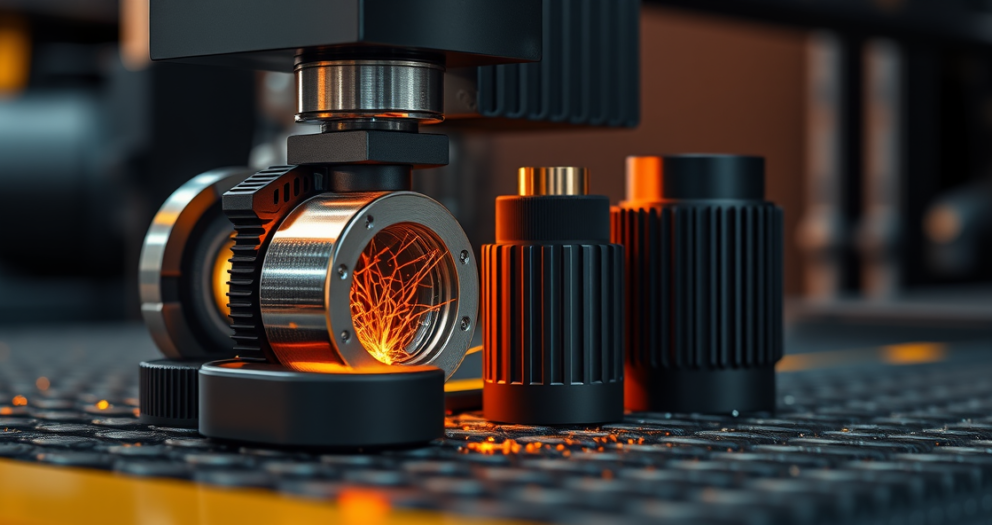
During cutting, a consistent spark pattern is desired. Erratic, violent, or unusually large sparks often point to an issue with the nozzle or assist gas flow. A worn nozzle or obstructed orifice leads to inefficient material expulsion, causing irregular sparking and potentially damaging the workpiece or cutting head.
Other signs include frequent nozzle crashes, inconsistent piercing times, increased laser power for the same cut, and visible discoloration or pitting on protective windows.
“What are signs of worn laser cutting parts?”
Signs of worn laser cutting parts include poor cutting quality (rough edges, dross), excessive burr formation, irregular or violent sparks during cutting, frequent nozzle crashes, inconsistent piercing, and visible damage or contamination on optical components like protective lenses. Monitoring these indicators allows for timely replacement, preventing costly downtime and maintaining optimal machine performance.
OEM vs Aftermarket Spare Parts
When procuring spare parts and consumables, operators face a choice between Original Equipment Manufacturer (OEM) parts and aftermarket alternatives. Each option presents distinct advantages and disadvantages impacting performance, cost, and machine longevity.
OEM Parts
OEM parts are manufactured by or for the original machine manufacturer, designed to exact specifications. Brands like Raytools, Precitec, OSPRI, and Fine Focus often supply OEM components.
- Pros: Guaranteed compatibility, optimal performance, higher reliability, often with warranties, maintain machine warranty, and contribute to longer machine lifespan.
- Cons: Generally higher upfront cost.
Aftermarket Parts
Aftermarket parts are produced by third-party manufacturers. Quality varies widely among suppliers.
- Pros: Lower initial cost, wider availability.
- Cons: Variable quality and reliability, potential for incompatibility, may void machine warranty, shorter lifespan, leading to increased downtime and repair costs.
Here’s a comparison table to help decide:
| Feature | OEM Parts | Aftermarket Parts |
|---|---|---|
| Quality Assurance | High, manufacturer-certified | Variable, depends on supplier |
| Compatibility | Guaranteed perfect fit | May require modifications, fit issues |
| Performance | Optimized, maintains machine specs | Can degrade performance, efficiency |
| Lifespan | Longer, designed for durability | Often shorter, requires frequent replacement |
| Warranty | Often included, maintains machine warranty | Rarely included, may void machine warranty |
| Cost | Higher initial investment | Lower initial investment (but higher long-term) |
| Technical Support | Direct from machine/component manufacturer | From third-party supplier, can be limited |
How to Choose High-Quality Spare Parts Supplier
Selecting the right supplier for your fiber laser cutting machine spare parts is crucial. It impacts operational efficiency and profitability, extending beyond just price to reliability, quality, and support.
Certifications
A reputable supplier adheres to international quality standards like ISO 9001, demonstrating commitment to quality management. Look for certifications validating material composition and performance of their laser consumables.
Brand Compatibility (Raytools, Precitec, etc.)
Ensure the supplier offers parts explicitly compatible with your machine model. Leading brands like Raytools, Precitec, OSPRI, and Fine Focus demand precision. A good supplier provides genuine or high-quality compatible alternatives that meet stringent requirements, ensuring seamless integration and optimal performance without compromising warranty.
Technical Support
Robust technical support is a hallmark of a top-tier supplier. This includes expert advice on part selection, troubleshooting, and quick issue resolution. A supplier with knowledgeable staff understanding fiber laser technology can be an invaluable partner, offering accessible support channels to minimize downtime.
Other factors include inventory availability, positive customer reviews, fair and transparent pricing, and efficient logistics.
Maintenance Tips to Increase Machine Life
Proactive and consistent maintenance is the cornerstone of maximizing the lifespan and efficiency of your fiber laser cutting machine. It prevents costly breakdowns and ensures consistent cut quality.
Cleaning Lenses
Optical lenses are susceptible to contamination. Regular and careful cleaning is paramount using approved optical solutions and lint-free wipes. Scratches or smudges cause laser beam scattering, leading to overheating, power loss, and damage. Always follow manufacturer guidelines.
Checking Nozzle Alignment
Proper nozzle alignment is critical for precise beam delivery and efficient assist gas flow. A misaligned nozzle leads to off-center cuts, reduced piercing efficiency, and poor cut quality. Regularly inspect nozzle concentricity using a centering tool or test cuts. Adjustments should follow the machine’s manual, ensuring the laser beam passes through the nozzle center. This also applies to both Single Nozzle and Double Nozzle types.
Replacing Consumables Regularly
Consumables like nozzles, the ceramic ring for laser cutting machine, and protective lenses have defined lifespans. Adhering to recommended replacement schedules, even if parts appear visually acceptable, prevents unexpected failures and maintains peak performance. Proactive replacement prevents minor wear from escalating into major problems, minimizing downtime.
Other practices include cooling system checks, air filtration maintenance, lubrication, and software updates.
Book a Maintenance Consultation with our experts to optimize your machine’s longevity and performance.
Cost Optimization Strategy
Investing in high-quality spare parts is essential, but smart procurement and maintenance can significantly optimize costs without compromising performance. Balancing quality with cost-effectiveness is key for profitability.
Bulk Buying
For frequently used consumables like nozzles, protective lenses, and the indispensable fiber laser ceramic ring, consider purchasing in bulk. Many suppliers offer discounts for larger orders, leading to significant per-unit savings. This ensures readily available stock, reducing lead times and minimizing production delays. Proper inventory management is crucial.
Preventive Maintenance
Implementing a rigorous preventive maintenance schedule is the most effective cost-saving strategy. Regular inspections, cleaning, and timely replacement prevent minor issues from escalating into major breakdowns, which require expensive repairs and lead to extensive downtime. Investing in routine maintenance extends the life of costly components and ensures consistent, high-quality output, reducing scrap rates.
Using Genuine Consumables
While aftermarket parts offer a lower initial price, genuine consumables from trusted brands like Raytools, OSPRI, Precitec, and Fine Focus are more cost-effective long-term. Their superior quality, precision, and durability translate into longer lifespans, fewer replacements, better cut quality (reducing rework), and less wear on other machine components. This reduces overall operational costs, minimizes unexpected downtime, and preserves the machine’s warranty and resale value. Consistent performance boosts efficiency and productivity.
Applications & Industry Use Cases
Fiber laser cutting technology, powered by reliable consumables, has revolutionized manufacturing across diverse industries. Its precision, speed, and versatility make it indispensable for processing various materials.
Automotive
In the automotive sector, fiber lasers cut intricate parts for vehicle bodies, chassis, and exhaust systems. They excel at processing high-strength steels and aluminum alloys with exceptional accuracy, meeting stringent quality standards. Cutting complex geometries with minimal heat distortion is crucial for lightweighting initiatives and rapid prototyping.
Sheet Metal Fabrication
The general sheet metal fabrication industry is a primary beneficiary. Fiber lasers cut mild steel, stainless steel, aluminum, brass, and copper for enclosures, brackets, panels, and custom metalwork. The efficiency and precision provided by quality consumables allow fabricators to achieve tight tolerances and high throughput.
Specialized Fabrication & Industrial
Beyond automotive and general sheet metal, fiber laser cutting is vital in specialized fields like aerospace (turbine blades), medical devices (surgical instruments), agricultural machinery, construction equipment, and consumer electronics. The versatility to process diverse materials, including reflective metals, with consistent quality is a key advantage, supported by components like the Single & Double Nozzle and ceramic ring for laser cutting machine.
FAQs
- Q: How often should I replace my laser cutting nozzle?
A: Nozzle replacement frequency depends on material, laser power, and operating hours. For demanding applications, daily inspection and replacement might be necessary, while for lighter use, weekly or bi-weekly could suffice. Always check for wear or buildup. - Q: What is the primary function of a fiber laser ceramic ring?
A: The primary function of a fiber laser ceramic ring is to provide electrical insulation for the cutting head and ensure accurate capacitive height sensing. This precise height control maintains the optimal distance between the nozzle and the workpiece, crucial for consistent cut quality. - Q: Can I use aftermarket spare parts to save costs?
A: While aftermarket parts offer lower initial costs, their quality, compatibility, and performance vary. Non-genuine parts can lead to reduced efficiency, shorter lifespan, increased downtime, and may void your machine’s warranty. Using OEM or high-quality branded alternatives is generally recommended. - Q: How do I know if my protective lens needs changing?
A: Visually inspect your protective lens regularly. Signs it needs changing include visible spatter, scratches, pits, haze, or discoloration. Even subtle imperfections can cause the laser beam to scatter, reducing cutting power and potentially damaging the focus lens. - Q: What are the benefits of using a Double Nozzle for laser cutting?
A: A Double Nozzle is beneficial for cutting thicker materials, especially stainless steel and aluminum. Its dual-orifice design creates a protective gas shield that reduces dross adhesion and improves cut quality by providing a more stable gas flow. - Q: Why is preventive maintenance important for laser cutting machines?
A: Preventive maintenance is crucial for extending the lifespan of your machine, ensuring consistent cut quality, and minimizing unexpected downtime. Regular checks, cleaning, and timely replacement of consumables prevent minor issues from escalating into costly repairs and maintain peak operational efficiency.
Conclusion
The future of fiber laser technology is inextricably linked to the continuous innovation and meticulous management of its consumables and spare parts. For B2B laser cutting machine users, operators, and metal fabricators, understanding the profound impact of high-quality components is a strategic imperative. Investing in genuine, branded consumables from industry leaders like Raytools, OSPRI, Precitec, and Fine Focus, coupled with a robust preventive maintenance strategy, directly translates into superior cutting quality, enhanced machine efficiency, and significant cost optimization. Embracing smart components and prioritizing quality ensures your fiber laser cutting machine remains a powerful, reliable, and profitable asset. Don’t compromise on the integrity of your operations; choose quality, choose efficiency, choose the future.
Ready to upgrade your machine’s performance or need expert advice?
- Request a Quote for genuine laser cutting spare parts.
- Talk to an Expert for personalized consultation.
- Download Our Complete Catalog of fiber laser consumables and spare parts.
Write a comment
Your email address will not be published. All fields are required