

Introduction
In the demanding world of metal fabrication, the performance of your fiber laser cutting machine is paramount. Downtime and compromised cutting quality are not merely inconveniences; they directly impact production schedules, material waste, and ultimately, your bottom line. Achieving consistent, high-precision results hinges on more than just the laser source itself; it relies heavily on the integrity and quality of every component, especially the consumables.
This comprehensive guide delves into the critical role of fiber laser machine laser consumables, with a particular focus on the ceramic ring for laser cutting machine. We will explore its working principle, discuss replacement strategies, and highlight how choosing genuine spare parts from trusted brands like Raytools, OSPRI, Precitec, and Fine Focus can optimize your operations. Understanding these elements is key to enhancing machine efficiency, improving cutting quality, and ensuring cost-effective production.
Download Spare Parts Checklist
Why Spare Parts & Consumables Matter in Laser Cutting
The intricate dance between the laser beam and the material being cut requires precision at every stage. Even the smallest defect or wear in a spare part can lead to a cascade of problems, from uneven cuts to complete machine stoppage. The impact on performance is immediate and significant.
Investing in high-quality, genuine spare parts and consumables is not an expense; it’s a strategic investment in your machine’s longevity and operational excellence. Low-quality or counterfeit parts might offer a tempting initial cost saving, but they invariably lead to increased maintenance, frequent replacements, and substantial downtime, escalating overall operational costs.
Machine efficiency is directly correlated with the health of its components. Optimized spare parts ensure that your fiber laser cutting machine operates at its peak, delivering maximum output with minimal waste. This translates into faster production cycles, reduced energy consumption, and superior end-product quality, reinforcing your competitive edge in the market.
Complete Overview of Laser Cutting Machine Spare Parts
A fiber laser cutting machine is a sophisticated system, a synergy of various components working in harmony. Understanding each category of spare parts is crucial for effective maintenance and troubleshooting.
Optical Components
These parts are responsible for guiding, focusing, and shaping the laser beam. Their pristine condition is vital for beam quality and cutting accuracy. Key optical components include:
- Focusing Lenses: These lenses concentrate the laser beam into a small, powerful spot on the material. Contamination or scratches can severely degrade cutting performance.
- Protective Windows (Cover Slides): Shielding the expensive focusing lens from spatter and debris, protective windows are consumables that require regular inspection and replacement.
- Collimating Lenses: These lenses convert the diverging laser beam into a parallel beam before it reaches the focusing lens.
Mechanical Parts
Mechanical parts facilitate the movement and positioning of the laser head and material, ensuring precision and stability.
- Nozzles: Directing the assist gas and shaping the laser beam exit, Single & Double Nozzles are critical for optimal cutting.
- Bearings and Guide Rails: These components ensure smooth and accurate motion of the cutting head along the X, Y, and Z axes. Wear can lead to vibrational issues and inaccuracies.
- Gear Racks and Pinions: Part of the drive system, these enable precise positioning of the cutting head.
Electrical Components
Electrical parts control the machine’s functions, from power delivery to communication between different modules.
- Sensors: Various sensors monitor machine parameters like temperature, pressure, and position, ensuring safe and efficient operation.
- Cables and Connectors: High-quality, shielded cables are essential for reliable signal transmission and power delivery, especially in high-power laser systems.
- Control System Boards: The “brain” of the machine, these boards process commands and manage all operational aspects.
Consumables
Consumables are parts that are designed to be replaced regularly due to wear, contamination, or scheduled maintenance. They are fundamental to continuous, high-quality production.
- Nozzles: As mentioned, nozzles are constantly exposed to high temperatures and spatter.
- Ceramic ring for laser cutting machines: These are crucial for proper nozzle alignment and electrical insulation.
- Protective Windows/Cover Slides: Essential for protecting internal optics.
- Filters: For cooling systems, air filters, and dust collection systems, maintaining air and fluid quality.
Here’s a quick overview of common parts, their function, and typical replacement cycles:
| Part | Function | Replacement Cycle |
|---|---|---|
| Nozzle | Directs assist gas, shapes laser beam exit | Daily to weekly, depending on usage and material |
| Ceramic ring for laser cutting machine | Insulates, aligns nozzle, provides capacitive sensing | Monthly to quarterly, or as needed |
| Protective Window | Shields internal optics from spatter | Weekly to monthly, or when visibly dirty/damaged |
| Focusing Lens | Concentrates laser beam | Every 3-12 months, or as needed with proper cleaning |
| Air Filters | Cleans air supply to optics and cabinet | Monthly to quarterly |
Types of Laser Cutting Consumables Explained
Optimizing your fiber laser cutting process means having a deep understanding of your consumables. Each plays a distinct role in achieving precision and efficiency.
Nozzles (Single & Double)
Nozzles are more than just simple apertures; they are precision-engineered components that directly influence the cutting kerf, speed, and quality. They work in conjunction with the assist gas to remove molten material from the cut zone. There are two primary types:
- Single Nozzle: Often used for fusion cutting with inert gases like nitrogen for stainless steel and aluminum, or with oxygen for mild steel cutting. The design ensures a focused, high-pressure gas stream.
- Double Nozzle: These nozzles feature an outer and inner orifice. They are commonly employed for oxygen cutting of thicker mild steel, providing a wider gas flow pattern that enhances exothermic reactions and material removal. The choice between Single & Double Nozzle depends on the material, thickness, and desired cut quality. Regular inspection for spatter, deformation, or wear is crucial to maintain optimal gas flow and beam integrity. Quality nozzles from brands like Raytools and Precitec ensure consistent performance.
Ceramic ring for laser cutting machines
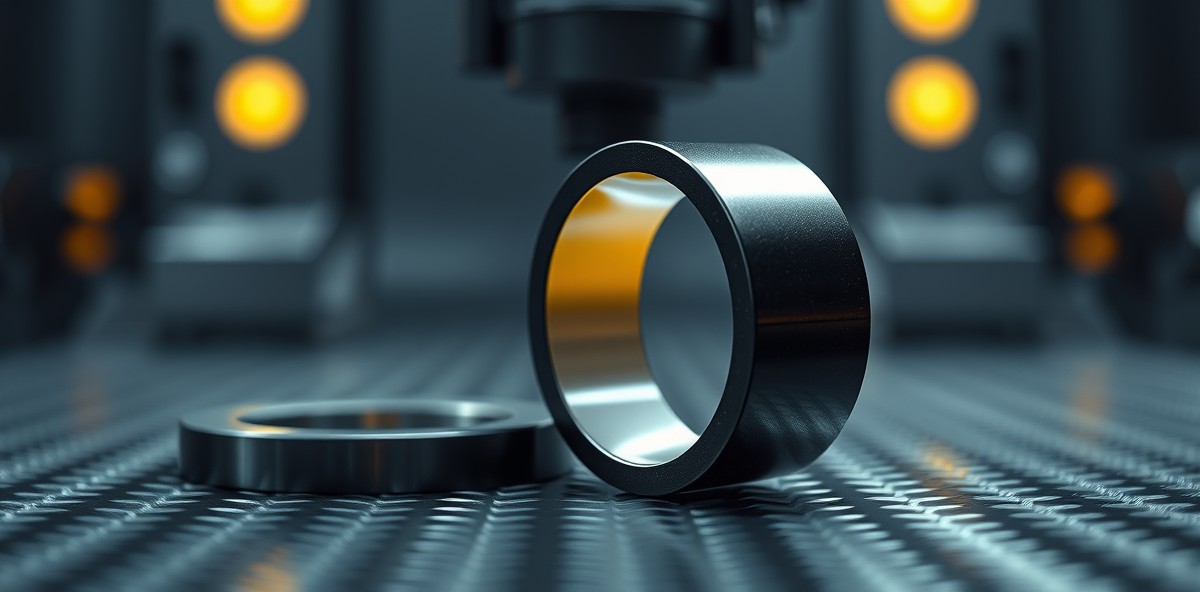
The fiber laser ceramic ring, often referred to as the laser cutting machine ceramic ring, is a small but mighty component located within the laser head. Its primary functions are multifaceted and absolutely critical:
- Nozzle Alignment: The ceramic ring for laser cutting machine holds the nozzle precisely concentric to the laser beam. Any misalignment here will result in poor cutting quality, increased burr, and potential damage to other components.
- Electrical Insulation: Made from high-quality ceramic, it provides electrical insulation for the capacitive height sensing system. This system allows the laser head to maintain a precise, non-contact distance from the workpiece, which is essential for consistent focus and cut quality across uneven material surfaces.
- Capacitive Sensing: The laser ceramic ring is integral to the capacitive sensor, detecting the distance to the material. A faulty or contaminated fiber laser ceramic ring can lead to height sensing errors, causing the nozzle to crash into the material or cut at an incorrect focal height.
Over time, the ceramic ring for laser cutting machine can accumulate spatter, micro-cracks, or suffer from electrical degradation. Signs of a failing fiber laser ceramic ring include unstable height sensing, frequent nozzle crashes, and inconsistent cut quality. Brands like Raytools, OSPRI, Precitec, and Fine Focus offer robust and reliable laser cutting machine ceramic rings designed for optimal performance and longevity.
Lenses (Focusing and Protective)
The optical train of a fiber laser is highly sensitive. Lenses are engineered to transmit and manipulate the laser beam with minimal loss or distortion.
- Focusing Lenses: These are the workhorses for concentrating the laser energy. They come in various focal lengths to suit different materials and thicknesses. Proper cleaning and handling are paramount. Scratches, dust, or oil film can absorb laser energy, leading to thermal lensing, beam distortion, and even lens cracking.
- Protective Windows (Cover Slides): Positioned closest to the workpiece, these transparent plates act as sacrificial elements, protecting the expensive focusing lens from spatter, smoke, and debris. They are fiber laser cutting consumables that need frequent inspection and replacement when they become dirty or damaged. Delaying replacement can lead to irreversible damage to the focusing lens, incurring significant costs.
The purity and integrity of these optical components are non-negotiable for achieving superior cut quality and extending the lifespan of your fiber laser cutting machine. Always use genuine, high-quality optics from reputable suppliers.
Signs Your Spare Parts Need Replacement
Proactive identification of worn or damaged parts is crucial to prevent catastrophic failures and maintain optimal cutting performance. Paying attention to these warning signs can save you time, money, and material.
- Poor Cutting Quality: This is often the first and most obvious indicator. If your cuts are no longer clean, straight, or have excessive dross, it’s a strong sign. This could be due to a worn nozzle, a contaminated lens, or a failing ceramic ring for laser cutting machine.
- Burr Formation: Excessive burr on the underside of the cut material suggests an issue with the laser beam, assist gas, or focal point. This points towards issues with the nozzle, lens, or fiber laser ceramic ring.
- Irregular Sparks or Spatter: If the spark pattern during cutting becomes inconsistent, erratic, or produces excessive spatter, it’s a clear sign of a problem. This often indicates a damaged nozzle, incorrect focal position due to a faulty laser cutting machine ceramic ring, or a dirty protective window.
- Frequent Nozzle Crashes: If your laser head frequently crashes into the material, it’s a strong indication that the height sensing system is compromised. The ceramic ring for laser cutting machine is central to this system, and its degradation is a primary suspect.
- Reduced Cutting Speed: A noticeable drop in cutting speed for the same material and thickness settings, without any other changes, can indicate a loss of laser power at the workpiece, often due to dirty optics or a degraded nozzle.
- Overheating of Components: Unusual heat buildup in the laser head or specific components can be a sign of a blockage in the cooling system or an electrical issue.
- Visible Damage or Contamination: Always conduct visual inspections of nozzles, protective windows, and focusing lenses. Look for spatter, scratches, cracks, or discoloration. Even minor damage can significantly impact performance.
Featured Snippet: What are signs of worn laser cutting parts?
Signs of worn laser cutting parts include poor cutting quality, excessive burr formation, irregular sparks, frequent nozzle crashes, reduced cutting speed, and visible damage or contamination on components like nozzles, lenses, or the ceramic ring for laser cutting machine. These issues indicate a need for immediate inspection and potential replacement of fiber laser cutting consumables to restore optimal machine performance.
OEM vs Aftermarket Spare Parts
When it comes to replacing parts for your fiber laser cutting machine, a critical decision arises: whether to opt for Original Equipment Manufacturer (OEM) parts or aftermarket alternatives. Each option presents distinct advantages and disadvantages that can significantly impact your machine’s performance, lifespan, and your overall operational costs.
OEM parts are manufactured by the original company that built your laser cutting machine, or by their authorized suppliers. They are designed to exact specifications, ensuring perfect fit, form, and function. Aftermarket parts, on the other hand, are produced by third-party manufacturers. While they are often designed to be compatible with various machines, their quality can vary widely.
| Feature | OEM Spare Parts | Aftermarket Spare Parts |
|---|---|---|
| Quality & Precision | Guaranteed to meet original specifications; higher reliability and consistency. | Variable quality; can range from good to poor; may not meet exact specifications. |
| Fit & Compatibility | Perfect fit, ensuring seamless integration and optimal machine performance. | May require modifications; fit might not be exact, potentially causing issues. |
| Performance | Designed for optimal machine performance and longevity. | Performance can be inconsistent, potentially reducing machine efficiency. |
| Warranty | Typically comes with a manufacturer’s warranty. | Warranty coverage varies greatly, often limited or non-existent. |
| Cost | Generally higher initial cost. | Lower initial cost, but can lead to higher long-term expenses due to frequent replacement or damage. |
| Technical Support | Access to manufacturer’s technical support and expertise. | Limited or no technical support from the original manufacturer; reliance on third-party supplier. |
| Risk | Lower risk of machine damage or operational issues. | Higher risk of incompatibility, premature failure, and potential damage to other components. |
For critical fiber laser cutting consumables like the fiber laser ceramic ring, nozzles, and optical lenses, opting for OEM or high-quality branded alternatives from trusted suppliers is almost always the safer and more cost-effective choice in the long run. While the upfront cost may be higher, the peace of mind, extended machine life, and consistent performance far outweigh the perceived savings of cheaper aftermarket parts.
How to Choose High-Quality Spare Parts Supplier
Selecting the right supplier for your fiber laser cutting machine spare parts and consumables is as important as choosing the parts themselves. A reputable supplier ensures you receive genuine, high-quality products that will maintain your machine’s peak performance.
- Certifications and Standards: Look for suppliers who adhere to international quality standards such as ISO 9001. These certifications demonstrate a commitment to quality management systems and product reliability. It also ensures traceability of parts.
- Brand Compatibility and Authorization: Ensure the supplier offers genuine branded consumables and spare parts that are compatible with your specific laser head, such as Raytools, OSPRI, Precitec, and Fine Focus. An authorized distributor will provide authentic products, preventing the risk of counterfeit or inferior components. Inquire about their direct relationship with these brands.
- Technical Support and Expertise: A high-quality supplier doesn’t just sell parts; they offer expert technical support. This includes assistance with part identification, installation guidance, and troubleshooting. Their team should possess in-depth knowledge of fiber laser technology and the specific products they supply.
- Inventory and Availability: Timely access to spare parts is crucial to minimize downtime. Choose a supplier with a robust inventory and efficient logistics to ensure quick delivery of essential fiber laser cutting consumables.
- Reputation and Reviews: Research the supplier’s reputation within the industry. Customer testimonials and reviews can provide valuable insights into their reliability, product quality, and customer service.
- Warranty and Returns Policy: A reliable supplier will stand behind their products with a clear warranty and a fair returns policy, offering recourse in case of defective or incorrect parts.
Prioritizing quality and reliability in your supplier choice ensures your investment in fiber laser cutting technology continues to yield optimal results.
Maintenance Tips to Increase Machine Life
Regular and meticulous maintenance is the cornerstone of maximizing the lifespan, efficiency, and cutting quality of your fiber laser cutting machine. Implementing a structured maintenance schedule can significantly reduce unexpected downtime and costly repairs.
- Regular Cleaning of Optics: The focusing lens and protective window are highly susceptible to contamination from dust, smoke, and spatter. Clean these components daily or as specified by the manufacturer, using only optical-grade cleaning solutions and wipes. Even a tiny speck can absorb laser energy, leading to overheating and damage.
- Checking Nozzle Alignment: Ensure the nozzle is perfectly concentric with the laser beam. Misalignment can lead to uneven cutting, increased burr, and damage to the nozzle and other components. Many modern laser heads, especially from brands like Raytools and Precitec, have integrated alignment features. Regularly check and adjust as needed, or after any nozzle replacement, particularly for Single Nozzle and Double Nozzle types.
- Replacing Consumables Regularly: Adhere strictly to the recommended replacement cycles for fiber laser cutting consumables such as nozzles, protective windows, and especially the ceramic ring for laser cutting machine. Do not wait for a component to fail before replacing it. Proactive replacement prevents cascading failures and maintains consistent performance.
- Inspect and Clean the Ceramic ring for laser cutting machine: Regularly inspect the fiber laser ceramic ring for spatter accumulation, cracks, or signs of electrical degradation. Gently clean it with appropriate solutions to ensure the capacitive height sensing functions accurately. A clean and intact laser ceramic ring is vital for precise standoff control.
- Maintain Cooling System: Ensure the chiller operates effectively, maintaining the correct temperature for the laser source and cutting head. Regularly check coolant levels, filter condition, and inspect for leaks.
- Lubricate Moving Parts: Keep guide rails, ball screws, and other mechanical moving parts properly lubricated according to the manufacturer’s guidelines. This reduces wear and tear, ensuring smooth and accurate motion.
- Check Gas Purity and Pressure: Verify that assist gases (oxygen, nitrogen, air) meet the specified purity levels and are delivered at the correct pressure. Contaminated gas can degrade cut quality and damage optics.
Cost Optimization Strategy
Operating a fiber laser cutting machine involves significant investment, and managing operational costs efficiently is key to profitability. Strategic approaches to spare parts and consumables can lead to substantial savings without compromising quality.
- Bulk Buying of Consumables: For frequently used fiber laser cutting consumables like nozzles, protective windows, and ceramic ring for laser cutting machines, consider purchasing in bulk from trusted suppliers. This often secures better pricing per unit and ensures you always have essential parts on hand, reducing lead times and potential downtime.
- Preventive Maintenance Schedule: As discussed, implementing a rigorous preventive maintenance schedule is a primary cost-saving measure. By replacing worn parts before they fail, you avoid costly repairs, extensive downtime, and potential damage to more expensive components. This proactive approach significantly extends the machine’s overall lifespan and reduces emergency service calls.
- Using Genuine Consumables: While aftermarket parts may seem cheaper initially, genuine fiber laser cutting consumables from reputable brands (Raytools, OSPRI, Precitec, Fine Focus) offer superior performance, longer life, and greater reliability. This reduces the frequency of replacement, minimizes material waste from poor cuts, and prevents damage to the laser head, leading to significant long-term savings.
- Operator Training: Well-trained operators can significantly impact cost optimization. They are more likely to identify early signs of wear, perform correct maintenance procedures, and use consumables efficiently, reducing waste and extending part life.
- Inventory Management: Implement an efficient inventory system for spare parts and consumables. This prevents overstocking (tying up capital) and understocking (leading to downtime), ensuring you have what you need, when you need it.
Applications & Industry Use Cases
Fiber laser cutting technology has revolutionized various industries, offering unparalleled precision, speed, and versatility. The reliability of fiber laser cutting consumables, including the fiber laser ceramic ring and Single & Double Nozzles, is critical across these sectors.
- Automotive Industry: From cutting intricate components for vehicle bodies and chassis to fabricating parts for exhaust systems and interior structures, fiber lasers are indispensable. They handle a wide range of materials, including high-strength steels and aluminum, with the precision required for modern automotive manufacturing.
- Sheet Metal Fabrication: This is perhaps the broadest application. Fiber lasers are used for cutting mild steel, stainless steel, aluminum, brass, and copper into various shapes and sizes for construction, machinery, appliances, and general fabrication. The speed and clean cuts achieved with reliable fiber laser cutting consumables are key.
- General Fabrication and Job Shops: Small to large job shops leverage fiber laser technology for custom part manufacturing, prototyping, and short-run production. The flexibility to switch between materials and designs quickly makes it an invaluable asset.
- Aerospace Industry: The aerospace sector demands extremely high precision and consistency for critical components. Fiber lasers cut lightweight alloys and specialized materials used in aircraft and spacecraft, where quality and reliability of every cut are paramount.
- Medical Device Manufacturing: For the production of intricate and sterile medical instruments and components, fiber lasers offer the accuracy and clean cuts required.
FAQs
Here are some frequently asked questions regarding fiber laser machine laser consumables and their maintenance:
Q1: How often should I replace my ceramic ring for laser cutting machine?
A1: The replacement frequency for a fiber laser ceramic ring varies depending on machine usage, material types, and operating conditions, but typically ranges from monthly to quarterly. Regular inspection for spatter accumulation, cracks, or height sensing issues is crucial for determining the optimal replacement time.
Q2: What is the difference between Single Nozzle and Double Nozzle?
A2: A Single Nozzle has one opening, typically used for high-pressure inert gas cutting (e.g., nitrogen for stainless steel). A Double Nozzle has two orifices and is commonly used with oxygen for cutting thicker mild steel, providing a wider, more stable gas flow for exothermic reactions.
Q3: Can I clean my focusing lens, or does it always need replacement?
A3: Focusing lenses can often be cleaned, but it requires extreme care using optical-grade cleaning solutions and lint-free wipes in a clean environment. If scratches, pits, or permanent discoloration are present, replacement is necessary. Always consult your machine’s manual and use proper cleaning techniques.
Q4: Why should I choose genuine fiber laser cutting consumables over cheaper alternatives?
A4: Genuine fiber laser cutting consumables from trusted brands (like Raytools, OSPRI, Precitec, Fine Focus) guarantee precise fit, optimal performance, and longer lifespan, reducing downtime and preventing damage to expensive machine components. Cheaper alternatives often lead to inconsistent cut quality, frequent replacements, and higher long-term costs.
Q5: How does the laser cutting machine ceramic ring affect cutting quality?
A5: The laser cutting machine ceramic ring is crucial for maintaining precise nozzle alignment with the laser beam and enabling accurate capacitive height sensing. If the ceramic ring for laser cutting machine is worn or contaminated, it can lead to misaligned nozzles, incorrect focal height, and unstable standoff distance, all of which severely degrade cut quality, cause dross, and even lead to nozzle crashes.
Conclusion
The efficiency and profitability of your fiber laser cutting operations are inextricably linked to the quality and timely replacement of your machine’s spare parts and consumables. Understanding the working principle of critical components like the ceramic ring for laser cutting machine, and adhering to best practices for their maintenance and replacement, is not just good practice—it’s essential for sustained success.
By investing in genuine, high-quality fiber laser cutting consumables from reputable brands such as Raytools, OSPRI, Precitec, and Fine Focus, and by implementing a robust preventive maintenance strategy, you can significantly enhance cutting performance, optimize costs, and extend the lifespan of your valuable machinery. Do not compromise on quality when it comes to the components that keep your production line running smoothly and precisely.

Write a comment
Your email address will not be published. All fields are required