

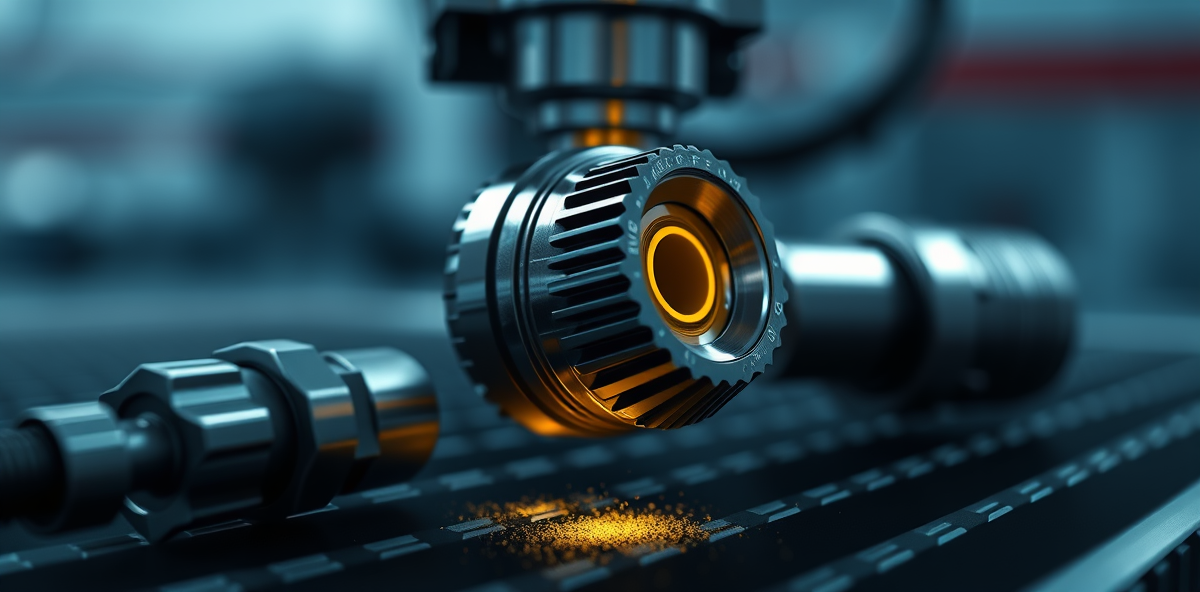
Optimizing Fiber Laser Cutting: Essential Nozzle Maintenance for Accuracy and Uptime
In the high-stakes world of industrial manufacturing, precision and efficiency are paramount. For businesses relying on fiber laser cutting technology, unexpected downtime and compromised cutting quality can severely impact productivity and profitability. The intricate dance between powerful lasers and the materials they process hinges significantly on the condition of critical components, especially consumables like nozzles.
This comprehensive guide delves into the vital role of laser consumables, particularly nozzle maintenance, in achieving superior cutting accuracy and drastically reducing operational downtime. Understanding and implementing proper maintenance protocols, coupled with the use of high-quality spare parts, is not merely a best practice—it’s a fundamental strategy for success in metal fabrication. Download our Spare Parts Checklist to ensure you’re always prepared.
Why Spare Parts & Consumables Matter in Laser Cutting
The performance of a fiber laser cutting machine is a direct reflection of the quality and condition of its components. Every part, from the most robust mechanical assembly to the smallest consumable, plays a crucial role in the overall cutting process. Neglecting these elements can lead to a cascade of problems, ranging from minor inefficiencies to complete operational halts.
Impact on Performance
Substandard or worn-out spare parts and consumables directly compromise cutting precision, speed, and edge quality. A degraded nozzle, for instance, can lead to imprecise gas flow, resulting in rough cuts, burrs, and inconsistent kerf width. This not only necessitates secondary finishing processes, adding time and cost, but also impacts the structural integrity and aesthetic appeal of the finished product.
Cost of Low-Quality Parts
While aftermarket parts might initially seem like a cost-saving measure, their lower price often comes with significant hidden costs. Inferior materials and manufacturing tolerances can lead to premature wear, frequent replacements, and increased risk of damage to other, more expensive machine components. Genuine parts, like those from Raytools, OSPRI, Precitec, or Fine Focus, are designed to integrate seamlessly and perform optimally, offering long-term reliability and true cost efficiency.
Machine Efficiency
Optimal machine efficiency is achieved when all components work in harmony. Quality spare parts and regularly replaced consumables ensure that the laser cutting system operates at its peak, maximizing output and minimizing energy consumption. This translates directly into higher throughput, lower operational costs, and a competitive edge in the market.
Complete Overview of Laser Cutting Machine Spare Parts
A fiber laser cutting machine is a complex system comprising various interconnected parts. Understanding each category helps in developing a holistic maintenance strategy.
Optical Components
These are the heart of the laser delivery system. They include protective windows, focusing lenses, and collimating lenses. Their cleanliness and integrity are crucial for maintaining beam quality and power delivery to the workpiece. Scratches, dust, or contamination on these surfaces can scatter or absorb laser energy, leading to reduced cutting efficiency and damage to the optics themselves.
Mechanical Parts
Mechanical parts encompass components responsible for motion and structural support. This includes guide rails, gear racks, bearings, and the cutting head assembly itself. Proper lubrication and alignment of these parts are essential for smooth, precise motion and to prevent wear and tear. A misaligned cutting head can negate even the most perfectly calibrated laser beam.
Electrical Components
The electrical system powers and controls the entire machine. This category includes power supplies, servo motors, sensors, cables, and control boards. Reliable electrical components ensure stable operation, accurate positioning, and timely execution of cutting commands. Faulty electrical parts can lead to erratic machine behavior, safety hazards, and significant downtime.
Consumables
Consumables are parts that are designed to be replaced regularly due to wear or degradation during the cutting process. These include nozzles, ceramic rings, protective windows, filters, and sometimes even lenses. Their timely replacement is critical for maintaining cutting quality and protecting more expensive, permanent components.
| Part | Function | Replacement Cycle |
|---|---|---|
| Nozzle | Directs assist gas, shapes laser beam | Daily inspection, weekly/monthly replacement (depending on use) |
| Ceramic ring for laser cutting machine | Insulates nozzle, provides electrical connection | Monthly to quarterly, or when damage is visible |
| Protective Window | Shields internal optics from splatter | Weekly to monthly, or when contaminated/damaged |
| Focusing Lens | Focuses laser beam to a precise point | Quarterly to annually, or when cutting quality degrades |
| Air/Water Filters | Ensures clean assist gas/cooling water | Monthly to quarterly |
Types of Laser Cutting Consumables Explained
Focusing on the most critical consumables offers insight into their impact on cutting quality and machine longevity.
Nozzles (Single & Double)
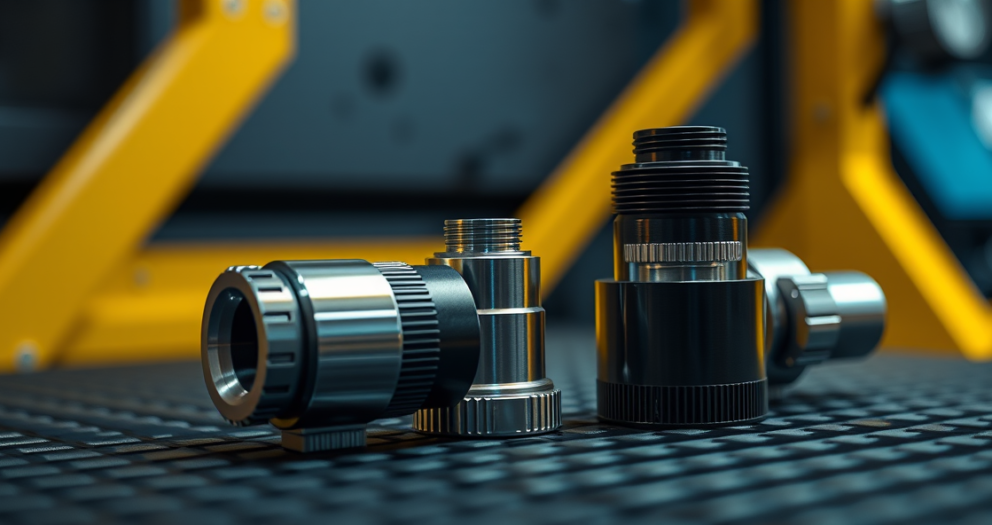
Nozzles are perhaps the most frequently replaced consumable in fiber laser cutting. They are crucial for shaping the assist gas flow around the laser beam, which helps in expelling molten material from the kerf and protecting the lens from splatter. The choice between a Single Nozzle and a Double Nozzle depends on the material type and thickness being cut.
- A Single Nozzle is typically used for thicker materials and high-pressure cutting with inert gases like nitrogen, where a concentrated gas stream is beneficial.
- A Double Nozzle, featuring an additional outer ring, is often employed for thinner materials and oxygen cutting. The outer ring provides a wider, gentler gas flow, which helps in achieving cleaner cuts and preventing burning.
Maintaining the integrity of both Single & Double Nozzle types is paramount for optimal cutting results. A worn, dirty, or misaligned nozzle can cause inconsistent gas flow, leading to poor cut quality, excessive dross, and even damage to the protective window. Brands like Raytools and Precitec offer high-quality nozzles engineered for precision and durability, enhancing your fiber laser cutting consumables performance.
Ceramic rings
Often overlooked, the ceramic ring for laser cutting machine is a vital component. It serves as an electrical insulator and positioning device for the nozzle, ensuring that the capacitive sensor within the cutting head accurately measures the distance to the workpiece. This precise distance control is fundamental for maintaining a consistent focal point and optimal cutting performance. A damaged fiber laser ceramic ring can lead to unstable height sensing, causing the nozzle to collide with the material, or to maintain an incorrect focal distance, resulting in poor cut quality and potential damage to the cutting head. Investing in a high-quality laser ceramic ring from reputable suppliers is a wise decision to prevent such issues.
Lenses
While some lenses are considered long-term components, protective windows and sometimes focusing lenses are often categorized as consumables due to their susceptibility to damage and contamination. The protective window shields the expensive internal focusing lens from debris and spatter. Its clarity is crucial; any haze or damage directly impacts the laser beam’s quality. The focusing lens itself, if it becomes contaminated or scratched, can degrade the laser’s ability to create a precise cut, leading to wider kerfs and rough edges. Regular inspection and cleaning, and timely replacement, are key to maintaining optical integrity. Leading suppliers like OSPRI and Fine Focus provide excellent optical components designed for longevity and performance.
Signs Your Spare Parts Need Replacement
Proactive identification of worn parts is crucial for preventing major breakdowns and maintaining consistent cutting quality. Operators should be trained to recognize these tell-tale signs.
Poor Cutting Quality
This is often the first and most obvious indicator. If your cuts are no longer clean, straight, or precise, it’s a strong sign that something is amiss. This could manifest as excessive dross, irregular kerf width, or poor edge finish. A primary suspect is usually the nozzle or the protective window.
Burr Formation
The presence of burrs along the cut edge indicates inefficient material expulsion. This can be caused by a worn or dirty nozzle, incorrect assist gas pressure, or an improperly focused laser beam, often linked to contaminated optics or a faulty ceramic ring for laser cutting machine.
Irregular Sparks
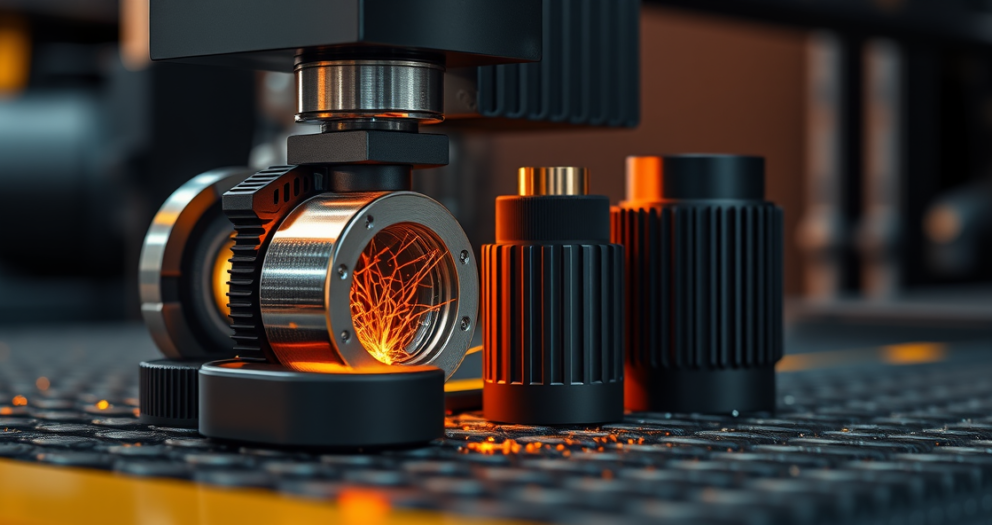
During the cutting process, the sparks emanating from the kerf should be consistent and uniform. Irregular or scattered sparks can point to a number of issues, including a blocked or damaged nozzle, an unclean protective window, or an unstable focal point, potentially caused by a faulty fiber laser ceramic ring.
“What are signs of worn laser cutting parts?”
Signs of worn laser cutting parts include a noticeable decrease in cut quality, such as rough edges, excessive dross, or burn marks. You might also observe irregular spark patterns during cutting, increased instances of machine errors, or unusual noises from mechanical components. For optics, visible contamination or scratches on protective windows and lenses are clear indicators. Furthermore, frequent nozzle clogging, inconsistent gas flow, or erratic height sensing (often due to a compromised laser ceramic ring) all point to parts needing replacement.
OEM vs Aftermarket Spare Parts
The debate between Original Equipment Manufacturer (OEM) and aftermarket parts is ongoing. For critical industrial machinery, the choice has significant implications.
| Feature | OEM Parts | Aftermarket Parts |
|---|---|---|
| Quality & Reliability | High, guaranteed to meet specifications | Varies widely, can be unreliable |
| Compatibility | Perfect fit and function | May require modifications, fit issues possible |
| Performance | Optimized for machine’s intended performance | May compromise machine efficiency and cut quality |
| Warranty | Often comes with manufacturer’s warranty | Limited or no warranty |
| Cost | Generally higher initial cost | Lower initial cost |
| Downtime Risk | Lower, due to reliability | Higher, due to potential failures and poor performance |
While aftermarket parts may offer a lower initial price, OEM parts—especially for critical fiber laser cutting consumables—provide assurances of quality, compatibility, and performance that often outweigh the upfront cost. Brands like Raytools, Precitec, OSPRI, and Fine Focus are synonymous with OEM quality in the laser cutting industry, ensuring your investment pays off in consistent production and minimal downtime.
How to Choose High-Quality Spare Parts Supplier
Selecting the right supplier is as critical as choosing the right parts themselves. A reliable supplier ensures you receive genuine, high-performance consumables and support.
Certifications
Look for suppliers who adhere to international quality standards such as ISO 9001. This indicates a commitment to quality management and consistent product delivery. Additionally, check for certifications specific to the materials or components, ensuring they meet industry benchmarks for durability and performance.
Brand Compatibility (Raytools, Precitec, etc.)
Ensure the supplier offers parts compatible with your specific laser cutting machine and cutting head. Reputable suppliers will clearly state compatibility with leading brands like Raytools, Precitec, OSPRI, and Fine Focus. Using parts specifically designed for these systems guarantees optimal integration and performance, safeguarding your investment in fiber laser cutting consumables.
Technical Support
A good supplier doesn’t just sell parts; they offer expert technical support. This includes assistance with part identification, troubleshooting, and advice on optimal usage and maintenance. A knowledgeable support team can be invaluable in minimizing downtime and maximizing the lifespan of your consumables.
Maintenance Tips to Increase Machine Life
Regular and meticulous maintenance is the cornerstone of maximizing the lifespan of your laser cutting machine and its components. It not only extends the life of the equipment but also ensures consistent output quality.
Cleaning Lens
The protective window and focusing lens are highly susceptible to contamination from spatter, dust, and fumes. Regular cleaning with specialized optical cleaning solutions and lint-free wipes is essential. Even a microscopic speck of dust can absorb laser energy, leading to localized heating and eventual damage to the lens, impacting your fiber laser cutting consumables’ longevity.
Checking Nozzle Alignment
The concentricity of the laser beam through the nozzle orifice is critical. Any misalignment can lead to an uneven gas flow, poor cut quality, and premature nozzle wear. Operators should regularly check and adjust nozzle alignment using a dedicated alignment tool. This simple check is a fundamental step in Single & Double Nozzle maintenance.
Replacing Consumables Regularly
Adhere to recommended replacement cycles for all consumables, including nozzles, ceramic rings, and protective windows. Even if a part appears visually fine, its performance might be degraded. For instance, a Double Nozzle might appear intact, but microscopic wear can affect gas dynamics. Proactive replacement prevents unexpected failures and maintains peak cutting efficiency. Don’t wait for a part to fail; replace it before it impacts production. Book a Maintenance Consultation to optimize your machine’s performance.
Cost Optimization Strategy
Balancing performance with cost is a constant challenge. Smart strategies can help optimize expenses without compromising quality.
Bulk Buying
For high-usage consumables like nozzles and protective windows, purchasing in bulk often yields significant cost savings. Many suppliers offer discounts for larger orders, reducing the per-unit cost over time. This also ensures a readily available supply, preventing production halts due to stock shortages.
Preventive Maintenance
Implementing a rigorous preventive maintenance schedule is a long-term cost-saving measure. By identifying and addressing potential issues before they escalate, you avoid costly emergency repairs, extensive downtime, and damage to more expensive machine components. Regular maintenance of your fiber laser cutting consumables contributes significantly to overall machine health.
Using Genuine Consumables
While the initial outlay for genuine parts from brands like Raytools, OSPRI, Precitec, and Fine Focus might be higher, their superior quality and longer lifespan result in lower overall operational costs. Genuine parts offer consistent performance, reduce the frequency of replacements, and protect your machine’s warranty, ultimately delivering better value and reducing the total cost of ownership for your fiber laser cutting machine.
Applications & Industry Use Cases
Fiber laser cutting technology, supported by robust maintenance and quality consumables, is indispensable across numerous industrial sectors.
Automotive
In the automotive industry, laser cutting is used for intricate components, chassis parts, and prototype development. High precision and speed are critical for mass production and safety standards. Maintaining consumables like a Single Nozzle and ceramic ring for laser cutting machine ensures consistent quality for crucial parts.
Sheet Metal Fabrication
Sheet metal fabricators rely on fiber lasers for cutting various metals, from mild steel to stainless steel and aluminum. The versatility and precision of laser cutting allow for complex designs and tight tolerances, making Single & Double Nozzle maintenance vital for producing high-quality finished products.
Fabrication
General fabrication shops utilize fiber lasers for custom projects, structural components, and architectural elements. The ability to cut a wide range of materials with speed and accuracy makes laser cutting a preferred method. Quality fiber laser ceramic ring and Double Nozzle components are crucial for diverse material processing.
FAQs
1. How often should I replace my laser nozzle?
Nozzle replacement frequency depends on usage, material type, and assist gas. Generally, daily inspection is recommended, with replacement needed if any damage, blockage, or degradation in cut quality is observed. For heavy use, a weekly or bi-weekly replacement might be necessary, ensuring optimal performance of your fiber laser cutting consumables.
2. What is the role of a ceramic ring for laser cutting machine?
The ceramic ring for laser cutting machine is critical for electrically isolating the nozzle from the cutting head and providing a stable platform for the nozzle. It enables the capacitive sensor to accurately measure the distance to the workpiece, ensuring precise focal point control and optimal cutting conditions. A high-quality laser ceramic ring is essential for reliable operation.
3. Can I use aftermarket spare parts for my fiber laser cutting machine?
While aftermarket parts might be cheaper, they often lack the precision, quality, and compatibility of OEM parts. Using non-genuine parts can lead to decreased performance, increased downtime, potential damage to your machine, and may void your warranty. It’s always recommended to use genuine fiber laser cutting consumables from reputable brands like Raytools or Precitec.
4. How do I know if my laser’s protective window needs cleaning or replacement?
If you observe haziness, scratches, or visible debris on the protective window, it’s time for cleaning. If cleaning doesn’t restore clarity, or if there are deep scratches or burn marks, it needs immediate replacement. A degraded protective window directly impacts beam quality and cutting efficiency.
5. What are the benefits of using a Double Nozzle over a Single Nozzle?
A Double Nozzle is typically used for oxygen cutting of thinner materials, where its wider, gentler assist gas flow helps achieve cleaner cuts and prevents burning. A Single Nozzle is preferred for thicker materials and high-pressure nitrogen cutting, where a concentrated gas stream is more effective. The choice depends on the specific cutting application to optimize your fiber laser cutting consumables usage.
Conclusion
Mastering fiber laser cutting operations goes beyond simply owning advanced machinery; it demands a meticulous approach to maintenance and a discerning eye for quality consumables. The longevity, precision, and efficiency of your laser cutting machine are intrinsically linked to the care and quality of its spare parts, especially the often-underestimated nozzles and ceramic rings. By prioritizing genuine components from trusted brands like Raytools, OSPRI, Precitec, and Fine Focus, implementing rigorous maintenance schedules, and understanding the nuances of each consumable, you can dramatically improve cutting accuracy, reduce costly downtime, and ensure a higher return on your investment.
Embrace a proactive strategy for your fiber laser cutting consumables, and transform your operational challenges into consistent successes. Ready to enhance your machine’s performance and reduce operational costs?
- Request a Quote for genuine spare parts.
- Talk to an Expert for personalized advice.
- Download Our Catalog for a complete list of high-quality components.

Write a comment
Your email address will not be published. All fields are required