

Introduction
In the demanding world of metal fabrication, precision and efficiency are paramount. Every cut, every component, contributes to the final product’s quality and the business’s bottom line. However, many B2B laser cutting machine users, operators, and metal fabricators often overlook a critical aspect that significantly impacts these factors: the quality of their laser consumables.
Downtime, inconsistent cutting quality, and unexpected maintenance costs are common industry pains that can often be traced back to subpar or worn-out spare parts. This article will delve into why investing in high-quality fiber laser cutting consumables is not just a recommendation but a necessity for achieving optimal performance, ensuring cost optimization, and maximizing machine efficiency in precision metal cutting.
Are you struggling with inconsistent cuts or frequent machine breakdowns? Understanding the role of each spare part can revolutionize your operations. Download Spare Parts Checklist today to ensure your laser cutting machine is always running at its best.
Why Spare Parts & Consumables Matter in Laser Cutting
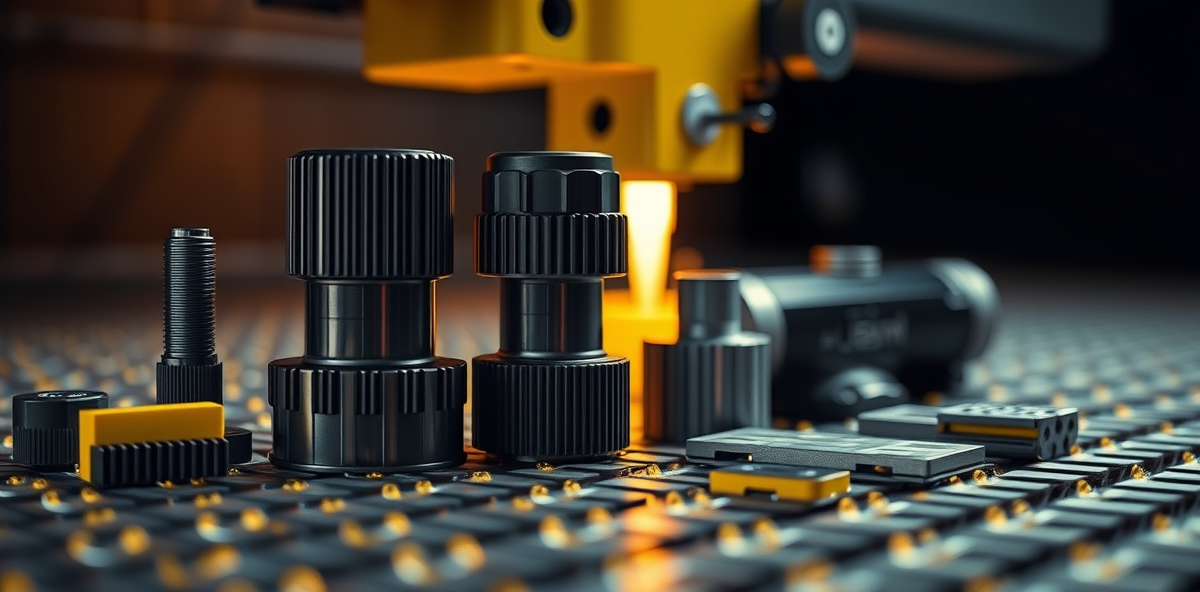
The intricate process of laser cutting relies on a harmonious interaction of numerous components. Each spare part, from the smallest O-ring to critical optical elements, plays a vital role in the machine’s overall functionality and the quality of the cut.
Impact on Performance
The performance of your fiber laser cutting machine is directly tied to the integrity of its spare parts and consumables. High-quality components ensure the laser beam is delivered accurately, focused precisely, and assisted efficiently by cutting gases. This translates into cleaner cuts, higher accuracy, and repeatable results, which are crucial for meeting stringent client specifications and reducing material waste.
Cost of Low-Quality Parts
While aftermarket or generic parts might seem like a cost-saving solution initially, they often lead to higher operational expenses in the long run. Poor quality consumables can cause frequent breakdowns, necessitate more frequent replacements, and even damage more expensive machine components. This results in increased downtime, lost production hours, and inflated repair costs, eroding profit margins.
Machine Efficiency
Genuine, high-quality spare parts and consumables are engineered to work seamlessly with your specific laser cutting machine, optimizing its efficiency. They minimize friction, ensure proper sealing, and maintain optical clarity, all of which contribute to faster cutting speeds, reduced energy consumption, and an extended lifespan for your valuable machinery.
Complete Overview of Laser Cutting Machine Spare Parts
Understanding the various categories of spare parts is crucial for comprehensive maintenance and ensuring uninterrupted operation.
Optical Components (Lenses, Mirrors)
These are the heart of your laser system, responsible for guiding and focusing the laser beam. Contaminated or damaged lenses and mirrors can lead to beam divergence, reduced power, and ultimately, poor cutting quality.
Mechanical Parts (Nozzles, Bearings)
Mechanical parts facilitate the movement and precise positioning of the cutting head. Worn bearings can introduce vibration, affecting accuracy, while degraded Single & Double Nozzle can impede gas flow and beam delivery.
Electrical Components
From sensors and cables to power supplies, electrical components ensure the machine’s control and operation. Malfunctions here can lead to erratic behavior, safety hazards, and complete system shutdowns.
Consumables (Filters, Ceramic Rings)
These parts are designed for regular replacement due to wear or contamination. Filters protect sensitive components, while the ceramic ring for laser cutting machine plays a critical role in beam alignment and insulation.
Below is a table summarizing key parts, their functions, and typical replacement cycles:
| Part | Function | Replacement Cycle |
|---|---|---|
| Focus Lens | Focuses laser beam onto material | 6-12 months (or as needed) |
| Protective Lens | Protects focus lens from spatter | 1-3 months (or as needed) |
| Nozzle | Directs assist gas, shapes laser beam | Daily/Weekly (depending on use) |
| Ceramic ring for laser cutting machine | Insulates and centers the nozzle | 1-3 months (or as needed) |
| Filters (Air/Water) | Maintains purity of gas/cooling liquid | 3-6 months |
Types of Laser Cutting Consumables Explained
A deeper dive into specific consumables highlights their critical roles and why quality is non-negotiable.
Nozzles: Single Nozzle & Double Nozzle
Nozzles are fundamental for directing the assist gas and shaping the laser beam as it exits the cutting head. The choice between a Single Nozzle and a Double Nozzle depends on the material type and thickness being cut. Single Nozzle designs are often used for nitrogen cutting, while Double Nozzle designs are common for oxygen cutting, promoting better slag removal and cut quality.
High-quality nozzles ensure consistent gas flow, minimizing turbulence and preventing spatter from affecting the protective lens. Inferior nozzles can lead to irregular gas patterns, burr formation, and reduced cutting speeds, ultimately impacting the entire fabrication process.
Ceramic Rings
The ceramic ring for laser cutting machine, often referred to as a fiber laser ceramic ring or laser ceramic ring, is a crucial component that insulates the nozzle from the cutting head and accurately centers it. This precise centering is vital for ensuring the laser beam passes perfectly through the nozzle aperture, maintaining optimal beam quality and cutting performance.
A degraded or damaged ceramic ring for laser cutting machine can cause beam misalignment, leading to poor cut quality, excessive heat generation, and potential damage to other expensive parts of the cutting head. Opting for a genuine ceramic ring for laser cutting machine from reputable brands like Raytools, OSPRI, or Precitec ensures precise alignment and long-term reliability.
Lenses (Focus and Protective)
Lenses are optical components that shape and focus the laser beam. The focus lens converges the beam to a fine point on the material surface, while the protective lens shields the focus lens from debris and spatter. Any imperfections, scratches, or contamination on these lenses will scatter or absorb the laser energy, reducing cutting power and quality.
Using high-quality lenses designed for your specific laser system is critical for maintaining beam integrity and achieving precise cuts. Regular cleaning and timely replacement are essential maintenance practices.
Signs Your Spare Parts Need Replacement
Being proactive in identifying worn or damaged parts can prevent significant operational issues and costly downtime. Look out for these tell-tale signs:
- Poor Cutting Quality: Ragged edges, incomplete cuts, or inconsistent kerf width are strong indicators that something is amiss, often starting with consumables like nozzles or lenses.
- Burr Formation: Excessive burr on the cut edges suggests improper beam focus, gas flow issues, or a worn nozzle.
- Irregular Sparks or Flame: Uneven spark patterns during cutting can point to a damaged nozzle, misalignment of the ceramic ring for laser cutting machine, or issues with gas pressure.
- Frequent Alarms or Errors: Your machine’s diagnostic system might flag errors related to temperature, pressure, or component wear, which should not be ignored.
- Reduced Cutting Speed: If your machine is taking longer to cut materials of a specific thickness, it could indicate diminished laser power due to dirty lenses or an inefficient nozzle.
- Increased Gas Consumption: A worn nozzle or poor gas delivery system can lead to inefficient use of assist gas, increasing operational costs.
- Visible Damage: Inspect nozzles for deformities, lenses for scratches or haze, and ceramic ring for laser cutting machine for cracks or discoloration.
What are signs of worn laser cutting parts?
Signs of worn laser cutting parts include poor cutting quality (ragged edges, incomplete cuts), excessive burr formation, irregular sparks or flame during operation, reduced cutting speed, increased assist gas consumption, and visible damage like deformities on nozzles or scratches on lenses. These issues often indicate the need for replacement of consumables such as nozzles, lenses, or the ceramic ring for laser cutting machine.
OEM vs Aftermarket Spare Parts
The choice between Original Equipment Manufacturer (OEM) parts and aftermarket alternatives is a crucial decision for metal fabricators.
| Feature | OEM Spare Parts | Aftermarket Spare Parts |
|---|---|---|
| Quality & Precision | Guaranteed to meet original machine specifications, highest quality materials. | Varies widely; can range from acceptable to poor, inconsistent material quality. |
| Compatibility | Perfect fit and seamless integration with your specific machine model. | May require modifications, fit issues can lead to performance problems. |
| Performance | Optimized for peak machine performance, efficiency, and longevity. | Potential for reduced performance, efficiency, and increased wear on other parts. |
| Warranty & Support | Backed by manufacturer’s warranty, access to technical support. | Limited or no warranty, often lacks expert technical support. |
| Cost (Initial) | Generally higher initial investment. | Often lower initial cost. |
| Long-Term Value | Lower total cost of ownership due to reliability, reduced downtime, and extended machine life. | Higher total cost of ownership due to frequent replacements, repairs, and lost production. |
While aftermarket parts might offer a lower upfront cost, OEM parts, including branded fiber laser cutting consumables from providers like Raytools, OSPRI, Precitec, and Fine Focus, consistently deliver superior quality, guaranteed compatibility, and better long-term value, safeguarding your investment and operational consistency.
How to Choose High-Quality Spare Parts Supplier
Selecting the right supplier for your fiber laser cutting consumables is as crucial as choosing the parts themselves. A reliable supplier ensures you receive genuine, high-performance components.
- Certifications and Standards: Look for suppliers who adhere to international quality standards (e.g., ISO certifications). This indicates a commitment to manufacturing excellence and consistent product quality.
- Brand Compatibility: Ensure the supplier offers parts explicitly compatible with your machine’s head and laser source. Leading brands like Raytools, OSPRI, Precitec, and Fine Focus are known for their precision-engineered consumables. A good supplier will stock or have access to genuine parts for these brands.
- Technical Support and Expertise: A knowledgeable supplier can offer invaluable technical assistance, helping you diagnose issues, select the correct parts, and provide installation guidance. This support minimizes trial-and-error and reduces downtime.
- Inventory and Logistics: A supplier with a comprehensive inventory and efficient logistics can ensure timely delivery of essential parts, preventing long periods of machine inactivity.
- Reputation and Reviews: Check for customer testimonials and industry reputation. A supplier with a strong track record of reliability and customer satisfaction is always a safer bet.
Maintenance Tips to Increase Machine Life
Proactive maintenance is key to extending the lifespan of your laser cutting machine and ensuring consistent, high-quality output.
- Regular Cleaning of Lenses and Optics: Dust, debris, and spatter can accumulate on lenses and mirrors, degrading beam quality.
- Checking Nozzle Alignment: Ensure your Single & Double Nozzle is perfectly centered with the laser beam. Misalignment can lead to poor cuts and unnecessary wear on the nozzle and ceramic ring for laser cutting machine.
- Replacing Consumables Regularly: Adhere to recommended replacement cycles for nozzles, protective lenses, and fiber laser ceramic ring.
- Monitoring Gas Pressure and Purity: Ensure assist gas pressures are correctly set and that the gas supply is free from contaminants, which can affect cut quality and machine components.
- Lubricating Moving Parts: Regularly lubricate guideways and other mechanical components as per the manufacturer’s instructions to reduce friction and wear.
- Inspecting Cooling System: Ensure the chiller and cooling system are functioning optimally to maintain stable laser source temperature, which is critical for laser longevity.
Regular maintenance is an investment that pays dividends in extended machine life and reduced operational costs. Book Maintenance Consultation with our experts to optimize your machine’s performance.
Cost Optimization Strategy
Smart procurement and maintenance strategies can significantly reduce the overall operating costs of your laser cutting machine without compromising quality.
- Bulk Buying of Consumables: If storage permits and usage is consistent, purchasing fiber laser cutting consumables like nozzles and ceramic ring for laser cutting machine in larger quantities can often lead to volume discounts and reduce per-unit costs.
- Preventive Maintenance Schedule: Adhering to a strict preventive maintenance schedule minimizes unexpected breakdowns and costly emergency repairs. This also helps in identifying parts nearing the end of their life before they cause damage to other components.
- Using Genuine Consumables: While the initial cost may be higher, genuine OEM parts and branded consumables from reputable manufacturers (Raytools, OSPRI, Precitec, Fine Focus) offer superior lifespan and performance, reducing the frequency of replacements and the risk of collateral damage, leading to lower total cost of ownership.
- Operator Training: Well-trained operators can minimize errors, optimize cutting parameters, and identify potential issues early, contributing to efficient use of consumables and longer machine life.
- Inventory Management: Implement an effective inventory system for spare parts to avoid overstocking or running out of critical items, ensuring you have what you need when you need it without tying up excessive capital.
Applications & Industry Use Cases
The reliability and precision offered by high-quality fiber laser cutting consumables are critical across a diverse range of industries.
- Automotive Industry: Used for cutting intricate components for vehicle bodies, engine parts, and specialized brackets, where high precision and repeatability are non-negotiable.
- Sheet Metal Fabrication: Essential for architectural panels, HVAC components, custom enclosures, and general metalwork, demanding clean edges and tight tolerances.
- Aerospace Industry: For cutting lightweight, high-strength alloys used in aircraft components, where material integrity and absolute precision are paramount for safety.
- Medical Device Manufacturing: Producing small, complex parts with extreme accuracy for surgical instruments, implants, and diagnostic equipment.
- Electronics Manufacturing: Creating precise enclosures and components for electronic devices, where fine detail and smooth edges are required.
FAQs
Q1: How often should I replace my laser cutting nozzle?
A1: The replacement cycle for your laser cutting Single & Double Nozzle depends on usage, material type, and gas purity, but typically ranges from daily to weekly. Regular visual inspection for wear or damage is recommended.
Q2: What is the main function of a ceramic ring for laser cutting machine?
A2: The primary function of a ceramic ring for laser cutting machine is to insulate the nozzle from the cutting head and ensure its precise centering relative to the laser beam, which is crucial for maintaining optimal cut quality and beam integrity.
Q3: Can using aftermarket consumables damage my fiber laser cutting machine?
A3: Yes, using low-quality aftermarket fiber laser cutting consumables can potentially damage your machine. Poorly manufactured parts may not fit correctly, lead to beam misalignment, cause excessive wear on other components, or even result in electrical issues, leading to costly repairs and downtime.
Q4: Why are genuine Raytools, OSPRI, Precitec, or Fine Focus consumables preferred?
A4: Genuine consumables from brands like Raytools, OSPRI, Precitec, and Fine Focus are preferred because they are engineered to exact specifications for specific laser heads. They guarantee optimal performance, precision, and durability, reducing the risk of errors, extending machine life, and ensuring consistent cutting quality.
Q5: How does preventive maintenance save costs in laser cutting?
A5: Preventive maintenance saves costs by identifying and addressing potential issues before they escalate into major breakdowns, reducing unplanned downtime, extending the lifespan of expensive components, optimizing the consumption of assist gases and electricity, and ensuring consistent product quality, thus minimizing scrap and rework.
Conclusion
The role of high-quality fiber laser cutting consumables in precision metal cutting cannot be overstated. For B2B laser cutting machine users, operators, and metal fabricators, understanding and prioritizing genuine spare parts is not merely an operational detail but a strategic imperative. From ensuring impeccable cut quality and maximizing machine efficiency to achieving significant cost optimization in the long run, the impact of components like precision nozzles (Single & Double Nozzle), reliable ceramic ring for laser cutting machine, and clear lenses is profound.
By investing in certified parts from trusted brands such as Raytools, OSPRI, Precitec, and Fine Focus, and adhering to rigorous maintenance schedules, businesses can unlock the full potential of their laser cutting technology, maintain a competitive edge, and consistently deliver superior results. Don’t compromise on quality; it’s the foundation of precision and profitability in your fabrication operations.
Ready to elevate your laser cutting operations? Request a Quote for genuine spare parts, Talk to an Expert about your specific needs, or Download our Full Catalog of laser cutting consumables today.
Write a comment
Your email address will not be published. All fields are required