

Laser Cutting Consumables Price Guide in India: Nozzle, Lens, Ceramic Ring Explained
Introduction
Laser cutting technology drives precision and efficiency in metal fabrication. However, even the most advanced fiber laser cutting machine depends on its components. Downtime, inconsistent cutting quality, and unexpected repair costs trouble many metal fabricators. These problems often stem from neglected consumables and poor-quality spare parts.
Therefore, understanding genuine spare parts and fiber laser cutting consumables is essential for profitable operations. This guide covers laser cutting consumables in India — focusing on nozzles, lenses, and ceramic rings. Furthermore, it equips machine users, operators, and workshop owners with practical knowledge to make informed decisions. As a result, you will learn how to optimize costs, enhance machine efficiency, and extend equipment life.
Download our Spare Parts Checklist today to ensure you are always prepared.
Why Spare Parts & Consumables Matter in Laser Cutting
The quality and condition of spare parts directly determine your laser cutting machine’s performance. These components, though often small, significantly influence accuracy, speed, and finish.
Performance Impact
Low-quality or worn parts immediately cause substandard cutting. Consequently, you will notice rough edges, burr formation, and inconsistent cuts. In addition, substandard parts accelerate wear on other critical machine components. This leads, in turn, to premature failures and expensive repairs that disrupt production.
Cost of Neglecting Consumables
Machine efficiency drops sharply when consumables deteriorate. Cutting speeds reduce. Operators stop frequently to make adjustments. Moreover, processing times increase and output quality falls. Therefore, investing in genuine, high-quality spare parts from brands like Raytools, Precitec, OSPRI, and Fine Focus is a strategic decision — not merely an expense. It safeguards your production schedule, ensures consistent quality, and maximizes machine lifespan.
Complete Overview of Laser Cutting Machine Spare Parts
A laser cutting machine integrates various components that work in harmony. Therefore, understanding each part is crucial for effective maintenance and troubleshooting.
Optical Components
- Focusing Lenses: These converge the laser beam into a precise, high-power spot on the material surface. Their quality directly affects cutting precision. Scratches, dust, or thermal stress, for instance, severely degrade performance.
- Protective Windows: These sit before the focusing lens and shield it from splatter and debris. As a result, they need regular cleaning and timely replacement.
- Reflective Mirrors: Some systems use mirrors to guide the laser beam path. Their cleanliness and alignment, therefore, maintain beam power and accuracy.
Mechanical Parts
- Nozzles: These guide the assist gas to the cutting zone. Their shape, size, and condition are critical for slag removal and cut quality. A worn nozzle, consequently, causes inefficient gas flow and poor cuts.
- Ceramic Rings: These insulate the nozzle from the cutting head and provide electrical contact for the capacitance height sensor. Their integrity, therefore, ensures stable standoff distance control.
- Bearings and Guide Rails: These enable smooth, precise movement of the cutting head. Wear in these components, as a result, causes vibration, reduced accuracy, and faster deterioration of other parts.
- Motor and Drive Components: These control laser head movement. Therefore, regular inspection prevents costly breakdowns.
Electrical Components
- Cables and Connectors: These ensure stable power and signal transmission throughout the machine. Damaged cables, however, cause intermittent operation or complete system failure.
- Sensors: These monitor temperature, pressure, and position. Malfunctioning sensors, consequently, produce incorrect data and lead to operational errors.
- Power Supply Units: These power the laser source and electronic components. Failures here, therefore, severely impact machine performance.
Consumables
- Air Filters: These maintain cleanliness inside the machine and quality of compressed air. Clogged filters, as a result, reduce air quality and strain compressors.
- Water Filters: These maintain cooling water quality in the chiller system. In addition, clean water prevents damage to the laser source.
- Ceramic Rings and Nozzles: Operators replace these frequently to maintain arc stability, height sensing, and cutting quality. Without timely replacement, moreover, performance declines rapidly.
Replacement Cycle Overview
| Part | Function | Replacement Cycle |
|---|---|---|
| Focusing Lens | Focuses laser beam onto material | 6–12 months |
| Protective Window | Shields focusing lens | 1–3 months |
| Nozzle | Directs assist gas, forms cutting kerf | Daily to weekly |
| Ceramic Ring | Insulates nozzle, enables height sensing | 3–6 months |
| Air Filter | Filters compressed air and fumes | 1–3 months |
| Water Filter | Filters chiller water | 3–6 months |
| Collimator Lens | Shapes and parallelizes beam | Years (with regular inspection) |
Types of Laser Cutting Consumables Explained
Understanding your primary fiber laser cutting consumables — nozzles, ceramic rings, and lenses — is fundamental to superior cut quality and lower operational costs. Furthermore, choosing the right consumable for each application directly impacts your machine’s output.
Nozzles (Single & Double)
Laser nozzles are precision-engineered components that directly influence assist gas flow and cutting quality. Their design, material, and orifice size are all critical parameters. Therefore, selecting the right nozzle type is essential.
Single Nozzle: This type suits thin materials and nitrogen cutting. It delivers a focused, high-pressure gas stream. This stream, consequently, expels molten material efficiently and produces clean, dross-free edges.
Double Nozzle: This type features a concentric opening around the main orifice. It works best for oxygen cutting of thicker materials. The outer gas stream stabilizes the cutting process and improves slag removal. Furthermore, it prevents back-splatter and delivers better edge quality at higher speeds.
Therefore, the choice between Single and Double Nozzle depends on material type, thickness, and assist gas. Brands like Raytools, Precitec, and OSPRI offer a wide range of nozzles for specific applications.
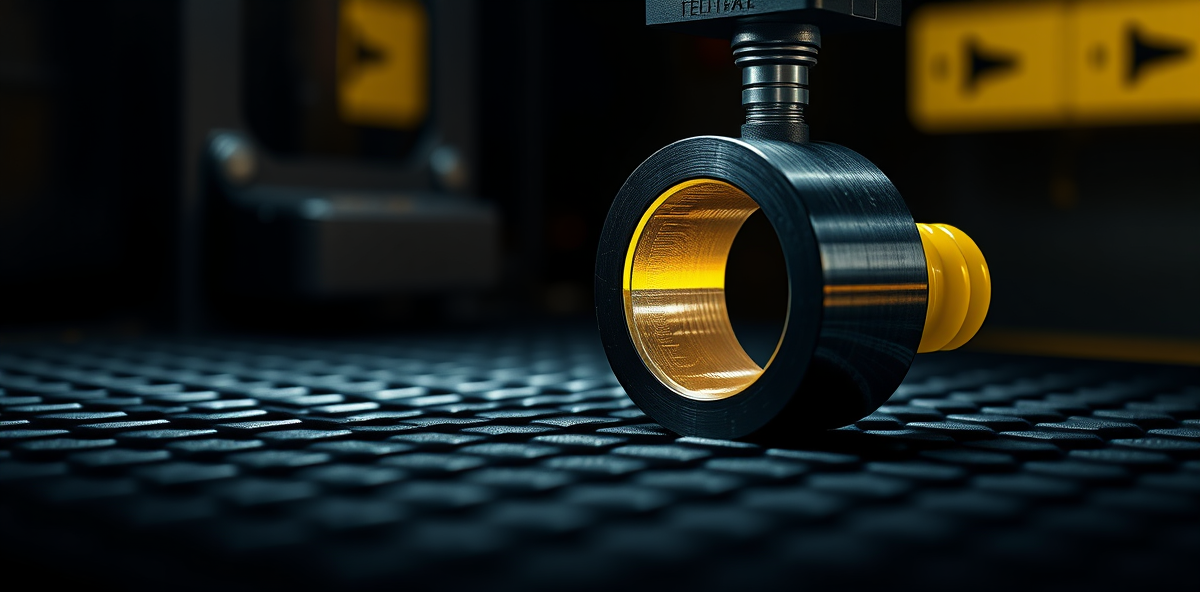
Ceramic Rings for Laser Cutting Machines
The ceramic ring for laser cutting machine — also called the ceramic nozzle holder — serves two key functions. First, it insulates the metallic nozzle from the cutting head. Second, it supports the capacitive height sensing system. This system, as a result, maintains a precise and consistent standoff distance from the material, which is critical for consistent focus and cut quality.
A high-quality fiber laser ceramic ring ensures stable electrical conductivity and superior insulation. Consequently, it prevents interference with the height sensing mechanism. Cracks, chips, or wear on the laser ceramic ring cause erratic standoff distances. This leads, in turn, to inconsistent focus, poor cut quality, and even head collisions. Therefore, brands like Raytools, Precitec, and Fine Focus engineer their ceramic rings for durability and reliable performance.
Lenses and Protective Windows
The focusing lens is the most sensitive optical component in a fiber laser cutting machine. It focuses the collimated laser beam down to an extremely small, high-power spot. This, consequently, generates the energy density required for cutting. Moreover, its quality directly dictates precision, speed, and overall cutting efficiency.
Manufacturers make lenses from fused silica or zinc selenide. These materials suit specific laser wavelengths and offer strong thermal properties. In addition, high-quality lenses from brands like OSPRI, Precitec, and Fine Focus feature anti-reflection coatings that maximize laser transmission. Any scratch, dust particle, or thermal stress, however, causes beam distortion and power loss. Therefore, regular inspection, careful cleaning, and timely replacement are non-negotiable.
Signs Your Spare Parts Need Replacement
Proactive identification of worn or failing parts prevents machine failures and costly downtime. Therefore, watch for these warning signs closely.
Cutting Quality Problems
- Poor Cutting Quality: Unclean or unstraight cuts and excessive dross are the first and most obvious indicators of worn consumables. In other words, any visible decline in edge quality demands immediate attention.
- Burr Formation: Rough, molten material clinging to the cut edge signals inefficient material expulsion. This often points, therefore, to a worn nozzle or incorrect assist gas setup.
- Inconsistent Cut Edges: Wavy or uneven lines on straight passes suggest nozzle alignment issues, a damaged ceramic ring, or motion system problems. As a result, cut accuracy falls significantly.
Process and Optical Warning Signs
- Irregular Sparks or Back-Spatter: Excessive or erratic sparking toward the nozzle points to a damaged nozzle or contaminated lens. Consequently, this affects both cut quality and machine safety.
- Reduced Cutting Speed: If your machine struggles to cut at its usual speed, the laser beam quality is likely compromised. A dirty or damaged lens is, therefore, often the cause.
- Scratches or Cloudiness on Lenses: Any visual imperfection on optical components degrades beam quality and power immediately. For this reason, daily inspection of lenses is essential.
Sensor and Mechanical Warning Signs
- Frequent Arc Flashes or Height Sensing Errors: These clearly indicate a cracked, dirty, or worn ceramic ring for laser cutting machine. As a result, standoff distance control becomes unreliable.
- Discoloration or Pitting on Nozzles: Visible damage on the nozzle tip affects gas flow and, consequently, cut quality. Replace the nozzle immediately when you notice these signs.
In summary: Worn laser cutting parts show up as poor cutting quality, excessive burr formation, irregular sparking, inconsistent cut edges, reduced cutting speed, frequent height sensing errors, and visible damage on nozzles and lenses.
OEM vs Aftermarket Spare Parts
When sourcing spare parts, you typically choose between OEM parts and aftermarket parts. Each option involves a trade-off between cost, quality, and reliability. Therefore, understanding the differences helps you make the right decision for your operation.
OEM Parts
The original machine manufacturer — or an authorized supplier — produces OEM parts. They design these to exact specifications, guaranteeing a perfect fit and optimal performance. Moreover, OEM parts come with a manufacturer warranty, offering the highest reliability and longevity.
Aftermarket Parts
Third-party manufacturers produce aftermarket parts at a lower upfront cost. However, their quality and compatibility vary widely. Some aftermarket suppliers match OEM standards, while others produce inferior components. Therefore, these can compromise machine performance and, in addition, accelerate wear on other expensive parts.
Comparison Table
| Feature | OEM Parts | Aftermarket Parts |
|---|---|---|
| Source | Original manufacturer or authorized supplier | Third-party manufacturer |
| Quality | Guaranteed, consistent | Varies widely |
| Compatibility | 100% assured | May require verification |
| Reliability | Highest; backed by warranty | Can be inconsistent |
| Price | Higher upfront | Lower upfront |
| Warranty | Full manufacturer warranty | Often limited or absent |
| Performance Impact | Ensures peak machine performance | May reduce efficiency over time |
For critical fiber laser cutting consumables like lenses, nozzles, and laser ceramic rings, investing in OEM or reputable branded parts from Raytools, Precitec, OSPRI, or Fine Focus proves more cost-effective in the long run. In contrast, cheap alternatives often lead to higher total costs.
How to Choose a High-Quality Spare Parts Supplier
Selecting the right supplier is as critical as selecting the right parts. Therefore, a reliable supplier acts as a long-term partner in your operational success.
1. Certifications and Quality Assurance
Look for suppliers who follow international quality standards such as ISO certifications. They should, furthermore, provide material certifications for their parts. This confirms precision manufacturing and appropriate material use.
2. Brand Compatibility and Authenticity
Prioritize suppliers who are authorized distributors for major brands. For example, if your machine uses a Raytools cutting head, ensure your supplier provides genuine Raytools nozzles, lenses, or fiber laser ceramic rings. The same applies, similarly, to Precitec, OSPRI, and Fine Focus. Authentic parts work seamlessly with your machine and guarantee optimal performance.
3. Technical Expertise and Support
A good supplier offers more than just parts. They help you identify the correct part number, advise on installation, and troubleshoot common issues. Therefore, their team must have in-depth knowledge of laser cutting technology and the specific products they sell.
4. Inventory and Availability
Check whether the supplier maintains strong inventory levels for commonly used fiber laser cutting consumables. Quick access to parts, consequently, minimizes downtime and keeps production on schedule.
5. Customer Reviews and Reputation
Research the supplier’s reputation through online reviews, testimonials, and industry recommendations. A strong track record is, therefore, a reliable indicator of product quality and customer service.
Maintenance Tips to Increase Machine Life
Proactive maintenance extends the lifespan of your laser cutting machine and maximizes your return on investment. Therefore, follow these practices consistently to avoid unexpected breakdowns.
Clean Lenses and Protective Windows
Optical components are highly sensitive to contamination. Use only lint-free optical wipes and approved cleaning solutions. Handle lenses by their edges to avoid fingerprints. Furthermore, inspect regularly for scratches, pits, or cloudiness and replace protective windows immediately upon any damage.
Check Nozzle Alignment Daily
A misaligned nozzle leads to poor cut quality and potential cutting head damage. Therefore, perform daily checks and adjust alignment per manufacturer guidelines. Ensure, in addition, that the nozzle orifice stays clean and free from splatter.
Replace Consumables on Schedule
Adhere strictly to recommended replacement cycles for nozzles, ceramic rings, and filters. Even a consumable that appears functional may perform below standard. Consequently, proactive replacement prevents damage to other components and avoids costly downtime.
Inspect and Clean the Ceramic Ring Regularly
Check the ceramic ring for laser cutting machine regularly for cracks, chips, or carbon buildup. Clean it gently with a soft cloth and appropriate solvent. A damaged ceramic ring compromises height sensing and, therefore, cut stability.
Lubricate Moving Parts
Clean and lubricate guide rails, ball screws, and other mechanical parts regularly. Follow the manufacturer’s specifications for lubricant types and frequency. This, consequently, prevents excessive wear and ensures smooth, precise motion.
Maintain the Chiller System
Check coolant levels, water quality, and filter condition periodically. Clean coils and vents to ensure efficient heat dissipation. Furthermore, a properly functioning chiller is vital for laser source longevity and consistent beam quality.
Cost Optimization Strategy
Smart management of spare parts and fiber laser cutting consumables reduces operational costs and improves profitability. Therefore, apply these strategies to get the most value from your investment.
Buy Consumables in Bulk
For high-usage consumables like nozzles and protective windows, purchase in larger quantities. Suppliers often offer bulk discounts. This, consequently, lowers per-unit costs and ensures a ready supply that prevents production stoppages.
Follow Preventive Maintenance Schedules
A proactive maintenance schedule is your best defense against unexpected breakdowns. Regular inspections and timely part replacement prevent costly secondary damage. Consequently, this extends the lifespan of expensive components significantly and reduces total repair costs.
Use Genuine Consumables
Genuine consumables from brands like Raytools, OSPRI, Precitec, and Fine Focus deliver superior performance and a longer lifespan. Therefore, they reduce replacement frequency, lower scrap rates, and maintain optimal machine efficiency — lowering your total cost of ownership.
Manage Inventory Systematically
Track usage patterns and predict demand with a systematic inventory management system. This prevents overstocking and eliminates the risk of running out of critical items. As a result, you maintain production continuity without excess carrying costs.
Invest in Operator Training
Well-trained operators identify issues early and operate the machine optimally. They also perform basic maintenance correctly. Consequently, this reduces misuse, minimizes wear, and ensures consumables last longer — saving costs over time.
Applications & Industry Use Cases
Laser cutting technology — supported by reliable consumables — serves a wide range of industries across India. Furthermore, its precision and versatility make it indispensable in both small workshops and large-scale manufacturing plants.
- Automotive Industry: Laser cutting handles a wide range of metals and thicknesses for vehicle body components, engine parts, and exhaust systems. As a result, manufacturers achieve high consistency and precision throughout production.
- Sheet Metal Fabrication: This is the largest sector using laser cutting. It produces brackets, panels, enclosures, and decorative elements for construction, furniture, and general manufacturing. Moreover, clean edges reduce the need for post-processing.
- Heavy Fabrication: High-power fiber lasers with Double Nozzle configurations cut thick plates of mild steel, stainless steel, and aluminum. Consequently, they support infrastructure and heavy machinery manufacturing with reliable precision.
- Aerospace Industry: Laser cutting produces intricate parts from specialized alloys where accuracy and minimal material distortion are paramount. Therefore, it is a trusted process for critical aerospace components.
- Medical Device Manufacturing: Laser cutting delivers the precision and clean edges required for surgical instruments, implants, and medical equipment. In addition, it handles complex geometries that other cutting methods cannot achieve.
- Electronics Industry: Tight-tolerance cutting of small parts for casings, circuit boards, and connectors demands the precision that laser cutting provides. As a result, electronics manufacturers rely on it for consistent quality at scale.
FAQs
Q1: How often should I replace my laser cutting nozzle? Inspect your nozzle daily. Replace it anywhere from daily to weekly, depending on material and power. Pitting, dross buildup, or visible wear, however, warrants immediate replacement regardless of schedule.
Q2: What is the average lifespan of a laser cutting focusing lens? A focusing lens can last 6 months to over a year with proper maintenance. However, visible cloudiness, damage, or reduced cutting performance means you must replace it immediately to avoid further damage.
Q3: Why is a genuine ceramic ring for laser cutting machine important? A genuine ceramic ring ensures accurate height sensing and proper electrical insulation. This, consequently, prevents head crashes and maintains stable cutting. Substandard rings, on the other hand, lead to erratic standoff distances and costly repairs.
Q4: Can using aftermarket parts void my machine warranty? Yes, in many cases it can. Using non-OEM parts for critical components often voids manufacturer warranties. Therefore, always check your manufacturer’s terms before choosing aftermarket alternatives.
Q5: What are the main benefits of using a Double Nozzle? A Double Nozzle suits oxygen cutting of thicker materials. It stabilizes the cutting process and improves slag removal. Consequently, it delivers better edge quality and higher cutting speeds than a Single Nozzle on thick plates.
Q6: How does consumable quality impact cost optimization? High-quality consumables last longer and need fewer replacements. They maintain better cut quality, reduce scrap, and minimize downtime. Therefore, they lower your total operational costs and improve profitability over time.
Conclusion
The efficiency, precision, and profitability of your laser cutting operations depend on the quality of your spare parts and consumables. From the design of a Single & Double Nozzle to the role of the fiber laser ceramic ring and the clarity of your focusing lens, every component contributes to your results.
Therefore, investing in genuine, high-quality fiber laser cutting consumables from trusted brands like Raytools, OSPRI, Precitec, and Fine Focus is a strategic decision. It delivers, furthermore, enhanced machine performance, optimized costs, and a competitive edge in the market.
Proactive maintenance, informed purchasing, and a deep understanding of your machine’s needs are the pillars of efficient laser cutting operations. Consequently, those who prioritize quality consumables outperform those who cut corners on parts. Choose quality, maintain diligently, and keep your machine performing at its peak.
- Request a Quote for genuine laser cutting consumables today.
- Talk to an Expert to optimize your spare parts strategy.
- Download our Full Product Catalog for a comprehensive overview.

Write a comment
Your email address will not be published. All fields are required