

laser cutting consumables Price Guide in India: Nozzle, Lens, Ceramic Ring Explained
In the dynamic world of metal fabrication, laser cutting technology stands as a pillar of precision and efficiency. However, even the most advanced fiber laser cutting machine is only as good as its components. Downtime, inconsistent cutting quality, and unexpected repair costs are common pain points for metal fabricators, stemming often from overlooked aspects of machine maintenance and consumable quality. Understanding the crucial role of genuine spare parts and fiber laser cutting consumables is paramount to sustainable and profitable operations.
This comprehensive guide delves into the specifics of laser cutting consumables in India, focusing on nozzles, lenses, and ceramic rings. We aim to equip machine users, operators, and workshop owners with the knowledge to make informed decisions, optimize costs, and enhance machine efficiency. You’ll gain practical insights into choosing high-quality parts, identifying wear, and implementing maintenance strategies that directly impact your bottom line.
Unlock the full potential of your laser cutting operations. Download our Spare Parts Checklist today to ensure you’re always prepared.
Why Spare Parts & Consumables Matter in Laser Cutting
The performance of your laser cutting machine is intrinsically linked to the quality and condition of its spare parts and consumables. These components, though often small, play a monumental role in the overall cutting process, directly influencing accuracy, speed, and finish.
The immediate impact of using low-quality or worn parts is visible in substandard cutting. Expect rough edges, burr formation, inconsistent cuts, and a significant increase in rework. Beyond the aesthetic and quality issues, substandard parts accelerate wear on other critical machine components, leading to premature failures and expensive repairs.
Machine efficiency takes a drastic hit when consumables are neglected. Reduced cutting speeds, frequent interruptions for adjustments, and prolonged processing times diminish your operational capacity. Investing in genuine, high-quality spare parts and fiber laser cutting consumables from reputable brands like Raytools, Precitec, OSPRI, and Fine Focus is not merely an expense, but a strategic investment that safeguards your production schedule, ensures consistent quality, and maximizes your machine’s lifespan.
Complete Overview of Laser Cutting Machine Spare Parts
A laser cutting machine is a complex system, a symphony of various components working in harmony. Understanding these parts is crucial for effective maintenance and troubleshooting.
Optical Components (Lens, Mirrors)
- Focusing Lenses: These are arguably the most critical optical components, responsible for converging the laser beam into a precise, high-power spot on the material surface. Their quality directly affects the beam’s integrity and cutting precision. Scratches, dust, or thermal stress can severely degrade performance.
- Protective Windows/Lenses: Positioned before the focusing lens, these safeguard the more expensive focusing lens from splatter and debris during cutting. They require regular cleaning and timely replacement.
- Reflective Mirrors: Used in some systems to guide the laser beam path. Their cleanliness and alignment are vital for maintaining beam power and accuracy.
Mechanical Parts (Nozzle, Bearings)
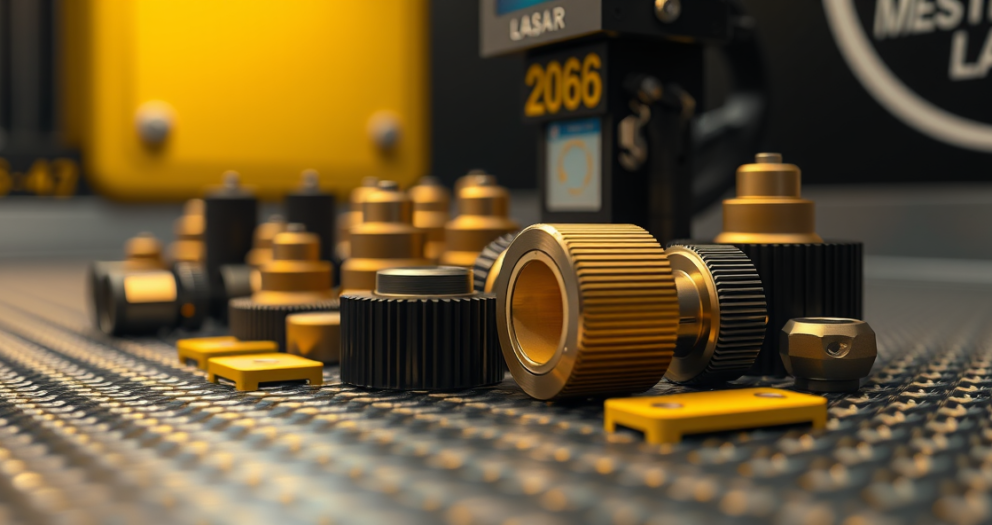
- Nozzles: Essential for guiding the assist gas to the cutting zone, the nozzle’s shape, size, and condition are critical for effective slag removal and cut quality. A worn or damaged nozzle leads to inefficient gas flow and poor cuts.
- Ceramic Rings (Nozzle Holders): These insulate the nozzle from the cutting head and provide electrical contact for the capacitance height sensor. Their integrity ensures stable standoff distance control.
- Bearings and Guide Rails: Integral to the motion system, ensuring smooth, precise movement of the cutting head. Wear in these components leads to vibration, reduced accuracy, and premature wear of other parts.
- Motor and Drive Components: These control the movement of the laser head. Regular inspection for wear and tear prevents costly breakdowns.
Electrical Components
- Cables and Connectors: Ensure stable power and signal transmission throughout the machine. Damaged cables can lead to intermittent operation or complete system failure.
- Sensors: Monitor various parameters like temperature, pressure, and position. Malfunctioning sensors can provide incorrect data, leading to operational errors.
- Power Supply Units: Critical for the laser source and other electronic components. Fluctuations or failures can severely impact machine performance.
Consumables (Filters, Ceramic Rings)
- Air Filters: Essential for maintaining the cleanliness of the machine’s internal environment and the quality of compressed air used as assist gas. Clogged filters reduce air quality and put strain on compressors.
- Water Filters: Used in the chiller system to maintain the quality of the cooling water for the laser source. Clean water prevents damage to the laser.
- Ceramic Rings: As mentioned, these are vital consumables affecting arc stability and height sensing.
- Nozzles: Frequently replaced, they are a primary consumable for optimal cutting.
Here’s a brief overview of key parts, their function, and typical replacement cycles:
| Part | Function | Replacement Cycle |
|---|---|---|
| Focusing Lens | Focuses laser beam onto material | 6-12 months (or as needed based on inspection) |
| Protective Window | Shields focusing lens | 1-3 months (or as needed based on inspection/damage) |
| Nozzle | Directs assist gas, forms cutting kerf | Daily to weekly (depending on material/power) |
| ceramic ring for laser cutting machine | Insulates nozzle, provides height sensing | 3-6 months (or as needed) |
| Air Filter | Filters compressed air/fumes | 1-3 months |
| Water Filter | Filters chiller water | 3-6 months |
| Collimator Lens | Shapes and parallelizes beam | Years (if protected, regular inspection) |
Types of Laser Cutting Consumables Explained
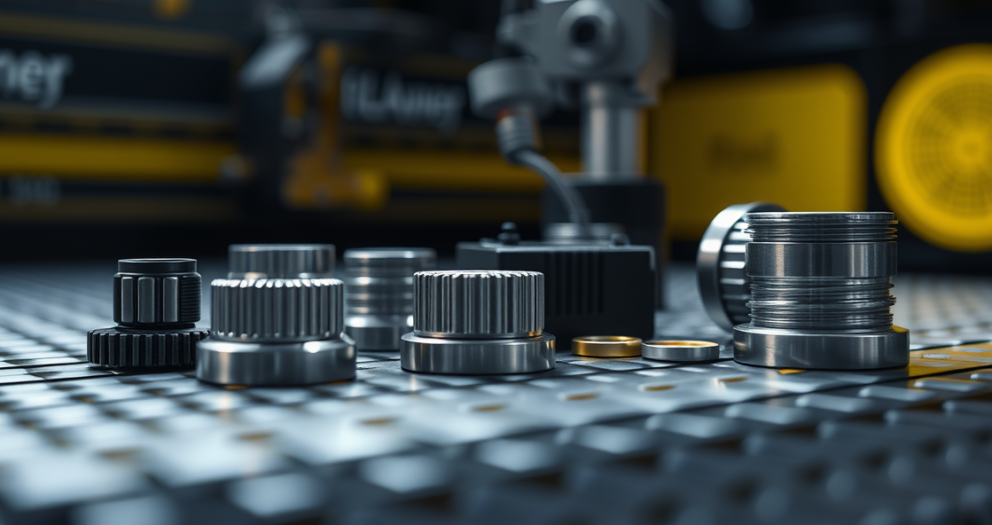
Understanding the specific roles and characteristics of your primary fiber laser cutting consumables—nozzles, ceramic rings, and lenses—is fundamental to achieving superior cut quality and optimizing operational costs. Each component is engineered for precision and performance, and choosing the right one can significantly impact your machine’s output.
Nozzles (Single & Double)
Laser nozzles are far more than simple metal tips; they are precision-engineered components that directly influence the assist gas flow, the stability of the cutting process, and ultimately, the quality of the cut. Their design, material, and orifice size are critical parameters.
- Single Nozzle: Primarily used for cutting thinner materials and for processes like nitrogen cutting where the objective is a clean, dross-free edge. The single orifice provides a focused, high-pressure gas stream, crucial for expelling molten material efficiently.
- Double Nozzle: These nozzles feature an additional concentric opening around the main orifice. This design is particularly effective for oxygen cutting of thicker materials, as it provides a wider gas cone. The outer gas stream helps to stabilize the cutting process, improve slag removal, and prevent back-splatter, leading to better edge quality and faster cutting speeds on thicker plates.
The choice between Single & Double Nozzle depends on the material type, thickness, and the assist gas being used. Reputable brands like Raytools, Precitec, and OSPRI offer a wide range of high-quality nozzles designed for specific applications, ensuring optimal gas dynamics and cutting performance.
Ceramic Rings
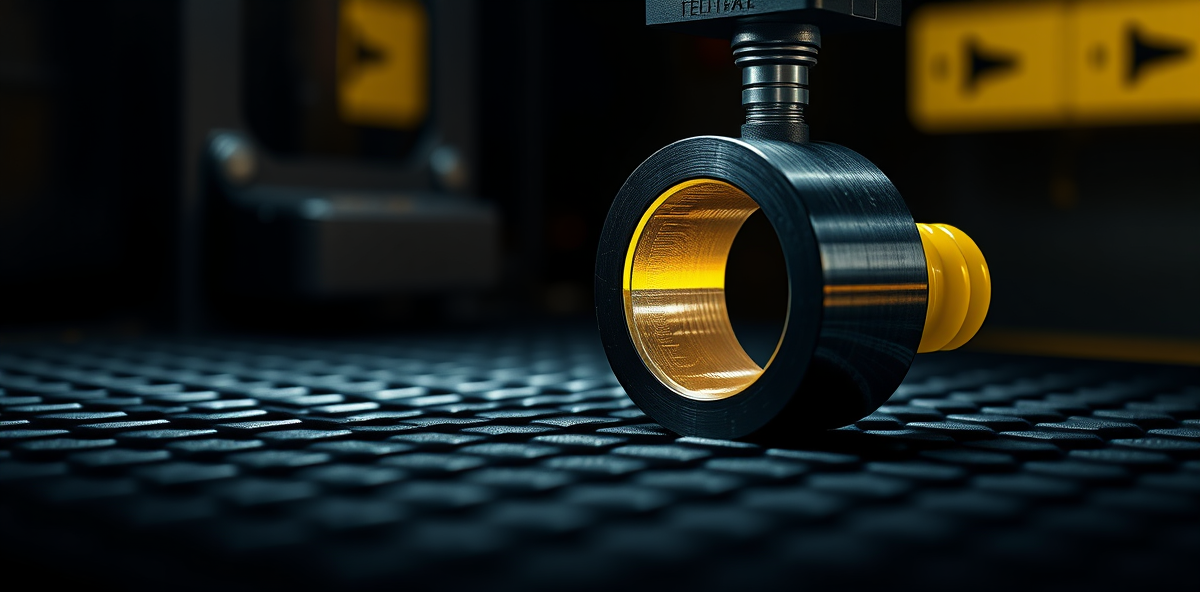
The ceramic ring for laser cutting machine, also known as the ceramic nozzle holder, is a vital consumable in the cutting head. Its primary functions include insulating the metallic nozzle from the cutting head and, crucially, serving as a key component for the capacitive height sensing system. This system allows the cutting head to maintain a precise and consistent distance (standoff) from the material surface during cutting, which is critical for consistent focus and cut quality.
A high-quality fiber laser ceramic ring ensures stable electrical conductivity and superior insulation, preventing interference with the height sensing mechanism. Cracks, chips, or excessive wear on the laser ceramic ring can lead to erratic standoff distances, resulting in inconsistent focus, poor cut quality, and even head collisions. Brands like Raytools, Precitec, and Fine Focus are known for their durable and precise ceramic ring for laser cutting machine, engineered to withstand the harsh environment of laser cutting and ensure reliable operation.
Lenses
In a fiber laser cutting machine, the focusing lens is arguably the most sensitive and critical optical component. It takes the collimated laser beam and focuses it down to an extremely small, high-power spot, generating the immense energy density required for cutting. The quality of this lens directly dictates the precision, speed, and overall efficiency of your cuts.
Lenses are typically made from materials like fused silica or zinc selenide, chosen for their transparency to specific laser wavelengths and their thermal properties. High-quality lenses from brands such as OSPRI, Precitec, and Fine Focus feature advanced anti-reflection coatings that maximize laser transmission and minimize power loss. Any imperfection, scratch, dust particle, or thermal stress on the lens can cause beam distortion, scattering, and power absorption, leading to reduced cutting efficiency, burr formation, and premature lens failure. Regular inspection, meticulous cleaning, and timely replacement are non-negotiable for maintaining optimal cutting performance and extending the life of your machine.
Signs Your Spare Parts Need Replacement
Proactive identification of worn or failing parts is crucial to prevent catastrophic machine failures, maintain production quality, and avoid costly downtime. Ignoring early warning signs can escalate minor issues into significant operational challenges.
- Poor Cutting Quality: This is often the first and most obvious indicator. If your cuts are no longer clean, straight, or exhibit excessive dross, it’s a strong sign.
- Burr Formation: The presence of rough, molten material clinging to the bottom edge of the cut indicates inefficient material expulsion, often due to a worn nozzle or an incorrect assist gas setup.
- Irregular Sparks or Back-Spatter: While some sparking is normal, excessive or erratic sparking, especially upward towards the nozzle, points to a degraded cutting process, potentially from a damaged nozzle or a contaminated lens.
- Inconsistent Cut Edges: Wavy or uneven cut lines, particularly on straight passes, can signal issues with nozzle alignment, a damaged ceramic ring affecting height sensing, or problems with the motion system.
- Reduced Cutting Speed: If your machine struggles to cut at its usual speed or requires higher laser power for the same task, it suggests the laser beam quality is compromised, often due to a dirty or damaged lens.
- Frequent Arc Flashes or Height Sensing Errors: This is a clear indication that your ceramic ring for laser cutting machine might be cracked, dirty, or worn, leading to unreliable standoff distance control.
- Discoloration or Pitting on Nozzles: Visible damage or wear on the nozzle tip affects gas flow and can lead to poor cuts.
- Scratches or Cloudiness on Lenses/Protective Windows: Any visual imperfection on optical components will degrade beam quality and power.
What are signs of worn laser cutting parts?
Signs of worn laser cutting parts include poor cutting quality, excessive burr formation, irregular sparking during cuts, inconsistent cut edges, a noticeable reduction in cutting speed, frequent height sensing errors due to a damaged ceramic ring, and visible damage or contamination on nozzles and lenses.
OEM vs Aftermarket Spare Parts
When it comes to sourcing spare parts for your laser cutting machine, you typically have two main options: Original Equipment Manufacturer (OEM) parts and aftermarket parts. The choice often involves a trade-off between cost, quality, and reliability.
| Feature | OEM Spare Parts | Aftermarket Spare Parts |
|---|---|---|
| Source | Manufactured by the original machine producer (e.g., Raytools, Precitec, OSPRI for their respective heads) | Produced by third-party manufacturers |
| Quality & Compatibility | Guaranteed perfect fit, optimal performance, and highest quality standards. Designed specifically for your machine. | Varies widely. Can be good quality but may lack precise engineering or material specifications, leading to variable performance or fit issues. |
| Reliability | Highest reliability and longevity, often with manufacturer warranty. Minimizes risk of unexpected failures. | Can be less reliable. Risk of shorter lifespan, faster wear, and potential damage to other machine components. |
| Price | Generally higher upfront cost | Often significantly lower upfront cost |
| Warranty & Support | Full manufacturer warranty and technical support. | Warranty and support vary greatly by supplier; often limited. |
| Performance Impact | Ensures consistent, peak machine performance. Maintains cut quality and efficiency. | May compromise cut quality, increase downtime, and reduce machine efficiency in the long run. |
While aftermarket parts might offer a lower initial price, it’s crucial to consider the potential hidden costs: increased downtime, lower cut quality, higher scrap rates, and accelerated wear on other expensive components. For critical fiber laser cutting consumables like lenses, nozzles, and laser ceramic ring, investing in OEM or reputable branded parts like those from Raytools, Precitec, OSPRI, or Fine Focus often proves to be more cost-effective in the long run.
How to Choose High-Quality Spare Parts Supplier
Selecting the right supplier for your laser cutting spare parts and fiber laser cutting consumables is as critical as choosing the parts themselves. A reliable supplier acts as a partner in your operational success, ensuring you receive genuine products that meet stringent quality standards.
- Certifications and Quality Assurance: Look for suppliers who can provide certifications for their products, verifying their adherence to international quality standards (e.g., ISO certifications). This ensures that the parts are manufactured with precision and from appropriate materials.
- Brand Compatibility and Authenticity: Prioritize suppliers who deal directly with or are authorized distributors for major laser head and component manufacturers. For instance, if your machine uses a Raytools cutting head, ensure your supplier provides genuine Raytools nozzles, lenses, or fiber laser ceramic ring. The same applies to Precitec, OSPRI, and Fine Focus components. Authentic parts are designed to work seamlessly with your specific machine, guaranteeing optimal performance and longevity. Be wary of unbranded or suspiciously cheap alternatives that may compromise your machine.
- Technical Expertise and Support: A good supplier offers more than just parts; they provide invaluable technical support. This includes helping you identify the correct part number, offering advice on installation, and troubleshooting common issues. Their team should possess in-depth knowledge of laser cutting technology and the specific products they sell.
- Inventory and Availability: Check if the supplier maintains a healthy inventory of commonly used fiber laser cutting consumables and spare parts, especially for popular models in India. Quick access to parts minimizes downtime, which is crucial for maintaining production schedules.
- Customer Reviews and Reputation: Research the supplier’s reputation in the market. Online reviews, testimonials, and industry recommendations can offer insights into their reliability, product quality, and customer service.
Maintenance Tips to Increase Machine Life
Regular and meticulous maintenance is the cornerstone of extending the lifespan of your laser cutting machine, ensuring consistent performance, and maximizing your return on investment. A proactive approach to maintenance minimizes unexpected breakdowns and costly repairs.
- Cleaning Lenses and Protective Windows: Optical components are highly sensitive. Use only specified, lint-free optical wipes and approved cleaning solutions. Handle lenses by their edges to avoid fingerprints and contamination. Regularly inspect for scratches, pits, or cloudiness, and replace protective windows as soon as any damage is observed.
- Checking Nozzle Alignment: A misaligned nozzle can lead to poor cut quality and damage to the cutting head. Perform daily checks and adjust alignment as per manufacturer guidelines. Ensure the nozzle orifice is clean and free from splatter.
- Replacing Consumables Regularly: Adhere strictly to the recommended replacement cycles for nozzles, ceramic ring for laser cutting machine, and filters. Even if a consumable appears functional, its performance may be degraded, leading to suboptimal cuts and potential damage to other components.
- Inspect and Clean the Laser Ceramic Ring: Regularly check the ceramic ring for laser cutting machine for cracks, chips, or carbon buildup. Clean it gently with a soft cloth and appropriate solvent. A damaged ceramic ring compromises height sensing and cut stability.
- Lubricate Moving Parts: Ensure that guide rails, ball screws, and other mechanical moving parts are regularly cleaned and lubricated according to the manufacturer’s specifications. This prevents excessive wear and ensures smooth, precise motion.
- Maintain Chiller System: Periodically check the coolant level, water quality, and filter condition of your chiller. Clean coils and vents to ensure efficient heat dissipation. A properly functioning chiller is vital for the longevity of your laser source.
- Monitor Assist Gas Purity: Ensure your assist gases (oxygen, nitrogen, compressed air) are of the specified purity. Contaminated gas can lead to poor cut quality, nozzle clogging, and damage to optical components.
Don’t leave your machine’s health to chance. Book a Maintenance Consultation with our experts to devise a tailored plan for your equipment.
Cost Optimization Strategy
Effective management of spare parts and fiber laser cutting consumables is key to reducing operational costs and improving profitability in laser cutting operations. A strategic approach can yield significant savings without compromising quality or efficiency.
- Bulk Buying: For high-usage fiber laser cutting consumables like nozzles and protective windows, consider purchasing in larger quantities. Suppliers often offer discounts for bulk orders, leading to substantial per-unit cost savings over time.
- Preventive Maintenance: As discussed, a robust preventive maintenance schedule is your best defense against unexpected breakdowns. By regularly inspecting and replacing worn parts before they fail, you avoid costly emergency repairs, extensive downtime, and potential damage to more expensive components.
- Using Genuine Consumables: While aftermarket parts may seem cheaper initially, genuine consumables from trusted brands like Raytools, OSPRI, Precitec, and Fine Focus offer superior performance, longer lifespan, and consistent quality. This translates to fewer replacements, better cut quality (reducing scrap), and optimal machine efficiency, ultimately lowering your total cost of ownership.
- Inventory Management: Implement a systematic inventory management system for your spare parts. This helps track usage patterns, predict demand, and avoid overstocking or running out of critical items. Just-in-time ordering for less frequently used parts can also reduce carrying costs.
- Operator Training: Well-trained operators understand the importance of proper machine settings, maintenance procedures, and part inspection. This reduces misuse, minimizes wear and tear, and ensures consumables are used efficiently, leading to longer part life and better overall performance.
Applications & Industry Use Cases
Laser cutting technology, supported by reliable consumables, is indispensable across a multitude of industries in India, offering unparalleled precision and versatility for various applications.
- Automotive Industry: From cutting intricate components for vehicle bodies to precision parts for engines and exhaust systems, laser cutting handles a wide range of metals and thicknesses, ensuring high-quality and consistent production.
- Sheet Metal Fabrication: This is perhaps the largest sector utilizing laser cutting. It’s used for everything from simple brackets and panels to complex enclosures and decorative elements for construction, furniture, and general manufacturing.
- Heavy Fabrication: For thicker plates and structural components, high-power fiber lasers with appropriate nozzles (like Double Nozzle configurations) are used to achieve clean, precise cuts in materials like mild steel, stainless steel, and aluminum, crucial for infrastructure, shipbuilding, and heavy machinery manufacturing.
- Aerospace Industry: Demanding extremely high precision and material integrity, laser cutting is used for intricate parts made from specialized alloys, where accuracy and minimal material distortion are paramount.
- Medical Device Manufacturing: For delicate and complex components, laser cutting offers the precision and clean edges required for surgical instruments, implants, and other medical equipment, often using highly specialized fiber laser cutting consumables.
- Electronics Industry: Precision cutting of small, intricate parts for casings, circuit boards, and connectors where tight tolerances are essential.
FAQs
- Q1: How often should I replace my laser cutting nozzle?
A1: Nozzle replacement frequency varies. For optimal performance and cut quality, inspect daily. Expect to replace anywhere from daily (for heavy use or specific materials) to weekly. Signs of wear like pitting or dross buildup warrant immediate replacement. - Q2: What is the average lifespan of a laser cutting focusing lens?
A2: A focusing lens, if properly maintained and protected by a clean protective window, can last from 6 months to over a year. However, any visible damage, cloudiness, or significant reduction in cutting performance mandates immediate replacement. - Q3: Why is a genuine ceramic ring for laser cutting machine important?
A3: A genuine ceramic ring for laser cutting machine ensures accurate height sensing and electrical insulation, critical for stable cutting and preventing head crashes. Substandard rings can lead to erratic standoff distances, poor cut quality, and damage to the cutting head. - Q4: Can using aftermarket parts void my machine warranty?
A4: In many cases, using non-OEM or unauthorized aftermarket parts for critical components can indeed void your machine’s warranty. Always check your manufacturer’s terms and conditions. It’s generally safer to stick with reputable brands like Raytools, Precitec, OSPRI, or Fine Focus. - Q5: What are the main benefits of using a Double Nozzle?
A5: A Double Nozzle is beneficial for oxygen cutting of thicker materials. It provides a more stable cutting process, better slag removal, and reduces back-splatter, leading to improved edge quality and higher cutting speeds compared to a Single Nozzle on such applications. - Q6: How does laser cutting consumable quality impact cost optimization?
A6: High-quality consumables, while potentially having a higher initial cost, lead to longer lifespan, fewer replacements, better cut quality (reducing scrap), and minimal downtime. This ultimately results in lower total operational costs, higher efficiency, and greater profitability.
Conclusion
The journey through the world of laser cutting consumables reveals a clear truth: the efficiency, precision, and profitability of your operations hinge significantly on the quality and maintenance of your spare parts. From the intricate design of a Single & Double Nozzle to the critical role of the fiber laser ceramic ring and the clarity of your focusing lens, each component contributes to the overall success of your laser cutting endeavors. Investing in genuine, high-quality fiber laser cutting consumables from trusted brands like Raytools, OSPRI, Precitec, and Fine Focus is not an expense, but a strategic decision that directly translates to enhanced machine performance, optimized costs, and a competitive edge in the market.
Proactive maintenance, informed purchasing decisions, and a deep understanding of your machine’s needs are the pillars of sustainable and highly efficient laser cutting operations. Don’t compromise on quality; choose excellence to ensure your machine performs at its peak, day in and day out.
- Request a Quote for genuine laser cutting consumables today.
- Talk to an Expert to optimize your spare parts strategy.
- Download our Full Product Catalog for a comprehensive overview.

Write a comment
Your email address will not be published. All fields are required