


In the demanding world of metal fabrication, precision is paramount. However, frequent machine downtime or inconsistent cutting quality can severely impact production schedules and profitability. These common pain points often stem from overlooked components: your laser cutting machine’s spare parts and consumables. Understanding the critical role of each component, especially the optics, is key to unlocking your machine’s full potential.
This comprehensive guide delves into the essential optics of fiber laser cutting systems, specifically explaining the distinct functions of protective lenses and focusing lenses. By mastering these components, you can significantly improve cutting performance, optimize costs, and enhance overall machine efficiency. Don’t let subpar parts compromise your operations.
Download Spare Parts Checklist
Why Spare Parts & Consumables Matter in Laser Cutting
The operational success of any fiber laser cutting machine hinges on the quality and integrity of its spare parts and consumables. These components are not mere accessories; they are integral to the cutting process, directly influencing beam quality, cutting speed, edge finish, and material penetration.
Using low-quality or worn-out parts can lead to a cascade of problems. Reduced cutting precision, increased material waste, frequent production delays, and even potential damage to more expensive machine components are common consequences. The initial cost saving on cheap parts is often dwarfed by the long-term expenses incurred through poor performance and repairs.
Genuine and high-quality fiber laser cutting consumables ensure that your machine operates at its peak efficiency. They maintain optimal beam delivery, minimize power loss, and extend the lifespan of your equipment. Investing in premium parts translates directly into superior output, faster throughput, and a healthier bottom line for your metal fabrication business.
Complete Overview of Laser Cutting Machine Spare Parts
A fiber laser cutting system is a complex integration of various components, each playing a vital role. Understanding these parts is crucial for effective maintenance and ensuring continuous, high-quality operation.
Optical Components (Lenses, Mirrors)
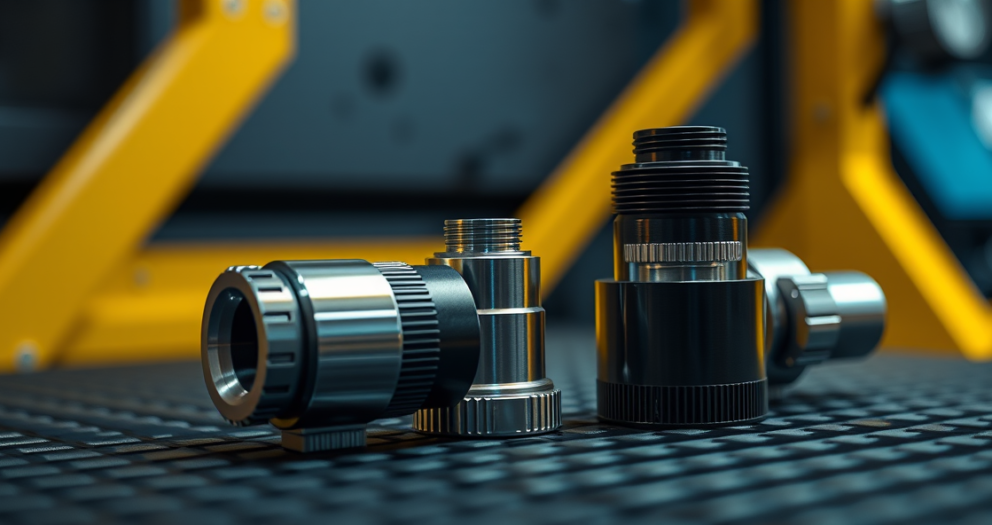
These are the heart of your laser’s beam delivery system. They guide, shape, and focus the laser beam onto the workpiece. Key optical components include protective lenses, focusing lenses, and collimating lenses.
- Protective Lens: Acts as a sacrificial shield, protecting the more expensive internal optics from spatter, debris, and fumes generated during cutting.
- Focusing Lens: Crucial for concentrating the laser beam to an extremely small, high-intensity spot, enabling precise cutting and piercing.
- Collimating Lens: Ensures the laser beam remains parallel as it travels through the optical path, maintaining beam quality.
Mechanical Parts (Nozzle, Bearings)
Mechanical components facilitate movement, stability, and the direct interaction with the workpiece.
- Nozzle: Directs the assist gas and shapes the cutting stream. Available as Single Nozzle or Double Nozzle configurations, depending on the material and desired cut.
- Bearings & Guide Rails: Ensure smooth and precise movement of the cutting head across the gantry, critical for accuracy.
- Motors & Drives: Power the gantry and cutting head movements with high precision.
Electrical Components
These parts control the machine’s functions, power, and safety systems.
- Sensors: Monitor various parameters like gas pressure, temperature, and collision detection, ensuring safe operation.
- Cables & Connectors: Transmit power and data signals throughout the machine, demanding robust and shielded designs for industrial environments.
- Control System Components: Include PCBs, power supplies, and HMI panels that manage the entire cutting process.
Consumables (Filters, Ceramic Rings)
Consumables are parts that regularly wear out or are used up during operation and require routine replacement.
- Filters: For air, water, and gas lines, ensuring clean inputs to protect sensitive components and maintain process quality.
- Ceramic ring for laser cutting machine: An essential insulating component that houses the nozzle and helps deliver the cutting signal, protecting the cutting head from electrical discharge.
- Nozzles: While a mechanical part, they are also highly consumable due to wear from the laser and assist gas.
Here’s a quick overview of key parts, their functions, and typical replacement cycles:
| Part | Function | Replacement Cycle |
|---|---|---|
| Protective Lens | Shields internal optics from spatter and debris. | 1-4 weeks (depending on material & usage) |
| Focusing Lens | Focuses laser beam to a precise spot for cutting. | 6-12 months (with proper cleaning & protection) |
| Nozzle | Directs assist gas and shapes cutting stream. | Daily to weekly (depending on material & power) |
| Ceramic Ring | Insulates nozzle, aids in cutting signal delivery. | 1-3 months (or as needed for damage) |
| Air/Gas Filters | Removes impurities from assist gas and cooling air. | 3-6 months |
| Cooling Water Filter | Keeps cooling water free of particles. | Monthly to quarterly |
Types of Laser Cutting Consumables Explained
For B2B laser cutting machine users, operators, and metal fabricators, a deep understanding of consumables is critical for maintaining optimal performance and managing operational costs. Let’s explore the key fiber laser cutting consumables in detail.
Nozzles (Single & Double Nozzle)
The nozzle is the terminal point of the laser cutting head, directly interacting with the workpiece. Its design significantly impacts the assist gas flow, which in turn affects cut quality, speed, and overall efficiency. Choosing the correct nozzle type for the application is paramount.
- Single Nozzle: Characterized by a single, central orifice. Primarily used for fusion cutting (e.g., with nitrogen for stainless steel and aluminum) where a high-pressure, columnar gas flow is needed to expel molten material. It provides a clean, dross-free cut.
- Double Nozzle: Features a larger outer diameter with secondary orifices or channels around the central hole. This design is typically employed for oxygen cutting (oxidation cutting) of mild steel. The outer channels introduce additional oxygen to support the exothermic reaction, enabling faster cutting of thicker materials. The concentric flow helps protect the lens from spatter.
Proper nozzle selection, regular inspection, and timely replacement are vital. A worn or damaged nozzle can lead to poor gas flow, inconsistent cuts, increased burr formation, and even damage to the protective lens.
Ceramic Rings
The ceramic ring for laser cutting machine is a seemingly small but incredibly important component. It acts as an electrical insulator, protecting the cutting head from the high voltage used in the laser ignition process. More critically, it serves as the precise holder for the nozzle and plays a key role in the capacitance sensing system of the cutting head.
This sensing system allows the cutting head to maintain a constant, optimal distance from the material surface, crucial for consistent focus and cut quality. A damaged or contaminated fiber laser ceramic ring can lead to erratic height sensing, head crashes, and ultimately, compromised cutting results. Investing in a quality laser ceramic ring from reputable brands like Raytools, Precitec, or OSPRI ensures reliable performance and longevity.
Lenses: Protective Lens vs. Focusing Lens Explained
The optical lenses are the most critical components for beam delivery and quality in a fiber laser cutting system. While both are essential, they serve distinct purposes.
Protective Lens (Cover Slide)
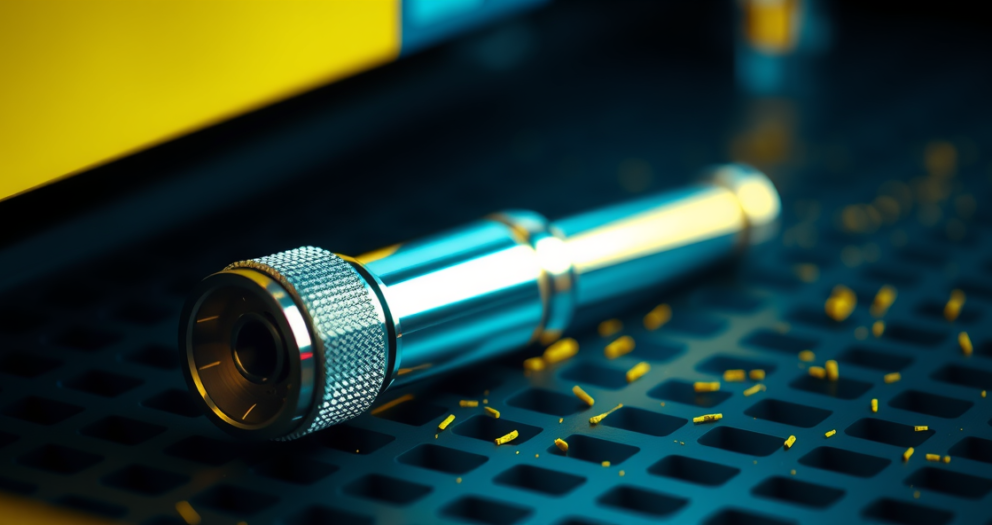
The protective lens, also known as a cover slide, is the first line of defense for your expensive internal optics. Positioned closest to the workpiece, its primary function is to shield the focusing lens and other delicate components within the cutting head from spatter, dust, smoke, and other contaminants generated during the cutting process. It is a consumable designed to be replaced regularly.
- Function: Protects internal optics from physical damage and contamination.
- Material: Typically made of fused silica, chosen for its high transparency to laser wavelengths and resistance to thermal shock.
- Impact on Performance: A dirty, scratched, or cracked protective lens will scatter the laser beam, reduce power transmission, and ultimately degrade cut quality and speed. It can also cause premature wear on the focusing lens.
- Brands: Quality protective lenses are available from leading brands like Raytools, OSPRI, and Precitec, ensuring optimal transmission and durability.
Focusing Lens (F-Theta Lens)
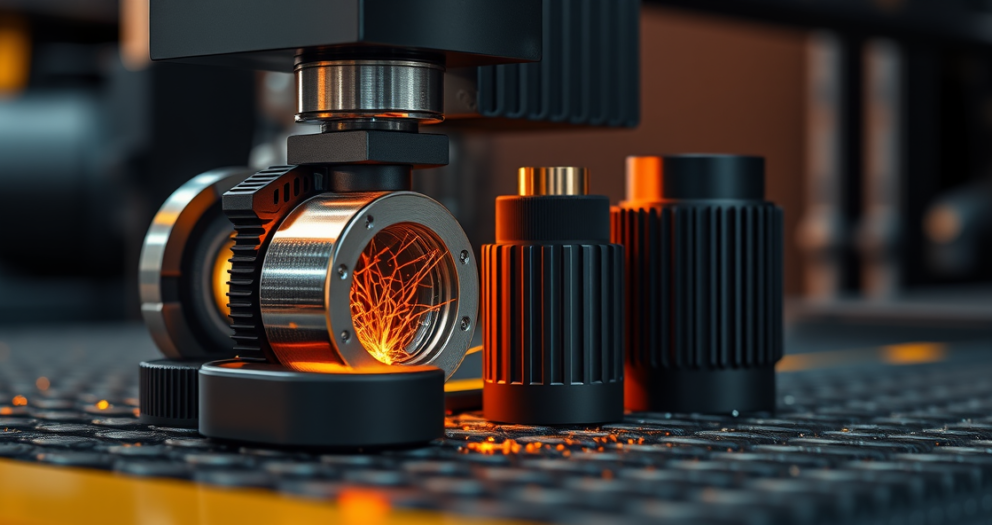
The focusing lens is arguably the most critical optical component. Its job is to take the collimated laser beam and converge it into an extremely small, high-power density spot at the material surface. This concentrated energy is what enables the laser to melt, vaporize, or ablate the material with precision.
- Function: Concentrates the laser beam to a precise focal point, determining the spot size and power density.
- Material: Often made from zinc selenide (ZnSe) or fused silica, selected for its specific refractive properties at the laser wavelength.
- Impact on Performance: The quality of the focusing lens directly determines the cut width (kerf), edge quality, speed, and piercing capability. A perfectly formed and maintained focal spot is essential for achieving clean, precise cuts with minimal heat affected zone (HAZ). Any imperfections, scratches, or contamination on this lens severely compromise beam quality and cutting results.
- Brands: High-performance focusing lenses from manufacturers such as Raytools, OSPRI, Precitec, and Fine Focus are engineered for superior beam shaping and durability, critical for demanding industrial applications.
Distinguishing the Two and Their Synergy
While both are lenses, their roles are distinct. The protective lens is a cost-effective sacrificial component, safeguarding the more expensive focusing lens. The focusing lens is the precision tool, shaping the laser beam for the actual cutting. Both must be of high quality and maintained meticulously. Neglecting the protective lens will inevitably lead to damage to the focusing lens, resulting in costly replacements and significant downtime.
For optimal performance, always use genuine fiber laser cutting consumables. Whether it’s a protective lens or a focusing lens, choosing reputable brands ensures compatibility, durability, and the maintained integrity of your laser system. This choice directly contributes to enhanced performance, greater machine efficiency, and significant cost optimization in the long run.
Signs Your Spare Parts Need Replacement
Recognizing the early warning signs of worn or failing spare parts and fiber laser cutting consumables is crucial for preventing costly breakdowns and maintaining consistent production quality. Ignoring these indicators can lead to severe operational inefficiencies.
- Poor Cutting Quality: This is often the most immediate and noticeable sign. If your cuts are no longer clean, straight, or exhibit excessive roughness, it could indicate issues with your nozzle, lenses, or even the ceramic ring for laser cutting machine.
- Burr Formation: The presence of dross or burrs on the underside of your cut parts is a strong indicator of inadequate beam focus, incorrect assist gas settings, or a damaged nozzle.
- Irregular Sparks: An uneven or sputtering spark pattern during cutting suggests problems with nozzle alignment, gas flow, or a contaminated focusing lens.
- Reduced Cutting Speed: If your machine takes longer to cut the same material at the same settings, it might be losing power due to a dirty or degraded protective lens or focusing lens.
- Frequent Head Crashes: This can be a symptom of a faulty ceramic ring, which affects the height sensing capabilities of the cutting head.
- Visible Damage to Optics: Scratches, chips, or burns on the protective lens are clear signals for immediate replacement.
What are signs of worn laser cutting parts?
Signs of worn laser cutting parts include poor cutting quality, excessive burr formation, irregular spark patterns, reduced cutting speed, frequent cutting head crashes, and visible damage or contamination on optical components like protective and focusing lenses.
OEM vs Aftermarket Spare Parts
When it comes to procuring fiber laser cutting consumables and spare parts, manufacturers often face a choice between Original Equipment Manufacturer (OEM) parts and aftermarket alternatives. Each option presents distinct advantages and disadvantages that impact performance, cost, and warranty.
| Feature | OEM (Original Equipment Manufacturer) Parts | Aftermarket Parts |
|---|---|---|
| Quality & Compatibility | Guaranteed to meet original specifications, precise fit, and optimal performance. | Varies widely; can be good quality but may not precisely match OEM specs. |
| Performance | Ensures machine operates as designed, maintaining peak efficiency and cut quality. | Performance can be inconsistent, potentially leading to varied cut quality or efficiency. |
| Warranty | Often comes with a manufacturer’s warranty, maintaining machine warranty. | May void machine warranty; warranty on part itself varies by supplier. |
| Cost | Generally higher upfront cost due to research, development, and brand assurance. | Typically lower upfront cost, attractive for budget-conscious buyers. |
| Availability | Usually sourced directly from the machine manufacturer or authorized distributors. | Available from a wide range of third-party suppliers, sometimes more readily. |
| Technical Support | Backed by the machine manufacturer’s full technical support and expertise. | Technical support depends on the third-party supplier’s capabilities. |
For critical components like focusing lenses and fiber laser ceramic ring, OEM or reputable branded aftermarket parts (e.g., Raytools, Precitec, OSPRI, Fine Focus) are generally recommended. While aftermarket options might offer immediate cost savings, the potential for reduced performance, increased downtime, and even damage to the machine often outweighs these initial benefits.
How to Choose High-Quality Spare Parts Supplier
Selecting the right supplier for your fiber laser cutting consumables is as important as choosing the parts themselves. A reliable supplier ensures you receive genuine, high-performance components that keep your operations running smoothly and profitably.
- Certifications and Quality Assurance: Look for suppliers who can demonstrate adherence to international quality standards (e.g., ISO 9001). This indicates a commitment to consistent product quality and reliable manufacturing processes.
- Brand Compatibility and Authenticity: Ensure the supplier deals in genuine or officially endorsed parts for your specific machine and cutting head brands. For instance, if you use a Raytools cutting head, seek suppliers for original Raytools protective lenses, Single & Double Nozzle, and ceramic ring for laser cutting machine. Similarly, for Precitec, OSPRI, or Fine Focus optics, verify their authenticity.
- Technical Support and Expertise: A good supplier offers more than just parts; they provide knowledgeable technical support. They should be able to advise on the correct part for your application, assist with troubleshooting, and offer insights into best practices for installation and maintenance.
- Inventory and Lead Times: Evaluate their inventory levels and shipping capabilities. Fast access to commonly needed fiber laser cutting consumables minimizes downtime.
- Customer Reviews and Reputation: Check online reviews, testimonials, and industry references. A strong reputation for reliability, quality, and excellent customer service is a key indicator of a trustworthy supplier.
- Pricing and Value: While not the sole factor, competitive pricing for genuine parts, combined with excellent service, offers the best value. Be wary of prices that seem too good to be true, especially for critical optical components.
Maintenance Tips to Increase Machine Life
Proactive maintenance is the cornerstone of maximizing the lifespan and efficiency of your fiber laser cutting machine. Regular care of your fiber laser cutting consumables and components will significantly reduce unscheduled downtime and maintain optimal cutting quality.
- Cleaning Lenses Regularly: The protective lens is particularly susceptible to contamination. Clean it daily or as frequently as necessary with specialized lens tissue and optical cleaning solution. Handle all optics with extreme care, using lint-free gloves. A clean focusing lens is paramount for beam quality.
- Checking Nozzle Alignment: A misaligned nozzle can lead to poor gas flow, inconsistent cuts, and increased spatter. Regularly check and adjust nozzle alignment according to manufacturer specifications. This is crucial for both Single Nozzle and Double Nozzle types.
- Replacing Consumables Regularly: Adhere to the recommended replacement schedules for all fiber laser cutting consumables, including protective lenses, nozzles, and the fiber laser ceramic ring. Even if they appear fine, their performance degrades over time.
- Inspect and Clean the Ceramic Ring: Periodically remove and inspect the laser ceramic ring for cracks, chips, or excessive buildup. Clean it gently to ensure proper height sensing.
- Maintain Assist Gas Purity: Ensure your assist gas is free from oil and moisture by regularly checking and replacing filters. Contaminated gas can deposit residues on optics and affect cut quality.
- Monitor Cooling System: The laser source and cutting head rely on a clean, consistent cooling system. Regularly check coolant levels, temperature, and replace cooling water filters to prevent overheating and component damage.
Implementing a rigorous preventive maintenance schedule not only extends the life of your equipment but also ensures consistent output quality and reduces operational costs in the long run.
Book Maintenance Consultation
Cost Optimization Strategy
For metal fabricators and manufacturing facilities, optimizing the cost of fiber laser cutting consumables without compromising quality or performance is a continuous goal. Strategic procurement and maintenance practices can lead to significant savings.
- Bulk Buying Genuine Consumables: Purchasing frequently used fiber laser cutting consumables like protective lenses, nozzles, and ceramic ring for laser cutting machine in larger quantities can often unlock volume discounts from reputable suppliers. This reduces the per-unit cost and ensures a steady supply, preventing costly production halts.
- Implementing Preventive Maintenance: A well-structured preventive maintenance schedule significantly reduces the likelihood of catastrophic failures and extends the lifespan of expensive components. Regularly cleaning optics, checking alignment, and replacing small, inexpensive consumables on time prevents damage to larger, pricier parts like focusing lenses or even the cutting head itself.
- Using Genuine or Branded Consumables: While aftermarket parts might seem cheaper initially, genuine fiber laser cutting consumables from brands like Raytools, OSPRI, Precitec, and Fine Focus offer superior performance, longer life, and consistent quality. This minimizes rework, reduces material waste, and prevents damage that could arise from poorly fitting or underperforming generic parts, ultimately leading to lower total ownership costs.
- Operator Training and Best Practices: Well-trained operators who understand how to properly handle, clean, and install consumables can prevent premature wear and accidental damage. Adhering to manufacturer guidelines for cutting parameters also optimizes consumable life.
- Inventory Management: Implement an efficient inventory system to track consumable usage, predict demand, and avoid overstocking or stockouts. This frees up capital and ensures you always have the right parts when needed.
Applications & Industry Use Cases
Fiber laser cutting technology, powered by its precise optics and reliable consumables, is indispensable across a multitude of industries where high-precision metal processing is required. From intricate designs to robust structural components, the versatility is unmatched.
- Automotive Industry: Used for cutting lightweight materials for vehicle bodies, producing precise components for engines, chassis, and exhaust systems, and fabricating custom parts for prototypes and specialty vehicles. The demand for speed and accuracy drives the reliance on quality fiber laser cutting consumables.
- Sheet Metal Fabrication: The core application, encompassing everything from decorative panels and enclosures to structural elements. Fabricators rely on fiber lasers for clean, burr-free cuts on various metals, maximizing material utilization and reducing post-processing. This requires consistent performance from nozzles, ceramic rings, and optical lenses.
- General Fabrication & Job Shops: Highly versatile for custom jobs, short runs, and producing a wide range of parts for diverse clients. The ability to quickly switch between materials and designs with high precision makes fiber lasers a go-to tool.
- Aerospace Industry: Critical for cutting specialized alloys with extreme precision for aircraft components, ensuring structural integrity and weight optimization. The stringent quality demands in aerospace mandate the use of only the highest quality OEM or branded fiber laser cutting consumables.
- Electronics Manufacturing: Used for cutting thin metals for enclosures, brackets, and even some circuit board components where very fine features and minimal heat input are required.
- Medical Device Manufacturing: Produces highly precise, small components from various metals used in surgical instruments, implants, and diagnostic equipment, where tolerance and surface finish are critical.
In all these sectors, the reliability of fiber laser cutting consumables, from Raytools protective lenses to Precitec focusing lenses and OSPRI fiber laser ceramic ring, directly translates into product quality, production efficiency, and competitive advantage.
FAQs
1. What is the difference between a protective lens and a focusing lens in fiber laser cutting?
A protective lens (cover slide) acts as a sacrificial shield, protecting the more expensive internal optics, particularly the focusing lens, from spatter and debris. The focusing lens, on the other hand, is responsible for converging the laser beam into a small, high-intensity spot at the workpiece surface, enabling precise cutting. The protective lens is a consumable, replaced frequently, while the focusing lens is a high-precision component that requires careful maintenance.
2. How often should I replace my fiber laser cutting consumables?
The replacement frequency for fiber laser cutting consumables varies. Nozzles may need replacement daily to weekly, protective lenses typically every 1-4 weeks, and ceramic ring for laser cutting machine every 1-3 months, depending on material, power, and usage intensity. Focusing lenses can last 6-12 months or longer with proper care and protection. Always refer to your machine manufacturer’s guidelines and monitor cut quality for signs of wear.
3. Why are genuine fiber laser cutting consumables important?
Genuine fiber laser cutting consumables ensure optimal performance, compatibility, and longevity of your laser cutting machine. They are designed to exact specifications, guaranteeing precise fit and consistent quality. Using genuine parts from brands like Raytools, OSPRI, Precitec, or Fine Focus reduces the risk of machine damage, ensures consistent cut quality, and often maintains your machine’s warranty, leading to better long-term cost optimization.
4. What role does the ceramic ring play in laser cutting?
The ceramic ring is a critical insulating component that holds the nozzle and is integral to the cutting head’s capacitive height sensing system. It helps maintain a precise distance between the cutting head and the material, which is vital for consistent focus and cut quality. A damaged fiber laser ceramic ring can lead to height sensing errors and cutting head crashes.
5. Can I use Single Nozzle and Double Nozzle interchangeably?
No, Single Nozzle and Double Nozzle are designed for different cutting applications and assist gases. Single Nozzle is typically used for nitrogen fusion cutting of stainless steel and aluminum, providing a strong, columnar gas flow. Double Nozzle is for oxygen cutting of mild steel, providing additional oxygen for the exothermic reaction. Using the wrong nozzle will significantly compromise cut quality and efficiency.
6. How do I know if my focusing lens is damaged?
Signs of a damaged focusing lens include significantly degraded cut quality (increased burr, rough edges, wide kerf), reduced cutting speed despite high power settings, and visible dark spots or severe scratches when carefully inspected (ensure the laser is off and take proper safety precautions). Often, a damaged focusing lens is preceded by a neglected or damaged protective lens.
Conclusion
The intricate dance of light and material in fiber laser cutting is orchestrated by a range of sophisticated components, none more critical than the optical lenses. Understanding the distinct roles of the protective lens, as the frontline defense against contamination, and the focusing lens, as the precision instrument for beam concentration, is fundamental for any B2B laser cutting machine user. Prioritizing genuine, high-quality fiber laser cutting consumables, adhering to strict maintenance protocols, and choosing reliable suppliers are not merely best practices; they are direct pathways to superior cutting performance, extended machine life, and significant cost optimization.
Investing in components from trusted brands like Raytools, OSPRI, Precitec, and Fine Focus ensures that your fiber laser cutting machine operates at its peak, delivering consistent, high-quality results while minimizing downtime. Equip your operations with the knowledge and the right parts to stay ahead in a competitive manufacturing landscape.
Request Quote
Talk to Expert
Download Catalog
Write a comment
Your email address will not be published. All fields are required