

Introduction
In metal fabrication, even small deviations in your laser cutting process can cause downtime and poor quality. For B2B laser cutting machine users and metal fabricators, understanding high-quality fiber laser cutting consumables is not just an advantage—it is a necessity. Consequently, your machine’s performance depends on the integrity of its components, especially consumables.
This comprehensive guide covers the essential laser consumables—nozzles, lenses, and ceramic rings. It explains their functions, their impact on performance, and how genuine branded spare parts optimize your machine’s efficiency. Furthermore, we include practical insights and cost optimization strategies so you can make informed decisions. Don’t let subpar parts hinder your productivity. Download our Spare Parts Checklist to ensure you are always prepared.
Why Spare Parts & Consumables Matter in Laser Cutting
The fiber laser cutting machine relies on the seamless interaction of many components. Among these, spare parts and consumables play a pivotal role. They directly influence output quality, speed, and operational stability. Therefore, neglecting them can lead to problems ranging from imprecise cuts to complete machine failure.
Impact on Performance
Every fiber laser cutting consumable—from the smallest O-ring to the most sophisticated lens—contributes to beam focus, gas flow, and the overall cutting process. High-quality parts keep the laser beam accurate, resulting in cleaner cuts with minimal heat-affected zones. In contrast, worn or inferior parts cause beam distortion, uneven gas distribution, and poor-quality edges.
Cost of Low-Quality Parts
Cheap aftermarket parts may seem appealing at first. However, long-term expenses often far outweigh short-term savings. Low-quality components wear out faster and require more frequent replacement. Moreover, they increase material waste, raise energy consumption, and cause significant downtime. As a result, profit margins erode quickly.
Machine Efficiency
Optimal efficiency occurs when all components work in harmony. Genuine consumables deliver consistent performance, reduce maintenance frequency, and extend machine lifespan. Additionally, they minimize unexpected breakdowns, so your machine operates at peak throughput. Investing in the right spare parts is therefore an investment in your business’s profitability.
Complete Overview of Laser Cutting Machine Spare Parts
A fiber laser cutting machine comprises various interconnected parts that work together for precise cuts. Understanding these components is crucial for effective maintenance and troubleshooting.
Optical Components (Lens, Mirrors)
These parts are at the heart of the laser’s focusing ability. The focusing lens concentrates the beam to a tiny spot, determining cut width and quality. Protective windows shield the lens from spatter. Meanwhile, mirrors guide the beam path within the machine. Their cleanliness and integrity are therefore paramount for beam quality.
Mechanical Parts (Nozzle, Bearings)
Mechanical parts facilitate movement and accurate gas delivery. The nozzle directs assist gas and shapes the laser beam’s exit. Bearings ensure smooth, precise movement along the X, Y, and Z axes. Consequently, they directly impact cutting accuracy and speed.
Electrical Components
This category includes motors, sensors, control boards, and power supplies. They manage motion, laser power, safety features, and operational logic. Malfunctions in electrical components can lead to system errors and complete machine shutdown.
Consumables (Filters, Ceramic Rings)
Consumables wear out during operation and require regular replacement. This includes air filters, water filters, seals, ceramic rings, and nozzles. Timely replacement is therefore essential for maintaining cutting quality and preventing damage to more expensive components.
Types of Laser Cutting Consumables Explained
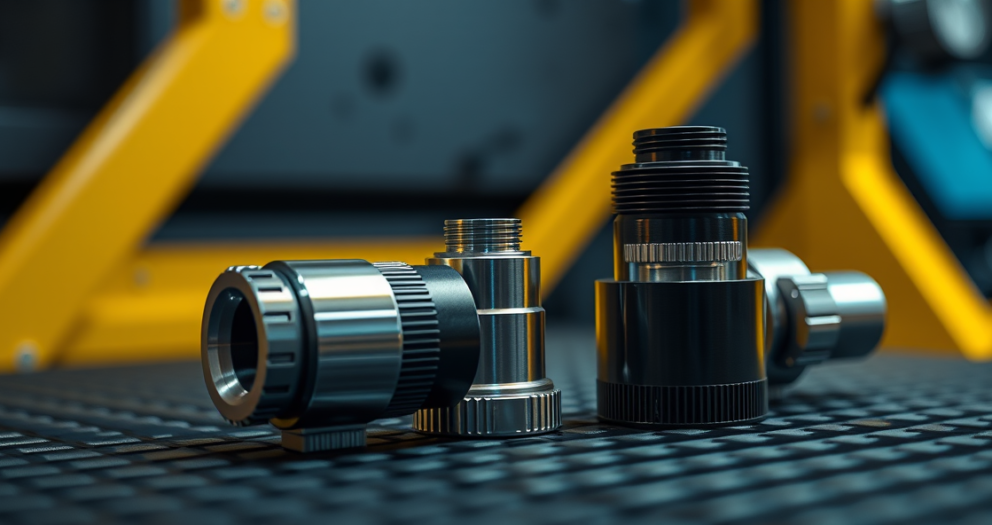
Precision laser cutting depends on its consumables. These components withstand extreme conditions, guiding the laser beam and assist gas with high accuracy. Understanding each one is therefore key to optimizing your cutting process.
Nozzles (Single & Double Nozzle)
The nozzle channels the assist gas and determines cut quality. Its design, material, and aperture size directly impact gas flow, molten material expulsion, and heat dissipation. As a result, proper nozzle selection and maintenance are crucial for optimal cutting results.
The Single Nozzle is often used for oxygen cutting or thinner materials. It delivers a concentrated gas stream, ideal for precise piercing and clean cuts. Use it when a strong, focused blast is beneficial for the material.
The Double Nozzle is preferred for nitrogen or air cutting, especially on thicker materials. Its outer cone creates a protective gas shield, preventing molten metal from splashing back onto the lens. Additionally, this design is excellent for achieving dross-free cuts.
Choosing between a single and double nozzle depends heavily on material type, thickness, and the assist gas being used. Regular inspection and timely replacement are therefore non-negotiable for consistent cutting quality.
Ceramic Ring for Laser Cutting Machine
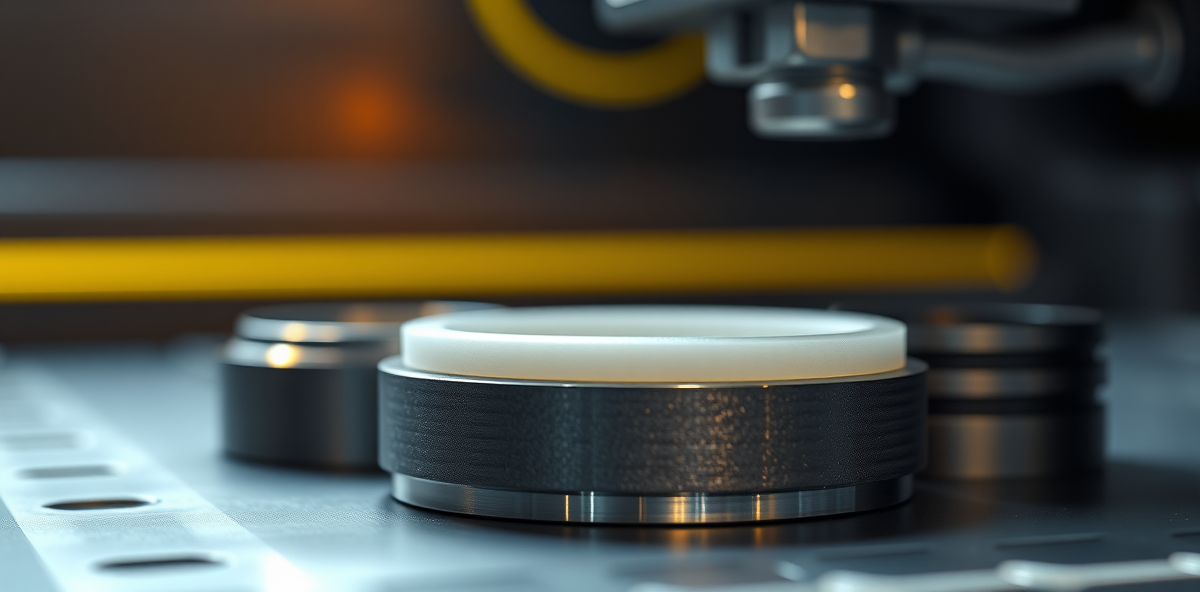
The ceramic ring, also known as the laser ceramic ring or fiber laser ceramic ring, sits within the cutting head. Its primary function is to electrically insulate the nozzle from the cutting head and provide a stable mounting point for nozzle alignment with the laser beam.
A high-quality fiber laser ceramic ring ensures consistent signal transmission, which is vital for capacitance height sensing. This system maintains a constant distance between the nozzle and the workpiece during cutting. If the ceramic ring is cracked, chipped, or contaminated, it can lead to erratic height sensing and nozzle crashes. Consequently, investing in durable ceramic rings from reputable brands like Raytools, OSPRI, or Precitec is crucial for uninterrupted operation.
Lenses
Laser lenses focus the raw beam into a concentrated, high-power spot. Their quality and cleanliness directly impact cutting accuracy and efficiency. Even microscopic scratches or contaminants can cause beam distortion, which leads to inconsistent cuts and reduced cutting speed.
There are two main lens types in a fiber laser system. The Collimating Lens takes the diverging beam from the fiber and makes it parallel, preparing it for the focusing lens. The Focusing Lens then concentrates the parallel beam into a tiny, high-power spot on the material surface.
Brands like Raytools, OSPRI, Precitec, and Fine Focus are renowned for their high-quality optical components. Regular cleaning and careful handling are therefore essential for longevity and optimal cutting performance.
Signs Your Laser Cutting Spare Parts Need Replacement
Identifying worn or damaged spare parts early helps prevent costly downtime and maintains cutting quality. Regular inspections help operators detect issues before they affect production.
Poor Cutting Quality
Rough edges, excessive dross, incomplete cuts, or wider kerf widths often indicate worn consumables such as nozzles, lenses, or ceramic rings.
Excessive Burr Formation
Burrs on cut edges may result from damaged or misaligned nozzles, inconsistent assist gas flow, or inaccurate height sensing. Frequently, a worn ceramic ring is the underlying cause.
Irregular Sparks and Increased Spatter
Unusual sparking, excessive spatter, or debris buildup can signal a damaged nozzle or contaminated lens. These symptoms therefore warrant immediate inspection of your consumables.
Reduced Cutting Speed
If the machine takes longer to cut materials it previously handled efficiently, the likely cause is reduced laser power transmission. This is usually due to dirty or damaged optics or poor gas delivery.
Frequent Nozzle Collisions
Repeated nozzle crashes often indicate problems with the height sensing system. Worn ceramic rings, sensor issues, or debris accumulation can all interfere with accurate nozzle positioning.
Machine Warning Messages
Modern fiber laser machines feature diagnostic systems that detect performance issues. Error codes related to sensors, gas pressure, optics, or consumables should consequently be investigated immediately.
What are the signs of worn laser cutting parts? Common signs include poor cut quality, excessive burrs, irregular sparks, increased spatter, slower cutting speeds, frequent nozzle crashes, and machine warning messages. These symptoms often indicate wear or damage to critical components such as nozzles, lenses, or ceramic rings. Regular monitoring and timely replacement therefore help maintain cutting precision and reduce unexpected downtime.
OEM vs Aftermarket Spare Parts
When replacing parts for your fiber laser cutting machine, you typically choose between OEM parts or aftermarket alternatives. This choice significantly impacts performance, reliability, and long-term costs.
OEM (Original Equipment Manufacturer) Parts are manufactured by the original maker of your machine or by a certified supplier. They are designed and tested to exact specifications, ensuring perfect fit, form, and function. Branded consumables like Raytools, OSPRI, Precitec, and Fine Focus fall into this category.
Aftermarket Parts are produced by companies other than the original equipment manufacturer. They vary widely in quality—from nearly identical to OEM parts to significantly inferior alternatives. While often cheaper, their compatibility and performance are not always guaranteed.
For critical components like lenses, nozzles, and ceramic rings, OEM or certified branded parts are almost always the superior choice. They ensure consistent production and peace of mind with manufacturer warranties and support.
How to Choose a High-Quality Spare Parts Supplier
Selecting the right supplier is as crucial as selecting the parts themselves. A reputable supplier ensures you receive genuine, high-performance components that keep your operations running smoothly.
Always verify that the supplier offers certified genuine parts and adheres to international quality standards. An authorized distributor for brands like Raytools, OSPRI, Precitec, and Fine Focus is therefore a strong indicator of reliability.
Ensure the supplier can provide parts that are specifically compatible with your machine’s make and model. For instance, if your machine uses a Raytools cutting head, insist on genuine Raytools nozzles and ceramic rings.
A good supplier offers more than just parts—they provide technical expertise. They should advise you on the correct nozzle for a specific material and troubleshoot issues related to your fiber laser ceramic ring. This support is invaluable for maintaining production quality.
Check the supplier’s inventory levels for essential consumables. A readily available stock of nozzles, lenses, and ceramic ring components minimizes lead times and consequently prevents prolonged downtime.
Research the supplier’s reputation within the industry. Online reviews, testimonials, and industry forums provide insights into their reliability, customer service, and product quality.
While genuine parts may have a higher upfront cost, a transparent pricing structure without hidden fees is essential. Be wary of prices that seem too good to be true, as they often indicate counterfeit or low-quality parts.
Maintenance Tips to Increase Machine Life
Proper maintenance is essential for maximizing the lifespan, performance, and reliability of your fiber laser cutting machine. A consistent maintenance routine helps prevent unexpected downtime, costly repairs, and reduced cutting quality.
Laser lenses and protective windows are highly sensitive to dust, smoke, and spatter. Clean them regularly using approved optical cleaning solutions and lint-free wipes. Even minor contamination can therefore reduce beam quality and cause overheating.
Inspect nozzles frequently to ensure proper alignment with the laser beam. Remove any blockages and replace worn or damaged nozzles promptly to maintain cutting accuracy and stable gas flow.
Follow recommended replacement intervals for critical consumables such as nozzles, ceramic rings, protective windows, filters, and seals. Preventive replacement minimizes the risk of unexpected failures and consequently protects expensive machine components.
Check ceramic rings regularly for cracks, wear, or debris buildup. Replace them as soon as signs of damage appear to maintain reliable height sensing and nozzle positioning.
Ensure the chiller maintains the correct temperature and coolant levels. Regularly inspect filters and coolant quality to prevent overheating and maintain stable machine operation.
Keep guide rails, bearings, and ball screws properly lubricated according to manufacturer recommendations. Proper lubrication reduces friction and therefore extends component life.
Install manufacturer-approved software and firmware updates to benefit from performance improvements, bug fixes, and enhanced machine reliability.
A proactive maintenance program improves cutting precision, extends equipment life, and ensures consistent production efficiency. Book a Maintenance Consultation with our experts to optimize your machine’s longevity.
Cost Optimization Strategy
Managing the operational costs of a fiber laser cutting machine involves more than just the initial investment. Strategic decisions regarding consumables and maintenance can significantly improve your bottom line without compromising quality or performance.
Purchasing essential consumables like nozzles, lenses, and ceramic rings in larger quantities from authorized suppliers can often unlock volume discounts. Furthermore, it reduces the per-unit cost and ensures you always have critical parts on hand, minimizing emergency orders and expedited shipping fees.
Moving from reactive repairs to proactive preventive maintenance is a significant cost-saver. Regular inspections and timely replacement of worn parts prevent minor issues from escalating into major, expensive breakdowns. As a result, you reduce unexpected downtime, extend component life, and optimize labor costs.
While aftermarket parts may offer a lower sticker price, genuine parts from brands like Raytools, OSPRI, Precitec, and Fine Focus offer superior durability and consistent performance. This translates to fewer replacements, less material waste, and consequently a better total cost of ownership.
Fine-tuning cutting parameters for different materials and thicknesses can reduce wear on nozzles and lenses. Additionally, it improves material utilization, which directly impacts consumable lifespan and overall operational efficiency.
Well-trained operators are less likely to misuse equipment or overlook early signs of wear. Proper handling of components like lenses and nozzles, correct machine setup, and adherence to cleaning protocols therefore reduce accidental damage and prolong part life.
Applications & Industry Use Cases
Fiber laser cutting technology, supported by reliable consumables, is indispensable across many industries due to its precision, speed, and versatility. Reliable consumables are therefore central to performance in each sector.
In the Automotive Industry, fiber lasers cut intricate components for car bodies, chassis, and engines with the accuracy and speed required for high-volume manufacturing.
Sheet Metal Fabrication is perhaps the largest application, where fiber lasers cut various metals like stainless steel, carbon steel, aluminum, and brass into precise shapes for construction and general manufacturing.
For Heavy Equipment Manufacturing, fiber lasers efficiently cut thick metal plates for agricultural machinery and construction equipment with exceptional quality and minimal distortion.
The Aerospace Industry relies on fiber laser cutting for its ability to process lightweight, high-strength alloys with extreme precision, critical for aircraft components where tolerances are very tight.
In Medical Device Manufacturing, fiber lasers cut small, intricate parts for medical instruments and implants, requiring sterile conditions and incredibly fine detail.
The Electronics Industry uses precision cutting of thin metal sheets for enclosures, connectors, and internal components in consumer electronics and industrial equipment.
FAQs
Q1: How often should I replace my laser cutting nozzle?
The frequency depends on factors like material type, thickness, assist gas, and cutting parameters. Generally, inspect nozzles daily and replace them weekly or bi-weekly. Replace immediately if any damage or significant wear is observed. High-quality single and double nozzles can therefore extend this replacement interval.
Q2: What is the purpose of the ceramic ring for laser cutting machine?
The ceramic ring electrically insulates the nozzle from the cutting head and provides a stable, precisely aligned mounting for the nozzle. It is consequently crucial for the capacitance height sensing system, which maintains a consistent distance between the nozzle and the workpiece for optimal cutting.
Q3: Can I use aftermarket lenses in my fiber laser cutting machine?
While aftermarket lenses might be cheaper, they are generally not recommended for critical optical components. OEM or branded lenses from Raytools, OSPRI, Precitec, or Fine Focus ensure superior optical quality, precise specifications, and better durability. These qualities are therefore vital for maintaining beam integrity and cutting performance.
Q4: How does assist gas type affect nozzle choice?
Assist gas significantly influences nozzle choice. For oxygen cutting, a Single Nozzle is often used for a concentrated stream. For nitrogen or air cutting, especially on thicker materials, a Double Nozzle is preferred because it helps create a protective gas shield and achieves dross-free cuts.
Q5: What are the main benefits of using genuine fiber laser cutting consumables?
Using genuine consumables ensures optimal cutting quality, extends machine lifespan, minimizes unexpected downtime, reduces material waste, and provides peace of mind with manufacturer warranties and support. It is therefore a strategy for long-term cost optimization and consistent production.
Conclusion
The quality of your consumables directly determines the quality, efficiency, and profitability of your laser cutting operations. Investing in high-quality, genuine spare parts from reputable brands like Raytools, OSPRI, Precitec, and Fine Focus is therefore not merely an expense—it is a strategic investment in the longevity and peak performance of your fiber laser cutting machine.
By prioritizing genuine fiber laser cutting consumables, implementing rigorous maintenance schedules, and understanding the nuances of each component, you empower your machinery to deliver superior cuts and minimize downtime. As a result, you achieve significant cost optimization and secure your competitive advantage in the metal fabrication industry.
Ready to upgrade your machine’s performance? Request a Quote for genuine laser cutting consumables, Talk to an Expert to discuss your specific spare part needs, or Download Our Full Product Catalog for a complete list of available parts.

Write a comment
Your email address will not be published. All fields are required