

Laser Consumables Buying Guide: How to Choose Quality Components for Optimal Performance and Efficiency
In the demanding world of metal fabrication, a laser cutting machine is often the heart of production. However, even the most advanced fiber laser cutting machine is only as good as its components. Downtime due to unexpected failures or poor cutting quality stemming from substandard parts can severely impact your bottom line. For cutting machine users, operators, and metal fabricators owners, understanding the critical role of quality laser consumables and spare parts is not just about maintenance—it’s about ensuring uninterrupted production, superior product quality, and long-term cost optimization.
This comprehensive guide delves into the intricate world of laser cutting machine spare parts, offering practical insights to help you choose genuine, high-quality components. We’ll explore how selecting the right parts can lead to significant performance improvement and enhanced machine efficiency, ultimately contributing to your operational success.
Download Spare Parts Checklist
Why Spare Parts & Consumables Matter in Laser Cutting
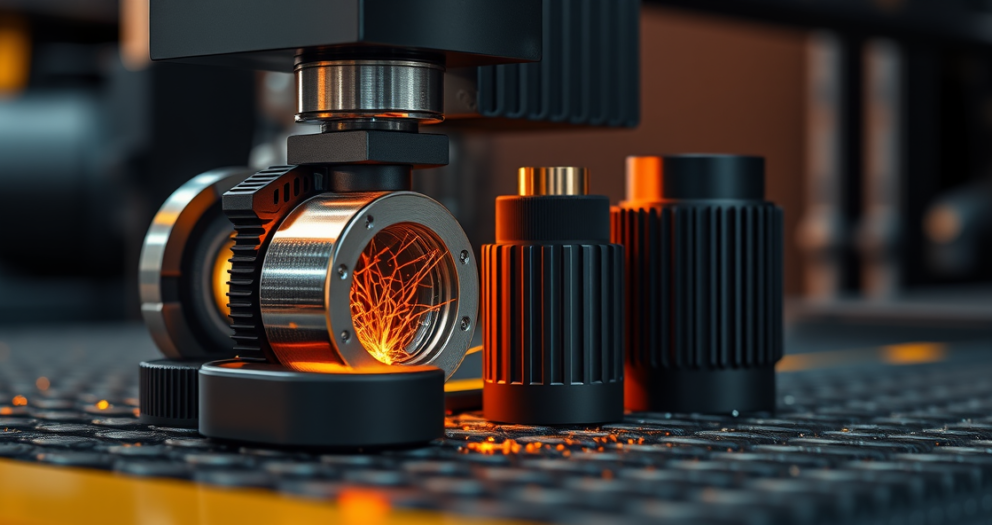
The continuous operation of a fiber laser cutting machine depends heavily on the integrity and quality of its individual components. Every part, from the smallest nozzle to sophisticated optical lenses, plays a crucial role in the cutting process. The impact on performance is immediate and evident: genuine parts ensure precise cuts, consistent beam delivery, and optimal gas flow, leading to clean edges and minimal material waste.
The cost of low-quality parts extends far beyond their initial purchase price. Substandard consumables wear out faster, necessitating frequent replacements and increasing operational expenses. More critically, they can cause damage to other expensive machine components, leading to extensive repairs, prolonged downtime, and lost production opportunities. Such hidden costs quickly erode profit margins.
Conversely, investing in quality laser cutting machine spare parts directly contributes to superior machine efficiency. Optimal part functionality ensures the laser operates at its peak, reducing energy consumption, speeding up cutting times, and maintaining consistent output quality. This translates into higher throughput, lower operational costs, and a competitive edge in the market.
Complete Overview of Laser Cutting Machine Spare Parts
A fiber laser cutting machine is a complex integration of various sophisticated parts. Understanding these components is the first step towards informed purchasing decisions and effective maintenance strategies.
Optical Components
These parts are fundamental to the laser beam’s path and focus. They directly influence the quality and precision of the cut.
- Focusing Lenses: These lenses concentrate the raw laser beam into a fine, powerful spot at the material’s surface. A high-quality lens is crucial for achieving precise cuts and minimizing beam divergence.
- Protective Windows (Cover Slides): Positioned to shield the expensive focusing lens from spatter and debris, protective windows are consumables that require regular inspection and replacement to maintain beam quality.
- Collimating Lenses: These lenses parallelize the laser beam before it enters the cutting head, ensuring a consistent beam profile for the focusing lens.
Mechanical Parts
Mechanical parts facilitate the movement, positioning, and interaction of the cutting head with the material.
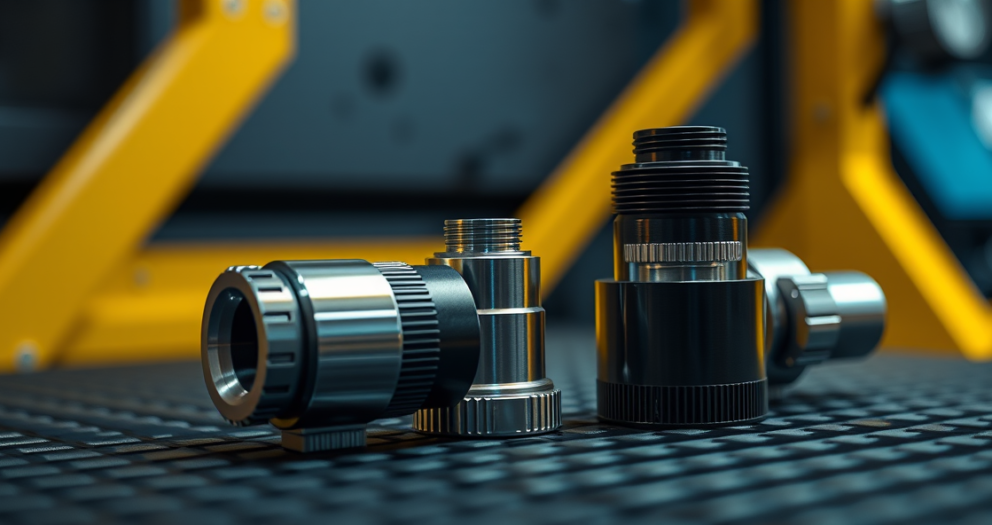
- Nozzles: The Single & Double Nozzle directs the assist gas and shapes the laser beam exit. Its quality and precise manufacturing are critical for cut quality and process stability.
- Bearings and Guide Rails: These components ensure smooth, accurate, and rapid movement of the cutting head across the work area, directly impacting cutting speed and precision.
- Gear Racks and Pinions: Part of the motion control system, they translate rotary motion into linear motion, demanding high precision for accurate positioning.
Electrical Components
These parts control the machine’s operations, power delivery, and safety systems.
- Laser Source Components: While often considered a unit, specific parts like diodes, power supplies, and control boards within the laser source can require replacement.
- Sensors and Switches: Proximity sensors, limit switches, and safety interlocks are vital for machine operation, safety, and automation.
- Cables and Connectors: High-quality, shielded cables are essential for reliable signal transmission and power delivery, preventing electrical interference and ensuring consistent operation.
Consumables
These are parts that are regularly consumed or wear out during the cutting process and require periodic replacement.
- Nozzles: As mentioned, Single Nozzle and Double Nozzle are critical consumables.
- ceramic ring for laser cutting machine: An essential insulator in the cutting head, ensuring stable arc discharge and optimal cutting conditions.
- Filters: Air filters, water filters, and dust collector filters maintain the cleanliness of critical systems and the working environment.
- Protective Windows: These prevent damage to the main optics from spatter and fumes.
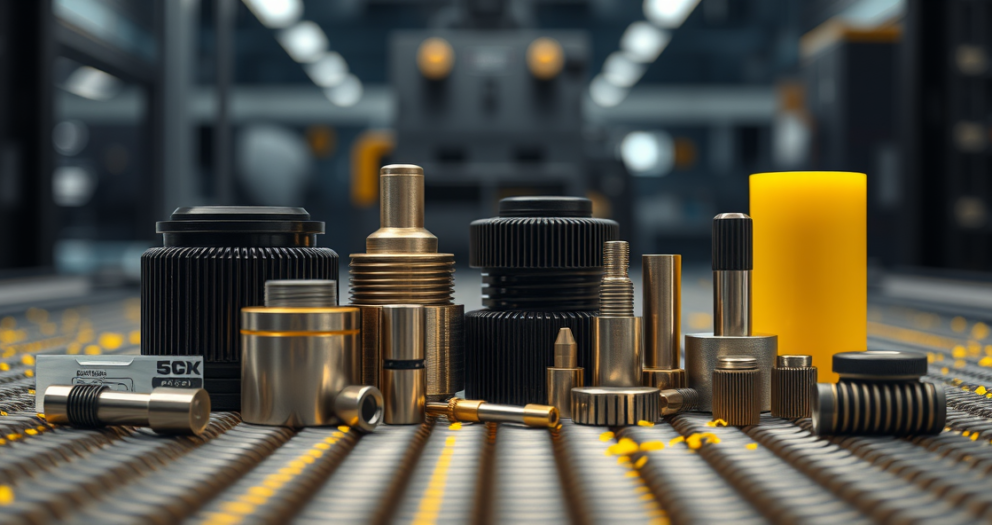
Here’s a table summarizing key parts, their functions, and typical replacement cycles:
| Part | Function | Replacement Cycle (Indicative) |
|---|---|---|
| Focusing Lens | Focuses laser beam onto material | 6-12 months (or sooner based on usage/damage) |
| Protective Window | Shields focusing lens from spatter | Daily to weekly (or as needed) |
| Single & Double Nozzle | Directs assist gas, shapes beam exit | Daily to weekly (or as needed) |
| ceramic ring for laser cutting machine | Insulates electrode, stabilizes arc | 1-3 months (or as needed) |
| Filters (Air/Water/Dust) | Maintains system cleanliness | 1-6 months (depending on type and environment) |
| Collimating Lens | Parallelizes laser beam | 12-24 months (or sooner based on usage/damage) |
Types of Laser Cutting Consumables Explained
Understanding the specific types of fiber laser cutting consumables and their nuances is essential for any operator or metal fabricator. Choosing the right consumables directly impacts cut quality, speed, and overall machine longevity.
Nozzles (Single & Double)
The nozzle is arguably the most frequently replaced consumable in a laser cutting head. Its design and material directly influence the gas flow and the interaction of the laser beam with the workpiece.
- Single Nozzle: Typically used for cutting with oxygen (fusion cutting). It provides a concentrated gas flow, ideal for thicker mild steel, creating a wider kerf and often a more pronounced slag on the underside.
- Double Nozzle: Primarily used for cutting with nitrogen or compressed air (melt and blow cutting). The double-layer design helps create a laminar gas flow, which is crucial for achieving clean, dross-free cuts on stainless steel, aluminum, and other non-ferrous metals. The inner nozzle focuses the beam, while the outer nozzle provides a protective gas shield.
The material of the nozzle (chrome-plated copper is common for good conductivity and heat dissipation) and its precise manufacturing affect arc stability, beam concentricity, and ultimately, cut quality. Inferior nozzles can lead to poor gas flow, overheating, and erratic cutting performance.
Ceramic ring for laser cutting machine
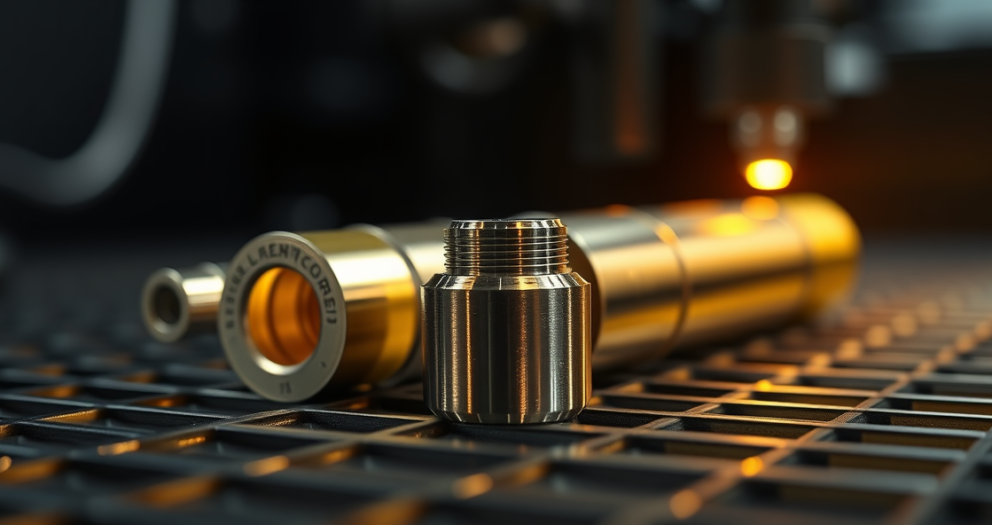
Also known as a fiber laser ceramic ring or a laser ceramic ring, this component is often overlooked but plays a vital role in the cutting process, particularly in capacitive height sensing systems. The ceramic ring for laser cutting machine acts as an electrical insulator, guiding the high-frequency current used for distance sensing between the nozzle and the workpiece.
A high-quality ceramic ring for laser cutting machine ensures a stable and accurate stand-off distance, which is critical for maintaining optimal focus and consistent cut quality. If the fiber laser ceramic ring is cracked, chipped, or contaminated, it can lead to erratic height sensing, causing the nozzle to crash into the material, inconsistent cutting, or even damage to the cutting head. Choosing a genuine and robust laser cutting machine ceramic ring is paramount for reliable operation.
Lenses
While some lenses are considered long-life components, protective lenses or cover slides are very much consumables. They act as a sacrificial barrier, protecting the expensive focusing lens from spatter and fumes. Regular inspection and timely replacement of these protective lenses are crucial.
Even minor scratches, pitting, or residue on a protective lens can significantly degrade the laser beam quality, leading to unfocused cuts, burrs, and reduced cutting speeds. For optimal performance improvement and machine efficiency, only use lenses that meet the original equipment manufacturer’s specifications for material, coating, and optical clarity.
Signs Your Spare Parts Need Replacement
Proactive identification of worn or failing parts is key to preventing costly downtime and maintaining consistent quality. Pay close attention to these indicators:
- Poor Cutting Quality: This is often the first and most obvious sign. If you notice rough edges, excessive dross, taper, or an inconsistent kerf width, it could indicate a worn nozzle, a contaminated protective lens, or a failing ceramic ring for laser cutting machine.
- Burr Formation: The presence of burrs or slag on the underside of your cuts suggests that the cutting parameters are no longer optimal, often due to a degraded nozzle or insufficient gas flow caused by compromised components.
- Irregular Sparks or Plume: An inconsistent or erratic spark pattern during cutting, or a significantly altered plume shape, can point to a damaged nozzle or an issue with the gas assist system, potentially related to the cutting head components.
- Frequent Nozzle Crashes: If your nozzle frequently collides with the workpiece, it’s a strong indicator of a faulty fiber laser ceramic ring or issues with the height sensing system.
- Reduced Cutting Speed: A noticeable drop in cutting speed for a given material and thickness, without changes to machine settings, often points to a compromised laser beam, which could be due to dirty or damaged optical components.
- System Alarms: Modern laser machines are equipped with sensors. Pay attention to any alarms related to gas pressure, temperature, or cutting head errors, as these often signal component issues.
What are signs of worn laser cutting parts?
Signs of worn laser cutting parts include poor cutting quality (rough edges, excessive dross), burr formation on cut edges, irregular spark patterns during cutting, frequent nozzle crashes due to faulty height sensing, and a noticeable reduction in cutting speed or efficiency. Visual inspection for physical damage like scratches, pits, or deformation on nozzles, lenses, and ceramic ring for laser cutting machine is also crucial.
OEM vs Aftermarket Spare Parts
When sourcing laser cutting machine spare parts, manufacturers are faced with a choice: Original Equipment Manufacturer (OEM) parts or aftermarket alternatives. Each option presents distinct advantages and disadvantages in terms of quality, cost, and compatibility.
| Feature | OEM Spare Parts | Aftermarket Spare Parts |
|---|---|---|
| Quality & Precision | Guaranteed to meet original specifications, precise fit, and optimal performance. Often higher quality materials and manufacturing standards. | Varies widely. Can be equivalent, superior, or inferior. Quality control may be less stringent. Fit might not be perfect. |
| Compatibility | 100% compatibility and seamless integration with your machine. Designed specifically for your equipment. | May require modifications or may not be fully compatible. Risk of damaging other components if not a precise fit. |
| Performance | Ensures original machine performance, efficiency, and cut quality. Minimizes unexpected issues. | Performance can be inconsistent. May lead to reduced machine efficiency, lower cut quality, or increased wear on other parts. |
| Cost | Generally higher upfront cost. | Often lower upfront cost. |
| Warranty | Typically comes with manufacturer warranty, protecting your investment. May maintain machine warranty. | Warranty varies by supplier. Using non-OEM parts can sometimes void your machine’s warranty. |
| Reliability | Highest reliability and predictable lifespan. Reduces risk of unexpected downtime. | Reliability can be a gamble. Higher risk of premature failure and unplanned downtime. |
| Technical Support | Direct access to manufacturer’s expert technical support. | Support varies by aftermarket supplier; may not have in-depth machine knowledge. |
While aftermarket parts might offer initial cost savings, the potential for reduced performance improvement, increased downtime, higher long-term maintenance costs, and even damage to your valuable fiber laser cutting machine often outweighs these savings. For critical laser cutting machine spare parts and consumables, investing in genuine OEM or high-quality branded alternatives is a superior strategy for overall cost optimization and machine longevity.
How to Choose High-Quality Spare Parts Supplier
Selecting the right supplier for your fiber laser cutting consumables and spare parts is as crucial as choosing the parts themselves. A reliable supplier ensures you receive genuine, high-performance components that keep your machine running optimally.
- Certifications and Quality Standards: Look for suppliers who adhere to international quality management standards (e.g., ISO 9001). This indicates a commitment to consistent product quality and reliable manufacturing processes. Ask for material certifications or test reports for critical components like nozzles and lenses.
- Brand Compatibility and Reputation: Prioritize suppliers who offer genuine parts or high-quality alternatives from reputable brands known in the laser cutting industry. This includes brands like Raytools, OSPRI, Precitec, and Fine Focus, which are recognized for their precision engineering and performance. A supplier with strong relationships with these manufacturers is a good sign.
- Technical Support and Expertise: A good supplier does more than just sell parts; they offer technical guidance. They should have knowledgeable staff who can assist with part identification, troubleshoot common issues, and provide advice on maintenance and optimization. This support is invaluable for cutting machine users and operators.
- Inventory and Availability: Ensure the supplier maintains a robust inventory of common laser cutting machine spare parts and consumables. Quick access to parts reduces lead times and minimizes downtime, which is critical for metal fabricators.
- Transparent Pricing and Warranty: A reputable supplier will offer transparent pricing and clear warranty policies for their products. Be wary of excessively low prices, as they often signal compromised quality.
- Customer Reviews and References: Check customer testimonials and ask for references. Feedback from other metal fabricators owners can provide valuable insights into a supplier’s reliability and product quality.
Maintenance Tips to Increase Machine Life
Regular and meticulous maintenance is the cornerstone of maximizing the lifespan and efficiency of your fiber laser cutting machine. Implementing a structured maintenance schedule can significantly reduce unexpected breakdowns and maintain optimal performance.
- Cleaning Lenses and Protective Windows: This is paramount. Dust, debris, and spatter on optical components degrade beam quality, reduce cutting efficiency, and can cause overheating and permanent damage. Use only specified optical cleaning solutions and lint-free wipes. Clean protective windows daily or even multiple times a day, depending on the workload and material.
- Checking Nozzle Alignment and Condition: The concentricity of the laser beam through the Single Nozzle or Double Nozzle is critical. Check daily for physical damage, burrs, or blockages. Ensure the nozzle is perfectly centered to the beam. Proper alignment ensures efficient gas flow and precise cutting.
- Replacing Consumables Regularly: Adhere strictly to recommended replacement cycles for fiber laser cutting consumables like protective windows, nozzles, and the ceramic ring for laser cutting machine. Even if they appear visually fine, their performance degrades over time. Proactive replacement prevents minor issues from escalating into major problems.
- Inspecting and Cleaning the Ceramic ring for laser cutting machine: Regularly inspect the fiber laser ceramic ring for cracks, chips, or carbon buildup. A damaged or dirty laser ceramic ring impairs height sensing accuracy. Gently clean it with an appropriate solvent if needed, or replace it if any damage is present.
- Maintaining the Cooling System: Ensure the chiller operates correctly and the coolant is clean and at the correct temperature. A well-maintained cooling system prevents overheating of the laser source and cutting head, preserving the life of expensive components.
- Lubricating Moving Parts: Regularly lubricate guide rails, bearings, and gear racks according to the manufacturer’s guidelines. This prevents premature wear, ensures smooth movement, and maintains positional accuracy.
- Calibrating and Aligning Optical Path: Periodically, or if cut quality issues persist, a professional should inspect and realign the entire optical path to ensure optimal beam delivery from the laser source to the cutting head.
Book Maintenance Consultation
Cost Optimization Strategy
Achieving cost optimization in laser cutting operations involves more than just finding the cheapest parts. It’s about a holistic approach that balances upfront costs with long-term performance, reliability, and efficiency.
- Bulk Buying of Consumables: For frequently used fiber laser cutting consumables like nozzles, protective windows, and ceramic ring for laser cutting machine, consider purchasing in bulk from trusted suppliers. This often secures better unit pricing and ensures a ready supply, preventing urgent, higher-cost purchases and reducing downtime associated with waiting for parts.
- Preventive Maintenance Schedule: Implementing a rigorous preventive maintenance program is a cornerstone of cost optimization. Regularly inspecting and replacing worn parts *before* they fail prevents catastrophic damage to more expensive components, minimizes unscheduled downtime, and avoids costly emergency repairs.
- Using Genuine or Branded Consumables: While aftermarket parts may seem cheaper initially, genuine OEM or high-quality branded consumables (e.g., from Raytools, OSPRI, Precitec, Fine Focus) offer superior performance, longer lifespan, and better compatibility. This leads to consistent cut quality, reduced material waste, higher machine efficiency, and fewer costly replacements or repairs in the long run. The slight increase in part cost is often offset by significant savings in operational expenses and increased productivity.
- Operator Training: Well-trained operators understand the importance of proper machine settings, maintenance routines, and the impact of component quality. This reduces operational errors, extends part life, and optimizes material usage, contributing to overall cost savings.
- Inventory Management: Implement an efficient inventory system for your laser cutting machine spare parts. This helps track usage, identify optimal reorder points, and avoid both overstocking (tying up capital) and understocking (leading to downtime).
Applications & Industry Use Cases
The reliability and precision offered by well-maintained fiber laser cutting machines, equipped with quality laser cutting machine spare parts and consumables, are critical across a diverse range of industrial applications and sectors.
- Automotive Industry: From precision cutting of chassis components and interior parts to specialized cuts for prototypes, laser cutting machines are indispensable. Quality Double Nozzle and fiber laser ceramic ring ensure the high accuracy and repeatability required for automotive manufacturing, where safety and performance are paramount.
- Sheet Metal Fabrication: This is arguably the largest user of laser cutting technology. Fabrication shops rely on laser cutters for producing everything from architectural panels and HVAC components to custom enclosures and structural elements. The demand for clean edges and tight tolerances necessitates optimal performance from every fiber laser cutting consumable.
- Heavy Machinery and Equipment Manufacturing: For large-scale machinery, including agricultural equipment, construction vehicles, and industrial plants, laser cutting provides the ability to cut thick plates with high precision. Durable and reliable laser cutting machine spare parts are essential to handle the strenuous demands of cutting robust materials.
- Aerospace Industry: The aerospace sector demands extreme precision and material integrity. Laser cutting is used for intricate parts made from specialized alloys, where quality components from brands like Precitec or Fine Focus ensure the exacting standards are met without compromise.
- Medical Device Manufacturing: For delicate and complex medical instruments, laser cutting offers unparalleled precision. The use of high-quality optics and Single Nozzle is crucial for creating fine features and smooth finishes on materials vital for medical applications.
FAQs
Here are some frequently asked questions regarding fiber laser cutting consumables and spare parts:
Q1: How often should I replace my laser cutting nozzle?
A: The replacement frequency for your Single & Double Nozzle depends on material, assist gas, laser power, and operating hours. Many operators replace them daily or every few days, especially when cutting demanding materials or experiencing noticeable drops in cut quality. Always visually inspect before each shift.
Q2: Can I clean and reuse my protective window?
A: While light cleaning of protective windows is possible with specified optical cleaners, severe contamination, scratches, or pitting warrant immediate replacement. Reusing a compromised window will degrade beam quality and risk damage to more expensive internal optics.
Q3: Why is a genuine ceramic ring for laser cutting machine important?
A: A genuine fiber laser ceramic ring ensures accurate and stable height sensing, preventing nozzle crashes and maintaining consistent focus. Non-genuine rings may have inconsistent dielectric properties, leading to erratic sensing, poor cut quality, and potential damage to the cutting head.
Q4: What’s the difference between Single Nozzle and Double Nozzle?
A: Single Nozzle is typically used for oxygen cutting of thicker mild steel, providing a focused gas stream. Double Nozzle is for nitrogen or air cutting of stainless steel and aluminum, offering a more laminar gas flow for dross-free cuts.
Q5: How do I know if my laser cutting machine needs new lenses?
A: Signs include a decline in cut quality (roughness, burrs), reduced cutting speed despite optimal settings, or visible damage (scratches, pits, haze) on the lens surface during inspection. A significant loss of laser power at the workpiece is also a strong indicator.
Q6: Are spare parts from brands like Raytools and Precitec interchangeable?
A: Generally, no. While they are both leading brands, parts like nozzles, ceramic ring for laser cutting machine, and lenses are specifically designed for their respective cutting heads (e.g., a Raytools nozzle for a Raytools head). Always ensure compatibility with your specific cutting head model.
Conclusion
For cutting machine users, operators, and metal fabricators owners, the journey to optimal laser cutting performance and significant cost optimization hinges on one fundamental principle: the unwavering commitment to quality components. The impact of choosing genuine, high-quality fiber laser cutting consumables and laser cutting machine spare parts cannot be overstated. They are the silent heroes that ensure consistent cut quality, maximum machine efficiency, and a robust defense against unexpected downtime.
By investing in reputable brands like Raytools, OSPRI, Precitec, and Fine Focus, implementing a diligent maintenance schedule, and understanding the critical role of every part from the Single & Double Nozzle to the ceramic ring for laser cutting machine, you are not just maintaining your equipment—you are safeguarding your entire production process. Make informed choices, prioritize quality, and watch your operational efficiency and profitability soar.
Request Quote
Talk to Expert
Download Catalog

Write a comment
Your email address will not be published. All fields are required