

Introduction
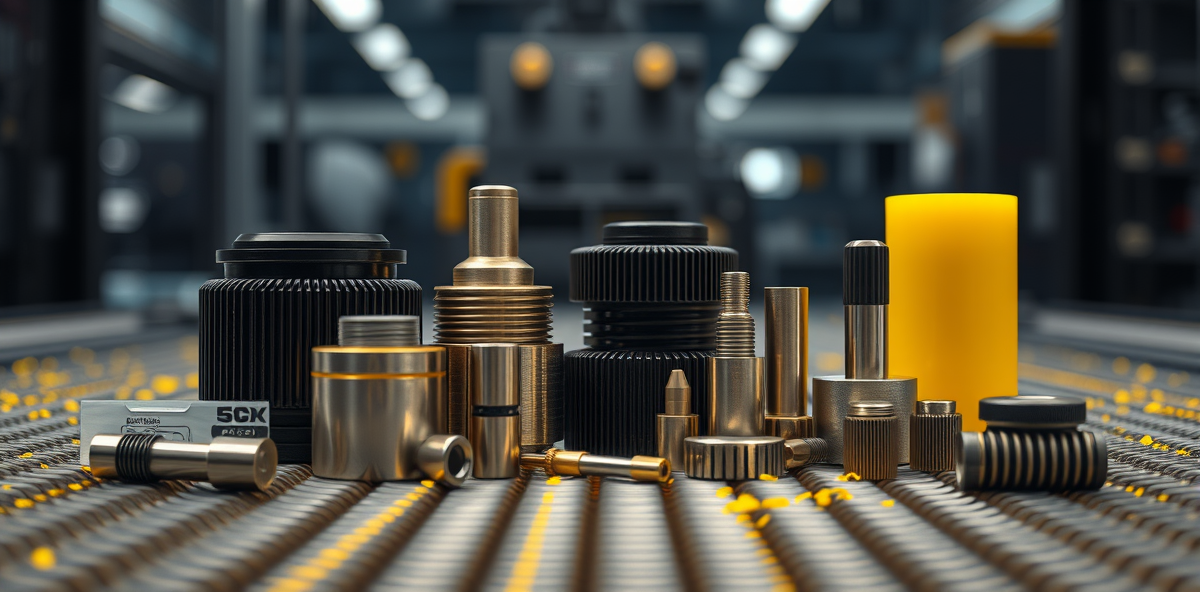
In the high-stakes world of modern manufacturing, precision and efficiency are paramount. Fiber laser cutting machines are at the heart of countless operations, delivering unparalleled accuracy and speed. However, even the most advanced machinery is only as good as its weakest link – often, overlooked spare parts and consumables. Downtime due to a failed component or subpar cutting quality from worn-out parts can cripple production schedules and inflate operational costs.
This comprehensive guide dives into the top 10 essential laser consumables spare parts every manufacturing unit should keep readily available. We’ll explore how these critical components impact your machine’s performance, outline the benefits of using high-quality parts, and provide practical insights for optimizing your laser cutting operations. Don’t let unexpected breakdowns or compromised quality hinder your productivity. Proactive management of your fiber laser cutting consumables is key to sustained success.
Download Spare Parts Checklist
Why Spare Parts & Consumables Matter in Laser Cutting
The continuous operation and optimal performance of a fiber laser cutting machine heavily rely on the integrity and quality of its spare parts and consumables. These components, though often small, play a monumental role in the overall output and longevity of your equipment.
Impact on Performance
Every element, from the nozzle to the protective lens, directly influences the laser beam’s focus, power delivery, and gas flow. Worn or inferior parts can lead to beam divergence, inconsistent power, and inefficient gas dynamics, resulting in poor cut quality, increased scrap rates, and slower processing times. Maintaining a stock of high-quality laser cutting machine spare parts ensures your machine operates at its peak performance.
Cost of Low-Quality Parts
While aftermarket parts might initially seem like a cost-saving solution, the long-term expenses often outweigh any immediate benefits. Low-quality fiber laser cutting consumables wear out faster, necessitating frequent replacements and increasing procurement costs. More significantly, they can cause damage to other critical machine components, leading to expensive repairs and prolonged downtime. The true cost of cheap parts extends far beyond their purchase price, impacting your bottom line through reduced output and increased maintenance.
Machine Efficiency
Genuine and high-quality consumables are engineered to work seamlessly with your specific laser cutting system. They maintain precise tolerances, withstand harsh operating conditions, and ensure optimal interaction with the laser beam and assist gases. This synergy translates directly into enhanced machine efficiency, allowing for faster cuts, cleaner edges, and consistent results across various materials and thicknesses. Investing in the right laser consumables is an investment in your machine’s enduring efficiency and reliability.
Complete Overview of Laser Cutting Machine Spare Parts
Understanding the different categories of spare parts is crucial for effective inventory management and ensuring uninterrupted operation of your fiber laser cutting machine.
Optical Components
These parts are fundamental to guiding and focusing the laser beam. Their cleanliness and integrity directly impact cut quality and power delivery.
- Focus Lenses: Crucial for focusing the raw laser beam into a precise, high-power cutting point. Damage or contamination significantly reduces cutting efficiency and quality.
- Protective Lenses/Windows: Shield the focus lens from spatter, fumes, and debris. Regular replacement prevents costly damage to the main optics.
- Collimating Lenses: Condition the laser beam before it enters the focusing optics, ensuring optimal beam characteristics.
- Mirrors (for some systems): Used in certain laser systems to direct the beam path with minimal loss.
Mechanical Parts
These components ensure the physical interaction of the laser head with the workpiece and facilitate the cutting process.
- Single & Double Nozzle: Direct the assist gas and define the cutting kerf. Different types are used for various materials and thicknesses.
- Nozzle Holders: Secure the nozzle in place and ensure precise alignment with the laser beam.
- Ceramic Rings: Insulate the nozzle and provide a stable platform for signal transmission, crucial for height sensing.
- Bearings & Guide Rails: Enable smooth and precise movement of the cutting head across the gantry, critical for accuracy.
Electrical Components
These parts are vital for the machine’s control, safety, and power delivery systems.
- Sensors: Detect various parameters like height, gas pressure, and temperature, feeding critical data back to the control system.
- Cables & Connectors: Transmit power and data throughout the machine, prone to wear and tear in industrial environments.
- Circuit Boards: Govern the machine’s logic and control, though less frequently replaced, they are critical.
Consumables
These are the components designed for regular replacement due to wear, contamination, or finite lifespan.
- Filters (Air, Water, Gas): Maintain the purity of assist gases, cooling water, and internal air, protecting sensitive components.
- laser cutting machine ceramic ring: As mentioned, these are vital for maintaining proper standoff distance and electrical insulation.
- Nozzles: Frequently replaced due to spatter accumulation and wear, directly affecting cut quality.
- Protective Windows: Essential for shielding the internal optics, requiring periodic replacement.
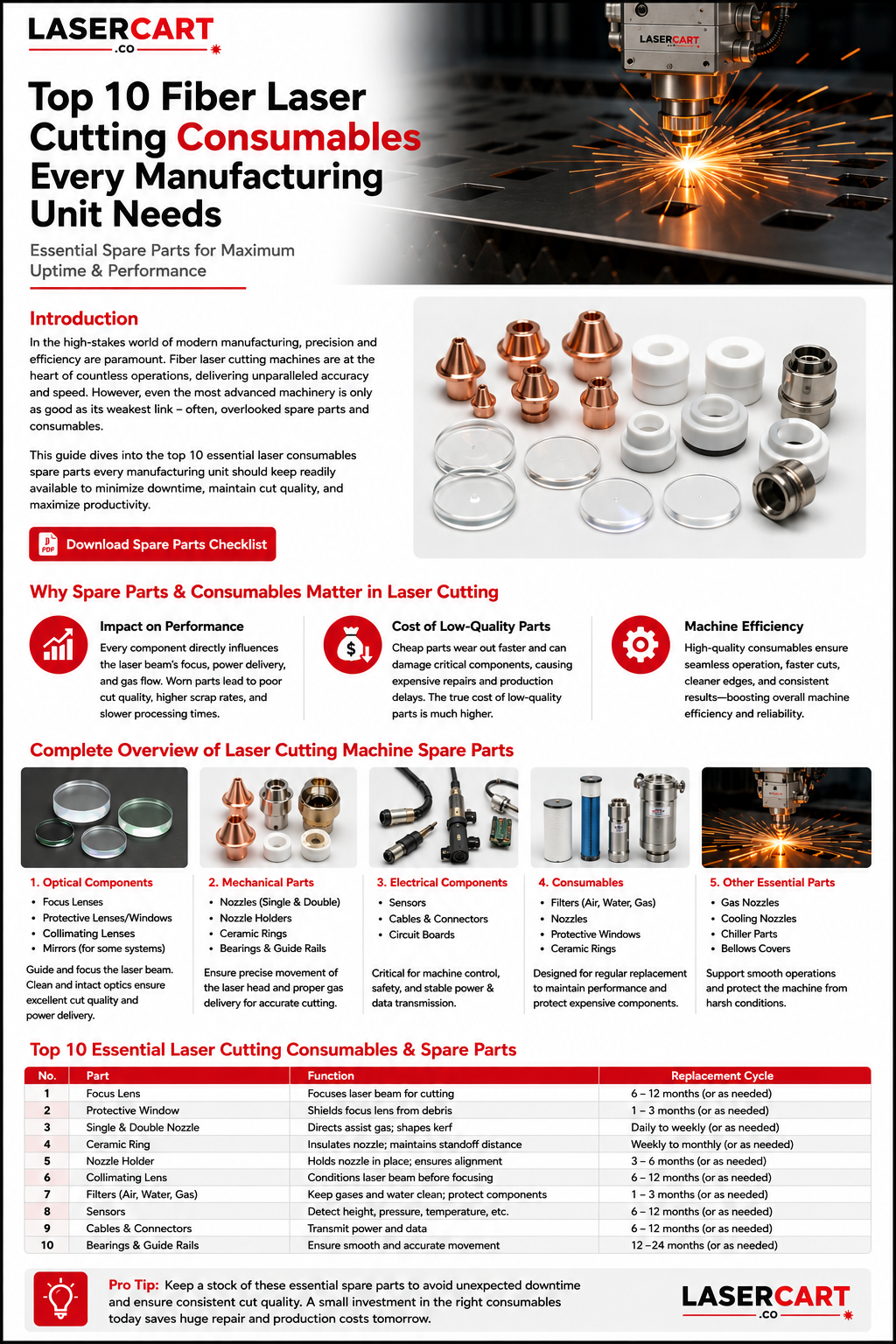
Spare Parts and Consumables Overview
| Part | Function | Replacement Cycle |
|---|---|---|
| Focus Lens | Focuses laser beam for cutting | 6-12 months (or as needed) |
| Protective Window | Shields focus lens from debris | 1-3 months (or as needed) |
| Single & Double Nozzle | Directs assist gas; shapes kerf | Daily to weekly (or as needed) |
| ceramic ring for laser cutting machine | Electrical insulation & height sensing | 3-6 months (or as needed) |
| Air Filter | Purifies assist gas/cooling air | 1-3 months (or as needed) |
| Water Filter | Maintains cooling water purity | 3-6 months (or as needed) |
| O-rings/Seals | Ensures gas/liquid tight connections | As needed (during maintenance) |
| Fiber Optic Cable | Transmits laser light to head (rarely, but critical) | Years (or if damaged) |
| Gas Solenoid Valve | Controls assist gas flow | Years (or if faulty) |
| Beam Delivery Optics (if applicable) | Guides laser beam within machine | Years (or if damaged/contaminated) |
Types of Laser Cutting Consumables Explained
A deeper dive into the most frequently replaced fiber laser cutting consumables highlights their critical roles and the importance of selecting high-quality options.
Nozzles (Single & Double)
The Single & Double Nozzle are perhaps the most frequently replaced consumables in a fiber laser cutting system. Their design dictates the assist gas flow and the quality of the cut.
- Single Nozzle: Typically used for cutting with oxygen (fusion cutting). The smaller diameter orifice creates a concentrated gas stream, ideal for reactive cutting of mild steel.
- Double Nozzle: Preferred for cutting with nitrogen or air (melt and blow cutting), particularly for stainless steel and aluminum. The concentric design provides a wider, more stable gas flow, helping to eject molten material and prevent oxidation.
Choosing the correct Single & Double Nozzle for the material and thickness is crucial for achieving optimal edge quality, piercing stability, and efficient material removal. Branded consumables from manufacturers like Raytools, OSPRI, Precitec, and Fine Focus are known for their precision engineering, ensuring consistent gas flow and prolonged life, directly contributing to performance improvement and cost optimization.
ceramic ring for laser cutting machines
The laser cutting machine ceramic ring is a vital component within the laser cutting head. It serves multiple critical functions:
- Electrical Insulation: It electrically insulates the nozzle from the rest of the cutting head, which is essential for the capacitive height sensing system.
- Signal Transmission: The fiber laser ceramic ring helps transmit the height sensing signal, allowing the cutting head to maintain a precise standoff distance from the workpiece. This constant distance is crucial for consistent cut quality and preventing nozzle crashes.
- Nozzle Alignment: It provides a stable and accurate mounting point for the nozzle, ensuring that the assist gas stream is perfectly concentric with the laser beam.
A damaged or contaminated ceramic ring for laser cutting machine can lead to unstable height sensing, erratic cutting, and potential damage to the workpiece or the cutting head itself. Always opt for genuine laser ceramic rings from reputable brands like Raytools, OSPRI, Precitec, or Fine Focus to ensure reliable performance and extend the life of your cutting head.
Lenses (Focus & Protective)
- Focus Lenses: These are the workhorses of the optical system, responsible for converting the wide laser beam into a concentrated, high-power spot. Made from specialized materials like fused silica or ZnSe, they must be kept impeccably clean and free from scratches or pitting. Any imperfection will scatter the laser light, reduce power density, and lead to poor cut quality.
- Protective Lenses/Windows: Positioned closer to the workpiece, these act as sacrificial elements, shielding the more expensive focus lens from spatter, smoke, and debris generated during cutting. While designed to be replaced more frequently, their quality still matters. A clear, high-quality protective window from brands like Raytools or Precitec ensures maximum laser transmission and prevents light loss that could impact cutting speed and quality.
Regular inspection and cleaning, along with timely replacement of both focus and protective lenses, are non-negotiable for maintaining optimal fiber laser cutting performance.
Signs Your Spare Parts Need Replacement
Proactive identification of worn or failing parts is key to avoiding major breakdowns and maintaining consistent output quality. Pay close attention to these indicators:
- Poor Cutting Quality: Ragged edges, excessive dross, uneven cuts, or a significant decrease in cut speed are primary indicators that your Single & Double Nozzle, lenses, or assist gas system components might be compromised.
- Burr Formation: The presence of burrs on the underside of the cut material often suggests a worn nozzle, incorrect gas pressure, or an improperly focused laser beam due to lens issues.
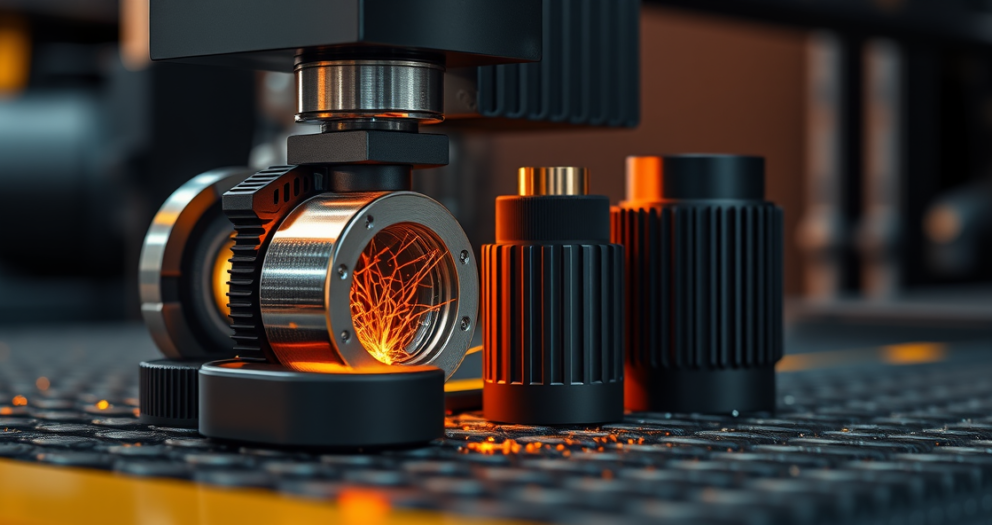
- Irregular Sparks: An uneven or scattered spark pattern from the cutting area indicates a problem with the nozzle, its alignment, or contamination within the cutting head, possibly related to the ceramic ring for laser cutting machine.
- Frequent Nozzle Crashes: If your cutting head frequently crashes into the material, the fiber laser ceramic ring or the height sensing system might be faulty, leading to inaccurate standoff distance.
- Reduced Piercing Time: An increase in the time it takes to pierce through the material can point to a degraded focus lens, a worn nozzle, or issues with gas delivery.
- Error Messages: Machine alarms or error codes related to gas pressure, sensor readings, or head collision are direct signals to inspect relevant spare parts.
Featured Snippet:
“What are signs of worn laser cutting parts?”
Signs of worn laser cutting parts include poor cutting quality, excessive burr formation, irregular spark patterns during cutting, frequent nozzle crashes, extended piercing times, and specific error messages from the machine’s control system. These often indicate issues with nozzles, lenses, or the ceramic ring for laser cutting machine.
OEM vs Aftermarket Spare Parts
When it comes to procuring spare parts and consumables for your fiber laser cutting machine, a crucial decision lies between Original Equipment Manufacturer (OEM) parts and aftermarket alternatives.
| Feature | OEM Spare Parts | Aftermarket Spare Parts |
|---|---|---|
| Quality & Precision | Highest; designed and manufactured to exact machine specifications. Optimal material composition for longevity and performance. | Varies greatly; can range from decent to very poor. May not meet original design tolerances or material standards. |
| Compatibility | Guaranteed perfect fit and seamless integration with your machine. Ensures optimal system functionality. | May require modifications; fit can be inconsistent. Can lead to unforeseen compatibility issues or reduced performance. |
| Performance & Efficiency | Ensures peak machine performance, consistent cut quality, and maximum efficiency as per machine design. | Performance can be inconsistent or degraded. May lead to slower cutting speeds, poor edge quality, and increased scrap. |
| Machine Life & Warranty | Helps maintain machine longevity and preserves manufacturer’s warranty. Prevents premature wear of other components. | Can potentially void warranties. May accelerate wear on other expensive machine components, reducing overall machine life. |
| Cost (Initial) | Generally higher upfront cost. | Typically lower upfront cost, appealing for budget-conscious purchases. |
| Cost (Long-term) | Lower total cost of ownership due to extended life, fewer replacements, reduced downtime, and consistent quality. | Higher total cost of ownership due to frequent replacements, increased downtime, rework, and potential damage to the machine. |
| Technical Support | Full support from the machine manufacturer or authorized dealer, including expert advice. | Support varies; may be limited or non-existent from the part supplier. |
While the initial cost of aftermarket parts might be attractive, the long-term implications for machine efficiency, cut quality, and overall operational costs often favor genuine OEM or high-quality branded fiber laser cutting consumables. For critical components like focus lenses, Single & Double Nozzle, and ceramic ring for laser cutting machines, sacrificing quality for a lower price can be a very expensive mistake.
How to Choose High-Quality Spare Parts Supplier
Selecting the right supplier for your fiber laser cutting consumables is as important as choosing the parts themselves. A reliable supplier ensures you receive genuine, high-performance components that keep your operations running smoothly.
- Certifications & Quality Assurance: Look for suppliers who can demonstrate adherence to international quality standards (e.g., ISO 9001). They should provide certifications for their products, guaranteeing material authenticity and manufacturing precision. This is especially vital for optical components and precision-engineered Single & Double Nozzle.
- Brand Compatibility & Authenticity: Prioritize suppliers that stock genuine parts or authorized alternatives from leading brands. For instance, when sourcing fiber laser ceramic rings or nozzles, ensure compatibility with your laser head brands like Raytools, OSPRI, Precitec, or Fine Focus. Authentic branded consumables guarantee that the parts are designed to the exact specifications of these industry-leading cutting heads.
- Technical Expertise & Support: A superior supplier offers more than just parts; they provide technical expertise. This includes guidance on part selection, installation advice, and troubleshooting support. Their staff should be knowledgeable about different laser cutting machine models and their specific spare part requirements.
- Inventory & Availability: A good supplier will have a robust inventory of frequently needed fiber laser cutting consumables, minimizing lead times and reducing your risk of downtime. Ask about their stock levels and delivery capabilities.
- Transparent Pricing & Warranty: Choose suppliers with clear, competitive pricing and a transparent warranty policy for their products. This provides peace of mind and protection against faulty components.
Maintenance Tips to Increase Machine Life
Beyond simply replacing worn parts, implementing a rigorous preventive maintenance schedule is crucial for maximizing the lifespan and efficiency of your fiber laser cutting machine.
- Regular Cleaning of Optics: The focus lens and protective window must be cleaned daily (or even more frequently depending on usage) using proper optical cleaning solutions and specialized wipes. Contamination on these surfaces can lead to laser power loss and damage to the lens itself.
- Checking Nozzle Alignment: Misalignment of the Nozzle with the laser beam is a common cause of poor cut quality. Regularly check and adjust the concentricity and focus position using appropriate tools and procedures. This is vital for both Single Nozzle and Double Nozzle setups.
- Replacing Consumables Regularly: Adhere to recommended replacement schedules for high-wear items like Single & Double Nozzle, protective windows, and ceramic ring for laser cutting machines, even if they appear visually sound. Preventive replacement avoids sudden failures and maintains consistent performance.
- Inspect and Clean Filters: Regularly check and replace air, water, and gas filters. Clogged filters reduce flow, strain pumps, and can contaminate sensitive components, impacting the performance of your fiber laser cutting machine.
- Lubrication of Moving Parts: Ensure all guide rails, bearings, and other moving mechanical components are properly lubricated according to the manufacturer’s guidelines to prevent friction and premature wear.
- Monitor Assist Gas Purity: Impurities in assist gases can significantly degrade cut quality and damage optics. Ensure your gas supply meets purity specifications and check for leaks in the gas delivery system.
Cost Optimization Strategy
Managing the costs associated with fiber laser cutting consumables and spare parts is a critical aspect of overall operational cost optimization. A strategic approach can significantly reduce expenses without compromising quality or machine performance.
- Bulk Buying & Inventory Management: For high-turnover consumables like Single & Double Nozzle, protective windows, and ceramic ring for laser cutting machines, consider purchasing in bulk from trusted suppliers. This often secures better pricing. Implement a robust inventory management system to track usage, anticipate needs, and prevent overstocking or stockouts.
- Preventive Maintenance Schedule: As discussed, a strict preventive maintenance schedule reduces unexpected breakdowns, which are the most expensive form of maintenance. By proactively replacing parts before they fail, you avoid costly emergency repairs, expedited shipping for parts, and significant downtime losses.
- Using Genuine Consumables: While the initial cost may be higher, genuine fiber laser cutting consumables from brands like Raytools, OSPRI, Precitec, and Fine Focus offer superior performance, longer lifespan, and better protection for your machine’s expensive core components. This translates to fewer replacements, less rework, and sustained machine efficiency, leading to significant long-term cost savings.
- Operator Training: Well-trained operators can identify issues early, use parts correctly, and minimize accidental damage. Proper handling and usage of consumables can extend their life and reduce waste.
- Energy Efficiency Checks: Ensure your machine is running optimally, not consuming excess power due to inefficient components or settings. Regular checks can identify areas for energy cost savings.
Applications & Industry Use Cases
Fiber laser cutting machines, supported by robust spare parts and consumables management, are indispensable across a multitude of industries due to their versatility and precision.
- Automotive Industry: Used extensively for cutting lightweight yet strong materials like high-strength steel and aluminum alloys for vehicle chassis, body panels, and intricate engine components. The precision afforded by quality consumables ensures perfect fits and structural integrity.
- Sheet Metal Fabrication: From general fabrication shops to specialized metalworking facilities, fiber lasers cut a vast array of sheet metals, including stainless steel, mild steel, and aluminum, into components for architectural structures, industrial enclosures, and custom parts.
- Electronics Sector: Essential for precise cutting of thin metal sheets used in electronic casings, circuit board components, and intricate connectors where tolerances are extremely tight.
- Aerospace Industry: For demanding applications requiring superior material processing, laser cutting is used for aircraft components from high-performance alloys, where accuracy and material integrity are non-negotiable.
- Medical Device Manufacturing: Produces minute, high-precision components for medical instruments and implants, often from specialty metals, where the cleanliness and accuracy of the cut are paramount.
In all these applications, the reliability derived from using top-tier fiber laser cutting consumables and maintaining a well-stocked inventory of spare parts is directly correlated with production quality, efficiency, and profitability.
FAQs
- Q: How often should I replace my laser cutting Nozzle?
A: The replacement frequency for your laser cutting Nozzle (both Single Nozzle and Double Nozzle) depends on the material, thickness, assist gas, and operational hours. Some operators replace them daily, while others may do so weekly or as soon as cut quality degrades or spatter builds up. - Q: What is the lifespan of a ceramic ring for laser cutting machine?
A: A ceramic ring for laser cutting machine typically lasts between 3 to 6 months, but its lifespan can vary based on usage intensity, frequency of head crashes, and adherence to maintenance protocols. Regular inspection for cracks or damage is recommended. - Q: Are branded consumables like Raytools and Precitec worth the extra cost?
A: Yes, absolutely. Branded fiber laser cutting consumables from manufacturers like Raytools, OSPRI, Precitec, and Fine Focus are engineered to precise tolerances using high-quality materials. They offer superior performance, longer lifespan, and better protection for your machine, leading to significant long-term cost savings and consistent cut quality compared to generic alternatives. - Q: What happens if I don’t replace my protective lens regularly?
A: Failing to replace your protective lens regularly will lead to accumulation of spatter and smoke residue, which reduces laser beam transmission and can cause the lens to overheat and crack. This can result in costly damage to the more expensive focus lens or even the laser head itself, leading to significant downtime. - Q: How can I tell if my focus lens needs cleaning or replacement?
A: Signs that your focus lens needs attention include a noticeable drop in cutting speed, inconsistent cut quality, increased dross, or visible spots/haze on the lens surface during inspection. If cleaning doesn’t restore performance, replacement is necessary.
Conclusion
For any manufacturing unit relying on fiber laser cutting technology, a well-managed inventory of essential laser consumables spare parts is not just a best practice—it’s a fundamental requirement for operational excellence. Proactive replacement of components like Single & Double Nozzle, protective lenses, and ceramic ring for laser cutting machines, coupled with strategic sourcing of genuine and branded consumables from suppliers like Raytools, OSPRI, Precitec, and Fine Focus, directly translates to enhanced machine efficiency, superior cutting quality, and significant cost optimization.
By understanding the critical role each component plays, implementing a rigorous maintenance schedule, and making informed choices about your spare parts supply, you can minimize downtime, extend the life of your valuable machinery, and consistently deliver high-quality products. Don’t wait for a breakdown to realize the importance of these vital components. Invest in quality, plan for the future, and keep your fiber laser cutting operations running at peak performance.
Write a comment
Your email address will not be published. All fields are required