

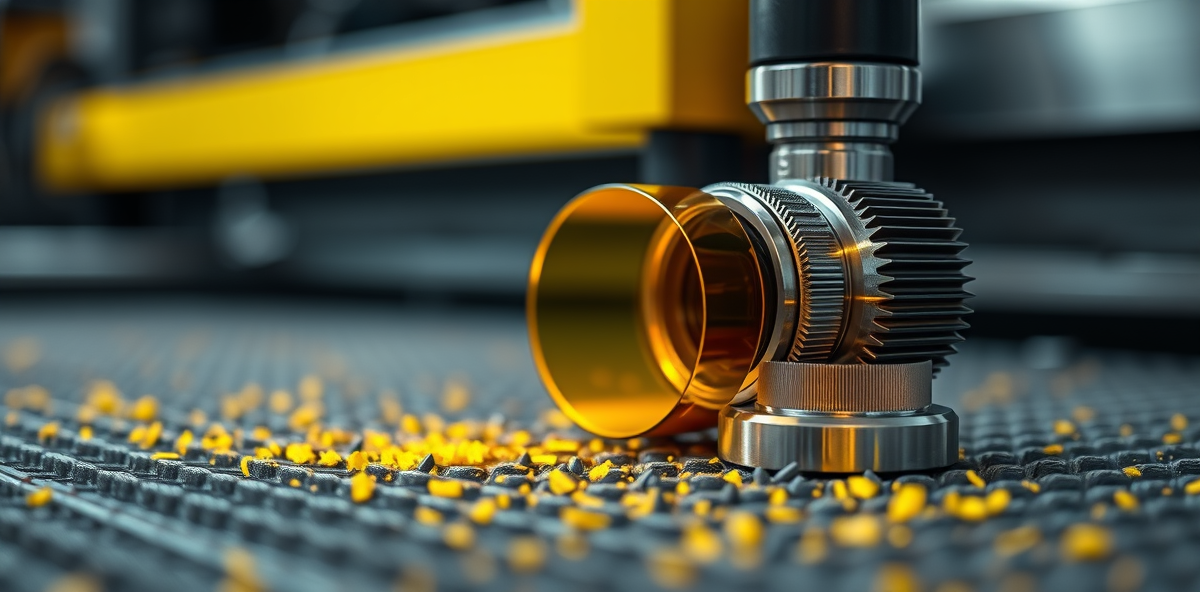
Introduction
For B2B laser cutting machine users, operators, and metal fabricators, maximizing productivity and ensuring superior cut quality are paramount. However, frequent downtime, inconsistent performance, and subpar cutting results often plague operations, leading to significant financial losses. At the heart of many of these challenges lies the condition of your laser consumables, particularly the lenses. Proper care and timely replacement of these vital components are not just maintenance tasks; they are critical strategies for operational excellence, cost optimization, and sustained profitability.
This detailed guide will delve into the essential practices for cleaning and maintaining your laser consumables lens, alongside a comprehensive look at other crucial spare parts. Understanding the impact of high-quality components and adhering to best maintenance practices will empower you to enhance your machine’s efficiency, extend its lifespan, and achieve unparalleled precision in your fabrication processes. Don’t let neglected consumables hinder your potential. Download Spare Parts Checklist now to take the first step towards optimized laser cutting performance.
Why Spare Parts & Consumables Matter in Laser Cutting
The intricate dance of a fiber laser cutting machine relies heavily on the seamless interaction of its components. Spare parts and consumables are not mere accessories; they are the lifelines of your operation. Their quality and condition directly dictate the performance, reliability, and ultimately, the profitability of your laser cutting endeavors.
Impact on Performance
Every element, from the focusing lens to the Double Nozzle, plays a pivotal role in the laser beam’s journey and interaction with the material. Worn or subpar components introduce imperfections, scattering the beam, reducing power density, and leading to inconsistent cuts. This translates to increased scrap rates, more post-processing, and a significant slowdown in production cycles, directly impacting your bottom line.
Cost of Low-Quality Parts
While the initial appeal of cheaper, non-genuine spare parts might be tempting, the long-term costs far outweigh any short-term savings. Low-quality parts often have shorter lifespans, requiring more frequent replacements. More critically, they can cause cascading failures, damaging other expensive components of your machine, leading to extensive downtime and costly repairs. The investment in quality, branded consumables like those from Raytools, OSPRI, Precitec, or Fine Focus is an investment in your machine’s longevity and consistent output.
Machine Efficiency
An efficiently running laser cutting machine operates at its peak, delivering precise cuts with minimal energy consumption and waste. High-quality spare parts and well-maintained consumables ensure that the laser beam is perfectly focused, the gas flow is optimized, and the cutting process is smooth and rapid. This translates to faster production times, lower operational costs, and a higher return on investment for your valuable equipment.
Complete Overview of Laser Cutting Machine Spare Parts
Understanding the various spare parts and their functions is crucial for any operator aiming for optimal machine performance. These components can be broadly categorized into optical, mechanical, electrical, and consumables.
Optical Components (Lenses, Mirrors)
These are perhaps the most critical components in a laser cutting system, responsible for guiding and focusing the laser beam. They include protective windows, focusing lenses, and collimating lenses. Any contamination or damage to these parts can severely degrade beam quality and cutting precision.
Mechanical Parts (Nozzles, Bearings)
Mechanical parts ensure the precise movement and delivery of the laser beam and assist gas. This category includes various Single & Double Nozzle types, nozzle holders, guide rails, bearings, gears, and drive systems. Their integrity is vital for accurate positioning and smooth operation.
Electrical Components
The electrical system powers and controls the entire laser cutting process. This includes laser power supplies, control boards, sensors, motors, cables, and various switches. Malfunctions in these components can lead to complete machine shutdown or erratic behavior.
Consumables (Filters, Ceramic Rings)
Consumables are parts that are regularly used up or wear out and require periodic replacement to maintain performance. This category includes gas filters, water filters, ceramic ring for laser cutting machine, nozzles, and protective windows. Timely replacement of these items prevents contamination and ensures consistent cutting quality.
Here’s a table outlining common laser cutting machine parts, their function, and typical replacement cycles:
| Part | Function | Replacement Cycle |
|---|---|---|
| Focusing Lens | Focuses laser beam onto material | 1-3 months (depending on usage/maintenance) |
| Protective Window | Shields internal optics from debris | 1-4 weeks (highly dependent on material/gas) |
| Nozzle | Directs assist gas and laser beam | Daily-Weekly (depending on material/cut) |
| Ceramic ring for laser cutting machine | Insulates nozzle, provides accurate signal | 1-3 months |
| Gas Filters | Ensures clean assist gas supply | 1-3 months |
| Water Filters | Maintains coolant purity for laser source | 3-6 months |
| Seal Rings/O-rings | Prevents gas leaks | As needed or with related parts |
| Guide Rails/Bearings | Ensures smooth and precise motion | 6-12 months (lubrication is key) |
Types of Laser Cutting Consumables Explained
Understanding the specific role and maintenance of each consumable is crucial for maintaining optimal fiber laser cutting Consumables performance and preventing costly downtime. Let’s explore the key consumables in detail.
Nozzles (Single & Double)
Laser nozzles are critical for shaping the assist gas flow around the laser beam, directly impacting cutting speed and quality. They come in various shapes and sizes, with the most common being Single Nozzle and Double Nozzle designs. The Single Nozzle is generally used for oxygen cutting, while the Double Nozzle is preferred for nitrogen cutting or when a wider assist gas cone is beneficial. Maintaining a clean and undamaged nozzle orifice is paramount. Any blockage or deformation can lead to poor cut quality, burr formation, and even damage to the protective lens.
Ceramic rings
Often referred to as a fiber laser ceramic ring or a laser ceramic ring, this component plays a vital role in the capacitance sensing system of the laser cutting head. The ceramic ring for laser cutting machine provides electrical insulation for the nozzle and ensures accurate standoff distance control between the nozzle and the workpiece. A damaged or contaminated laser cutting machine ceramic ring can result in unstable cutting, incorrect height sensing, and potential collisions with the material. Investing in a high-quality ceramic ring for laser cutting machine from reputable brands like Precitec or Raytools is essential for consistent cutting performance.
Lenses
The focusing lens is one of the most delicate and crucial optical components. It takes the collimated laser beam and focuses it into a tiny, high-power spot that interacts with the material. There are also protective lenses (or protective windows) that shield the more expensive focusing lens from splatter and debris. Contamination, scratches, or thermal stress on any lens can scatter the laser light, reduce power density, and lead to poor cut quality, increased heat affected zones, and ultimately, machine inefficiency. Regular inspection and meticulous cleaning are non-negotiable for extending lens life and maintaining cut precision.
Signs Your Spare Parts Need Replacement
Proactive identification of worn or failing spare parts is key to preventing major breakdowns and maintaining productivity. Pay close attention to these warning signs:
- Poor Cutting Quality: Ragged edges, incomplete cuts, or an excessively wide kerf are strong indicators that your nozzles, lenses, or other optical components might be compromised.
- Burr Formation: The presence of excessive burrs on the cut edges often points to a worn nozzle, an improperly focused laser, or inadequate assist gas flow, all of which can be linked to consumable wear.
- Irregular Sparks or Back-Reflection: Uncharacteristic sparking during cutting or visible back-reflection (especially from the protective window) suggests a dirty or damaged lens, or a misaligned nozzle, indicating an urgent need for inspection.
- Unstable Cutting Process: Frequent arc detection alarms, unexpected cutting head collisions, or inconsistent piercing can indicate a faulty ceramic ring for laser cutting machine or issues with the height sensing system.
- Reduced Cutting Speed: If your machine is suddenly requiring slower speeds to achieve the same quality, it’s often a sign of diminished laser power reaching the workpiece, likely due to dirty optics or a worn nozzle.
- Increased Gas Consumption: Excessive assist gas usage can point to a worn or incorrect nozzle, or leaks in the gas delivery system.
What are Signs of worn laser cutting parts?
Signs of worn laser cutting parts include poor cutting quality (ragged edges, incomplete cuts), excessive burr formation, irregular sparks, unstable cutting, reduced cutting speed, and increased assist gas consumption. These indicators often point to issues with nozzles, lenses, or ceramic rings requiring inspection and replacement.
OEM vs Aftermarket Spare Parts
When it comes to replacing spare parts, businesses often face a choice between Original Equipment Manufacturer (OEM) parts and aftermarket alternatives. This decision significantly impacts performance, reliability, and long-term costs.
| Feature | OEM Spare Parts | Aftermarket Spare Parts |
|---|---|---|
| Quality & Precision | Manufactured to exact original specifications; higher precision and consistency. | Variable quality; can range from good to poor, may not meet original specs. |
| Compatibility | Guaranteed perfect fit and seamless integration with the machine. | May require modifications; fit and function can be inconsistent. |
| Performance | Ensures optimal machine performance, maintains cutting quality and speed. | Can compromise performance, leading to lower quality cuts and slower speeds. |
| Lifespan | Generally longer lifespan due to superior materials and manufacturing. | Often shorter lifespan, requiring more frequent replacements. |
| Warranty | Typically comes with manufacturer warranty, protecting your investment. | Warranties are often limited or non-existent; can void machine warranty. |
| Cost | Higher initial purchase price. | Lower initial purchase price. |
| Risk | Lower risk of machine damage or operational issues. | Higher risk of failure, damage to other components, and increased downtime. |
While aftermarket parts might offer a lower upfront cost, genuine OEM parts or high-quality branded alternatives from trusted suppliers often prove more cost-effective in the long run by ensuring consistent performance, minimizing downtime, and extending the overall life of your laser cutting machine. Brands like Raytools, OSPRI, Precitec, and Fine Focus are known for their commitment to quality and precision.
How to Choose High-Quality Spare Parts Supplier
Selecting the right supplier for your laser cutting machine spare parts and fiber laser ceramic ring is as crucial as selecting the parts themselves. A reliable supplier can be a true partner in your operational success. Here are key factors to consider:
- Certifications and Quality Assurance: A reputable supplier will adhere to international quality standards (e.g., ISO certifications) and provide documentation for their products. This ensures that the parts meet strict manufacturing guidelines and performance specifications.
- Brand Compatibility and Originality: Always prioritize suppliers who offer genuine parts from leading brands compatible with your machine, such as Raytools, OSPRI, Precitec, and Fine Focus. These brands are synonymous with precision and reliability in the laser cutting industry. Verify the authenticity of parts to avoid counterfeits that can damage your machinery.
- Technical Expertise and Support: A good supplier does more than just sell parts. They should possess deep technical knowledge of laser cutting machines and offer expert support. This includes helping you identify the correct part, troubleshoot issues, and provide installation guidance. Responsive and knowledgeable customer service is invaluable for minimizing downtime.
- Inventory and Availability: Check the supplier’s inventory levels and their ability to quickly source and deliver parts. Long lead times for critical components can severely impact your production schedule.
- Reputation and Reviews: Look for suppliers with a strong industry reputation, positive customer reviews, and a proven track record of reliability and customer satisfaction.
Maintenance Tips to Increase Machine Life
Proactive maintenance is the cornerstone of maximizing the lifespan and efficiency of your laser cutting machine. Implementing a robust maintenance schedule, especially for your Single & Double Nozzle and lenses, will yield significant benefits.
- Cleaning Lenses Regularly: The focusing lens and protective window are highly susceptible to contamination from dust, smoke, and spatter. Use only specified optical cleaning solutions and lint-free wipes designed for laser optics. Handle lenses with gloves to avoid fingerprints, and clean them in a cleanroom environment if possible. Regular, gentle cleaning prevents power loss and maintains beam quality.
- Checking Nozzle Alignment: A misaligned nozzle can lead to inconsistent cuts, excessive dross, and even damage to the protective window. Regularly check and adjust the nozzle’s concentricity and standoff distance according to the manufacturer’s guidelines. This is especially crucial for specialized nozzles like a Double Nozzle.
- Replacing Consumables Regularly: Adhere strictly to the recommended replacement cycles for all fiber laser ceramic ring and consumables, including nozzles, ceramic ring for laser cutting machine, and filters. Even if they appear visually fine, their performance degrades over time. Proactive replacement prevents unexpected failures and maintains consistent cut quality.
- Lubricating Moving Parts: Guide rails, bearings, and ball screws require regular lubrication to ensure smooth motion and prevent wear. Refer to your machine’s manual for the correct type of lubricant and application frequency.
- Inspecting Gas and Water Lines: Check for leaks, kinks, or blockages in your assist gas and water cooling lines. Clean gas and stable water temperature are vital for laser source health and cutting performance.
- Software Updates: Keep your machine’s control software and firmware updated. Manufacturers often release updates that improve performance, add features, and fix bugs.
By integrating these maintenance practices into your daily operations, you can significantly extend the life of your machine, reduce unexpected downtime, and maintain high-quality output. Book Maintenance Consultation today to optimize your laser cutting operations.
Cost Optimization Strategy
Efficient management of laser cutting consumables and spare parts is not just about maintenance; it’s a critical aspect of cost optimization. Smart strategies can significantly reduce operational expenses without compromising quality.
- Bulk Buying Genuine Consumables: Purchasing frequently used consumables like nozzles, protective windows, and ceramic rings in bulk often leads to better pricing from suppliers. This strategy, when applied to genuine, high-quality parts from brands like Raytools or Precitec, ensures you have a consistent supply of reliable components at a lower per-unit cost.
- Implementing Preventive Maintenance Schedules: A well-planned preventive maintenance program, as discussed earlier, helps identify and address minor issues before they escalate into costly repairs or major breakdowns. By regularly inspecting and replacing worn parts, you avoid catastrophic failures that incur significant repair costs and prolonged downtime.
- Using Genuine Consumables and Spare Parts: While the upfront cost of genuine or branded parts may be higher, their superior durability, consistent performance, and perfect compatibility lead to longer lifespans and fewer failures. This reduces the frequency of replacements and the risk of damage to other expensive machine components, offering better long-term value than cheaper, unverified alternatives.
- Operator Training: Well-trained operators understand the importance of proper machine settings, maintenance procedures, and early detection of problems. This reduces misuse, extends component life, and prevents avoidable damage, directly impacting cost efficiency.
- Inventory Management: Implement an efficient spare parts inventory system. This ensures you have critical parts on hand when needed, avoiding costly expedited shipping and minimizing downtime, while also preventing overstocking.
Applications & Industry Use Cases
Fiber laser cutting technology, supported by high-quality consumables and meticulous maintenance, serves as the backbone for precision fabrication across a multitude of industrial sectors.
- Automotive Industry: From cutting complex chassis components and body panels to intricate parts for engines and interiors, laser cutting machines provide the precision and speed required for high-volume automotive manufacturing. The reliability of parts like Raytools Single Nozzle and Precitec optics ensures consistent quality for critical safety components.
- Sheet Metal Fabrication: This is perhaps the broadest application, covering everything from HVAC ductwork and architectural panels to custom enclosures and structural components. Metal fabricators rely on robust laser cutting machines and dependable laser cutting machine ceramic ring to process various metals with speed and accuracy, minimizing material waste and maximizing throughput.
- General Manufacturing: Across diverse manufacturing segments, laser cutting is used for prototyping, small-batch production, and mass production of components ranging from electronic casings to signage. The versatility provided by systems utilizing OSPRI lenses and Fine Focus components allows for adaptation to a wide array of material types and thicknesses.
- Aerospace Industry: The demand for extreme precision and flawless finishes in aerospace components makes laser cutting an ideal choice. It’s used for cutting lightweight alloys and advanced composites for aircraft structures, turbine components, and interior fittings, where the integrity of every cut is paramount.
- Medical Device Manufacturing: Laser cutting offers unparalleled accuracy for miniature and intricate components found in medical instruments and implants. Clean cuts with minimal heat affected zones are essential, making the proper maintenance of laser consumables absolutely critical.
FAQs
- Q: How often should I clean my laser lens?
A: The frequency of lens cleaning depends on usage intensity and material being cut. For heavy use or cutting materials that produce a lot of smoke/debris, daily inspection and cleaning of the protective window is recommended, with the focusing lens cleaned weekly or as needed. Always follow your machine manufacturer’s guidelines. - Q: What happens if I don’t replace my ceramic ring for laser cutting machine?
A: A worn or damaged laser cutting machine ceramic ring can lead to inaccurate height sensing, causing the nozzle to collide with the material, resulting in poor cut quality, inconsistent piercing, and potential damage to the cutting head itself. - Q: Are branded consumables like Raytools and Precitec worth the extra cost?
A: Absolutely. Branded consumables like those from Raytools, OSPRI, Precitec, and Fine Focus are manufactured to higher precision standards using superior materials. This results in longer lifespan, more consistent performance, better cut quality, and reduced risk of damage to your expensive laser machine, leading to significant cost savings in the long run. - Q: How can I tell if my Single Nozzle needs replacement?
A: Signs your Single Nozzle needs replacement include increased burr on cuts, a wider or inconsistent kerf, irregular sparks, and a noticeable drop in cutting speed or quality. Visual inspection for deformation or blockage of the nozzle orifice is also important. - Q: Can aftermarket parts void my machine’s warranty?
A: In many cases, using non-OEM or unauthorized aftermarket parts can indeed void your laser cutting machine’s warranty, especially if the parts are implicated in a machine malfunction or damage. Always check your machine’s warranty terms before opting for aftermarket solutions.
Conclusion
Mastering the art of cleaning and maintaining your laser consumables lens, along with a keen understanding of all critical spare parts, is not merely a task but a strategic imperative for any B2B laser cutting operation. From the precise focus of a meticulously cleaned lens to the consistent performance of a genuine fiber laser ceramic ring, every component contributes to the overarching goals of performance improvement, cost optimization, and unparalleled machine efficiency.
By prioritizing high-quality, branded consumables from industry leaders like Raytools, OSPRI, Precitec, and Fine Focus, implementing rigorous preventive maintenance, and choosing a trusted supplier, you safeguard your investment and unlock the full potential of your laser cutting machine. Don’t let neglect transform minor wear into major setbacks. Embrace proactive maintenance as your competitive edge.
Request Quote for genuine laser cutting spare parts and consumables today. Talk to Expert for personalized advice on optimizing your machine’s performance. Download Catalog to explore our comprehensive range of quality components.
Write a comment
Your email address will not be published. All fields are required