

Introduction
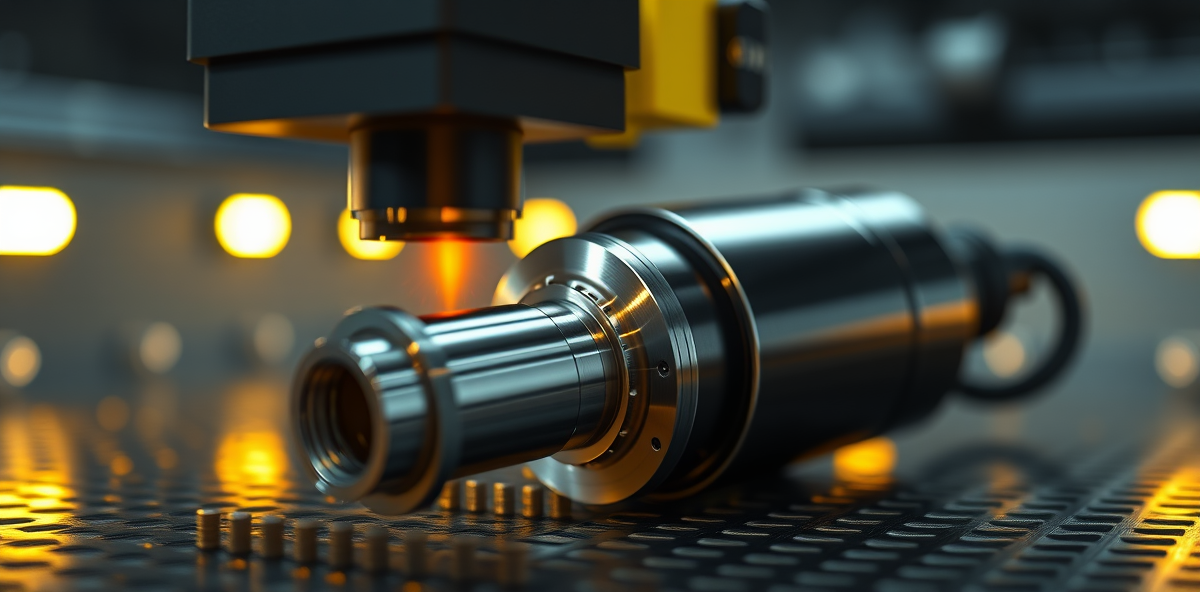
In the demanding world of metal fabrication, even a minor hiccup in your laser cutting operation can lead to significant downtime, jeopardizing production schedules and impacting profitability. Poor cutting quality, unexpected machine failures, and inconsistent output are common frustrations stemming from overlooked components. This comprehensive guide addresses these critical pain points by delving into the essential realm of laser cutting machine spare parts and consumables.
Understanding the nuances of these vital components is not merely about maintenance; it’s about safeguarding your investment, enhancing machine performance, and ensuring the superior quality of every cut. We will explore how choosing the right parts can drastically improve your operational efficiency and reduce long-term costs. For a quick reference to ensure your inventory is always optimized, we encourage you to Download Spare Parts Checklist.
Why Spare Parts & Consumables Matter in Laser Cutting
The performance of your fiber laser cutting machine is intrinsically linked to the quality and condition of its spare parts and consumables. These components are not just add-ons; they are the gears that drive precision, speed, and reliability. Neglecting their importance can lead to a cascade of operational issues, directly affecting your bottom line.
Low-quality or worn parts can result in significant performance degradation, manifesting as rough edges, burr formation, and inaccurate dimensions. This not only necessitates costly post-processing but also compromises the integrity of your finished products. The perceived savings from opting for cheaper, non-genuine parts are often dwarfed by increased maintenance costs, prolonged downtime, and reduced machine lifespan.
Maintaining optimal machine efficiency requires a proactive approach to replacing worn components and utilizing high-grade consumables. Genuine or high-quality compatible parts ensure that your laser cutting machine operates within its designed parameters, leading to consistent output, reduced energy consumption, and maximum throughput. This strategic investment in quality directly translates into enhanced productivity and long-term cost optimization for any metal fabricator.
Complete Overview of Laser Cutting Machine Spare Parts
A fiber laser cutting machine is a sophisticated integration of various systems, each relying on a host of spare parts for seamless operation. Understanding these components is crucial for effective maintenance and maximizing your machine’s uptime.
Optical Components
These parts are at the heart of the laser cutting process, guiding and focusing the laser beam. They demand precision and cleanliness to maintain beam quality.
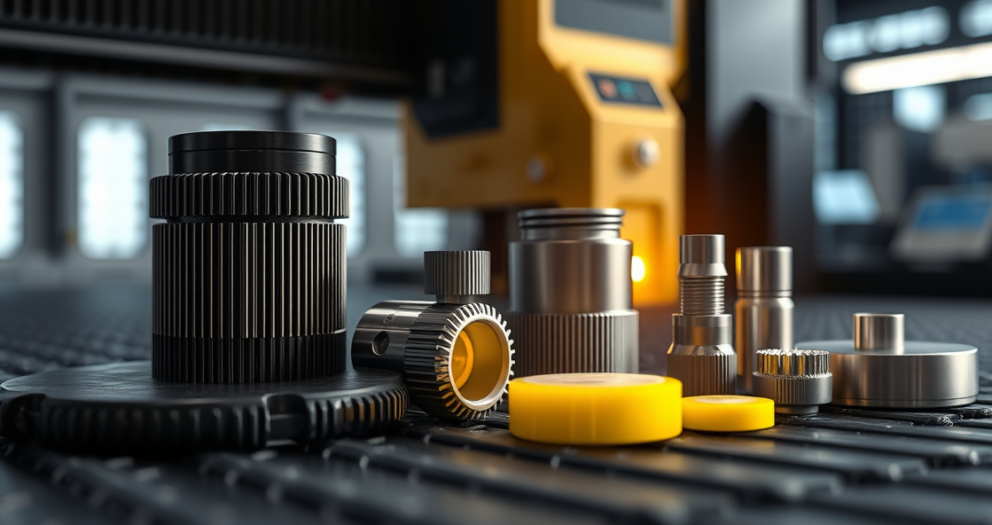
- Focus Lenses: Essential for concentrating the laser beam onto the material surface, enabling precise cutting. Scratched or dirty lenses significantly degrade cut quality. Brands like Raytools, Precitec, OSPRI, and Fine Focus are known for their high-quality optics.
- Protective Windows: Shield the internal optical components from spatter and fumes, extending the life of more expensive lenses. Regular inspection and cleaning are vital.
- Collimating Lenses: Straighten the laser beam before it enters the focusing lens, ensuring optimal beam delivery.
Mechanical Parts
These components facilitate the physical movement and stability required for accurate cutting.
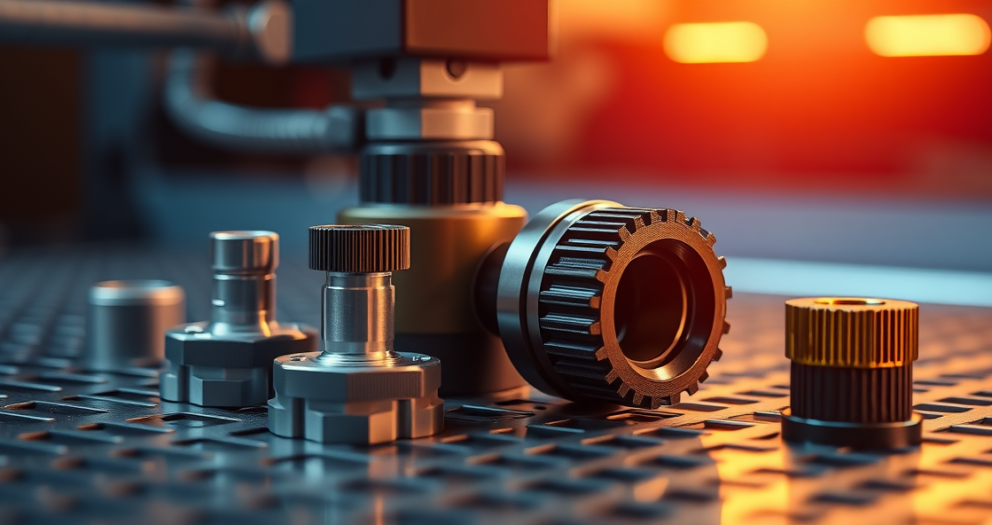
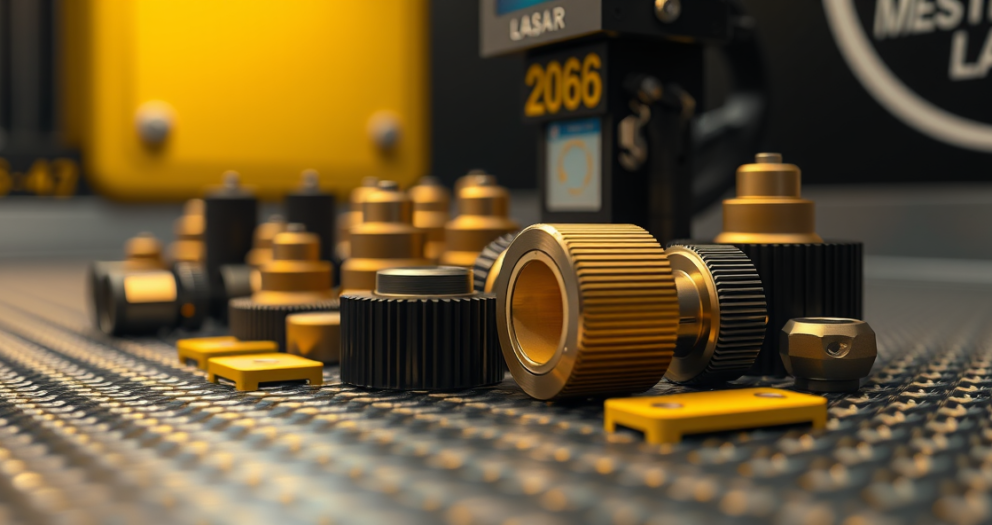
- Nozzles: Direct the assist gas and shape the laser beam’s cutting kerf. The choice between a Single Nozzle and a Double Nozzle depends on the material and thickness, directly impacting cut quality and speed.
- Bearings and Guide Rails: Ensure smooth, precise movement of the cutting head across the work area. Wear in these parts leads to vibration and inaccuracy.
- Gear Racks and Pinions: Transmit motion from motors to the cutting head, maintaining positional accuracy.
Electrical Components
These parts control the machine’s functions, from power delivery to intricate motion control.
- Sensors: Monitor various parameters like gas pressure, cooling water temperature, and cutting head height, ensuring safe and efficient operation.
- Cables and Connectors: Transmit power and data throughout the machine. Damaged cables can cause intermittent faults or complete system failure.
- Servo Motors and Drives: Provide precise control over the cutting head’s movement, crucial for intricate designs and high-speed cutting.
Consumables
These are regularly replaced items critical for maintaining cutting quality and machine longevity.
- Filters: Clean air and water within the system, protecting sensitive components from contaminants.
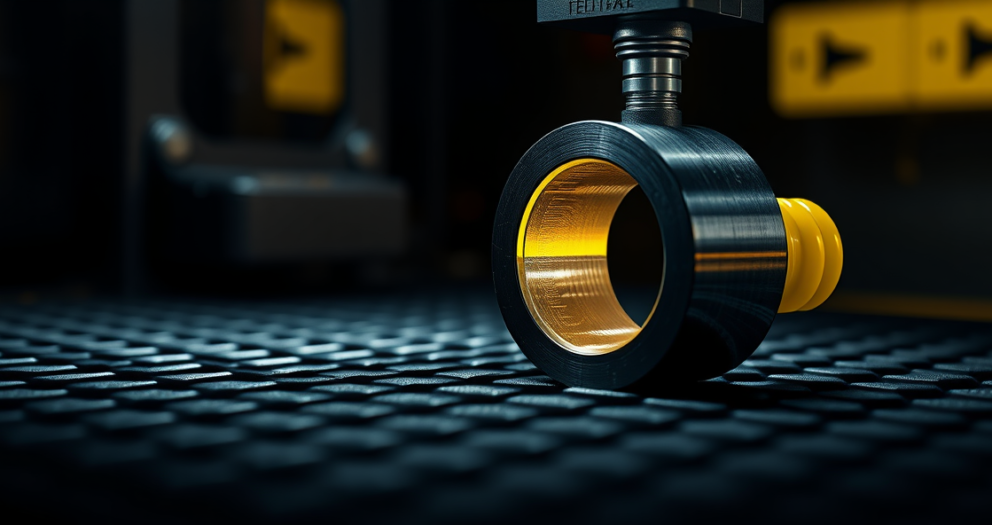
- Ceramic ring for laser cutting machine: Provides insulation and guides the nozzle, ensuring consistent cutting performance and protecting the cutting head.
- Lenses & Protective Windows: Though optical components, they are frequently replaced due to wear and contamination.
Spare Parts and Consumables Overview
Understanding the typical replacement cycles and functions of these parts can significantly aid in preventive maintenance planning.
| Part | Function | Replacement Cycle |
|---|---|---|
| Focus Lens | Focuses laser beam | 6-12 months (or as needed) |
| Protective Window | Shields optics from spatter | 1-3 months (or as needed) |
| Nozzle | Directs assist gas, shapes kerf | Weekly to monthly (or as needed) |
| Ceramic ring for laser cutting machine | Insulation, nozzle guidance | 3-6 months (or as needed) |
| Air Filter | Removes airborne particles | 3-6 months (or as needed) |
| Water Filter | Removes cooling system contaminants | 3-6 months (or as needed) |
| Bearings/Guide Rails | Enables smooth cutting head movement | 12-24 months (or as needed) |
Types of Laser Cutting Consumables Explained
Consumables are the lifeblood of continuous laser cutting operations. Their quality and proper selection directly influence the precision, speed, and overall efficiency of your machine. When considering fiber laser cutting consumables, precision is paramount.
Nozzles (Single & Double)
Laser nozzles are critical for shaping the laser beam and directing the assist gas precisely onto the cut zone. The choice between Single Nozzle and Double Nozzle configurations depends heavily on the material type and thickness being processed. A Single Nozzle is generally used for cutting with oxygen as an assist gas, particularly for thicker mild steel, promoting an exothermic reaction. Conversely, a Double Nozzle, also referred to as a concentric nozzle, is favored for nitrogen cutting of stainless steel and aluminum, providing a wider, more stable gas flow for clean, dross-free cuts. Understanding the distinctions between a Single & Double Nozzle is crucial for optimizing cutting parameters and achieving desired edge quality. Leading brands like Raytools, Precitec, and OSPRI offer a wide range of precision-engineered nozzles tailored for various applications.
Ceramic rings for laser cutting machine
The ceramic ring for laser cutting machine, often referred to as the laser ceramic ring, is an indispensable component in the cutting head. Its primary functions include providing electrical insulation for the nozzle and ensuring precise concentricity between the nozzle and the laser beam. A high-quality fiber laser ceramic ring is essential for stable capacitive height sensing, which maintains a consistent stand-off distance from the material. This directly impacts the focus position and, consequently, the cutting quality. Damage or wear to the ceramic ring for laser cutting machine can lead to unstable cutting, frequent crashes, and premature nozzle wear. Brands like Raytools, Precitec, and Fine Focus are recognized for producing durable and highly accurate ceramic rings.
Lenses and Protective Windows
Lenses, particularly the focus lens, are arguably the most critical optical consumable. They concentrate the laser beam to a tiny, powerful spot, enabling the cutting process. Protective windows, positioned before the main optics, act as sacrificial barriers, shielding the more expensive focus lens from spatter, fumes, and debris generated during cutting. While protective windows are designed for frequent replacement, even minor damage or contamination to a focus lens can drastically reduce cutting efficiency and quality. Regular cleaning and timely replacement of both lenses and protective windows are vital for maintaining peak performance and extending the life of your laser cutting head. Source these from reputable suppliers who carry brands like OSPRI and Raytools to ensure optical clarity and durability.
Signs Your Spare Parts Need Replacement
Proactive identification of worn or failing parts is key to preventing costly downtime and maintaining superior cutting quality. Operators and maintenance personnel should be vigilant for specific indicators that signal the need for replacement.
- Poor Cutting Quality: This is often the most immediate and noticeable sign. Rough edges, excessive dross, irregular kerf width, and incomplete cuts are strong indicators that your nozzles, lenses, or even the ceramic ring for laser cutting machine may be compromised.
- Burr Formation: The presence of significant burrs on the cut edge, especially on materials that previously cut clean, suggests issues with gas flow, focus, or a worn nozzle.
- Irregular Sparks: Inconsistent or unusual spark patterns during cutting can indicate a damaged nozzle or an improperly aligned laser beam, often linked to lens issues or a faulty fiber laser ceramic ring.
- Frequent Piercing Failures: If your machine struggles to pierce materials or experiences inconsistent piercing, it could point to a degraded focus lens or a worn Nozzle.
- Reduced Cutting Speed: A noticeable drop in cutting speed for a given material and power setting, without any change in parameters, often indicates inefficient beam delivery due to contaminated optics or a damaged Single & Double Nozzle.
- Unusual Noises or Vibrations: Mechanical issues, such as worn bearings or guide rails, can manifest as grinding noises or excessive vibration, leading to unstable cutting.
- Error Messages from the Machine: Modern laser cutters often provide diagnostic error codes related to sensor failures, water flow issues, or other component malfunctions.
What are signs of worn laser cutting parts?
Signs of worn laser cutting parts include poor cut quality (rough edges, dross), excessive burr formation, irregular spark patterns during cutting, frequent piercing failures, reduced cutting speed, and unusual noises or vibrations from the machine. Additionally, specific error messages displayed by the laser system can indicate component failures such as issues with the laser ceramic ring or Double Nozzle.
OEM vs Aftermarket Spare Parts
When sourcing spare parts and consumables for your fiber laser cutting machine, a crucial decision lies between Original Equipment Manufacturer (OEM) parts and aftermarket alternatives. Each option presents distinct advantages and considerations for metal fabricators and machine operators.
OEM Parts
OEM parts are manufactured by the original company that built your laser cutting machine or by their authorized suppliers. They are designed to exact specifications, ensuring perfect compatibility, optimal performance, and reliability. Using OEM parts, such as those from Raytools, Precitec, or OSPRI, often provides peace of mind regarding quality and typically comes with manufacturer warranties.
Aftermarket Parts
Aftermarket parts are produced by third-party manufacturers. While they can often be a more cost-effective option upfront, their quality and compatibility can vary significantly. Some high-quality aftermarket suppliers specialize in precision components, offering alternatives that meet or exceed OEM standards, particularly for common fiber laser cutting consumables like nozzles and protective windows. However, lower-quality aftermarket parts can lead to performance issues, reduced machine life, and potentially void existing warranties.
Comparison Table: OEM vs. Aftermarket Parts
| Feature | OEM Parts | Aftermarket Parts |
|---|---|---|
| Quality Assurance | Guaranteed, precise fit & performance | Varies, can be high or low quality |
| Compatibility | 100% assured for specific machine models | May require careful verification |
| Cost | Generally higher upfront investment | Often lower upfront cost |
| Warranty | Often covered by manufacturer warranty | May not have robust warranty; can void machine warranty |
| Reliability | High, consistent operational life | Can be inconsistent, potential for frequent replacement |
| Availability | Direct from manufacturer or authorized dealers | Wide range of suppliers, varying lead times |
For critical components like focus lenses or the laser ceramic ring, investing in OEM or reputable branded aftermarket parts (e.g., Fine Focus) is highly recommended. For less critical items, a well-researched aftermarket option might offer cost savings without sacrificing too much performance.
How to Choose High-Quality Spare Parts Supplier
Selecting the right supplier for your laser cutting machine spare parts and fiber laser cutting consumables is as critical as selecting the parts themselves. A reliable supplier ensures you receive genuine, high-quality components that support optimal machine performance and longevity. Here are key factors to consider:
- Certifications and Quality Standards: Look for suppliers who adhere to international quality management systems such as ISO 9001. This indicates a commitment to consistent quality control in their products and processes. Certifications confirm that the parts meet specific industry standards for materials, precision, and durability.
- Brand Compatibility and Authorized Dealerships: Prioritize suppliers who explicitly state compatibility with major laser cutting machine brands and component manufacturers. Ideally, choose authorized dealers for renowned brands like Raytools, OSPRI, Precitec, and Fine Focus. This ensures you are purchasing genuine parts that are engineered to integrate seamlessly with your existing equipment, including critical items like Single & Double Nozzle assemblies and ceramic ring for laser cutting machine.
- Technical Support and Expertise: A high-quality supplier offers more than just parts; they provide expert technical support. This includes assistance with part identification, troubleshooting, and advice on optimizing your cutting process. Knowledgeable staff can help you select the correct Single Nozzle or Double Nozzle for specific applications, or guide you through replacing a fiber laser ceramic ring.
- Inventory and Availability: Check the supplier’s inventory levels and their ability to quickly fulfill orders. Long lead times for essential consumables can result in significant downtime. A supplier with a comprehensive stock of fiber laser cutting consumables can be a valuable asset.
- Customer Reviews and Reputation: Research the supplier’s reputation in the industry. Online reviews, testimonials, and industry forums can provide insights into their reliability, product quality, and customer service.
By carefully evaluating these factors, you can establish a long-term relationship with a supplier that becomes a trusted partner in maintaining the peak performance of your laser cutting operations.
Maintenance Tips to Increase Machine Life
Regular and meticulous maintenance is paramount for extending the lifespan of your laser cutting machine, ensuring consistent output, and avoiding expensive repairs. Adopting a proactive maintenance schedule is far more cost-effective than reactive troubleshooting.
- Cleaning Focus Lenses and Protective Windows: These optical components are susceptible to contamination from dust, debris, and spatter. Clean them daily, or as often as necessary, using only specified optical cleaning solutions and lint-free wipes. Even a microscopic speck can scatter the laser beam, leading to poor cuts and potential damage to the lens itself.
- Checking Nozzle Alignment and Condition: Ensure your Nozzle is perfectly centered and free from damage. A misaligned or worn Double Nozzle will result in inefficient gas flow and compromised cut quality. Perform alignment checks regularly, especially after changing a Single Nozzle or experiencing a head crash.
- Replacing Consumables Regularly: Adhere to recommended replacement schedules for all fiber laser cutting consumables, including nozzles, laser ceramic ring, and filters (air, water, and chiller). Waiting for a part to visibly fail will invariably lead to subpar performance or complete machine stoppage. Proactive replacement prevents cascading failures.
- Lubricating Moving Parts: Regularly lubricate guide rails, bearings, and gear racks according to the manufacturer’s guidelines. This minimizes friction, reduces wear, and ensures smooth, precise movement of the cutting head.
- Maintaining the Chiller Unit: The chiller is vital for keeping the laser source at an optimal operating temperature. Ensure the coolant is clean and at the correct level, and clean the chiller’s air filters periodically to prevent overheating.
- Inspecting Gas Lines and Connections: Check for any leaks in assist gas lines and ensure all connections are secure. Inconsistent gas pressure or contamination can severely impact cutting quality.
- Performing System Calibrations: Periodically calibrate the machine’s axes, auto-focus system, and capacitive height sensor. These calibrations ensure accuracy and consistency in cutting operations.
Implementing these maintenance tips will significantly contribute to maximizing your machine’s operational life and maintaining peak performance. For specialized assistance and a tailored maintenance plan, Book Maintenance Consultation.
Cost Optimization Strategy
Optimizing the cost of operating a laser cutting machine involves more than just finding the cheapest parts. It’s about a strategic approach that balances initial expenditure with long-term performance, efficiency, and preventative measures. Savvy metal fabricators employ several tactics to reduce overall operational costs without compromising quality.
- Bulk Buying of Essential Consumables: Purchasing high-volume fiber laser cutting consumables like nozzles, protective windows, and ceramic ring for laser cutting machine in larger quantities can often unlock significant discounts from suppliers. This strategy reduces the per-unit cost and ensures a readily available supply, minimizing downtime due to stock shortages.
- Implementing Robust Preventive Maintenance: As discussed, preventive maintenance is a cornerstone of cost optimization. Regular cleaning, inspections, and timely replacement of worn parts prevent minor issues from escalating into major, expensive repairs. This approach extends the life of components and the machine itself, drastically reducing unexpected breakdown costs.
- Using Genuine or High-Quality Compatible Consumables: While cheaper aftermarket parts might seem appealing initially, they often lead to inferior cut quality, faster wear, and increased replacements, ultimately driving up costs. Investing in genuine components from brands like Raytools, Precitec, OSPRI, or reputable aftermarket options like Fine Focus for your Single & Double Nozzle and lenses ensures consistent performance and reduces the frequency of replacements, offering better value over time.
- Optimizing Cutting Parameters: Fine-tuning cutting speeds, laser power, and assist gas pressures for each material can reduce consumable wear and improve efficiency. This minimizes rework and material waste.
- Operator Training: Well-trained operators can identify issues early, perform basic maintenance correctly, and handle the machine efficiently, reducing the likelihood of part damage or inefficient operation.
By integrating these strategies, businesses can achieve substantial cost savings while maintaining high standards of production and prolonging the life of their valuable laser cutting assets.
Applications & Industry Use Cases
Fiber laser cutting technology, supported by high-quality consumables and spare parts, is indispensable across a vast array of industrial applications. Its precision, speed, and versatility make it a preferred choice for industries demanding high-quality metal fabrication.
- Automotive Industry: Laser cutting is extensively used for manufacturing intricate components, chassis parts, body panels, and custom prototypes. The ability to precisely cut various metals, including high-strength steels and aluminum, is crucial for lightweighting and safety innovations.
- Sheet Metal Fabrication: This industry is a primary beneficiary, utilizing laser cutting for producing parts for enclosures, panels, brackets, and structural components. The clean edges and minimal material distortion reduce post-processing, accelerating production.
- General Manufacturing & Job Shops: From custom signage to intricate machine components and architectural elements, laser cutting offers unmatched flexibility for diverse production runs and custom projects. The reliability of fiber laser cutting consumables like nozzles and fiber laser ceramic ring ensures consistent output across varied tasks.
- Aerospace Sector: Precision is paramount in aerospace. Laser cutting is used for components in aircraft structures, engine parts, and specialized fixtures, often involving advanced alloys and tight tolerances.
- Medical Device Manufacturing: The ability to cut extremely fine and intricate patterns in materials like stainless steel and titanium is vital for surgical instruments, implants, and other medical devices.
In all these applications, the consistent performance provided by genuine Single & Double Nozzle, quality lenses, and reliable ceramic ring for laser cutting machine is fundamental to achieving the precision and quality that these industries demand.
FAQs
Here are answers to some common questions regarding laser cutting machine spare parts and consumables.
Q1: How often should I replace my laser nozzle?
A1: The replacement frequency for your Nozzle depends on material type, thickness, power, and assist gas. Generally, it can range from weekly to monthly, or whenever you notice a degradation in cut quality or visible damage. Regular inspection is key for both Single Nozzle and Double Nozzle types.
Q2: What is the main function of a ceramic ring for laser cutting machine?
A2: The ceramic ring for laser cutting machine provides electrical insulation for the nozzle and ensures precise concentricity between the nozzle and the laser beam. It is also crucial for the capacitive height sensing system, maintaining a consistent stand-off distance.
Q3: Can I use aftermarket lenses in my laser cutting machine?
A3: Yes, you can use aftermarket lenses, but it’s crucial to ensure they are of high quality and specifically designed for your machine’s specifications. Reputable brands like Fine Focus offer excellent aftermarket options. Using low-quality lenses can severely impact cut quality and potentially damage the laser head.
Q4: How do I know if my protective window needs replacing?
A4: Inspect your protective window daily. Signs of replacement include visible scratches, pits, haze, or any discoloration. Even minor imperfections can scatter the laser beam and reduce cutting efficiency and quality.
Q5: What are the benefits of using genuine fiber laser cutting consumables?
A5: Genuine fiber laser cutting consumables, such as those from Raytools or Precitec, offer guaranteed compatibility, superior performance, longer lifespan, and consistent cut quality. They minimize downtime, reduce unexpected repairs, and help maintain your machine’s warranty.
Q6: What is the difference between a Single Nozzle and a Double Nozzle?
A6: A Single Nozzle is typically used for oxygen cutting of thicker materials, while a Double Nozzle (concentric nozzle) is preferred for nitrogen cutting of thinner materials, like stainless steel and aluminum, to achieve cleaner, dross-free edges. The choice impacts gas flow and cutting quality.
Conclusion
The operational excellence of your laser cutting machine hinges significantly on the quality and timely replacement of its spare parts and consumables. From the precise optics that guide the laser beam to the wear-prone nozzles and fiber laser ceramic ring that ensure immaculate cuts, each component plays a pivotal role in overall performance. Investing in genuine or high-quality compatible parts from reputable brands like Raytools, OSPRI, Precitec, and Fine Focus is not an expense but a strategic investment that guarantees consistent output, maximizes machine efficiency, and optimizes long-term operational costs.
By understanding the critical function of each part, implementing a robust preventive maintenance schedule, and making informed decisions about your suppliers, you can dramatically extend the life of your equipment and maintain a competitive edge in the metal fabrication industry. Proactive management of your laser cutting consumables is the cornerstone of uninterrupted production and superior product quality.
To ensure your laser cutting operations remain at peak performance, we encourage you to:
- Request Quote for your specific spare parts needs.
- Talk to Expert for personalized advice and technical support.
- Download Catalog to explore our comprehensive range of high-quality components.
Write a comment
Your email address will not be published. All fields are required