Search

Laser Cutting Nozzle Sizes Explained

Complete Guide to Nozzle Sizes for Optimal Laser Cutting Performance

Laser cutting nozzle sizes determine how accurately and efficiently your laser machine cuts material. The right nozzle size impacts cut quality, speed, gas flow, and edge finish—making nozzle selection essential for precision work.

Table of Contents

  1. What Are Laser Cutting Nozzle Sizes?
  2. Why Nozzle Size Matters in Laser Cutting
  3. How Laser Nozzle Size Impacts Cutting Performance
  4. Standard Laser Cutting Nozzle Sizes
  5. Choosing the Right Nozzle Size for Material Type
  6. How to Measure Laser Nozzle Size
  7. Nozzle Size vs Nozzle Diameter: What’s the Difference?
  8. How Nozzle Size Affects Gas Flow and Pressure
  9. Nozzle Sizes for Different Laser Types (Fiber, CO₂, etc.)
  10. Specialty Nozzle Size Options
  11. Nozzle Size Effects on Edge Quality
  12. Maintenance Tips for Nozzle Size Consistency
  13. How to Replace a Laser Cutting Nozzle
  14. Troubleshooting Nozzle Size Issues
  15. Conclusion: Best Practices for Laser Cutting Nozzle Sizes

1. What Are Laser Cutting Nozzle Sizes?

Laser cutting nozzle sizes refer to the diameter of the nozzle opening that controls gas and laser beam focus on the material.

Nozzle size defines how small or large the laser beam and assist gas flow will be, directly affecting cut accuracy. A larger nozzle delivers more gas flow and is ideal for thicker materials, while a smaller one offers better precision on thinner materials.

Key Points:

  • Controls gas flow and beam focus.
  • Measured by diameter (e.g., 0.8 mm, 1.0 mm, 1.2 mm).
  • Smaller sizes = higher precision, lower gas volume.
  • Larger sizes = faster cuts, higher gas volume.

2. Why Nozzle Size Matters in Laser Cutting

The right nozzle size affects cutting quality, burn marks, kerf width, and overall process efficiency.

Choosing an incorrect nozzle can lead to slag on edges, overheating, increased kerf width, and uneven cuts. Matching nozzle size with material and laser parameters ensures consistent performance and extends nozzle life.

Key Points:

  • Influences cut quality and kerf width.
  • Affects assist gas usage.
  • Prevents overheating/eliminates slag.
  • Improves repeatable results.

3. How Laser Nozzle Size Impacts Cutting Performance

Nozzle size determines the shape and direction of assist gas and energy delivery on material.

A correctly sized nozzle creates a focused gas stream that removes molten material efficiently. If the nozzle is too large, gas disperses and causes poor cutting; too small and it chokes gas flow, increasing heat buildup.

Key Points:

  • Determines gas focus and lift-off.
  • Affects thermal stress on material.
  • Impacts cutting speed and edge smoothness.
  • Optimizes energy density.

4. Standard Laser Cutting Nozzle Sizes

Standard laser nozzle sizes include 0.8 mm, 1.0 mm, 1.2 mm, 1.5 mm, and higher depending on application.

These sizes are widely used across industrial laser cutting machines. The most common sizes for general use are 0.8 mm and 1.0 mm, while thick metal cutting often requires 1.5 mm or more.

Common Sizes:

  • 0.8 mm: Fine cuts, thin materials.
  • 1.0 mm: General-purpose cutting.
  • 1.2 mm: Medium materials and thicker sheets.
  • 1.5 mm+: Heavy-duty and high gas flow requirements.

Tip: Always verify recommended nozzle sizes from machine manufacturer guides.

5. Choosing the Right Nozzle Size for Material Type

Different materials require specific nozzle sizes for best results.

Selecting nozzle size based on material thickness and type ensures that the laser energy and gas interact correctly with the surface. Metals, composites, and non-metals all behave differently under the same nozzle size.

Material Guidelines:

  • Thin metals (≤3 mm): Smaller nozzle (0.8–1.0 mm)
  • Medium metals (3–8 mm): Medium nozzle (1.0–1.2 mm)
  • Thick metals (>8 mm): Larger nozzle (1.5 mm+)
  • Non-metallic materials: Follow manufacturer specs

Key Benefits:

  • Optimal gas pressure
  • Better edge finish
  • Reduced material warping

6. How to Measure Laser Nozzle Size

Laser nozzle size is measured at the outlet diameter using precision tools like calipers.

Accurate measurement guarantees that the actual nozzle size meets machine and application requirements. Regular checking prevents cutting anomalies and performance issues.

Measurement Steps:

  • Clean nozzle to remove debris.
  • Use calipers to measure diameter.
  • Record measurements in machine log.
  • Compare to manufacturer specifications.

Important: Wear protective gloves to avoid cuts during measurement.

7. Nozzle Size vs Nozzle Diameter: What’s the Difference?

Nozzle size and nozzle diameter both describe the opening but are used differently in specifications.

“Size” often refers to the classification or part number, while “diameter” is the precise measurement in mm. The diameter directly affects gas flow and beam focus, whereas the size ID may refer to the standard nozzle classification.

Comparison:

  • Size: Standard label (industry ID)
  • Diameter: Exact opening measurement (mm)
  • Importance: Diameter dictates performance

Example: A 1.0-size nozzle might have an actual diameter of 1.02 mm depending on manufacturing tolerance.

8. How Nozzle Size Affects Gas Flow and Pressure

Nozzle size dictates the velocity and pattern of assist gas hitting the material surface.

Smaller nozzles constrict gas flow, increasing pressure but reducing volume; this is ideal for precise cuts. Larger nozzles spread gas over a wider area for improved molten material removal in thick cutting.

Effects on Gas Flow:

  • High pressure/low volume (small nozzle)
  • Lower pressure/high volume (large nozzle)
  • Proper balance ensures clean cut edges

Gas Tip Checklist:

  • Check pressure charts regularly
  • Adjust gas based on material thickness
  • Match gas type with nozzle size

9. Nozzle Sizes for Different Laser Types

Different lasers like CO₂ and fiber machines have varying ideal nozzle sizes.

CO₂ lasers often use larger nozzles because of wider beam diameters, while fiber lasers can use smaller nozzles due to tighter beam focus. Material type and thickness also dictate size regardless of laser type.

Laser Type Guidelines:

  • Fiber Lasers: Precision cuts, smaller nozzles (0.8–1.2 mm)
  • CO₂ Lasers: Thicker materials, larger nozzles (1.2–1.5 mm)
  • Hybrid/Composite: Follow OEM specs

Benefits:

  • Better compatibility with gas type (O₂/N₂)
  • Reduced dross formation
  • Extended nozzle life

10. Specialty Nozzle Size Options

Specialty nozzle sizes include high-pressure, wide-angle, and custom designs for unique applications.

Not all cutting jobs fit standard nozzle configurations. Specialty nozzles control gas flow direction, increase velocity, or focus on small intricate areas.

Types of Specialty Nozzles:

  • Wide-Angle Nozzles: Spread gas for large cuts
  • High-Pressure Nozzles: Forceful gas stream for thick materials
  • Custom Nozzles: Designed for unique shapes or effects

Use Cases:

  • Automotive part fabrication
  • Precision metal art
  • Industrial thick plate cutting

11. Nozzle Size Effects on Edge Quality

Nozzle size directly impacts the edge finish of laser cuts.

Smaller nozzles create sharp edges and finer kerf widths, ideal for aesthetic finishes. Larger nozzles can cause rough edges if gas pressure isn’t balanced properly.

Quality Metrics:

  • Kerf width
  • Edge smoothness
  • Heat-affected zone size
  • Dross accumulation

Tips for Better Edges:

  • Use appropriate gas type
  • Match nozzle size to material
  • Keep nozzle clean

12. Maintenance Tips for Nozzle Size Consistency

Regular maintenance prevents nozzle wear and ensures consistent diameter performance.

Nozzle wear alters the gas flow and can cause quality issues. Routine inspection and cleaning prolong nozzle life and maintain cutting precision.

Maintenance Checklist:

  • Inspect nozzle tip daily
  • Clean with proper tools
  • Replace when diameter changes
  • Record nozzle lifecycle in logs

Benefits:

  • Better performance predictability
  • Reduced machine downtime
  • Lower scrap rates

13. How to Replace a Laser Cutting Nozzle

Replacing a laser cutting nozzle requires proper shutdown, careful removal, and precise alignment.

Ensure the machine is cooled and powered off before nozzle replacement. Correct installation prevents misalignment and maintains cutting accuracy.

Replacement Steps:

  1. Power down system
  2. Remove old nozzle
  3. Clean mounting area
  4. Install new nozzle aligned with optics
  5. Test cut pattern

Safety Tips:

  • Wear protective gloves
  • Avoid touching optics

14. Troubleshooting Nozzle Size Issues

Common nozzle size issues include poor cut quality, inconsistent gas flow, and rough edges.

Identifying problems early prevents material waste and machine damage. Check nozzle size accuracy and condition regularly.

Common Problems & Fixes:

  • Burn marks: Reduce nozzle size or gas pressure
  • Excessive dross: Clean nozzle, increase gas flow
  • Inconsistent cuts: Recheck diameter and alignment

15. Conclusion: Best Practices for Laser Cutting Nozzle Sizes

Choosing and maintaining the correct nozzle size improves laser cutting efficiency, cut quality, and machine life.

Nozzle size is not just a number—it directly influences gas dynamics, material interaction, and end results. Regular measurement, appropriate selection based on material, and proper maintenance are keys to optimal performance.

Best Practices:

  • Match nozzle size to material thickness
  • Keep nozzle clean and measured
  • Maintain gas pressure balance
  • Follow OEM recommendations

If you want, I can also write meta descriptions, SEO titles, FAQs, and internal links tailored for your cluster strategy.

Complete Guide to Laser Cutting Nozzles: Types, Sizes, Prices & Replacement

Laser cutting performance depends heavily on small components that often receive less attention. Among them, the nozzle plays a direct role in gas flow stability, cutting precision, and overall machine productivity.

This guide explains everything about laser cutting nozzles including types, sizes, materials, pricing factors, maintenance practices, and replacement guidelines so operators, buyers, and dealers can make confident decisions.

Key takeaways

  • Laser nozzles control assist gas direction and cutting efficiency
  • Different nozzle designs suit different materials and cutting speeds
  • Proper sizing and maintenance reduce dross, burr, and rework
  • Replacement timing directly affects cut quality and machine safety

What is a Laser Cutting Nozzle?

A laser cutting nozzle is a precision metal component mounted at the laser head tip. It directs assist gas concentrically around the laser beam to remove molten material and protect the optics.

Without a correctly functioning nozzle, the laser beam cannot achieve stable kerf formation, resulting in poor edge quality, spatter, and inconsistent cutting.

Key points

  • Positioned at the lowest part of the cutting head
  • Shapes gas pressure distribution around the beam
  • Protects focusing lens from back spatter
  • Impacts cut smoothness and speed

Why Laser Cutting Nozzles are Critical for Cutting Quality

The nozzle influences gas velocity, pressure concentration, and beam alignment, which together determine the final cutting result. Even a slight deformation can change gas flow symmetry and degrade performance.

A well-selected nozzle improves cutting speed, reduces oxidation, and maintains consistent kerf width across long production runs.

Key points

  • Controls gas shielding effectiveness
  • Maintains uniform kerf width
  • Prevents molten metal adhesion
  • Supports stable piercing performance

How Laser Cutting Nozzles Work

Laser nozzles operate by channeling assist gas through a precisely machined orifice around the laser beam. This gas removes molten material, cools the cutting zone, and prevents oxidation depending on gas type.

The concentric design ensures the laser beam remains centered while gas flows evenly across the cutting surface.

Key points

  • Assist gas flows through nozzle orifice
  • Gas pressure ejects molten metal
  • Maintains thermal stability near cut zone
  • Supports reactive and non-reactive cutting

Types of Laser Cutting Nozzles

Laser cutting nozzles are categorized by design structure, layer configuration, and application. Selecting the correct type ensures optimal cutting performance and reduced consumable cost.

Single Layer Nozzle

Single layer nozzles feature one gas channel and are typically used for oxygen cutting applications such as mild steel. They support reactive cutting where oxidation assists material removal.

Their simple design allows stable flame-assisted cutting with strong penetration capability.

Key points

  • Single gas channel design
  • Common for oxygen cutting
  • Suitable for mild steel processing
  • Lower cost compared to dual layer

Double Layer Nozzle

Double layer nozzles include inner and outer gas channels to provide better gas shielding and smoother cutting. They are commonly used with nitrogen for stainless steel and aluminum.

This design improves laminar gas flow and reduces oxidation, producing bright, burr-free edges.

Key points

  • Dual gas channel configuration
  • Ideal for nitrogen cutting
  • Enhances surface finish quality
  • Supports high-speed cutting

Single vs Double Layer Nozzle

Choosing between single vs double layer nozzle depends on material type, assist gas, and required finish quality. Each configuration delivers unique benefits for different cutting scenarios.

Single layer nozzles excel in oxygen-assisted cutting while double layer nozzles provide better gas shielding for inert gas cutting processes.

Key points

  • Single layer for reactive oxygen cutting
  • Double layer for inert nitrogen cutting
  • Dual layer improves surface brightness
  • Selection depends on material and finish

Laser Cutting Nozzle Sizes Explained

Nozzle size refers to the diameter of the orifice through which assist gas flows. Size selection affects gas velocity, pressure distribution, and kerf width.

Smaller nozzles provide concentrated gas flow for thin materials while larger diameters support thick plate cutting.

Common Nozzle Diameter Range

Industrial laser nozzles typically range from 0.8 mm to 4.0 mm depending on machine power and application requirements.

Operators must match nozzle diameter with material thickness and assist gas type.

Key points

  • 0.8 to 1.2 mm for thin sheets
  • 1.4 to 2.0 mm for medium thickness
  • 2.5 to 4.0 mm for thick plates
  • Diameter affects gas pressure concentration

Impact of Nozzle Size on Cutting Performance

Incorrect nozzle sizing leads to turbulence, unstable cutting, and edge defects. Proper sizing ensures optimal gas velocity and heat removal.

Key points

  • Smaller size increases gas speed
  • Larger size improves molten removal
  • Affects piercing stability
  • Impacts edge smoothness

Materials Used in Laser Cutting Nozzles

Nozzle material determines durability, conductivity, and resistance to heat and spatter. Manufacturers select metals that balance performance and cost.

Copper Nozzles

Copper offers excellent thermal conductivity and electrical properties, making it a popular nozzle material. It helps dissipate heat and supports stable capacitive height sensing.

Key points

  • High conductivity
  • Good heat dissipation
  • Widely used standard option
  • Moderate wear resistance

Chrome Plated Nozzles

Chrome plating enhances surface hardness and reduces spatter adhesion. These nozzles last longer in demanding production environments.

Key points

  • Improved wear resistance
  • Reduced spatter sticking
  • Longer service life
  • Slightly higher cost

Laser Cutting Nozzle Shapes and Designs

Apart from size and layer structure, nozzle geometry also affects gas flow characteristics and cutting behavior.

Conical Nozzle Design

Conical designs help accelerate gas flow toward the cutting zone and support deeper penetration during thick plate cutting.

Key points

  • Focused gas direction
  • Supports deep cuts
  • Common in heavy plate processing

Straight Nozzle Design

Straight nozzles produce stable gas flow suitable for general cutting tasks and thin material applications.

Key points

  • Stable gas distribution
  • Suitable for thin sheets
  • Easier maintenance

Laser Cutting Nozzle Price Guide

Laser nozzle pricing varies depending on brand, material, coating, and manufacturing precision. Understanding cost drivers helps buyers manage consumable budgets effectively.

Entry-level nozzles are affordable while premium precision nozzles cost more due to tighter tolerances and durability.

Factors Affecting Nozzle Price

Several variables influence nozzle cost including material, plating, manufacturing accuracy, and compatibility with specific cutting heads.

Key points

  • Material quality
  • Surface coating
  • Precision machining
  • Brand compatibility

Average Market Price Range

Typical industrial nozzle prices range from budget consumables to high-precision OEM components depending on application requirements.

Key points

  • Standard nozzles low cost
  • Premium plated nozzles higher cost
  • OEM nozzles most expensive
  • Bulk purchase reduces cost

How to Choose the Right Laser Cutting Nozzle

Selecting the right nozzle involves evaluating material type, machine power, assist gas, and desired cut finish. A systematic approach ensures consistent production quality.

Operators should also consider compatibility with cutting head models to avoid fitting and sensing issues.

Key points

  • Match nozzle with material
  • Consider assist gas type
  • Check head compatibility
  • Evaluate production speed needs

Signs Your Laser Cutting Nozzle Needs Replacement

Laser nozzles wear over time due to heat exposure, spatter adhesion, and accidental collisions. Identifying replacement signs prevents quality loss and downtime.

Regular inspection helps detect damage before it affects production.

Key points

  • Visible deformation
  • Spatter accumulation
  • Uneven cutting edges
  • Height sensing instability

Laser Cutting Nozzle Replacement Process

Replacing a nozzle is a routine maintenance task that ensures stable cutting performance. Following proper steps protects sensitive cutting head components.

Operators should clean mounting surfaces and verify alignment during replacement.

Key points

  • Power off machine
  • Remove damaged nozzle
  • Clean seating area
  • Install new nozzle securely

Maintenance Tips to Extend Laser Nozzle Life

Preventive maintenance increases nozzle lifespan and maintains cutting consistency. Simple daily practices reduce consumable cost and downtime.

Cleaning, inspection, and proper storage play important roles in nozzle longevity.

Key points

  • Clean after production shifts
  • Avoid manual scratching
  • Store in protective trays
  • Inspect before each job

Common Laser Cutting Nozzle Problems and Solutions

Operational issues related to nozzles often manifest as poor edge quality or unstable cutting. Understanding root causes enables quick corrective action.

Troubleshooting typically involves checking alignment, damage, or gas pressure mismatch.

Key points

  • Burr formation from worn nozzle
  • Spatter from incorrect size
  • Uneven kerf from misalignment
  • Cutting interruption from blockage

Laser Cutting Nozzle Compatibility with Cutting Heads

Different cutting heads require specific nozzle threading and geometry. Using incompatible nozzles may cause sensing errors or mechanical damage.

Buyers should verify compatibility before purchasing consumables.

Key points

  • Thread type must match head
  • Height sensing depends on nozzle
  • OEM specifications matter
  • Compatibility prevents damage

Laser Cutting Nozzles for Different Materials

Material characteristics influence nozzle selection due to differences in melting behavior, thermal conductivity, and oxidation response.

Mild Steel Cutting

Mild steel cutting often uses oxygen with single layer nozzles to promote reactive cutting and deep penetration.

Key points

  • Single layer preferred
  • Oxygen assist gas
  • Suitable for thick plates

Stainless Steel Cutting

Stainless steel requires nitrogen cutting with double layer nozzles to achieve oxidation-free bright edges.

Key points

  • Double layer nozzle
  • Nitrogen gas
  • Smooth bright finish

Aluminum Cutting

Aluminum cutting demands stable inert gas flow and proper nozzle sizing to prevent spatter and edge roughness.

Key points

  • Double layer configuration
  • Nitrogen assist gas
  • Smaller diameter preferred

Impact of Nozzle Alignment on Cutting Quality

Nozzle alignment directly affects beam centering and gas symmetry. Misalignment results in uneven kerf width and unstable cutting behavior.

Routine alignment checks ensure consistent production output.

Key points

  • Beam must be centered
  • Gas flow symmetry critical
  • Misalignment causes burr
  • Regular calibration needed

Future Trends in Laser Cutting Nozzle Technology

Laser cutting consumables continue to evolve with improvements in coating technology, precision manufacturing, and smart monitoring integration.

Advanced nozzle designs aim to extend lifespan and enhance cutting stability for high-power fiber lasers.

Key points

  • Advanced surface coatings
  • High precision machining
  • Smart monitoring integration
  • High-power compatibility

Final Thoughts on Laser Cutting Nozzles

Laser cutting nozzles may appear simple but they play a major role in cutting performance, productivity, and consumable cost. Proper selection, maintenance, and timely replacement ensure stable production and high-quality output.

Understanding differences in nozzle types, sizes, materials, and applications helps operators maximize machine capability while minimizing downtime.

Key points

  • Small component with major impact
  • Correct type improves productivity
  • Maintenance extends lifespan
  • Replacement ensures quality consistency

Complete Guide to Laser Cutting Nozzles: Types, Sizes, Prices & Replacement (Single vs Double Layer Nozzle, Laser Nozzle Sizes, OEM vs Compatible Nozzle & More)

Laser cutting nozzles are small components with a massive impact on cut quality, gas flow, and production cost. Choosing the right nozzle directly affects laser cutting burr, edge finish, and nozzle lifespan.

In this complete pillar guide, you’ll learn everything about single vs double layer nozzle, laser nozzle sizes, nozzle for MS SS aluminum, laser nozzle price, nozzle alignment, nozzle height, nozzle gas usage, and how to replace laser nozzle correctly.

What is a Laser Cutting Nozzle and Why It Matters?

A laser cutting nozzle is the metal tip mounted at the bottom of the laser head that directs assist gas to the cutting zone. It controls gas flow, protects the focusing lens, and stabilizes the laser beam during cutting.

Without the correct nozzle, even a high-end fiber laser machine will produce poor edge quality, excessive burr, and unstable cuts.

Why Laser Nozzles Are Critical:

  • Direct assist gas (O₂, N₂, air) precisely to the cut area
  • Protect internal optics from molten splash
  • Control gas pressure distribution
  • Improve cut edge smoothness
  • Reduce laser cutting burr
  • Influence nozzle gas usage efficiency
  • Affect nozzle lifespan and maintenance frequency

Single vs Double Layer Nozzle: Which One Should You Use?

Single vs double layer nozzle selection depends mainly on material type, thickness, and gas used. Single layer nozzles are ideal for nitrogen cutting, while double layer nozzles are preferred for oxygen cutting of mild steel.

Understanding the difference is crucial for quality and cost control.

Single Layer Nozzle

Single layer nozzles have one gas channel and are commonly used for nitrogen cutting. They provide stable high-pressure gas flow for stainless steel and aluminum cutting.

These nozzles are widely used in fiber laser cutting applications.

Best Use Cases:

  • Nozzle for SS cutting
  • Nozzle for aluminum cutting
  • Nitrogen high-pressure cutting
  • Nozzle for thin sheet (0.5mm – 6mm typical range)

Benefits:

  • Lower laser cutting burr
  • Better edge finish on SS and aluminum
  • Simple structure
  • Affordable laser nozzle price
  • Easier to clean laser nozzle

Double Layer Nozzle

Double layer nozzles have two gas channels and are mainly used with oxygen for mild steel cutting. They improve gas stability and enhance combustion efficiency.

These are commonly used as nozzle for MS cutting.

Best Use Cases:

  • Nozzle for MS (mild steel)
  • Nozzle for thick plate
  • Oxygen cutting applications
  • 6mm to 25mm thick MS

Benefits:

  • Stable oxygen flow
  • Reduced nozzle damage during thick plate cutting
  • Better piercing performance
  • Improved cutting speed on MS

Quick Comparison: Single vs Double Layer Nozzle

FeatureSingle LayerDouble Layer
Gas TypeNitrogenOxygen
MaterialSS, AluminumMild Steel
PressureHighLow to Medium
Burr ControlExcellentGood
CostLowerSlightly Higher

Laser Nozzle Sizes: How to Choose Correct Diameter?

Laser nozzle sizes determine gas pressure concentration and cut precision. Smaller diameters focus gas tightly, while larger diameters allow broader gas coverage.

Choosing the correct size reduces burr and improves efficiency.

Common Laser Nozzle Sizes

Typical inner diameters:

  • 0.8 mm
  • 1.0 mm
  • 1.2 mm
  • 1.5 mm
  • 2.0 mm
  • 2.5 mm
  • 3.0 mm

How to Select Laser Nozzle Sizes

Laser nozzle sizes should match material thickness and gas type. Thin sheets need smaller diameters, while thick plates require larger diameters for better gas evacuation.

For Thin Sheets (Nozzle for Thin Sheet):

  • 0.8mm – 1.2mm
  • High-pressure nitrogen
  • SS & aluminum

For Thick Plates (Nozzle for Thick Plate):

  • 1.5mm – 3.0mm
  • Oxygen or nitrogen
  • MS thick cutting

Selection Checklist:

  • Material type (MS, SS, aluminum)
  • Thickness
  • Gas type
  • Machine power
  • Desired edge finish

Nozzle for MS, SS, Aluminum: Material-Based Selection Guide

Different metals require different nozzle configurations for optimal cutting. Gas type, thickness, and surface quality requirements determine the best nozzle choice.

Nozzle for MS (Mild Steel)

Mild steel cutting typically uses oxygen and double layer nozzles. These enhance combustion and improve cutting speed.

Recommended Setup:

  • Double layer nozzle
  • Diameter: 1.2mm – 2.5mm
  • Oxygen gas

Nozzle for SS (Stainless Steel)

Stainless steel cutting requires nitrogen and single layer nozzles for oxidation-free edges.

Recommended Setup:

  • Single layer nozzle
  • 1.0mm – 2.0mm
  • High-pressure nitrogen

Nozzle for Aluminum

Aluminum cutting needs stable high-pressure nitrogen and precision nozzle alignment.

Recommended Setup:

  • Single layer nozzle
  • 1.0mm – 1.5mm
  • Proper nozzle height control

Nozzle Height & Nozzle Alignment: Precision Matters

Nozzle height and nozzle alignment directly affect cut quality and burr formation. Incorrect setup causes uneven gas flow and nozzle crash risks.

What is Ideal Nozzle Height?

Nozzle height refers to the distance between nozzle tip and material surface. Ideal height typically ranges between 0.6mm to 1.2mm depending on material.

Effects of Wrong Nozzle Height:

  • Excessive laser cutting burr
  • Poor edge finish
  • Increased nozzle damage
  • Gas wastage

Nozzle Alignment Explained

Nozzle alignment ensures the laser beam is centered inside the nozzle. Misalignment causes uneven cutting and nozzle damage.

Signs of Poor Alignment:

  • Sparks hitting nozzle edge
  • Irregular kerf width
  • Frequent nozzle crash
  • Reduced nozzle lifespan

Laser Cutting Burr: How Nozzle Affects It

Laser cutting burr is often caused by incorrect nozzle size, height, or gas pressure. Choosing the right nozzle minimizes secondary finishing work.

Burr Causes Related to Nozzle:

  • Incorrect laser nozzle sizes
  • Worn-out nozzle
  • Improper nozzle gas usage
  • Dirty tip (need to clean laser nozzle)

How to Reduce Burr:

  • Adjust nozzle height
  • Check nozzle alignment
  • Replace laser nozzle if damaged
  • Optimize gas pressure

Nozzle Gas Usage & Efficiency

Nozzle gas usage directly impacts operating cost. Correct nozzle diameter reduces unnecessary gas consumption.

How to Optimize Gas Usage:

  • Use correct nozzle size
  • Maintain proper nozzle height
  • Avoid oversized diameter
  • Inspect nozzle for damage

Nozzle Lifespan: How Long Does It Last?

Nozzle lifespan depends on material type, crash frequency, and maintenance habits. On average, nozzles last from 1 week to 3 months in production environments.

Factors Affecting Nozzle Lifespan:

  • Nozzle crash incidents
  • Thick plate cutting
  • Improper storage
  • Lack of cleaning

Nozzle Damage & Nozzle Crash: Causes and Prevention

Nozzle damage is often caused by collision with material, improper alignment, or heat exposure. A nozzle crash can immediately affect cut quality.

Common Nozzle Damage Types:

  • Bent tip
  • Burn marks
  • Blocked gas hole
  • Thread damage

Prevention Tips:

  • Use nozzle sensor systems
  • Check nozzle alignment daily
  • Maintain correct nozzle height
  • Store properly

Nozzle Sensor: Smart Protection System

A nozzle sensor detects contact between nozzle and material to prevent crashes. It improves safety and increases nozzle lifespan.

Benefits:

  • Reduces downtime
  • Prevents expensive head damage
  • Protects lens and nozzle

How to Clean Laser Nozzle Properly

To clean laser nozzle, remove debris and oxidation regularly to maintain smooth gas flow.

Cleaning Steps:

  • Remove nozzle
  • Use soft brush
  • Use alcohol wipe
  • Check hole roundness
  • Reinstall with alignment check

How to Replace Laser Nozzle Correctly

To replace laser nozzle, turn off machine, remove old nozzle, clean threads, and install new one with proper alignment.

Replacement Checklist:

  • Inspect for nozzle damage
  • Check nozzle alignment
  • Adjust nozzle height
  • Test cut sample

OEM vs Compatible Nozzle: Which is Better?

OEM vs compatible nozzle comparison depends on budget and quality standards. OEM nozzles guarantee precision, while compatible options offer cost savings.

OEM Nozzle:

  • Higher laser nozzle price
  • Guaranteed fit
  • Longer lifespan

Compatible Nozzle:

  • Lower price
  • Variable quality
  • Good for bulk usage

Laser Nozzle Price: Cost Breakdown

Laser nozzle price varies based on material, brand, coating, and layer type. Prices typically range between $2 to $30 per piece.

Price Factors:

  • Single vs double layer nozzle
  • OEM vs compatible nozzle
  • Coating quality
  • Bulk purchase

Buy Laser Nozzle: Smart Purchasing Guide

When you buy laser nozzle, consider compatibility, coating, material, and supplier reliability.

Buying Checklist:

  • Confirm machine model
  • Check laser nozzle sizes
  • Compare OEM vs compatible nozzle
  • Check reviews
  • Verify bulk discount

Nozzle Storage Best Practices

Proper nozzle storage prevents oxidation and thread damage. Store in dry, dust-free containers.

Storage Tips:

  • Use plastic boxes
  • Avoid moisture
  • Separate used and new nozzles
  • Label by size

Final Thoughts: Complete Nozzle Optimization Strategy

Laser cutting nozzles are small but critical components that directly impact cut quality, cost, and machine performance. Proper selection, maintenance, and replacement improve productivity significantly.

Master Checklist:

  • Choose correct single vs double layer nozzle
  • Select proper laser nozzle sizes
  • Maintain nozzle height
  • Ensure nozzle alignment
  • Monitor nozzle lifespan
  • Clean laser nozzle regularly
  • Replace laser nozzle when damaged
  • Optimize nozzle gas usage
  • Compare OEM vs compatible nozzle
  • Store properly

Buy Laser Cutting Machine Consumable Parts Online from Lasercart.co

Laser cutting machines are known for their precision, speed, and efficiency across industries such as sheet metal fabrication, automotive, aerospace, electronics, and signage. However, maintaining peak performance requires more than just a high-quality laser machine. Consumable parts play a crucial role in ensuring consistent cutting quality, reducing downtime, and extending the lifespan of the equipment.

Today, businesses prefer purchasing consumables online due to convenience, availability, and faster procurement. Choosing a trusted platform like Laser.co ensures genuine parts, reliable service, and smooth machine operation.

Why Laser Cutting Machine Consumables Are Important

Laser cutting is a high-precision process that relies heavily on the condition of its consumable components. These parts undergo continuous wear and tear due to exposure to high temperatures, gas pressure, and metal debris. Using worn-out or low-quality consumables can lead to:

  • Poor cutting accuracy
  • Reduced cutting speed
  • Increased machine downtime
  • Higher operational costs
  • Potential damage to expensive machine components

Regular replacement with authentic consumables helps maintain production efficiency and ensures consistent results.

Essential Laser Cutting Machine Consumable Parts

Laser Nozzles

https://m.media-amazon.com/images/I/61DMkFQE-FL._AC_UF1000%2C1000_QL80_.jpg

Laser nozzles direct assist gas toward the cutting zone and help remove molten metal from the cut surface. They are vital for achieving clean and precise cuts.

Functions of Laser Nozzles:

  • Improve cutting precision
  • Control gas flow
  • Reduce cutting defects
  • Protect internal cutting head components

Over time, nozzles may get damaged due to splatter and heat exposure. Replacing them regularly helps maintain cut quality and reduces production errors.


Protective Lenses

https://www.novalaser.in/cdn/shop/collections/metal-laser-cutting-trumpf.webp?v=1735902158

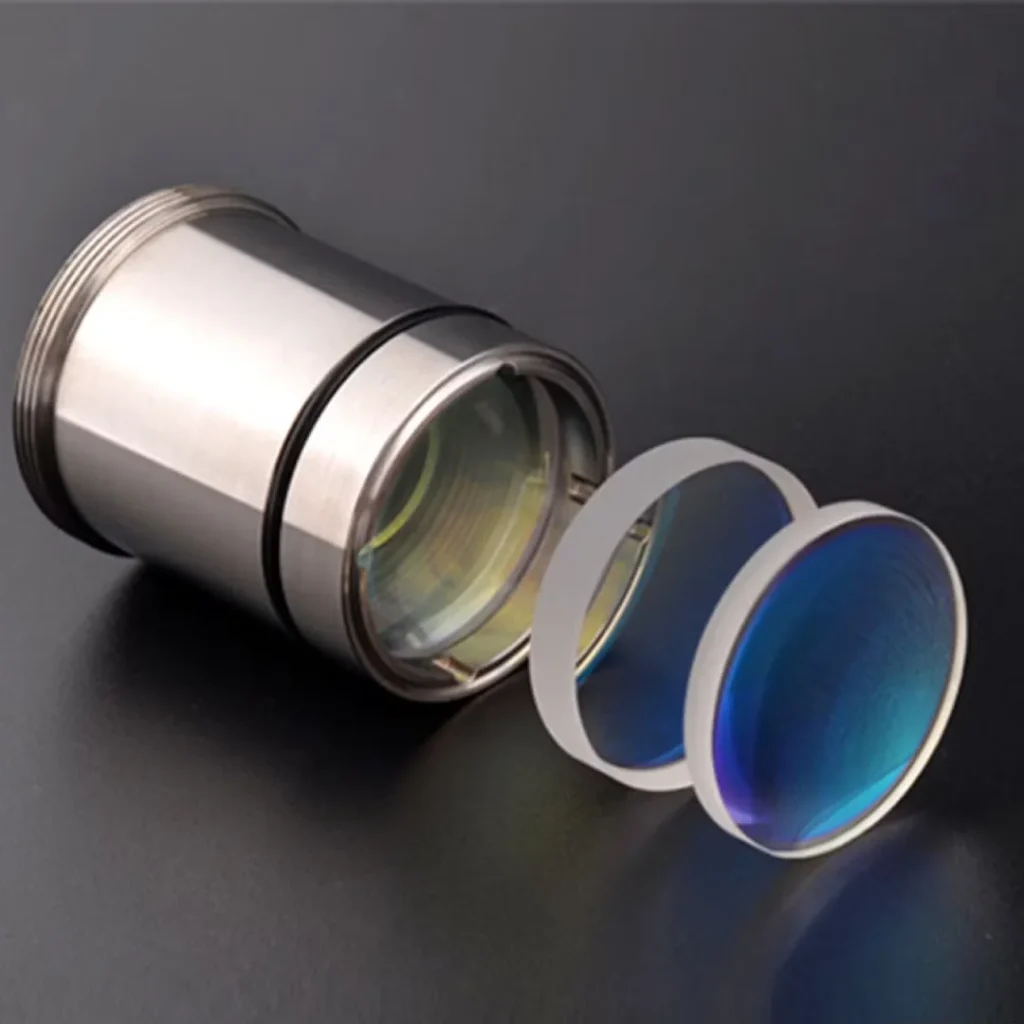
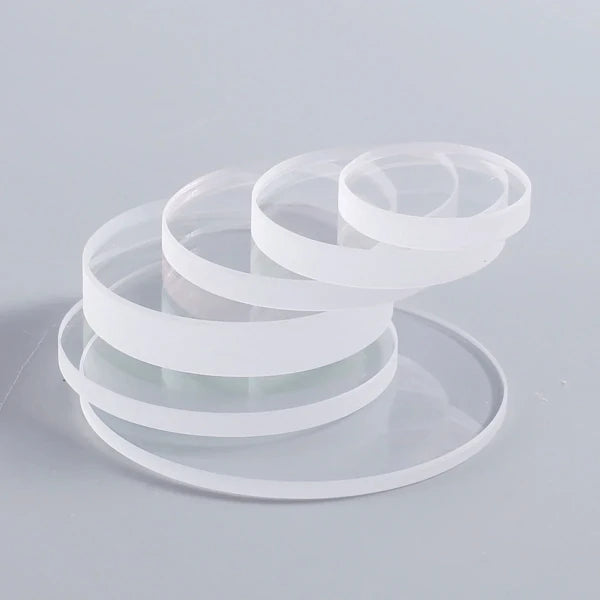
Protective lenses safeguard internal optical components from dust, debris, and metal splashes generated during cutting.

Benefits of Protective Lenses:

  • Prevent contamination of internal optics
  • Improve beam quality
  • Extend the life of expensive focusing lenses
  • Maintain cutting stability

Using genuine protective lenses ensures better optical clarity and longer durability.


Focusing Lenses

Focusing lenses concentrate the laser beam into a fine spot, which directly impacts cutting precision and speed.

Why Focusing Lenses Matter:

  • Ensure sharp and clean cuts
  • Maintain beam accuracy
  • Improve productivity
  • Reduce power loss

Any damage or contamination on focusing lenses can significantly affect machine performance, making timely replacement essential.

Ceramic Rings and Holders

https://www.demarkchina.cn/uploads/202028903/fiber-laser-cutting-ceramic-laser-consumables00542557373.jpg

Ceramic rings act as an insulating component between the nozzle and cutting head, ensuring stable operation and preventing electrical interference.

Key Roles:

  • Maintain proper alignment of nozzle
  • Provide electrical insulation
  • Support consistent gas flow
  • Protect cutting head components

High-quality ceramic rings improve overall cutting reliability and help avoid sudden production stoppages.

Advantages of Buying Laser Consumables Online

Purchasing consumables online from a trusted platform offers several benefits compared to traditional procurement methods.

1. Easy Availability

Online platforms provide a wide range of consumables for different laser machine models, making it easy to find compatible parts quickly.

2. Guaranteed Authenticity

Trusted platforms ensure original and tested consumables that maintain machine efficiency and safety.

3. Time-Saving Procurement

Instead of relying on manual vendor coordination, online ordering enables faster purchase and delivery, reducing machine downtime.

4. Competitive Pricing

Online platforms often provide better price transparency, allowing businesses to compare products and choose cost-effective solutions.

5. Reliable Technical Support

Established platforms offer expert guidance to help users select the right consumables for their laser machines.

Why Choose Laser.co for Laser Consumable Parts

Laser.co has become a trusted source for laser cutting machine consumables due to its focus on quality, reliability, and customer convenience.

Key Highlights:

  • Wide range of laser consumable parts
  • Genuine and quality-tested products
  • Easy online ordering process
  • Quick delivery support
  • Expert assistance for product selection
  • Compatible parts for multiple laser cutting machine brands

By sourcing consumables from Laser.co, businesses can maintain production consistency while minimizing machine maintenance risks.

Tips for Choosing the Right Consumables

Selecting the correct consumable parts is essential for achieving optimal machine performance. Here are some important tips:

  • Always check machine compatibility before purchasing
  • Use original or certified consumables
  • Monitor consumable wear regularly
  • Maintain proper storage conditions
  • Follow manufacturer replacement guidelines

Implementing these practices helps reduce operational interruptions and ensures long-term machine reliability.

The Future of Laser Consumable Procurement

With the rise of digital transformation in manufacturing, online procurement platforms are becoming the preferred choice for purchasing industrial components. Businesses now focus on convenience, quality assurance, and faster supply chains. Platforms like Laser.co are simplifying the process by offering authentic consumables with seamless purchasing experiences.

Conclusion

Laser cutting machine consumable parts are essential for maintaining cutting precision, productivity, and machine longevity. Regular replacement of components such as nozzles, lenses, and ceramic holders ensures smooth operation and prevents costly breakdowns.

Buying consumables online from a reliable platform like Laser.co provides businesses with genuine products, faster availability, and improved operational efficiency. As industries continue to adopt smart manufacturing practices, trusted online platforms are becoming the go-to solution for sourcing high-quality laser consumables.

Back to Top