The Complete Guide to Laser Cutting Machine Spare Parts & Consumables: Boost Performance, Optimize Costs
Introduction
In the high-stakes world of metal fabrication, even a minor hiccup in your laser cutting operation can translate into significant downtime, lost production, and compromised product quality. For discerning metal fabricators, workshop owners, and machine operators, understanding the critical role of high-quality laser cutting machine spare parts and consumables is not just about maintenance—it's about safeguarding your investment and ensuring peak performance.
This comprehensive guide dives deep into the intricate ecosystem of laser cutting machine spare parts, offering practical insights into how genuine components and strategic consumable management can dramatically improve your machine's efficiency, optimize cutting quality, and ultimately reduce operational costs. From optical lenses to critical fiber laser ceramic ring components, we'll cover everything you need to know to keep your laser cutting machine running smoothly and profitably. Don't let unexpected breakdowns or substandard cuts hinder your productivity.
Download our essential Laser Cutting Machine Spare Parts Checklist today to ensure you're always prepared!
Why Spare Parts & Consumables Matter in Laser Cutting
The precision and speed of modern laser cutting machines are dependent on a delicate balance of integrated components. Each laser cutting machine ceramic ring, lens, and nozzle plays a crucial role in the overall performance. Neglecting the quality or timely replacement of these essential elements can have far-reaching negative impacts on your operations.
Impact on Performance
High-quality Single Nozzle and optical components are directly responsible for the laser beam's focus and integrity. Worn or subpar parts lead to a diffused beam, resulting in rough edges, inaccurate cuts, and a significant drop in cutting speed. This directly impacts your production throughput and the quality of your finished products.
Cost of Low-Quality Parts
While aftermarket or generic parts might offer a lower upfront cost, they often come with hidden expenses. Premature wear, frequent replacements, and the potential for damage to other machine components can quickly erase any initial savings. Investing in genuine laser cutting machine spare parts ensures longevity and reliability, preventing costly repairs and prolonged downtime.
Machine Efficiency
Optimal machine efficiency is achieved when all components work in harmony. Authentic consumables, like those from trusted brands such as Raytools, OSPRI, Precitec, and Fine Focus, are designed to integrate seamlessly with your laser system. This synergy ensures consistent power delivery, precise beam shaping, and efficient material removal, maximizing your machine's uptime and minimizing energy consumption per cut.
Complete Overview of Laser Cutting Machine Spare Parts
Understanding the various categories of laser cutting machine spare parts is fundamental to effective maintenance and inventory management. Each category is vital for different aspects of the machine's operation.
Optical Components
These are the heart of your laser's beam delivery system. They guide, focus, and shape the laser beam to achieve the desired cutting precision.
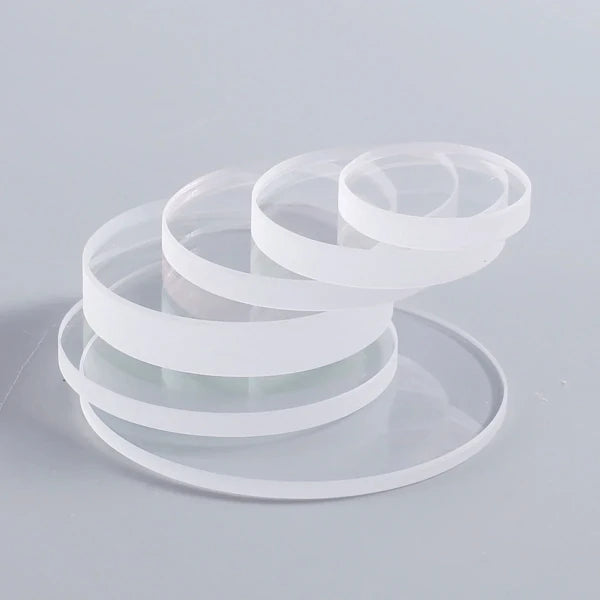
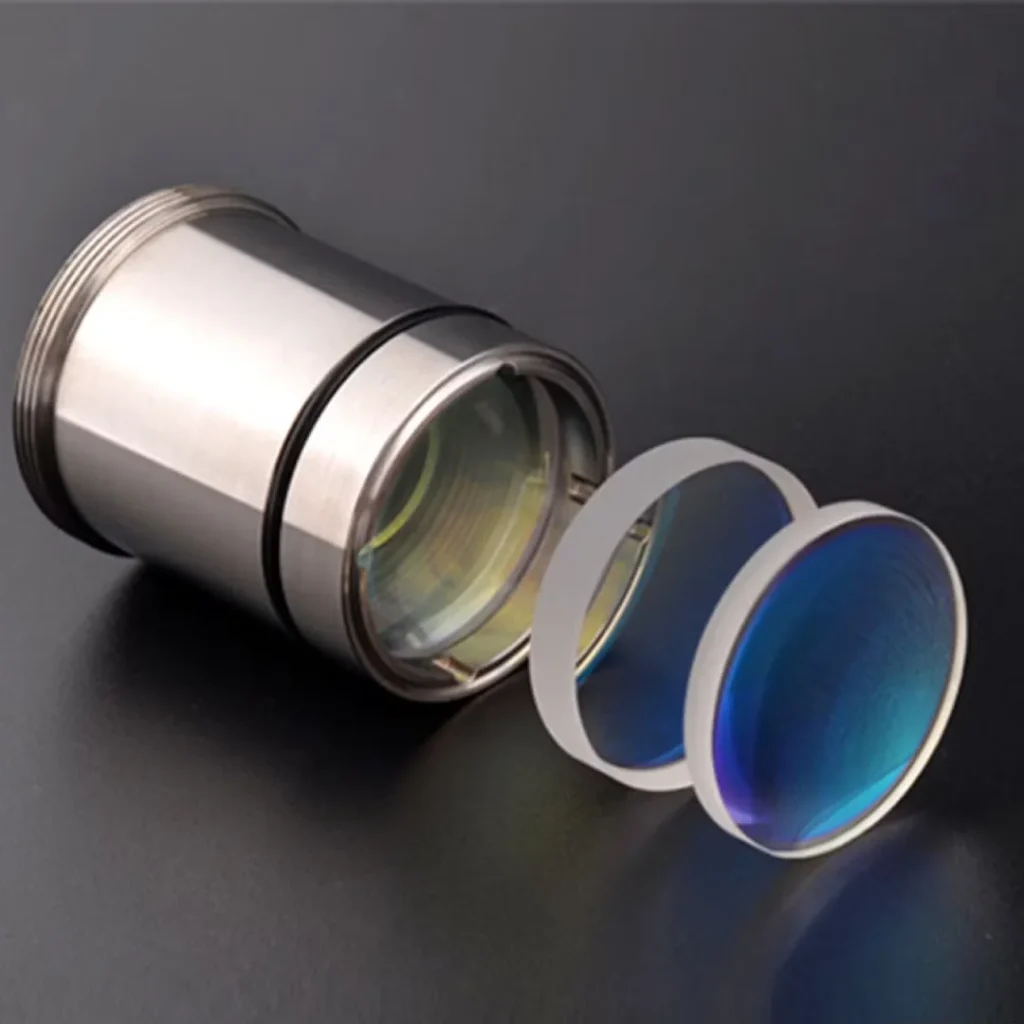
- Protective Windows (Cover Slides): Shield the expensive focusing lens from spatter and debris. Their clarity is paramount for beam quality.
- Focusing Lenses: Concentrates the laser beam to a tiny, high-power spot. Scratches or contamination severely degrade cutting performance.
- Collimating Lenses: Parallelizes the laser beam from the fiber, preparing it for the focusing lens.
- Mirrors (for CO2 lasers): Direct the laser beam across the cutting table.
Mechanical Parts
These components ensure the physical movement and precise positioning during the cutting process.
- Nozzles: Direct the assist gas and shape the cutting kerf. Available as Single & Double Nozzle.
- Ceramic Rings: Insulate and protect the nozzle, playing a critical role in arc stability and beam centering.
- Bearings and Guide Rails: Enable smooth and accurate movement of the cutting head.
- Gear Racks and Pinions: Facilitate precise linear motion of the gantry.
Electrical Components
These parts are responsible for power delivery, control, and communication within the machine.
- Power Supplies: Provide stable electrical power to various machine components, including the laser source.
- Sensors: Detect parameters like distance, temperature, and pressure, feeding data back to the control system.
- Cables and Connectors: Ensure reliable electrical connections throughout the system.
- Control System Boards: The brains of the operation, processing commands and coordinating machine movements.
Consumables
These are parts that are regularly consumed or replaced due to wear and tear during normal operation.
- Nozzles: Critical for assist gas delivery and beam shaping.
- Protective Windows: Sacrificial optics to protect the main lens.
- Ceramic rings: Essential for nozzle insulation and beam stability.
- Filters (air, water, dust): Maintain the cleanliness of various machine systems and the workshop environment.
- Seals and O-rings: Prevent leaks in cooling and gas lines.
| Part | Function | Replacement Cycle |
|---|---|---|
| Nozzle | Directs assist gas, shapes kerf | Weekly to Monthly (depending on material/power) |
| Protective Window | Shields focusing lens from spatter | Weekly to Monthly (or when vision degrades) |
| Focusing Lens | Concentrates laser beam | Every 3-6 months (or if damaged) |
| Ceramic Ring | Insulates nozzle, stabilizes arc | Monthly to Quarterly (or if arc unstable) |
| Air Filter | Filters dust and debris from cooling air | Monthly to Quarterly |
| Water Filter | Keeps cooling water clean | Quarterly to Bi-annually |
Types of Laser Cutting Consumables Explained
Understanding the nuances of key consumables is vital for optimizing your laser cutting process and achieving consistent, high-quality results. These parts are designed for regular replacement.
Nozzles (Single & Double Nozzle)
The nozzle is where the laser beam exits the cutting head and where the assist gas is directed onto the workpiece. Its condition directly impacts cut quality and speed.
- Single Nozzle: Typically used for cutting thicker materials or when a wider kerf is acceptable. It provides a more concentrated gas flow for piercing and cutting.
- Double Nozzle: Features a concentric design, delivering assist gas in two stages. This is often preferred for thinner materials, intricate cuts, and achieving smoother, burr-free edges, especially with nitrogen cutting.
Choosing between Single & Double Nozzle depends on material type, thickness, and desired cut quality. Regular inspection for wear, oxidation, or deformation is critical, as a damaged nozzle will scatter the assist gas and lead to poor cutting.
Ceramic Rings
The ceramic ring for laser cutting machine (also known as a nozzle body or insulator) positions the nozzle and isolates it electrically from the cutting head. It ensures the correct standoff distance and provides a stable connection for the arc discharge used in capacitive height sensing. A faulty fiber laser ceramic ring can lead to inconsistent height control, frequent collisions, and poor cutting quality due to an unstable arc or incorrect beam centering. Popular and reliable laser cutting machine ceramic ring brands include Raytools, OSPRI, Precitec, and Fine Focus, known for their precision and durability.
Lenses
While often categorized with optical components, protective windows are frequently replaced consumables. The main focusing lens, however, is a high-precision component that requires careful handling. Any scratch, dust, or residue on the lens surface will absorb laser energy, leading to overheating, thermal distortion, and ultimately, a damaged lens and poor cut quality. Regular cleaning with appropriate optical cleaning solutions and lint-free wipes is paramount, as is timely replacement of protective windows to shield the main lens.
Signs Your Spare Parts Need Replacement
Proactive identification of worn or failing parts is crucial to prevent catastrophic failures and maintain optimal cutting performance. Pay close attention to these common indicators:
- Poor Cutting Quality: Ragged edges, excessive dross, or incomplete cuts are primary indicators. This could point to a worn nozzle, a dirty or damaged focusing lens, or a faulty ceramic ring for laser cutting machine.
- Burr Formation: The presence of burrs on the cut edge, particularly on materials that previously cut cleanly, often signifies a worn nozzle or incorrect gas pressure/flow.
- Irregular Sparks or Arc: Unpredictable sparking from the nozzle during cutting suggests a problem with the laser ceramic ring, indicating it's no longer properly insulating or centering the beam.
- Inconsistent Piercing: Difficulty initiating the cut, or prolonged piercing times, can be due to a dirty protective window or a misaligned beam.
- Frequent Collisions: If your cutting head frequently crashes into the material, it might indicate an issue with your capacitive height sensor, often linked to a failing laser cutting machine ceramic ring.
- Reduced Cutting Speed: A noticeable slowdown in cutting speed for a given material and power setting can often be traced back to degradation in optical components or a worn nozzle.
Featured Snippet: What are signs of worn laser cutting parts?
Signs of worn laser cutting parts include poor cutting quality (ragged edges, excessive dross), burr formation, irregular sparks or unstable arc discharge, inconsistent piercing, frequent cutting head collisions, and a noticeable reduction in cutting speed. These often indicate issues with nozzles, protective windows, focusing lenses, or ceramic rings.
OEM vs Aftermarket Spare Parts
When sourcing laser cutting machine spare parts, manufacturers often face a choice between Original Equipment Manufacturer (OEM) parts and aftermarket alternatives. Each option presents distinct advantages and disadvantages.
OEM (Original Equipment Manufacturer) Parts
These parts are supplied by the original manufacturer of your laser cutting machine or by their authorized partners (e.g., Raytools, Precitec, OSPRI, Fine Focus for cutting heads and optics). They are designed and tested to exact specifications, ensuring perfect fit, optimal performance, and compatibility.
- Pros: Guaranteed quality, precise fit, optimal performance, often come with warranties, extend machine life, reliable integration.
- Cons: Generally higher cost, may have longer lead times for specific parts.
Aftermarket Parts
Aftermarket parts are produced by third-party manufacturers. While some reputable aftermarket suppliers offer quality alternatives, the market also contains lower-quality options.
- Pros: Typically lower cost, wider availability, can be faster to source.
- Cons: Variable quality, potential for poor fit, may not meet original performance standards, can void machine warranties, may lead to premature wear or damage to other components, inconsistent results.
| Feature | OEM Parts | Aftermarket Parts |
|---|---|---|
| Quality Assurance | High, guaranteed by manufacturer | Variable, depends on supplier |
| Fit & Compatibility | Perfect, designed for specific machine | May vary, requires careful verification |
| Performance | Optimal, consistent with machine design | Can be good, but often inconsistent |
| Cost | Higher upfront investment | Lower upfront investment |
| Warranty | Often included, maintains machine warranty | Rarely included, can void machine warranty |
| Reliability | High, less downtime risk | Can be unpredictable, higher downtime risk |
How to Choose High-Quality Spare Parts Supplier
Selecting the right supplier for your fiber laser cutting consumables and spare parts is as crucial as the parts themselves. A reliable partner ensures you receive genuine, high-performance components that keep your operations running smoothly.
- Certifications and Standards: Look for suppliers who adhere to international quality standards (e.g., ISO certifications). This indicates a commitment to consistent product quality and reliable manufacturing processes.
- Brand Compatibility and Authenticity: Prioritize suppliers who offer parts compatible with or directly from leading brands like Raytools, OSPRI, Precitec, and Fine Focus. These brands are synonymous with quality in laser optics and cutting heads. Always verify the authenticity of branded consumables to avoid counterfeits that can damage your machine.
- Technical Support and Expertise: A good supplier offers more than just parts; they provide expertise. Look for partners with knowledgeable technical support teams who can assist with part selection, troubleshooting, and provide insights into optimizing your machine's performance.
- Inventory and Availability: Ensure the supplier maintains a comprehensive inventory of critical Single & Double Nozzle and ceramic ring for laser cutting machine components. Quick availability of spare parts minimizes downtime, which is essential for maintaining production schedules.
- Reputation and Reviews: Research the supplier's reputation within the industry. Online reviews, testimonials, and industry forums can provide valuable insights into their reliability, customer service, and product quality.
Maintenance Tips to Increase Machine Life
Regular and meticulous maintenance is the cornerstone of maximizing the lifespan and efficiency of your laser cutting machine. By following a structured maintenance schedule, you can prevent many common issues and ensure consistent output quality.
- Regularly Clean Optical Lenses and Protective Windows: Contaminants like dust, oil, and spatter on optical surfaces can absorb laser energy, leading to overheating and damage. Use only approved optical cleaning solutions and lint-free wipes, handling lenses by their edges. Replace protective windows as soon as they show signs of pitting or cloudiness.
- Check Nozzle Alignment and Condition: The nozzle must be perfectly centered with the laser beam for optimal cutting. Regularly inspect the nozzle for wear, deformation, or buildup. A worn Single Nozzle or Double Nozzle will scatter the assist gas and lead to poor cuts.
- Inspect and Replace Ceramic Rings: The laser cutting machine ceramic ring is vital for stable height sensing and electrical insulation. Inspect it for cracks, chips, or carbon buildup. Replace it promptly if damaged to prevent head crashes and ensure consistent cutting height.
- Maintain Cooling System: Ensure the chiller operates effectively, maintaining the correct water temperature and flow. Regularly check water filters and replace them to prevent contaminants from circulating through the laser source and cutting head.
- Lubricate Moving Parts: Keep guide rails, bearings, and gear racks clean and properly lubricated according to the manufacturer's recommendations. This prevents premature wear, ensures smooth motion, and maintains cutting accuracy.
- Clean Dust Filters: Regular cleaning or replacement of air and dust filters (for both the machine and exhaust system) is essential to maintain a clean operating environment and prevent particles from damaging sensitive components.
Book a comprehensive maintenance consultation with our experts to develop a tailored plan for your laser cutting machine.
Cost Optimization Strategy
Managing the costs associated with laser cutting machine spare parts and fiber laser cutting consumables is crucial for profitability. A strategic approach can significantly reduce operational expenses without compromising quality or machine performance.
- Bulk Buying of Consumables: For frequently replaced items like nozzles, protective windows, and ceramic rings, consider purchasing in larger quantities. Many suppliers offer discounts for bulk orders, leading to significant savings over time.
- Implement Preventive Maintenance: As discussed, proactive maintenance minimizes unexpected breakdowns, which are far more costly than scheduled servicing. By regularly inspecting and replacing worn parts before they fail, you avoid expensive repairs, extensive downtime, and potential damage to other components.
- Utilize Genuine and Branded Consumables: While aftermarket parts may seem cheaper upfront, genuine consumables from trusted brands like Raytools, OSPRI, Precitec, or Fine Focus offer superior durability and consistent performance. This translates to fewer replacements, reduced material waste from poor cuts, and extended machine life, leading to long-term cost savings.
- Maintain Accurate Inventory: Keep a well-organized inventory of essential spare parts. This prevents urgent, high-cost last-minute purchases and ensures critical parts are always on hand, minimizing downtime.
- Operator Training: Well-trained operators can identify issues early, perform basic maintenance tasks correctly, and optimize machine settings to extend the life of consumables, contributing to cost efficiency.
Applications & Industry Use Cases
Laser cutting technology, underpinned by reliable spare parts and consumables, is indispensable across a multitude of industries due to its precision, speed, and versatility. The demand for high-quality laser cutting machine spare parts reflects the widespread adoption of this technology.
- Automotive Industry: From cutting intricate components for vehicle bodies to manufacturing specialized parts for engines and interiors, laser cutting provides the accuracy and speed required for mass production and custom prototyping.
- Sheet Metal Fabrication: This is perhaps the most common application. Laser cutting machines are used to cut various metals like stainless steel, mild steel, aluminum, and brass into complex shapes for construction, architectural elements, and industrial equipment.
- Aerospace Industry: Demands for extreme precision and the ability to work with advanced materials (e.g., titanium, inconel) make laser cutting ideal for manufacturing aircraft components, turbine blades, and structural parts.
- Medical Device Manufacturing: The ability to create very small, intricate, and burr-free parts from biocompatible materials is crucial for surgical instruments, implants, and other medical devices.
- Electronics Industry: Precision cutting of thin metals for enclosures, connectors, and heat sinks is a common application, requiring fine-focus optics and reliable Single Nozzle performance.
- Signage and Artistic Fabrication: Laser cutting allows for creative and detailed designs in metal, enabling the production of custom signage, decorative panels, and artistic sculptures with clean edges.
FAQs
Q1: How often should I replace my laser cutting machine's nozzle?
A1: The replacement frequency for your laser cutting machine's nozzle, whether it's a Single Nozzle or Double Nozzle, depends on factors like material type, thickness, laser power, and assist gas purity. For heavy usage, weekly replacement might be necessary, while lighter applications could extend to monthly. Always inspect for wear, burrs, or deformation daily.
Q2: What is the function of a ceramic ring for laser cutting machine?
A2: The ceramic ring for laser cutting machine, often called a fiber laser ceramic ring, serves two main purposes: it insulates the nozzle electrically from the cutting head, allowing for precise capacitive height sensing, and it helps center the laser beam. A failing laser cutting machine ceramic ring can lead to unstable cutting height and poor cut quality.
Q3: Why should I choose genuine laser cutting machine spare parts over aftermarket alternatives?
A3: Genuine laser cutting machine spare parts, especially branded consumables like those from Raytools, Precitec, and OSPRI, guarantee perfect fit, optimal performance, and superior durability. While aftermarket parts may be cheaper, they often offer inconsistent quality, can lead to premature wear, reduce machine efficiency, and potentially void your machine's warranty. The long-term cost savings from genuine parts typically outweigh initial price differences.
Q4: How can I optimize costs for my fiber laser cutting consumables?
A4: Cost optimization for fiber laser cutting consumables can be achieved through strategic bulk buying of frequently used items, implementing a robust preventive maintenance schedule to extend part life, and consistently using genuine, high-quality consumables from trusted brands. Maintaining an efficient inventory also prevents costly emergency purchases.
Q5: What are the key indicators that my laser's focusing lens needs cleaning or replacement?
A5: Key indicators that your laser's focusing lens needs attention include a noticeable decrease in cutting power, inconsistent cut quality with rough edges or dross, an increase in piercing time, or visible pitting, scratches, or cloudiness on the protective window or the lens itself. Regular inspection and proper cleaning are essential.
Conclusion
The performance and longevity of your laser cutting machine are inextricably linked to the quality and timely management of its spare parts and fiber laser cutting consumables. Embracing a proactive approach to maintenance and exclusively sourcing high-quality components from reputable suppliers is not merely a best practice—it's a fundamental strategy for operational excellence and sustained profitability.
By understanding the critical role of each component, from precision optics to durable Single & Double Nozzle and reliable laser cutting machine ceramic ring, you empower your operations with unparalleled efficiency, superior cutting quality, and significantly reduced downtime. Invest in the best to achieve the best.
Ready to elevate your laser cutting operations?