How a Laser Ceramic Ring Affects Fiber Laser Cutting Quality and Machine Efficiency
Introduction
In the demanding world of metal fabrication, precision is paramount. Every cut, every edge, and every perforation contributes to the final product's quality and the efficiency of your operation. Yet, many businesses grapple with issues like inconsistent cutting, excessive burring, and unexpected downtime. These challenges often stem from overlooked components within your fiber laser cutting machine – specifically, critical spare parts and consumables.
This comprehensive guide delves into one such crucial component: the laser ceramic ring. Understanding its function, impact, and the importance of choosing high-quality replacements is not just about maintenance; it's about unlocking superior cutting performance, optimizing costs, and extending the lifespan of your valuable machinery. Let's explore how a seemingly small part can profoundly influence your cutting quality and overall operational success. Download Spare Parts Checklist to ensure you're always prepared.
Why Spare Parts & Consumables Matter in Laser Cutting
The intricate dance of light and material in fiber laser cutting relies on the flawless operation of numerous components. Each part, from sophisticated optics to humble consumables, plays a vital role. When any of these begin to degrade, the ripple effect on performance can be immediate and costly.
Impact on Performance
Low-quality or worn spare parts can severely compromise the laser beam's integrity and the cutting process itself. This manifests as reduced cutting speed, increased material wastage due to faulty cuts, and a significant drop in the precision and edge quality that modern manufacturing demands. Imagine trying to achieve tight tolerances with a compromised beam – it's a recipe for rejects and rework.
Cost of Low-Quality Parts
The temptation to opt for cheaper, non-genuine aftermarket parts can seem appealing in the short term. However, the true cost often far outweighs any initial savings. Inferior components lead to more frequent replacements, increased machine downtime, higher energy consumption, and ultimately, a greater rate of scrapped materials. Investing in quality from brands like Raytools, OSPRI, Precitec, and Fine Focus is an investment in your bottom line.
Machine Efficiency
A machine operating with suboptimal parts is an inefficient machine. It consumes more power to achieve less, runs slower, and requires more operator intervention. Ensuring all spare parts and fiber laser cutting Consumables are in top condition is foundational to maintaining peak machine efficiency and maximizing throughput.
Complete Overview of Laser Cutting Machine Spare Parts
A fiber laser cutting machine is a complex ecosystem of interconnected components. Understanding each category helps appreciate their collective impact.
Optical Components
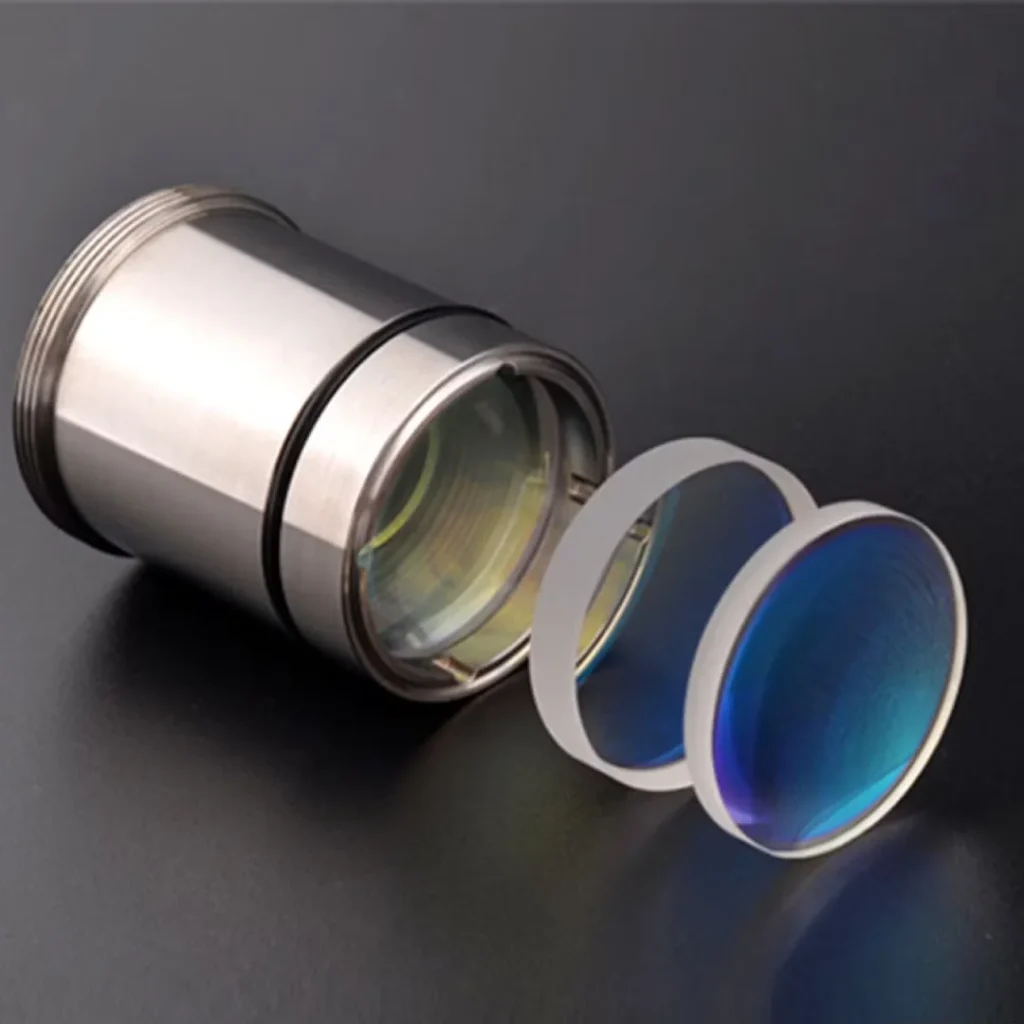
These are the eyes and conduits of your laser. They include focusing lenses, protective windows, and mirrors that guide and shape the laser beam. Any contamination or damage to these parts can scatter or absorb the laser light, diminishing its power and accuracy.
Mechanical Parts
This category encompasses parts responsible for motion and positioning, such as linear guides, ball screws, gears, and bearings. Also included are critical components like the laser head body, and the nozzle assembly that directs the assist gas and laser beam to the workpiece.
Electrical Components
The brain and nervous system of the machine, electrical components include servo motors, drivers, sensors, control cards, power supplies, and wiring. Their proper functioning ensures precise movement, accurate feedback, and overall machine control.
Consumables
These are the parts that typically wear out or get used up during operation and require regular replacement. This category is critical for maintaining cutting quality and includes items like filters for cooling systems, protective windows, Single & Double Nozzle, and, of course, the ceramic ring for laser cutting machine.
Here's a brief overview:
| Part | Function | Replacement Cycle |
|---|---|---|
| Focusing Lens | Concentrates laser beam | 6-12 months (depending on usage/maintenance) |
| Protective Window | Shields lens from spatter | 1-3 months (or when scratched/dirty) |
| Nozzle | Directs assist gas and beam | Daily/Weekly (or when deformed/clogged) |
| Ceramic Ring | Insulates and positions nozzle | 3-6 months (or when cracked/worn) |
| Air Filter | Cleans compressed air supply | 1-3 months (or as indicated by pressure drop) |
Types of Laser Cutting Consumables Explained
While many parts contribute to cutting quality, consumables are on the front lines, directly interacting with the cutting process and thus requiring the most attention for replacement.
Nozzles (Single & Double Nozzle)
Nozzles are essential for directing the assist gas precisely around the laser beam, clearing molten material and cooling the cutting zone. The choice between a Single Nozzle and a Double Nozzle depends on the material type and thickness. A Single Nozzle is generally used for fusion cutting with oxygen, while a Double Nozzle is preferred for nitrogen or air cutting, particularly for thicker materials, providing better cooling and spatter control. A worn or misaligned nozzle can lead to poor gas flow, affecting edge quality and promoting burr formation.
Ceramic Rings
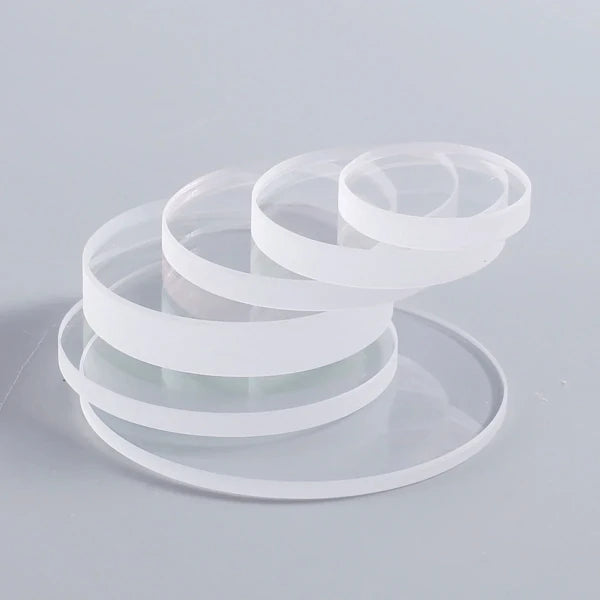
The laser ceramic ring is arguably one of the most critical yet often underestimated consumables. This small component, typically made of high-quality alumina, serves several vital functions within the laser cutting head. Primarily, it provides electrical insulation between the nozzle and the cutting head body, enabling the capacitive height sensing system to function accurately. This system maintains a precise distance between the nozzle and the material, which is absolutely crucial for consistent cutting quality.
Furthermore, the fiber laser ceramic ring accurately positions the Double Nozzle or Single Nozzle relative to the laser beam. If the laser ceramic ring is chipped, cracked, or contaminated, its insulating properties degrade, causing erratic height sensing. This results in the nozzle either crashing into the material or lifting too far away, both leading to catastrophic cutting errors, poor edge finish, and potential damage to the laser head. A high-quality ceramic ring for laser cutting machine from brands like Raytools, OSPRI, Precitec, or Fine Focus ensures stable height sensing and optimal beam delivery, which directly translates to superior cut quality and reduced waste.
Lenses
The focusing lens is where the magic happens, concentrating the laser beam to an incredibly fine point. Contamination from dust, oil, or spatter can lead to beam scattering, reduced power density, and even thermal damage to the lens itself. Regular inspection and cleaning are vital to preserve cutting precision and extend lens life.
Signs Your Spare Parts Need Replacement
Proactive identification of worn parts can prevent costly breakdowns and maintain optimal cutting quality. Be vigilant for these indicators:
- Poor Cutting Quality: Ragged edges, excessive dross, or inconsistent cut widths are prime indicators that components like the nozzle or ceramic ring for laser cutting machine might be failing.
- Burr Formation: Increased burring, especially on the underside of the cut, often points to a worn or misaligned Single Nozzle or Double Nozzle, or incorrect gas pressure settings.
- Irregular Sparks: An uneven or flickering spark pattern during cutting can signify issues with the nozzle, assist gas flow, or a compromised laser cutting machine ceramic ring affecting height sensing.
- Frequent Collision Alarms: If your machine is frequently triggering collision alarms, it's a strong sign that the fiber laser ceramic ring responsible for height sensing might be damaged or contaminated.
- Discoloration or Pitting on Nozzle: Visible signs of wear on the nozzle orifice indicate it's past its prime and needs immediate replacement.
- Reduced Cutting Speed: If you notice a drop in cutting speed for materials that previously cut faster, it could be due to a dirty protective window or a damaged focusing lens.
What are signs of worn laser cutting parts?
Signs of worn laser cutting parts include poor cutting quality (ragged edges, excessive dross), increased burr formation, irregular sparks during cutting, frequent collision alarms, visible discoloration or pitting on the nozzle, and a noticeable reduction in cutting speed for standard materials.
OEM vs Aftermarket Spare Parts
The choice between Original Equipment Manufacturer (OEM) parts and aftermarket alternatives is a critical decision that impacts performance, warranty, and long-term costs.
| Feature | OEM Spare Parts | Aftermarket Spare Parts |
|---|---|---|
| Quality & Reliability | Highest, guaranteed to meet original specifications | Varies widely; can be good but often inferior |
| Compatibility | Perfect fit and function, designed for specific machine | May require modifications, fit issues possible |
| Performance | Optimal, maintains machine's peak performance | Often compromises performance and efficiency |
| Warranty | Typically includes a manufacturer's warranty | Rarely comes with a substantial warranty |
| Lifespan | Longer expected service life | Shorter lifespan, leading to frequent replacements |
| Cost (Initial) | Higher upfront cost | Lower initial cost |
| Cost (Long-term) | Lower total cost of ownership due to reliability | Higher total cost of ownership due to downtime & frequent replacement |
| Technical Support | Full access to manufacturer's support | Limited or no technical support |
While aftermarket parts might offer a lower initial price, genuine OEM components, especially for critical items like the ceramic ring for laser cutting machine or focusing lenses, provide unmatched peace of mind, consistent performance, and often prove more cost-effective in the long run by reducing downtime and maintaining product quality.
How to Choose High-Quality Spare Parts Supplier
Selecting the right supplier for your fiber laser cutting consumables is as important as choosing the parts themselves. A reputable supplier ensures you receive genuine, high-performance components.
- Certifications and Quality Assurance: Look for suppliers who adhere to international quality standards (e.g., ISO 9001). This indicates a commitment to consistent product quality and reliable manufacturing processes.
- Brand Compatibility: Ensure the supplier offers parts compatible with leading laser heads and systems such as Raytools, OSPRI, Precitec, and Fine Focus. A supplier that stocks genuine parts from these brands demonstrates their commitment to quality and compatibility. For instance, an OSPRI laser ceramic ring or a Precitec Double Nozzle will be engineered to exact specifications, ensuring perfect integration and performance.
- Technical Support and Expertise: A good supplier offers more than just parts; they provide expertise. Look for those with knowledgeable staff who can guide you on the right parts for your specific machine and application, troubleshoot issues, and offer insights into optimal usage and maintenance.
- Inventory and Availability: Timely access to spare parts is crucial to minimize downtime. A supplier with a robust inventory ensures that critical items like the fiber laser ceramic ring or various Single Nozzle and Double Nozzle options are readily available.
- Customer Reviews and Reputation: Check reviews and ask for references. A supplier with a strong reputation for customer service and reliable products is a valuable partner.
Maintenance Tips to Increase Machine Life
Regular, diligent maintenance is the cornerstone of maximizing the lifespan of your fiber laser cutting machine and ensuring consistent quality.
- Regular Cleaning of Optical Components: The focusing lens and protective window must be kept meticulously clean. Even microscopic dust particles can cause beam distortion and lead to overheating or damage. Use only specified optical cleaning solutions and lint-free wipes.
- Checking Nozzle Alignment: Periodically verify that your Single Nozzle or Double Nozzle is perfectly centered with the laser beam. Misalignment directly impacts assist gas flow and beam delivery, leading to poor cuts.
- Replacing Consumables Regularly: Adhere to recommended replacement schedules for items like nozzles, filters, and particularly the laser cutting machine ceramic ring. Waiting until a part visibly fails often means you've already compromised cutting quality and risked further machine damage.
- Inspecting the Ceramic Ring: Regularly inspect the ceramic ring for laser cutting machine for any signs of cracks, chips, or carbon buildup. Even minor damage can impair its electrical insulation and lead to erratic height sensing.
- Maintain the Cooling System: Ensure the chiller system is operating optimally and that filters are clean. An overheated laser source or cutting head can lead to severe damage and reduced performance.
- Lubricate Moving Parts: Keep linear guides, ball screws, and other mechanical components properly lubricated according to the manufacturer's guidelines to prevent premature wear and ensure smooth, accurate motion.
For expert guidance and professional service, Book Maintenance Consultation with our specialists.
Cost Optimization Strategy
Smart management of spare parts and consumables can significantly reduce operational costs without sacrificing quality or efficiency.
- Bulk Buying Genuine Consumables: Purchasing common fiber laser cutting Consumables like nozzles, protective windows, and ceramic ring for laser cutting machine in larger quantities can often secure better pricing from reputable suppliers. This also ensures you have a ready stock, minimizing emergency orders and potential downtime.
- Implementing Preventive Maintenance: Rather than reacting to breakdowns, establish a rigorous preventive maintenance schedule. This reduces the likelihood of costly repairs, extends machine life, and keeps cutting quality consistently high. For example, replacing a laser ceramic ring before it fails prevents potential damage to the entire laser head.
- Using Genuine Consumables: While the initial cost may be higher, genuine parts from brands like Raytools, OSPRI, Precitec, and Fine Focus offer superior durability and performance. They reduce the frequency of replacements and prevent damage to other expensive machine components, leading to a lower total cost of ownership.
- Operator Training: Well-trained operators can identify early signs of wear, perform routine maintenance correctly, and optimize cutting parameters, all of which contribute to extending part life and reducing waste.
- Inventory Management: Implement an efficient inventory system for your spare parts. This helps track usage, predict needs, and avoid overstocking or running out of critical components.
Applications & Industry Use Cases
Fiber laser cutting technology, supported by reliable spare parts and consumables, is indispensable across a multitude of industries due to its precision, speed, and versatility.
- Automotive Industry: Used for cutting intricate parts for vehicle bodies, engine components, and interior elements with high precision and repeatability.
- Sheet Metal Fabrication: From general metal workshops to specialized fabricators, laser cutting is the go-to for cutting various sheet metals into complex shapes, brackets, and structural components.
- Electronics Manufacturing: Employed for cutting delicate components and enclosures where extreme precision and minimal heat affected zones are critical.
- Medical Device Manufacturing: Produces highly precise and clean cuts required for surgical instruments, implants, and other medical equipment, often in specialized alloys.
- Aerospace Industry: Cuts high-performance alloys and exotic materials for aircraft components, requiring impeccable quality and strict adherence to specifications.
In all these applications, the consistent performance enabled by high-quality consumables like the fiber laser ceramic ring and Double Nozzle is non-negotiable for meeting industry standards and client expectations.
FAQs
Q1: How often should I replace my laser ceramic ring?
A1: The replacement frequency for a laser ceramic ring typically ranges from 3 to 6 months, but it heavily depends on usage intensity, material type, and maintenance practices. Inspect it regularly for cracks or carbon buildup, and replace it immediately if any damage is visible or if height sensing becomes erratic.
Q2: What is the difference between a Single Nozzle and a Double Nozzle?
A2: A Single Nozzle has one concentric opening for the assist gas, typically used with oxygen for fusion cutting. A Double Nozzle has two openings – an inner one for the laser beam and an outer one for the assist gas – commonly used with nitrogen or air for thicker materials to improve cooling and spatter removal.
Q3: Can using aftermarket fiber laser ceramic ring components damage my machine?
A3: Yes, using low-quality aftermarket components, particularly a fiber laser ceramic ring, can lead to inaccurate height sensing, nozzle crashes, damage to the laser head, and compromised cutting quality. It's always recommended to use genuine or high-quality branded spare parts for critical components.
Q4: How do I know if my focusing lens needs cleaning or replacement?
A4: Signs include reduced cutting power, inconsistent cut quality, increased heat affected zone, or visible smudges/scratches when inspecting the lens. Regular cleaning with specialized solutions and wipes can extend its life, but severe damage requires replacement.
Q5: What are the benefits of preventive maintenance for laser cutting machines?
A5: Preventive maintenance extends machine lifespan, ensures consistent high-quality output, reduces unexpected downtime, lowers overall repair costs, optimizes energy consumption, and maintains machine safety standards. It's a proactive approach that saves time and money in the long run.
Conclusion
The pursuit of perfection in fiber laser cutting isn't just about the machine itself; it's about the symphony of its components, particularly the often-underestimated consumables like the laser ceramic ring. As we've explored, this small but mighty component, alongside nozzles and optics, directly dictates the precision, quality, and efficiency of every cut your machine makes. Investing in genuine, high-quality spare parts from trusted brands like Raytools, OSPRI, Precitec, and Fine Focus is not merely an expense but a strategic decision that safeguards your investment, optimizes operational costs, and ensures your products consistently meet the highest standards.
For metal fabricators, machine operators, and business owners, understanding the pivotal role of each spare part and implementing a robust maintenance strategy are keys to competitive advantage. Don't compromise on quality when it comes to the heart of your production. Choose excellence, choose reliability, and watch your cutting operations transform.
Request a Quote for your genuine laser cutting spare parts today, Talk to an Expert for personalized advice, or Download Our Catalog to explore our full range of high-quality consumables and components.