

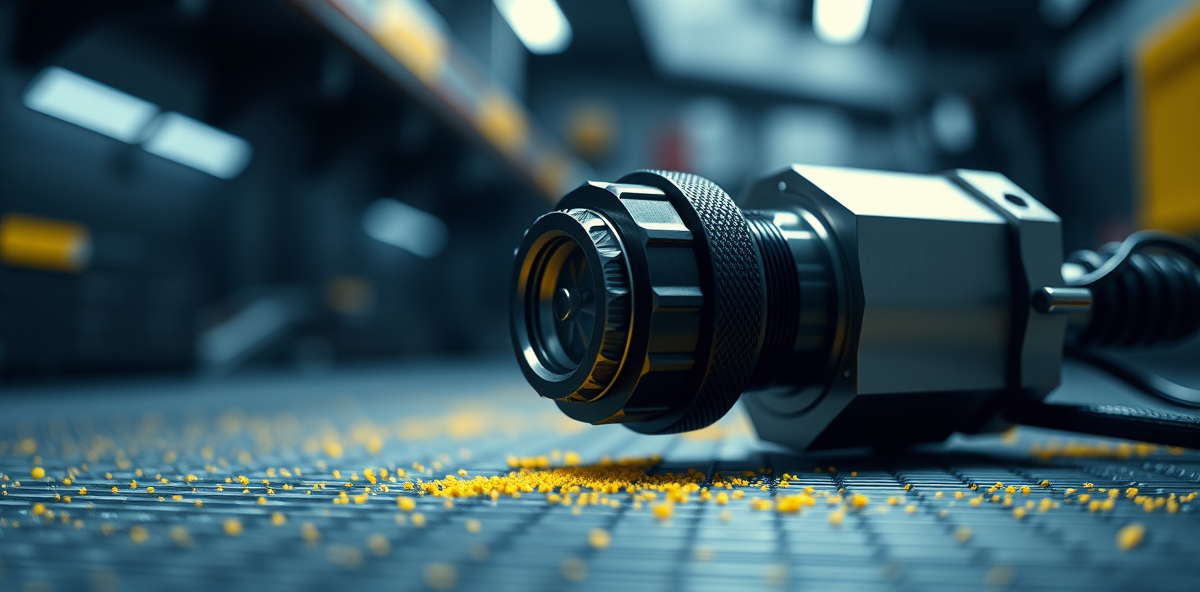
In the high-stakes world of metal fabrication, precision, speed, and cost-efficiency are paramount. However, issues like unexpected downtime, inconsistent cutting quality, and excessive material waste can significantly hinder productivity and profitability. These challenges often stem from overlooked aspects of your laser cutting operation, particularly the selection and maintenance of crucial fiber laser cutting consumables.
Understanding the intricate relationship between your laser cutting machine, its spare parts, and the specific applications is not just about keeping the machine running; it’s about unlocking its full potential. This comprehensive guide will delve into the critical role of nozzle selection for diverse metal cutting applications, ensuring you achieve optimal performance, improve cutting quality, and drastically reduce operational costs. Get ready to transform your fabrication process.
Download our comprehensive Spare Parts Checklist to ensure your operations are always running smoothly!
Why Spare Parts & Consumables Matter in Laser Cutting
The performance of your laser cutting machine is a direct reflection of the quality and condition of its spare parts and consumables. Each component plays a vital role, and a single worn or substandard part can cascade into a myriad of operational problems, affecting everything from cut quality to machine lifespan.
Low-quality or generic spare parts might seem like a cost-saving measure upfront, but they often lead to premature wear, increased maintenance frequency, and ultimately, higher long-term expenses. Subpar parts can cause misalignments, inconsistent laser beam delivery, and inefficient gas flow, leading to burrs, dross, and imperfect cuts. This translates directly into material waste, reprocessing time, and missed deadlines, eating into your profit margins.
Genuine, high-quality spare parts and consumables are engineered to precise specifications, ensuring seamless compatibility and optimal performance with your laser cutting system. Brands like Raytools, OSPRI, Precitec, and Fine Focus invest heavily in R&D to produce components that enhance machine efficiency, extend operational life, and maintain consistent cutting quality, proving to be a wise investment for any serious fabricator.
Complete Overview of Laser Cutting Machine Spare Parts
A fiber laser cutting machine is a sophisticated system comprising numerous interconnected parts. Understanding these components and their functions is crucial for effective maintenance and ensuring peak performance.
Optical Components
These parts are responsible for guiding, focusing, and delivering the laser beam to the workpiece. Their cleanliness and integrity are critical for beam quality.
- Focus Lenses: Crucial for concentrating the laser beam into a fine spot. Scratches or contamination directly impact cut quality and speed.
- Protective Windows (Cover Slides): Shield the focus lens from spatter and fumes, extending its life. Regular inspection and replacement prevent beam degradation.
- Collimating Lenses: Parallelize the laser beam before it enters the focusing head. Essential for maintaining beam integrity over distance.
Mechanical Parts
These components ensure precise movement and positioning of the cutting head and workpiece.
- Nozzles: Direct the assist gas and shape the laser beam’s cutting profile. Essential for cut quality and piercing stability.
- Gear Racks and Pinions: Facilitate precise linear movement of the cutting head, ensuring accuracy across the entire cutting bed.
- Bearings and Guide Rails: Support smooth and accurate motion, minimizing friction and ensuring positional repeatability.
Electrical Components
The brain and nervous system of the machine, controlling all functions and safety features.
- Sensors: Monitor various parameters like gas pressure, temperature, and collision detection, ensuring safe and efficient operation.
- Cables and Connectors: Transmit power and data throughout the machine. Damaged cables can lead to intermittent failures or complete shutdowns.
- Servo Motors and Drivers: Provide precise control over the cutting head’s movement, dictating cutting speed and accuracy.
Consumables
These parts are designed for regular replacement due to wear and tear, playing a direct role in cutting performance.
- Filters (Air, Water, Dust): Maintain the purity of assist gases, cooling water, and the machine’s internal environment, protecting sensitive components.
- Ceramic ring for laser cutting machine: An insulating component within the cutting head, crucial for guiding the laser beam and providing electrical isolation for the nozzle.
- Nozzle Body / Holders: Secure the nozzle in place and facilitate proper gas flow.
Table: Essential Laser Cutting Machine Parts, Function, and Replacement Cycle
| Part | Function | Recommended Replacement Cycle |
|---|---|---|
| Focus Lens | Focuses laser beam onto material | 6-12 months (or as needed based on inspection) |
| Protective Window | Shields focus lens from spatter | Weekly to Monthly (or immediately if contaminated/damaged) |
| Nozzle | Directs assist gas; shapes cut profile | Daily to Weekly (or as needed based on wear/cut quality) |
| Fiber laser ceramic ring | Guides beam, provides electrical insulation | 1-3 months (or as needed based on performance) |
| Air Filters | Ensures clean assist gas supply | 3-6 months |
| Water Filters | Maintains cooling system purity | 3-6 months |
Types of Laser Cutting Consumables Explained
Among all consumables, nozzles, ceramic ring for laser cutting machine, and lenses are perhaps the most critical for direct cutting performance. Their proper selection and maintenance are non-negotiable for achieving high-quality results.
Nozzles: The Gateway to Precision
The nozzle is the final component the laser beam passes through before hitting the workpiece, playing a pivotal role in directing the assist gas and shaping the cutting kerf. Nozzles come in various types, primarily differentiated by the number of gas outlets and orifice size, each suited for specific cutting tasks.
- Single Nozzle: Features a single, central orifice. Ideal for high-pressure cutting with reactive gases like oxygen, commonly used for carbon steel. The focused gas stream efficiently expels molten material, creating a clean cut.
- Double Nozzle: Incorporates a secondary concentric orifice around the main opening. This design is excellent for nitrogen cutting of stainless steel and aluminum, where the additional gas flow helps cool the cut zone and prevent oxidation, improving edge quality. The dual flow also helps reduce spatter.
- Single & Double Nozzle Selection: The choice between a Single Nozzle and Double Nozzle depends entirely on the material type, thickness, and assist gas being used. Experimentation and consulting your machine’s cutting parameters are key.
Ceramic Rings: The Insulator and Guide
The laser ceramic ring is a vital insulating component within the cutting head. It not only provides electrical insulation for the nozzle but also plays a critical role in guiding the laser beam accurately to the nozzle’s center.
- Function: The fiber laser ceramic ring ensures the nozzle is precisely centered with the laser beam. Without proper alignment from the ceramic ring for laser cutting machine, the beam can impact the inside of the nozzle, leading to beam distortion, reduced cutting quality, and even damage to the cutting head.
- Wear Signs: Over time, the laser cutting machine ceramic ring can become worn, cracked, or contaminated with spatter, compromising its insulating and guiding properties. This results in unstable cutting, poor piercing, and increased risk of electrical discharge.
Lenses: The Heart of the Beam
The focus lens, often protected by a cover slide, is responsible for taking the collimated laser beam and focusing it into an incredibly small, high-power spot. This spot is where the actual cutting action occurs.
- Material and Coating: Lenses are typically made from high-purity fused silica and are coated to optimize laser transmission and minimize reflection. The quality of these coatings significantly impacts the lens’s lifespan and the beam’s integrity.
- Contamination: Even microscopic dust particles, oil residue, or spatter on the lens surface can absorb laser energy, leading to localized heating, thermal distortion, and eventual cracking or “burning” of the lens.
- Impact on Quality: A degraded or contaminated lens results in a non-uniform or enlarged laser spot, leading to wider kerfs, rougher edges, and a significant reduction in cutting speed and quality.
Signs Your Spare Parts Need Replacement
Proactive identification of worn-out parts is key to preventing costly breakdowns and maintaining consistent production quality. Paying attention to these indicators can save significant time and money.
- Poor Cutting Quality: This is often the first and most obvious sign. Look for rough edges, excessive dross, irregular kerf width, or a failure to cut through material entirely. This could indicate a worn nozzle, a dirty lens, or a compromised fiber laser ceramic ring.
- Burr Formation: The presence of excessive burrs on the underside of the cut indicates that the molten material is not being efficiently expelled. This is a common symptom of a worn or incorrect nozzle, or insufficient assist gas pressure.
- Irregular Sparks or Spatter: If sparks are inconsistent or excessive spatter accumulates around the cutting area, it often points to a damaged nozzle, poor beam alignment due to a faulty laser cutting machine ceramic ring, or an issue with the assist gas flow.
- Frequent Error Messages: Your machine’s control system might display warnings related to gas pressure, sensor faults, or cutting head issues. These should never be ignored as they often signal a part nearing its end-of-life.
- Reduced Cutting Speed: If you find yourself needing to slow down the cutting speed to achieve acceptable quality, it’s a strong indicator that efficiency is compromised due to worn consumables or optical components.
Featured Snippet: What are Signs of worn laser cutting parts?
Signs of worn laser cutting parts include poor cutting quality (rough edges, dross), burr formation, irregular sparks or excessive spatter, frequent error messages from the machine, and a noticeable reduction in optimal cutting speed and efficiency. These indicators often point to issues with nozzles, lenses, or ceramic ring for laser cutting machine.
OEM vs Aftermarket Spare Parts
The decision between Original Equipment Manufacturer (OEM) parts and aftermarket alternatives is a crucial one, impacting performance, warranty, and long-term costs. Understanding the differences is vital for informed purchasing.
Table: OEM vs. Aftermarket Laser Cutting Spare Parts Comparison
| Feature | OEM (Original Equipment Manufacturer) | Aftermarket |
|---|---|---|
| Quality & Precision | Guaranteed to meet original specifications and tolerances. Engineered for optimal performance with specific machine models (e.g., Raytools, Precitec). | Varies greatly. Can range from high-quality “equivalent” to inferior products with poor tolerances and materials. |
| Compatibility | 100% guaranteed fit and function with the machine model it’s designed for. Ensures seamless integration. | May require modifications or may not fit perfectly, potentially leading to operational issues. |
| Performance & Lifespan | Designed for maximum lifespan and consistent peak performance. Supports machine efficiency and cutting quality. | Often has a shorter lifespan and can lead to inconsistent performance, requiring more frequent replacements. |
| Warranty & Support | Typically comes with a manufacturer’s warranty. Access to specialized technical support and expertise. | Warranties are often limited or non-existent. Technical support can be unreliable or difficult to obtain. |
| Cost | Generally higher upfront cost, reflecting superior quality, R&D, and assurance. | Lower upfront cost, but potential for higher long-term costs due to increased downtime, repairs, and material waste. |
| Risk | Minimal risk of damage to other machine components; ensures machine warranty validity. | Higher risk of damaging the machine, voiding warranties, and compromising safety. |
While aftermarket parts might offer a lower initial price, the potential for compromised quality, reduced machine lifespan, increased downtime, and inferior cutting results often makes them a false economy. Investing in genuine, branded consumables and spare parts from manufacturers like Raytools, OSPRI, Precitec, and Fine Focus ensures your machine operates as intended, safeguarding your investment and production quality.
How to Choose High-Quality Spare Parts Supplier
Selecting the right supplier for your fiber laser cutting consumables is as critical as choosing the parts themselves. A reputable supplier ensures you receive genuine, high-quality components that will maintain your machine’s performance and longevity.
- Certifications and Quality Assurance: Look for suppliers who adhere to international quality standards (e.g., ISO certifications). This indicates a commitment to consistent product quality and reliability. Inquire about their manufacturing processes and quality control checks for components like ceramic ring for laser cutting machine or Single & Double Nozzle.
- Brand Compatibility and Authenticity: Ensure the supplier provides genuine spare parts compatible with leading laser cutting head brands such as Raytools, Precitec, OSPRI, and Fine Focus. Authentic parts are designed to work seamlessly with your specific machine model, maintaining its warranty and performance integrity. A reliable supplier will be transparent about the origin and branding of their consumables.
- Technical Support and Expertise: A high-quality supplier offers robust technical support. This includes knowledgeable staff who can assist with part selection, troubleshooting, and offer expert advice on optimizing your laser cutting process. They should be able to guide you on the best Single Nozzle or Double Nozzle for your specific application.
- Inventory and Availability: Check if the supplier maintains a comprehensive inventory of commonly needed parts, including various Single & Double Nozzle types and laser ceramic ring options. Fast availability minimizes downtime and keeps your production schedule on track.
- Reputation and Reviews: Research the supplier’s reputation within the industry. Customer testimonials and reviews can provide valuable insights into their reliability, product quality, and service responsiveness.
Maintenance Tips to Increase Machine Life
Regular and meticulous maintenance is not just about fixing problems; it’s about preventing them, ensuring optimal performance, and significantly extending the lifespan of your laser cutting machine. This proactive approach saves on repair costs and avoids production delays.
- Regular Cleaning of Optical Components: The focus lens and protective window are highly susceptible to contamination. Clean them daily, or even several times a day depending on usage, using lint-free wipes and specialized optical cleaning solutions. Even tiny specks of dust can degrade beam quality and damage the lens.
- Checking Nozzle Alignment and Condition: Before each shift or critical job, visually inspect the nozzle for any signs of wear, deformation, or spatter buildup. Check the alignment of the nozzle with the laser beam using a centering tool or burn paper. A misaligned or damaged Single Nozzle or Double Nozzle will lead to poor cuts.
- Regularly Replacing Consumables: Adhere to recommended replacement schedules for consumables such as nozzles, fiber laser ceramic ring, and filters, even if they appear to be functional. Preventive replacement of parts like the laser cutting machine ceramic ring prevents sudden failures and ensures consistent cut quality.
- Maintaining the Cooling System: Ensure the chiller unit is clean, and the cooling water is at the correct temperature and free from contaminants. Regular checks of water filters and coolant levels are crucial to prevent overheating of the laser source and cutting head.
- Lubrication of Mechanical Parts: Keep guide rails, bearings, and gear racks properly lubricated according to the manufacturer’s guidelines. This reduces friction and wear, ensuring smooth, accurate motion of the cutting head.
Book a Maintenance Consultation with our experts to optimize your machine’s longevity and performance!
Cost Optimization Strategy
While investing in high-quality components is essential, smart strategies can help optimize costs without compromising performance. Balancing quality with intelligent procurement and maintenance practices is key.
- Bulk Buying Genuine Consumables: Purchasing frequently used consumables like Single & Double Nozzle and protective windows in larger quantities often secures better pricing from suppliers. This reduces the per-unit cost and ensures you always have critical parts on hand, preventing production halts.
- Implement a Strict Preventive Maintenance Schedule: Proactive maintenance, as outlined above, is one of the most effective cost-saving strategies. By preventing major breakdowns and extending the life of expensive components like the laser source and cutting head, you avoid costly emergency repairs and lengthy downtimes. This includes regular inspection and timely replacement of the ceramic ring for laser cutting machine.
- Utilize Branded, Genuine Consumables: While aftermarket parts may seem cheaper, their inconsistent quality often leads to more frequent replacements, increased material waste, and potential damage to other machine components. Genuine consumables from trusted brands like Raytools, OSPRI, Precitec, and Fine Focus, though a higher upfront cost, deliver superior performance, longevity, and ultimately, lower total cost of ownership.
- Optimize Cutting Parameters: Properly calibrating cutting parameters (power, speed, gas pressure, focal position) for each material and thickness minimizes waste, extends consumable life, and ensures efficient use of assist gases. This directly impacts the lifespan of your Single Nozzle or Double Nozzle and overall machine efficiency.
- Operator Training and Empowerment: Well-trained operators are less likely to misuse the machine or neglect essential maintenance tasks. Empowering them with the knowledge to identify early signs of wear and perform routine checks significantly contributes to extending part life and optimizing costs.
Applications & Industry Use Cases
Fiber laser cutting machines, with their precision and versatility, are indispensable across a multitude of industries, relying heavily on correctly chosen consumables for specific applications.
- Automotive Industry: Used extensively for cutting lightweight high-strength steels, aluminum, and other alloys for chassis components, body parts, and intricate engine components. The need for precise cuts for assembly and structural integrity demands optimal Double Nozzle performance with nitrogen for clean edges.
- Sheet Metal Fabrication: From general fabrication shops to specialized custom metalwork, fiber lasers cut a vast array of materials, thicknesses, and designs. Optimized Single Nozzle or Double Nozzle selection ensures efficient processing of mild steel, stainless steel, and aluminum for enclosures, panels, and structural elements.
- Aerospace: Critical for cutting specialized alloys like titanium and Inconel with extreme precision and minimal heat-affected zones. Consumables must be of the highest quality to meet stringent aerospace standards.
- Medical Devices: Manufacturing intricate components for medical instruments and implants requires micron-level precision and burr-free cuts. Small orifice nozzles and perfectly aligned optical components are paramount.
- Heavy Machinery Manufacturing: Cutting thick plates of steel for construction equipment, agricultural machinery, and industrial components. This often involves robust Single Nozzle designs and high-power laser systems.
FAQs
- Q: What is the primary difference between a Single Nozzle and a Double Nozzle in fiber laser cutting?
A: A Single Nozzle has one gas outlet, ideal for oxygen cutting carbon steel. A Double Nozzle features a secondary concentric orifice for increased gas flow, best suited for nitrogen cutting of stainless steel and aluminum to prevent oxidation and improve edge quality. - Q: How often should I replace my ceramic ring for laser cutting machine?
A: The replacement frequency for a fiber laser ceramic ring typically ranges from 1 to 3 months, depending on machine usage, material type, and the quality of your cutting environment. However, it should be replaced immediately if you observe signs of wear, cracks, or instability in cutting. - Q: Can using non-genuine fiber laser cutting consumables damage my machine?
A: Yes, using non-genuine consumables can damage your machine. Substandard parts may not fit correctly, lead to poor beam alignment, cause premature wear on other components, or even void your machine’s warranty, ultimately leading to costly repairs and downtime. - Q: What role do brands like Raytools and Precitec play in spare parts?
A: Raytools, Precitec, OSPRI, and Fine Focus are leading manufacturers of high-quality laser cutting heads and associated consumables. Using their genuine spare parts ensures optimal performance, compatibility, and reliability for machines equipped with their cutting heads. - Q: What are the key benefits of a preventive maintenance schedule for my laser cutter?
A: Preventive maintenance minimizes unexpected downtime, extends the lifespan of expensive components, maintains consistent cutting quality, reduces the need for costly emergency repairs, and optimizes overall machine efficiency and profitability.
Conclusion
Mastering the art of nozzle selection and prioritizing high-quality fiber laser cutting consumables are not merely operational details; they are fundamental pillars of a successful and profitable metal fabrication business. From ensuring impeccable cut quality to maximizing machine uptime and extending component life, every choice regarding your spare parts reverberates throughout your entire production chain.
Investing in genuine, branded components from reputable suppliers and adhering to a rigorous maintenance schedule are your best defenses against costly downtime and subpar output. Embrace these strategies, and you’ll not only enhance your machine’s performance but also significantly boost your bottom line.
Ready to elevate your laser cutting operations? Request a Quote for genuine spare parts, Talk to an Expert for tailored advice, or Download Our Catalog to explore our extensive range of high-quality consumables.
Write a comment
Your email address will not be published. All fields are required