

Introduction
In the competitive world of metal fabrication, your laser cutting machine is the heart of your operation. However, nothing grinds productivity to a halt faster than unexpected downtime or inconsistent cutting quality. These issues often stem from overlooked components – your machine’s spare parts and consumables. Investing in high-quality fiber laser ceramic ring and other essential items is not just an expense; it’s a strategic investment in the longevity and efficiency of your valuable equipment.
This comprehensive guide is designed for laser cutting machine users, operators, and metal fabricators who are keen on optimizing machine performance, reducing operational costs, and extending the lifespan of their laser cutting assets. We will delve into the critical role of genuine spare parts and premium consumables, exploring how they impact everything from cut precision to overall machine durability. Understanding these elements is paramount for maintaining a competitive edge and ensuring consistent output.
Download Spare Parts Checklist
Why Spare Parts & Consumables Matter in Laser Cutting
The intricate dance of a fiber laser cutting machine relies on a symphony of components working in perfect harmony. Each spare part and consumable plays a vital role in this process. When these parts are compromised, the entire operation suffers, leading to a cascade of negative effects.
Impact on Performance
The immediate impact of substandard or worn parts is evident in cutting quality. Burrs, rough edges, incomplete cuts, and inconsistent kerf width are direct indicators. For instance, a worn Single & Double Nozzle or a scratched focus lens can dramatically reduce the laser’s effectiveness, leading to wasted material and increased post-processing work. The precise interaction between the laser beam and the material demands components that can withstand intense heat and pressure without degradation.
Cost of Low-Quality Parts
While seemingly cheaper upfront, low-quality aftermarket parts often come with hidden costs. Their shorter lifespan means more frequent replacements, leading to higher overall expenditure. More critically, they can cause damage to other, more expensive components of the machine, such as the laser source or cutting head. The financial burden of unexpected repairs and prolonged downtime far outweighs the initial savings on inferior spare parts.
Machine Efficiency
Optimal machine efficiency is directly linked to the health of its components. Genuine and high-quality laser ceramic ring and other Double Nozzle components ensure that the laser machine operates at its designed parameters, consuming less energy, cutting faster, and maintaining consistent quality. This translates to higher throughput, lower operational costs per part, and a significantly improved return on investment for your laser cutting machine.
Complete Overview of Laser Cutting Machine Spare Parts
To truly understand how to extend your laser cutting machine life, it’s essential to know its critical components and their functions.
Optical Components
- Focus Lenses: These are crucial for concentrating the laser beam to a tiny, high-intensity spot. Scratches, dust, or thermal stress can impair their ability to focus, leading to poor cut quality. Brands like Raytools, OSPRI, Precitec, and Fine Focus are renowned for their high-quality optical lenses.
- Protective Windows (Cover Slides): Positioned to shield the more expensive focus lens from spatter and fumes, these need regular inspection and replacement. A dirty or damaged protective window will degrade beam quality before it reaches the workpiece.
- Mirrors (for CO2 lasers, not typically fiber): While less common in modern fiber laser systems, CO2 lasers rely on mirrors to guide the beam. Proper alignment and cleanliness are vital.
Mechanical Parts
- Nozzles: The Single & Double Nozzle directs the assist gas and shapes the laser beam exit. Wear and tear, or improper selection (e.g., using a Single Nozzle when a Double Nozzle is more appropriate for a specific material thickness), can severely affect cut quality and pierce time.
- Beam Delivery System Components: This includes bellows, guide rails, and linear motors that ensure precise movement of the cutting head. Regular lubrication and inspection prevent premature wear and maintain positional accuracy.
- Bearings and Gears: These facilitate smooth and accurate motion of the gantry and cutting head. Worn bearings can introduce vibration, leading to inaccurate cuts.
Electrical Components
- Cables and Connectors: Essential for transmitting power and data. Frayed or loose connections can lead to intermittent operation or system failures.
- Sensors: Various sensors monitor machine parameters, such as gas pressure, temperature, and collision detection. Faulty sensors can lead to incorrect machine responses or safety hazards.
- Laser Power Supply: Delivers power to the laser source. Any issues here can directly affect laser output stability and power.
Consumables
- Filters: Air, water, and gas filters keep impurities out of critical systems, protecting components from contamination. Clogged filters reduce efficiency and can lead to overheating or poor gas delivery.
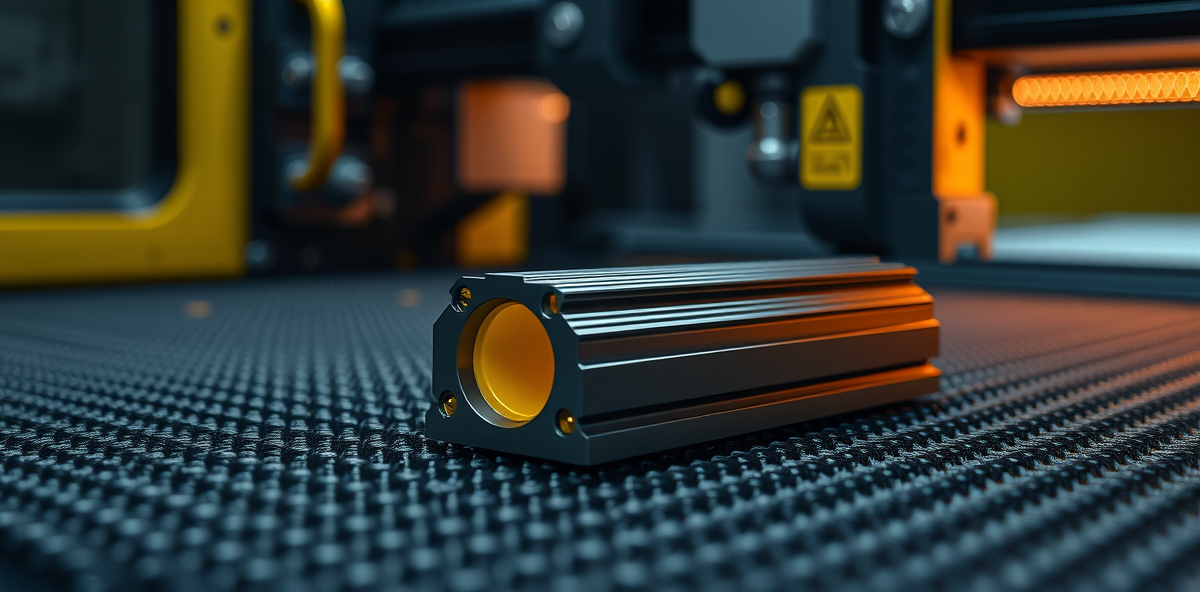
- Ceramic Ring for Laser Cutting Machine: Also known as the insulating ring, this component guides the nozzle and provides electrical insulation for the ignition wire, enabling stable arc ignition. Its integrity is crucial for consistent cutting.
- Assist Gases: Oxygen, Nitrogen, and compressed air are used to aid the cutting process. While not a “part,” their quality and purity are consumable factors directly impacting cut quality.
Overview of Key Laser Cutting Machine Spare Parts and Consumables
| Part | Function | Replacement Cycle |
|---|---|---|
| Focus Lens | Concentrates laser beam | 6-12 months (or as needed) |
| Protective Window | Shields focus lens | 1-4 weeks (or as needed) |
| Single & Double Nozzle | Directs assist gas and beam | Days to weeks (material dependent) |
| Ceramic ring for laser cutting machine | Insulates and guides nozzle | 1-3 months (or as needed) |
| Filters (Air, Water, Gas) | Removes impurities | 1-6 months (system dependent) |
| Bearings & Guide Rails | Ensures precise motion | Annually or as needed |
Types of Laser Cutting Consumables Explained
Understanding the specific roles of various fiber laser ceramic ring and other consumables is key to optimizing your laser cutting process and extending your laser cutting machine life.
Nozzles (Single & Double Nozzle)
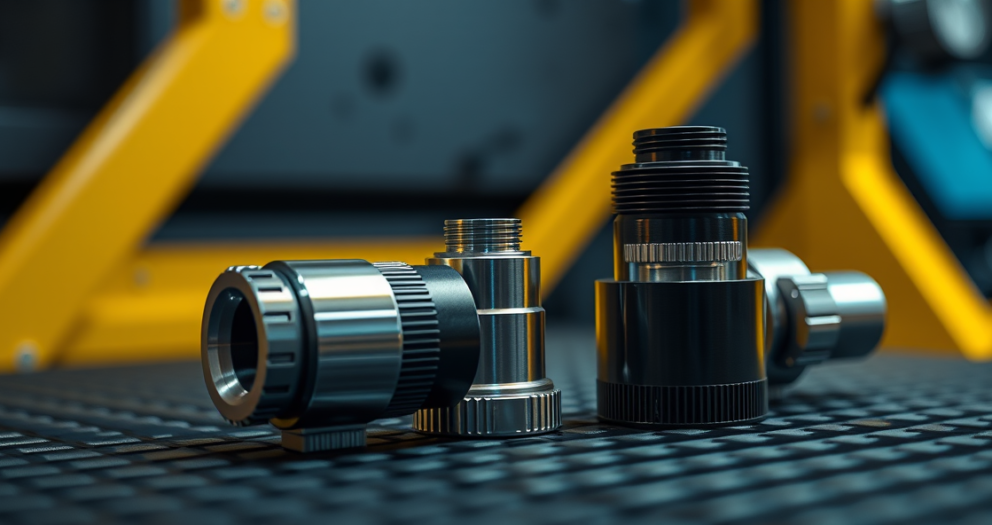
Nozzles are critical for shaping the assist gas flow and protecting the cutting head components. They come in various types, primarily Single Nozzle and Double Nozzle configurations, each suited for different materials and thicknesses.
- Single Nozzle: Typically used for cutting with oxygen (fusion cutting) or for high-pressure nitrogen cutting of thinner materials. The straight, focused gas stream is ideal for reactive cutting and achieving clean edges on certain materials.
- Double Nozzle: Preferred for cutting with nitrogen or air on thicker materials (melt cutting). The double-layered gas flow helps to effectively remove molten material, preventing dross and improving cut quality. Choosing the correct nozzle diameter is also crucial; an improperly sized nozzle can lead to excessive gas consumption, poor cut quality, and even damage to the cutting head. High-quality nozzles from brands like Raytools, Precitec, and Fine Focus ensure consistent performance and longer service life.
Ceramic Rings
The ceramic ring for laser cutting machine is a small but vital component within the cutting head. It plays a crucial role in the auto-focus system and provides electrical insulation. The fiber laser ceramic ring holds the nozzle securely and facilitates the consistent delivery of the assist gas and electrical signal for proper piercing and cutting. A damaged or worn laser cutting machine ceramic ring can lead to erratic cutting, poor piercing, and even damage to the cutting head due to electrical arcing. Opting for genuine ceramic ring for laser cutting machine from reputable manufacturers like OSPRI, Raytools, or Precitec ensures stable cutting and protects your investment.
Lenses
Focus lenses and protective windows are fundamental optical consumables. The focus lens converges the raw laser beam into a highly intense spot, directly impacting the precision and speed of your cuts. Protective windows, positioned below the lens, shield it from spatter, smoke, and debris. Any contamination or damage to these lenses—even microscopic—can scatter the laser light, reducing power density at the focal point, increasing cutting time, and diminishing cut quality. Regular inspection and cleaning, along with timely replacement with certified optical components, are non-negotiable for maximizing the laser cutting machine life and maintaining peak performance.
Signs Your Spare Parts Need Replacement
- Poor Cutting Quality: This is often the most obvious sign. If you notice inconsistent cut lines, excessive dross, irregular kerf width, or parts that aren’t cleanly separated, it’s a strong indicator. A degraded focus lens or a worn Single Nozzle can directly lead to these issues.
- Burr Formation: Increased burr on the underside of your cut parts suggests insufficient laser power reaching the material, improper assist gas flow, or a worn nozzle/lens combination. This means the molten material isn’t being effectively ejected.
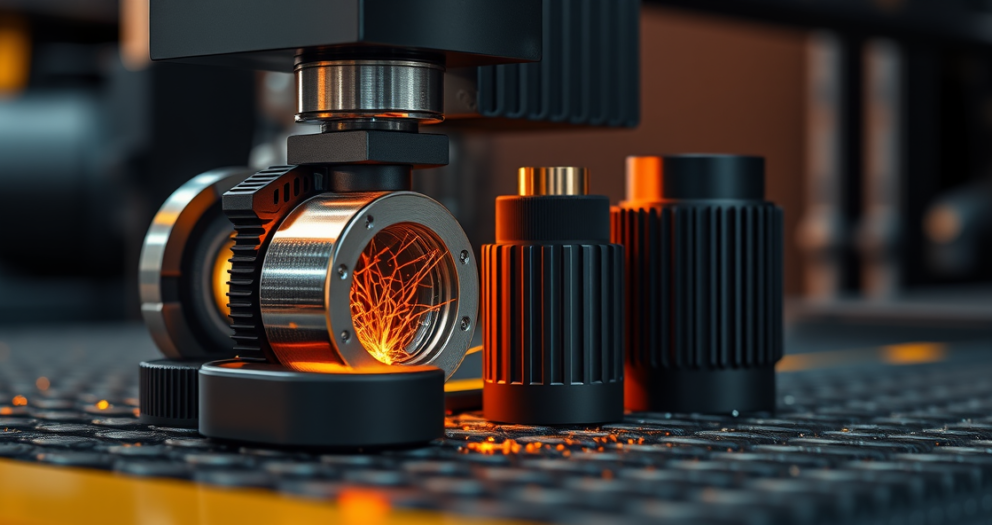
- Irregular Sparks: While sparks are a natural part of laser cutting, an unusual pattern, excessive showering, or sparks coming from unexpected areas can signal a problem with the nozzle, ceramic ring for laser cutting machine, or even gas flow. This often indicates a compromised beam or assist gas path.
- Reduced Piercing Speed: If your machine takes longer to pierce through the material than usual, it could be a sign of reduced laser power density at the focal point, often due to a dirty protective window or a worn focus lens.
- Machine Error Messages: Modern laser cutters often have sensors that detect issues like low gas pressure, abnormal temperatures, or collision errors. Pay attention to these warnings as they can point to failing electrical components or mechanical parts.
- Visible Damage: Physically inspect components. Look for scratches on lenses, deformations on nozzles, cracks in the fiber laser ceramic ring, or wear on guide rails.
Featured Snippet: “What are signs of worn laser cutting parts?”
Signs of worn laser cutting parts include poor cutting quality (burrs, rough edges, inconsistent cuts), irregular or excessive sparking, reduced piercing speed, and visible damage to consumables like nozzles, lenses, or ceramic ring for laser cutting machine. Machine error messages or abnormal noises can also indicate component degradation.
OEM vs Aftermarket Spare Parts
When sourcing laser cutting spare parts and consumables, operators often face the choice between Original Equipment Manufacturer (OEM) parts and aftermarket alternatives. Understanding the differences is crucial for making informed decisions that impact your machine’s performance and longevity.
Comparison Table: OEM vs. Aftermarket Spare Parts
| Feature | OEM Parts | Aftermarket Parts |
|---|---|---|
| Quality & Precision | Guaranteed to meet original specifications and tolerances. Manufactured to high standards. | Varies widely. Can be high quality, but often lower precision or material standard. |
| Compatibility | Perfect fit and seamless integration with your machine. Designed specifically for the model. | May require modifications or may not fit perfectly, potentially affecting performance. |
| Performance & Reliability | Ensures optimal machine performance, reliability, and extends laser cutting machine life. | Inconsistent performance, potential for premature failure, and reduced machine lifespan. |
| Warranty | Typically comes with a manufacturer’s warranty. Using OEM parts often maintains machine warranty. | May or may not come with a warranty. Using non-OEM parts can void machine warranty. |
| Cost | Generally higher upfront cost due to guaranteed quality and R&D. | Often lower upfront cost, but can lead to higher long-term costs due to frequent replacement or damage. |
| Support & Availability | Backed by manufacturer’s technical support and readily available through authorized channels. | Support varies. Availability can be inconsistent, and technical expertise may be limited. |
While aftermarket parts might offer an attractive price point, the long-term implications for your laser cutting machine life, cutting quality, and overall operational costs can be significant. For critical components like focus lenses, Double Nozzle, and ceramic ring for laser cutting machine, the marginal savings often do not justify the risks involved. Opting for genuine laser cutting spare parts ensures consistency, reliability, and ultimately, protects your investment.
How to Choose High-Quality Spare Parts Supplier
Selecting the right supplier for your laser cutting spare parts and fiber laser ceramic ring is as critical as choosing the parts themselves. A reliable supplier ensures you receive genuine, high-performance components that will extend your laser cutting machine life.
- Certifications and Quality Assurance: Look for suppliers who can provide certifications for their products, suchs as ISO standards. This indicates that their manufacturing processes meet international quality benchmarks. Quality assurance processes ensure that parts are tested and validated before reaching your facility.
- Brand Compatibility and Genuine Parts: Prioritize suppliers who offer parts compatible with leading laser head brands like Raytools, OSPRI, Precitec, and Fine Focus. Better yet, choose suppliers who stock genuine parts from these manufacturers. This guarantees that the components are engineered to work seamlessly with your existing equipment, maintaining its performance integrity and ensuring an optimal laser cutting machine life.
- Technical Support and Expertise: A good supplier offers more than just parts; they provide expertise. Look for companies with knowledgeable technical support teams that can assist with part identification, troubleshooting, and offer advice on best practices for maintenance and installation. This support is invaluable, especially when dealing with complex machinery and specialized Single & Double Nozzle.
- Inventory and Timely Delivery: Downtime is costly. Choose a supplier with a robust inventory of essential Single Nozzle, laser cutting machine ceramic ring and other consumables, ensuring quick availability. Reliable logistics and fast delivery minimize the impact of unexpected component failures on your production schedule.
- Reputation and Reviews: Check industry reviews, testimonials, and ask for references. A supplier with a strong reputation for reliability, quality, and customer service is a trustworthy partner for your long-term needs.
Maintenance Tips to Increase Machine Life
Proactive and consistent maintenance is the cornerstone of extending your laser cutting machine life and ensuring its peak performance. Beyond just replacing worn consumables, a diligent maintenance regimen can significantly reduce wear and tear on critical components.
- Regular Cleaning of Optical Components: The focus lens and protective window are highly susceptible to contamination from dust, smoke, and spatter. Clean these components daily, or even several times a day depending on usage, using specialized optical cleaning solutions and wipes. Even a microscopic spec of dirt can absorb laser energy, leading to thermal stress and premature failure of the lens.
- Checking Nozzle Alignment and Condition: The Single & Double Nozzle must be perfectly centered with the laser beam. Regularly inspect for signs of wear, deformation, or buildup. Misalignment can lead to poor cut quality, increased dross, and even damage to the nozzle itself. Replace worn nozzles promptly.
- Replacing Consumables Regularly: Adhere to recommended replacement schedules for all fiber laser ceramic ring and other consumables like filters (air, water, gas) and protective windows. Even if they appear fine, their performance degrades over time. Proactive replacement prevents minor issues from escalating into major machine failures.
- Lubrication of Moving Parts: Guide rails, linear bearings, and ball screws require regular lubrication to ensure smooth, precise movement and prevent premature wear. Refer to your machine’s manual for recommended lubricants and frequencies.
- Monitoring Assist Gas Quality: Impurities in assist gases can contaminate optics and affect cut quality. Ensure your gas supply is pure and that gas filters are regularly inspected and replaced.
- Calibrating and Testing: Periodically calibrate your machine’s critical parameters, such as laser power, cutting speed, and focus position. Perform test cuts to verify cut quality and make adjustments as needed.
Cost Optimization Strategy
While investing in quality is paramount, smart strategies can help optimize costs associated with laser cutting spare parts and consumables without compromising performance or your laser cutting machine life.
- Bulk Buying of Essential Consumables: For frequently replaced items like nozzles, protective windows, and laser ceramic ring, consider purchasing in larger quantities. Many suppliers offer discounts for bulk orders, leading to significant savings over time. Ensure you have proper storage to prevent degradation.
- Implementing a Predictive and Preventive Maintenance Schedule: Rather than waiting for a component to fail, a well-structured maintenance plan allows for timely replacement before issues escalate. This reduces unexpected downtime and prevents damage to more expensive machine parts, ultimately lowering overall repair costs.
- Using Genuine and High-Quality Consumables: As discussed, while cheaper alternatives might seem appealing, they often lead to more frequent replacements, poorer cut quality, and potential damage to the machine. Investing in genuine fiber laser ceramic ring and other parts from trusted brands like Raytools, OSPRI, Precitec, and Fine Focus ensures longer life, consistent performance, and minimizes unforeseen expenses. This approach safeguards your laser cutting machine life and your bottom line.
- Operator Training: Well-trained operators can identify issues early, perform basic maintenance correctly, and optimize cutting parameters, all of which contribute to less wear and tear and efficient use of consumables.
- Inventory Management: Implement a robust inventory system to track spare parts and consumables. This prevents overstocking, reduces waste, and ensures you have critical components on hand when needed, avoiding costly rush orders.
Applications & Industry Use Cases
The principles of extending laser cutting machine life through proper consumable management are universally applicable across various industries that rely on precision metal fabrication. From small workshops to large manufacturing plants, the impact is profound.
- Automotive Industry: Used for cutting high-strength steels, aluminum alloys, and specialized materials for vehicle bodies, chassis, and intricate engine components. Consistent quality and high uptime are critical for meeting production demands.
- Sheet Metal Fabrication: The backbone of countless products, sheet metal fabricators rely on laser cutting for producing parts for enclosures, panels, and custom designs. Optimal consumable use ensures clean, burr-free edges and reduced secondary processing.
- Aerospace Industry: Demands extreme precision and reliability for cutting lightweight, high-performance alloys. The longevity of laser cutting machine life and the integrity of cuts are paramount due to stringent safety standards.
- Medical Device Manufacturing: Produces intricate and high-precision components from various metals. The clean cuts and minimal heat affected zones provided by well-maintained lasers are crucial.
- General Manufacturing: From signage to industrial equipment parts, laser cutting offers versatility and speed. Proper consumable management ensures operational efficiency for diverse production needs.
FAQs
Q1: How often should I replace my laser cutting nozzle?
The replacement frequency for your laser cutting Single & Double Nozzle depends on the material being cut, its thickness, assist gas purity, and the overall hours of operation. Generally, nozzles should be inspected daily and replaced when wear or spatter buildup affects the cut quality, which can range from a few days to a few weeks. Using genuine parts from brands like Raytools or Precitec can extend their effective lifespan.
Q2: What is the impact of a worn ceramic ring for laser cutting machine?
A worn or damaged ceramic ring for laser cutting machine can lead to unstable cutting, poor piercing, and inconsistent cut quality. It can also cause electrical arcing within the cutting head, potentially damaging more expensive components. Regular inspection and replacement with a quality fiber laser ceramic ring are crucial for stable operation and maintaining laser cutting machine life.
Q3: Are aftermarket laser cutting parts truly cost-effective?
While aftermarket laser cutting parts often have a lower upfront cost, they can prove more expensive in the long run. They may have shorter lifespans, lead to decreased cutting quality, increase material waste, and potentially cause damage to other machine components, ultimately reducing your laser cutting machine life and increasing overall operational expenses. Genuine parts, especially Single Nozzle from trusted manufacturers, offer better value through consistent performance and longevity.
Q4: How do I know if my laser lens needs cleaning or replacement?
Signs your laser lens needs attention include reduced cutting power, inconsistent cuts, increased dross, or visible smoke/haze within the cutting head. Regular visual inspection for scratches, pits, or dust is also key. If cleaning doesn’t restore performance, or if damage is visible, replacement with a high-quality lens is necessary to protect your laser cutting machine life and cut quality.
Q5: Why is assist gas purity important for fiber laser cutting consumables?
Assist gas purity is paramount because impurities can contaminate optical components like lenses and protective windows, leading to premature wear and reduced laser power. Contaminated gases also negatively impact cut quality, leading to burrs, discoloration, and inefficient material removal. High-purity gases protect your Double Nozzle and laser ceramic ring, ensuring optimal laser cutting machine life and performance.
Conclusion
Maximizing your laser cutting machine life and ensuring its peak performance isn’t solely about the machine itself, but critically about the quality and maintenance of its consumables and spare parts. From the precise beam shaping of a Single & Double Nozzle to the insulating stability of a fiber laser ceramic ring, each component plays an indispensable role. Investing in genuine, high-quality consumables from reputable brands like Raytools, OSPRI, Precitec, and Fine Focus is not an expenditure, but a strategic decision that reduces downtime, improves cutting accuracy, optimizes costs, and significantly extends the lifespan of your valuable equipment.
Embrace a proactive maintenance culture, choose your suppliers wisely, and prioritize quality over perceived short-term savings. By doing so, you will unlock the full potential of your laser cutting operations, ensuring consistent productivity, superior product quality, and a robust return on your investment for years to come.
Write a comment
Your email address will not be published. All fields are required