

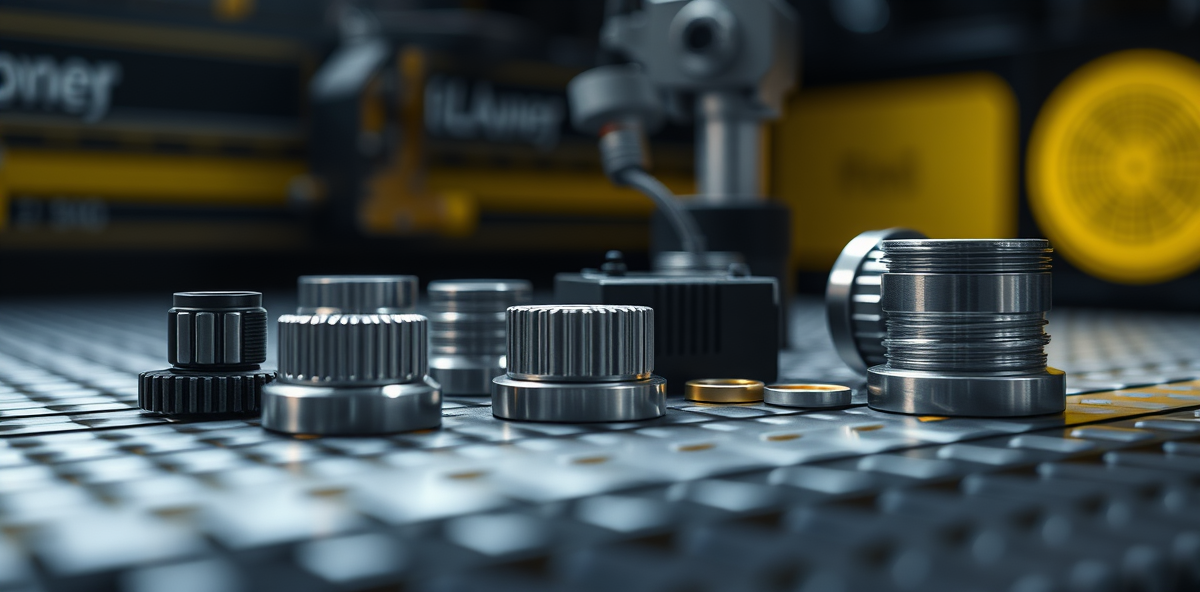
Introduction
In the demanding world of metal fabrication, every minute of machine uptime and every millimeter of cut quality directly impacts your bottom line. Downtime due to worn-out parts or subpar cutting quality can lead to significant financial losses, project delays, and ultimately, a damaged reputation. For B2B laser cutting machine users, operators, and metal fabricators, maintaining peak performance is not just a goal, but a necessity for competitive advantage.
This comprehensive guide delves into the critical role of high-quality laser spare parts and consumables in ensuring optimal machine efficiency, superior cutting results, and long-term cost savings. We will explore everything from essential components to maintenance strategies, helping you make informed decisions to keep your operations running smoothly. Discover how investing in genuine, high-quality fiber laser ceramic rings and other consumables can transform your productivity.
Download Spare Parts Checklist to streamline your inventory management and ensure you always have essential components on hand.
Why Spare Parts & Consumables Matter in Laser Cutting
The intricate dance of a fiber laser cutting machine relies on a symphony of components working in perfect harmony. Each spare part and consumable plays a vital role, directly influencing the machine’s performance, precision, and longevity. Ignoring the importance of these elements is akin to trying to run a race car with worn tires and a sputtering engine.
Impact on Performance
High-quality spare parts are the lifeblood of consistent laser cutting performance. Components like nozzles, lenses, and ceramic ring for laser cutting machines dictate the accuracy of the laser beam, the quality of the cut edge, and the overall speed of operation. Genuine parts, manufactured to exact specifications, ensure the laser beam maintains its focus and integrity, resulting in cleaner cuts, minimal burrs, and precise geometries. Substandard parts, on the other hand, can lead to beam divergence, inconsistent power delivery, and ultimately, rejected parts and wasted material.
Cost of Low-Quality Parts
While aftermarket or generic parts might appear to offer initial cost savings, their long-term impact can be significantly detrimental. Low-quality spare parts often have shorter lifespans, requiring more frequent replacements. This not only increases direct purchasing costs over time but also introduces more downtime for installations and calibrations. Moreover, these parts can cause damage to other, more expensive machine components, leading to extensive repairs and even premature machine failure. The true cost of cheap parts extends far beyond their purchase price, encompassing lost productivity, increased scrap rates, and potential damage to the entire system.
Machine Efficiency
Optimal machine efficiency is a cornerstone of profitable metal fabrication. Quality spare parts contribute significantly to this efficiency by ensuring the laser system operates at its peak. Properly functioning optics maintain the laser’s power and focus, allowing for faster cutting speeds and lower energy consumption per cut. Reliable mechanical components prevent unnecessary vibrations and wear, extending the life of the machine and reducing maintenance frequency. From the precision of the Single Nozzle to the conductivity of the fiber laser ceramic ring, every high-quality part ensures your machine runs smoother, faster, and more economically.
Complete Overview of Laser Cutting Machine Spare Parts
Understanding the various components of a fiber laser cutting machine is crucial for effective maintenance and sourcing of spare parts. These parts can be broadly categorized into optical, mechanical, electrical, and consumables, each playing a distinct yet interconnected role.
Optical Components
Optical components are at the heart of the laser’s precision. They guide, focus, and shape the laser beam from its source to the workpiece. Essential optical spares include:
- Focus Lenses: These precisely engineered lenses focus the laser beam to an extremely small spot, enabling high-power density for cutting. Damage or contamination can severely degrade cutting quality.
- Protective Windows/Cover Slides: Positioned to shield expensive focus lenses from spatter and debris, these are crucial for maintaining optical integrity and are considered consumables.
- Collimating Lenses: Convert the diverging laser beam into a parallel beam, which is essential before focusing.
- Mirrors (for CO2 lasers, less common in fiber): Used to direct the laser beam along the optical path. Fiber lasers primarily use fiber optics for beam delivery, but some systems might still have turning mirrors.
Mechanical Parts
Mechanical parts ensure the precise movement and delivery of the laser beam to the material. These are subject to wear and tear due to constant motion and environmental factors.
- Nozzles: Direct the assist gas precisely around the laser beam at the cutting point. The type of Single & Double Nozzle significantly impacts cut quality and speed.
- Bearings and Guide Rails: Essential for smooth and accurate movement of the cutting head across the gantry. Wear in these components leads to vibration and loss of precision.
- Gear Racks and Pinions: Drive the gantry movement, translating motor rotation into linear motion. Precision is paramount here.
- Cutting Head Components: Including the body, height sensors, and various seals that protect internal optics.
Electrical Components
The electrical system powers and controls the entire laser cutting operation. Malfunctions here can lead to complete machine shutdown or erratic performance.
- Laser Source Components: While the laser source itself is a major investment, internal components like pump diodes or power supply units can sometimes be replaced.
- Servo Motors and Drives: Control the precise movement of the cutting head and gantry.
- Sensors: Including capacitive height sensors, limit switches, and safety sensors, which are critical for accurate operation and operator safety.
- Control System Boards: The “brain” of the machine, processing commands and coordinating all functions.
- Cables and Connectors: Can degrade over time, leading to signal loss or power interruptions.
Consumables
Consumables are parts that are designed for regular replacement due to wear, degradation, or contamination during normal operation. Proactive replacement of these items is key to uninterrupted production.
- Nozzles: Crucial for beam shaping and assist gas delivery, Single & Double Nozzles are the primary contact point with the cutting process and wear quickly.
- Ceramic ring for laser cutting machines: Also known as insulators or nozzle holders, these electrically isolate the nozzle from the cutting head and house the height sensing electrodes. Their integrity is vital for accurate height control.
- Protective Windows: As mentioned, these optical safeguards require frequent checking and replacement.
- Filters: For cooling systems, dust extraction, and assist gas lines, filters prevent contamination and ensure system cleanliness.
- O-rings and Seals: Maintain gas and coolant pressure and prevent leaks within the cutting head and other systems.
Table: Essential Laser Cutting Machine Parts & Their Functions
| Part | Function | Replacement Cycle (Typical) |
|---|---|---|
| Focus Lens | Focuses laser beam onto material | 3-6 months or as needed |
| Protective Window | Shields focus lens from debris | Daily check, weekly/monthly replacement |
| Nozzle (Single & Double Nozzle) | Directs assist gas, shapes beam | Daily/weekly or as needed |
| Ceramic ring for laser cutting machine | Electrical isolation, height sensing | 1-3 months or as needed |
| Air Filters | Cleans incoming air/gas | Monthly/Quarterly |
| Coolant Filters | Removes particles from coolant | Monthly/Quarterly |
| Guide Rails/Bearings | Ensures smooth gantry movement | Yearly or as needed |
Types of Laser Cutting Consumables Explained
Understanding the specific roles and characteristics of key fiber laser cutting Consumables is paramount for optimizing your machine’s performance and ensuring high-quality output. These parts, though seemingly small, have a monumental impact on the cutting process.
Nozzles (Single & Double Nozzle)
Nozzles are critical components that perform two primary functions: directing the assist gas precisely around the laser beam and shaping the beam itself. The choice between Single Nozzle and Double Nozzle designs depends heavily on the material being cut and the desired edge quality. A Single Nozzle is typically used for oxygen cutting of mild steel, providing a focused, high-pressure jet. The Double Nozzle, often favored for nitrogen cutting of stainless steel and aluminum, creates a protective shroud of gas around the central jet, preventing oxidation and improving cut quality. Regular inspection and replacement of worn or contaminated nozzles are essential to maintain precise gas flow and prevent beam deflection, which can lead to poor cuts and increased material waste.
Ceramic rings for laser cutting machine
Often overlooked but incredibly important, the ceramic ring for laser cutting machine, also known as an insulator or nozzle holder, serves multiple critical functions. Firstly, it provides electrical insulation between the nozzle and the cutting head, which is vital for the proper functioning of the capacitive height sensing system. This system allows the cutting head to maintain a constant, precise distance from the material surface, compensating for variations in material flatness. Secondly, the laser ceramic ring acts as the conduit for the height sensing electrodes. A damaged, cracked, or dirty fiber laser ceramic ring will compromise height sensing accuracy, leading to inconsistent focus, collisions with the workpiece, and poor cut quality. Opting for high-quality ceramic rings from brands like Raytools, Precitec, or OSPRI ensures reliable performance and longevity.
Lenses
The primary lens, typically a focus lens, is responsible for concentrating the laser beam to a tiny, powerful spot. The quality and cleanliness of this lens are paramount for achieving precise and efficient cuts. Contamination from dust, smoke, or spatter can lead to lens overheating, thermal lensing effects (where the lens itself changes focal length due to heat), and ultimately, damage or breakage. Even minor scratches or imperfections can cause beam distortion, resulting in wider kerf widths, increased burr formation, and slower cutting speeds. Protective windows are used to shield the main focus lens and are themselves consumables that require regular inspection and replacement. Using only certified, high-grade lenses from reputable suppliers is crucial for maintaining optical integrity and machine performance.
Signs Your Spare Parts Need Replacement
Proactive identification of worn or failing parts is critical to prevent costly downtime and maintain optimal cutting quality. Paying attention to these warning signs can save you time, money, and materials.
Poor Cutting Quality
This is often the most immediate and noticeable indicator that something is amiss. If your once-pristine cuts suddenly become rough, uneven, or exhibit excessive dross, it’s a strong signal that consumables like your Nozzle, focus lens, or fiber laser ceramic ring may be degraded. A dull cut, discoloration, or inconsistent edge finish are all red flags.
Burr Formation
Increased burr on the underside of your cut parts is a common symptom of a worn nozzle or an incorrectly focused laser beam. A fresh, properly aligned nozzle ensures efficient assist gas flow, which helps expel molten material cleanly. If burrs persist despite correct parameters, inspect your nozzle and lens.
Irregular Sparks
The spark pattern during cutting should be consistent and uniform. Irregular, scattered, or excessively bright sparks often indicate issues with the nozzle, such as a clogged or misaligned orifice. This can also point to a problem with the laser cutting machine ceramic ring affecting height sensing, or even a damaged protective window interfering with the beam path.
Reduced Cutting Speed
If your machine suddenly takes longer to cut materials that it previously processed with ease, it could be due to a loss of laser power at the workpiece. This can be caused by a dirty or damaged focus lens, a worn nozzle, or issues with optical components that are degrading the beam quality.
Frequent Arc Jumps or Crashes
These severe events are often a direct result of a failing ceramic ring for laser cutting machine. When the ceramic ring’s insulating properties degrade or its electrodes become contaminated, the capacitive height sensing system loses accuracy. This can lead to the nozzle making contact with the workpiece, causing disruptive arc jumps or full-blown head crashes, which can damage the cutting head and expensive optics.
Unusual Noises or Vibrations
While less common for consumables, mechanical parts like bearings, guide rails, or drive gears can generate unusual noises or vibrations when worn. These can eventually impact cutting precision if not addressed.
Featured Snippet:
“What are signs of worn laser cutting parts?”
Signs of worn laser cutting parts include poor cutting quality (rough edges, discoloration, dross), increased burr formation, irregular spark patterns during cutting, reduced cutting speed, frequent arc jumps or head crashes, and unusual noises or vibrations from mechanical components. Specifically, issues with the ceramic ring for laser cutting machine can lead to height sensing problems and crashes, while a degraded Single Nozzle or Double Nozzle affects gas delivery and cut quality.
OEM vs. Aftermarket Spare Parts
When it comes to sourcing spare parts for your laser cutting machine, you typically face a choice between Original Equipment Manufacturer (OEM) parts and aftermarket alternatives. Understanding the differences is crucial for making an informed decision that balances initial cost with long-term performance and reliability.
OEM (Original Equipment Manufacturer) Parts
OEM parts are manufactured by the company that made your laser cutting machine or by their certified suppliers. They are designed and produced to the exact specifications, tolerances, and quality standards of your original machine. This ensures perfect fit, seamless integration, and guaranteed performance that matches the machine’s original capabilities.
- Pros:
- Guaranteed compatibility and fit.
- Optimal performance and cutting quality.
- Reliability and durability, often backed by warranties.
- Maintains machine warranty.
- Access to manufacturer technical support and expertise.
- Cons:
- Generally higher upfront cost.
- May have longer lead times for specialized parts.
Aftermarket Parts
Aftermarket parts are produced by third-party manufacturers, not by the original equipment manufacturer. These parts are designed to be compatible with various machine brands and models. While some aftermarket suppliers offer high-quality alternatives, the quality can vary significantly.
- Pros:
- Often lower upfront cost.
- Wider availability from multiple suppliers.
- Potential for innovation or specialized versions of parts.
- Cons:
- Variable quality, fit, and performance.
- May not meet original specifications, leading to suboptimal cutting.
- Risk of reduced machine lifespan or damage to other components.
- Can void machine warranties.
- Lack of comprehensive technical support compared to OEM.
Table: OEM vs. Aftermarket Spare Parts Comparison
| Feature | OEM Parts | Aftermarket Parts |
|---|---|---|
| Manufacturer | Original machine manufacturer or certified supplier | Third-party companies |
| Fit & Compatibility | Guaranteed perfect fit and integration | Variable; may require modifications or have issues |
| Quality & Performance | Highest quality, optimized for machine performance | Variable; can be good, but often lower quality |
| Cost | Generally higher upfront cost | Typically lower upfront cost |
| Warranty | Often comes with manufacturer warranty; maintains machine warranty | May have supplier warranty; can void machine warranty |
| Reliability | High, tested for durability and consistent operation | Variable; potential for shorter lifespan or failure |
| Technical Support | Direct from machine manufacturer | From third-party supplier, may be limited |
For critical components like focus lenses, Single & Double Nozzles, and especially the fiber laser ceramic ring, investing in OEM or high-quality, certified aftermarket parts is generally recommended to ensure consistent performance and protect your overall machine investment.
How to Choose a High-Quality Spare Parts Supplier
Selecting the right supplier for your fiber laser cutting consumables and spare parts is as crucial as the parts themselves. A reliable supplier ensures you receive genuine, high-performance components that keep your operations running smoothly and efficiently. This is especially vital when considering fiber laser ceramic rings and precision optics.
Certifications and Quality Assurance
Look for suppliers who can provide certifications for their products, demonstrating adherence to international quality standards (e.g., ISO 9001). This indicates a commitment to quality control throughout the manufacturing and distribution process. A reputable supplier will have robust quality assurance protocols, ensuring that each part, from a simple O-ring to a complex focus lens or a laser ceramic ring, meets stringent performance criteria. Inquire about their testing procedures and material sourcing.
Brand Compatibility and Authorized Dealerships
The best suppliers often have partnerships or are authorized dealers for leading brands in laser cutting technology. This ensures they stock genuine components compatible with your machine’s original specifications. Look for suppliers who can provide parts for industry-leading brands such as:
- Raytools: Renowned for their high-performance laser cutting heads and integrated solutions.
- OSPRI: A recognized name in laser optics and components, providing reliable and precise parts.
- Precitec: A global leader in laser cutting and welding heads, known for innovation and quality.
- Fine Focus: Specializing in high-quality optical components, ensuring beam integrity and cutting precision.
A supplier with direct access to these brands means you are getting authentic parts designed for optimal compatibility and performance, including critical fiber laser ceramic rings and Double Nozzles.
Technical Support and Expertise
A truly valuable spare parts supplier offers more than just products; they provide expert technical support. This includes:
- Knowledgeable Staff: Employees who understand laser cutting technology and can help you identify the correct part for your specific machine and application.
- Troubleshooting Assistance: The ability to offer guidance on diagnosing issues and selecting appropriate replacement parts.
- Installation Guidance: While not always necessary, some suppliers can provide resources or advice for installing complex components.
- After-Sales Support: A commitment to resolving any issues that may arise post-purchase, ensuring your satisfaction and minimizing downtime.
Choosing a supplier with strong technical backing is an investment in your operational continuity and peace of mind.
Maintenance Tips to Increase Machine Life
Extending the lifespan of your fiber laser cutting machine and maintaining its peak performance requires a proactive and consistent maintenance regimen. Regular attention to key components can significantly reduce wear, prevent costly breakdowns, and ensure consistent cut quality. This includes diligently caring for your laser ceramic rings and nozzles.
Cleaning Lenses and Protective Windows
Optical components are highly susceptible to contamination from dust, smoke, and spatter. Even a microscopic particle can absorb laser energy, leading to overheating and damage. Regularly inspect and meticulously clean your focus lenses and protective windows using only approved optical cleaning solutions and lint-free wipes. Never touch the optical surfaces with bare hands. This simple routine prevents beam distortion and extends the life of expensive optics.
Checking Nozzle Alignment and Condition
The Nozzle is the final point of contact for the laser beam and assist gas. Its alignment and condition are critical. Daily, check for any signs of wear, damage, or clogging. Ensure the Nozzle is perfectly centered with the laser beam. Misalignment can lead to uneven gas flow, poor cut quality, and increased burr. Replace worn Single & Double Nozzles immediately to maintain optimal performance.
Replacing Consumables Regularly
Consumables like protective windows, Nozzles, and especially the ceramic ring for laser cutting machine are designed for finite lifespans. Adhere to manufacturer-recommended replacement schedules or replace them proactively based on usage and inspection. Waiting for these parts to fail can cause secondary damage to more expensive components or lead to unexpected downtime. Keeping a stock of essential fiber laser cutting Consumables is a smart preventive measure.
Lubrication of Mechanical Components
Regularly lubricate guide rails, bearings, and gear racks according to the manufacturer’s guidelines. Proper lubrication reduces friction and wear, ensuring smooth, accurate motion of the cutting head and gantry. This prevents premature failure of mechanical parts and maintains cutting precision.
Cooling System Maintenance
The chiller maintains the laser source and cutting head at optimal operating temperatures. Regularly check coolant levels, filter condition, and water quality. Replace coolant filters and periodically flush the system to prevent algae buildup or scale, which can reduce cooling efficiency and damage the laser source.
Dust Extraction System Checks
A clean working environment is crucial for optics. Ensure your dust extraction system is functioning effectively. Clean or replace filters regularly to maintain adequate suction, preventing smoke and debris from contaminating lenses and other sensitive components.
Book Maintenance Consultation with our experts to develop a tailored preventive maintenance plan for your laser cutting machine.
Cost Optimization Strategy
In the competitive manufacturing landscape, managing operational costs while maintaining high quality is paramount. Strategic sourcing and maintenance of fiber laser cutting consumables and spare parts can significantly contribute to cost optimization without compromising performance. Investing in the right fiber laser ceramic ring and optics is a key part of this strategy.
Bulk Buying and Inventory Management
Purchasing commonly used consumables like nozzles, protective windows, and ceramic ring for laser cutting machines in bulk often unlocks significant discounts from suppliers. Establishing a smart inventory management system helps you track usage patterns, predict needs, and avoid emergency purchases which typically come at a premium. This reduces per-unit costs and ensures you always have critical parts on hand, minimizing downtime and its associated costs.
Preventive Maintenance Schedules
Implementing a rigorous preventive maintenance schedule is a long-term cost-saving strategy. Instead of reacting to breakdowns, proactive maintenance addresses minor issues before they escalate into major, expensive repairs. Regular cleaning, inspection, and timely replacement of worn consumables prevent cascading failures and extend the lifespan of expensive machine components. This includes routinely checking the Single Nozzle and laser ceramic ring.
Using Genuine and High-Quality Consumables
While cheaper aftermarket parts might seem appealing initially, they often lead to higher overall costs. Genuine or certified high-quality consumables from brands like Raytools, OSPRI, Precitec, and Fine Focus offer superior performance, longer lifespans, and consistent results. This translates to fewer replacements, reduced scrap material, and less frequent downtime. Investing in quality fiber laser ceramic rings and lenses, for example, prevents damage to the cutting head and ensures precise cuts, ultimately optimizing your cost per part.
Energy Efficiency Optimization
Well-maintained machines with high-quality components operate more efficiently, consuming less energy. A clean focus lens ensures maximum laser power reaches the workpiece, allowing for faster cutting speeds and reduced cycle times, which directly translates to lower energy consumption per job. Proper nozzle selection and assist gas management also contribute to energy savings.
Operator Training and Skill Development
A well-trained operator is your first line of defense against costly mistakes. Skilled operators understand how to optimize machine parameters, identify early signs of part wear, and perform routine maintenance correctly. This reduces human error, extends the life of consumables, and prevents accidental damage to the machine.
Applications & Industry Use Cases
Fiber laser cutting machines, supported by high-quality spare parts and consumables, are indispensable across a wide array of industries due to their precision, speed, and versatility. The consistent performance offered by genuine components, including precise Double Nozzles and reliable laser cutting machine ceramic rings, is crucial for these demanding applications.
Automotive Industry
In the automotive sector, fiber lasers are used for cutting intricate parts for chassis, body panels, and engine components from various metals, including high-strength steels and aluminum alloys. The precision required for these safety-critical parts necessitates flawless cuts, making the quality of optical components, Single Nozzles, and ceramic ring for laser cutting machines absolutely vital for consistent, repeatable results and strict quality control.
Sheet Metal Fabrication
Sheet metal fabricators rely on fiber laser machines for high-volume production of diverse components, from decorative panels to structural brackets. The ability to cut complex geometries with narrow kerf widths and smooth edges, without secondary finishing, is a major advantage. Using high-grade fiber laser cutting Consumables ensures minimal waste and maximum throughput, which is essential for profitability in this competitive industry.
Industrial Machinery Manufacturing
Manufacturers of heavy machinery, agricultural equipment, and industrial tools utilize fiber lasers to cut thick plates with high accuracy. The robust nature of the machines, coupled with reliable spare parts like those from Precitec and Raytools, ensures they can handle demanding materials and continuous operation, producing components with tight tolerances for assembly.
Aerospace and Defense
The aerospace industry demands extreme precision and the ability to process advanced materials like titanium and nickel alloys. Fiber lasers equipped with top-tier optics and fiber laser ceramic rings deliver the critical accuracy and material integrity required for aircraft components, ensuring safety and performance under extreme conditions.
HVAC and Appliance Manufacturing
For HVAC systems and home appliances, fiber lasers cut components from thin-gauge sheet metal rapidly and efficiently. The clean cuts provided by quality nozzles and lenses reduce post-processing, accelerating production cycles and optimizing costs for mass-produced items.
FAQs
Q1: How often should I replace my laser cutting machine’s nozzle?
A1: The replacement frequency for your laser cutting Nozzle depends on factors like material type, cutting gas, laser power, and operating hours. Daily inspection is recommended, and replacement should occur at the first sign of wear, damage, or degradation in cut quality, typically ranging from a few days to a few weeks for continuous operation. Always consider if a Single Nozzle or Double Nozzle is more suitable for your application.
Q2: What is the purpose of a ceramic ring for laser cutting machine?
A2: The ceramic ring for laser cutting machine provides essential electrical insulation between the nozzle and the cutting head. It also houses the electrodes for the capacitive height sensing system, which maintains a constant distance between the nozzle and the material, crucial for consistent focus and cut quality. A high-quality fiber laser ceramic ring from brands like Raytools or Precitec ensures precise height control.
Q3: Can using aftermarket spare parts damage my laser cutting machine?
A3: While some aftermarket parts are high-quality, many can be inferior. Using low-quality aftermarket parts, especially for critical components like optics or a laser ceramic ring, can lead to reduced cutting performance, increased wear on other machine components, and even cause costly damage to the cutting head or laser source, potentially voiding your machine’s warranty. It is always recommended to use genuine or certified high-quality components.
Q4: How does a dirty focus lens impact cutting performance?
A4: A dirty or contaminated focus lens significantly degrades cutting performance. It can cause the laser beam to scatter, reducing its power density and leading to wider kerf, slower cutting speeds, increased dross, and poor edge quality. Contamination can also cause the lens to overheat, leading to thermal lensing effects or permanent damage, necessitating costly replacement.
Q5: What are the benefits of preventive maintenance for laser cutting machines?
A5: Preventive maintenance offers numerous benefits, including extended machine lifespan, consistent high-quality output, reduced unscheduled downtime, lower repair costs in the long run, optimized energy consumption, and enhanced operator safety. It involves regular inspections, cleaning, lubrication, and timely replacement of fiber laser cutting Consumables like nozzles and ceramic ring for laser cutting machines, proactively addressing issues before they become critical.
Conclusion
The performance, efficiency, and longevity of your fiber laser cutting machine are inextricably linked to the quality and timely replacement of its spare parts and consumables. From the precision of your Single & Double Nozzle to the integrity of your fiber laser ceramic ring, every component plays a pivotal role in achieving optimal cutting results and maximizing your operational uptime. Investing in genuine, high-quality parts from trusted brands like Raytools, OSPRI, Precitec, and Fine Focus is not merely an expense, but a strategic decision that drives performance, optimizes costs, and secures your competitive edge.
Embrace a proactive approach to maintenance, understand the warning signs of worn parts, and partner with a reliable supplier to ensure your laser cutting operations run seamlessly. Remember, superior parts equate to superior performance, less downtime, and ultimately, greater profitability for your fabrication business.
- Request Quote for genuine laser spare parts today.
- Talk to Expert to discuss your specific machinery needs.
- Download Catalog for a complete list of our laser spares and consumables.
Write a comment
Your email address will not be published. All fields are required