

Introduction
In the demanding world of metal fabrication, laser cutting machines are workhorses. However, unexpected downtime or subpar cutting quality can significantly impact production schedules and profitability. These common challenges for metal fabricators, operators, and owners often stem from neglected machine components and consumables.
Adopting a robust preventive maintenance laser plan is crucial for operational excellence. This guide explores the essential aspects of laser machine upkeep, emphasizing the importance of genuine spare parts and high-quality fiber laser cutting consumables. By implementing these insights, you can enhance machine performance, optimize costs, and ensure peak efficiency.
Ready to secure your investment? Download our “Spare Parts Checklist” today!
Why Spare Parts & Consumables Matter in Laser Cutting
The efficiency and output quality of a laser cutting machine hinge on the condition and quality of its spare parts and consumables. These components directly influence cutting precision and machine longevity. Neglecting their importance can lead to significant operational and financial setbacks.
Impact on Performance
Worn-out or substandard parts severely degrade cutting performance. A compromised lens can cause beam dispersion, resulting in imprecise cuts and wider kerfs. A damaged nozzle can disrupt gas flow, leading to dross and poor edge finishes. These issues not only slow production but also increase material waste and post-processing, eroding profitability.
Cost of Low-Quality Parts
While inexpensive aftermarket parts may seem appealing, their long-term costs often outweigh initial savings. Cheap components wear faster, requiring frequent replacements and higher labor costs. More critically, they can damage other expensive machine parts, causing catastrophic failures and prolonged downtime, costing thousands per hour in lost production. True cost includes durability, reliability, and machine health.
Machine Efficiency
Optimal machine efficiency is vital for competitive manufacturing. Genuine, high-quality spare parts ensure your laser machine operates within peak parameters, achieving maximum cutting speeds and accuracy. They contribute to consistent output, reduced energy consumption from less rework, and extended periods of uninterrupted operation. When every component functions as designed, your machine delivers superior results, improving throughput and profitability.
Complete Overview of Laser Cutting Machine Spare Parts
A sophisticated laser cutting system relies on numerous interconnected parts for precise operation. Understanding these components is vital for effective preventive maintenance laser and consistent performance.
Optical Components (Lens, Mirrors)
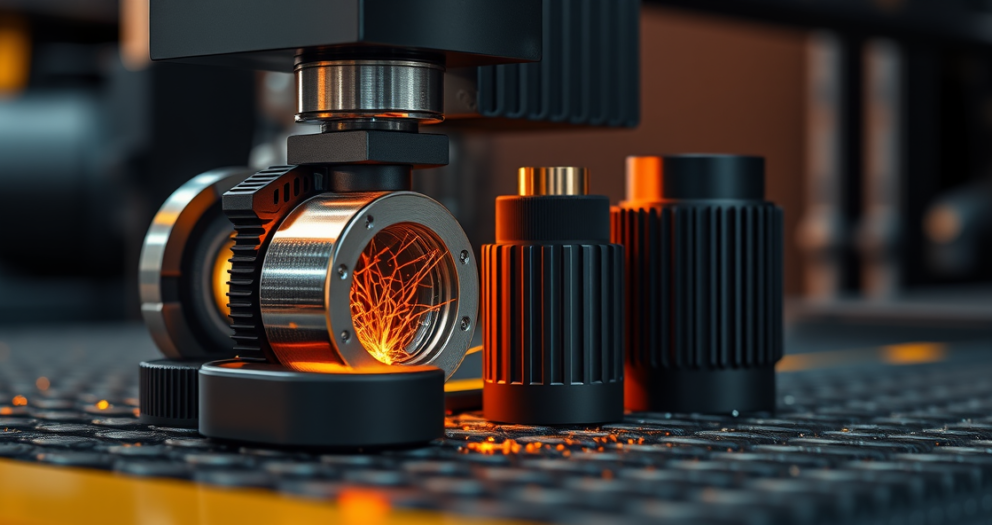
These components, including focusing lenses, protective windows, and reflective mirrors, guide and focus the laser beam onto the workpiece. Their clarity and integrity are paramount for precise cutting. Contamination or damage on these surfaces diffuses the laser beam, leading to poor cut quality, reduced power, and potential damage to the laser source itself.
Mechanical Parts (Nozzle, Bearings)
Mechanical parts ensure the cutting head’s precise movement and stability. This includes nozzles, which direct assist gas and shape the laser beam, and bearings/guide rails for smooth motion along the axes. Worn bearings cause vibrations, affecting accuracy, while a misaligned nozzle leads to inconsistent cutting and excessive dross.
Electrical Components
The electrical system controls all machine operations, from power delivery to motion control. This includes power supplies, sensors, cables, circuit boards, and motor drives. Electrical malfunctions can cause complete shutdowns, erratic movements, or incorrect laser power, halting production and requiring complex diagnostics.
Consumables (Filters, Ceramic Rings)
Fiber laser cutting consumables are parts designed for regular replacement due to wear or contamination. This category includes air filters, water filters for the chiller, and critical items like the laser cutting machine ceramic ring. Neglecting scheduled replacements leads to system contamination, overheating, and compromised cutting performance or machine failure.
Part Overview Table
| Part | Function | Replacement Cycle |
|---|---|---|
| Focusing Lens | Concentrates laser beam | Monthly inspection, 6-12 month replacement |
| Protective Window | Shields lens from debris | Weekly inspection, 1-3 month replacement |
| Nozzle | Directs assist gas, shapes beam | Daily inspection, weekly/monthly replacement |
| Ceramic Ring for laser cutting machine | Insulates and positions nozzle | Monthly inspection, 3-6 month replacement |
| Air Filter | Removes particles from compressed air | Monthly cleaning, quarterly replacement |
| Water Filter | Cleans coolant for chiller | Monthly cleaning, quarterly replacement |
| Cables & Hoses | Power and fluid delivery | Annual inspection, replace as needed |
Types of Laser Cutting Consumables Explained
Consumables are the most frequently replaced parts, directly impacting cutting performance. Choosing the right fiber laser cutting consumables is paramount for consistent, high-quality results.
Nozzles (Single & Double Nozzle)
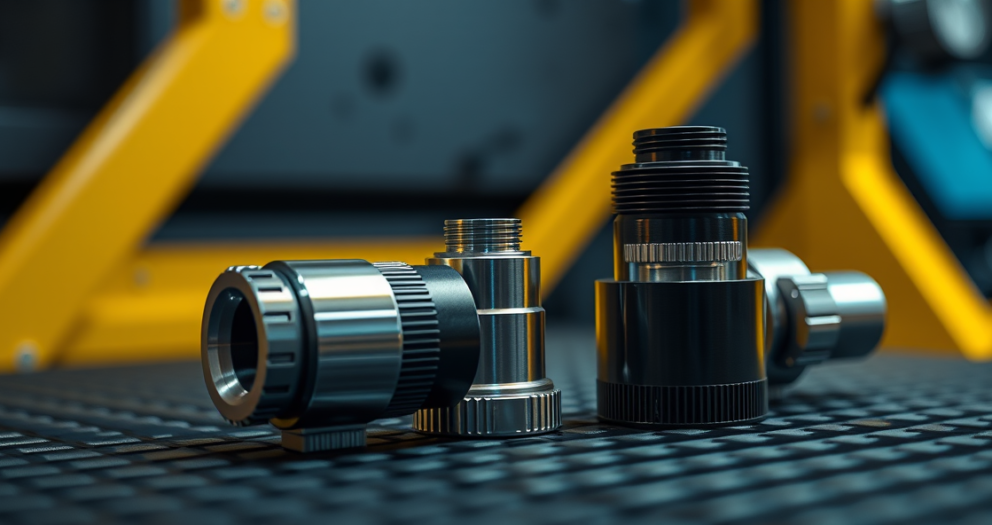
Nozzles direct the assist gas and shape the laser beam. They include Single Nozzle for thinner materials and oxygen cutting, and Double Nozzle for nitrogen cutting or thicker materials, offering better cooling. A clean, undamaged nozzle is vital for precise cuts and protecting the protective window. Brands like Raytools and Precitec offer high-precision nozzles.
Ceramic Rings
The ceramic ring for laser cutting machine provides electrical insulation and precisely centers the nozzle for accurate non-contact sensing. A cracked or contaminated fiber laser ceramic ring leads to incorrect nozzle positioning, unstable arc initiation, and poor cutting. Regular inspection and replacement of the laser ceramic ring are essential. Quality ceramic ring for laser cutting machine components from OSPRI and Fine Focus ensure reliability.
Lenses
Focusing lenses concentrate the laser beam into a fine, powerful point. Made from high-purity materials, they are sensitive to heat and contamination. Any damage or accumulation on the lens surface causes beam defocusing, power loss, poor cut quality, and potential thermal damage to the lens itself. Regular cleaning and timely replacement are indispensable for a robust preventive maintenance laser plan.
Signs Your Spare Parts Need Replacement
Proactive identification of worn parts prevents costly breakdowns. Recognizing these signs early is crucial for effective preventive maintenance laser and avoiding extensive downtime.
Poor Cutting Quality
Inconsistent cuts, rough edges, incomplete cuts, or a general decline in precision are strong indicators. This often points to dirty, scratched, or misaligned optical components like lenses and protective windows, or worn nozzles. Degradation in quality increases material waste and post-processing.
Burr Formation
Excessive burr or dross on cut edges signals suboptimal cutting conditions. This often indicates a worn or incorrect nozzle, insufficient assist gas pressure, or a compromised laser beam due to a dirty or damaged focusing lens. Burr increases post-processing time and costs.
Irregular Sparks
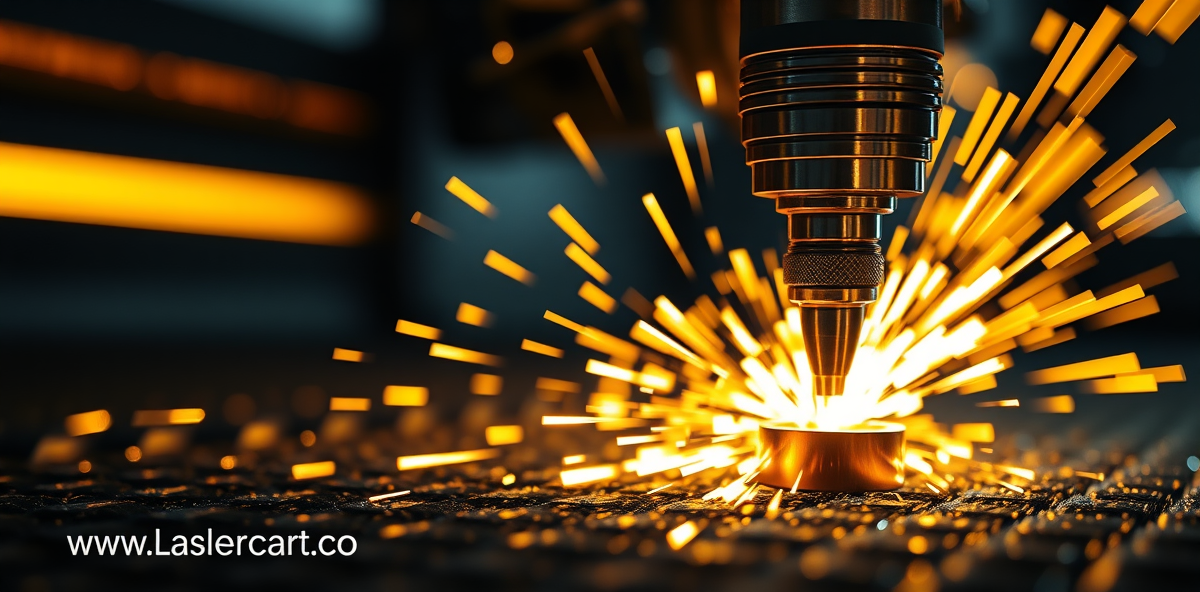
While consistent sparking is normal, erratic, violent, or discolored sparks suggest issues with the nozzle or assist gas delivery. This could be due to a clogged nozzle, an improperly seated ceramic ring for laser cutting machine, or beam path contamination. Irregular sparking can damage the workpiece or cutting head.
Featured Snippet: What are signs of worn laser cutting parts?
Signs of worn laser cutting parts include poor cutting quality (rough edges, incomplete cuts), excessive burr formation, irregular or violent sparking, frequent machine errors, reduced cutting speed, and visible damage like scratches or pitting on optical components and nozzles. Timely replacement prevents costly downtime and maintains precision.
OEM vs Aftermarket Spare Parts
Deciding between Original Equipment Manufacturer (OEM) and aftermarket parts is critical for your laser cutting machine’s performance and budget. Both have distinct advantages and disadvantages.
Comparison Table: OEM vs Aftermarket Parts
| Feature | OEM Parts | Aftermarket Parts |
|---|---|---|
| Quality & Precision | Highest, guaranteed to meet specs. | Varies widely, from good to low quality. |
| Compatibility | Perfect fit and function. | May require modifications, fit issues. |
| Performance | Optimal, maintains original performance. | Can reduce performance or cause premature wear. |
| Warranty | Typically covered by manufacturer warranty. | Limited or no warranty, may void machine warranty. |
| Price | Generally higher initial cost. | Often lower initial cost. |
| Availability | Reliable supply through authorized channels. | Wider range of suppliers, varying stock. |
| Technical Support | Full manufacturer support. | Dependent on aftermarket supplier. |
Aftermarket parts offer lower upfront costs but carry risks. Using non-OEM fiber laser cutting consumables can compromise quality, increase wear, and void warranties. For critical components like optics, nozzles (Single Nozzle and Double Nozzle), and fiber laser ceramic ring, investing in OEM or high-quality branded alternatives is the more reliable long-term solution.
How to Choose High-Quality Spare Parts Supplier
Selecting the right supplier is crucial for maintaining your laser cutting machine’s performance and longevity. A reputable supplier ensures genuine, high-quality components.
Certifications and Quality Assurance
A reliable supplier adheres to stringent quality control and possesses relevant industry certifications. Look for proof of origin and quality for parts. This ensures components meet manufacturing tolerances and material specifications, guaranteeing optimal performance and safety.
Brand Compatibility (Raytools, Precitec, OSPRI, Fine Focus)
Ensure the supplier offers parts compatible with your laser cutting head and machine model. Leading brands like Raytools, Precitec, OSPRI, and Fine Focus are known for precision. A good supplier stocks genuine or equivalent high-quality parts for these brands, ensuring seamless integration. For instance, ensure nozzles and laser ceramic ring are compatible with your Raytools head.
Technical Support and Expertise
Beyond sales, a top-tier supplier provides comprehensive technical support, including advice on part selection, installation, and troubleshooting. Their team should possess deep knowledge of laser cutting technology, offering solutions for complex operational issues. This support is invaluable for optimizing machine performance and minimizing downtime.
Prioritizing quality, broad brand compatibility (e.g., for Single & Double Nozzle), and robust technical backing in a supplier is an investment in reliability and productivity.
Maintenance Tips to Increase Machine Life
A consistent maintenance regimen extends your laser machine’s operational life, ensures peak performance, and reduces breakdowns.
Cleaning Lens and Protective Windows
Optical components are highly susceptible to contamination. Dust, smoke, and spatter on lenses and protective windows cause beam scattering and power loss. Regular cleaning with specialized solutions and lint-free wipes is crucial. Handle optics with extreme care to avoid irreversible scratches. This step maintains cut quality and prevents premature lens degradation.
Checking Nozzle Alignment
Proper nozzle alignment ensures the laser beam passes precisely through the orifice, optimizing assist gas flow and beam delivery. Misalignment leads to uneven cutting, dross, and nozzle damage. Regularly check and adjust concentricity using calibration tools, especially for Single Nozzle and Double Nozzle setups.
Replacing Consumables Regularly
Consumables are designed for scheduled replacement, not just when they fail. Adhering to manufacturer guidelines for air filters, water filters, nozzles, and the ceramic ring for laser cutting machine prevents system contamination and maintains optimal conditions. Proactive replacement avoids performance degradation and reduces costly sudden failures. This is a fundamental aspect of any effective preventive maintenance laser strategy.
Don’t wait for a breakdown. Book a Maintenance Consultation with our experts to develop a tailored preventive maintenance plan!
Cost Optimization Strategy
Investing in quality spare parts and consistent maintenance is a powerful strategy for long-term cost optimization. Smart management of consumables and parts reduces operational expenses and boosts profitability.
Bulk Buying and Inventory Management
Purchasing common fiber laser cutting consumables like nozzles (Single & Double Nozzle), protective windows, and laser ceramic ring in bulk can secure better pricing. Efficient inventory management ensures critical parts are always on hand, preventing costly expedited shipping and downtime from unavailable components. Be mindful of optical component shelf life.
Preventive Maintenance
The core of a preventive maintenance laser plan is to prevent failures. This approach significantly reduces catastrophic breakdowns, which are more expensive to repair than routine maintenance. Regular inspection, cleaning, and replacement of worn parts avoid high costs of emergency repairs, lost production, and major component damage. This strategy extends machine life and defers capital expenditure.
Using Genuine Consumables
While generic parts offer immediate savings, their inferior quality often leads to premature wear, reduced performance, and damage to other components. Investing in genuine or high-quality branded fiber laser cutting consumables from Raytools, OSPRI, Precitec, or Fine Focus ensures compatibility, reliability, and optimal performance. This reduces replacement frequency, minimizes downtime, and protects your machine, leading to significant long-term cost savings.
Applications & Industry Use Cases
Laser cutting machines are indispensable across many industries for their precision, speed, and versatility. A robust preventive maintenance laser plan, supported by high-quality fiber laser cutting consumables and spare parts, ensures these machines meet diverse industry demands.
Automotive Industry
In automotive, laser cutting is crucial for fabricating intricate components, from chassis parts to prototypes. The precision demands perfectly functioning optics, nozzles (Single Nozzle, Double Nozzle), and fiber laser ceramic ring to meet safety and performance standards. Downtime severely impacts production lines and delivery schedules.
Sheet Metal Fabrication
Sheet metal fabricators rely on laser cutting for a vast array of products, from enclosures to decorative panels. Cutting complex geometries with clean edges at high speeds is paramount. Consistent quality and efficiency depend on consumable and optical component condition. Degradation leads to rework, material waste, and missed deadlines.
General Fabrication and Manufacturing
Across general manufacturing, laser machines create custom machinery parts, signage, and metalwork. The diverse materials and thicknesses require a flexible, reliable machine. Comprehensive preventive maintenance laser ensures this versatility, allowing businesses to undertake a wider range of projects with confidence in quality. Branded parts from Precitec and Raytools are vital here.
FAQs
Q1: How often should I perform preventive maintenance on my laser cutting machine?
A1: Maintenance frequency depends on usage, materials, and manufacturer recommendations. Generally, daily nozzle/optic checks, weekly cleaning, monthly inspections, and quarterly/semi-annual deep maintenance are advised. Always consult your machine’s manual.
Q2: Can using aftermarket parts void my laser machine’s warranty?
A2: Yes, using non-OEM or unauthorized aftermarket parts, especially critical ones, can often void your laser machine’s warranty. Always verify with your machine manufacturer or supplier before using third-party components to avoid warranty issues.
Q3: What are the key fiber laser cutting consumables I should always keep in stock?
A3: Essential fiber laser cutting consumables include various sizes of Single & Double Nozzle, protective windows, focusing lenses (if frequently replaced), and at least one spare ceramic ring for laser cutting machine. Keeping these on hand minimizes downtime.
Q4: How can I tell if my laser ceramic ring needs replacing?
A4: A laser ceramic ring may need replacement if you notice inconsistent cutting, unstable height sensing, visible cracks, chips, or contamination. Poor nozzle concentricity or frequent cutting head error messages can also indicate a failing fiber laser ceramic ring.
Q5: What’s the benefit of using branded consumables like Raytools or Precitec?
A5: Branded consumables from companies like Raytools, OSPRI, Precitec, or Fine Focus guarantee precise specifications and superior material quality. This ensures consistent performance, extended part life, reduced machine wear, higher productivity, and lower long-term operating costs compared to generic alternatives.
Conclusion
In industrial manufacturing, the longevity and peak performance of your laser cutting machines are vital. A meticulous preventive maintenance laser plan is a strategic investment that boosts productivity, product quality, and profitability. This article highlights the critical role of high-quality spare parts and genuine fiber laser cutting consumables.
From precise optical components to the essential laser cutting machine ceramic ring and various Single & Double Nozzle types, every part contributes to machine efficiency. Choosing reputable suppliers and following maintenance best practices minimizes downtime, optimizes costs, and ensures your laser cutting machine delivers consistent, high-quality results for years. Embrace proactive maintenance, and your laser cutting operations will thrive.
Ready to enhance your laser cutting performance? Request a Quote for genuine spare parts, Talk to an Expert for personalized advice, or Download our Catalog for a complete overview of our premium offerings!


Write a comment
Your email address will not be published. All fields are required