

Introduction
In the demanding world of metal fabrication, the precision and efficiency of your fiber laser cutting machine are paramount. Unscheduled downtime and compromised cut quality can severely impact production schedules and profitability. Often, the root cause of these issues isn’t a major machine malfunction but rather the degradation of easily overlooked components: your laser consumables. Understanding the subtle yet critical signs of wear in these parts is essential for maintaining peak operational performance and avoiding costly repairs.
This comprehensive guide will illuminate the crucial role of high-quality spare parts and consumables in your laser cutting operations. We will delve into specific indicators of wear, helping you proactively identify when it’s time for a replacement. By adopting a vigilant approach to consumable management, you can significantly enhance cutting quality, extend machine lifespan, and optimize overall operational costs. Ignoring these signs can lead to cascading problems, from imprecise cuts to extensive damage to expensive machine components. Download our essential Spare Parts Checklist to ensure you’re always prepared.
Why Spare Parts & Consumables Matter in Laser Cutting
The performance of a sophisticated fiber laser cutting machine is intrinsically linked to the condition of its spare parts and consumables. These components, though often small, play a colossal role in the laser’s ability to deliver consistent, high-quality cuts. Their wear and tear directly translate into deviations from desired specifications, affecting everything from edge smoothness to dimensional accuracy. Investing in premium-grade parts ensures your machine operates within its optimal parameters, preventing irregularities that can lead to scrap material and wasted production time.
Opting for low-quality or non-genuine parts might seem like a cost-saving measure in the short term, but it almost invariably leads to higher operational expenses. Inferior components can wear out faster, necessitating frequent replacements and increasing the total cost of ownership. Moreover, they can compromise the integrity of the entire cutting system, leading to unexpected breakdowns and significant downtime. Such interruptions not only halt production but can also damage more expensive, critical machine components, escalating repair costs exponentially.
Machine efficiency is directly proportional to the health of its consumables. A machine running with worn out Single & Double Nozzle or a degraded fiber laser ceramic ring will consume more energy, produce more waste, and operate at a slower pace to achieve acceptable results. This decline in efficiency translates to reduced output, increased utility bills, and diminished profitability. By prioritizing quality fiber laser cutting consumables, operators can ensure their machines maintain peak efficiency, maximize throughput, and deliver superior results consistently, safeguarding their investment and competitive edge.
Complete Overview of Laser Cutting Machine Spare Parts
To truly understand the impact of wear and tear, it’s vital to have a holistic view of the various spare parts that comprise a modern fiber laser cutting system. These components can be broadly categorized, each playing a critical role in the machine’s overall function and requiring diligent monitoring for signs of wear. Proactive replacement of these elements is key to preventing cascading failures and ensuring uninterrupted operation.
Optical Components
The optical train is the heart of any laser cutting machine, responsible for guiding and focusing the laser beam. Key components include focus lenses, collimating lenses, and protective windows. These parts must remain pristine to ensure the laser beam maintains its intensity and focus. Scratches, dust, or thermal stress on these optics can lead to beam distortion, reduced cutting power, and ultimately, poor cut quality. Regular inspection and cleaning are crucial, and replacement cycles depend heavily on the operating environment and material being cut. Damage here can be costly and severely affect precision.
Mechanical Parts
Mechanical components facilitate the movement and positioning of the laser head and workpiece, ensuring accurate cuts. This category includes essential parts like various types of Double Nozzle and Single Nozzle, guide rails, bearings, and gears. Wear in these parts can manifest as vibrations, decreased positioning accuracy, or issues with gas delivery, leading to jagged edges or inconsistent cutting paths. The nozzle, in particular, is a critical mechanical consumable that directs the assist gas and shapes the laser beam exit point.
Electrical Components
The electrical system powers and controls the entire laser cutting operation. This includes components such as power supplies, servo motors, sensors, and control boards. While less prone to regular replacement than consumables, electrical failures can cause complete machine shutdowns or erratic behavior. Maintaining stable power input and protecting components from dust and moisture are essential preventive measures. Diagnostics often involve checking connections and using specialized tools to identify faulty electrical units.
Consumables
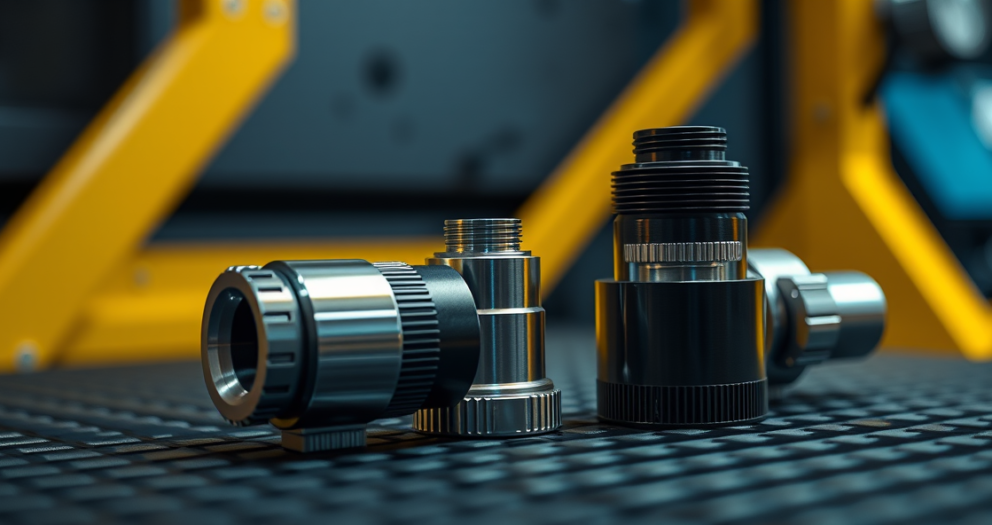
Consumables are the parts designed for regular replacement due to wear and tear during normal operation. These are typically the most frequently replaced items, and their condition directly impacts cutting quality and efficiency. Key consumables include nozzles, ceramic ring for laser cutting machine, protective windows (cover slides), and various filters for the cooling system and air supply. Proactive management of these parts is crucial for consistent performance and preventing more significant issues.
| Part | Function | Replacement Cycle (Typical) |
|---|---|---|
| Nozzle | Directs assist gas, shapes beam exit | Weekly to Monthly |
| ceramic ring for laser cutting machine | Insulates and positions nozzle, electrical signal feedback | Monthly to Quarterly |
| Protective Window (Cover Slide) | Protects focus lens from spatter | Monthly to Bi-monthly |
| Focus Lens | Focuses laser beam onto workpiece | Annually to Bi-annually |
| Collimating Lens | Shapes raw laser beam for processing | Annually to Bi-annually |
| Filters (Air/Water) | Maintains purity of air/coolant systems | Quarterly to Bi-annually |
Types of Laser Cutting Consumables Explained
Understanding the specific types of fiber laser cutting consumables and their individual roles is fundamental to effective maintenance and troubleshooting. Each consumable contributes uniquely to the cutting process, and its degradation can lead to distinct performance issues. Recognizing these specialized functions empowers operators to pinpoint problems quickly and implement targeted solutions, ensuring optimal machine uptime and cut quality.
Nozzles (Single & Double Nozzle)
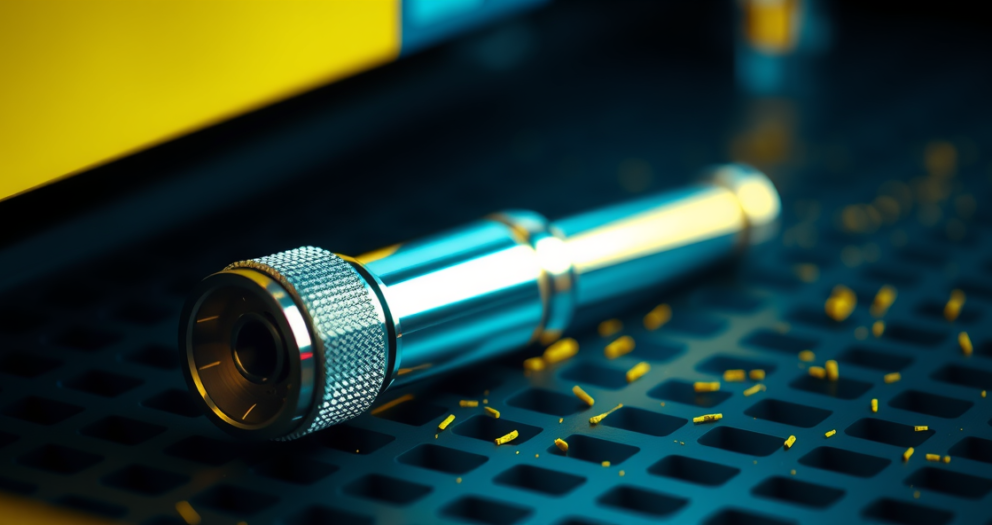
Nozzles are perhaps the most frequently replaced laser consumables replacement part in a fiber laser cutting system. They play a dual role: precisely directing the assist gas (oxygen, nitrogen, or compressed air) to the cutting zone and shaping the laser beam as it exits the cutting head. The internal diameter and shape of the nozzle are critical for optimal gas flow dynamics and beam containment. There are primarily two types:
- Single Nozzle: Typically used for thinner materials and piercing operations, providing a concentrated gas jet.
- Double Nozzle: Often preferred for thicker materials, particularly when cutting with oxygen, as it provides a wider gas flow for slag removal.
Over time, nozzles can become clogged with spatter, deform due to heat, or wear out at the orifice. This degradation directly impacts gas flow and beam quality, leading to poor cuts. Ensuring you use branded, high-quality nozzles from manufacturers like Raytools, Precitec, or OSPRI is crucial for consistent performance and longevity.
Ceramic Rings
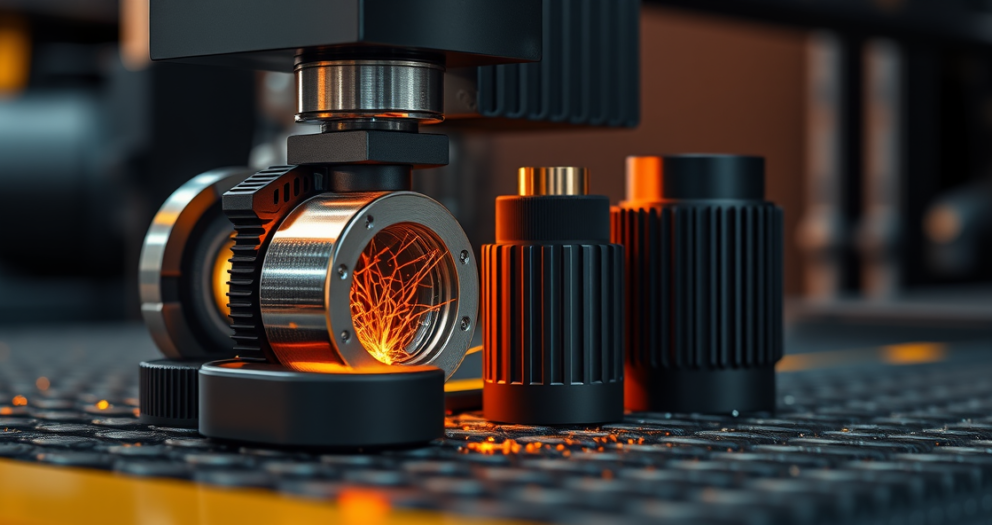
The ceramic ring for laser cutting machine, also known as the ceramic insulator, is a vital component within the laser head. Its primary function is to electrically insulate the nozzle from the laser head and provide a stable seating for the nozzle, ensuring precise alignment with the laser beam. More importantly, the fiber laser ceramic ring contains an electrode that senses the distance between the nozzle and the workpiece. This feedback is critical for the auto-focus system, allowing the machine to maintain a consistent standoff distance for optimal cutting.
A damaged or worn laser ceramic ring can lead to electrical signal disruptions, inaccurate height sensing, and misalignment of the nozzle. This results in erratic cutting, collisions with the workpiece, and potential damage to the laser head. Signs of wear include cracks, carbon buildup, or a visibly worn electrode. Only genuine ceramic ring for laser cutting machine from reputable brands like Raytools, Precitec, Fine Focus, or OSPRI should be used to guarantee accurate height sensing and prevent expensive machine damage.
Lenses
While not as frequently replaced as nozzles or ceramic rings, the protective window (cover slide) and the focus lens are critical optical consumables.
- Protective Window: This is the first line of defense for your expensive focus lens, shielding it from spatter, smoke, and debris generated during cutting. It’s designed to be regularly inspected and replaced when it shows signs of contamination or damage. A dirty or scratched protective window will diffuse the laser beam, reducing power density and leading to poor cuts.
- Focus Lens: This precision optic is responsible for taking the collimated laser beam and focusing it into a tiny, high-power spot on the workpiece. Contamination, thermal stress, or physical damage to the focus lens will severely degrade cutting performance. Its integrity is paramount for achieving the desired cut quality and speed. Regular cleaning with specialized solutions and lint-free wipes is essential, and replacement is necessary if permanent damage occurs. Using quality lenses from trusted brands ensures beam integrity.
Signs Your Spare Parts Need Replacement
Recognizing the early indicators of worn laser consumables replacement is a critical skill for any laser cutting machine operator or owner. Proactive identification prevents minor issues from escalating into major operational setbacks and costly repairs. Pay close attention to changes in cutting performance and visual cues, as these are often the first warnings that parts are nearing the end of their service life.
Poor Cutting Quality
This is arguably the most obvious and impactful sign. If you notice a sudden or gradual decline in the quality of your cuts, worn consumables are often the culprit. This can manifest as:
- Rough or uneven edges: Instead of a smooth, clean cut, you might see jagged or inconsistent edges.
- Increased taper: The cut widens from top to bottom, indicating an unfocused or diffused laser beam.
- Incomplete cuts: The laser fails to fully penetrate the material, leaving sections uncut.
- Discoloration or excessive heat affected zone (HAZ): Indicates inefficient cutting and excessive thermal input.
Such issues can often be traced back to a contaminated protective window, a worn Single Nozzle, or a degraded focus lens, all compromising the laser beam’s integrity.
Burr Formation
Excessive burr or dross on the underside of the cut is a clear indication that something is amiss. While some burr is normal for certain materials or thicknesses, a significant increase suggests inadequate assist gas delivery or a poorly focused beam. A worn or misaligned Double Nozzle can fail to efficiently clear molten material from the kerf, leading to dross buildup. Similarly, a partially obstructed laser path due to a dirty lens will reduce cutting power, exacerbating burr formation.
Irregular Sparks
During a proper laser cutting operation, the sparks emanating from the cutting zone should be consistent and uniform. If you observe irregular, sporadic, or weak sparks, it’s a strong sign of problems with the laser beam or assist gas. This could be due to:
- Clogged or damaged nozzle: Affecting gas flow and beam shape.
- Faulty fiber laser ceramic ring: Leading to incorrect height sensing and beam-nozzle misalignment.
- Contaminated protective window: Diffusing the laser beam before it reaches the workpiece.
Irregular sparks indicate an inefficient cutting process that wastes energy and compromises material integrity.
What are signs of worn laser cutting parts?
Signs of worn laser cutting parts include poor cutting quality (rough edges, increased taper, incomplete cuts), excessive burr or dross formation, and irregular or inconsistent sparks during cutting. Additionally, frequent machine errors, collisions with the workpiece, and visible damage like cracks on ceramic rings or contamination on lenses are clear indicators for laser consumables replacement.
OEM vs Aftermarket Spare Parts
When it comes to sourcing fiber laser cutting consumables and spare parts, manufacturers are faced with a crucial decision: original equipment manufacturer (OEM) parts or aftermarket alternatives. While aftermarket parts may initially appear to be a more budget-friendly option, understanding the nuanced differences and potential long-term implications is vital for informed decision-making. The choice directly impacts machine performance, longevity, and overall operational costs.
OEM parts are manufactured by the same company that produced your laser cutting machine, or by their approved suppliers. These parts are designed to exact specifications, ensuring perfect compatibility and optimal performance. They undergo rigorous quality control and testing, guaranteeing reliability and consistent results. Conversely, aftermarket parts are produced by third-party manufacturers and can vary significantly in quality, precision, and material composition. While some aftermarket suppliers offer decent alternatives, many do not meet the stringent standards of OEM parts.
| Feature | OEM Spare Parts | Aftermarket Spare Parts |
|---|---|---|
| Quality | High, rigorously tested, consistent | Variable, can range from poor to acceptable |
| Compatibility | Guaranteed perfect fit and function | May require modifications, potential fit issues |
| Performance | Optimal, designed for peak machine efficiency | Can lead to reduced performance, inconsistent cuts |
| Reliability | High, less prone to premature failure | Lower, increased risk of early wear or malfunction |
| Warranty | Often covered by machine or part warranty | Rarely covered, can void machine warranty |
| Cost | Higher initial investment | Lower initial investment, but higher long-term risk |
| Longevity | Designed for extended lifespan | Often shorter lifespan, more frequent replacements |
| Technical Support | Direct from machine manufacturer or dealer | Limited or no support from part manufacturer |
Choosing genuine branded consumables like Raytools, OSPRI, Precitec, or Fine Focus, even for simple parts like Single & Double Nozzle or ceramic ring for laser cutting machine, provides assurance of quality and compatibility. This choice translates into fewer unplanned downtimes, consistent cutting quality, and protection for your significant investment in the laser cutting machine itself.
How to Choose High-Quality Spare Parts Supplier
Selecting the right supplier for your fiber laser cutting consumables and spare parts is as critical as choosing the parts themselves. A reliable supplier ensures you receive genuine, high-performance components that maintain your machine’s efficiency and longevity. This decision goes beyond just price; it encompasses quality assurance, compatibility, and the level of support you can expect.
Certifications
A reputable supplier should be able to provide clear documentation and certifications for their products. This includes quality management system certifications like ISO 9001, which indicates a commitment to consistent quality. For specialized optical components, certifications related to material purity and manufacturing tolerances are essential. Always inquire about the origin and testing procedures for the parts you intend to purchase. This due diligence ensures you are receiving parts that meet industrial standards and are suitable for precision laser applications.
Brand Compatibility
Ensuring compatibility with your specific laser cutting machine brand and model is paramount. High-quality suppliers will stock or have access to parts from leading industry brands that are known for their precision and reliability. When sourcing essential laser consumables replacement such as nozzles, ceramic ring for laser cutting machine, or protective windows, look for suppliers who offer components compatible with or directly from trusted manufacturers like Raytools, OSPRI, Precitec, and Fine Focus. These brands are synonymous with superior quality and engineering, designed to integrate seamlessly with your machine’s delicate systems. Using non-compatible parts, even if they appear similar, can lead to inefficiencies, damage, and voided warranties.
Technical Support
Excellent technical support is a hallmark of a superior spare parts supplier. This includes having knowledgeable staff who can assist with part identification, provide installation guidance, and offer troubleshooting advice. A supplier that invests in well-trained technical teams demonstrates a commitment to customer success beyond just selling parts. Prompt and accurate support can significantly reduce downtime and ensure that replacements or installations are carried out correctly, further extending the life and performance of your laser cutting machine.
Maintenance Tips to Increase Machine Life
Proactive and diligent maintenance is the cornerstone of maximizing the lifespan and performance of your fiber laser cutting machine. While replacing worn laser consumables replacement is essential, a comprehensive maintenance regimen ensures that all components work in harmony, preventing premature wear and costly breakdowns. Regular attention to key areas can significantly extend the operational life of your equipment and maintain optimal cutting quality.
Cleaning Lenses
The optical lenses, especially the protective window and focus lens, are highly susceptible to contamination from smoke, dust, and spatter. Even microscopic particles can absorb laser energy, leading to thermal stress, beam distortion, and reduced cutting power. Regular cleaning with appropriate optical cleaning solutions and lint-free wipes is crucial. Always follow the manufacturer’s guidelines for cleaning, as improper techniques can scratch or damage these delicate and expensive components. A clean lens ensures the laser beam remains perfectly focused and efficient.
Checking Nozzle Alignment
Proper nozzle alignment is fundamental for consistent cutting quality and efficient gas delivery. A misaligned Single Nozzle or Double Nozzle can lead to uneven gas flow, a non-concentric laser beam, and ultimately, poor cut edges, excessive burr, and even collisions with the workpiece. Regularly check the nozzle’s concentricity with the laser beam using a specialized alignment tool or tape shot procedure. Adjustments should be made promptly to ensure the laser beam passes cleanly through the center of the nozzle orifice. This simple check can prevent significant cutting issues.
Replacing Consumables Regularly
Adhering to a scheduled replacement cycle for your fiber laser cutting consumables is perhaps the most straightforward yet impactful maintenance tip. Components like nozzles, ceramic ring for laser cutting machine, and protective windows have a finite lifespan. Waiting until they visibly fail or cause cutting problems is reactive and can lead to more severe issues. Establish a preventive maintenance schedule based on manufacturer recommendations and your machine’s usage intensity. This proactive approach ensures that critical parts are replaced before they can negatively impact performance or damage other components. Book a Maintenance Consultation to optimize your machine’s longevity.
Cost Optimization Strategy
Managing the operational costs of a fiber laser cutting machine goes beyond merely purchasing the cheapest parts. A strategic approach to cost optimization focuses on maximizing efficiency, extending part lifespan, and ensuring consistent quality, ultimately leading to greater profitability. By implementing smart purchasing and maintenance strategies, businesses can significantly reduce their total cost of ownership without compromising performance.
Bulk Buying
For frequently used fiber laser cutting consumables like nozzles and protective windows, bulk purchasing can offer significant cost savings. Suppliers often provide discounts for larger orders, reducing the per-unit cost. However, it’s crucial to balance bulk buying with proper storage conditions to prevent degradation of parts over time. Ensure you have adequate, controlled storage to protect sensitive components from dust, humidity, and temperature fluctuations. This strategy requires accurate forecasting of your consumption rates to avoid overstocking or running out of critical items.
Preventive Maintenance
Investing in a robust preventive maintenance program is a highly effective cost-optimization strategy. Rather than waiting for parts to fail and cause expensive downtime, regular inspections and scheduled replacements prevent minor issues from escalating. This approach minimizes unexpected breakdowns, reduces emergency repair costs, and ensures consistent production quality. By keeping your machine in optimal condition through proactive maintenance, you extend the lifespan of all components, including the machine itself, thereby delaying the need for costly major overhauls or new equipment purchases.
Using Genuine Consumables
While genuine OEM or branded laser consumables replacement might have a higher upfront cost, they offer superior value in the long run. High-quality parts from manufacturers like Raytools, Precitec, OSPRI, or Fine Focus are engineered to precise specifications, ensuring optimal performance, longer lifespan, and consistent cutting results. This reduces the frequency of replacements, minimizes scrap material due to poor cuts, and prevents damage to more expensive machine components. Genuine parts also ensure your machine operates at peak efficiency, lowering energy consumption and maximizing throughput.
Applications & Industry Use Cases
Fiber laser cutting technology has revolutionized numerous manufacturing sectors due to its precision, speed, and versatility. The ability to cut a wide range of metals with intricate designs and clean edges makes it an indispensable tool across various industries. Understanding these diverse applications underscores the importance of maintaining optimal machine performance through quality fiber laser cutting consumables.
Automotive
In the automotive industry, fiber laser cutting machines are crucial for manufacturing various components, from chassis parts and body panels to intricate engine components and exhaust systems. The precision allows for lightweighting initiatives and complex designs, while speed supports high-volume production. Maintaining precise cuts through consistent laser consumables replacement is vital for safety-critical parts and aesthetic finishes.
Sheet Metal Fabrication
Sheet metal fabricators rely heavily on fiber lasers for cutting steel, stainless steel, aluminum, and other alloys into custom shapes for architectural elements, industrial enclosures, and consumer goods. The technology enables rapid prototyping and efficient production runs. The quality of cuts directly impacts the subsequent bending, welding, and finishing processes, making reliable consumables like Single Nozzle and ceramic ring for laser cutting machine absolutely essential for maintaining accuracy and minimizing rework.
Fabrication
Beyond general sheet metal work, fiber lasers are used in heavy fabrication for structural steel components, agricultural machinery, and construction equipment. The ability to cut thick materials with speed and accuracy reduces production times and costs. Specialized Double Nozzle and robust fiber laser cutting consumables are often employed here to handle the demanding conditions and ensure efficient material processing.
FAQs
Q1: How often should I replace my laser cutting nozzles?
A1: The replacement cycle for laser cutting nozzles, whether Single Nozzle or Double Nozzle, varies significantly based on material type, thickness, cutting parameters, and machine usage. Generally, it can range from daily for high-intensity production to weekly or monthly for less demanding operations. Always inspect them before each shift and replace if any signs of wear or damage are visible to ensure optimal cutting quality.
Q2: What happens if I don’t replace a worn ceramic ring for laser cutting machine?
A2: Neglecting to replace a worn fiber laser ceramic ring can lead to serious issues. It can cause inaccurate height sensing, leading to incorrect standoff distance, frequent nozzle crashes into the workpiece, and poor cutting quality. In severe cases, it can damage the laser head itself, resulting in very expensive repairs and prolonged downtime. Always opt for genuine laser ceramic ring replacements.
Q3: Are aftermarket fiber laser cutting consumables as good as OEM parts?
A3: The quality of aftermarket fiber laser cutting consumables varies widely. While some third-party suppliers offer acceptable alternatives, many do not meet the precise manufacturing standards or material quality of OEM parts. Using lower-quality aftermarket parts can lead to decreased cutting performance, shorter lifespan, increased downtime, and potentially void your machine’s warranty. For critical components, genuine parts from brands like Raytools, OSPRI, Precitec, or Fine Focus are highly recommended.
Q4: How can I extend the life of my laser cutting lenses?
A4: To extend the life of your laser cutting lenses, regular and meticulous cleaning is essential. Use only approved optical cleaning solutions and lint-free wipes. Avoid touching the lens surfaces directly. Ensure your protective window is clean and replaced promptly when scratched or contaminated, as it shields the more expensive focus lens. Maintaining a clean cutting environment and proper air filtration also reduces contamination.
Q5: What are the key indicators for laser consumables replacement to improve cost optimization?
A5: Key indicators for laser consumables replacement to optimize costs include a noticeable drop in cutting quality, increased burr or dross, inconsistent sparks, and frequent machine errors or shutdowns. Proactively replacing these items based on a preventive maintenance schedule, rather than waiting for failure, prevents more expensive repairs, reduces scrap material, and ensures continuous, efficient production, ultimately lowering overall operational costs.
Conclusion
The pursuit of excellence in metal fabrication with fiber laser cutting technology hinges significantly on the meticulous management of spare parts and fiber laser cutting consumables. Recognizing the subtle yet crucial signs of wear in components like your nozzles, ceramic ring for laser cutting machine, and lenses is not merely a maintenance task; it is a strategic imperative. Proactive replacement and the consistent use of high-quality, genuine parts from trusted brands such as Raytools, OSPRI, Precitec, and Fine Focus are direct pathways to enhancing machine performance, ensuring superior cut quality, and significantly extending the operational lifespan of your valuable equipment.
By prioritizing diligent maintenance, understanding the critical differences between OEM and aftermarket options, and implementing smart cost optimization strategies, operators and owners can safeguard their investment. This proactive approach minimizes costly downtime, reduces scrap rates, and ensures your laser cutting machine operates at peak efficiency and profitability. Don’t compromise on quality when it comes to the components that drive your production. Request a Quote for genuine spare parts today, Talk to an Expert about your specific needs, or Download Our Catalog to explore our comprehensive range of high-performance laser consumables replacement.

Write a comment
Your email address will not be published. All fields are required