

Introduction
In the high-stakes world of modern metal fabrication, the performance of your fiber laser cutting machine is paramount. Downtime, inconsistent cutting quality, and frequent rework are not just annoyances; they are significant drains on profitability and operational efficiency. Often, these critical issues can be traced back to overlooked or inferior spare parts and consumables. Among these, the often-underestimated fiber protection cap plays a vital role in safeguarding your machine’s optical system and ensuring pristine cut quality.
This comprehensive guide delves into the essential realm of laser cutting spare parts and consumables, with a special focus on understanding the critical function of the fiber protection cap. We will explore how maintaining a vigilant approach to these components can dramatically enhance machine performance, optimize costs, and ultimately extend the lifespan of your valuable equipment. Investing in quality parts, from renowned brands like Raytools, OSPRI, Precitec, and Fine Focus, is not an expense but a strategic decision for sustained operational excellence.
Download Spare Parts Checklist to ensure you’re always prepared and stocked with the right components for uninterrupted operation.
Why Spare Parts & Consumables Matter in Laser Cutting
The intricate dance of a fiber laser cutting machine relies on a symphony of perfectly synchronized parts. Each component, no matter how small, contributes to the overall precision and speed of the cutting process. Neglecting the quality or timely replacement of spare parts and consumables is akin to running a Formula 1 car with bicycle tires; the potential for peak performance is severely hampered, leading to a cascade of operational problems.
Low-quality parts can have a devastating impact on machine performance. They can lead to inconsistent beam delivery, increased power consumption, reduced cutting speed, and, most importantly, compromised cut quality characterized by burrs, dross, and inaccuracies. The long-term cost implications are substantial, including increased material waste, higher energy bills, more frequent maintenance, and ultimately, a shorter lifespan for your expensive machinery. Genuine and high-quality parts ensure that your machine operates at its intended efficiency, delivering reliable and repeatable results.
Complete Overview of Laser Cutting Machine Spare Parts
A fiber laser cutting machine is a complex piece of engineering, comprising various interconnected systems. Understanding these parts is crucial for effective maintenance and troubleshooting.
Optical Components
Optical components are the heart of a laser cutting system, responsible for guiding, shaping, and focusing the laser beam. Any imperfection in these components can severely degrade beam quality and cutting performance. The fiber protection cap is a prime example of a crucial optical component.
- Focusing Lenses: These precisely engineered lenses focus the raw laser beam into a concentrated spot, enabling precise material cutting. They are susceptible to spatter and contamination.
- Collimating Lenses: Convert divergent light from the fiber into a parallel beam before it reaches the focusing lens.
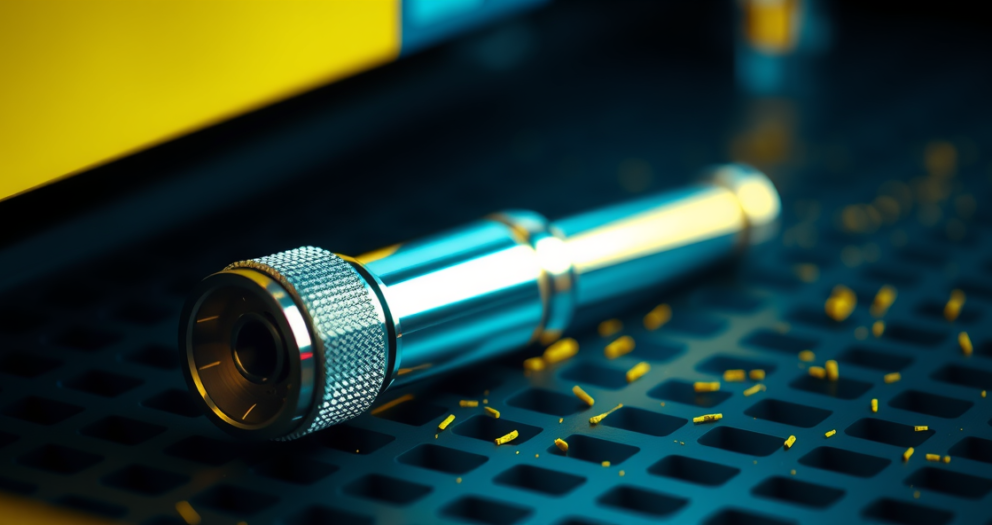
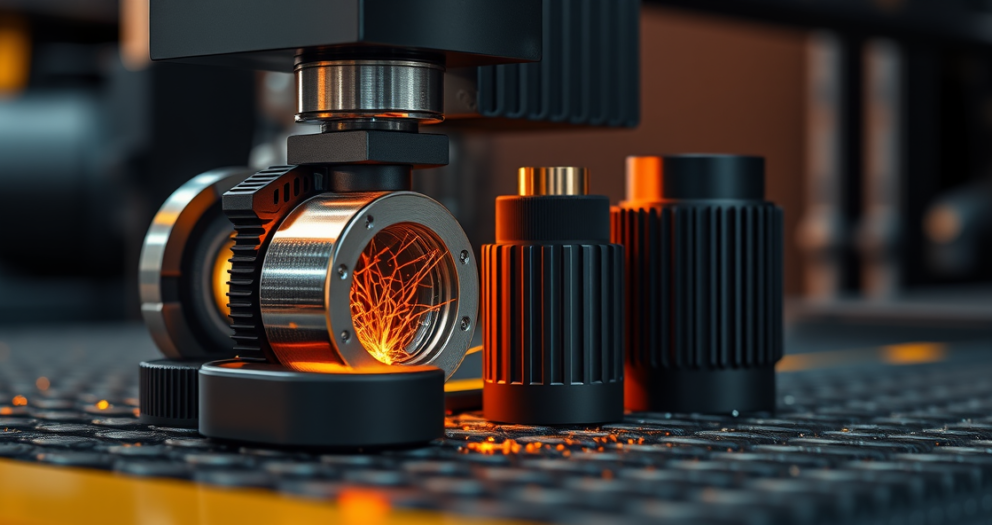
- Protective Windows (Fiber Protection Cap): Positioned directly above the focusing lens, the fiber protection cap is a sacrificial barrier, typically made from high-purity fused silica. Its primary role is to protect the delicate and expensive focusing lens from molten metal spatter, dust, debris, and fumes generated during the cutting process. A clean and undamaged fiber protection cap is critical for maintaining optimal beam transmission and preventing thermal lensing effects that can distort the laser beam. Brands like Raytools, OSPRI, Precitec, and Fine Focus offer high-quality fiber protection caps engineered for specific laser heads.
Mechanical Parts
Mechanical parts facilitate the movement and precise positioning of the laser head and workpiece.
- Nozzles: Essential for shaping the assist gas flow and protecting the focusing lens. We will discuss Single & Double Nozzle types in detail shortly.
- Ceramic Rings: An insulator for the nozzle, enabling stable arc discharge and proper signal transmission.
- Guide Rails and Bearings: Ensure smooth and precise motion of the cutting head.
- Gear and Rack Systems: Provide the motion necessary for rapid and accurate positioning.
Electrical Components
These components control the machine’s operations, from power delivery to precise motor control.
- Laser Source: The core component generating the laser beam.
- Servo Motors and Drivers: Control the movement of the cutting head and axes with high precision.
- Sensors: Monitor various parameters like temperature, pressure, and gas flow to ensure safe and efficient operation.
- Control System: The brain of the machine, managing all cutting parameters and movements.
Consumables
Consumables are parts that are regularly replaced due to wear and tear or contamination, and the fiber protection cap is a critical member of this category.
- Fiber Protection Cap: As highlighted, this sacrificial lens is vital for optical system protection.
- Nozzles: Worn nozzles lead to poor gas flow and cutting quality.
- Ceramic rings: Degraded fiber laser ceramic ring can cause unstable cutting and sensor errors.
- Filters: For air, water, and chiller systems, ensuring clean operation.
- Cutting Gases: Oxygen, Nitrogen, Air, Argon – essential for the cutting process itself.
Here’s a brief overview of common spare parts and their typical replacement cycles:
| Part | Function | Replacement Cycle |
|---|---|---|
| Fiber Protection Cap | Protects focusing lens from spatter | Weekly to Monthly (depending on material/power) |
| Nozzle | Directs assist gas, shapes beam | Daily to Weekly |
| Ceramic ring for laser cutting machine | Insulates nozzle, senses distance | Monthly to Quarterly |
| Focusing Lens | Focuses laser beam | 6-12 Months (if protected by cap) |
| Filters (Air/Water) | Ensures clean operational environment | Quarterly to Annually |
Types of Laser Cutting Consumables Explained
Delving deeper into the consumables helps us understand their individual impact and the necessity of choosing quality replacements.
Nozzles
Nozzles are more than just metal tips; they are engineered components critical for beam shaping and assist gas delivery. Their design dictates the gas flow dynamics, directly impacting cut quality and speed. There are primarily two types:
- Single Nozzle: Features a single aperture and is typically used for oxygen cutting (oxidation cutting) of mild steel, or for high-pressure nitrogen cutting of thin stainless steel and aluminum. The gas flow is more concentrated.
- Double Nozzle: Also known as a conical nozzle, it has two stages of gas flow. The first stage constricts the gas, while the second expands it, creating a more stable and powerful gas jet. This is primarily used for nitrogen cutting (melt cutting) of stainless steel and aluminum, especially for thicker sheets, providing a smoother, dross-free cut. Choosing between a Single Nozzle and Double Nozzle depends on the material, thickness, and desired cut quality.
Ceramic Rings
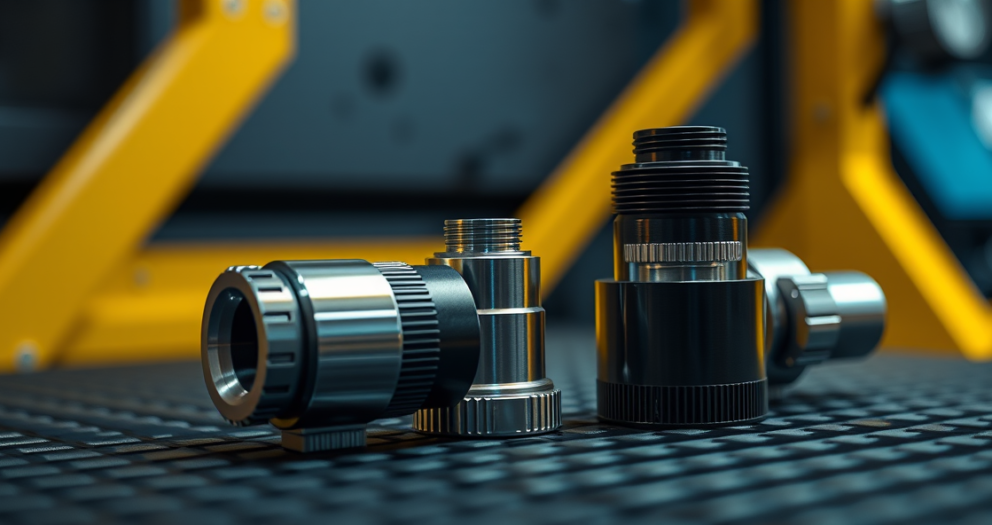
The laser cutting machine ceramic ring is a vital component located within the laser head, directly beneath the nozzle. Its primary functions are electrical insulation and distance sensing. The ceramic ring for laser cutting machine is responsible for providing the capacitive signal that allows the laser head to maintain a precise and constant distance from the material being cut. This consistent standoff distance is crucial for maintaining optimal beam focus and gas flow, directly affecting cut quality and stability. A damaged or contaminated fiber laser ceramic ring can lead to unstable cutting, collisions, and costly machine damage. Brands like Raytools, Precitec, OSPRI, and Fine Focus are known for their reliable and durable ceramic ring for laser cutting machine.
Lenses (Focusing and Protection Caps)
While focusing lenses are long-term investments, the fiber protection cap acts as its dedicated guardian. The quality of the material and the precision of the coating on the fiber protection cap directly impact laser transmission and its ability to withstand cutting stresses. A pristine fiber protection cap ensures that the laser beam reaches the focusing lens unimpeded, maintaining its power and integrity. Regular inspection and replacement of the fiber protection cap are far more cost-effective than replacing a damaged focusing lens.
Signs Your Spare Parts Need Replacement
Vigilance is key to preventing major breakdowns and maintaining optimal cutting performance. Recognizing the early signs of wear and tear in your laser cutting machine’s spare parts and consumables, including the fiber protection cap, can save you significant time and money.
- Poor Cutting Quality: This is the most immediate and noticeable sign. Look for excessive dross, burrs, uneven cut edges, or a wide kerf. A degraded fiber protection cap, for instance, can scatter the laser beam, leading to a wider, less precise cut.
- Burr Formation: Heavy burrs on the underside of the cut material are a classic indicator of a worn nozzle, incorrect gas pressure, or a compromised optical path due to a dirty or damaged fiber protection cap.
- Irregular Sparks or Spatter: Excessive and erratic sparks during cutting often point to a worn or misaligned nozzle, or a contaminated fiber protection cap causing beam instability.
- Reduced Cutting Speed: If your machine is taking longer to cut the same material at the same settings, it could be due to a loss of laser power caused by dirty lenses or a damaged fiber protection cap absorbing more energy.
- Frequent Collisions: A faulty ceramic ring for laser cutting machine, unable to accurately sense the distance to the material, can lead to the laser head crashing into the workpiece.
- Visual Damage: Physically inspect your fiber protection cap for scratches, pitting, thermal damage (small burns), or excessive haze. Inspect nozzles for signs of erosion, especially around the aperture. Check the laser ceramic ring for cracks or carbon buildup.
What are signs of worn laser cutting parts?
Signs of worn laser cutting parts include poor cutting quality (dross, burrs, rough edges), reduced cutting speed, irregular or excessive sparking, frequent machine collisions, and visible damage like scratches or pitting on optical components such as the fiber protection cap, or erosion on nozzles and cracks on ceramic ring for laser cutting machine.
OEM vs Aftermarket Spare Parts
When it comes to replacing parts, operators and owners often face the choice between Original Equipment Manufacturer (OEM) parts and aftermarket alternatives. This decision carries significant implications for machine performance, longevity, and cost.
| Feature | OEM Parts | Aftermarket Parts |
|---|---|---|
| Quality & Precision | Guaranteed to meet original specifications; high precision, durable materials. Examples include genuine Raytools Double Nozzle or Precitec fiber protection caps. | Varies widely; some high-quality, many lower-quality with inconsistent performance. |
| Compatibility | Perfect fit and seamless integration with your specific machine model. | May require modifications, or have slight fitment issues impacting performance. |
| Performance & Efficiency | Optimal machine performance, extended lifespan, consistent cut quality. Ensures optimal functioning of components like the fiber laser ceramic ring. | Suboptimal performance, potential for increased wear, reduced cut quality, and higher energy consumption. |
| Warranty & Support | Typically comes with manufacturer’s warranty and direct technical support. | Limited or no warranty, often lacks expert technical support. |
| Cost | Generally higher initial cost. | Lower initial cost, but potential for higher long-term costs due to failures. |
| Risk | Minimal risk of damage or performance issues. | Higher risk of machine damage, reduced lifespan, and increased downtime. |
While aftermarket parts might offer a lower upfront cost, the potential for reduced performance, increased downtime, and even damage to your machine often makes OEM or high-quality branded consumables (like those from Raytools, OSPRI, Precitec, Fine Focus) a more economical choice in the long run, especially for critical components such as the fiber protection cap and ceramic ring for laser cutting machine.
How to Choose High-Quality Spare Parts Supplier
Selecting the right supplier for your laser cutting spare parts and consumables is as important as choosing the parts themselves. A reliable supplier ensures you receive genuine, high-quality components that keep your machine running optimally.
- Certifications and Quality Assurance: Look for suppliers who can provide certifications for their products, demonstrating adherence to international quality standards. This is especially crucial for optical components like the fiber protection cap, where material purity and coating quality are paramount.
- Brand Compatibility: Ensure the supplier offers parts compatible with your specific laser head brand. For instance, if you run a machine with a Raytools BM111 head, you’ll need specific Raytools nozzles, ceramic ring for laser cutting machine, and fiber protection caps. Similarly, for Precitec, OSPRI, or Fine Focus systems, sourcing parts designed for those brands is essential for optimal performance and fit.
- Technical Support and Expertise: A good supplier should offer knowledgeable technical support. They should be able to advise on the correct part for your application, assist with troubleshooting, and provide insights into maintenance best practices.
- Inventory and Availability: Prompt delivery of critical spare parts is crucial to minimize downtime. Choose a supplier with a robust inventory and efficient logistics to ensure parts like Single Nozzle, Double Nozzle, and the fiber protection cap are readily available when you need them.
- Reputation and Reviews: Check testimonials and industry reputation. A supplier with a proven track record of providing reliable parts and excellent customer service is invaluable.
Maintenance Tips to Increase Machine Life
Proactive maintenance is the cornerstone of maximizing the lifespan and efficiency of your fiber laser cutting machine. Regular care of your spare parts and consumables can prevent costly repairs and extend operational hours significantly.
- Regular Cleaning of Optical Lenses and Fiber Protection Cap: The fiber protection cap is your front line of defense. Inspect and clean it daily, or even several times a day depending on material and power. Use only lint-free wipes and specified optical cleaning solutions. Any scratch or residue on the fiber protection cap will degrade beam quality and absorb laser energy, leading to thermal damage. Extend this careful cleaning to other lenses as well, though less frequently.
- Checking Nozzle Alignment and Condition: Daily inspection of the nozzle for wear, spatter buildup, or deformation is crucial. Ensure the nozzle is perfectly centered with the laser beam. Misalignment can lead to poor cut quality and damage to other components. Replace worn Single & Double Nozzle promptly.
- Regular Replacement of Consumables: Adhere to recommended replacement schedules for the fiber protection cap, nozzles, and ceramic ring for laser cutting machine. While you might try to extend their life, the cost of potential damage to more expensive components or lost production due to poor quality outweighs the savings.
- Clean and Maintain the Ceramic Ring for Laser Cutting Machine: Ensure the laser ceramic ring is free from carbon buildup or damage. Clean it gently with a soft cloth and appropriate cleaner. A faulty fiber laser ceramic ring disrupts height sensing and can lead to crashes.
- Chiller and Filter Maintenance: Ensure your chiller is operating correctly and its filters are clean. Contaminated cooling water can affect the laser source and optical components. Regularly replace air filters in the electrical cabinet and exhaust system.
- Lubrication of Mechanical Components: Keep guide rails, gears, and bearings properly lubricated according to the manufacturer’s guidelines to ensure smooth, precise motion and prevent premature wear.
Book Maintenance Consultation with our experts to develop a tailored preventive maintenance plan for your laser cutting equipment.
Cost Optimization Strategy
Balancing operational costs with performance is a constant challenge. Implementing smart strategies can lead to significant cost optimization without compromising cut quality or machine longevity.
- Strategic Bulk Buying: For high-usage consumables like the fiber protection cap, nozzles, and ceramic ring for laser cutting machine, consider purchasing in bulk from reputable suppliers. This often secures better pricing and ensures you have a readily available stock, preventing costly downtime due to part shortages.
- Implement Preventive Maintenance: As discussed, preventive maintenance is not an expense but an investment. By regularly inspecting and replacing parts before they fail, you avoid emergency repairs, extensive damage to expensive components (like focusing lenses being damaged due to a neglected fiber protection cap), and prolonged production halts.
- Use Genuine and Branded Consumables: While aftermarket parts may seem cheaper initially, genuine consumables from brands like Raytools, OSPRI, Precitec, and Fine Focus offer superior performance, longer life, and protect your investment. The cost savings from reduced downtime, improved cut quality, and extended machine life far outweigh the slightly higher upfront cost of quality parts.
- Operator Training: Well-trained operators understand the importance of proper machine operation and maintenance. They are more likely to identify issues early, handle components like the fiber protection cap correctly, and adhere to cleaning protocols, minimizing accidental damage and wear.
- Energy Efficiency Monitoring: Regularly monitor your machine’s energy consumption. Inefficient cutting due to worn parts or improper settings can lead to higher power usage. Optimizing cutting parameters and ensuring all parts are in prime condition contributes to energy savings.
Applications & Industry Use Cases
Fiber laser cutting technology, supported by reliable spare parts and consumables, is indispensable across a multitude of industries due to its precision, speed, and versatility.
- Automotive Industry: Used for cutting lightweight materials for vehicle bodies, components for exhaust systems, and intricate parts for interior designs. The high precision achieved with well-maintained optics and consumables like the fiber protection cap ensures critical tolerances are met.
- Sheet Metal Fabrication: The backbone of countless manufacturing processes, fiber lasers excel at cutting various sheet metals (stainless steel, mild steel, aluminum, brass) into complex shapes for construction, machinery, and consumer goods. The consistent performance provided by quality Single & Double Nozzle and ceramic ring for laser cutting machine is critical here.
- Electronics and Appliance Manufacturing: Producing precise components for consumer electronics, white goods, and enclosures.
- Medical Device Manufacturing: Crafting intricate and sterile parts from various metals for surgical instruments and implants, where precision is absolutely non-negotiable.
- Aerospace Industry: Cutting advanced alloys for aircraft components, requiring extreme accuracy and repeatability. The integrity of every fiber protection cap and focusing lens is paramount in such applications.
- Art and Decorative Metalwork: Enabling intricate designs and patterns on various metal sheets for architectural features, signage, and custom artworks.
FAQs
- What is a fiber protection cap?
A fiber protection cap, also known as a protective window, is a sacrificial optical component (typically a fused silica lens) placed directly above the focusing lens in a fiber laser cutting head. Its primary purpose is to protect the much more expensive focusing lens from spatter, dust, fumes, and molten metal generated during the cutting process, thereby extending the life of the focusing lens and maintaining beam quality. - How often should I replace my fiber protection cap?
The replacement frequency for a fiber protection cap depends heavily on the material being cut, laser power, assist gas, and cutting parameters. It should be inspected daily and replaced immediately if there are any signs of scratches, pitting, thermal damage, or excessive contamination that cannot be cleaned. This could range from weekly to monthly for typical operations. - Why are genuine ceramic ring for laser cutting machine important?
Genuine ceramic ring for laser cutting machine are crucial because they provide accurate capacitive distance sensing and proper electrical insulation for the nozzle. Inferior aftermarket fiber laser ceramic ring can lead to unstable cutting height, frequent head crashes, poor cut quality, and even damage to the laser head due to incorrect signaling. - What’s the difference between Single Nozzle and Double Nozzle?
A Single Nozzle has a single gas outlet and is commonly used for oxygen cutting or high-pressure nitrogen cutting of thinner materials. A Double Nozzle features a two-stage design, creating a more stable and powerful gas jet, primarily used for high-pressure nitrogen cutting of thicker stainless steel and aluminum to achieve dross-free cuts. - How do I clean my laser cutting lenses and protection caps?
Always use optical-grade, lint-free wipes and specific optical cleaning solutions recommended by the manufacturer. Gently wipe in one direction, avoiding excessive pressure. Never use abrasive materials or common industrial cleaners. Ensure the environment is clean to prevent dust from settling during the process.
Conclusion
The efficiency and longevity of your fiber laser cutting machine are inextricably linked to the quality and timely maintenance of its spare parts and consumables. From the precision-engineered Single & Double Nozzle to the critical fiber laser ceramic ring, and especially the often-underestimated fiber protection cap, each component plays a pivotal role in ensuring optimal cutting performance and protecting your investment.
Prioritizing genuine, high-quality spare parts from trusted brands like Raytools, OSPRI, Precitec, and Fine Focus, coupled with a rigorous preventive maintenance schedule, is not merely a cost; it’s a strategic imperative. By understanding the function of each part, recognizing signs of wear, and partnering with a reliable supplier, you can significantly reduce downtime, enhance cut quality, optimize operational costs, and secure a competitive edge in the demanding world of metal fabrication. Don’t let neglected consumables compromise your production.
Request Quote for genuine laser cutting spare parts and consumables today.
Talk to Expert for personalized advice on optimizing your machine’s performance.
Download Catalog to explore our full range of high-quality components.
Write a comment
Your email address will not be published. All fields are required