

Introduction
Poor cutting quality, frequent machine downtime, and increased operational costs are common pain points for laser cutting machine users. These issues often stem from overlooked components: spare parts and consumables. Understanding the critical role of each part, especially the laser cutting nozzle, is paramount for maintaining peak performance and maximizing the lifespan of your valuable equipment. This comprehensive guide will delve into everything you need to know about laser cutting machine spare parts and consumables, focusing on practical insights, performance improvement, and cost optimization.
Download Spare Parts Checklist
Why Spare Parts & Consumables Matter in Laser Cutting
In the demanding world of metal fabrication, the precision and efficiency of your laser cutting machine are directly tied to the quality of its spare parts and consumables. Ignoring this aspect can lead to significant setbacks, impacting your production schedule and bottom line.
Impact on Performance
Substandard or worn-out parts can drastically reduce cutting speed and accuracy, leading to unsatisfactory edge quality, burr formation, and material waste. Optimal performance relies on every component functioning perfectly in sync, from the laser source to the laser cutting nozzle.
Cost of Low-Quality Parts
While aftermarket parts might seem cheaper upfront, they often come with hidden costs. Frequent replacements, increased downtime for repairs, and potential damage to other machine components can quickly erase any initial savings, making low-quality options a false economy.
Machine Efficiency
High-quality, genuine spare parts ensure your machine operates at its designed efficiency. This translates to faster processing, less energy consumption, and a reduced need for secondary finishing operations, all contributing to a more productive and profitable operation.
Complete Overview of Laser Cutting Machine Spare Parts
A laser cutting machine is a sophisticated system, and its seamless operation depends on a myriad of interconnected parts. Understanding these components is the first step towards effective maintenance and proactive replacement.
Optical Components
These parts are crucial for guiding, focusing, and delivering the laser beam to the workpiece.
- Focus Lenses: Essential for concentrating the laser beam to a fine point for precise cutting. Scratches or contamination can severely degrade cutting quality.
- Protective Windows/Cover Slides: Shield the delicate focus lens from spatter and debris. Regular inspection and cleaning are vital.
- Mirrors: In some laser systems, mirrors are used to direct the laser beam from the source to the cutting head.
Mechanical Parts
These components ensure the precise movement and stability of the cutting head and other machine elements.
- Laser Cutting Nozzle: Directly influences gas flow and cutting quality. Proper nozzle selection and condition are critical for optimal results.
- Bearings & Guides: Facilitate smooth, accurate movement of the gantry and cutting head. Worn bearings can lead to vibrations and inaccuracies.
- Motors & Drives: Power the movement of the machine axes, ensuring precise positioning.
Electrical Components
These parts control the machine’s functions, from power delivery to communication.
- Sensors: Monitor various parameters like gas pressure, temperature, and collision detection, ensuring safe and efficient operation.
- Cables & Connectors: Transmit power and data throughout the machine. Damaged cables can cause intermittent issues or complete failure.
- Power Supplies: Provide stable electrical power to the laser source and control systems.
Consumables
These are parts that are regularly replaced due to wear and tear during the cutting process.
- Filters: Maintain the purity of assist gases and cooling liquids, preventing contamination of optical components.
- laser cutting machine ceramic ring (Ceramic Insulator): An insulating part that holds the laser cutting nozzle and provides electrical insulation, crucial for arc prevention.
- Nozzles: The most frequently replaced consumable, critical for gas dynamics and cut quality.
- Gases: Oxygen, Nitrogen, or compressed air used as assist gases for cutting.
Here’s a quick reference table for common parts:
| Part | Function | Replacement Cycle |
|---|---|---|
| Laser Cutting Nozzle | Shapes assist gas flow, directs laser beam | Daily inspection, replace as needed (hours to days) |
| ceramic ring for laser cutting machine | Electrically insulates nozzle, ensures stable arc | Weekly inspection, replace as needed (weeks to months) |
| Protective Window | Protects focus lens from spatter | Daily inspection, replace as needed (days to weeks) |
| Focus Lens | Focuses laser beam to cutting point | Monthly inspection, replace as needed (months to years) |
| Air Filters | Cleans compressed air supply | Monthly inspection, replace as needed (months) |
Types of Laser Cutting Consumables Explained
Consumables are the lifeblood of your laser cutting operation, directly influencing cut quality, speed, and overall machine health. Understanding the different types and their functions is essential for optimizing your process.
Nozzles
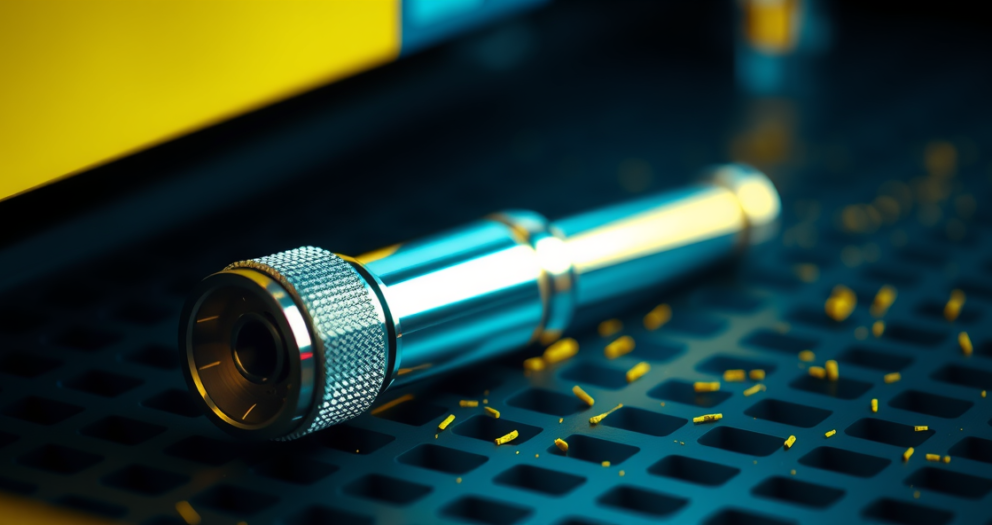
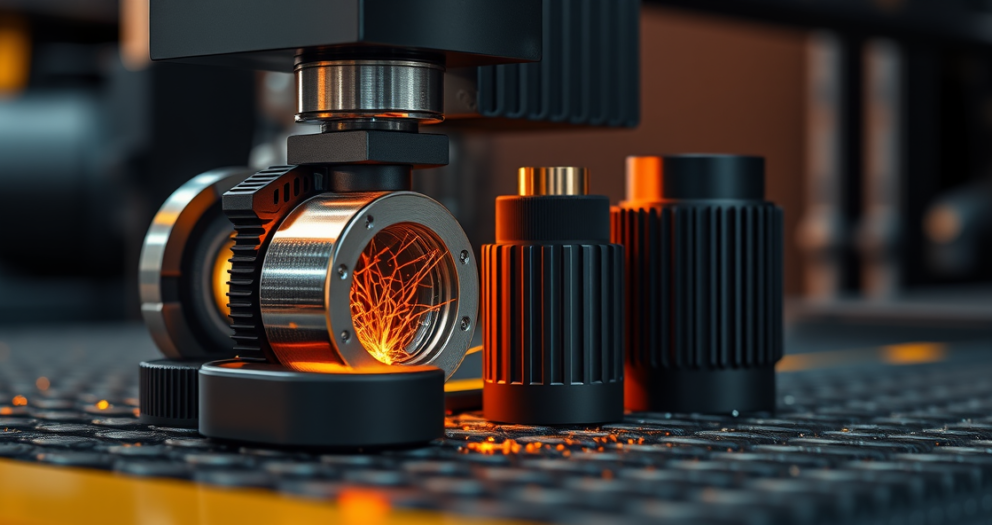
The laser cutting nozzle is arguably the most critical consumable. It directs the assist gas precisely around the laser beam, clearing molten material and cooling the cutting area. The choice of nozzle type significantly impacts cut quality and speed for different materials and thicknesses.
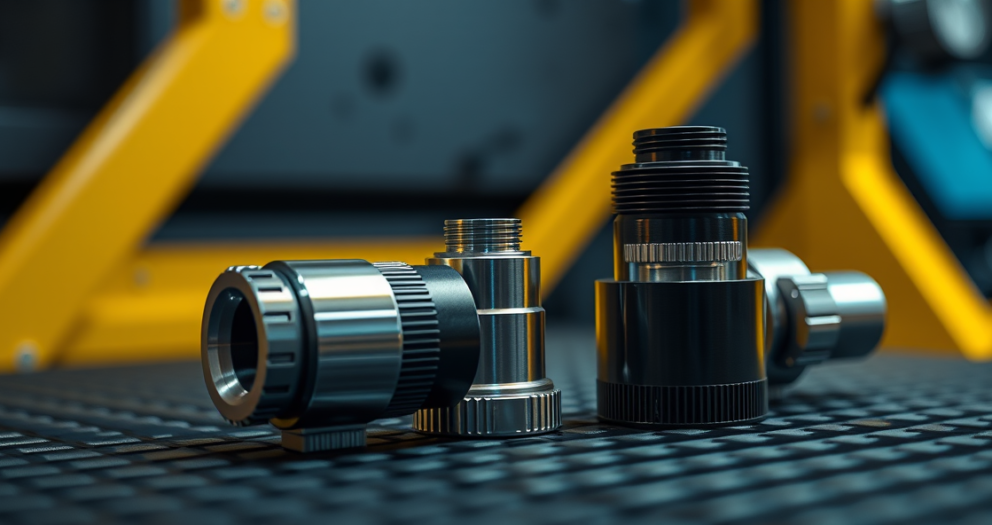
- Single Nozzle: Features a single orifice. Ideal for cutting with oxygen (oxidation cutting) where the oxygen jet reacts with the material, enhancing the cutting process. It produces a cleaner cut edge on thicker mild steel.
- Double Nozzle: Possesses two orifices – an inner one for the laser beam and an outer one for the assist gas, creating a protective shroud. This design is primarily used for nitrogen cutting (melt cutting), where the inert gas blows away molten material, preventing oxidation and achieving a dross-free, shiny cut on stainless steel and aluminum. The outer orifice also helps prevent spatter from reaching the protective window.
Manufacturers like Raytools, OSPRI, Precitec, and Fine Focus offer a range of high-quality Single & Double Nozzle options, ensuring compatibility and optimal performance for various laser heads.
Ceramic rings
Also known as the fiber laser ceramic ring or ceramic insulator, this component is positioned above the laser cutting nozzle. Its primary function is to provide electrical insulation, preventing arc discharge between the nozzle and the cutting head. A high-quality ceramic ring for laser cutting machine ensures stable capacitance readings, which are crucial for reliable height sensing and maintaining the correct distance between the nozzle and the workpiece. Brands like Raytools and Precitec are renowned for their durable and precise laser ceramic ring offerings.
Lenses
While often considered a spare part, protective lenses and, less frequently, focusing lenses are consumables that require periodic replacement.
- Protective Windows: These are critical sacrificial elements that shield the expensive focusing lens from spatter, smoke, and debris generated during cutting. They are the first line of defense and must be regularly inspected and replaced to maintain optical clarity.
- Focus Lenses: Over time, even with a protective window, focus lenses can degrade due to heat, minor contamination, or repeated cleaning. A pristine focus lens is non-negotiable for achieving sharp, precise cuts.
Signs Your Spare Parts Need Replacement
Proactive recognition of worn-out parts is key to preventing costly downtime and maintaining superior cutting quality. Operators and maintenance staff should be vigilant for these indicators:
- Poor Cutting Quality: The most obvious sign. This includes rough edges, excessive dross, irregular kerf width, or a lack of penetration. A worn laser cutting nozzle or a contaminated lens can severely impact beam integrity and gas flow.
- Burr Formation: An increase in burr on the underside of the cut material often points to an issue with the laser cutting nozzle, incorrect gas pressure, or a degraded focus lens.
- Irregular Sparks: If sparks during cutting are inconsistent, splashing erratically, or causing excessive spatter, it can indicate a damaged laser cutting nozzle, improper nozzle alignment, or a faulty fiber laser ceramic ring affecting capacitive height sensing.
- Frequent Collision Errors: If your machine frequently registers collision errors without an actual impact, it might be due to a faulty ceramic ring for laser cutting machine impacting the capacitive sensor’s accuracy.
- Reduced Cutting Speed: A machine struggling to maintain its usual cutting speed, especially on previously manageable materials, suggests an issue with beam delivery, possibly a dirty lens or a worn laser cutting nozzle.
- Increased Gas Consumption: An improperly seated or damaged laser cutting nozzle can lead to assist gas leakage, significantly increasing operational costs.
What are signs of worn laser cutting parts?
Signs of worn laser cutting parts include poor cutting quality (rough edges, excessive dross), increased burr formation, irregular or excessive sparks during cutting, frequent collision errors, reduced cutting speed, and higher assist gas consumption. Specifically, issues with the laser cutting nozzle, focus lens, or ceramic ring for laser cutting machine are often the culprits.
OEM vs Aftermarket Spare Parts
When sourcing spare parts, operators and owners face a crucial decision: go with Original Equipment Manufacturer (OEM) parts or opt for aftermarket alternatives. Each choice has its own set of advantages and disadvantages.
Here’s a comparison to help you decide:
| Feature | OEM (Original Equipment Manufacturer) Parts | Aftermarket Parts |
|---|---|---|
| Quality & Reliability | Guaranteed to meet original specifications, often higher quality control. | Varies widely; can be excellent, average, or poor quality. |
| Fit & Compatibility | Perfect fit, designed specifically for your machine model (e.g., Raytools, Precitec). | May require modifications or might not fit perfectly. |
| Warranty | Typically comes with manufacturer’s warranty, protecting your investment. | Warranty coverage varies; often limited or non-existent. |
| Performance | Ensures optimal machine performance and cutting quality as designed. | Performance can be inconsistent, potentially leading to quality issues. |
| Price | Generally higher initial cost. | Often lower initial cost. |
| Availability | Usually readily available through authorized distributors. | Can be found from numerous independent suppliers. |
| Risk | Lower risk of machine damage or reduced lifespan. | Higher risk of unforeseen issues, increased downtime, and potential damage to other components. |
While aftermarket parts might offer a tempting lower price, the long-term benefits of OEM parts – including reliability, performance, and reduced downtime – often outweigh the initial cost difference. For critical components like the laser cutting nozzle, focus lenses, or the fiber laser ceramic ring, investing in genuine spare parts from reputable brands like Raytools, OSPRI, Precitec, or Fine Focus is always recommended to ensure consistent quality and extend machine life.
How to Choose High-Quality Spare Parts Supplier
Selecting the right supplier for your laser cutting spare parts and consumables is as crucial as selecting the parts themselves. A reliable supplier can be a valuable partner in maintaining your machine’s peak performance.
- Certifications and Quality Assurance: Look for suppliers who can provide certifications for their products, assuring they meet industry standards. Genuine parts from leading brands like Raytools, OSPRI, Precitec, and Fine Focus come with inherent quality guarantees.
- Brand Compatibility: Ensure the supplier offers parts specifically compatible with your laser cutting head and machine model. A supplier specializing in branded consumables like Raytools Single Nozzle or Precitec ceramic ring for laser cutting machine understands the precise specifications required.
- Technical Support and Expertise: A good supplier doesn’t just sell parts; they offer technical support, advice on installation, and troubleshooting. Their expertise can save you time and prevent costly mistakes.
- Inventory and Availability: Check if the supplier maintains a robust inventory of essential consumables like Single & Double Nozzle options and laser ceramic ring components to minimize lead times and avoid production delays.
- Customer Reviews and Reputation: Research the supplier’s reputation. Reviews from other laser cutting machine users can offer valuable insights into their reliability and service quality.
Maintenance Tips to Increase Machine Life
Regular, diligent maintenance is the cornerstone of maximizing your laser cutting machine’s lifespan and ensuring consistent cutting quality. Neglecting routine checks can lead to premature wear and costly repairs.
- Cleaning Optical Components Regularly: The protective window and focus lens must be kept meticulously clean. Even microscopic dust particles or spatter can absorb laser energy, leading to overheating, damage, and degraded beam quality. Use only approved cleaning solutions and lint-free wipes.
- Checking laser cutting nozzle Alignment: The laser cutting nozzle must be perfectly centered with the laser beam. Misalignment causes uneven gas flow and an off-center beam, resulting in poor cut quality and increased dross. Regularly perform beam alignment tests.
- Replacing Consumables Promptly: Do not extend the life of worn consumables beyond their recommended cycle. Replace the Single Nozzle or Double Nozzle, protective window, and ceramic ring for laser cutting machine as soon as signs of wear appear or according to manufacturer guidelines. This prevents minor issues from escalating into major problems.
- Inspecting and Cleaning the Fiber Laser Ceramic Ring: Ensure the ceramic ring for laser cutting machine is clean and free from damage. A compromised laser ceramic ring can lead to inconsistent height sensing, causing the laser cutting nozzle to collide with the material.
- Maintaining Cooling System: The chiller unit is vital for maintaining the laser source temperature. Ensure the coolant is clean, at the correct level, and the filters are clear.
- Lubricating Moving Parts: Regularly lubricate guides, rails, and bearings according to the manufacturer’s recommendations to ensure smooth and accurate motion.
Book Maintenance Consultation
Cost Optimization Strategy
Operating a laser cutting machine involves significant investment, and optimizing running costs without compromising quality is a priority for any business. Strategic management of spare parts and consumables plays a pivotal role.
- Bulk Buying of Consumables: For frequently used items like Single & Double Nozzle types and protective windows, purchasing in bulk from a trusted supplier can unlock significant cost savings per unit. Ensure proper storage conditions to prevent degradation.
- Implementing Preventive Maintenance Schedules: Instead of reactive repairs, a well-planned preventive maintenance schedule reduces unexpected downtime, extends the life of components, and avoids more expensive catastrophic failures. This includes regular inspection and timely replacement of parts like the fiber laser ceramic ring.
- Using Genuine Consumables and Spare Parts: While the initial cost may be higher, genuine parts from reputable brands like Raytools, OSPRI, Precitec, and Fine Focus offer superior longevity and performance. This reduces the frequency of replacements and ensures consistent cut quality, minimizing rework and material waste.
- Operator Training: Well-trained operators can identify issues early, perform basic maintenance, and operate the machine more efficiently, reducing wear and tear on components.
- Monitoring Gas Consumption: Optimize assist gas usage by ensuring correct pressure settings, using the appropriate laser cutting nozzle for the application, and regularly checking for leaks.
Applications & Industry Use Cases
Laser cutting technology, underpinned by high-quality consumables like the laser cutting nozzle and fiber laser ceramic ring, is indispensable across a vast array of industries. Its precision, speed, and versatility make it a preferred method for diverse manufacturing needs.
- Automotive Industry: From cutting complex vehicle chassis components to intricate interior parts, laser cutting ensures high precision and speed, crucial for mass production and bespoke modifications. Materials include various steels, aluminum, and even specialized composites.
- Sheet Metal Fabrication: This is perhaps the largest application. Laser cutting machines are used to precisely cut intricate designs and shapes from sheets of steel, stainless steel, aluminum, and other alloys for diverse products ranging from industrial enclosures to architectural elements.
- General Fabrication: Custom metal fabrication shops rely heavily on laser cutting for creating parts for machinery, custom tooling, and structural components. The ability to cut a wide range of thicknesses and materials with minimal distortion is a key advantage.
- Aerospace Industry: High-precision cutting of lightweight and high-strength alloys like titanium and Inconel for aircraft components, where accuracy and material integrity are paramount.
- Medical Device Manufacturing: Producing small, intricate, and highly precise components for surgical instruments, implants, and other medical devices from specialized materials.
- Electronics Industry: Cutting components for enclosures, heat sinks, and other precision parts in the electronics manufacturing sector.
FAQs
Q1: How often should I replace my laser cutting nozzle?
A1: The replacement frequency for your laser cutting nozzle depends on the material being cut, laser power, assist gas, and operational hours. Generally, it’s recommended to visually inspect the nozzle daily. Replace it immediately if you observe any damage, wear, or a decline in cutting quality. Some high-volume operations might replace nozzles every few hours, while others might get days or weeks.
Q2: What is the difference between a Single Nozzle and a Double Nozzle?
A2: A Single Nozzle has one central orifice and is typically used with oxygen for cutting mild steel. A Double Nozzle has two orifices – an inner one for the laser beam and an outer one for the assist gas – and is primarily used with nitrogen for cutting stainless steel and aluminum, helping achieve dross-free cuts and protecting the lens from spatter.
Q3: Why is a high-quality ceramic ring for laser cutting machine important?
A3: A high-quality fiber laser ceramic ring is crucial because it provides electrical insulation for the laser cutting nozzle and ensures stable capacitive height sensing. This stability is vital for maintaining the correct distance between the nozzle and the workpiece, leading to consistent cut quality and preventing nozzle collisions. Brands like Raytools and Precitec offer reliable laser ceramic ring options.
Q4: Can I use aftermarket spare parts to save costs?
A4: While aftermarket parts can offer lower upfront costs, they often come with risks. Their quality, fit, and performance can vary widely, potentially leading to increased downtime, reduced cutting quality, and even damage to other machine components. For critical parts like the laser cutting nozzle and optical components, investing in genuine or high-quality branded consumables from suppliers like OSPRI or Fine Focus is generally recommended for long-term machine health and consistent performance.
Q5: How does proper maintenance of spare parts impact cost optimization?
A5: Proper maintenance, including regular cleaning, timely replacement of worn consumables, and routine inspections, directly contributes to cost optimization. It reduces unexpected breakdowns, extends the lifespan of expensive components, minimizes material waste due to poor cuts, and maintains machine efficiency, thereby lowering overall operational costs and maximizing your return on investment.
Conclusion
In the competitive landscape of industrial manufacturing, the longevity and performance of your laser cutting machine are paramount. This comprehensive guide underscores that the key to unlocking peak efficiency, superior cut quality, and long-term cost savings lies in a thorough understanding and proactive management of your machine’s spare parts and consumables. From selecting the appropriate Single & Double Nozzle to ensuring the integrity of your fiber laser ceramic ring, every component plays a vital role. By choosing high-quality, genuine parts from trusted brands like Raytools, OSPRI, Precitec, and Fine Focus, implementing robust maintenance schedules, and recognizing the signs of wear, you can significantly enhance your machine’s performance, reduce downtime, and optimize your operational budget. Invest in quality, invest in longevity – your production line will thank you.
Request Quote
Talk to Expert
Download Catalog
Download Spare Parts Checklist
Write a comment
Your email address will not be published. All fields are required