

Introduction
In the demanding world of metal fabrication, even minor inconsistencies can lead to significant downtime, wasted materials, and compromised product quality. Achieving optimal performance from your fiber laser cutting machine isn’t just about the machine itself; it’s profoundly influenced by the quality and type of its spare parts and consumables. Understanding the nuances between components like the Single Nozzle and Double Nozzle is crucial for operators, cutting machine users, and metal fabricators looking to enhance efficiency and profitability.
This comprehensive guide delves into the critical role of consumables, focusing on the choice between Single & Double Nozzle configurations, and highlights how informed decisions can elevate your cutting precision, speed, and overall operational lifespan. We’ll explore practical insights, performance improvements, cost optimization strategies, and the undeniable impact of genuine spare parts on machine efficiency. Download Spare Parts Checklist to ensure you’re always prepared.
Why Spare Parts & Consumables Matter in Laser Cutting
The reliability and performance of a fiber laser cutting machine are inextricably linked to the quality of its spare parts and consumables. These seemingly small components are the backbone of consistent, high-quality production, directly impacting everything from cut edge finish to machine longevity.
Impact on Performance
High-quality spare parts, such as those from reputable brands like Raytools, OSPRI, Precitec, or Fine Focus, ensure your laser cutter operates at its peak. Precision-engineered nozzles, robust protective windows, and accurate focusing lenses guarantee optimal beam delivery and assist gas flow. This translates to superior cutting precision, faster processing speeds, and a consistently clean cut edge, minimizing the need for secondary finishing operations.
Cost of Low-Quality Parts
Opting for cheaper, low-quality aftermarket parts often leads to a cycle of hidden costs. Frequent replacements, unexpected machine downtime due to premature wear or failure, and increased material wastage from poor cuts quickly erode any initial savings. These issues can disrupt production schedules, delay deliveries, and ultimately damage your business’s reputation.
Machine Efficiency
Genuine and high-quality consumables are vital for maintaining peak machine efficiency. They prevent undue stress on critical machine components, reduce energy consumption by optimizing cutting parameters, and extend the overall operational life of your equipment. Regular maintenance with authentic parts minimizes unexpected breakdowns, ensuring maximum uptime and uninterrupted productivity for your fabrication operations.
Complete Overview of Laser Cutting Machine Spare Parts
Understanding the various components of your fiber laser cutting machine is key to proactive maintenance and efficient operation. Each part plays a specific role in the cutting process.
Optical Components
These components are crucial for guiding, focusing, and protecting the laser beam. They include focusing lenses that concentrate the laser energy onto the material, and protective windows which shield the more expensive focusing lenses from splatter and debris. Maintaining their cleanliness and integrity is paramount for beam quality and cutting effectiveness.
Mechanical Parts
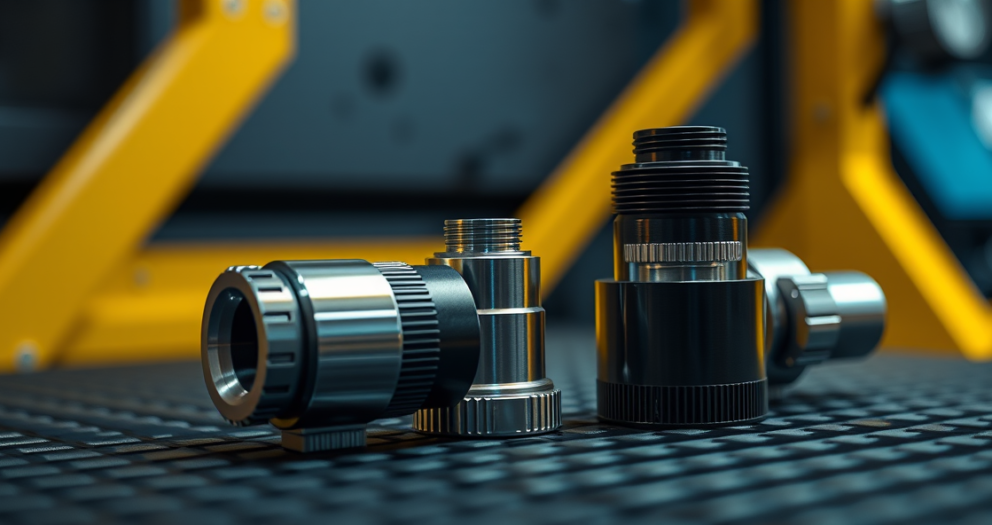
Mechanical parts facilitate the precise movement of the cutting head and the interaction with the workpiece. This category includes the nozzles (both Single Nozzle and Double Nozzle types), which direct the assist gas and shape the laser beam’s exit point. Also included are linear guides, ball screws, and bearings, all of which ensure smooth, accurate, and repeatable motion of the cutting head.
Electrical Components
Electrical components are the brains and nervous system of your laser cutting machine, controlling its functions and ensuring safety. This broad category encompasses sensors that monitor various operational parameters, cables for power and data transmission, and sophisticated control cards that interpret commands and execute cutting paths. Their proper functioning is essential for precise operation and system reliability.
Consumables
Consumables are parts that are regularly replaced due to wear or expiration, directly impacting cut quality and machine performance. Key consumables include gas filters that purify the assist gases, and the ceramic ring for laser cutting machine (also known as the insulator or electrode body) which insulates the nozzle from the cutting head and provides the electrical connection for the auto-focusing system. Neglecting these replacements can severely degrade cutting quality and lead to costly machine damage.
| Part | Function | Replacement Cycle |
|---|---|---|
| Focusing Lens | Concentrates laser beam onto material | 3-6 months (or as needed) |
| Protective Window | Shields focusing lens from splatter | 1-3 months (or as needed) |
| Single Nozzle / Double Nozzle | Directs assist gas, shapes cut | Weekly-Monthly (depending on usage) |
| Ceramic ring for laser cutting machine | Insulates nozzle, guides current for auto-focus | 1-3 months (or as needed) |
| Gas Filter | Cleans assist gas supply | 1-2 months (or as needed) |
| Bearings/Guides | Ensures smooth and precise motion | 6-12 months (or as needed) |
Types of Laser Cutting Consumables Explained
A deeper dive into specific consumables reveals how their unique characteristics impact cutting outcomes, particularly the fundamental choice between nozzle types.
Nozzles (Single & Double Nozzle)
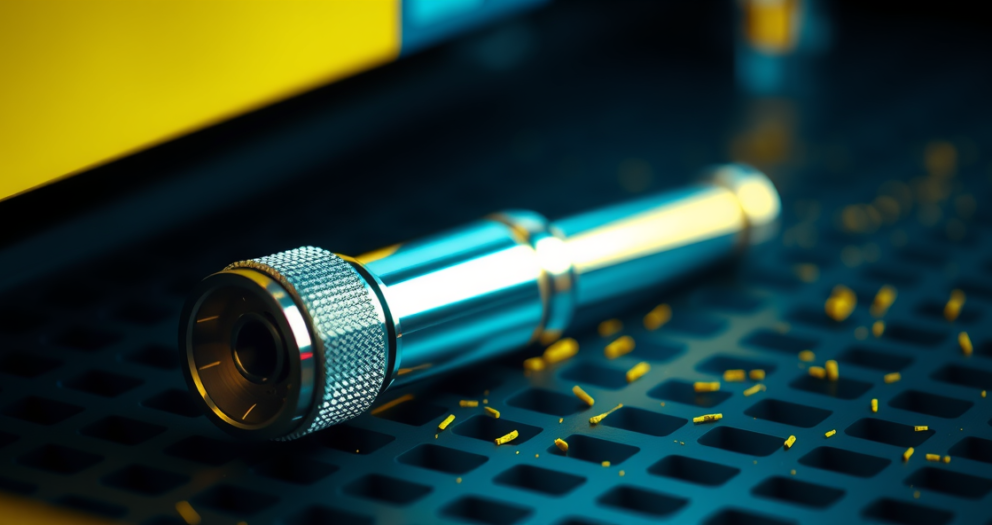
The nozzle is arguably the most critical consumable after the laser source itself, directing the assist gas and shaping the laser beam as it exits the cutting head. The choice between a Single Nozzle and a Double Nozzle significantly impacts cutting quality, speed, and material compatibility.
- Single Nozzle: Features a single, conical opening. This design is typically preferred for cutting thinner materials, especially when using oxygen as an assist gas. The focused, high-pressure gas stream allows for faster piercing and cleaner cuts in materials like mild steel, producing a narrow kerf and minimal dross. It is also often used for fine detailing and intricate cuts. For optimal performance with a Single Nozzle, maintaining proper alignment and ensuring a clean orifice is essential.
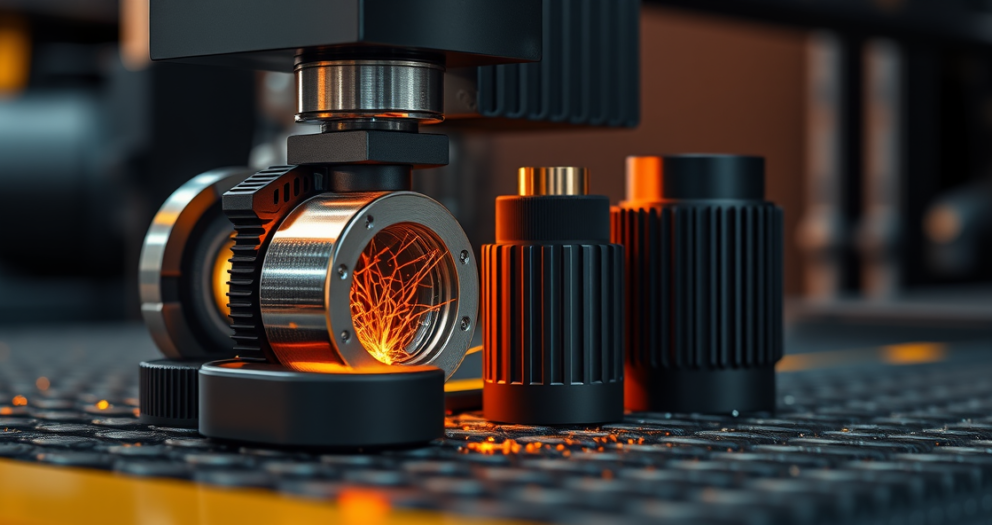
- Double Nozzle: Characterized by two distinct gas flow passages: a central bore for the primary assist gas and an outer annular passage for a secondary gas curtain. This configuration is highly effective for cutting thicker materials, particularly when utilizing nitrogen as an assist gas. The secondary gas flow helps to eject molten material more efficiently, reducing slag formation and improving cut quality on thicker plates. Brands like Raytools, OSPRI, Precitec, and Fine Focus offer high-quality Double Nozzle options designed for robust performance in demanding applications. The Double Nozzle design is also beneficial for cutting reflective materials like aluminum and stainless steel with nitrogen, as it helps stabilize the cutting process and reduce back-reflection.
The selection between a Single Nozzle and Double Nozzle depends largely on the material type, thickness, desired cut quality, and the assist gas being used. Operators should experiment and refer to machine manufacturer guidelines for optimal settings.
Ceramic rings for laser cutting machine
The fiber laser ceramic ring, also known as the laser ceramic ring or insulating ring, is a vital component located within the laser cutting head, usually around the nozzle. Its primary function is electrical insulation, preventing electrical discharge from damaging the cutting head. Crucially, the ceramic ring for laser cutting machine also contains electrodes that facilitate the capacitance-based auto-focusing system, which precisely maintains the distance between the nozzle and the workpiece. A high-quality ceramic ring for laser cutting machine ensures stable electrical signals, enabling accurate auto-focusing and thus consistent cut quality. Brands like Raytools and Precitec produce durable ceramic ring for laser cutting machines designed for seamless integration with their cutting heads (e.g., Raytools BM series, Precitec ProCutter).
Lenses
Lenses are optical components that play a fundamental role in delivering and focusing the laser beam. The focusing lens precisely converges the collimated laser beam to a tiny spot on the material surface, creating the high power density required for cutting. Protective windows, on the other hand, are sacrificial lenses positioned above the focusing lens to shield it from molten material splatter and fumes. Both require meticulous cleaning and timely replacement. High-quality lenses are crucial for maintaining beam integrity and preventing power loss, directly influencing cutting speed and edge quality.
Signs Your Spare Parts Need Replacement
Recognizing the indicators of worn or faulty spare parts is crucial for preventing costly damage, maintaining production quality, and minimizing downtime. Ignoring these signs can lead to cascading failures and significant operational inefficiencies.
- Poor Cutting Quality: This is often the most obvious sign. If you notice rough edges, excessive dross, irregular kerf width, or incomplete cuts, it’s a strong indicator that a consumable, such as the nozzle or a protective window, might be compromised.
- Burr Formation: The presence of burrs along the cut edge, especially on materials that previously cut cleanly, suggests issues with the nozzle orifice, incorrect assist gas pressure, or improper focal length. A worn Single Nozzle or Double Nozzle is a common culprit.
- Irregular Sparks: During cutting, uniform sparks are expected. If you observe sporadic, erratic, or extremely intense sparks, it could point to a damaged nozzle, a dirty protective window, or even a faulty fiber laser ceramic ring affecting the capacitance height sensing.
- Frequent Piercing Failures: Difficulty in cleanly piercing materials, requiring multiple attempts or longer piercing times, often signals a degraded nozzle or an out-of-focus laser beam due to a dirty lens or a malfunctioning ceramic ring for laser cutting machine.
- Increased Power Requirements: If you find yourself needing to increase laser power to achieve the same cut quality or speed as before, it indicates a loss of laser efficiency. This can be caused by damaged optical components like dirty or scratched lenses and protective windows, which scatter or absorb laser energy.
What are signs of worn laser cutting parts?
Signs of worn laser cutting parts include rough or incomplete cuts, excessive dross, burr formation, irregular sparks, frequent piercing failures, and an increased need for power to achieve desired results. A noticeable decrease in cutting speed or consistency also indicates parts like nozzles, ceramic ring for laser cutting machine, or protective lenses may need immediate replacement.
OEM vs Aftermarket Spare Parts
When sourcing spare parts for your fiber laser cutting machine, a critical decision arises: whether to opt for Original Equipment Manufacturer (OEM) parts or aftermarket alternatives. Each option presents distinct advantages and disadvantages that impact performance, cost, and machine longevity.
| Feature | OEM Parts | Aftermarket Parts |
|---|---|---|
| Quality | High, guaranteed by machine manufacturer | Varies widely, from decent to poor |
| Compatibility | Perfect fit and optimal integration | May require adjustments, not always perfect |
| Performance | Optimal, designed for peak machine efficiency | Can be inconsistent, may degrade performance |
| Warranty | Typically included, protects against defects | Often limited or non-existent |
| Price | Generally higher initial cost | Lower initial cost, but hidden expenses can arise |
| Longevity | Longer lifespan, fewer replacements needed | Shorter lifespan, more frequent replacements |
| Technical Support | Extensive support and expertise from manufacturer | Limited or no technical support |
While aftermarket parts might offer a lower upfront cost, the potential for reduced performance, increased downtime, and more frequent replacements often makes OEM parts the more economical choice in the long run. Genuine parts from brands like Raytools, Precitec, OSPRI, and Fine Focus are engineered to precise specifications, ensuring maximum compatibility and reliability for your expensive machinery.
How to Choose High-Quality Spare Parts Supplier
Selecting the right supplier for your fiber laser cutting machine’s spare parts and consumables is as crucial as choosing the parts themselves. A reliable supplier ensures you receive genuine, high-performance components that keep your operations running smoothly.
- Certifications and Quality Assurance: Look for suppliers who adhere to international quality standards, such as ISO certifications. This indicates a commitment to quality control and consistent product standards. Reputable suppliers often have rigorous testing procedures for their parts.
- Brand Compatibility and Genuine Parts: Prioritize suppliers who offer genuine parts or certified compatible alternatives for leading cutting head brands. Whether you use a Raytools cutting head, a Precitec ProCutter, or systems from OSPRI or Fine Focus, your supplier should confirm the compatibility and authenticity of their nozzles, ceramic ring for laser cutting machine, and lenses. Counterfeit parts can severely damage your machine.
- Technical Support and Expertise: A good supplier does more than just sell parts; they offer expert technical support. This includes knowledgeable staff who can advise on the correct parts for your specific machine and application (e.g., advising on the optimal Single Nozzle vs. Double Nozzle for a given material). After-sales service and troubleshooting assistance are invaluable, minimizing downtime and maximizing your investment.
Maintenance Tips to Increase Machine Life
Proactive and consistent maintenance is the cornerstone of extending the lifespan of your fiber laser cutting machine, ensuring consistent performance, and avoiding costly repairs.
- Regular Cleaning of Optical Components: The focusing lens and protective window are highly sensitive to contamination. Regularly clean them with approved optical cleaning solutions and specialized wipes to prevent beam distortion and power loss. Even a tiny speck of dust can lead to thermal lensing and damage.
- Checking Nozzle Alignment and Condition: The nozzle plays a direct role in cut quality. Frequently inspect your Single Nozzle or Double Nozzle for damage, wear, or blockages. Ensure it is perfectly aligned with the laser beam path. Even slight misalignment can result in poor cuts, excessive dross, and reduced cutting efficiency.
- Replacing Consumables Regularly: Adhere strictly to the manufacturer’s recommended replacement schedules for all consumables, including nozzles, ceramic ring for laser cutting machine, gas filters, and protective windows. Proactive replacement prevents these parts from degrading to a point where they negatively impact cutting quality or cause damage to other machine components. For instance, a worn fiber laser ceramic ring can lead to auto-focusing issues.
- Lubrication of Mechanical Components: Regularly lubricate linear guides, ball screws, and other moving parts according to the machine’s maintenance manual. This reduces friction and wear, ensuring smooth, accurate motion and extending the life of these critical mechanical parts.
- System Calibration and Diagnostics: Periodically run system diagnostics and recalibrate as necessary. This helps identify potential issues before they escalate and ensures all components are working in harmony.
By implementing these maintenance practices, you can significantly extend the operational life of your laser cutting machine, maintain peak performance, and optimize your return on investment. Book Maintenance Consultation to get expert advice.
Cost Optimization Strategy
Effective cost optimization in fiber laser cutting involves a strategic approach to purchasing, maintenance, and material utilization. It’s about more than just finding the cheapest parts; it’s about maximizing value and minimizing long-term expenses.
- Bulk Buying Genuine Consumables: While quality consumables have a higher unit cost, purchasing them in bulk from trusted suppliers can lead to significant savings. This strategy reduces per-unit cost and ensures you always have a ready supply of essential items like nozzles, ceramic ring for laser cutting machine, and protective windows, minimizing downtime caused by stock shortages.
- Implementing Preventive Maintenance: A robust preventive maintenance schedule is far more cost-effective than reactive repairs. Regular inspections, cleaning, and timely replacement of worn parts prevent minor issues from escalating into major, expensive breakdowns. This proactive approach reduces unscheduled downtime, extends machine life, and avoids costly emergency service calls.
- Using Genuine, Branded Consumables: Investing in genuine consumables from brands like Raytools, Precitec, OSPRI, or Fine Focus, despite their higher initial cost, leads to long-term savings. These parts offer superior performance, longer lifespans, and reduced failure rates, meaning fewer replacements and less material wastage due to poor cuts. For example, a quality Double Nozzle will consistently deliver better results and last longer than a cheap imitation.
- Optimizing Cutting Parameters: Fine-tuning cutting parameters for each material and thickness can significantly reduce assist gas consumption and improve material yield. Properly calibrated focus, speed, and power settings, along with the correct Single & Double Nozzle choice, minimize waste and maximize efficiency.
- Operator Training: Well-trained operators understand how to use the machine efficiently, identify early signs of wear, and perform basic maintenance tasks. This reduces operator-induced errors, extends part life, and contributes to overall cost savings.
Applications & Industry Use Cases
Fiber laser cutting machines are indispensable across a wide spectrum of industries, offering precision, speed, and versatility for various applications. The choice of consumables, especially between a Single Nozzle and Double Nozzle, often dictates the machine’s effectiveness for specific tasks.
- Automotive Industry: Used for cutting precision components like chassis parts, body panels, brackets, and exhaust systems from various metals including high-strength steel, aluminum, and stainless steel. Here, the choice between Single Nozzle for thinner components and Double Nozzle for thicker structural elements with nitrogen assist is crucial for both speed and edge quality.
- Sheet Metal Fabrication: This is perhaps the broadest application, covering everything from HVAC ducting to custom decorative panels and complex machinery enclosures. Fabricators rely on fiber lasers for high-volume, precise cutting of steel, stainless steel, and aluminum sheets. The flexibility to switch between Single & Double Nozzle configurations allows for optimal processing of different material thicknesses and types.
- Heavy Fabrication & Construction: For thicker plates used in structural components, heavy machinery frames, and agricultural equipment, fiber lasers with Double Nozzle setups and nitrogen assist are highly effective. They deliver clean cuts on materials that would typically require plasma or flame cutting, with much higher precision and minimal heat distortion.
- Aerospace Industry: Demands extreme precision and high-quality edge finishes on specialized alloys. Fiber lasers are used for cutting intricate parts for aircraft structures and engines. The selection of the correct nozzle, along with high-quality fiber laser ceramic rings and lenses, is paramount to meet stringent industry standards.
- Electronics Industry: Precision cutting of thin metal components for casings, circuit boards (with specific laser types), and intricate shields. Single Nozzle setups are often preferred here for their ability to deliver fine, delicate cuts on very thin materials with minimal heat affected zone.
FAQs
- What is the primary difference between a Single Nozzle and a Double Nozzle?
A Single Nozzle has one gas passage, ideal for thinner materials and oxygen cutting. A Double Nozzle has two passages, with a secondary gas curtain for enhanced slag ejection, making it better for thicker materials and nitrogen cutting. - How often should I replace my fiber laser ceramic ring?
Typically, a fiber laser ceramic ring should be replaced every 1-3 months or as recommended by your machine’s manufacturer, and immediately if you notice auto-focusing issues or damage. - Are aftermarket parts ever a good option for my fiber laser?
While aftermarket parts can be cheaper, their quality and compatibility vary greatly. For critical components like nozzles and optical lenses, genuine or high-quality branded parts (e.g., Raytools, Precitec) are almost always recommended to ensure performance and machine longevity. - What impact do worn nozzles have on cutting speed?
Worn nozzles severely reduce cutting speed because they fail to deliver the assist gas efficiently or correctly shape the laser beam. This leads to poor cut quality, increased dross, and the need for higher laser power to compensate, slowing down production. - Why is a quality laser ceramic ring important for laser cutting?
A quality laser ceramic ring provides crucial electrical insulation for the cutting head and ensures the precise functioning of the auto-focusing system. A faulty or low-quality ceramic ring for laser cutting machine can lead to inaccurate focus, poor cut quality, and potential damage to the cutting head electronics. - Can the wrong nozzle type damage my machine?
Using the incorrect nozzle type or a severely worn nozzle can lead to beam reflection issues, excessive heat buildup in the cutting head, and ultimately damage to protective windows or even the focusing lens.
Conclusion
The choice between a Single Nozzle and a Double Nozzle, alongside the meticulous selection and maintenance of all other spare parts and consumables, is paramount for unlocking the full potential of your fiber laser cutting machine. Investing in high-quality components from trusted brands like Raytools, OSPRI, Precitec, and Fine Focus is not merely an expense; it’s a strategic investment in superior performance, reduced downtime, and extended machine life.
By understanding the nuances of each component, implementing robust maintenance practices, and making informed choices about your suppliers, metal fabricators can significantly enhance cutting quality, optimize operational costs, and maintain a competitive edge. Don’t compromise on the integrity of your machinery with subpar parts. Choose quality, choose efficiency, and ensure your laser cutting operations run flawlessly.
Request Quote for genuine spare parts.
Talk to Expert for personalized advice.
Download Catalog to explore our full range of products.
Write a comment
Your email address will not be published. All fields are required