

Introduction
In the high-stakes world of metal fabrication, even minor inconsistencies can lead to significant production delays, material waste, and diminished profitability. For B2B laser cutting machine users, operators, and metal fabricators, the quality of your output is directly tied to the efficiency and precision of your machinery. A common pain point, often overlooked, is the impact of worn or sub-standard spare parts and consumables, leading to frustrating downtime and subpar cutting quality. Maximizing your laser cutting machine’s performance isn’t just about the initial investment; it’s about the meticulous attention to every component that contributes to its overall operational excellence.
This article delves deep into the critical role that high-quality laser cutting nozzles and other fiber laser cutting consumables play in achieving superior results. We will explore how choosing the right parts can drastically improve machine efficiency, reduce operational costs, and elevate the quality of your finished products. Prepare to upgrade your operational game and ensure your laser cutting processes run smoother than ever before. Download our Spare Parts Checklist to get started on optimizing your inventory today.
Why Spare Parts & Consumables Matter in Laser Cutting
The intricate dance of a laser cutting machine relies on the seamless interaction of numerous components. Each spare part and consumable, from the smallest O-ring to the most critical focusing lens, plays a vital role in the machine’s ability to deliver precise, clean cuts. The impact of these elements on overall performance cannot be overstated; they are the unsung heroes of your production line.
Low-quality or worn-out parts are a false economy. They lead to frequent breakdowns, increased maintenance, and inconsistent cutting quality, which ultimately translates to higher operational costs and lost revenue. Imagine a scenario where a cheap laser cutting nozzle causes frequent back-spatter, damaging the protective window and forcing a costly replacement. Genuine, high-quality spare parts and fiber laser cutting consumables ensure optimal machine efficiency, extending the lifespan of your equipment and safeguarding your investment.
Complete Overview of Laser Cutting Machine Spare Parts
A laser cutting machine is a sophisticated piece of equipment, comprising various interconnected parts that work in harmony. Understanding these components is crucial for effective maintenance and ensuring peak performance.
Optical Components
- Lenses: Responsible for focusing the laser beam to an extremely small, high-intensity spot. Contamination or damage can severely degrade beam quality and cutting precision.
- Mirrors: Guide the laser beam along its path from the resonator to the cutting head. Reflectivity and alignment are critical for power transmission and cutting accuracy.
- Protective Windows (Collimator/Focusing Lens Windows): Shield the expensive focusing and collimator lenses from spatter and debris, preventing damage and extending their life.
Mechanical Parts
- Nozzles: Direct the assist gas and shape the laser beam, directly influencing cut quality, speed, and piercing capabilities. Different materials and thicknesses require specific laser cutting nozzles.
- Bearings: Facilitate smooth and precise movement of the cutting head and gantry system. Worn bearings can lead to vibrations and inaccuracies in cutting paths.
- Drive Belts/Rack & Pinion: Transmit motion from motors to the gantry, ensuring accurate positioning. Wear can result in backlash and reduced precision.
Electrical Components
- Sensors: Monitor various machine parameters, such as cutting head height, gas pressure, and temperature. Faulty sensors can lead to incorrect settings and poor cuts.
- Cables & Connectors: Transmit power and data throughout the machine. Damage can cause intermittent operation or complete system failure.
- Servo Motors: Control the precise movement of the cutting head. Malfunctioning motors can lead to inaccurate positioning and cutting errors.
Consumables
- Filters: Remove impurities from assist gases and cooling systems, preventing contamination of optical components and ensuring efficient operation.
- Ceramic rings: An essential insulator in the cutting head, helping to stabilize the electrical signal for the auto-focus function and protecting other components.
- Nozzles: Regularly replaced due to wear from heat, pressure, and spatter, impacting beam shape and gas flow.
Spare Parts and Consumables Overview
| Part | Function | Replacement Cycle |
|---|---|---|
| Laser Cutting Nozzles | Direct assist gas, shape beam | Daily to weekly, depending on use |
| Ceramic Ring for Laser Cutting Machine | Insulation, arc stability | Monthly to quarterly |
| Protective Window | Shield lenses from spatter | Weekly to monthly |
| Focusing Lens | Focus laser beam | Annually or as needed |
| Assist Gas Filters | Purify assist gas | Monthly to quarterly |
| Collimator Lens | Shapes beam for focusing | Annually or as needed |
Types of Laser Cutting Consumables Explained
Understanding the specific types of fiber laser cutting consumables is key to optimizing your cutting process and maintaining machine longevity.
Nozzles (Single & Double)
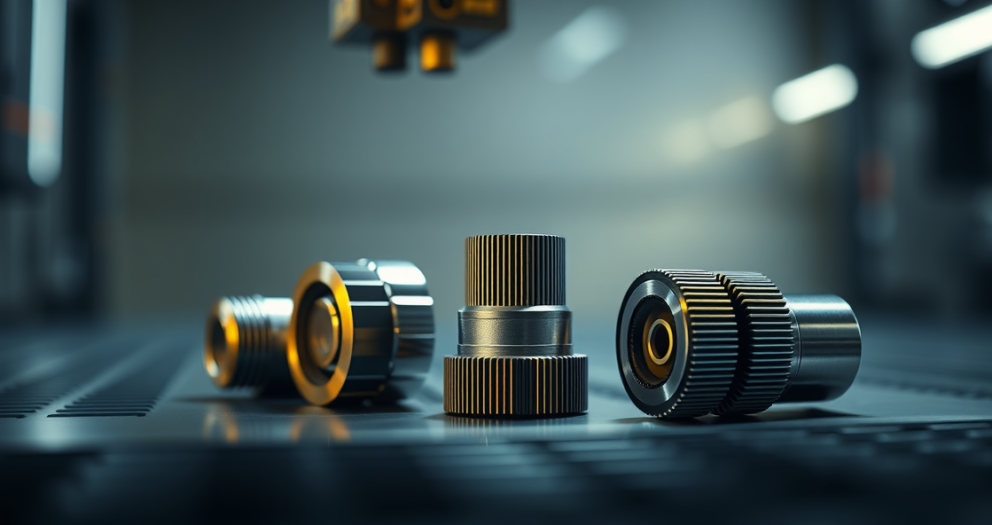
The laser cutting nozzles are perhaps the most critical consumable, directly influencing cut quality, speed, and piercing capabilities. They are responsible for directing the assist gas precisely around the laser beam, clearing molten material and cooling the cutting zone. We differentiate between two primary types:
- Single Nozzle: Features a single, conical opening. Ideal for nitrogen cutting (fusion cutting) of stainless steel and aluminum, where a clean, dross-free edge is paramount. The parallel gas flow minimizes turbulence.
- Double Nozzle: Characterized by a dual-conical design. This type is generally preferred for oxygen cutting (flame cutting) of mild steel, as it creates a more aggressive gas flow that aids in the exothermic reaction. The specific design helps to contain the oxygen jet and stabilize the cutting process, allowing for faster cutting speeds and better pierce penetration.
Choosing between Single Nozzle and Double Nozzle depends heavily on the material, thickness, and desired cut quality. Using the correct laser cutting nozzle ensures optimal gas dynamics and prevents issues like burr formation or incomplete cuts.
Ceramic Rings
Often referred to as the laser ceramic ring, or specifically the ceramic ring for laser cutting machine, this component is crucial for the stability of your cutting head. It serves as an electrical insulator for the capacitive height sensor, allowing the cutting head to maintain a consistent distance from the workpiece. A damaged or contaminated fiber laser ceramic ring can lead to erratic height sensing, resulting in collisions with the material, poor cut quality, and damage to other costly components. Brands like Raytools, OSPRI, Precitec, and Fine Focus all rely on high-quality ceramic ring for laser cutting machine to ensure consistent and reliable operation.
Lenses
While often considered spare parts, focusing lenses are consumables in the sense that they have a finite lifespan and are susceptible to damage. They are responsible for converging the laser beam to the smallest possible spot, which dictates the cutting power density and precision. Contamination, scratches, or thermal stress on the lens can lead to:
- Reduced laser power reaching the workpiece.
- Degraded beam quality, resulting in wider kerf and rougher cuts.
- Increased risk of thermal damage to the lens itself, leading to costly replacements.
Regular inspection and cleaning of lenses are paramount, and replacement with genuine parts is essential for maintaining optimal machine performance.
Signs Your Spare Parts Need Replacement
Ignoring the subtle warnings from your laser cutting machine can lead to significant production issues and costly repairs. Being proactive in identifying signs of wear and tear in your spare parts and fiber laser cutting consumables is crucial for maintaining operational efficiency.
- Poor Cutting Quality: This is often the first and most obvious indicator. If your cuts are no longer clean, precise, or consistently smooth, it’s time to inspect your laser cutting nozzles, lenses, and ceramic ring for laser cutting machine.
- Burr Formation: Excessive burrs on the cut edge suggest that the assist gas flow or beam focus is compromised, often due to a worn laser cutting nozzle or a contaminated protective window.
- Irregular Sparks: An inconsistent or erratic spark pattern during cutting can point to issues with the laser cutting nozzle or gas delivery system.
- Frequent Pierce Failures: Difficulty initiating a clean pierce indicates problems with beam quality, focus, or assist gas dynamics, all of which are influenced by consumables.
- Material Discoloration/Heat Affected Zone (HAZ): An unusually large or prominent HAZ suggests inefficient cutting, possibly due to a worn Single Nozzle or poor lens condition.
- Height Sensing Errors: If your cutting head frequently crashes or struggles to maintain a consistent standoff distance, the fiber laser ceramic ring might be dirty or damaged.
- Reduced Cutting Speed: A noticeable drop in cutting speed for previously standard materials can indicate diminished laser power transmission due to dirty optics or an inefficient Double Nozzle.
What are signs of worn laser cutting parts?
Signs of worn laser cutting parts include poor cut quality, excessive burr formation, irregular sparks, frequent pierce failures, increased heat-affected zones, height sensing errors, and a noticeable reduction in cutting speed. Regularly inspect laser cutting nozzles, lenses, protective windows, and ceramic ring for laser cutting machine for damage or contamination to prevent these issues.
OEM vs Aftermarket Spare Parts
When it comes to sourcing spare parts for your laser cutting machine, you typically have two main options: Original Equipment Manufacturer (OEM) parts or aftermarket parts. Each comes with its own set of advantages and disadvantages, and the choice can significantly impact your machine’s performance and your operational budget.
OEM Parts
OEM parts are manufactured by the original company that made your laser cutting machine. They are designed to exact specifications, ensuring perfect compatibility and optimal performance. Brands like Raytools, OSPRI, Precitec, and Fine Focus provide OEM parts that guarantee the same quality and reliability as the components initially installed in your machine.
Aftermarket Parts
Aftermarket parts are produced by third-party manufacturers. While they are designed to be compatible with your machine, they may or may not meet the exact specifications or quality standards of OEM parts. They are often less expensive, which can be tempting for cost-conscious buyers.
Comparison Table: OEM vs. Aftermarket Parts
| Feature | OEM Parts | Aftermarket Parts |
|---|---|---|
| Quality Assurance | Highest; guaranteed to meet original specifications. | Varies widely; can be good or poor quality. |
| Compatibility | Perfect fit and function, no modifications needed. | May require minor adjustments; fit can be inconsistent. |
| Performance | Optimized for peak machine performance. | Performance may be compromised; risk of reduced efficiency. |
| Warranty | Often covered by machine or part warranty. | Typically limited or no warranty. |
| Cost | Generally higher initial cost. | Often lower initial cost. |
| Longevity | Designed for maximum lifespan and durability. | Can be shorter lifespan; more frequent replacements. |
| Risk | Minimal risk of machine damage or poor output. | Higher risk of machine issues, downtime, and poor quality. |
While aftermarket parts might offer immediate cost savings, the potential for reduced performance, increased downtime, and even damage to your machine often outweighs these initial benefits. For critical fiber laser cutting consumables like laser cutting nozzles and ceramic ring for laser cutting machine, investing in OEM or high-quality branded alternatives is almost always the more cost-effective decision in the long run.
How to Choose High-Quality Spare Parts Supplier
Selecting the right supplier for your laser cutting machine spare parts and consumables is as crucial as selecting the parts themselves. A reliable supplier ensures you receive genuine, high-quality components that maintain your machine’s performance and extend its lifespan. Here are key factors to consider:
- Certifications and Standards: Look for suppliers who adhere to international quality standards (e.g., ISO certifications). This indicates a commitment to manufacturing excellence and product reliability.
- Brand Compatibility and Authenticity: Ensure the supplier deals in genuine or authorized parts for leading brands like Raytools, OSPRI, Precitec, and Fine Focus. Authentic components guarantee optimal performance and compatibility with your existing setup.
- Technical Expertise and Support: A good supplier offers not just parts, but also expert advice and technical support. They should be able to guide you on the right Single Nozzle or Double Nozzle for specific applications and troubleshoot issues effectively.
- Inventory and Availability: Timely access to spare parts is vital to minimize downtime. Choose a supplier with a robust inventory and efficient logistics to ensure quick delivery of essential fiber laser cutting consumables.
- Customer Reviews and Reputation: Research the supplier’s reputation. Positive testimonials and a track record of reliable service are strong indicators of a trustworthy partner.
- Transparent Pricing: A reputable supplier will offer clear and competitive pricing without hidden costs, ensuring you get the best value for your investment in laser cutting nozzles and other components.
Maintenance Tips to Increase Machine Life
Proactive maintenance is the cornerstone of maximizing the lifespan and efficiency of your laser cutting machine. Regular care of your equipment, especially focusing on critical spare parts and consumables, can prevent costly breakdowns and ensure consistent output quality.
- Cleaning Lenses and Optics Regularly: Dust, smoke, and spatter can accumulate on focusing lenses, protective windows, and mirrors, reducing laser power and degrading beam quality. Use only specified cleaning solutions and lint-free wipes.
- Checking Nozzle Alignment: Misaligned laser cutting nozzles can lead to uneven gas flow and an off-center laser beam, resulting in poor cut quality and increased burr. Regularly check and adjust alignment according to manufacturer guidelines.
- Replacing Consumables Regularly: Adhere to recommended replacement schedules for fiber laser cutting consumables such as laser cutting nozzles, ceramic ring for laser cutting machine, and filters. Even if they appear fine, their performance degrades over time.
- Maintaining the Cooling System: Ensure the chiller operates efficiently, maintaining the correct temperature for the laser source and cutting head. A stable temperature prevents thermal stress on optical components.
- Lubricating Moving Parts: Regularly lubricate guide rails, ball screws, and other moving components to reduce friction and wear, ensuring smooth and precise motion.
- Inspecting Assist Gas System: Check for leaks in gas lines, ensure correct pressure settings, and replace gas filters to guarantee a clean and consistent assist gas supply.
By implementing these maintenance tips, you not only extend the life of your expensive equipment but also ensure consistent, high-quality output and significantly reduce unexpected downtime. Book a Maintenance Consultation with our experts to create a tailored maintenance plan for your machinery.
Cost Optimization Strategy
In a competitive manufacturing landscape, cost optimization is paramount. While it might seem counterintuitive to spend more on spare parts, a strategic approach to purchasing and maintenance can lead to significant long-term savings for your laser cutting operations.
- Bulk Buying Genuine Consumables: Take advantage of discounts offered for bulk purchases of high-usage fiber laser cutting consumables like laser cutting nozzles and ceramic ring for laser cutting machine. This reduces per-unit cost and ensures you always have essential parts on hand, minimizing emergency orders and downtime.
- Implementing Preventive Maintenance: As discussed, regular, scheduled maintenance prevents minor issues from escalating into major, costly breakdowns. This proactive approach is far more economical than reactive repairs and replacements.
- Using Genuine, Branded Consumables: While initially more expensive, genuine parts from brands like Raytools, OSPRI, Precitec, and Fine Focus offer superior performance, longer lifespan, and optimal compatibility. This reduces the frequency of replacement and minimizes the risk of damage to other expensive machine components.
- Optimizing Cutting Parameters: Properly configured cutting parameters can extend the life of your laser cutting nozzles and lenses. Running the machine at optimal settings reduces stress on consumables and improves cutting efficiency.
- Operator Training: Well-trained operators are less likely to cause accidental damage to parts and are better at identifying early signs of wear, allowing for timely intervention before issues become critical.
Applications & Industry Use Cases
Laser cutting technology, underpinned by the reliability of its components, is integral to a vast array of industries. The precision and versatility offered by machines equipped with high-quality laser cutting nozzles and fiber laser cutting consumables make them indispensable.
- Automotive Industry: Used for cutting lightweight materials for vehicle bodies, intricate engine components, and custom prototyping. High precision is crucial for safety and performance parts.
- Sheet Metal Fabrication: The backbone of many industries, sheet metal fabricators rely on laser cutting for producing parts for machinery, enclosures, artistic designs, and structural components with high accuracy and minimal waste.
- Aerospace Industry: Demands extreme precision and material integrity. Laser cutting is employed for cutting high-strength alloys and composite materials for aircraft components, often requiring specialized Single Nozzle setups.
- Medical Device Manufacturing: Produces tiny, intricate parts with tight tolerances for surgical instruments, implants, and diagnostic equipment. Clean cuts and minimal heat effect are vital.
- Electronics Manufacturing: Used for cutting thin metals, circuit board components, and housing for electronic devices, where precision prevents damage to delicate parts.
- Architectural and Decorative Metalwork: Enables the creation of complex and aesthetically pleasing designs from various metals for building facades, interior decor, and custom furniture.
FAQs
Q1: How often should I replace my laser cutting nozzles?
A1: The replacement frequency for laser cutting nozzles depends on material, thickness, assist gas, and power. For optimal performance, daily inspection and replacement as soon as quality degrades (e.g., burr formation, irregular sparks) is recommended, often ranging from daily to weekly for high-volume operations.
Q2: What is the difference between a Single Nozzle and a Double Nozzle?
A2: A Single Nozzle has a single conical opening, ideal for nitrogen cutting (fusion cutting) of stainless steel and aluminum. A Double Nozzle has a dual-conical design, better suited for oxygen cutting (flame cutting) of mild steel, providing a more aggressive gas flow for faster speeds and better pierce penetration.
Q3: Why is a ceramic ring for laser cutting machine important?
A3: The ceramic ring for laser cutting machine acts as an electrical insulator for the capacitive height sensor in the cutting head. It ensures stable height sensing, preventing collisions and maintaining a consistent standoff distance for optimal cut quality.
Q4: Can I use aftermarket fiber laser cutting consumables to save costs?
A4: While aftermarket fiber laser cutting consumables may offer a lower initial cost, they often lead to compromised performance, increased downtime, and potential damage to other expensive machine components due to varying quality and compatibility. Investing in genuine or high-quality branded parts is generally more cost-effective long-term.
Q5: How can I identify genuine Raytools or Precitec spare parts?
A5: To identify genuine Raytools, OSPRI, Precitec, or Fine Focus spare parts, always purchase from authorized distributors or the manufacturer directly. Look for official branding, serial numbers, and packaging. A reputable supplier will provide certifications of authenticity upon request.
Q6: What are the benefits of preventive maintenance for laser cutting machines?
A6: Preventive maintenance significantly increases machine life, ensures consistent high-quality output, reduces unexpected downtime, lowers overall repair costs, and optimizes machine efficiency. It’s a proactive approach that safeguards your investment and production schedule.
Conclusion
Optimizing your laser cutting operations goes beyond just the machine itself; it encompasses a meticulous approach to every component, especially your fiber laser cutting consumables and spare parts. The decision to invest in high-quality laser cutting nozzles, genuine ceramic ring for laser cutting machine, and other essential components from reputable brands like Raytools, OSPRI, Precitec, and Fine Focus is not merely an expense, but a strategic investment in performance, precision, and profitability.
By understanding the impact of quality parts, recognizing signs of wear, and adopting proactive maintenance strategies, you can significantly enhance your machine’s efficiency, reduce operational costs, and elevate the quality of your finished products. Don’t let subpar components be the bottleneck in your production. Take advantage of our flat 20% discount on laser cutting nozzles and empower your operations with the reliability and precision you deserve.
Request a Quote for your specific spare parts needs, Talk to an Expert for personalized advice, or Download Our Catalog to explore our full range of genuine laser cutting consumables.
Write a comment
Your email address will not be published. All fields are required