

Introduction
In the demanding world of metal fabrication, even minor inconsistencies can lead to significant production delays, material waste, and ultimately, reduced profitability. Laser cutting machines are precision instruments, and their optimal performance hinges on the quality and integrity of every single component. When critical parts wear out or fail, the consequences range from compromised cut quality and increased downtime to costly repairs and missed deadlines. For B2B Laser Cutting Machine Users, Operators, and metal fabricators owners, understanding the critical role of genuine spare parts and consumables is not just about maintenance—it’s about safeguarding your investment and ensuring operational excellence.
This article dives deep into the world of laser cutting machine spare parts and consumables, with a special focus on the crucial laser ceramic ring. We’ll explore how choosing premium components can dramatically improve your machine’s performance, optimize costs, and enhance overall efficiency. Discover how you can Shop Premium Laser Ceramic Rings Online & Save 20%, ensuring your operations run smoothly and profitably. Don’t let substandard parts undermine your productivity; empower your business with knowledge and quality.
Download Spare Parts Checklist
Why Spare Parts & Consumables Matter in Laser Cutting
The intricate dance of a fiber laser cutting machine relies on the seamless interaction of numerous high-precision parts. Each component plays a vital role in directing, focusing, and delivering the laser beam with pinpoint accuracy. When spare parts or consumables begin to degrade, the entire process suffers, leading to a cascade of negative effects on your production line.
Impact on Performance
The quality of your laser cut is directly proportional to the health of your machine’s components. Worn nozzles, compromised lenses, or a faulty fiber laser ceramic ring can cause beam misalignment, inconsistent power delivery, and improper gas flow. This results in rough edges, excessive dross, taper, and an overall unacceptable finish that demands additional post-processing, slowing down your entire workflow and impacting client satisfaction.
Cost of Low-Quality Parts
While the initial appeal of cheaper, aftermarket parts can be tempting, the hidden costs often far outweigh any perceived savings. Low-quality spare parts, especially critical ones like a ceramic ring for laser cutting machine or protective lenses, tend to wear out faster, necessitating more frequent replacements. More critically, they can cause damage to other expensive machine components, leading to extensive downtime and costly repairs. This false economy directly impacts your bottom line, transforming what seemed like a saving into a significant financial drain.
Machine Efficiency
Optimal machine efficiency is crucial for maintaining competitive production schedules. Genuine, high-quality spare parts ensure your laser cutting machine operates at its peak, minimizing power consumption, maximizing cutting speed, and reducing material waste. When every part, from the laser ceramic ring to the protective window, functions as intended, your machine delivers consistent, high-quality results efficiently, allowing you to meet demand and boost throughput.
Complete Overview of Laser Cutting Machine Spare Parts
A fiber laser cutting machine is a sophisticated system comprising various essential parts, each contributing to its overall function. Understanding these components is key to effective maintenance and procurement of quality replacements, ensuring continuous, high-performance operation.
Optical Components
These parts are fundamental to the laser beam path and quality. They include focusing lenses that concentrate the beam to a fine point, protective windows that shield internal optics from debris, and collimating lenses that maintain beam parallelism. Brands like Raytools, Precitec, OSPRI, and Fine Focus are renowned for their high-quality optical components, crucial for achieving precise and clean cuts.
Mechanical Parts
Mechanical parts facilitate movement and precision positioning. This category includes nozzles, which direct assist gas and the laser beam onto the material, and guide rails and bearings that ensure smooth, accurate motion of the cutting head. Regular inspection and replacement of these parts prevent inaccuracies and maintain the machine’s kinetic integrity.
Electrical Components
Electrical components manage power delivery, control signals, and safety functions. This encompasses various sensors, control boards, cables, and power supplies. Malfunctions in electrical parts can lead to system errors, unexpected shutdowns, and compromised safety, making their quality and reliability paramount for seamless operation.
Consumables
Consumables are parts that are regularly consumed or wear out during the cutting process and require frequent replacement. This includes crucial items such as nozzles, ceramic ring for laser cutting machine, filters, and protective lenses. Timely replacement of these items is vital for maintaining cut quality, protecting expensive optical components, and ensuring uninterrupted operation.
| Part | Function | Replacement Cycle |
|---|---|---|
| Nozzle | Directs assist gas and laser beam, shapes cutting kerf | Daily/Weekly (depending on use & material) |
| Ceramic ring for laser cutting machine | Insulates nozzle, provides electrical connection for capacitive height sensing | Monthly/Quarterly (depending on use & quality) |
| Protective Lens (Cover Slide) | Shields focusing lens from spatter and debris | Weekly/Monthly (depending on contamination) |
| Focusing Lens | Concentrates laser beam to a precise focal point | Annually/Bi-annually (with proper maintenance) |
| Air/Water Filters | Removes impurities from assist gas and cooling water | Quarterly/Bi-annually (depending on environment) |
Types of Laser Cutting Consumables Explained
Consumables are the lifeblood of efficient laser cutting, directly influencing cut quality, speed, and overall machine health. Understanding their function and choosing the right type is paramount for any metal fabrication operation.
Nozzles (Single & Double Nozzle)
Nozzles are critical components that direct the assist gas and shape the laser beam as it exits the cutting head. The choice between a Single Nozzle and a Double Nozzle depends largely on the material type and thickness being cut. Single Nozzle designs are generally used for thicker materials and higher power applications, optimizing gas flow for effective molten metal ejection. Double Nozzle designs, on the other hand, are often preferred for thinner materials and intricate cuts, where a secondary gas flow ring improves edge quality and reduces burr. Maintaining proper nozzle alignment and ensuring they are free from spatter is crucial for consistent performance.
Ceramic rings
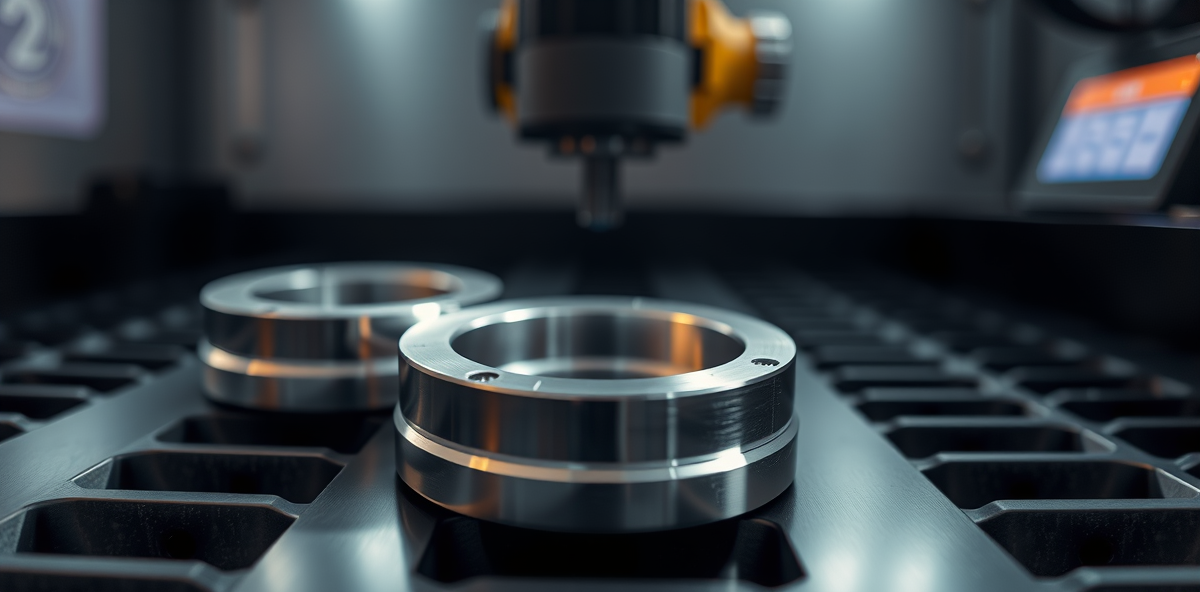
The ceramic ring for laser cutting machine is a small yet incredibly vital component located within the cutting head. Its primary function is electrical insulation, providing a stable platform for the nozzle and facilitating the capacitive height sensing system. This system allows the cutting head to maintain a precise and constant distance from the material surface, which is critical for consistent cut quality and preventing nozzle collisions. A high-quality fiber laser ceramic ring ensures stable electrical conductivity and superior thermal resistance, directly impacting cutting precision and machine safety. Brands like Raytools, Precitec, and OSPRI offer premium laser ceramic ring options designed for durability and accuracy, helping you to Shop Premium Laser Ceramic Rings Online & Save 20%.
Lenses
Lenses, particularly the focusing lens and protective window, are at the heart of the laser beam delivery system. The focusing lens concentrates the raw laser beam into a powerful, precise spot, essential for cutting. The protective window (or cover slide) shields the more expensive focusing lens from spatter, smoke, and debris generated during the cutting process. Even minor contamination or damage to these lenses can cause beam distortion, reduced power density, and ultimately, poor cut quality. Regular cleaning and timely replacement of protective windows are non-negotiable for preserving the life and performance of your focusing optics. High-quality lenses from reputable brands like Fine Focus are engineered to withstand intense thermal loads and provide superior optical clarity.
Signs Your Spare Parts Need Replacement
Proactive identification of worn or failing spare parts is crucial for preventing costly downtime and maintaining optimal cutting performance. Recognizing these signs early can save you significant time and money.
- Poor Cutting Quality: This is often the most immediate and noticeable sign. If your cuts are no longer clean, exhibit excessive dross, or have inconsistent kerf width, it could indicate a worn nozzle, a contaminated protective lens, or even a faulty ceramic ring for laser cutting machine affecting height sensing.
- Burr Formation: The presence of burrs along the cut edge suggests that the laser beam isn’t effectively vaporizing or melting the material. This can be due to a damaged nozzle, incorrect gas pressure, or an impaired focus, often stemming from compromised optical components.
- Irregular Sparks: While some sparking is normal, excessive or erratic sparking during cutting indicates an issue. This could be a sign of a clogged or misaligned nozzle, an incorrect standoff distance (often linked to the fiber laser ceramic ring), or an issue with the assist gas delivery.
- Frequent Collision Alarms: If your machine frequently triggers collision alarms, especially if no physical obstruction is present, it might point to a faulty laser ceramic ring that is misreporting the standoff distance.
- Reduced Cutting Speed: A noticeable drop in cutting speed for the same material and power settings can be a symptom of degraded optical components, which are no longer focusing the laser beam efficiently, or a worn nozzle hindering gas flow.
- Increased Gas Consumption: If your assist gas consumption suddenly increases without a corresponding change in production, check for leaks in the gas lines or a damaged nozzle that isn’t optimizing gas flow.
What are signs of worn laser cutting parts?
Signs of worn laser cutting parts include poor cutting quality (dross, rough edges), burr formation, irregular or excessive sparking during cutting, frequent machine collision alarms, reduced cutting speed for standard materials, and unexplained increases in assist gas consumption.
OEM vs Aftermarket Spare Parts
When it comes to procuring spare parts for your laser cutting machine, you typically have two main options: Original Equipment Manufacturer (OEM) parts or aftermarket parts. Each comes with its own set of advantages and disadvantages that can significantly impact your machine’s performance and your operational budget.
OEM parts are manufactured by the same company that made your laser cutting machine. They are designed to exact specifications, ensuring perfect fit, form, and function. This guarantees optimal performance, compatibility, and often, a warranty. For critical components like a ceramic ring for laser cutting machine or precision lenses, OEM parts provide peace of mind regarding quality and reliability.
Aftermarket parts, on the other hand, are produced by third-party manufacturers. While they are designed to be compatible with your machine, their quality can vary widely. Some aftermarket suppliers offer high-quality alternatives, while others prioritize cost-cutting, potentially compromising material quality, precision, and durability. While often cheaper upfront, low-quality aftermarket parts can lead to frequent replacements, increased downtime, and even damage to other machine components, negating any initial cost savings.
| Feature | OEM Parts | Aftermarket Parts |
|---|---|---|
| Quality & Precision | Guaranteed highest quality, exact specifications, perfect fit | Varies widely, can be high-quality or inferior |
| Compatibility | 100% assured compatibility and integration | May have compatibility issues, especially with complex systems |
| Performance | Optimized for peak machine performance and longevity | Performance can be inconsistent, potentially reducing efficiency |
| Warranty | Typically comes with manufacturer’s warranty | Warranty often limited or non-existent |
| Cost | Generally higher initial investment | Often lower initial cost |
| Reliability | High reliability, reduced risk of failure | Reliability can be a gamble, higher risk of premature failure |
| Availability | Direct from manufacturer or authorized dealers | Wide range of suppliers, varying lead times |
How to Choose High-Quality Spare Parts Supplier
Selecting the right supplier for your fiber laser cutting consumables is as critical as choosing the parts themselves. A reliable supplier ensures you receive genuine, high-performance components that keep your operations running smoothly.
- Certifications and Standards: Look for suppliers who adhere to international quality standards (e.g., ISO certifications). This demonstrates a commitment to manufacturing excellence and rigorous testing, ensuring the parts you receive, like a laser ceramic ring, meet stringent quality benchmarks.
- Brand Compatibility and Genuine Parts: Prioritize suppliers that offer genuine spare parts from reputable brands such as Raytools, OSPRI, Precitec, and Fine Focus. These manufacturers are known for their precision engineering and materials science expertise. Ensure the supplier explicitly states the brand origin of their consumables, especially for critical items like nozzles and fiber laser ceramic ring components. A supplier that can confidently declare “We stock genuine Raytools nozzles and Precitec ceramic ring for laser cutting machine” instills trust.
- Technical Support and Expertise: A good supplier offers more than just parts; they provide technical expertise. This includes knowledgeable staff who can help you identify the correct part for your specific machine model, troubleshoot issues, and offer advice on maintenance. Comprehensive after-sales support can be invaluable in minimizing downtime.
- Inventory and Logistics: Evaluate the supplier’s inventory levels and their ability to deliver parts promptly. Delays in receiving critical consumables can halt production. A supplier with a robust logistics network can ensure timely delivery, helping you to maintain a lean inventory while avoiding stockouts.
- Reputation and Reviews: Check customer testimonials and industry reviews. A supplier with a strong reputation for reliability, quality products, and excellent customer service is a safe bet for long-term partnership.
Maintenance Tips to Increase Machine Life
Regular and meticulous maintenance is the cornerstone of maximizing the lifespan and efficiency of your fiber laser cutting machine. Proactive care not only prevents costly breakdowns but also ensures consistent, high-quality output.
- Cleaning Lenses Regularly: The protective window and focusing lens are highly susceptible to contamination from spatter and smoke. Clean them daily or as recommended by the manufacturer using specialized optical cleaning solutions and wipes. Even a tiny speck of dust can cause the laser beam to defocus or burn through the lens, requiring premature replacement.
- Checking Nozzle Alignment: Proper nozzle alignment is critical for optimal beam delivery and assist gas flow. Routinely check and adjust the nozzle position to ensure the laser beam is perfectly centered. Misalignment can lead to uneven cuts, dross, and even damage to the nozzle or cutting head.
- Replacing Consumables Regularly: Adhere strictly to the recommended replacement cycles for all fiber laser cutting consumables, including nozzles, ceramic ring for laser cutting machine, and filters. Even if a part appears functional, its performance may have degraded, subtly impacting cut quality and placing undue stress on other components. Timely replacement is a form of preventive maintenance that pays dividends.
- Inspect and Clean Guide Rails and Bearings: Keep guide rails and bearings free from dust and debris, and ensure they are adequately lubricated. Smooth motion is essential for cutting accuracy.
- Monitor Cooling System: Ensure the chiller unit maintains the correct temperature and that the cooling water is clean and free of contaminants. The laser source and cutting head generate significant heat, and an efficient cooling system prevents overheating and extends component life.
- Check Gas Purity and Pressure: Verify that assist gases (oxygen, nitrogen, air) meet purity standards and are delivered at the correct pressure. Impure gas or incorrect pressure can lead to poor cut quality and damage to components.
Book Maintenance Consultation
Cost Optimization Strategy
For metal fabricators, managing operational costs without compromising quality is a perpetual challenge. Implementing smart procurement and maintenance strategies can lead to significant cost savings in laser cutting operations.
- Bulk Buying Genuine Consumables: Consolidate your purchases of frequently used fiber laser cutting consumables like nozzles, protective windows, and laser ceramic ring. Many reputable suppliers offer discounts for bulk orders. By planning ahead and stocking up on genuine Raytools, Precitec, OSPRI, or Fine Focus parts, you can reduce the per-unit cost and ensure you always have critical spares on hand, minimizing emergency orders and expedited shipping fees. This is where opportunities like “Shop Premium Laser Ceramic Rings Online & Save 20%” become highly valuable.
- Preventive Maintenance Schedule: Strictly adhering to a preventive maintenance schedule is perhaps the most effective cost-saving measure. Regular cleaning, inspections, and timely replacement of worn parts prevent minor issues from escalating into major, expensive breakdowns. For example, replacing a worn fiber laser ceramic ring proactively is far cheaper than dealing with a damaged cutting head due to collision.
- Using Genuine Consumables: While aftermarket parts might seem cheaper upfront, their shorter lifespan and potential to cause damage to other components often result in higher long-term costs. Investing in genuine consumables from trusted brands ensures optimal performance, extends the life of other machine parts, and reduces the frequency of replacements, leading to substantial savings over time.
- Operator Training: Well-trained operators understand how to use and maintain the machine correctly, reducing accidental damage to parts and optimizing cutting parameters, which minimizes material waste and consumable wear.
- Energy Efficiency: Regularly maintain and calibrate your machine to ensure it operates at peak energy efficiency. A well-tuned laser cutter consumes less power, contributing to lower utility bills.
Applications & Industry Use Cases
Fiber laser cutting technology has revolutionized numerous industries, offering unparalleled precision, speed, and versatility. The availability of high-quality spare parts and consumables is critical for these diverse applications.
- Automotive Industry: Laser cutting is extensively used for manufacturing intricate components like chassis parts, exhaust systems, and interior brackets. Precision and consistency are paramount, relying on high-quality nozzles, lenses, and a dependable ceramic ring for laser cutting machine to ensure structural integrity and tight tolerances.
- Sheet Metal Fabrication: From custom architectural elements to industrial enclosures, sheet metal fabricators depend on laser cutting for its ability to produce complex shapes with smooth, clean edges. The efficient operation facilitated by genuine fiber laser ceramic ring and other consumables is vital for high-volume production and diverse material handling.
- General Fabrication & Manufacturing: Across a multitude of sectors, laser cutting machines are indispensable for producing prototypes, small-batch components, and large-scale industrial parts. Maintaining peak machine performance with branded consumables like those from Raytools, OSPRI, Precitec, and Fine Focus ensures reliability and consistency for a wide array of fabrication needs.
- Aerospace Industry: The aerospace sector demands extreme precision and reliability for cutting lightweight, high-strength alloys. The integrity of every cut is critical for safety, making the use of premium spare parts and rigorous maintenance absolutely essential.
- Medical Device Manufacturing: For precision components in medical devices, laser cutting offers the fine detail and clean cuts required. Quality consumables ensure contamination-free and precise fabrication, crucial for this highly regulated industry.
FAQs
- Q: How often should I replace my ceramic ring for laser cutting machine?
A: The replacement cycle for a laser ceramic ring typically ranges from monthly to quarterly, depending on machine usage, material types, and the quality of the ceramic ring itself. Regular inspection is key to determining exact replacement needs. - Q: What is the benefit of using a Double Nozzle over a Single Nozzle?
A: A Double Nozzle is often preferred for thinner materials or intricate cuts as it provides a secondary gas flow that helps improve edge quality and reduces burr, leading to a cleaner finish. - Q: Can using non-genuine fiber laser cutting consumables damage my machine?
A: Yes, using non-genuine or low-quality consumables can significantly damage your machine. Poorly made parts can lead to beam misalignment, overheating, and even severe damage to expensive optical and mechanical components, resulting in costly repairs and downtime. - Q: Where can I find genuine Raytools or Precitec spare parts online?
A: You can find genuine Raytools, Precitec, OSPRI, and Fine Focus spare parts online from authorized distributors and specialized industrial machinery parts suppliers. Many offer competitive pricing and bulk discounts, such as opportunities to Shop Premium Laser Ceramic Rings Online & Save 20%. - Q: How does a fiber laser ceramic ring affect cutting precision?
A: The fiber laser ceramic ring is crucial for the capacitive height sensing system, which maintains a consistent standoff distance between the nozzle and the material. Any degradation or fault in the ceramic ring can lead to an inaccurate standoff, directly impacting cutting precision, edge quality, and potentially causing nozzle collisions.
Conclusion
The consistent, high-performance operation of your fiber laser cutting machine is not a luxury, but a fundamental requirement for profitability and competitive edge in metal fabrication. The journey to achieving this starts with a deep understanding of your machine’s components and a steadfast commitment to using only premium spare parts and consumables. From the precision-engineered laser ceramic ring to the critical focusing lenses and nozzles, every part plays a pivotal role in ensuring optimal cut quality, maximizing machine efficiency, and driving down long-term operational costs.
Investing in genuine consumables from trusted brands like Raytools, OSPRI, Precitec, and Fine Focus is not merely an expense; it’s a strategic investment in the longevity and reliability of your equipment. By prioritizing quality, implementing robust maintenance practices, and leveraging opportunities to Shop Premium Laser Ceramic Rings Online & Save 20%, you can significantly enhance your machine’s performance, reduce downtime, and ultimately, elevate your business’s profitability. Don’t compromise on the quality that defines your output—choose excellence in every component.
Request Quote
Talk to Expert
Download Catalog


Write a comment
Your email address will not be published. All fields are required