

Introduction
In the demanding world of metal fabrication and industrial manufacturing, the precision and efficiency of your fiber laser cutting machine are paramount. Downtime and suboptimal cutting quality can severely impact production schedules, increase operational costs, and ultimately erode your competitive edge. Even the most advanced laser systems are only as good as their weakest component, making the quality of spare parts and consumables a critical factor in achieving consistent, high-quality results.
This comprehensive guide delves into the essential role of genuine spare parts and high-quality consumables, focusing on critical components like the laser ceramic ring. We’ll explore how investing in superior parts, particularly when you buy fiber laser ceramic ring online, can significantly enhance your machine’s performance, extend its lifespan, and optimize your overall cost structure. Understanding the intricacies of these components is not just about maintenance; it’s about strategic operational excellence.
Whether you’re a cutting machine operator, a maintenance manager, or a metal fabrication owner, securing the right parts is key to uninterrupted productivity. Stay ahead of common issues and elevate your operational standards. Download our exclusive Single & Double Nozzle and Spare Parts Checklist today to ensure you’re always prepared for optimal machine health!
Why Spare Parts & Consumables Matter in Laser Cutting
The operational integrity of a fiber laser cutting machine hinges on a complex interplay of various components. Each part, from the smallest O-ring to the sophisticated laser head, contributes to the machine’s overall performance. When any of these components, especially consumables like the ceramic ring for laser cutting machine, begin to wear or fail, the ripple effect on cutting quality and machine uptime can be substantial.
Opting for low-quality or counterfeit spare parts might seem like a cost-saving measure in the short term, but it almost invariably leads to higher expenses in the long run. Inferior parts often have shorter lifespans, requiring more frequent replacements and incurring additional labor costs. More critically, they can compromise the delicate balance of the laser system, leading to poor cut edges, excessive dross, frequent material rejections, and even damage to more expensive components of the machine.
Machine efficiency is directly correlated with the quality and condition of its parts. Genuine, high-quality spare parts ensure that your laser cutting machine operates within its designed parameters, delivering consistent power, precise beam delivery, and reliable operation. This translates into faster cutting speeds, reduced post-processing, and a significantly lower total cost of ownership. Investing in authentic fiber laser cutting consumables, such as those from reputable brands like Raytools, OSPRI, Precitec, and Fine Focus, is an investment in your machine’s peak performance and your business’s profitability.
Complete Overview of Laser Cutting Machine Spare Parts
To truly understand the importance of quality spare parts and consumables, it’s essential to have a holistic view of the components that keep a fiber laser cutting machine running smoothly. These parts can be broadly categorized into optical, mechanical, electrical, and consumables, each playing a vital role in the cutting process.
Optical Components
Optical components are at the heart of the laser beam delivery system. They are responsible for guiding, focusing, and shaping the laser beam from the source to the workpiece. Key optical parts include:
- Focusing Lenses: These lenses converge the laser beam to an extremely small spot size, creating the high power density required for cutting. Scratches or contamination on the lens can drastically reduce cutting efficiency and quality.
- Protective Windows/Cover Slides: Positioned to shield the more expensive focusing lenses from spatter and debris, these are critical for maintaining beam integrity and reducing maintenance costs. They are often the first line of defense against damage.
- Collimating Lenses: Used to straighten the laser beam after it exits the fiber, ensuring it remains parallel before reaching the focusing lens.
Mechanical Parts
Mechanical parts facilitate the movement and accurate positioning of the laser head and workpiece. Their precision is crucial for cut accuracy and machine longevity.
- Nozzles: Essential for directing the assist gas precisely around the laser beam at the point of cutting. The correct Single & Double Nozzle type and condition are vital for optimal cut quality and dross removal.
- Bearings and Guide Rails: These ensure smooth, precise motion of the gantry and cutting head. Worn bearings or contaminated guide rails can lead to vibration, inaccuracies, and premature wear on other components.
- Gear Racks and Pinions: Drive the precise movement of the cutting head, requiring regular inspection for wear and proper lubrication to maintain accuracy and prevent backlash.
Electrical Components
Electrical components manage the power, control, and communication within the laser system, ensuring all functions operate in harmony.
- Sensors: Proximity sensors, height sensors, and pressure sensors provide critical feedback to the control system, enabling precise cutting distance control and collision avoidance.
- Cables and Connectors: High-quality shielded cables and robust connectors are essential for reliable signal transmission and power delivery, especially in high-EMI environments.
- Servo Motors and Drives: Power the precise movements of the machine’s axes. Their reliability and accuracy are fundamental to the machine’s performance.
Consumables
Consumables are parts that are designed to be regularly replaced due to wear and tear during normal operation. Their timely replacement is critical for maintaining performance and preventing damage to more expensive components.
- ceramic ring for laser cutting machine: This highly critical component, often overlooked, provides electrical insulation for the nozzle and ensures stable arc initiation for the capacitive height sensing system. Its integrity is vital for accurate cutting and collision prevention.
- Nozzles: As mentioned, these are consumables. Their tip can wear, or accumulate spatter, requiring regular cleaning or replacement.
- Filters: Air filters, water filters, and dust collector filters maintain the cleanliness of the machine’s internal environment and cooling systems, preventing contamination of optical components and electronics.
- Protective Windows: While part of the optical system, their sacrificial nature often categorizes them as consumables.
Below is a table summarizing key spare parts and their general replacement cycles:
| Part | Function | Replacement Cycle |
|---|---|---|
| Focusing Lens | Concentrates laser beam | 6-12 months (or as needed) |
| Protective Window | Shields focusing lens | Weekly to Monthly (or as needed) |
| Single & Double Nozzle | Directs assist gas | Daily to Weekly (or as needed) |
| ceramic ring for laser cutting machine | Insulates nozzle, supports height sensing | 1-3 months (or as needed) |
| Air Filters | Removes airborne contaminants | Monthly to Quarterly |
| Bearings & Rails | Ensures precise motion | 1-3 years (with proper lubrication) |
Types of Laser Cutting Consumables Explained
Understanding the different types of fiber laser cutting consumables is paramount for any operator or owner aiming for consistent performance and cost efficiency. Each consumable plays a distinct, yet interconnected, role in the cutting process. Proactive management and sourcing of these items, especially when you buy laser cutting machine ceramic ring online, can dramatically reduce unexpected downtime.
Nozzles (Single & Double Nozzle)
Nozzles are perhaps the most frequently replaced consumable in a laser cutting machine. They serve a crucial function: to direct the assist gas stream concentrically around the laser beam as it exits the cutting head. The assist gas, typically oxygen, nitrogen, or compressed air, helps to remove molten material from the kerf, cools the cut zone, and prevents spatter from damaging the optics.
- Single Nozzle: Often used for high-speed cutting of thin materials or for operations where a focused, high-pressure gas jet is needed. They are generally simpler in design and provide a very concentrated gas stream.
- Double Nozzle: These nozzles feature a dual gas flow, offering improved cutting quality on thicker materials and reducing dross. The secondary gas stream helps to further clear debris and optimize the cutting process, particularly for stainless steel and aluminum. The choice between a Single Nozzle and a Double Nozzle depends heavily on the material type, thickness, and desired cut quality. Regular inspection for wear, deformation, and spatter build-up is critical for maintaining optimal cutting performance.
ceramic ring for laser cutting machine
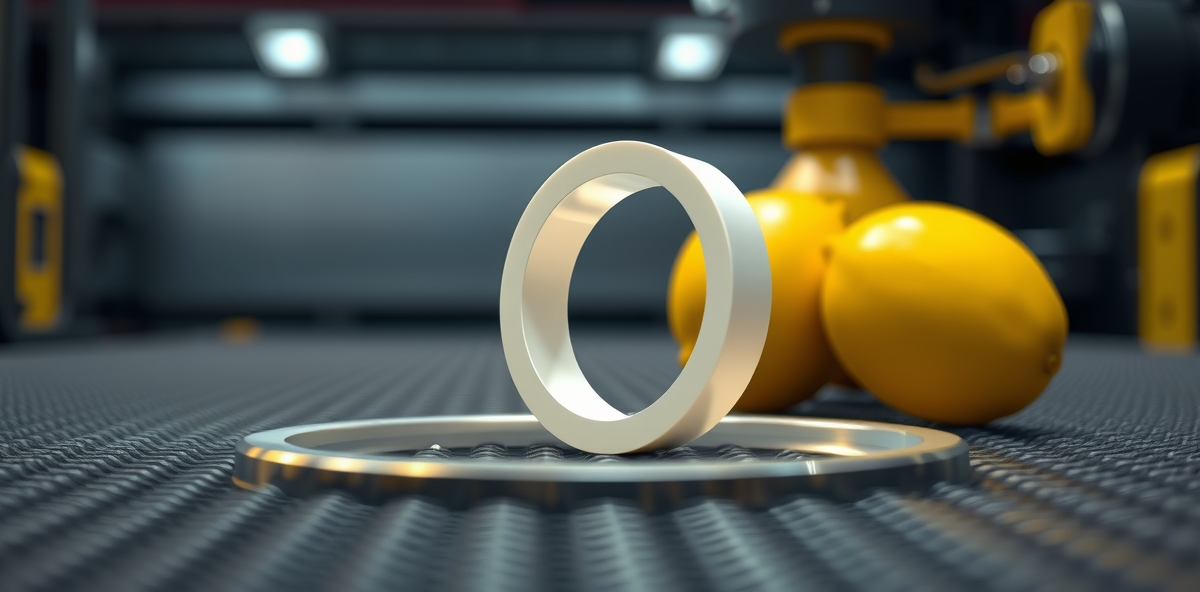
The ceramic ring for laser cutting machine, also known as a fiber laser ceramic ring, is a vital component located within the laser cutting head, typically surrounding the nozzle. Its primary function is multifaceted and critical for precise cutting operations.
- Electrical Insulation: The laser ceramic ring provides electrical insulation for the nozzle, preventing arcing and short circuits that could damage the cutting head’s internal components. This is especially crucial for machines using capacitive height sensing.
- Height Sensing Support: It plays a key role in the capacitive height sensing system, which accurately determines the distance between the nozzle and the material surface. A precise standoff distance is essential for maintaining consistent focal point positioning, which directly impacts cut quality and speed.
- Gas Flow Management: The design of the ceramic ring for laser cutting machine also influences the assist gas flow, ensuring it remains laminar and concentric around the laser beam.
Damage or wear to the fiber laser ceramic ring can lead to unstable height sensing, erratic cutting, and potential collisions with the workpiece. Sourcing genuine, high-quality laser cutting machine ceramic ring, especially from trusted suppliers when you buy ceramic ring for laser cutting machine online, is non-negotiable for machine reliability and longevity. Now available at 20% OFF, it’s an opportune time to upgrade your stock.
Lenses
While often discussed as part of optical components, focusing lenses and protective windows are indeed consumables due to their susceptibility to contamination and damage, requiring regular replacement.
- Focusing Lenses: These are precision-ground optics that focus the high-power laser beam into a tiny, intense spot. Over time, they can suffer from heat stress, contamination from cutting fumes, or spatter damage, leading to degraded beam quality and poor cuts.
- Protective Windows: These are sacrificial lenses placed between the focusing lens and the cutting environment. They protect the more expensive focusing lens from spatter, smoke, and debris. They require frequent inspection and replacement as even minor contamination can scatter the laser beam and cause premature failure of the focusing lens.
Maintaining the cleanliness and integrity of all these consumables is not just good practice; it is fundamental to achieving optimal performance and ensuring the long-term health of your fiber laser cutting machine.
Signs Your Spare Parts Need Replacement
Proactive identification of worn or damaged spare parts and consumables is crucial for preventing extensive downtime and costly repairs. Operators and maintenance personnel should be vigilant for specific indicators that signal the need for replacement.
- Poor Cutting Quality: This is often the most immediate and noticeable sign. If your cut edges are rough, uneven, or exhibit excessive burring, it could indicate issues with the nozzle, focusing lens, or even the laser ceramic ring. Inconsistent kerf width or angled cuts are also strong indicators.
- Burr Formation: The presence of dross or burrs on the underside of the cut material is a classic sign of a worn nozzle, an incorrect assist gas setup, or a compromised focal point due to lens contamination or a faulty fiber laser ceramic ring.
- Irregular Sparks: If the sparks emanating from the cutting zone are inconsistent, erratic, or significantly different from normal operation, it often points to a worn nozzle orifice or an issue with the assist gas flow being properly directed by a damaged ceramic ring for laser cutting machine.
- Frequent Height Sensing Errors: For machines utilizing capacitive height sensing, frequent errors or erratic distance control between the nozzle and the material surface strongly suggests a problem with the ceramic ring for laser cutting machine. A damaged or contaminated ceramic can disrupt the electrical field required for accurate sensing.
- Reduced Cutting Speed or Penetration: A noticeable drop in the machine’s ability to cut at programmed speeds or penetrate material effectively can indicate a dirty or damaged focusing lens, which scatters the laser beam, reducing its power density at the focal point.
- Excessive Spatter: More spatter than usual on the workpiece or surrounding machine components might point to an improperly shaped assist gas flow, often a symptom of a worn or incorrect Single & Double Nozzle.
Featured Snippet: “What are signs of worn laser cutting parts?”
Signs of worn laser cutting parts include poor cutting quality (rough edges, excessive burring), irregular sparks, frequent height sensing errors, reduced cutting speed or penetration, and excessive spatter. These symptoms often point to issues with components like the nozzle, focusing lens, or ceramic ring for laser cutting machine.
OEM vs Aftermarket Spare Parts
When it comes to sourcing spare parts for your fiber laser cutting machine, manufacturers and operators often face a choice: Original Equipment Manufacturer (OEM) parts or aftermarket alternatives. Understanding the differences is critical for making informed decisions that impact machine performance, longevity, and overall cost.
OEM parts are manufactured by or for the original machine manufacturer. They are designed to exact specifications, ensuring perfect fit, form, and function. While generally more expensive upfront, they come with the assurance of quality, compatibility, and often a warranty. Using OEM parts helps maintain the machine’s original performance characteristics and can be crucial for complex, high-precision components.
Aftermarket parts, on the other hand, are produced by third-party companies. Their pricing is typically lower, making them an attractive option for cost-conscious buyers. However, the quality and compatibility of aftermarket parts can vary significantly. While some reputable aftermarket suppliers offer high-quality alternatives, many produce parts with inferior materials or less precise manufacturing tolerances, which can lead to premature failure, suboptimal performance, and potential damage to other machine components.
For critical consumables like the fiber laser ceramic ring, choosing genuine or high-quality branded aftermarket parts is highly recommended. For instance, when looking to buy ceramic ring for laser cutting machine online, ensure the supplier specifies compatibility with brands like Raytools, OSPRI, Precitec, or Fine Focus, and can provide quality certifications.
Here’s a comparison table to help differentiate between OEM and Aftermarket spare parts:
| Feature | OEM Parts | Aftermarket Parts |
|---|---|---|
| Cost | Higher upfront | Lower upfront |
| Quality Assurance | Guaranteed, designed to original specs | Varies greatly, can be high or low quality |
| Compatibility | Perfect fit and function | May have fitment or performance issues |
| Warranty | Often includes manufacturer warranty | Varies by supplier, usually limited |
| Performance | Maintains original machine performance | Can degrade performance if not high quality |
| Risk of Damage | Very Low | Potentially Higher (to other components) |
| Availability | Direct from manufacturer or authorized dealers | Widely available from various vendors |
How to Choose High-Quality Spare Parts Supplier
Selecting the right supplier for your fiber laser cutting machine spare parts and consumables is as important as choosing the parts themselves. A reliable supplier ensures you receive genuine, high-performance components that keep your machines running efficiently and profitably.
- Certifications and Quality Standards: Always verify that the supplier adheres to international quality standards, such as ISO 9001. Look for certifications that attest to the quality and consistency of their manufacturing processes. This is especially vital for precision components like optics and the fiber laser ceramic ring.
- Brand Compatibility and Authenticity: A reputable supplier will clearly state compatibility with leading laser head brands such as Raytools, OSPRI, Precitec, and Fine Focus. They should offer genuine branded consumables or high-quality equivalents that meet or exceed OEM specifications. For example, when you buy ceramic ring for laser cutting machine online, ensure the product details explicitly mention compatibility with your specific laser head model (e.g., Raytools BM111, Precitec ProCutter).
- Technical Support and Expertise: A good supplier offers more than just parts; they provide expert technical support. This includes assistance with part identification, troubleshooting, and advice on optimal usage and maintenance. Their team should possess in-depth knowledge of laser cutting technology and its specific components.
- Inventory and Availability: Timely delivery is critical to minimize downtime. Choose a supplier with a robust inventory of essential fiber laser cutting consumables and a reliable logistics network to ensure quick turnaround times. The ability to buy laser cutting machine ceramic ring online with efficient shipping is a significant advantage.
- Customer Reviews and Reputation: Look for suppliers with positive customer reviews and a strong reputation within the industry. Testimonials from other metal fabricators or manufacturing firms can provide valuable insights into a supplier’s reliability and service quality.
- Pricing and Value: While cost is a factor, it should not be the sole determinant. Compare prices, but always consider the overall value, which includes part quality, warranty, support, and delivery speed. An attractive offer, such as “Buy Laser Cutting ceramic ring for laser cutting machine Online – Now at 20% OFF,” becomes truly valuable when backed by quality and reliability.
Maintenance Tips to Increase Machine Life
Regular and meticulous maintenance is the cornerstone of extending the lifespan of your fiber laser cutting machine, ensuring consistent performance, and maximizing your return on investment. Proactive care for your equipment and its consumables is far more cost-effective than reactive repairs.
- Cleaning Optics Regularly: The focusing lens and protective window are highly susceptible to contamination from cutting fumes and spatter. Use only specified, high-grade optical cleaning solutions and lint-free wipes. Even minor smudges can scatter the laser beam, reducing power and accelerating wear.
- Checking Nozzle Alignment: Ensure the nozzle is perfectly centered with the laser beam. Misalignment can lead to uneven cutting, increased dross, and damage to the nozzle itself. Many modern laser heads, including those from Raytools and Precitec, have built-in alignment tools.
- Replacing Consumables Regularly: Adhere strictly to recommended replacement cycles for consumables like nozzles, protective windows, and the fiber laser ceramic ring. Even if a part “looks okay,” microscopic wear can degrade performance. Proactive replacement prevents minor issues from escalating into major machine failures.
- Maintaining the Cooling System: The chiller system is vital for keeping the laser source and cutting head at optimal operating temperatures. Regularly check coolant levels, filter condition, and ensure there are no leaks. Contaminated or insufficient coolant can lead to overheating and damage to expensive components.
- Lubricating Moving Parts: Periodically lubricate guide rails, bearings, and gear racks according to the manufacturer’s recommendations. Proper lubrication reduces friction and wear, ensuring smooth, accurate movement of the gantry and cutting head.
- Inspecting Cables and Connections: Regularly check all electrical cables and connections for signs of wear, fraying, or loose contacts. Secure connections are vital for consistent power and signal transmission.
- Keeping the Work Area Clean: A clean environment reduces the chances of dust and debris entering the machine, which can contaminate optics and mechanical components.
By implementing these maintenance tips, you not only ensure superior cutting quality but also significantly extend the operational life of your valuable asset. Book a professional maintenance consultation today to get expert insights tailored to your specific machine and operational needs!
Cost Optimization Strategy
Maximizing profitability in laser cutting operations involves more than just efficient cutting; it requires a strategic approach to cost optimization, particularly concerning spare parts and consumables. While upfront savings might seem appealing, true cost efficiency comes from a holistic view of quality, longevity, and operational impact.
- Bulk Buying of Consumables: For frequently used items like nozzles, protective windows, and ceramic ring for laser cutting machine, consider purchasing in larger quantities. Many reputable suppliers offer volume discounts, which can significantly reduce the per-unit cost. This strategy also ensures you have a readily available stock, minimizing downtime due to part shortages. For example, buying fiber laser ceramic ring online in bulk, especially with an ongoing 20% OFF promotion, can lead to substantial savings.
- Implementing Preventive Maintenance Schedules: As discussed, preventive maintenance is key. Adhering to regular cleaning, inspection, and replacement schedules helps identify and address potential issues before they escalate into costly breakdowns. This reduces unexpected downtime, emergency repair costs, and prevents cascading damage to more expensive machine components.
- Using Genuine or Branded Consumables: While aftermarket parts can be cheaper, compromising on quality often leads to higher long-term costs due to shorter lifespans, reduced performance, and potential damage to the machine. Investing in genuine OEM parts or high-quality branded alternatives from trusted manufacturers like Raytools, OSPRI, Precitec, and Fine Focus ensures consistent performance, extends part life, and protects your main investment. The slight increase in upfront cost is often offset by improved machine efficiency, reduced scrap, and fewer unscheduled repairs.
- Optimizing Cutting Parameters: Proper optimization of laser power, cutting speed, assist gas pressure, and focal position can extend the life of consumables. Running parameters that are too aggressive can prematurely wear out nozzles and contaminate lenses.
- Training and Skill Development: Properly trained operators are less likely to make mistakes that lead to part damage or premature wear. Investing in operator training can significantly contribute to cost optimization by reducing errors and improving machine handling.
By integrating these strategies, businesses can achieve a robust cost optimization framework that supports both operational excellence and financial health.
Applications & Industry Use Cases
Fiber laser cutting technology has revolutionized numerous industries, offering unparalleled precision, speed, and versatility. The reliability of genuine spare parts and consumables, including the laser cutting machine ceramic ring, is crucial across a broad spectrum of applications.
- Automotive Industry: Laser cutting is extensively used for manufacturing vehicle components, from chassis parts and body panels to intricate interior elements. The need for high-precision, burr-free cuts on various metals, including high-strength steel and aluminum, makes the quality of consumables like nozzles (Single & Double Nozzle) and fiber laser ceramic ring critically important for ensuring component integrity and safety standards.
- Sheet Metal Fabrication: This is perhaps the largest sector utilizing fiber laser cutting. Fabricators produce everything from custom prototypes to large-batch production of parts for construction, HVAC, electronics enclosures, and more. The efficiency and accuracy delivered by well-maintained machines with quality parts are directly tied to project timelines and profitability.
- General Manufacturing and Fabrication: Beyond automotive and basic sheet metal, laser cutting is indispensable in general manufacturing for creating machine parts, jigs, fixtures, and specialized tooling. The ability to cut complex geometries with narrow kerf widths and minimal heat affected zones is critical.
- Aerospace Industry: Demands for extreme precision and material integrity are paramount. Laser cutting is used for components made from exotic alloys, where accuracy and minimal material distortion are non-negotiable. Genuine parts from brands like Precitec and Fine Focus ensure the rigorous standards of this industry are met.
- Electronics Industry: For cutting delicate and precise components for electronic devices, including circuit boards and housing units, fiber lasers offer unmatched precision. Maintaining optimal performance through quality consumables like the ceramic ring for laser cutting machine prevents costly material waste and ensures product functionality.
In all these applications, the consistent performance enabled by high-quality fiber laser cutting consumables, backed by reliable suppliers, ensures that businesses can meet stringent industry requirements and maintain a competitive edge.
FAQs
Q1: Why is the ceramic ring for laser cutting machine so important, and how often should it be replaced?
A1: The ceramic ring for laser cutting machine is crucial for providing electrical insulation to the nozzle and enabling accurate capacitive height sensing. Damage to it can lead to unstable cutting and collisions. It typically needs replacement every 1 to 3 months, or sooner if signs of damage or height sensing issues appear.
Q2: What is the difference between a Single Nozzle and a Double Nozzle, and when should I use each?
A2: A Single Nozzle provides a concentrated gas stream, ideal for high-speed cutting of thinner materials. A Double Nozzle offers a dual gas flow for improved quality on thicker materials and reduced dross. The choice depends on material type, thickness, and desired cut quality.
Q3: Are branded consumables like Raytools and Precitec worth the extra cost?
A3: Yes, investing in branded consumables like those from Raytools, OSPRI, Precitec, and Fine Focus is generally worth it. They are engineered to high standards, ensuring optimal performance, longer lifespan, and better compatibility with your laser head, ultimately leading to higher machine efficiency and lower overall operating costs.
Q4: How can I tell if my focusing lens needs cleaning or replacement?
A4: Signs your focusing lens needs attention include reduced cutting power, rough or inconsistent cut quality, excessive spatter, or visible discoloration/damage on the lens surface. Regular visual inspection and adherence to cleaning schedules are key.
Q5: What are the benefits of buying fiber laser cutting consumables online?
A5: Buying fiber laser cutting consumables online, especially from specialized suppliers, offers benefits such as competitive pricing (like the 20% OFF on ceramic ring for laser cutting machine), wider selection, convenience of ordering, and often faster delivery for stocked items, minimizing downtime. Ensure the supplier is reputable and offers genuine parts.
Q6: Can using aftermarket parts void my machine’s warranty?
A6: In some cases, using non-OEM aftermarket parts, especially critical ones not approved by the machine manufacturer, can potentially void specific components of your machine’s warranty. Always check your machine’s warranty terms and consider reputable branded aftermarket options if not going with OEM.
Conclusion
In the competitive landscape of modern manufacturing, the performance of your fiber laser cutting machine is a direct reflection of your operational efficiency and profitability. This detailed exploration underscores a fundamental truth: the quality and timely replacement of spare parts and consumables are not mere maintenance tasks, but strategic imperatives. From the precision of your Single & Double Nozzle to the critical insulation provided by the fiber laser ceramic ring, every component plays a role in achieving superior cut quality, minimizing downtime, and optimizing operational costs.
By choosing high-quality, genuine consumables and spare parts from trusted suppliers, such as those compatible with leading brands like Raytools, OSPRI, Precitec, and Fine Focus, you safeguard your investment and ensure your machines operate at their peak. Proactive maintenance, astute supplier selection, and strategic purchasing, especially when you find opportunities to buy ceramic ring for laser cutting machine online with significant discounts like 20% OFF, are powerful levers for sustaining a competitive advantage.
Elevate your production standards and secure your operational future. Request a Quote today for our full range of genuine laser cutting spare parts and consumables. Talk to an Expert for personalized advice on optimizing your machine’s performance. Or, download our comprehensive Catalog to explore our complete inventory and discover how quality parts can transform your manufacturing process!

Write a comment
Your email address will not be published. All fields are required