

Introduction
In the demanding world of metal fabrication, where precision and efficiency are paramount, the performance of your fiber laser cutting machine is directly tied to the quality of its components. Downtime, inconsistent cutting quality, and costly reworks are common pain points that can severely impact your bottom line. Addressing these issues requires a meticulous approach to machine maintenance and, crucially, the selection of high-quality spare parts and consumables. Among these, the ceramic ring for laser cutting machine stands out as a critical, yet often overlooked, component influencing cutting stability and quality.
This comprehensive guide delves into the vital role of superior spare parts, with a special focus on how advanced fiber laser ceramic ring technology can significantly enhance your laser cutting operations. By understanding the intricate relationship between genuine consumables and machine performance, B2B laser cutting machine users, operators, and metal fabricators can achieve unparalleled precision, optimize costs, and extend machine life. Improve stability with ceramic rings, and experience a remarkable boost in your production capabilities.
Download our exclusive Spare Parts Checklist today to ensure your machine is always running at its peak!
Why Spare Parts & Consumables Matter in Laser Cutting
The saying “a chain is only as strong as its weakest link” holds particularly true for fiber laser cutting machines. Every component, from the smallest O-ring to the most sophisticated optical lens, plays a role in the machine’s overall performance. Neglecting the quality or timely replacement of spare parts and fiber laser cutting Consumbales can lead to a cascade of problems, directly impacting your operational efficiency and profitability.
- Impact on Performance: Low-quality or worn-out parts can compromise the laser beam’s focus, gas flow, and overall cutting dynamics. This results in decreased cutting speed, reduced accuracy, and unacceptable cut quality, leading to increased scrap rates and production delays. Maintaining the integrity of your cutting head, often featuring components from leading brands like Raytools, OSPRI, Precitec, and Fine Focus, is essential for consistent output.
- Cost of Low-Quality Parts: While aftermarket parts may initially seem cheaper, their inferior quality can lead to frequent replacements, increased downtime for repairs, and potential damage to other critical machine components. The hidden costs associated with poor performance, material waste, and labor for rework far outweigh any initial savings.
- Machine Efficiency and Lifespan: Genuine, high-quality spare parts and consumables ensure that your machine operates within its designed parameters. This not only optimizes cutting speed and quality but also reduces wear and tear on major components, significantly extending the lifespan of your valuable laser cutting equipment.
Complete Overview of Laser Cutting Machine Spare Parts
Understanding the various components of your fiber laser cutting machine is the first step toward effective maintenance and optimal performance. Each category of spare parts serves a distinct and critical function.
Optical Components
These parts are responsible for guiding, focusing, and protecting the laser beam. Their cleanliness and integrity are paramount for beam quality.
- Focusing Lenses: Crucial for concentrating the laser beam onto the material surface, determining the cut width and quality.
- Collimating Lenses: Shapes the raw laser output into a parallel beam before it reaches the focusing lens.
- Protective Windows (Cover Slides): Shield the expensive focusing lens from spatter and debris during cutting, acting as a sacrificial element.
Mechanical Parts
These components facilitate movement, positioning, and gas delivery within the cutting head and machine structure.
- Nozzles: Direct the assist gas and shape the laser beam’s interaction with the material. Different shapes and sizes are used for various materials and thicknesses.
- Nozzle Holders: Secure the nozzle in place and provide the electrical connection for the laser cutting machine ceramic ring.
- Bearings & Guide Rails: Enable precise and smooth motion of the cutting head and gantry, essential for accurate cuts.
Electrical Components
From sensors to control boards, these parts manage the machine’s intelligence and operational parameters.
- Capacitive Sensors: Maintain precise distance between the nozzle and the material, crucial for stable cutting.
- Cables & Connectors: Ensure reliable power and data transmission throughout the machine.
- Control Boards: Process commands and manage the various functions of the laser cutter.
Consumables
These are parts that are regularly replaced due to wear or contamination, essential for continuous high-quality operation.
- Filters: For cooling water, air, and exhaust systems, maintaining clean operating environments.
- Seals & O-rings: Prevent leaks in gas and cooling systems.
- Protective Glass: Often confused with protective windows, these might be internal to the cutting head or additional covers.
- Ceramic rings: An insulator and electrical conduit for the capacitive sensor, critical for maintaining the correct focus distance.
Spare Parts & Consumables Overview
| Part | Function | Replacement Cycle |
|---|---|---|
| Focusing Lens | Concentrates laser beam | 6-12 months (or as needed) |
| Protective Window | Shields lens from spatter | Weekly to Monthly (or as needed) |
| Nozzle | Directs assist gas, shapes beam | Daily to Weekly (or as needed) |
| Ceramic Ring | Insulator, capacitive sensor element | 3-6 months (or as needed) |
| Air Filters | Ensures clean compressed air | Monthly to Quarterly |
| Water Filters | Maintains cooling water purity | Monthly to Quarterly |
Types of Laser Cutting Consumables Explained
Optimizing your laser cutting process heavily relies on understanding and selecting the right consumables. Their design and material directly influence cut quality, speed, and machine longevity. Focus on branded consumables like those from Raytools, OSPRI, Precitec, and Fine Focus for guaranteed performance.
-
Nozzles: These are at the forefront of the cutting process, directly interacting with the laser beam and assist gas. Nozzles come in various bore diameters and designs, optimized for different materials and thicknesses. The choice between a Single Nozzle and a Double Nozzle is crucial. A Single Nozzle is typically used for oxygen cutting of mild steel, providing a focused gas stream. A Double Nozzle, or conical nozzle, is preferred for nitrogen cutting of stainless steel and aluminum, creating a wider, more stable gas flow that helps eject molten material more efficiently. Using the correct Single & Double Nozzle types is fundamental for achieving clean cuts and preventing dross.
-
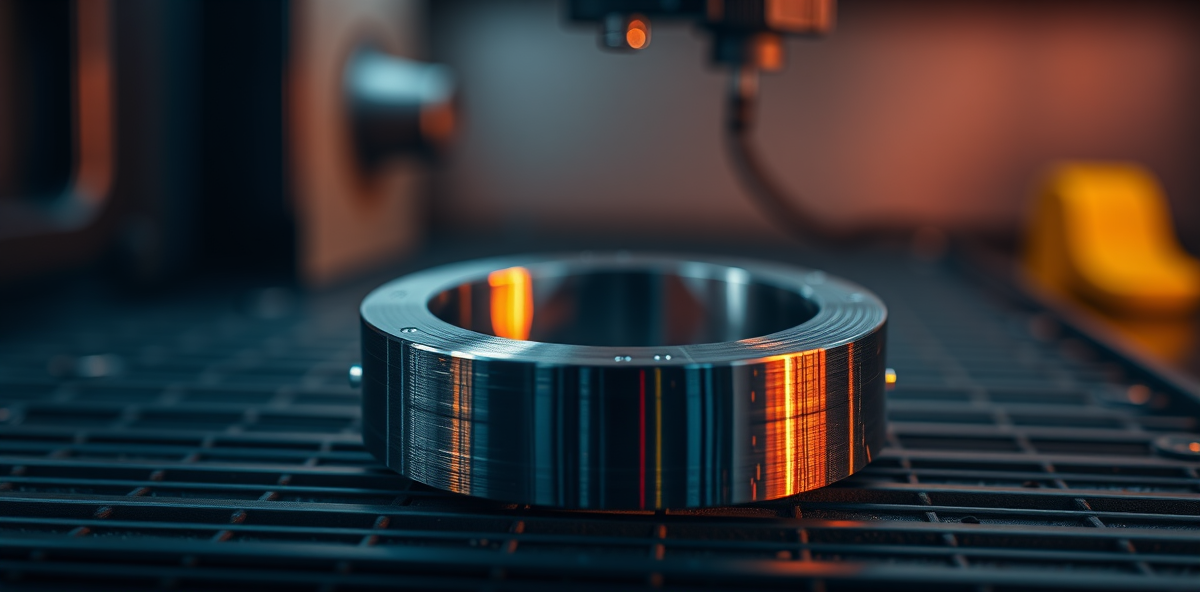
Ceramic Rings: The ceramic ring for laser cutting machine is a small but mighty component located within the cutting head. Its primary function is twofold: electrical insulation and acting as a crucial part of the capacitive height sensing system. It isolates the electrically charged nozzle from the grounded cutting head, enabling the machine to precisely maintain the focal distance (standoff) between the nozzle and the workpiece. A high-quality fiber laser ceramic ring ensures stable height sensing, preventing nozzle crashes and maintaining consistent cut quality, especially important for high-speed fiber laser cutting Consumbales applications. Brands like Raytools, Precitec, OSPRI, and Fine Focus integrate robust laser ceramic ring components into their cutting heads for superior performance.
-
Lenses: Focusing and collimating lenses are made from highly transparent materials, designed to withstand intense laser energy. Their surface quality and material purity are critical. Scratches, dust, or contamination on lenses can scatter the laser beam, reducing power density, causing overheating, and ultimately leading to poor cut quality or even lens damage. Regular inspection and cleaning are essential for these delicate components, ensuring the laser beam maintains its optimal characteristics.
Signs Your Spare Parts Need Replacement
Proactive identification of worn or damaged parts is key to preventing major breakdowns and maintaining productivity. Operators should be vigilant for these common indicators:
- Poor Cutting Quality: Ragged edges, excessive dross, or incomplete cuts are tell-tale signs. This could point to a worn nozzle, a dirty lens, or a failing laser cutting machine ceramic ring affecting height control.
- Burr Formation: The presence of burrs on the cut edge often indicates issues with gas flow, an incorrect nozzle, or a worn nozzle tip. It signals that the molten material isn’t being efficiently ejected.
- Irregular Sparks: An uneven or inconsistent spark pattern during cutting can signify a misaligned nozzle, a dirty protective window, or an improperly functioning fiber laser ceramic ring, leading to unstable cutting distance.
- Reduced Cutting Speed: If your machine suddenly takes longer to cut the same material at the same thickness, it’s a strong indication of degraded laser power or beam quality, often due to compromised optical components or an inefficient nozzle.
- Frequent Nozzle Crashes: This can be a direct result of a faulty ceramic ring for laser cutting machine or issues with the capacitive height sensor, leading to incorrect standoff distances.
What are signs of worn laser cutting parts?
Signs of worn laser cutting parts include poor cutting quality (ragged edges, dross), excessive burr formation, irregular spark patterns, reduced cutting speed, and frequent nozzle crashes. These issues often indicate problems with the nozzle, ceramic ring for laser cutting machine, or optical components, necessitating immediate inspection and replacement.
OEM vs Aftermarket Spare Parts
When it comes to sourcing spare parts for your fiber laser cutting machine, a critical decision arises: to choose Original Equipment Manufacturer (OEM) parts or aftermarket alternatives. This choice has significant implications for machine performance, longevity, and overall operational costs. Understanding the differences is crucial for metal fabricators and machine operators.
OEM vs Aftermarket Comparison
| Feature | OEM (Original Equipment Manufacturer) | Aftermarket (Third-Party) |
|---|---|---|
| Quality Assurance | Guaranteed to meet original specifications; rigorously tested. | Varies widely; can be good or poor quality. |
| Compatibility | Perfect fit and seamless integration; designed for your specific machine. | May require modifications; fit might not be exact. |
| Performance | Optimized for peak machine performance and longevity. | Performance can be inconsistent, potentially reducing efficiency. |
| Warranty | Typically comes with a manufacturer’s warranty, protecting your investment. | Warranty coverage is often limited or non-existent. |
| Technical Support | Full support from the machine manufacturer or authorized distributor. | Limited or no technical support from the part manufacturer. |
| Cost | Higher initial investment, but often lower total cost of ownership. | Lower initial cost, but potential for higher long-term expenses. |
| Risk | Minimal risk of machine damage or compromised safety. | Higher risk of malfunction, damage, or safety hazards. |
While aftermarket parts might offer a lower upfront cost, the potential for reduced performance, increased downtime, and even damage to your valuable equipment often makes OEM parts the more cost-effective and reliable choice in the long run. Especially for critical fiber laser cutting Consumbales like the ceramic ring for laser cutting machine, compromising on quality can lead to significant operational instability.
How to Choose a High-Quality Spare Parts Supplier
Selecting the right supplier for your laser cutting machine spare parts and consumables is as important as choosing the parts themselves. A reputable supplier ensures you receive genuine, high-performance components that keep your operations running smoothly. Look for these key attributes:
- Certifications and Authenticity: Ensure the supplier provides genuine parts, particularly for branded consumables like those from Raytools, OSPRI, Precitec, and Fine Focus. Authentic parts come with certifications and traceability, guaranteeing they meet stringent quality standards. This is especially crucial for specialized components like the fiber laser ceramic ring.
- Brand Compatibility and Expertise: A good supplier will have in-depth knowledge of various laser cutting machine brands and models. They should be able to recommend the precise components compatible with your specific Raytools, Precitec, or other brand cutting head, ensuring optimal integration and performance.
- Technical Support and After-Sales Service: High-quality suppliers offer robust technical support, assisting with part identification, installation queries, and troubleshooting. Excellent after-sales service, including warranty and returns policies, is a hallmark of a reliable partner.
- Inventory and Availability: Timely access to spare parts is crucial to minimize downtime. A supplier with a comprehensive inventory of fiber laser cutting Consumbales and efficient logistics can ensure you receive critical components, like the Single Nozzle or Double Nozzle, when you need them most.
- Reputation and Reviews: Check for customer testimonials and industry reputation. A supplier with a proven track record of providing quality products and reliable service is a trustworthy choice for your fiber laser cutting machine needs.
Maintenance Tips to Increase Machine Life
Regular and diligent maintenance is the cornerstone of maximizing the lifespan and performance of your fiber laser cutting machine. Implementing a structured maintenance schedule can prevent costly breakdowns, ensure consistent quality, and optimize your return on investment.
- Cleaning Optical Components: Regularly clean protective windows, focusing lenses, and collimating lenses with specialized cleaning solutions and wipes. Even microscopic dust can absorb laser energy, causing hotspots and eventual damage.
- Checking Nozzle Alignment and Condition: Daily inspection of your Single Nozzle or Double Nozzle for wear, blockages, or spatter buildup is crucial. Ensure it is properly aligned with the laser beam to maintain optimal gas flow and cut quality.
- Replacing Consumables Regularly: Adhere to recommended replacement cycles for fiber laser cutting Consumbales such as air filters, water filters, and critically, the laser ceramic ring. A worn fiber laser ceramic ring can lead to unstable height sensing and compromised cutting stability.
- Lubrication of Moving Parts: Keep guide rails, gears, and other mechanical components properly lubricated to ensure smooth, precise motion and prevent premature wear.
- Checking Gas and Cooling Systems: Regularly inspect all hoses, connections, and filters for leaks or blockages in the assist gas and cooling water systems. Optimal gas pressure and clean cooling water are vital for laser source health and cutting performance.
Don’t wait for a problem to arise. Book a Maintenance Consultation with our experts today to set up a preventive maintenance plan tailored to your machine!
Cost Optimization Strategy
While investing in high-quality spare parts and consumables might seem like an added expense, it is, in fact, a powerful cost optimization strategy. Smart procurement and maintenance practices can significantly reduce your overall operating costs and enhance profitability.
- Bulk Buying Genuine Consumables: Purchasing frequently used fiber laser cutting Consumbales, such as nozzles, protective windows, and ceramic ring for laser cutting machine, in bulk from authorized suppliers can secure better pricing and reduce shipping costs. This also ensures a consistent supply, minimizing downtime due to stock shortages.
- Implementing Preventive Maintenance: A robust preventive maintenance schedule, as discussed, is more cost-effective than reactive repairs. By replacing parts before they fail, you avoid costly emergency repairs, extensive downtime, and potential damage to other expensive machine components.
- Using Genuine, Branded Consumables: While the initial cost of genuine Raytools, OSPRI, Precitec, or Fine Focus parts may be higher than aftermarket alternatives, their superior quality and reliability translate to longer lifespan, consistent performance, and fewer replacements. This reduces material waste, rework, and labor costs, leading to a lower total cost of ownership.
- Operator Training: Well-trained operators who understand machine operation and basic maintenance can identify issues early, handle components correctly, and contribute significantly to extending the life of consumables and spare parts.
- Energy Efficiency Monitoring: Regularly monitor your machine’s energy consumption. Inefficient operation, often linked to worn parts or incorrect settings, can lead to higher electricity bills.
Applications & Industry Use Cases
Fiber laser cutting technology, supported by high-quality spare parts and consumables, is indispensable across a multitude of industries due to its precision, speed, and versatility. The stability offered by components like a reliable laser cutting machine ceramic ring makes it suitable for demanding applications.
- Automotive Industry: From cutting complex prototypes to mass-producing lightweight chassis components and interior parts, laser cutting offers the precision and speed required by automotive manufacturers.
- Sheet Metal Fabrication: The backbone of countless industries, sheet metal shops rely on fiber lasers for cutting various metals like stainless steel, aluminum, and mild steel for enclosures, brackets, and structural components.
- General Fabrication & Job Shops: Highly versatile, laser cutting machines enable job shops to take on a wide array of custom projects, from intricate artistic designs to heavy-duty industrial components, adapting easily to different material types and thicknesses.
- Aerospace & Defense: Precision cutting of specialized alloys for aircraft components, defense systems, and space exploration equipment where tolerances are extremely tight.
- Medical Device Manufacturing: Producing small, intricate parts for medical instruments and implants, requiring unparalleled accuracy and cleanliness.
FAQs
Q1: How often should I replace my fiber laser ceramic ring?
A1: The replacement cycle for a fiber laser ceramic ring typically ranges from 3 to 6 months, but it depends heavily on machine usage, material type, and maintenance practices. Frequent nozzle crashes or unstable height sensing are strong indicators for immediate inspection and potential replacement.
Q2: What is the difference between Single Nozzle and Double Nozzle?
A2: A Single Nozzle (conical bore) is primarily used for oxygen cutting of mild steel, providing a concentrated gas flow. A Double Nozzle (cylindrical bore with a wider exit) is typically used for nitrogen cutting of stainless steel and aluminum, offering a broader and more stable gas flow for efficient molten material ejection. The choice of Single & Double Nozzle types impacts cut quality and speed.
Q3: Are aftermarket parts reliable for laser cutting machines?
A3: Reliability of aftermarket parts varies significantly. While some may offer decent performance, many lack the stringent quality control, precise specifications, and material purity of OEM parts. For critical fiber laser cutting Consumbales and components like the ceramic ring for laser cutting machine, OEM or certified branded parts (e.g., Raytools, Precitec) are generally recommended to ensure consistent performance and machine longevity.
Q4: How do I ensure I’m getting genuine Raytools parts?
A4: To ensure you receive genuine Raytools parts, always purchase from authorized distributors or directly from the manufacturer. Look for official packaging, serial numbers, and authenticity certificates. Be wary of unusually low prices, which can often indicate counterfeit or low-quality alternatives.
Q5: What impact do quality consumables have on cutting speed?
A5: High-quality fiber laser cutting Consumbales have a direct and significant impact on cutting speed. Optimal nozzles ensure efficient gas flow, clean lenses maintain maximum laser power transmission, and a stable laser ceramic ring guarantees precise height control. When all these components function optimally, the machine can cut at its fastest possible speeds without compromising quality, leading to higher throughput.
Conclusion
The pursuit of stability, precision, and cost-effectiveness in fiber laser cutting operations invariably leads to one critical understanding: the indispensable role of high-quality spare parts and fiber laser cutting Consumbales. As we’ve explored, components like the ceramic ring for laser cutting machine are not mere accessories but foundational elements that dictate the accuracy, speed, and overall output quality of your machinery.
Investing in genuine components from trusted brands like Raytools, OSPRI, Precitec, and Fine Focus, coupled with a robust preventive maintenance strategy, is not an expense but a strategic investment. It ensures optimal machine performance, minimizes costly downtime, extends equipment lifespan, and ultimately, boosts your profitability. By prioritizing quality in every aspect of your machine’s upkeep, you empower your operations to achieve unparalleled precision and efficiency.
Ready to enhance your laser cutting stability and optimize costs? Request a Quote for genuine spare parts, Talk to an Expert about your specific needs, or Download Our Full Product Catalog today!


Write a comment
Your email address will not be published. All fields are required