


Introduction
In the demanding world of metal fabrication, precision and efficiency are paramount. A fiber laser cutting machine is a cornerstone of modern manufacturing, but its optimal performance hinges on the meticulous care of its components. Neglecting critical parts can lead to significant downtime, compromised cutting quality, and increased operational costs.
This comprehensive guide will detail essential practices for maintaining your laser cutting machine, focusing on how to clean laser lens properly. Understanding the impact of quality spare parts and fiber laser cutting Consumbales is crucial for B2B laser cutting machine users, operators, and metal fabricators striving for superior output and extended machine life. By prioritizing proper maintenance, you ensure unparalleled performance, cost optimization, and enhanced machine efficiency. Download Spare Parts Checklist
Why Spare Parts & Consumables Matter in Laser Cutting
The intricate operation of a laser cutting machine relies on the seamless interaction of numerous parts. From the laser source to the optics, each component contributes to precise cuts and high-quality finishes. The longevity and efficiency of your operation are directly tied to the integrity of these components, particularly spare parts and consumables.
Using substandard or worn-out parts dramatically impacts performance, causing inconsistent cuts, increased dross, and reduced piercing capabilities. This leads to rejected parts, wasted material, and higher operational costs. Investing in genuine, high-quality spare parts and branded consumables from Raytools, OSPRI, Precitec, and Fine Focus ensures consistent, high-quality results, minimizing maintenance and maximizing uptime.
Complete Overview of Laser Cutting Machine Spare Parts
Understanding the various components of your fiber laser cutting machine is the first step towards effective maintenance and proactive replacement. Each category of spare parts contributes uniquely to the machine’s overall functionality and output quality.
Optical Components
These components, including the protective window, focusing lens, collimator lens, and mirrors, are the heart of the laser beam delivery. Maintaining their cleanliness and integrity, especially the focusing lens, is vital for beam quality and cutting precision. Contamination can cause beam distortion, reduced power, and severe heat damage.
Mechanical Parts
Mechanical parts ensure precise movement and beam delivery. This includes the laser head, nozzles, guides, bearings, and linear motors. Proper alignment and smooth operation are essential for accurate positioning and consistent cutting speeds. Worn parts lead to uneven cuts and vibrations.
Electrical Components
The electrical system powers and controls every machine aspect, including power supplies, control boards, and sensors. Any malfunction can cause machine shutdown, erratic behavior, or incorrect parameter application, severely disrupting production.
Consumables
Consumables are regularly replaced due to wear or contamination. These include nozzles, ceramic ring for laser cutting machine, protective windows, and various filters. Regular replacement is critical for optimal cutting performance and preventing damage to more expensive components.
Table: Essential Laser Cutting Machine Parts, Functions, and Replacement Cycles
| Part | Function | Replacement Cycle |
|---|---|---|
| Protective Window / Cover Slide | Shields internal optics from spatter and fumes. | Weekly to Monthly (depending on material/power) |
| Focusing Lens | Concentrates laser beam to a fine point. | As needed (if damaged/contaminated beyond cleaning) |
| Nozzle | Directs assist gas and shapes beam exit. | Daily to Weekly |
| Ceramic Ring | Insulates nozzle and provides capacitive sensing. | Monthly to Quarterly |
| Filters (Air, Water, Oil) | Maintains purity of cooling and assist gases. | Monthly to Annually (depending on type) |
| Bellows/Dust Covers | Protects linear guides and internal components from dust. | Annually or as needed |
Types of Laser Cutting Consumables Explained
Consumables are the workhorses of your laser cutting operation, constantly exposed to the harsh environment of cutting. Understanding their function and knowing when to replace them is key to maintaining peak performance and avoiding costly repairs.
Nozzles (Single & Double Nozzle)
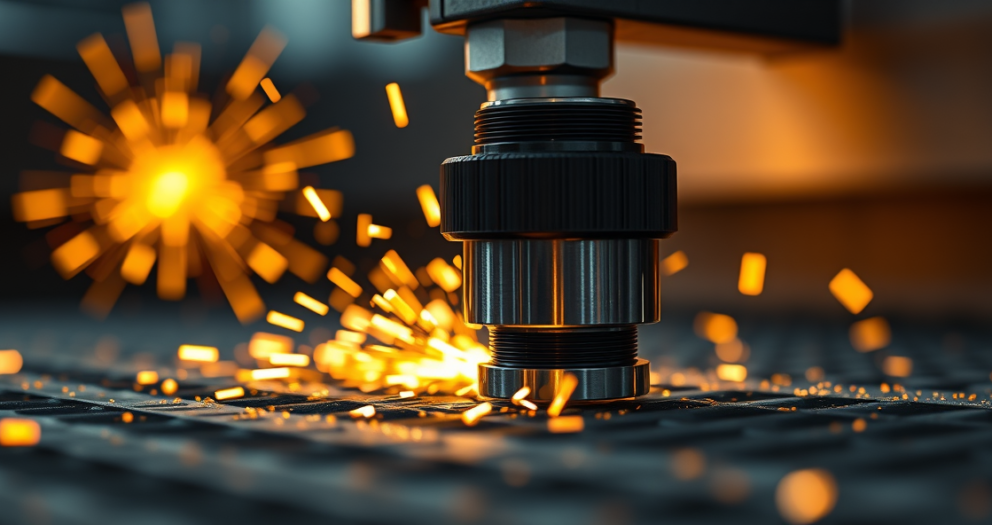
Nozzles are critical for shaping the assist gas flow and defining the cutting kerf. They come in various designs, most commonly Single Nozzle and Double Nozzle configurations, each suited for different materials and cutting requirements. A Single Nozzle is typically used for oxygen cutting on thick carbon steel, while a Double Nozzle is preferred for nitrogen cutting on stainless steel and aluminum, providing better gas dynamics for molten metal ejection. Regular inspection and replacement of worn or spatter-laden nozzles are essential for consistent cut quality and optimal gas consumption.
Ceramic rings
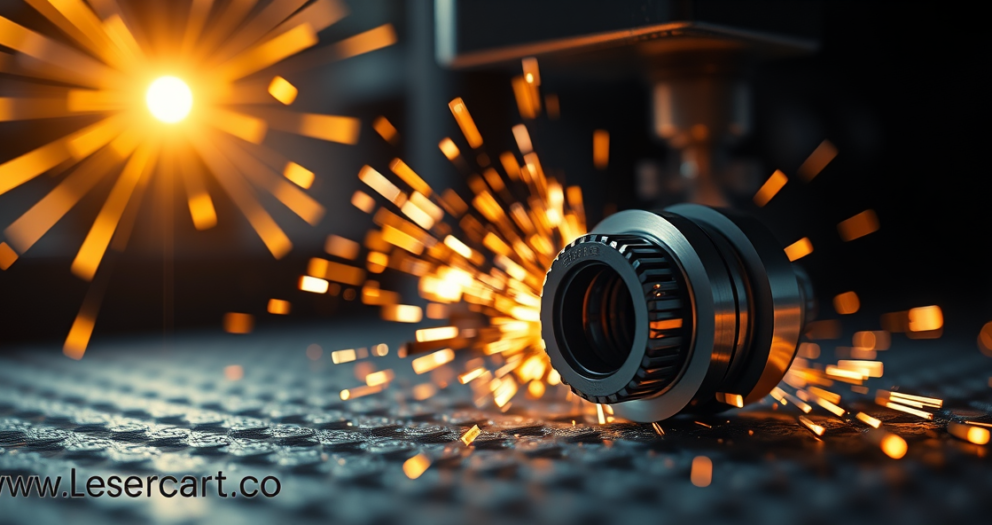
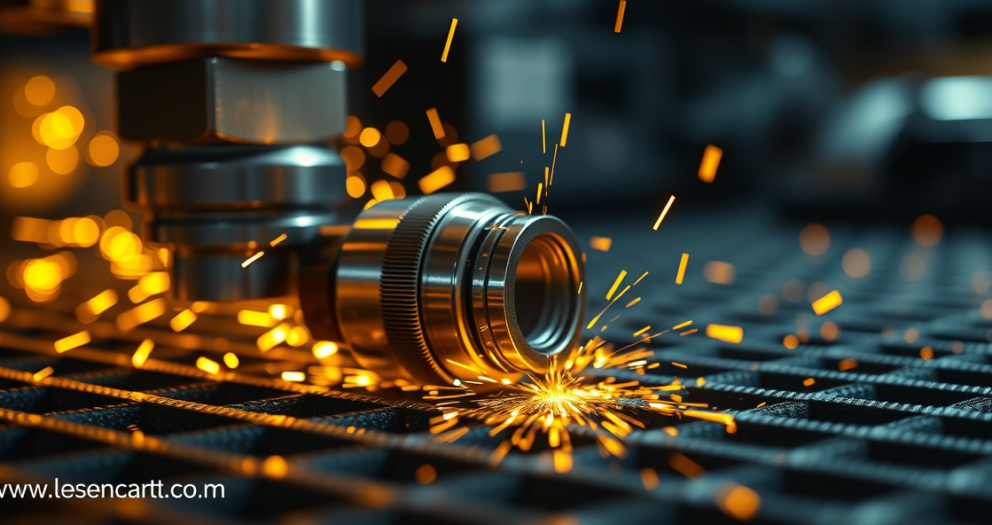
The ceramic ring for laser cutting machine (also known as a fiber laser ceramic ring or laser ceramic ring) is a crucial component within the laser head. Its primary function is to insulate the nozzle and provide a stable platform for the capacitive height sensing system. This system ensures that the laser head maintains a precise stand-off distance from the workpiece, which is critical for maintaining focus and cut quality. A damaged or contaminated fiber laser ceramic ring can lead to unstable height sensing, resulting in collisions with the material, inconsistent cuts, and potential damage to the laser head itself. Genuine ceramic ring for laser cutting machine ensure reliable performance and are vital for operations using Raytools, OSPRI, Precitec, or Fine Focus laser heads.
Lenses
The focusing lens is a critical optical component, concentrating the laser beam for precise cutting. While not a daily consumable, lenses demand meticulous care and occasional replacement. Contamination from dust, oil, or spatter degrades performance, causing beam distortion, reduced power, and potential permanent damage. Therefore, knowing how to clean laser lens properly is indispensable. Genuine lenses, designed for your machine’s laser head (e.g., Raytools, Precitec, OSPRI, Fine Focus), are crucial for optical integrity and maximizing cutting efficiency.
Signs Your Spare Parts Need Replacement
Proactive identification of worn or damaged spare parts is vital to prevent failures and maintain optimal cutting performance. Ignoring early signs can lead to extensive damage and increased downtime.
- Poor cutting quality: Inconsistent cuts, excessive dross, or poor finishes often indicate a worn nozzle, dirty lens, or faulty ceramic ring for laser cutting machine.
- Burr formation: Excessive burr suggests inadequate assist gas flow, incorrect focus, or a damaged nozzle.
- Irregular sparks and excessive spatter: An increase signifies a damaged nozzle orifice or incorrect gas pressure, rapidly contaminating optics.
- Inconsistent piercing: Struggles to pierce, or inconsistent results, point to a clogged nozzle, misaligned beam, or compromised lens.
- Machine alarms or errors: Alarms related to gas pressure, head collision, or power output often indicate component failure.
- Visible damage or wear: Regularly inspect nozzles for erosion, spatter; protective windows for scratches; and the fiber laser ceramic ring for chips.
What are signs of worn laser cutting parts?
Signs of worn laser cutting parts include poor cutting quality, excessive burr, irregular sparks, inconsistent piercing, and machine alarms. Visual inspection may reveal erosion on nozzles, damage to protective windows, or cracks in the laser ceramic ring. Prompt identification and replacement are crucial for performance.
OEM vs Aftermarket Spare Parts
When replacing parts, choosing between Original Equipment Manufacturer (OEM) and aftermarket alternatives is critical. While aftermarket parts may seem cheaper initially, understanding the long-term implications is essential for cost optimization and sustained performance. OEM parts ensure compatibility, guaranteed quality, and machine integrity.
Comparison Table: OEM vs. Aftermarket Laser Cutting Spare Parts
| Feature | OEM (Original Equipment Manufacturer) | Aftermarket (Non-OEM) |
|---|---|---|
| Quality & Precision | Guaranteed to meet original specifications, materials, and tolerances. Highest precision. | Varies widely. Can be close to OEM, but often lower quality, inconsistent materials, and poorer finish. |
| Compatibility | Perfect fit and seamless integration with your specific machine model and brand (e.g., Raytools, Precitec, OSPRI, Fine Focus heads). | May require modifications, fit poorly, or not function optimally. Risk of damaging other components. |
| Performance | Ensures original machine performance, consistency, and cutting quality. | May lead to reduced performance, inconsistent cuts, increased downtime, and higher operational costs. |
| Lifespan & Durability | Engineered for maximum lifespan and durability, reducing frequency of replacements. | Often shorter lifespan due to inferior materials and manufacturing processes. |
| Warranty | Typically comes with a manufacturer’s warranty, protecting your investment. | Seldom comes with comprehensive warranty; reliability is often a gamble. |
| Technical Support | Access to expert technical support and documentation from the manufacturer. | Limited or no official support; troubleshooting can be challenging. |
| Cost (Upfront) | Generally higher upfront cost. | Lower upfront cost, but often higher total cost of ownership due to frequent replacement and performance issues. |
| Risk | Minimal risk of component failure or machine damage. | Higher risk of unexpected breakdowns, compromised quality, and potential damage to the machine. |
While aftermarket parts might offer a temporary cost advantage, the long-term benefits of OEM parts far outweigh the initial savings. Investing in genuine components protects your machine, ensures optimal performance, and ultimately contributes to greater profitability and efficiency in your operations.
How to Choose High-Quality Spare Parts Supplier
Selecting the right supplier for your fiber laser cutting machine spare parts and fiber laser ceramic ring is crucial for machine performance and longevity. Look for:
- Certifications: Adherence to ISO 9001 and documented material/manufacturing quality. Ensures certified components like the ceramic ring for laser cutting machine.
- Brand Compatibility: Genuine parts for your specific laser head (Raytools, OSPRI, Precitec, Fine Focus), guaranteeing fit and performance for a Single Nozzle or Double Nozzle.
- Technical Support: Knowledgeable staff for part identification, installation, and troubleshooting.
- Inventory & Availability: Robust stock and quick delivery to minimize downtime.
- Reputation: Positive customer reviews and a strong industry presence.
Maintenance Tips to Increase Machine Life
Regular and diligent maintenance is the cornerstone of maximizing the lifespan and performance of your fiber laser cutting machine. A structured maintenance schedule prevents costly breakdowns, ensures consistent cut quality, and optimizes operational efficiency.
How to Clean Laser Lens Properly
The focusing lens is critical for beam quality and power delivery. Contamination causes beam absorption, overheating, and failure. Proper cleaning is paramount:
- Safety: Power off, cool laser head. Wear clean, lint-free gloves.
- Removal: Carefully remove lens holder per machine manual (e.g., Raytools, Precitec, OSPRI, Fine Focus systems).
- Initial Inspection: Remove loose dust with a cleanroom blower bulb.
- Approved Cleaners: Use optical-grade lens cleaning solution (acetone/isopropyl alcohol, 99.9% purity) and specialized, lint-free optical wipes. Never use abrasives.
- Wipe Technique: Apply solution to wipe. Gently wipe lens in a straight line, center outwards, using a fresh section for each pass.
- Inspect: Repeat on both sides until spotless. Use magnifying glass for residue.
- Reinstallation: Carefully reinsert, ensuring correct orientation, and reattach to laser head. Adhere to manufacturer’s torque settings.
Checking Nozzle Alignment
Proper nozzle alignment ensures the laser beam passes cleanly through the center, creating ideal assist gas flow. Misalignment leads to uneven cuts and accelerated nozzle wear. Regularly check alignment using tape or a tool, adjusting as needed for concentricity.
Replacing Consumables Regularly
Adhere to recommended replacement schedules for all consumables: daily nozzle inspection, weekly protective window checks, and periodic laser cutting machine ceramic ring replacement. Timely filter replacement (chiller, air compressor, dust collector) is also crucial. For example, regular fiber laser ceramic ring replacement ensures precise height sensing.
By integrating these maintenance practices into your operational routine, you can significantly extend the life of your machine, reduce unplanned downtime, and consistently produce high-quality parts. Book Maintenance Consultation
Cost Optimization Strategy
Efficient management involves strategic cost optimization through smart purchasing and operational practices, reducing expenditure while improving performance.
- Bulk Buying: Purchase high-volume consumables (nozzles, protective windows, ceramic ring for laser cutting machine) in bulk for significant unit cost savings.
- Preventive Maintenance: Implement a robust schedule to avoid costly emergency repairs, downtime, and secondary damage. Includes proactive lens cleaning and alignment checks.
- Genuine Parts: Use genuine consumables from Raytools, OSPRI, Precitec, and Fine Focus. Superior longevity and performance mean fewer replacements, less scrap, and lower total cost of ownership.
- Operator Training: Trained operators identify issues early, perform correct basic maintenance (like how to clean laser lens), and optimize settings to reduce wear and tear and gas consumption.
- Energy Efficiency: Clean optics and efficient gas delivery via new nozzles (e.g., Single Nozzle or Double Nozzle) minimize wasted laser power and assist gas.
Applications & Industry Use Cases
Fiber laser cutting technology is indispensable across industries for its precision, speed, and versatility. Reliable genuine spare parts ensure machines meet manufacturing demands.
- Automotive: Intricate engine parts, chassis elements, body panels. Precision and speed are critical.
- Sheet Metal: Largest sector. Custom parts for construction, HVAC, electronics. Laser cutting machine ceramic ring impacts accuracy.
- General Fabrication: Signage to agricultural machinery. Flexibility in materials and thicknesses. Single Nozzle and Double Nozzle versatility is key.
- Aerospace: High-strength, lightweight components. Demands extreme precision; immaculate optics are non-negotiable.
- Medical Devices: Small, intricate parts. Requires extreme precision, making reliable components essential.
FAQs
Q1: How often should I clean my laser lens?
A1: The frequency for how to clean laser lens depends on the materials being cut, laser power, and operating environment. As a general guideline, inspect your protective window daily and the focusing lens weekly. If you notice a drop in cutting quality or visible contamination, clean them immediately.
Q2: What are the key consumables for a fiber laser cutting machine?
A2: Key fiber laser cutting consumables include nozzles (Single & Double Nozzle), protective windows (cover slides), ceramic ring for laser cutting machine, and various filters for cooling, air, and dust collection systems.
Q3: Can I use aftermarket parts to save costs?
A3: While aftermarket parts may have a lower initial cost, they often lead to reduced performance, frequent breakdowns, and potential damage to your machine. For optimal performance, longevity, and to avoid higher total cost of ownership, it is strongly recommended to use genuine OEM spare parts and branded consumables like those from Raytools, Precitec, OSPRI, or Fine Focus.
Q4: How do I know if my fiber laser ceramic ring needs replacement?
A4: Signs that your ceramic ring for laser cutting machine needs replacement include unstable height sensing, frequent head collisions, inconsistent cutting results, or visible chips/cracks on the ring itself. Regular inspection is recommended.
Q5: What is the difference between a Single Nozzle and a Double Nozzle?
A5: A Single Nozzle has a single orifice and is typically used for oxygen cutting of thick carbon steel. A Double Nozzle has two orifices (or a wider bore) designed to create a laminar gas flow, which is ideal for nitrogen cutting of stainless steel and aluminum, helping to clear molten material more efficiently and prevent oxidation.
Q6: How does using genuine parts improve cost optimization?
A6: Genuine parts offer superior quality and lifespan, reducing the frequency of replacements and minimizing costly downtime from component failures. They also ensure consistent cut quality, reducing scrap material and rework. This leads to higher machine efficiency and a lower total cost of ownership over time, providing significant cost optimization.
Conclusion
The performance and longevity of your fiber laser cutting machine depend on diligent care and component quality. Understanding how to clean laser lens properly, recognizing wear in crucial parts like nozzles and ceramic ring for laser cutting machine, and strategically choosing high-quality, genuine spare parts are not merely maintenance tasks—they are fundamental pillars of operational excellence.
By investing in genuine consumables and following rigorous maintenance protocols, B2B laser cutting machine users, operators, and metal fabricators can significantly enhance machine efficiency, improve cutting quality, and achieve substantial cost optimization. Don’t compromise on quality; ensure your machine is equipped with the best to deliver the best.

Write a comment
Your email address will not be published. All fields are required