

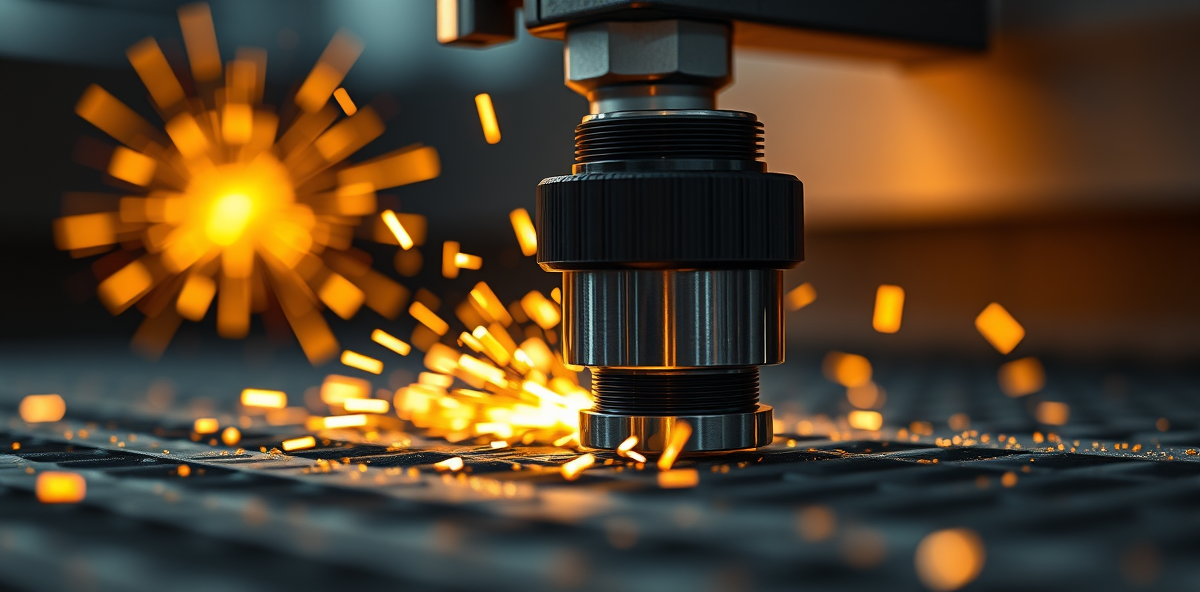
Introduction: Optimizing Your Fiber Laser Cutting Performance
In the demanding world of metal fabrication, even minor inconsistencies can lead to significant production setbacks and financial losses. For users of advanced fiber laser cutting machines, maintaining optimal performance is paramount to achieving precision, efficiency, and profitability. One often overlooked yet critical component is the laser nozzle, directly impacting cut quality and machine uptime.
Understanding nozzle replacement frequency is not merely a maintenance task; it’s a strategic decision that influences your entire operation. Worn or incorrect nozzles can lead to poor cut quality, increased material waste, and costly machine downtime. This article delves into the critical role of consumables, particularly nozzles, in fiber laser cutting, offering practical insights for cutting machine users, operators, and metal fabricators looking to enhance performance and optimize costs.
Download Spare Parts Checklist to ensure your inventory is always prepared for seamless operation.
Why Spare Parts & Consumables Matter in Laser Cutting
The intricate dance of a fiber laser cutting machine relies on a symphony of perfectly synchronized components. While the laser source often gets the spotlight, the unsung heroes are the spare parts and consumables that facilitate the actual cutting process. Their quality and timely replacement are directly proportional to your machine’s overall output and longevity.
Impact on Performance
High-quality spare parts and consumables, like those from trusted brands such as Raytools, OSPRI, Precitec, and Fine Focus, are engineered to deliver consistent performance. They ensure precise beam delivery, efficient gas flow, and stable cutting conditions, which are all vital for achieving excellent edge quality and tight tolerances. Neglecting these components can lead to compromised cut integrity, requiring additional post-processing and increasing lead times.
Cost of Low-Quality Parts
While the temptation to opt for cheaper, generic aftermarket parts might arise, the long-term costs often outweigh any initial savings. Low-quality parts can wear out faster, leading to frequent replacements, more downtime, and potential damage to other expensive machine components. They also contribute to material waste due to subpar cuts, ultimately escalating operational expenses.
Machine Efficiency
The efficiency of your laser cutting machine is intrinsically linked to the health of its spare parts. Optimized performance means faster cutting speeds, reduced power consumption, and less waste. Regular replacement of critical consumables, guided by expert recommendations and real-world performance metrics, ensures your machine operates at its peak, maximizing throughput and minimizing energy expenditure.
Complete Overview of Laser Cutting Machine Spare Parts
A fiber laser cutting machine is a sophisticated piece of equipment comprising numerous components, each playing a vital role. Understanding the different categories of spare parts and their typical replacement cycles is crucial for effective maintenance and inventory management.
Optical Components (Lens, Mirrors)
Optical components are the heart of the laser beam delivery system. Focusing lenses, collimating lenses, and protective windows ensure the laser beam is precisely shaped and directed to the workpiece. Damage or contamination to these parts can severely degrade beam quality and cutting performance.
Mechanical Parts (Nozzle, Bearings)
Mechanical parts facilitate the movement and precision of the cutting head. This includes nozzles, which direct the assist gas, and bearings that allow smooth motion along the machine axes. Wear in these components can lead to misalignment, vibration, and inaccurate cuts.
Electrical Components
The electrical system powers and controls every aspect of the machine, from the laser source to the motion control. Components such as sensors, cables, power supplies, and control boards are essential for reliable operation. Faulty electrical parts can cause erratic behavior or complete machine shutdown.
Consumables (Filters, Ceramic Rings)
Consumables are components that are designed to be replaced regularly due to wear or contamination from the cutting process. These include air filters, water filters, laser cutting machine ceramic ring, and most critically, cutting nozzles. Proactive replacement of consumables is key to preventing larger issues.
Here’s a table summarizing common parts:
| Part | Function | Replacement Cycle |
|---|---|---|
| Nozzle | Directs assist gas, shapes laser beam | Daily to weekly (depending on material/usage) |
| Protective Lens/Window | Shields optics from splatter | Weekly to monthly (inspect daily) |
| Focusing Lens | Focuses laser beam onto workpiece | Annually or as needed (inspect weekly) |
| Ceramic Ring / Insulator | Insulates nozzle, provides stable signal | Monthly to quarterly (inspect weekly) |
| Water Filters | Cleans cooling water for laser source | Quarterly to annually |
| Air Filters | Filters air supply for cutting process | Monthly to quarterly |
| Beam Delivery Mirrors | Directs laser beam within the machine | Every 1-3 years or as needed |
Types of Laser Cutting Consumables Explained
Understanding the specific roles and replacement needs of various laser cutting consumables is crucial for maintaining a high-performing and efficient operation. Each consumable plays a distinct part in the cutting process, and its condition directly impacts the final product quality.
Nozzles (Single & Double)
The laser nozzle is arguably the most frequently replaced consumable and the one with the most immediate impact on cut quality. It’s responsible for two critical functions: directing the assist gas to the cutting zone and shaping the laser beam as it exits the cutting head. Nozzles come in various orifice diameters and designs, tailored for different materials and thicknesses.
There are generally two main types of nozzles: Single Nozzle and Double Nozzle. A Single Nozzle is typically used for melting and cutting with oxygen, where the oxygen flow needs to be highly focused. A Double Nozzle, also known as a conical or cylindrical nozzle, is often preferred for high-speed cutting with nitrogen or air, especially for stainless steel or aluminum, as it creates a more laminar gas flow. The choice between Single & Double Nozzle depends on the material, thickness, and desired cut quality.
The condition of the nozzle orifice is paramount. Any spatter, deformation, or wear can lead to an uneven gas flow, beam deflection, and ultimately, a compromised cut. Regular inspection and timely replacement of your Single & Double Nozzle are non-negotiable for consistent performance.
Ceramic Rings
The ceramic ring for laser cutting machine, often referred to as the nozzle holder or insulator, plays a vital role in the cutting process. It provides electrical insulation for the nozzle and delivers the capacitive signal for automatic height sensing. This ensures the cutting head maintains a precise distance from the workpiece, which is critical for consistent focus and cut quality.
A damaged or contaminated fiber laser ceramic ring can lead to unstable height sensing, causing the nozzle to crash into the material or cut at an incorrect focal distance. This not only impairs cut quality but can also damage the nozzle or even the cutting head. Investing in a high-quality laser cutting machine ceramic ring from reputable brands like Raytools or Precitec ensures reliability and accuracy.
Regular inspection for cracks, chips, or carbon buildup on the ceramic ring for laser cutting machine is essential. Prompt replacement of a faulty laser ceramic ring can prevent costly machine damage and maintain optimal cutting conditions.
Lenses
While often categorized under optical components, protective lenses (or windows) are consumables that require frequent replacement. These lenses shield the more expensive focusing lens from spatter and fumes generated during cutting. Their integrity is crucial for protecting the internal optics and ensuring the laser beam remains clear and focused.
A dirty or damaged protective lens will absorb or scatter the laser light, reducing cutting power and leading to poor cut quality. While the main focusing lens requires less frequent replacement, daily inspection of the protective window is vital. Regular cleaning and replacement as soon as signs of pitting or cloudiness appear are critical.
Signs Your Spare Parts Need Replacement
Ignoring the subtle warnings from your laser cutting machine can lead to significant operational disruptions and costly repairs. Being proactive in identifying signs of wear in your spare parts and consumables is crucial for maintaining peak performance and avoiding unexpected downtime. Operators and maintenance personnel should be vigilant for specific indicators.
Poor Cutting Quality
One of the most immediate and noticeable signs of worn parts is a degradation in cut quality. This can manifest as rough edges, excessive dross, incomplete cuts, or a significant deviation from specified tolerances. A damaged nozzle, a dirty protective lens, or a faulty fiber laser ceramic ring can all contribute to these issues. If your cuts are consistently failing quality checks, it’s time to inspect your consumables.
Burr Formation
The presence of excessive burr or slag on the underside of your cut parts is a clear indicator that something is amiss. This often points to an issue with the nozzle, such as a worn orifice or incorrect gas flow. It can also be a symptom of an improperly focused laser beam, which could stem from a dirty or damaged focusing lens or an unstable laser ceramic ring.
Irregular Sparks
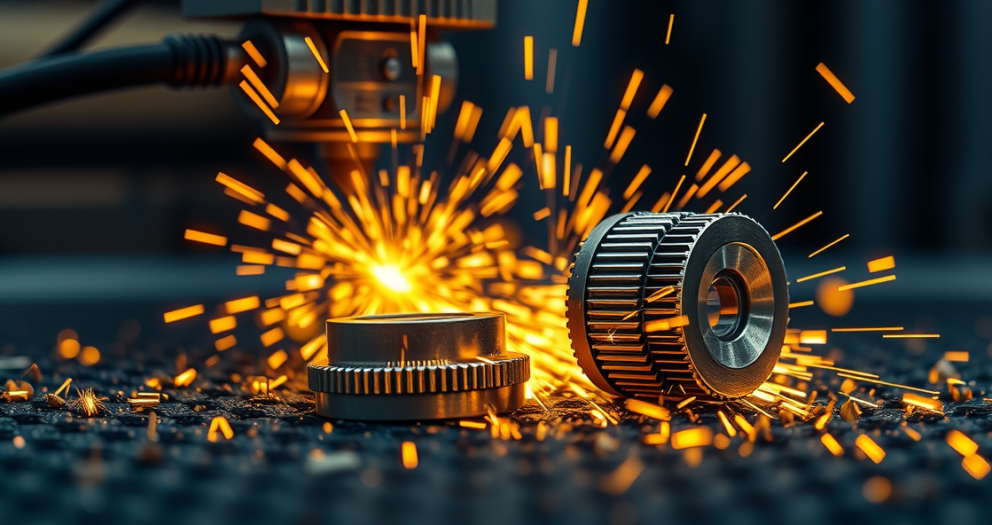
During the cutting process, a consistent and steady spark stream is indicative of optimal conditions. Irregular or erratic sparks, or sparks that are not directed vertically downwards, suggest a problem. This could be due to a clogged or damaged Single Nozzle, improper assist gas pressure, or an issue with the cutting head’s height sensing, potentially related to the ceramic ring for laser cutting machine. Such irregularities often lead to poor edge quality and reduced cutting speed.
Featured Snippet: “What are signs of worn laser cutting parts?”
Signs of worn laser cutting parts include poor cut quality (rough edges, dross), excessive burr formation, irregular or erratic spark streams during cutting, frequent error messages, inconsistent pierces, and noticeable deviations in the laser beam’s shape or intensity. These indicators suggest it’s time to inspect and potentially replace consumables like nozzles, protective lenses, and ceramic rings.
OEM vs Aftermarket Spare Parts
When it comes to sourcing spare parts for your fiber laser cutting machine, a critical decision awaits: choosing between Original Equipment Manufacturer (OEM) parts and aftermarket alternatives. Both options present distinct advantages and disadvantages, influencing performance, reliability, and cost-effectiveness.
OEM parts are manufactured by the original producer of your machine (or their approved suppliers). They are designed to exact specifications, ensuring perfect fit, form, and function. This guarantees compatibility and often comes with warranties, offering peace of mind. Brands like Raytools, Precitec, OSPRI, and Fine Focus exemplify OEM quality, providing consumables that are rigorously tested and optimized for their respective systems.
Aftermarket parts, on the other hand, are produced by third-party manufacturers. They are often marketed as a more economical alternative, but their quality and compatibility can vary significantly. While some aftermarket suppliers offer decent quality parts, many may not meet the strict tolerances or material standards of OEM components. This can lead to unforeseen issues, reduced machine lifespan, and increased downtime in the long run.
| Feature | OEM Spare Parts | Aftermarket Spare Parts |
|---|---|---|
| Quality Assurance | High, guaranteed by manufacturer | Varies widely, no universal standard |
| Compatibility | 100% guaranteed fit and function | May require modifications, fit issues possible |
| Performance | Optimized for machine’s original specifications | Can be inconsistent, may impact output |
| Warranty | Typically includes manufacturer warranty | Limited or no warranty |
| Price | Generally higher initial cost | Lower initial cost |
| Availability | Direct from manufacturer or authorized dealers | Wide range of suppliers, varying reliability |
| Risk of Damage | Very low, designed for machine longevity | Higher risk of machine damage or accelerated wear |
For critical consumables like the Double Nozzle or the fiber laser ceramic ring, investing in genuine OEM parts is often a more cost-effective strategy in the long run. The slightly higher upfront cost is usually offset by superior performance, extended lifespan, and reduced risk of costly machine failures and downtime.
How to Choose High-Quality Spare Parts Supplier
Selecting the right supplier for your laser cutting machine spare parts and consumables is as crucial as selecting the parts themselves. A reliable supplier ensures you receive genuine, high-quality components that maintain your machine’s performance and longevity. Metal fabricators should consider several key factors when making this decision.
Certifications
Reputable suppliers often hold certifications that demonstrate their commitment to quality and adherence to industry standards. Look for suppliers who can provide proof of certification for their manufacturing processes, material quality, and environmental management. This assures that the parts meet strict specifications and are produced under controlled conditions.
Brand Compatibility (Raytools, Precitec, etc.)
Ensure the supplier offers parts specifically designed for your machine’s cutting head and laser source. For instance, if you operate a machine with a Raytools cutting head, you’ll need genuine Raytools Single Nozzle and ceramic ring for laser cutting machine. Similarly, for Precitec or OSPRI heads, sourcing their specific consumables is vital. Suppliers who stock parts from these recognized brands, along with Fine Focus, are more likely to offer reliable, compatible products. Always confirm the part numbers and specifications match your machine’s requirements.
Technical Support
A good supplier doesn’t just sell parts; they offer comprehensive technical support. This includes expert advice on part selection, installation guidance, and troubleshooting assistance. When issues arise, having access to knowledgeable support can save valuable time and prevent further complications. Inquire about their technical team’s expertise and availability before committing to a supplier.
Maintenance Tips to Increase Machine Life
Proactive and consistent maintenance is the cornerstone of maximizing the lifespan and efficiency of your fiber laser cutting machine. Implementing a robust maintenance schedule not only prevents costly breakdowns but also ensures optimal cutting performance and reduces operational expenses over time. Here are essential tips for machine users and operators.
Cleaning Lens
The protective lens is your first line of defense against cutting debris and fumes, but it’s also highly susceptible to contamination. Inspect the protective lens daily for any signs of spatter, dust, or haze. Use only specified lens cleaning solutions and lint-free wipes, gently cleaning the surface to avoid scratches. A clean lens ensures maximum laser beam transmission and precise focusing.
Checking Nozzle Alignment
Proper nozzle alignment is critical for achieving clean, accurate cuts. Even a slight misalignment can lead to an uneven gas flow, beam deflection, and compromised cut quality. Perform a nozzle alignment check (often called a “shot test” or “centering test”) at the start of each shift or after replacing a Single Nozzle or Double Nozzle. Adjust as necessary to ensure the laser beam passes perfectly through the center of the nozzle orifice.
Replacing Consumables Regularly
Adhere strictly to the recommended replacement schedules for all consumables, not just when they visibly fail. This includes nozzles, protective lenses, ceramic rings, and filters. Regular, proactive replacement of these items prevents incremental degradation of cut quality and reduces the risk of more severe damage to expensive components down the line. Keep a well-stocked inventory of genuine Raytools, OSPRI, Precitec, or Fine Focus consumables.
Book Maintenance Consultation to optimize your machine’s performance and extend its operational life.
Cost Optimization Strategy
Running a fiber laser cutting operation involves significant investments, and every metal fabricator seeks ways to optimize costs without compromising quality or efficiency. Strategic management of spare parts and consumables can lead to substantial long-term savings. Implementing intelligent procurement and maintenance practices is key.
Bulk Buying
For high-usage consumables like nozzles and protective lenses, consider purchasing in bulk. Many suppliers offer discounts for larger orders, reducing the per-unit cost. This strategy also ensures you have a readily available supply, minimizing the risk of downtime due to stock shortages. However, be mindful of shelf life for certain components and storage conditions.
Preventive Maintenance
As discussed, preventive maintenance is not an expense but an investment. By regularly inspecting, cleaning, and replacing worn parts, you avoid catastrophic failures that lead to expensive emergency repairs and prolonged downtime. Adopting a comprehensive preventive maintenance schedule significantly extends the life of your machine and its components, offering a far better return on investment than reactive repairs.
Using Genuine Consumables
While aftermarket parts might seem cheaper initially, genuine consumables from brands like Raytools, OSPRI, Precitec, and Fine Focus offer superior performance, consistency, and longevity. They are designed to work seamlessly with your specific machine, reducing wear on other components and delivering consistent cut quality. The reliability and extended lifespan of genuine parts ultimately lead to lower overall operational costs and fewer headaches.
Applications & Industry Use Cases
Fiber laser cutting machines are indispensable tools across a multitude of industries, valued for their precision, speed, and versatility. The consistent performance offered by well-maintained machines with quality spare parts and consumables is crucial for meeting the stringent demands of these sectors.
Automotive
In the automotive industry, laser cutting is used for prototyping, creating custom parts, and manufacturing components like chassis elements, exhaust systems, and interior brackets. Precision and repeatability are paramount, where even minor deviations can impact safety and performance. The reliability of genuine Single Nozzle and fiber laser ceramic ring ensures consistent quality for critical parts.
Sheet Metal Fabrication
Sheet metal fabricators rely heavily on fiber lasers for cutting various metals, from mild steel to stainless steel and aluminum, for a wide array of products. From architectural elements to industrial enclosures and custom furniture, the ability to produce clean, burr-free cuts efficiently is essential. Optimized nozzle replacement frequency and quality consumables directly impact production speed and material yield.
Fabrication
Beyond automotive and general sheet metal, laser cutting finds applications in aerospace, medical device manufacturing, heavy machinery, and artistic metalwork. These industries demand extreme precision, often working with expensive or exotic materials where waste is unacceptable. The use of high-quality Double Nozzle and laser cutting machine ceramic ring, paired with vigilant maintenance, guarantees the accuracy and integrity of every cut.
FAQs
1. How often should I replace my laser cutting nozzle?
The nozzle replacement frequency can vary from daily to weekly, depending on the material being cut, its thickness, the assist gas used, and the total cutting time. For critical applications or thicker materials, daily inspection and replacement of your Single Nozzle or Double Nozzle might be necessary to maintain optimal cut quality and prevent potential damage to other components.
2. What happens if I don’t replace my laser nozzle regularly?
Neglecting nozzle replacement frequency can lead to significantly degraded cut quality, including rough edges, excessive dross, burr formation, and incomplete cuts. It can also cause irregular sparking, reduced cutting speed, increased material waste, and potentially damage the protective lens or even the focusing lens due to improper beam shaping or splatter buildup.
3. How do I know if my ceramic ring for laser cutting machine needs replacing?
A ceramic ring for laser cutting machine typically needs replacement if it shows visible cracks, chips, or signs of carbon buildup that cannot be cleaned. Issues with unstable automatic height sensing, frequent crashes of the cutting head into the material, or inconsistent cutting distances are also strong indicators of a failing fiber laser ceramic ring.
4. Are aftermarket spare parts as good as OEM parts?
Generally, OEM (Original Equipment Manufacturer) parts from brands like Raytools, Precitec, OSPRI, and Fine Focus offer guaranteed quality, compatibility, and performance, as they are designed to exact machine specifications. Aftermarket parts can vary widely in quality and may not provide the same level of reliability, potentially leading to increased downtime and long-term costs. For critical components, genuine OEM parts are usually recommended.
5. What are the key benefits of using genuine fiber laser cutting consumables?
Using genuine fiber laser cutting Consumbales offers several benefits: superior and consistent cut quality, increased machine efficiency and lifespan, reduced risk of costly breakdowns, optimal performance matching the manufacturer’s specifications, and reliable technical support. Brands like Raytools and Precitec ensure their consumables meet rigorous quality standards for their systems.
Conclusion
For any B2B laser cutting machine user, operator, or metal fabricator, understanding and diligently managing nozzle replacement frequency and other fiber laser cutting consumables is not merely a task but a strategic imperative. The quality and timely replacement of components like the Single & Double Nozzle and the laser ceramic ring directly dictate your operational efficiency, cut quality, and ultimate profitability.
By investing in genuine spare parts from trusted brands such as Raytools, OSPRI, Precitec, and Fine Focus, implementing robust preventive maintenance, and consistently monitoring your machine for signs of wear, you can significantly enhance performance, optimize costs, and extend the lifespan of your valuable equipment. Prioritizing these practices ensures your fiber laser cutting machine remains a powerful asset, delivering precision and reliability for every project.
Request a Quote for genuine spare parts today.
Talk to an Expert for tailored advice on machine maintenance and consumables.
Download Catalog to explore our comprehensive range of high-quality laser cutting spare parts.

Write a comment
Your email address will not be published. All fields are required