

Introduction
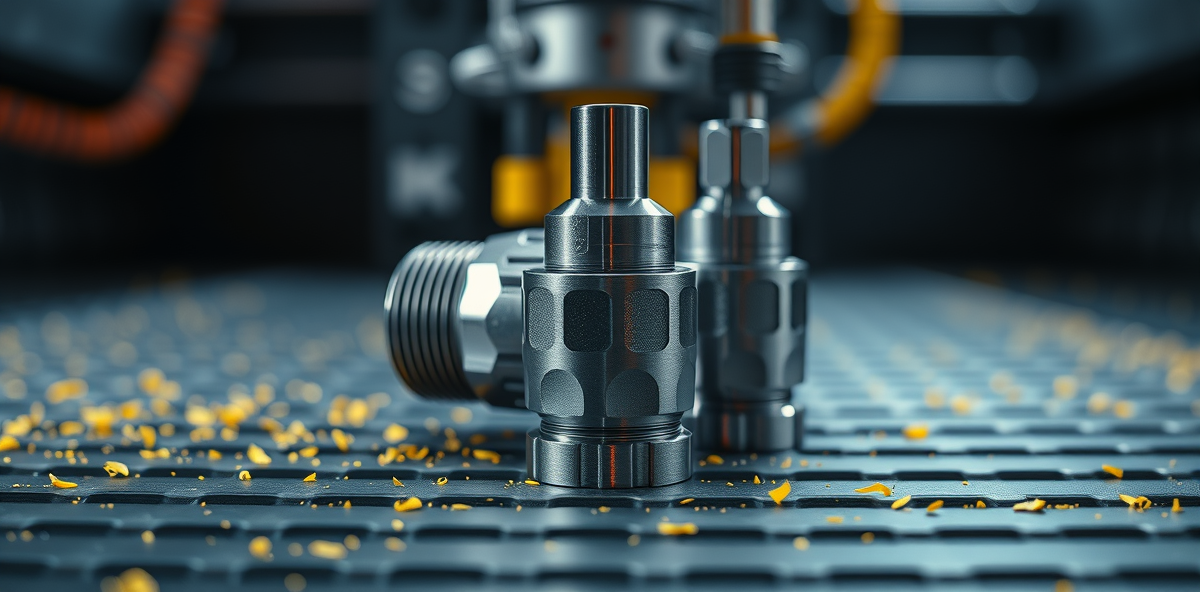
In the demanding world of metal fabrication, precision is not just a goal; it’s a non-negotiable requirement. For operators and owners of fiber laser cutting machines, the constant battle against downtime and inconsistent cut quality is a familiar challenge. A perfect cut signifies efficiency, material optimization, and ultimately, profitability. Often, the root cause of these issues lies not in the machine itself, but in the quality and timely replacement of its critical spare parts and consumables. From the minute nozzle that directs the laser beam to the robust ceramic ring for laser cutting machine that insulates it, every component plays a pivotal role in your machine’s performance. Investing in high-quality fiber laser cutting Consumbales can transform your operational efficiency, reduce costly errors, and ensure you achieve perfect cuts every time.
This comprehensive guide will delve into the critical aspects of selecting and maintaining your laser cutting spare parts, focusing on performance improvement, cost optimization, and maximizing machine efficiency. Discover how the right choices can elevate your production standards. Download our exclusive ‘Laser Cutting Spare Parts Checklist’ today to optimize your inventory and ensure peak machine performance.
Why Spare Parts & Consumables Matter in Laser Cutting
The sophisticated engineering of fiber laser cutting machines relies on a harmonious interaction of numerous components. When even one part begins to degrade, the entire system’s integrity is compromised, leading to a cascade of negative effects that directly impact your bottom line. Ignoring the importance of quality spare parts and timely replacement is a costly oversight.
Impact on Performance
Substandard or worn-out components are the primary culprits behind decreased cutting speed, inaccurate dimensions, and rough edges. A degraded nozzle, for instance, can lead to improper gas flow, causing uneven cuts or even damage to the workpiece. Similarly, a scratched or contaminated lens can scatter the laser beam, significantly reducing its intensity and focus, thereby compromising cutting quality and speed. Genuine, high-quality spare parts ensure the laser machine operates within its optimal parameters, delivering consistent, high-precision results.
Cost of Low-Quality Parts
While aftermarket or unbranded parts might offer a seemingly lower upfront cost, they often lead to greater expenses in the long run. Frequent breakdowns, increased material waste due to poor cuts, and accelerated wear on other machine components quickly nullify any initial savings. Furthermore, prolonged downtime for repairs and replacements due to inferior parts translates directly into lost production hours and missed deadlines. Investing in branded consumables from reputable suppliers like Raytools, OSPRI, Precitec, or Fine Focus, while potentially a higher initial investment, guarantees reliability, longevity, and superior performance, safeguarding your overall investment.
Machine Efficiency
Optimal machine efficiency is directly linked to the health of its components. Well-maintained spare parts contribute to smoother operations, reduced energy consumption (as the machine doesn’t have to compensate for inefficiencies), and extended lifespan of the entire laser cutting system. Regularly checking and replacing wear parts, such as the fiber laser ceramic ring or the cutting nozzle, ensures your machine maintains its designed output and precision, keeping your production line running without hitches.
Complete Overview of Laser Cutting Machine Spare Parts
Understanding the various categories of spare parts is crucial for effective maintenance and procurement. Each group plays a distinct role in the laser cutting process, and their collective health dictates the machine’s overall performance.
Optical Components
These are the eyes of your laser machine, responsible for guiding and focusing the high-power laser beam. Their pristine condition is paramount for precise cuts.
- Lenses: Focus the raw laser beam onto the workpiece. Contamination or damage can cause beam scattering and poor cut quality.
- Protective Windows: Shield the expensive focusing lens from spatter and fumes, extending its life.
Mechanical Parts
These components facilitate movement and precise positioning, ensuring the laser head accurately follows the cutting path.
- Nozzles: The terminal point of the laser head, where the assist gas is expelled around the laser beam. The type of nozzle (Single Nozzle or Double Nozzle) and its condition directly influence cut quality.
- Bearings: Enable smooth and precise movement of the gantry and laser head. Worn bearings lead to vibration and accuracy issues.
- Guide Rails: Provide the track for linear movement. Regular cleaning and lubrication prevent friction and wear.
- Gear Racks/Belts: Transmit motion from motors to the gantry, ensuring synchronized and precise movement.
Electrical Components
The brain and nervous system of your machine, controlling power, communication, and overall operation.
- Laser Source Components: Parts within the fiber laser generator itself, such as pump diodes or optical fibers.
- Control Boards: Govern the machine’s operations, interpreting G-code and directing movements.
- Sensors: Monitor various parameters like temperature, pressure, and distance, crucial for safety and performance.
- Cables & Connectors: Ensure reliable power and data transmission throughout the system.
Consumables
These are the parts designed for regular replacement due to wear and tear, vital for continuous high-quality operation.
- Nozzles: As mentioned, a key consumable, critical for gas flow and beam shaping.
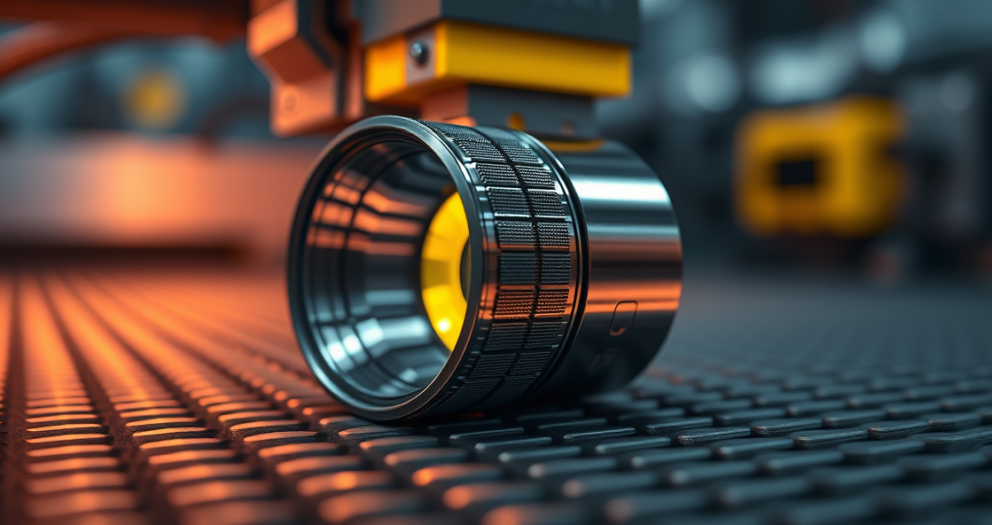
- Ceramic rings (laser ceramic ring): Act as insulators and provide electrical contact for the cutting nozzle, crucial for stable arc discharge and sensing distance to the workpiece.
- Protective Windows: Regularly replaced to maintain beam integrity.
- Filters: For air, water, and gas lines, ensuring clean operation and preventing contamination.
| Part | Function | Replacement Cycle |
|---|---|---|
| Nozzle | Directs assist gas and laser beam | Daily inspection, weekly/monthly replacement (depending on use) |
| Ceramic Ring | Insulation, electrical contact, distance sensing | Monthly to quarterly, or as needed |
| Protective Window | Shields focusing lens | Monthly to quarterly, or as needed |
| Focusing Lens | Focuses laser beam | Bi-annually to annually, or if damaged/scratched |
| Air/Water Filters | Maintains purity of fluids | Quarterly to bi-annually |
Types of Laser Cutting Consumables Explained
While all spare parts are vital, consumables are those components that require frequent replacement due to their direct involvement in the cutting process and their susceptibility to wear. Understanding their types and functions is paramount for maintaining consistent cut quality and machine longevity.
Nozzles (Single & Double Nozzle)
The nozzle is arguably the most critical consumable in a fiber laser cutting system. It precisely directs the assist gas – whether oxygen, nitrogen, or compressed air – around the focused laser beam onto the workpiece. The choice between a Single Nozzle and a Double Nozzle significantly impacts the cut quality and speed for different materials and thicknesses.
- Single Nozzle: Typically used for cutting with oxygen (fusion cutting) on thicker mild steel. It provides a concentrated gas flow, ideal for producing clean, oxide-free cuts on appropriate materials.
- Double Nozzle: Often preferred for nitrogen cutting (melt and blow) on stainless steel, aluminum, and thinner mild steel. The dual-flow design helps to blow away molten material more effectively, reducing dross and improving edge quality.
A worn, scratched, or improperly aligned nozzle can lead to imprecise gas flow, beam clipping, increased spatter, and ultimately, a compromised cut. Regular inspection and replacement of your buy nozzles are non-negotiable for achieving perfect results and maximizing your fiber laser cutting Consumbales investment.
Ceramic rings
Also known as a laser cutting machine ceramic ring or fiber laser ceramic ring, this component plays a multifaceted role in the laser head assembly. The ceramic ring for laser cutting machine serves as an electrical insulator, preventing short circuits between the nozzle and the laser head. More critically, it often contains electrodes for capacitive distance sensing, allowing the laser head to maintain a precise and consistent stand-off distance from the workpiece. A damaged or contaminated laser ceramic ring can lead to unstable cutting height control, arc discharges, and inconsistent cut quality. Brands like Raytools, OSPRI, Precitec, and Fine Focus offer high-quality ceramic ring for laser cutting machines designed for precision and durability.
Lenses (Protective Windows and Focusing Lenses)
While the primary focusing lens is not a daily consumable, the protective window that shields it is. These windows are designed to be sacrificial, preventing spatter, fumes, and dust from reaching the more expensive focusing lens. Regularly replacing the protective window is significantly more cost-effective than replacing a damaged focusing lens. Similarly, focusing lenses themselves, though durable, have a finite lifespan and can be degraded by heat, contamination, or scratches, leading to a loss of beam quality and cutting efficiency. Proper handling, cleaning, and timely replacement are essential.
Signs Your Spare Parts Need Replacement
Proactive maintenance begins with recognizing the tell-tale signs of worn or failing components. Ignoring these indicators can lead to significant production losses and potentially severe machine damage. Timely replacement of fiber laser cutting Consumbales is key to maintaining peak performance.
Poor Cutting Quality
This is often the most immediate and noticeable sign. If your cuts are no longer clean, straight, or exhibit excessive dross, it’s a strong indicator. Issues like wider kerf, uneven edges, or inability to cut through the material can point to a degraded nozzle, a dirty lens, or a failing ceramic ring for laser cutting machine.
Burr Formation
Excessive burr along the cut edge suggests that the laser beam is not effectively vaporizing and expelling material. This can be due to a malformed gas jet from a worn nozzle, insufficient assist gas pressure, or a compromised laser beam focus. Increasing burr means more post-processing, which adds to costs and production time.
Irregular Sparks and Instability
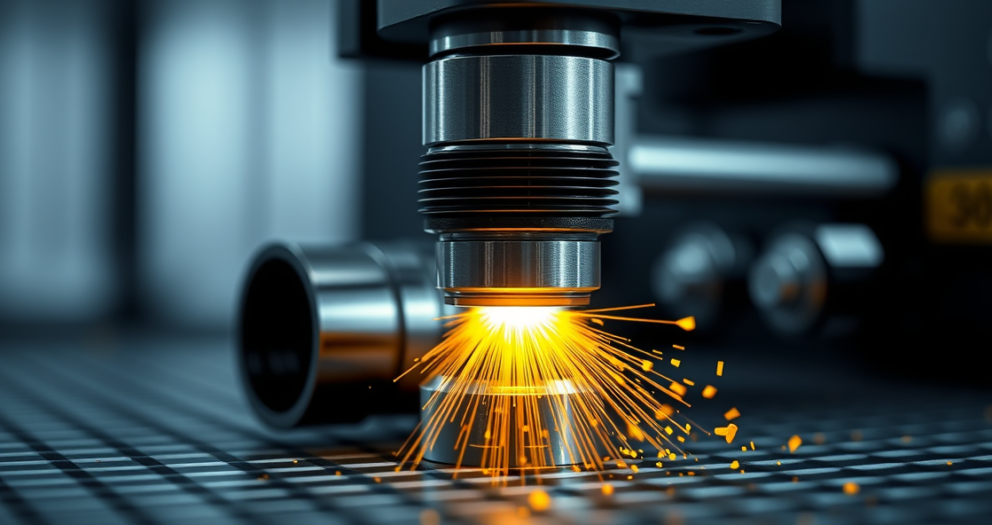
If you observe inconsistent spark patterns during cutting, or if the laser head seems to ‘hunt’ for the correct distance, it could indicate a faulty fiber laser ceramic ring affecting distance sensing, or a partially blocked nozzle causing turbulent gas flow. These irregularities can lead to piercing failures, unexpected shutdowns, and damage to the workpiece.
Other Red Flags
- Decreased Cutting Speed: A machine that previously cut at a certain speed now performs slower.
- Overheating: Unusual heat buildup in components, potentially indicating increased friction or electrical resistance.
- Visible Damage: Scratches on lenses, deformation of the nozzle tip, or cracks in the ceramic ring for laser cutting machine are clear signs for immediate replacement.
- Unusual Noises: Grinding or squealing from mechanical parts like bearings.
“What are signs of worn laser cutting parts?”
Signs of worn laser cutting parts include poor cutting quality (excessive dross, rough edges), increased burr formation, irregular sparks during cutting, decreased cutting speed, and visible damage such as scratches on lenses or deformed nozzles. Inconsistent distance sensing and unusual noises from mechanical components also indicate a need for replacement.
OEM vs Aftermarket Spare Parts
The decision between Original Equipment Manufacturer (OEM) parts and aftermarket alternatives is a common dilemma for laser cutting machine users. While aftermarket parts may seem appealing due to lower prices, understanding the trade-offs is crucial for long-term operational success.
OEM (Original Equipment Manufacturer) Parts
These are components manufactured by or for the original machine manufacturer. They are designed to meet exact specifications, tolerances, and quality standards of your specific laser cutting machine model. This ensures perfect fit, optimal performance, and often, an extended warranty. Brands like Raytools, OSPRI, Precitec, and Fine Focus are known for their high-quality OEM or authorized parts, offering reliability and consistency that directly contribute to machine longevity and superior cut quality.
Aftermarket Parts
These are manufactured by third-party companies and are designed to be compatible with OEM equipment. Their primary advantage is often a lower cost. However, the quality, material, and manufacturing precision of aftermarket parts can vary significantly. While some aftermarket suppliers offer decent quality, others may use inferior materials or less stringent manufacturing processes, leading to premature wear, suboptimal performance, and potential damage to your machine.
| Feature | OEM Spare Parts | Aftermarket Spare Parts |
|---|---|---|
| Quality & Precision | Guaranteed, matches original specifications | Varies significantly, can be inconsistent |
| Performance | Optimal, designed for peak machine efficiency | May reduce performance or introduce issues |
| Cost | Generally higher upfront investment | Typically lower upfront cost |
| Reliability & Lifespan | High, designed for durability and extended life | Can be lower, leading to frequent replacements |
| Warranty | Often covered by manufacturer’s warranty | Usually limited or no warranty |
| Risk of Damage | Low risk to other machine components | Higher risk of causing damage or premature wear |
| Technical Support | Direct from manufacturer/authorized dealer | Limited or non-existent from third parties |
For critical components like the nozzle, focusing lens, or ceramic ring for laser cutting machine, the long-term benefits of OEM or reputable branded parts typically outweigh the initial cost savings of aftermarket alternatives. The peace of mind, consistent quality, and reduced risk of downtime are invaluable.
How to Choose High-Quality Spare Parts Supplier
Selecting the right supplier for your fiber laser cutting Consumbales is as crucial as selecting the parts themselves. A reliable supplier ensures you receive genuine, high-quality components that keep your operations running smoothly.
Certifications and Quality Assurance
Look for suppliers who adhere to international quality standards such as ISO 9001. Reputable suppliers will have documented quality control processes for their products, ensuring consistency and reliability. Ask for material certifications or performance data for critical parts like nozzles and lenses. This commitment to quality is a strong indicator of reliable products.
Brand Compatibility and Authorized Dealerships
Prioritize suppliers who are authorized distributors for leading brands like Raytools, OSPRI, Precitec, and Fine Focus. These partnerships indicate that the supplier receives direct support, genuine parts, and up-to-date product information from the manufacturers. They will be able to provide the specific Single & Double Nozzle types or laser cutting machine ceramic ring that precisely match your machine’s requirements.
Technical Support and Expertise
A good supplier offers more than just parts; they provide expertise. Look for companies with knowledgeable technical support teams who can assist with part identification, installation guidance, and troubleshooting. Their ability to offer insightful advice can save you significant time and prevent costly errors, especially when dealing with intricate components or specific cutting applications.
Inventory and Availability
Downtime is expensive. Choose a supplier with a robust inventory and efficient logistics to ensure rapid delivery of essential spare parts. A local or well-stocked online supplier can significantly reduce lead times for critical buy nozzles or ceramic ring for laser cutting machines, minimizing your operational interruptions.
Customer Reviews and Reputation
Check online reviews, testimonials, and industry forums. A supplier with a strong track record of positive customer experiences and a solid reputation for quality products and service is always a safer bet.
Maintenance Tips to Increase Machine Life
Regular and diligent maintenance is the cornerstone of maximizing the lifespan and efficiency of your laser cutting machine. Implementing a structured maintenance schedule can prevent unexpected breakdowns, ensure consistent cut quality, and significantly reduce long-term operational costs.
Cleaning Lenses and Protective Windows
Contaminants like dust, spatter, and fumes can degrade optical components. Regularly inspect and clean your protective windows and focusing lenses using optical-grade cleaning solutions and lint-free wipes. Even a microscopic scratch or speck of dust can cause beam distortion, leading to poor cuts and potential damage to the lens itself.
Checking Nozzle Alignment and Condition
The nozzle is critical for assist gas flow and beam delivery. Daily visual inspection for wear, deformation, or blockages is essential. Regularly check and ensure proper nozzle alignment with the laser beam. Misalignment can cause beam clipping, reduced power, and inefficient cutting. Replace worn nozzles promptly.
Replacing Consumables Regularly
Adhere strictly to recommended replacement schedules for high-wear consumables like nozzles, ceramic rings, and protective windows. While these parts may appear functional, their performance degrades over time. Proactive replacement prevents them from causing more significant, costly issues. This includes filters for water chillers and air lines, ensuring clean operating conditions for sensitive components.
Lubrication of Mechanical Components
Regularly lubricate guide rails, bearings, and gear racks according to the manufacturer’s guidelines. Proper lubrication reduces friction, prevents premature wear, and ensures smooth, accurate movement of the laser head and gantry system. Neglecting lubrication can lead to increased stress on motors and drives.
Checking Assist Gas Purity and Pressure
Ensure your assist gas (oxygen, nitrogen, air) is clean, dry, and delivered at the correct pressure. Impurities in the gas can contaminate optics and compromise cut quality. Incorrect pressure can lead to inefficient material removal and inconsistent cutting performance.
Software and Firmware Updates
Keep your machine’s software and firmware updated. Manufacturers often release updates that improve performance, add features, and fix bugs, contributing to overall machine stability and efficiency.
Don’t wait for a breakdown to consider maintenance. Invest in the longevity of your asset. Book a professional ‘Maintenance Consultation’ with our experts today to tailor a plan for your specific machine and operational needs.
Cost Optimization Strategy
While investing in quality spare parts is vital, it doesn’t mean sacrificing cost efficiency. Strategic procurement and maintenance practices can significantly optimize your operational expenditure without compromising performance.
Bulk Buying of Consumables
For high-volume consumables like nozzles, protective windows, and ceramic rings, consider purchasing in bulk from trusted suppliers. Many suppliers offer significant discounts for larger orders, reducing your per-unit cost. This also ensures you have a readily available stock, minimizing downtime due to part shortages.
Preventive Maintenance Schedule
Implementing a rigorous preventive maintenance schedule is perhaps the most effective cost-saving strategy. By proactively replacing worn components before they fail, you avoid costly emergency repairs, extensive downtime, and potential damage to other, more expensive machine parts. Regular checks and cleaning extend the life of parts and ensure consistent output, reducing material waste.
Using Genuine Consumables (ROI Focus)
While generic parts might seem cheaper initially, genuine or branded consumables from reputable manufacturers like Raytools, OSPRI, Precitec, or Fine Focus offer superior performance, longevity, and reliability. This translates to fewer replacements, consistent cut quality (reducing rework and scrap), and ultimately, a lower total cost of ownership over the machine’s lifespan. Focus on the return on investment (ROI) rather than just the purchase price.
Operator Training
Well-trained operators who understand the importance of proper machine operation, cleaning routines, and early identification of part wear can significantly contribute to cost savings. Empowering your team to perform basic maintenance and troubleshooting can prevent minor issues from escalating.
Energy Efficiency
Optimized machine performance due to well-maintained parts contributes to energy efficiency. A machine that struggles due to worn components consumes more power to achieve the same output, increasing your utility bills. Regular servicing ensures your machine operates at its designed energy consumption levels.
Applications & Industry Use Cases
Fiber laser cutting technology, supported by high-quality fiber laser cutting Consumbales, is a cornerstone of modern manufacturing across diverse industries, celebrated for its precision, speed, and versatility.
Automotive Industry
From cutting intricate components for vehicle bodies to fabricating specialized parts for engines and chassis, laser cutting machines are indispensable. The demand for high-strength, lightweight materials requires the precision and reliability offered by premium nozzles and lenses to ensure safety-critical components meet stringent standards.
Sheet Metal Fabrication
This is perhaps the most widespread application. Manufacturers rely on fiber lasers for cutting various metals like stainless steel, mild steel, aluminum, and brass into complex shapes and designs. Whether for structural components, enclosures, or decorative items, perfect cuts every time are crucial for aesthetics and fit.
General Manufacturing and Fabrication
Beyond specialized industries, laser cutting machines are vital in general manufacturing for producing parts for machinery, equipment, tooling, and prototypes. The ability to quickly and accurately cut a wide range of materials makes them highly versatile for job shops and large-scale production facilities alike.
Aerospace Industry
In aerospace, where precision and material integrity are paramount, fiber lasers are used for cutting high-performance alloys and composites. The exacting standards demand only the highest quality fiber laser cutting Consumbales, ensuring component reliability and performance under extreme conditions.
Medical Device Manufacturing
The need for tiny, precise, and burr-free components in medical devices, from surgical instruments to implants, makes laser cutting an ideal choice. The delicate nature of these applications necessitates flawless operation, achievable only with top-tier spare parts.
FAQs
How often should I change my laser cutting nozzle?
The frequency of nozzle replacement depends on usage intensity, material type, and assist gas. Generally, it’s recommended to visually inspect the nozzle daily and replace it weekly or monthly, or immediately if you notice any signs of wear, damage, or degradation in cut quality.
What is the difference between a Single Nozzle and a Double Nozzle?
A Single Nozzle provides a concentrated gas stream, typically used with oxygen for cutting thicker mild steel. A Double Nozzle features a dual-flow design, often used with nitrogen for better molten material expulsion when cutting stainless steel, aluminum, or thinner mild steel, resulting in cleaner, dross-free edges.
Why is the ceramic ring for laser cutting machine so important?
The ceramic ring for laser cutting machine serves as an electrical insulator for the nozzle and often houses the electrodes for capacitive distance sensing. It ensures stable cutting height control, prevents arc discharges, and is crucial for consistent and high-quality cuts. A faulty fiber laser ceramic ring can lead to unstable cutting and poor results.
Can I use aftermarket spare parts to save money?
While aftermarket parts can be cheaper, their quality varies. For critical components like nozzles, lenses, and ceramic rings, OEM or branded alternatives are recommended. They offer guaranteed precision, better performance, longer lifespan, and reduce the risk of costly damage and downtime, providing a better long-term ROI.
How do I know if my laser machine’s lenses need cleaning or replacement?
Visible streaks, haziness, or pits on the lens surface are clear indicators. Also, if you notice a decrease in cutting power, inconsistent beam shape, or excessive heat buildup around the laser head, your lenses likely need cleaning or replacement. Always use optical-grade cleaning supplies.
What are the benefits of buying fiber laser cutting Consumbales online with a discount?
Buying fiber laser cutting Consumbales online with a discount, like 20% OFF on buy nozzles, offers significant cost optimization. It allows you to stock up on essential parts, reduce per-unit cost, and ensure readiness for maintenance or replacements, all while maintaining the high quality necessary for optimal machine performance and consistent perfect cuts.
Conclusion
In the highly competitive landscape of industrial manufacturing, achieving perfect cuts every time is not merely an aspiration but a fundamental necessity for profitability and reputation. This comprehensive guide has underscored that the performance of your fiber laser cutting machine is intrinsically linked to the quality and diligent maintenance of its spare parts and consumables. From the precision-engineered nozzle to the insulating ceramic ring for laser cutting machine, every component contributes to the overall efficiency, accuracy, and longevity of your investment.
By prioritizing genuine, high-quality fiber laser cutting Consumbales from trusted brands like Raytools, OSPRI, Precitec, and Fine Focus, implementing proactive maintenance strategies, and making informed procurement decisions, you can significantly enhance your machine’s output, reduce costly downtime, and minimize material waste. Remember, investing in premium spare parts is not an expense; it’s a strategic investment in the sustained success and superior quality of your manufacturing operations.
- Ready to elevate your laser cutting performance and reduce operational costs? Request a Quote today for our full range of genuine laser cutting spare parts and consumables.
- Talk to an Expert for personalized advice on optimizing your machine’s maintenance and part selection.
- Download our comprehensive Product Catalog to explore premium quality fiber laser cutting Consumbales and components.

Write a comment
Your email address will not be published. All fields are required