

Introduction
The frustration of unexpected machine downtime, inconsistent cut quality, and escalating operational costs can plague any metal fabrication business. These issues often stem from overlooked components: your laser cutting machine’s spare parts and consumables. Every cutting machine user understands that the heart of their operation lies in the seamless performance of their equipment. When crucial elements like laser collimating lenses or ceramic ring for laser cutting machine falter, the ripple effect on productivity and profitability is immediate and severe.
This comprehensive guide delves into the critical role of high-quality spare parts, with a special focus on the current opportunity to save with “Flat 20% OFF on Laser Collimating Lenses“. Optimizing your machine’s performance isn’t just about the initial investment; it’s about the ongoing reliability and precision delivered by every component. For operators and metal fabricators owners, understanding and proactively managing fiber laser cutting consumables is the cornerstone of operational excellence and sustained competitive advantage.
Don’t let worn parts compromise your productivity. Download Spare Parts Checklist now to ensure your machine runs at peak efficiency.
Why Spare Parts & Consumables Matter in Laser Cutting
The precision of a fiber laser cutting machine is only as good as its weakest link. High-quality Single Nozzle and Double Nozzle, pristine lenses, and durable ceramic ring for laser cutting machine directly translate to sharper cuts, faster processing speeds, and minimal material waste. Investing in genuine laser cutting machine spare parts ensures your machine operates within its designed parameters, delivering consistent, superior output. This reliability is paramount for meeting tight deadlines and maintaining customer satisfaction.
Impact on Performance
Every component, from the smallest O-ring to the most sophisticated laser collimating lens, contributes to the overall beam quality and cutting head stability. Inferior parts can lead to beam deviation, inconsistent focal points, and reduced laser power at the workpiece. This directly impacts cut edge quality, surface finish, and the ability to cut complex geometries with accuracy. High-quality fiber laser cutting consumables maintain the integrity of the laser path, ensuring maximum power delivery and optimal material interaction, which is essential for performance improvement.
Cost of Low-Quality Parts
Opting for cheaper, inferior quality components might seem like a cost-saving measure initially. However, these parts often wear out faster, leading to frequent replacements, increased maintenance costs, and significant downtime. Poor quality parts can also cause collateral damage to other expensive components, resulting in even higher repair bills and lost production time. The true cost of a part extends beyond its purchase price to its impact on your overall operation, making cheap alternatives a false economy.
Machine Efficiency
Optimal machine efficiency is a blend of speed, accuracy, and reliability. Genuine Single & Double Nozzle, a precise fiber laser ceramic ring, and perfectly calibrated laser collimating lenses allow your machine to run at its maximum potential. This means faster job completion, reduced energy consumption per cut, and a longer lifespan for your entire laser cutting system, translating into higher profitability for metal fabricators owners. Efficient machines experience less unplanned downtime, optimizing production schedules and meeting delivery commitments consistently.
Complete Overview of Laser Cutting Machine Spare Parts
To maintain peak performance, it’s crucial for cutting machine user to understand the various components that make up their fiber laser cutting system. These parts are broadly categorized into optical, mechanical, and electrical components, along with essential consumables.
Optical Components
These are the eyes and focus of your laser cutting machine. They guide and shape the laser beam, directly impacting cutting quality and precision.
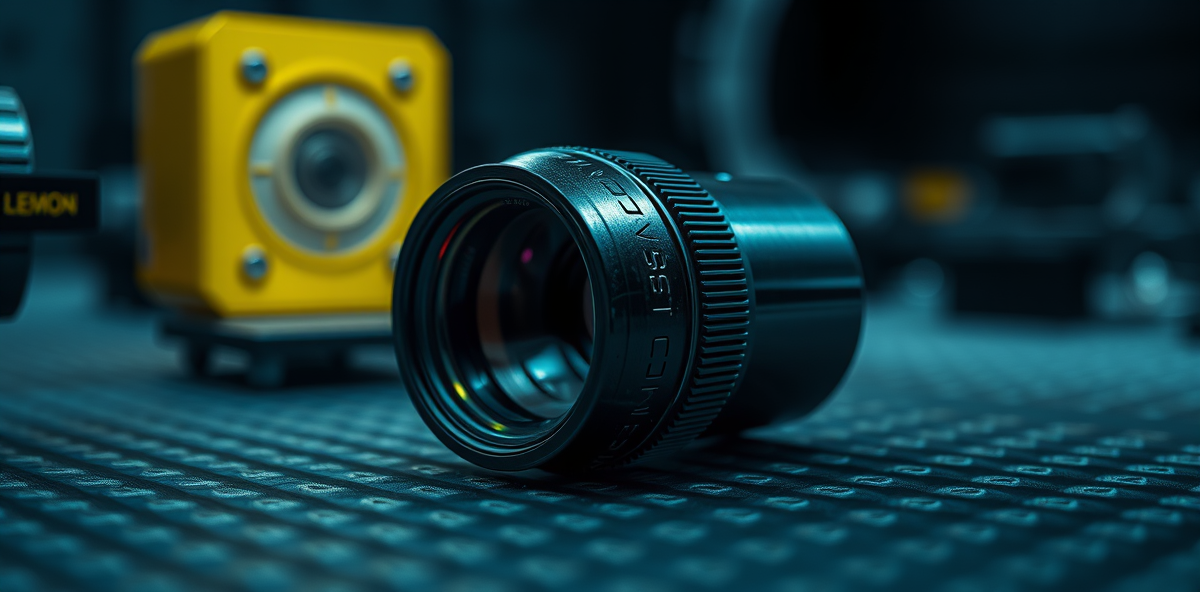
- Laser Collimating Lenses: These lenses are vital for taking the divergent laser beam from the fiber and making it parallel. A perfectly collimated beam is essential for efficient transmission to the focusing lens, ensuring maximum power delivery and cut quality.
- Focusing Lenses: After collimation, the focusing lens concentrates the parallel beam into a tiny, high-power spot on the material surface for cutting. Clarity and quality here are paramount for achieving fine details and clean cuts.
- Protective Windows (Cover Slides): Positioned to shield the more expensive focusing and collimating lenses from spatter and debris during cutting, these are crucial for lens longevity. Regular inspection and replacement are necessary.
Mechanical Parts
These components ensure the precise movement and delivery of the laser beam and assist gases.
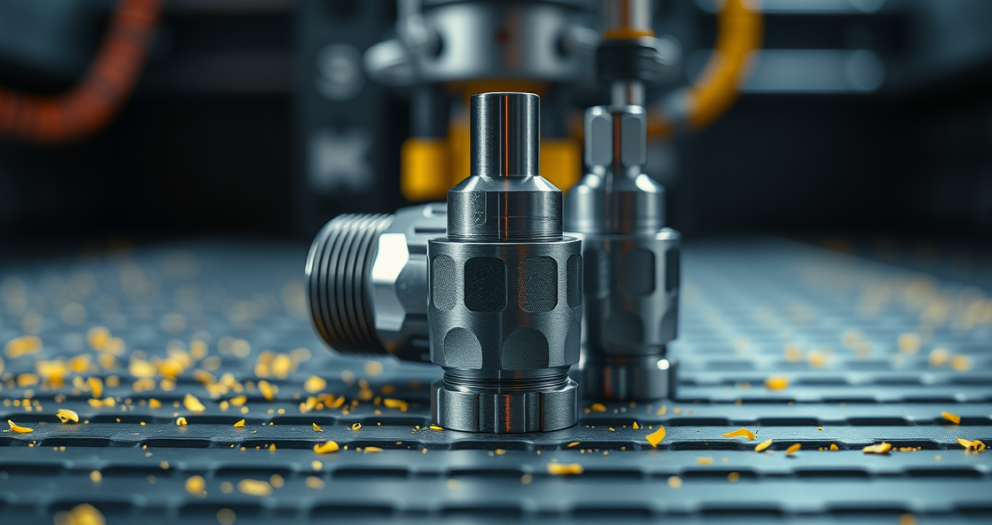
- Nozzles: The tip of the cutting head where the laser beam exits and assist gas is delivered. The choice between Single Nozzle and Double Nozzle depends on the material and thickness being cut.
- Gear Racks and Pinions: Essential for the precise movement of the cutting head along the X and Y axes, ensuring accuracy and repeatability.
- Linear Guides and Bearings: Provide smooth and stable motion for the cutting head, reducing vibration and contributing to cut quality.
Electrical Components
These parts power and control the entire laser cutting operation.
- Laser Power Supply: Delivers the necessary power to the fiber laser source.
- Sensors and Switches: Monitor various parameters and ensure safe operation, including height sensors for maintaining optimal focus distance.
- Cables and Connectors: Transmit power and data throughout the system, ensuring reliable communication between components.
Consumables
These are components designed for regular replacement due to wear and tear, critical for ongoing performance.
- Ceramic rings: An insulator in the cutting head, holding the nozzle and providing electrical insulation for the capacitive height sensing system. Its integrity is vital for stable cutting.
- Filters (Air, Water, Dust): Maintain the purity of the assist gases, cooling water, and internal environment, protecting sensitive components.
- Protective Lenses: As mentioned in optical components, these are essentially consumables designed to be replaced before damage reaches the main lenses.
Here’s a quick overview of critical parts and their typical replacement cycles:
| Part | Function | Replacement Cycle |
|---|---|---|
| Laser Collimating Lenses | Collimates the laser beam | Every 6-12 months or as needed based on inspection |
| Focusing Lenses | Focuses the laser beam | Every 3-6 months or as needed based on inspection |
| Protective Windows | Protects primary lenses | Every 1-3 weeks or as needed based on contamination |
| Nozzles (Single & Double Nozzle) | Directs laser beam and assist gas | Daily to weekly, depending on material and usage |
| Ceramic ring for laser cutting machine | Insulation, height sensing | Every 1-3 months or as needed based on performance |
| Air Filters | Cleans assist gases | Monthly to quarterly |
| Water Filters | Cleans cooling water | Monthly to quarterly |
Types of Laser Cutting Consumables Explained
Understanding the specific roles of various fiber laser cutting consumables is paramount for any operator or metal fabricator owner aiming for optimal machine efficiency and cutting quality. Proper selection and timely replacement of these parts directly impact performance and operational cost optimization.
Nozzles: Precision at the Point of Cut
The nozzle is a critical component located at the very tip of the cutting head. Its primary functions are to direct the laser beam precisely onto the material and to funnel the assist gas (oxygen, nitrogen, or compressed air) around the beam to facilitate the cutting process and clear molten material. The design of the nozzle significantly impacts cut quality, speed, and gas consumption.
- Single Nozzle: Typically used for oxygen cutting (fusion cutting) of mild steel and stainless steel. The single hole allows for a concentrated stream of oxygen, which aids in the exothermic reaction, resulting in faster cuts for certain materials. Operators often choose a Single Nozzle for applications where dross-free edges are critical on thinner materials.
- Double Nozzle: Often preferred for nitrogen cutting (melt cutting) of stainless steel, aluminum, and other non-ferrous metals. The dual orifice design creates a larger, more stable gas flow, which effectively blows away molten material, preventing oxidation and creating a clean, shiny cut surface. The Double Nozzle is excellent for achieving high-quality cuts on thicker materials where nitrogen assist gas is used.
Regular inspection for wear, blockages, or damage is essential, as even minor imperfections in the nozzle can lead to significant degradation in cut quality and increased gas consumption. Ensuring optimal nozzle condition is a fundamental aspect of performance improvement.
Ceramic Rings: The Unsung Heroes of Stable Cutting
The ceramic ring for laser cutting machine, sometimes referred to as a laser ceramic ring or fiber laser ceramic ring, plays a crucial role in the cutting head. Its primary function is to electrically insulate the nozzle from the cutting head body and to provide a reference point for the capacitive height sensing system. This system precisely maintains the distance between the nozzle and the material, which is critical for consistent focus and optimal cutting performance.
A damaged or degraded laser cutting machine ceramic ring can lead to erratic height sensing, resulting in inconsistent cutting gaps, poor cut quality, and even collision with the workpiece. Choosing a genuine ceramic ring for laser cutting machine from reputable brands like Raytools, OSPRI, or Precitec ensures stable operation and accurate height control, extending the life of your cutting head and preventing costly errors.
Lenses: The Heart of Beam Delivery
Lenses are the optical workhorses of your laser cutting machine, responsible for guiding, shaping, and focusing the powerful laser beam. Their quality directly influences the precision, speed, and efficiency of your cutting operations.
- Laser Collimating Lenses: As highlighted, these lenses convert the divergent beam emitted from the fiber optic cable into a parallel beam. This collimated beam is then directed towards the focusing lens. The clarity and optical integrity of these lenses are paramount. Any scratches, dirt, or degradation can cause beam distortion, reducing power density at the focal point and compromising cut quality. Our current “Flat 20% OFF on Laser Collimating Lenses” offer is an excellent opportunity to upgrade or stock up on these vital components for peak performance.
- Focusing Lenses: These lenses take the collimated beam and converge it into a pinpoint-sized spot on the material surface. The focal length and quality of the focusing lens determine the spot size and depth of field, which are critical for achieving desired cut characteristics, from fine engravings to thick plate cuts.
- Protective Windows: While not directly involved in beam shaping, protective windows act as a sacrificial barrier, safeguarding the more expensive collimating and focusing lenses from spatter, smoke, and debris generated during cutting. Regularly replacing these inexpensive components is a cost-effective way to preserve the life and performance of your primary optics.
Maintaining clean and undamaged lenses is non-negotiable for achieving high-quality, efficient laser cuts. Even microscopic imperfections can scatter the laser beam, leading to reduced power, slower cutting speeds, and poor edge quality. This emphasizes the need for quality laser cutting machine spare parts.
Signs Your Spare Parts Need Replacement
Ignoring the warning signs of worn laser cutting machine spare parts can lead to costly downtime, decreased productivity, and significant quality issues. Being vigilant for these indicators is crucial for proactive maintenance and sustained performance for every cutting machine user.
- Poor Cutting Quality: This is often the most immediate and noticeable sign. If your cuts are showing excessive dross, rough edges, incomplete cuts, or a wider kerf than usual, it’s a strong indicator that a consumable or optical component might be failing. A worn Single Nozzle or Double Nozzle, a dirty or scratched laser collimating lens, or a compromised fiber laser ceramic ring can all contribute to this problem, reducing the quality of your finished products.
- Burr Formation: The presence of burrs (small, sharp edges or ridges) on the cut material signals that the laser beam is not interacting cleanly with the workpiece. This can be due to an incorrect focal point, a damaged nozzle tip, or insufficient assist gas pressure, often exacerbated by a worn nozzle or an unstable height sensing due to a faulty ceramic ring for laser cutting machine.
- Irregular Sparks or Flame: When the laser is cutting, a consistent and controlled spark stream or flame indicates proper operation. Irregular, scattered, or excessively violent sparks can point to a misaligned nozzle, a dirty protective window, or even a damaged focusing lens, leading to an unstable cutting process and potential machine damage.
- Frequent Alarms or Error Messages: Modern fiber laser cutting machines are equipped with sophisticated sensors. If you’re receiving consistent alarms related to cutting head collisions, height sensing errors, or laser power fluctuations, it often means specific electrical or mechanical spare parts, or even the laser cutting machine ceramic ring, require attention. These alerts should not be ignored by the operator.
- Reduced Cutting Speed: If your machine is taking longer to complete cuts than usual, despite no change in material or thickness, it could be a sign of reduced laser power transmission. This is commonly caused by dirty or degraded laser collimating lenses, focusing lenses, or protective windows, which absorb rather than transmit the laser energy efficiently.
- Excessive Gas Consumption: A damaged or improperly sealed Single & Double Nozzle can lead to assist gas leaks, significantly increasing your operational costs without improving performance. This is a direct hit to your cost optimization efforts.
Featured Snippet:
“What are signs of worn laser cutting parts?”
Signs of worn laser cutting parts include poor cutting quality (dross, rough edges), burr formation, irregular sparks or flame, frequent machine alarms, reduced cutting speed, and excessive assist gas consumption. Specifically, issues with the laser collimating lenses, nozzles (Single Nozzle or Double Nozzle), protective windows, or the ceramic ring for laser cutting machine often manifest through these symptoms, demanding immediate attention from a metal fabricator.
OEM vs Aftermarket Spare Parts
The choice between Original Equipment Manufacturer (OEM) and aftermarket spare parts is a critical decision for any metal fabricator owner. While aftermarket parts often present a lower upfront cost, understanding the long-term implications is essential for maintaining machine performance and profitability, especially for sensitive fiber laser cutting consumables.
| Feature | OEM Spare Parts | Aftermarket Spare Parts |
|---|---|---|
| Quality Assurance | Manufactured to exact specifications, rigorous testing, guaranteed compatibility. Branded consumables like Raytools, OSPRI, Precitec, and Fine Focus ensure superior performance. This provides peace of mind for the operator. | Quality varies significantly, may not meet original specifications, less stringent testing. Risk of inconsistent performance and reliability issues. |
| Performance | Optimized for maximum machine efficiency, precision, and longevity. Ensures consistent cut quality and speed. For instance, a genuine Raytools laser collimating lens guarantees specified beam characteristics for peak performance improvement. | Can lead to compromised performance, reduced cutting speed, poor cut quality, and increased wear on other components, ultimately harming machine efficiency. |
| Warranty | Typically comes with a manufacturer’s warranty, providing peace of mind and protection against defects, highlighting the supplier’s confidence in their laser cutting machine spare parts. | Warranties are often limited or non-existent, leaving you responsible for any failures and increasing financial risk. |
| Compatibility | Guaranteed perfect fit and seamless integration with your specific laser cutting machine model and head (e.g., Precitec cutting head), simplifying replacement and reducing downtime. | May require modifications or may not fit perfectly, potentially causing operational issues or damage to the machine, adding to the operator’s frustration. |
| Lifespan | Designed for durability and extended operational life, reducing the frequency of replacements and downtime. A quality fiber laser ceramic ring from a reputable brand will outlast a generic one. | Often have a shorter lifespan, requiring more frequent replacements, negating initial cost savings and increasing maintenance workload. |
| Cost | Higher initial investment, but lower long-term costs due to superior performance, reduced downtime, and extended machine life. A clear strategy for cost optimization. | Lower initial cost, but potentially higher long-term costs due to frequent replacements, repairs, and reduced productivity. |
For critical fiber laser cutting consumables such as laser collimating lenses, focusing lenses, Single & Double Nozzle, and the laser ceramic ring, investing in OEM or high-quality branded aftermarket parts from trusted suppliers is always the smartest choice. The current “Flat 20% OFF on Laser Collimating Lenses” makes investing in these essential components even more accessible and beneficial for metal fabricators looking for performance improvement.
How to Choose High-Quality Spare Parts Supplier
Selecting the right supplier for your fiber laser cutting consumables and spare parts is as crucial as the parts themselves. A reliable supplier ensures you receive genuine, high-performance components that keep your machines running efficiently and profitably, benefiting every cutting machine user.
- Certifications and Quality Standards: Look for suppliers who adhere to international quality standards such as ISO 9001. This demonstrates a commitment to consistent quality management. Products should also meet industry-specific standards. For instance, optical components like laser collimating lenses should have verifiable specifications for material purity and coating durability, ensuring reliability.
- Brand Compatibility and Range: A good supplier will offer genuine or high-quality compatible parts for leading laser cutting heads and systems. This includes branded consumables for popular systems like Raytools, OSPRI, Precitec, and Fine Focus. Ensure they can supply the specific Single Nozzle, Double Nozzle, or ceramic ring for laser cutting machine that your machine requires. This ensures seamless integration and optimal performance, minimizing compatibility issues and enhancing machine efficiency.
- Technical Support and Expertise: A reputable supplier offers more than just parts; they provide invaluable technical support. This includes assistance with part identification, installation guidance, troubleshooting, and advice on optimizing your cutting process. Their team should comprise knowledgeable experts who understand the nuances of fiber laser cutting technology, offering practical insights to the operator.
- Inventory and Availability: Downtime is costly. Choose a supplier with a robust inventory and efficient logistics to ensure rapid delivery of critical laser cutting machine spare parts and consumables. This minimizes waiting times and gets your machine back online faster, crucial for maintaining production schedules.
- Transparent Pricing and Warranty: A trustworthy supplier will offer transparent pricing without hidden costs. They should also provide clear warranty policies for their products, instilling confidence in your purchase and protecting your investment.
- Customer Reviews and Reputation: Research their reputation in the industry. Look for positive customer reviews and testimonials from other metal fabricators owners or cutting machine user who have consistently relied on their products and services. A strong reputation is a testament to their quality and reliability.
Maintenance Tips to Increase Machine Life
Proactive maintenance is the cornerstone of maximizing the lifespan and efficiency of your fiber laser cutting machine. Regular care of your laser cutting machine spare parts and consumables can significantly reduce unexpected breakdowns and maintain optimal cutting performance, leading to greater profitability for metal fabricators owners.
- Regularly Cleaning Lenses: Laser collimating lenses, focusing lenses, and protective windows are highly sensitive optical components. Even microscopic dust particles or spatter can scatter the laser beam, leading to power loss and reduced cut quality. Use only specified optical cleaning solutions and lint-free wipes. This simple routine drastically extends the life of expensive lenses and ensures consistent beam quality, a key aspect of performance improvement.
- Checking Nozzle Alignment: The alignment of your Single Nozzle or Double Nozzle with the laser beam is paramount for precise cutting. Misalignment can cause uneven gas flow, irregular sparks, and poor cut edges. Perform regular alignment checks using visual inspection tools or automated alignment systems if available, as a diligent operator would.
- Replacing Consumables Regularly: Adhere to recommended replacement schedules for all fiber laser cutting consumables. This includes protective windows, ceramic ring for laser cutting machine, air filters, and water filters. Proactive replacement prevents these components from reaching a failure point that could damage other parts or severely degrade cutting performance. For instance, a worn fiber laser ceramic ring can lead to erratic height sensing and potential head crashes, emphasizing practical insights into maintenance.
- Lubricating Mechanical Components: Regularly lubricate linear guides, gear racks, and bearings according to the manufacturer’s guidelines. This reduces friction and wear, ensuring smooth, precise movement of the cutting head and extending the life of these critical mechanical parts, contributing to overall machine efficiency.
- Monitoring Cooling System: The laser source and cutting head generate significant heat. Ensure your chiller system is functioning optimally, maintaining the correct water temperature and flow rate. Regularly check and replace water filters to prevent contamination, which can lead to overheating and damage to expensive components.
- Calibrating Height Sensing System: The capacitive height sensing system, often relying on the integrity of the laser ceramic ring, needs regular calibration to maintain the precise distance between the nozzle and the workpiece. This is vital for consistent focal length and optimal cut quality, an essential task for any operator.
Proactive maintenance is an investment, not an expense. By diligently following these tips, cutting machine user can significantly increase machine life and profitability.
Book Maintenance Consultation today to ensure your laser cutting system remains in top condition.
Cost Optimization Strategy
In the competitive landscape of metal fabrication, optimizing operational costs without compromising quality is key to sustained profitability. Smart strategies focusing on fiber laser cutting consumables and spare parts can significantly impact your bottom line, demonstrating practical insights for metal fabricators owners.
- Bulk Buying of Consumables: Leverage economies of scale by purchasing frequently used consumables like protective windows, Single & Double Nozzle, and ceramic ring for laser cutting machine in larger quantities. Many reputable suppliers offer discounts for bulk orders, reducing the per-unit cost. This also ensures you have a readily available stock, minimizing potential downtime due to part shortages, aiding in cost optimization.
- Implementing Preventive Maintenance: As discussed, preventive maintenance is crucial. By regularly inspecting and replacing worn laser cutting machine spare parts *before* they fail, you avoid costly emergency repairs, extensive downtime, and potential damage to more expensive components. A small investment in routine checks and consumable replacements, including your laser collimating lenses, saves significant money in the long run by preventing major breakdowns.
- Using Genuine, Branded Consumables: While cheaper aftermarket alternatives might seem appealing, genuine consumables from trusted brands like Raytools, OSPRI, Precitec, and Fine Focus offer superior performance, longer lifespan, and consistent quality. This translates to fewer replacements, better cut quality (reducing rework), and greater machine efficiency. The initial higher cost is often offset by extended operational life and enhanced machine performance, making them a more cost-effective choice over time. Our “Flat 20% OFF on Laser Collimating Lenses” promotion is a perfect opportunity to invest in these high-quality, cost-effective components.
- Energy Efficiency Monitoring: Regularly monitor your machine’s energy consumption. Worn components, particularly those impacting beam transmission like dirty laser collimating lenses, can force the laser source to work harder, consuming more energy to achieve the same cutting results. Ensuring all parts are in optimal condition contributes to energy savings and overall machine efficiency.
- Operator Training: Properly trained operators can identify issues early, perform basic maintenance tasks correctly, and optimize cutting parameters, all of which contribute to reduced wear on parts and efficient material usage, ultimately saving costs and improving performance.
Applications & Industry Use Cases
Fiber laser cutting machines, supported by high-quality laser cutting machine spare parts and fiber laser cutting consumables, are indispensable across a multitude of industries due to their precision, speed, and versatility. They empower metal fabricators owners to tackle diverse projects with confidence.
- Automotive Industry: From cutting intricate components for vehicle bodies to manufacturing specialized parts for engines and chassis, laser cutting machines deliver the precision and repeatability required for mass production and bespoke applications. The reliability offered by genuine Raytools or Precitec optical components, including laser collimating lenses, is critical for maintaining tight tolerances and high production volumes.
- Sheet Metal Fabrication: This is arguably the largest application area. Metal fabricators owners utilize laser cutting for everything from structural components to decorative panels, producing parts for construction, HVAC, and general manufacturing. The ability to switch between Single Nozzle and Double Nozzle allows for optimal cutting across various material types and thicknesses, ensuring versatility and machine efficiency.
- Aerospace Industry: The demand for lightweight, high-strength materials like titanium and advanced alloys in aerospace necessitates the extreme precision and minimal material distortion offered by fiber lasers. High-quality fiber laser ceramic ring and pristine optics ensure the integrity of critical aircraft components where safety and reliability are paramount.
- Electronics Manufacturing: For cutting delicate and complex shapes in thin metals used in electronic enclosures and components, the fine kerf and precise control of laser cutting are invaluable. Precision laser collimating lenses are key to achieving such minute details.
- Medical Device Manufacturing: Producing small, intricate parts for medical instruments and implants requires unparalleled accuracy, which is achievable with well-maintained laser cutting machines using top-tier fiber laser cutting consumables and a skilled operator.
- Art and Architectural Design: Beyond industrial applications, laser cutting is widely used for creating custom metal art pieces, decorative screens, and architectural elements where intricate designs and clean edges are paramount, showcasing the machine’s versatility.
Across all these sectors, the common thread is the reliance on precision and efficiency, which are directly enabled by the quality of laser cutting machine spare parts and consistent maintenance. This underlines the importance of investing in superior consumables like those from Fine Focus.
FAQs
Here are some frequently asked questions about laser cutting machine spare parts and consumables, addressing common concerns of cutting machine user and operators.
- Q: How often should laser collimating lenses be replaced?
A: Laser collimating lenses typically need replacement every 6 to 12 months, or sooner if inspection reveals scratches, cracks, or significant contamination that cannot be cleaned. Regular visual inspection and adherence to manufacturer guidelines are key for performance improvement. - Q: What is the difference between Single Nozzle and Double Nozzle?
A: A Single Nozzle is generally used for oxygen cutting of mild steel and stainless steel, providing a concentrated gas flow. A Double Nozzle is preferred for nitrogen cutting of stainless steel, aluminum, and other non-ferrous metals, offering a wider, more stable gas flow for blowing away molten material. - Q: Why are genuine fiber laser ceramic ring important?
A: Genuine fiber laser ceramic ring ensure accurate and stable height sensing, which is crucial for maintaining a consistent focal point and preventing collisions. Inferior ceramic rings can lead to erratic height control, poor cut quality, and potential damage to the cutting head, impacting machine efficiency. - Q: How can I reduce operational costs for my laser cutting machine?
A: You can reduce operational costs by implementing preventive maintenance, purchasing fiber laser cutting consumables in bulk, using genuine branded parts for longevity, monitoring energy efficiency, and continuously training your operators for optimal machine usage. These are key strategies for cost optimization. - Q: What are the benefits of using branded consumables like Raytools or Precitec?
A: Branded consumables from manufacturers like Raytools, OSPRI, Precitec, and Fine Focus guarantee precise specifications, superior material quality, and rigorous testing. This results in enhanced machine performance, extended lifespan of components, consistent cut quality, reduced downtime, and greater overall reliability compared to generic alternatives. - Q: Is the “Flat 20% OFF on Laser Collimating Lenses” a limited-time offer?
A: Yes, such promotions are typically for a limited duration. It’s advisable for metal fabricators owners to check with the supplier for specific terms and expiry dates to take advantage of the discount on these crucial laser cutting machine spare parts.
Conclusion
In the demanding world of industrial manufacturing, the performance of your fiber laser cutting machine hinges on more than just its initial capabilities. It relies heavily on the quality of its laser cutting machine spare parts and the diligent management of fiber laser cutting consumables. From the precision of laser collimating lenses to the stability provided by a ceramic ring for laser cutting machine and the controlled gas flow of a Single & Double Nozzle, every component plays a pivotal role in achieving superior cut quality, maximizing machine efficiency, and optimizing operational costs.
Investing in genuine, high-quality components from reputable brands like Raytools, OSPRI, Precitec, and Fine Focus is not merely an expense; it’s a strategic investment in the longevity, reliability, and profitability of your entire operation. Proactive maintenance, coupled with smart procurement, ensures that your machines deliver consistent, high-precision results, keeping you ahead in a competitive market. Don’t compromise on quality when it comes to the heart of your production. Take advantage of opportunities like “Flat 20% OFF on Laser Collimating Lenses” to bolster your inventory with top-tier components.
Ready to enhance your laser cutting performance and reduce costs?
- Request a Quote for your specific fiber laser cutting consumables needs.
- Talk to an Expert to discuss your machine’s requirements and maintenance strategies.
- Download Our Full Product Catalog to explore our comprehensive range of high-quality laser cutting machine spare parts.


Write a comment
Your email address will not be published. All fields are required