


Enhance Beam Accuracy – Shop Collimating Lenses at 20% Discount
In the demanding world of metal fabrication, precision is not just a preference; it’s a prerequisite for success. B2B laser cutting machine users, operators, and metal fabricators know that machine downtime and subpar cutting quality can severely impact productivity and profitability. The intricate dance of light and material in a fiber laser cutting system relies heavily on the integrity of its components, especially critical optical parts like collimating lenses.
Maintaining optimal beam accuracy is paramount for achieving clean cuts, minimizing waste, and ensuring consistent product quality. When your laser cutting machine fails to deliver the expected performance, the root cause often lies in worn or low-quality spare parts and consumables. This comprehensive guide will delve into how high-quality components, particularly advanced collimating lenses, can revolutionize your cutting operations and why investing in genuine parts is a strategic move for any fabrication business.
Download our Spare Parts Checklist today to ensure your machine always runs at peak efficiency!
Why Spare Parts & Consumables Matter in Laser Cutting
The operational efficiency and output quality of a laser cutting machine are directly proportional to the quality and condition of its spare parts and consumables. Neglecting these components can lead to a cascade of problems, from minor inaccuracies to complete operational shutdowns.
Impact on Performance: Every component within a laser cutting system plays a vital role in its overall performance. From the beam delivery system to the cutting head, each part must function optimally to maintain precision and speed. Compromised parts, such as degraded collimating lenses or worn Nozzles, can cause beam distortion, reduced power transfer, and imprecise cuts, leading to increased rework and material waste.
Cost of Low-Quality Parts: While the initial cost of aftermarket or inferior parts might seem attractive, the long-term expenses often outweigh any perceived savings. Low-quality components have shorter lifespans, requiring more frequent replacements, which translates to increased downtime and maintenance costs. More critically, they can cause damage to other expensive parts of the machine, leading to extensive repairs and significant production losses.
Machine Efficiency: A laser cutting machine operating with high-quality, well-maintained spare parts is an efficient machine. Optimal parts ensure faster cutting speeds, reduced power consumption, and fewer errors, all contributing to a higher throughput and lower operational costs per part. This directly impacts your bottom line, making efficiency a cornerstone of profitability.
Complete Overview of Laser Cutting Machine Spare Parts
Understanding the various spare parts within your laser cutting machine is crucial for effective maintenance and ensuring peak performance. These parts can be broadly categorized into optical, mechanical, electrical components, and consumables.
Optical Components (Lenses, Mirrors)
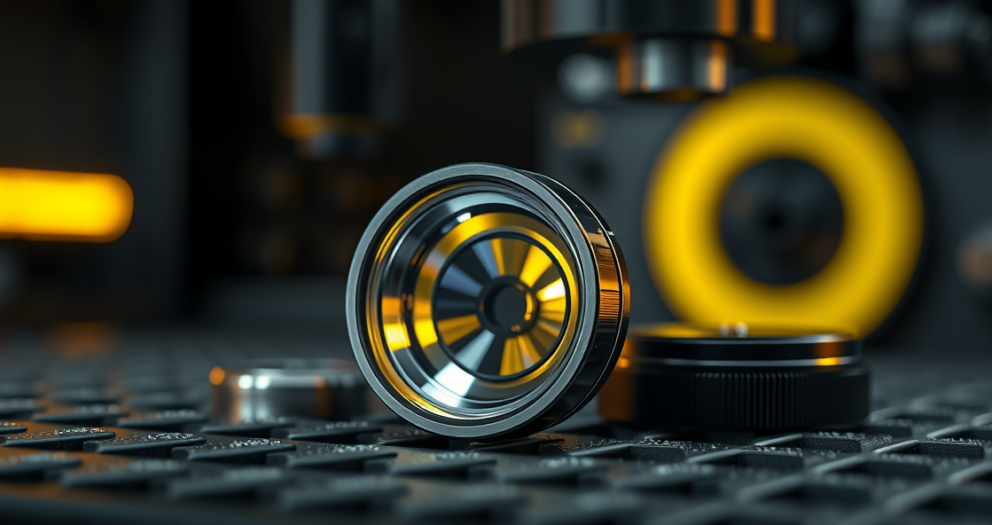
Optical components are the heart of a laser cutting system, responsible for guiding, shaping, and focusing the laser beam. High-quality collimating lenses are particularly critical. They take the divergent laser beam from the fiber and convert it into a parallel beam before it enters the focusing lens. This collimation is essential for maintaining beam quality and achieving precise cuts across various material thicknesses. Mirrors are used to redirect the beam along the optical path. Damage or contamination to these components can severely degrade beam quality and cutting performance.
Mechanical Parts (Nozzles, Bearings)
Mechanical parts ensure the physical movement and stability of the cutting head and other machine axes. Nozzles, specifically, are crucial for directing the assist gas and shaping the laser beam at the point of cut. Precision-engineered nozzles from brands like Raytools and Precitec ensure optimal gas flow and minimal beam interference. Bearings and guide rails facilitate smooth and accurate motion, essential for precise part fabrication. Wear in these components can lead to vibrations, inaccuracies, and inconsistent cut lines.
Electrical Components
The electrical system powers and controls every aspect of the laser cutting machine, from the laser source to the motors and sensors. This includes power supplies, control boards, cables, and various sensors that monitor machine operations. Malfunctions in electrical components can lead to system errors, reduced power output, or complete machine failure. Ensuring the integrity of these parts is vital for reliable and safe operation.
Consumables (Filters, Ceramic Rings)
Consumables are parts that are regularly replaced due to wear and tear during normal operation. This category includes air filters, water filters, and the ever-important ceramic ring for laser cutting machine. Filters prevent contaminants from entering critical systems, while laser ceramic ring components insulate the nozzle from the cutting head and play a key role in arc stability and cut quality. Timely replacement of these items prevents long-term damage and maintains consistent cutting performance.
Here’s a quick overview of key spare parts:
| Part | Function | Replacement Cycle |
|---|---|---|
| Collimating Lens | Converts divergent laser beam into a parallel beam | 6-12 months (or as needed based on inspection) |
| Focusing Lens | Focuses the collimated beam to a precise spot | 6-12 months (or as needed based on inspection) |
| Nozzle | Directs assist gas, shapes laser beam at cut point | Daily inspection, replace every 1-3 weeks (material/power dependent) |
| Ceramic ring for laser cutting machine | Insulates nozzle, stabilizes arc, maintains capacitance sensing | Every 1-3 months (or as needed based on inspection) |
| Protective Window | Shields internal optics from spatter and fumes | Every 1-4 weeks (or as needed based on contamination) |
| Air/Water Filters | Removes contaminants from cooling and assist gas systems | Every 3-6 months |
Types of Laser Cutting Consumables Explained
Consumables are critical for continuous and high-quality laser cutting operations. Understanding their function and knowing when to replace them is key to maximizing your machine’s uptime and output quality.
Nozzles (Single & Double)
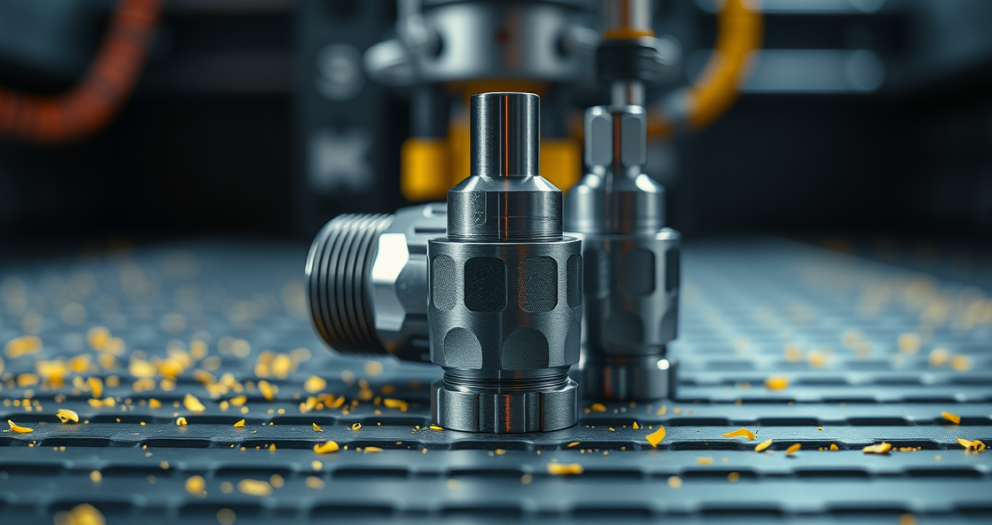
Nozzles are fundamental for directing the assist gas precisely to the cutting zone and shaping the laser beam as it exits the cutting head. The choice between a Single Nozzle and a Double Nozzle depends on the material type and thickness, as well as the desired cut quality. Single Nozzle designs are often used for general cutting, while a Double Nozzle, sometimes referred to as a Single & Double Nozzle system, provides additional gas guidance for specific applications like thick plate cutting or when higher pressure assist gas is required. Brands like Raytools and Precitec offer a range of precision nozzles designed for various cutting scenarios, ensuring optimal gas flow and stability at the cutting point. Regular inspection and replacement of these nozzles prevent issues such as burr formation and poor cut quality.
Ceramic rings
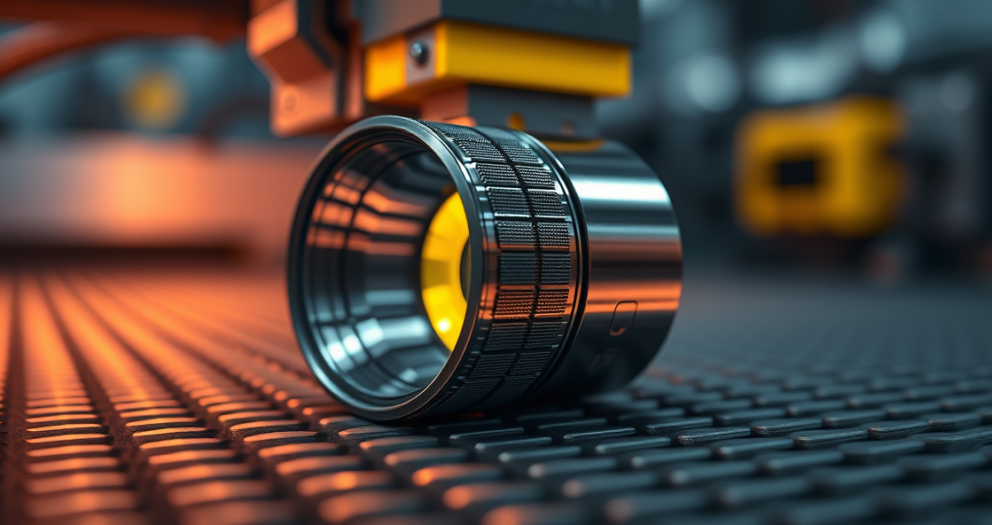
The ceramic ring for laser cutting machine is a vital component located within the cutting head, serving multiple critical functions. Primarily, it electrically insulates the nozzle from the cutting head, which is essential for the capacitance-based height sensing system. This system allows the cutting head to maintain a precise and consistent distance from the material surface, which is crucial for uniform cut quality. A high-quality fiber laser ceramic ring ensures stable arc formation during piercing and cutting, preventing material damage and prolonging the life of other components. Brands such as Raytools, OSPRI, and Precitec are known for producing reliable laser cutting machine ceramic ring. When the ceramic ring for laser cutting machine is damaged or worn, it can lead to inconsistent height sensing, poor arc stability, and ultimately, compromised cut quality. Regular inspection and replacement are paramount.
Lenses
Within the fiber laser cutting head, two primary types of lenses are critical: collimating lenses and focusing lenses. Collimating lenses are positioned directly after the fiber output and transform the divergent laser beam into a parallel beam. This parallelism is essential for efficient transmission through the optics and for the subsequent focusing lens to achieve a precise focal point. A high-quality collimating lens is crucial for maintaining the integrity of the laser beam, directly impacting cutting speed and edge quality. Focusing lenses then take this collimated beam and concentrate it into an extremely small, high-power spot on the material surface, enabling the cutting process. Both types of lenses, especially collimating lenses, must be kept meticulously clean and free from scratches or damage. Brands like Raytools, OSPRI, Precitec, and Fine Focus are recognized for their superior optical components, offering lenses that provide exceptional transmission and durability.
Signs Your Spare Parts Need Replacement
Proactive identification of worn or damaged spare parts is essential to prevent costly downtime and maintain production quality. Being observant of your machine’s performance and output can help you catch issues before they escalate.
- Poor Cutting Quality: This is often the first and most obvious sign. If you notice rough edges, increased taper, or incomplete cuts, it could indicate issues with your nozzle, a dirty or scratched collimating lens, or a failing ceramic ring for laser cutting machine.
- Burr Formation: Excessive burrs on the cut edges are a strong indicator of an improperly aligned or worn nozzle, insufficient assist gas pressure, or an incorrect focal point due to lens issues.
- Irregular Sparks: While some sparking is normal during laser cutting, irregular, excessive, or inconsistent sparks can point to problems with the nozzle, poor gas flow, or even issues with the grounding provided by the fiber laser ceramic ring.
- Inconsistent Piercing: If your machine struggles to pierce or produces inconsistent pierce holes, it could be a sign of a dirty protective window, a misaligned collimating lens, or a damaged nozzle.
- Reduced Cutting Speed: A noticeable drop in cutting speed for a given power level can often be attributed to a degraded laser beam due to dirty or damaged optics, including collimating lenses and focusing lenses.
- Warning Messages: Modern laser cutting machines often provide diagnostic warnings. Pay attention to messages related to gas pressure, sensor errors, or cooling system performance, as these can indirectly indicate consumable wear.
Featured Snippet:
What are signs of worn laser cutting parts?
Signs of worn laser cutting parts include poor cutting quality (rough edges, incomplete cuts), excessive burr formation, irregular sparks during cutting, inconsistent piercing, reduced cutting speed, and diagnostic warning messages from the machine’s control system. These often indicate issues with nozzles, collimating lenses, focusing lenses, or ceramic ring for laser cutting machine.
OEM vs Aftermarket Spare Parts
Choosing between OEM (Original Equipment Manufacturer) and aftermarket spare parts is a critical decision that impacts machine performance, longevity, and overall cost of ownership. While aftermarket parts may offer a lower upfront cost, the implications can be far-reaching.
| Feature | OEM Spare Parts | Aftermarket Spare Parts |
|---|---|---|
| Quality & Precision | Manufactured to exact original specifications, high-grade materials, stringent QC. | Varying quality, often lower-grade materials, less strict QC. |
| Performance Consistency | Guaranteed to perform optimally and consistently with the machine. | Performance can be inconsistent, potentially leading to varied cut quality. |
| Machine Compatibility | Perfect fit and seamless integration, designed for specific machine models. | May require modifications, or have poor fit, leading to wear on other parts. |
| Warranty & Support | Often comes with manufacturer’s warranty and dedicated technical support. | Limited or no warranty, less accessible technical support. |
| Lifespan | Engineered for maximum durability and longer service life. | Typically shorter lifespan, requiring more frequent replacements. |
| Cost | Higher initial cost, but lower long-term cost due to reliability and efficiency. | Lower initial cost, but higher long-term cost due to frequent replacement and potential machine damage. |
| Risk of Damage | Minimal risk of damaging other machine components. | Higher risk of causing wear or damage to critical machine components. |
For critical components like collimating lenses and the laser ceramic ring, opting for OEM or high-quality branded parts ensures that your laser cutting machine maintains its design specifications and continues to deliver optimal performance. The slight upfront investment translates into significant savings by minimizing downtime, extending machine life, and ensuring consistent, high-quality output.
How to Choose High-Quality Spare Parts Supplier
Selecting the right supplier for your laser cutting machine spare parts and consumables is as important as choosing the parts themselves. A reputable supplier ensures you receive genuine, high-quality components that will maximize your machine’s performance and longevity.
- Certifications and Standards: Look for suppliers who adhere to international quality standards (e.g., ISO certifications) and can provide genuine product certifications. This indicates a commitment to quality manufacturing and reliable supply chains.
- Brand Compatibility: Ensure the supplier offers parts compatible with leading laser cutting machine brands and components like Raytools, OSPRI, Precitec, and Fine Focus. A good supplier will stock or have access to original or officially certified parts for these well-known brands, including specialized collimating lenses and fiber laser ceramic ring.
- Technical Expertise and Support: A knowledgeable supplier provides more than just parts; they offer invaluable technical support. They should be able to advise you on the correct parts for your specific machine model and application, troubleshooting common issues, and guiding you through maintenance best practices.
- Inventory and Availability: Check if the supplier maintains a robust inventory of common and critical spare parts. Quick availability of components like Single Nozzle, Double Nozzle, and protective windows minimizes your machine’s downtime.
- Reputation and Reviews: Research the supplier’s reputation in the industry. Customer reviews, testimonials, and industry recognition can provide insights into their reliability, product quality, and customer service.
- Transparent Pricing and Warranty: A trustworthy supplier will offer transparent pricing and clear warranty policies for their products. Be wary of suppliers with unusually low prices or unclear return/warranty terms.
Maintenance Tips to Increase Machine Life
Regular and diligent maintenance is the cornerstone of extending your laser cutting machine’s lifespan and ensuring its continuous, high-performance operation. Proactive care for your machine and its consumables can prevent costly breakdowns and maintain optimal cutting quality.
- Cleaning Lenses Regularly: Optical components like collimating lenses and focusing lenses are highly susceptible to contamination from dust, smoke, and spatter. Regularly clean them with appropriate optical cleaning solutions and lint-free wipes, following manufacturer guidelines. Even minor smudges can degrade beam quality and lead to lens damage.
- Checking Nozzle Alignment: Ensure your nozzle is perfectly centered and properly aligned with the laser beam. Misalignment can lead to uneven cuts, excessive burring, and inefficient gas usage. Calibrate alignment frequently, especially after replacing a Single Nozzle or Double Nozzle.
- Replacing Consumables Regularly: Adhere strictly to the recommended replacement cycles for consumables such as protective windows, nozzles, and the ceramic ring for laser cutting machine. Even if they appear fine, their performance degrades over time, impacting cut quality and potentially damaging other parts.
- Monitor Cooling System: Ensure the chiller unit is functioning correctly, and the coolant is at the appropriate level and temperature. Dirty or insufficient coolant can lead to overheating of the laser source and optics, significantly reducing their lifespan.
- Clean Air Filters: Regularly inspect and clean or replace air filters in the machine and assist gas lines. Clean air prevents contaminants from settling on optics and entering the gas system, which is crucial for cutting quality.
- Lubricate Moving Parts: Keep guide rails and other mechanical moving parts properly lubricated to ensure smooth, precise motion and prevent premature wear.
Don’t wait for a breakdown to act. Book a Maintenance Consultation with our experts to optimize your machine’s performance and longevity!
Cost Optimization Strategy
Balancing quality with cost-effectiveness is vital for any manufacturing operation. Implementing smart strategies for spare parts and consumables can significantly optimize your overall operational costs without compromising on cutting quality or machine performance.
- Bulk Buying Genuine Consumables: When you identify frequently used consumables like nozzles, protective windows, and laser cutting machine ceramic ring, consider purchasing them in bulk from trusted suppliers. This often secures better pricing and ensures you always have essential parts on hand, minimizing downtime due to stock shortages.
- Implement Preventive Maintenance Schedules: Moving from reactive to proactive maintenance can save substantial costs. Regular inspections and scheduled replacement of parts, especially critical optical components like collimating lenses, prevent minor issues from escalating into major, expensive repairs. This reduces unexpected downtime and extends the life of costly components.
- Prioritize Using Genuine and Branded Consumables: While aftermarket options may seem cheaper upfront, genuine parts from reputable brands like Raytools, OSPRI, Precitec, and Fine Focus are designed for your machine and offer superior performance, durability, and compatibility. They reduce the risk of secondary damage to expensive machine components, leading to lower overall operational costs and higher quality output.
- Operator Training: Well-trained operators use the machine more efficiently, reduce errors, and are better at identifying early signs of wear and tear, preventing extensive damage. This minimizes material waste and extends the life of consumables.
- Energy Efficiency: Optimize cutting parameters to reduce energy consumption without sacrificing quality. A well-maintained machine with clean optics and precisely aligned components operates more efficiently, consuming less power per cut.
Applications & Industry Use Cases
Laser cutting technology, underpinned by reliable spare parts and consumables, is indispensable across a vast array of industries, demonstrating its versatility and precision in diverse applications.
- Automotive Industry: From cutting precise components for vehicle bodies to intricate parts for engine components and interior frameworks, fiber laser cutting offers the accuracy and speed required for high-volume production and prototyping.
- Sheet Metal Fabrication: This is perhaps the broadest application, covering everything from HVAC ducting and architectural elements to heavy machinery enclosures. Laser cutting enables complex shapes and tight tolerances in various metals, including stainless steel, aluminum, and mild steel.
- General Fabrication: Custom job shops and fabrication businesses rely on laser cutters for producing a wide range of products, from industrial equipment parts to decorative metalwork. The flexibility to cut different materials and thicknesses makes it a go-to technology.
- Aerospace Industry: The demand for lightweight, high-strength materials and extremely tight tolerances makes laser cutting ideal for aerospace components, where precision and material integrity are paramount.
- Electronics Industry: For cutting thin metal sheets for enclosures, heatsinks, and other electronic components, laser cutting provides clean, burr-free edges and intricate designs.
- Medical Device Manufacturing: The need for high precision and sterile processing environments often leads to the use of laser cutting for small, intricate medical instruments and implants.
FAQs
Q1: What is a collimating lens, and why is it important for fiber laser cutting?
A collimating lens is an optical component in a fiber laser cutting head that takes the divergent laser beam emitted from the fiber and converts it into a parallel beam. This parallel beam is then directed to the focusing lens. It’s crucial because it maintains the beam’s quality and ensures the focusing lens can create a precise and powerful focal point, directly impacting cutting accuracy, speed, and edge quality.
Q2: How often should I replace my laser cutting machine ceramic ring?
The replacement frequency for a laser cutting machine ceramic ring typically ranges from every 1 to 3 months, or as needed based on inspection. Factors like cutting power, material type, assist gas purity, and operating hours can influence its lifespan. Regular inspection for cracks, excessive carbon buildup, or damage is recommended to ensure consistent height sensing and arc stability.
Q3: Can using aftermarket Single & Double Nozzle impact my machine’s performance?
Yes, using low-quality aftermarket Single & Double Nozzle can significantly impact your machine’s performance. They may have incorrect dimensions, poor material quality, or inconsistent internal channels, leading to suboptimal assist gas flow, beam misalignment, excessive burr formation, and reduced cut quality. This can also put undue stress on other components.
Q4: What are the benefits of buying genuine fiber laser cutting consumables?
Genuine fiber laser cutting Consumbales offer several benefits: guaranteed compatibility, optimal performance, higher durability, longer lifespan, and often come with technical support and warranties. Brands like Raytools, OSPRI, Precitec, and Fine Focus ensure their consumables meet stringent quality standards, reducing downtime, improving cut quality, and lowering long-term operational costs.
Q5: How can I tell if my collimating lens is dirty or damaged?
Signs of a dirty or damaged collimating lens include a noticeable decrease in cutting power, inconsistent cut quality, increased burr, or a visible scattering of the laser beam. Upon inspection, you might see smudges, dust, or burn marks on the lens surface. It’s crucial to handle and inspect optics carefully and clean them with approved methods to avoid further damage.
Conclusion
The pursuit of precision and efficiency in laser cutting operations is an ongoing journey for metal fabricators and B2B laser cutting machine users. The integrity of your cutting process hinges significantly on the quality of your spare parts and consumables, with components like collimating lenses playing a pivotal role in beam accuracy and overall output quality. Investing in genuine, high-quality components from trusted brands such as Raytools, OSPRI, Precitec, and Fine Focus is not merely an expense; it is a strategic investment in your machine’s longevity, performance, and your business’s profitability.
By understanding the importance of each part, recognizing signs of wear, adopting proactive maintenance strategies, and choosing reputable suppliers, you can dramatically enhance your machine’s efficiency, optimize costs, and consistently achieve superior cutting results. Remember, a well-maintained machine equipped with premium consumables is the foundation for a thriving fabrication business.
- Request a Quote for genuine laser cutting spare parts and consumables.
- Talk to an Expert to discuss your specific machine needs and optimization strategies.
- Download Our Full Catalog to explore our extensive range of high-quality components, including collimating lenses at a special 20% discount!

Write a comment
Your email address will not be published. All fields are required