

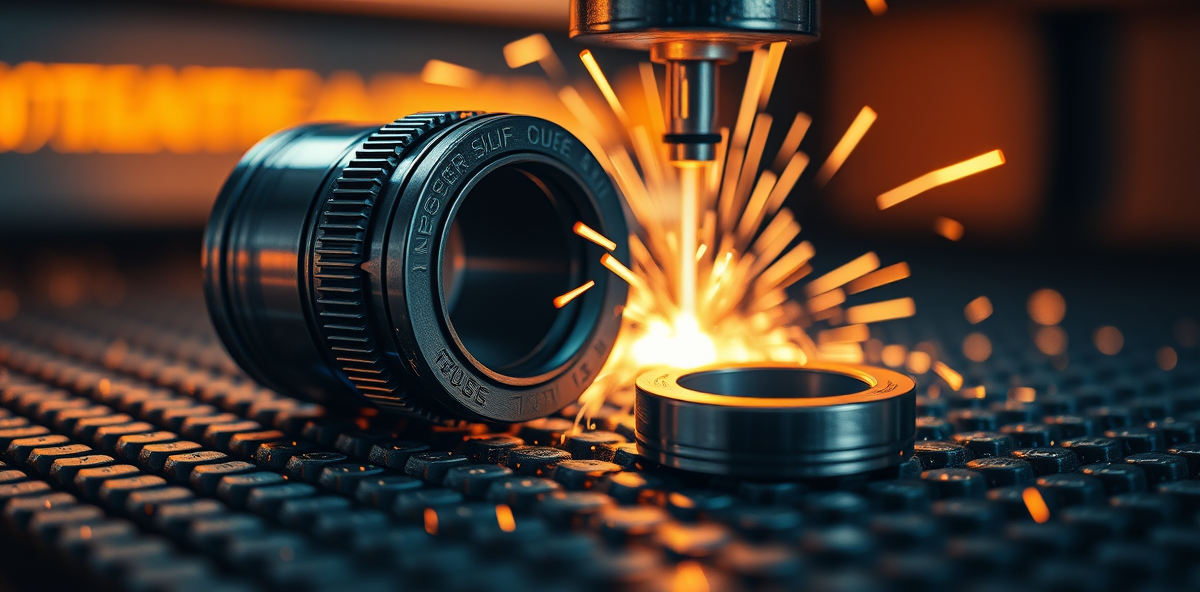
Eliminating Burr Formation in Laser Cutting: Causes, Fixes, and Essential Spare Parts
For any metal fabricator, the sight of a perfectly cut metal sheet, gleaming with precision, is a testament to quality craftsmanship. However, this ideal is often challenged by the persistent problem of burr formation in laser cutting. Burrs – those unwanted rough edges left after the cutting process – can significantly compromise part quality, increase post-processing time, and ultimately impact your bottom line. Downtime due to rework or machine issues is a costly affair, making the understanding and prevention of burrs critical for operational excellence.
This comprehensive guide delves into the root causes of burr in laser cutting, offering practical solutions and highlighting the indispensable role of high-quality spare parts and consumables. By addressing these issues proactively, you can enhance cutting precision, reduce waste, and extend the life of your valuable laser cutting machinery. Ready to optimize your laser cutting process? Download our Spare Parts Checklist today to ensure your machine always runs at peak performance.
Why Spare Parts & Consumables Matter in Laser Cutting
The efficiency and output quality of your laser cutting machine are intrinsically linked to the condition of its spare parts and consumables. These components are not mere accessories; they are the arteries and veins of your cutting system, directly influencing its performance, longevity, and the quality of every cut.
Impact on Performance
Worn-out or sub-standard parts can lead to a cascade of performance issues. For instance, a compromised lens can diffuse the laser beam, resulting in imprecise cuts and increased burr in laser cutting. Similarly, a clogged nozzle will disrupt assist gas flow, negatively affecting cutting speed and edge quality. Optimal performance hinges on every component working in harmony.
Cost of Low-Quality Parts
While cheaper aftermarket parts might seem appealing initially, they often prove to be more expensive in the long run. Poorly manufactured consumables wear out faster, necessitating frequent replacements and increasing operational costs. More importantly, they contribute to lower quality outputs, leading to increased rework, material waste, and potentially dissatisfied customers. Investing in quality from brands like Raytools, OSPRI, Precitec, and Fine Focus is a commitment to long-term savings and superior results.
Machine Efficiency
Genuine and high-quality spare parts ensure your machine operates at its designed efficiency. They reduce the risk of unexpected breakdowns, minimize downtime, and maintain consistent cutting speeds and quality. This translates directly into higher production throughput and a more reliable manufacturing process. When your machine runs efficiently, your entire operation benefits.
Complete Overview of Laser Cutting Machine Spare Parts
A laser cutting machine is a sophisticated system, a symphony of various interconnected parts, each playing a crucial role. Understanding these components is the first step toward effective maintenance and troubleshooting.
Optical Components
These parts are responsible for guiding, focusing, and delivering the laser beam to the workpiece. They are highly sensitive and require meticulous care.
- Focusing Lenses: Crucial for concentrating the laser beam into a fine point for precise cutting. Contamination or damage can significantly impair cutting quality and lead to burr formation.
- Protective Windows: Shield the focusing lens from spatter and fumes, preventing damage and prolonging the lens’s life.
- Mirrors (for CO2 lasers): Direct the laser beam along its path. Fiber lasers typically use optical fibers for beam delivery, reducing the need for traditional mirrors.
Mechanical Parts
These components facilitate the movement and positioning of the cutting head and workpiece.
- Nozzles: Direct the assist gas around the laser beam, playing a critical role in molten material ejection and cooling. Different applications require Single & Double Nozzle types.
- Bearings and Guide Rails: Ensure smooth and accurate movement of the gantry and cutting head, vital for cut precision.
- Gears and Belts: Part of the drive system that controls the motion of the cutting head.
Electrical Components
The brain and nervous system of the machine, responsible for power delivery, control, and communication.
- Laser Resonator/Source: Generates the laser beam (e.g., fiber laser source).
- Power Supply Units: Provide power to various machine components, including the laser source.
- Control System & Software: Interprets design files and directs the machine’s movements and laser firing.
- Sensors: Monitor various parameters like gas pressure, temperature, and collision detection.
Consumables
These parts are designed for regular replacement due to wear and tear, and their quality directly impacts ongoing operation.
- Nozzles: Essential for assist gas delivery and need frequent checking and replacement.
- Ceramic ring for laser cutting machine: Insulates the nozzle and carries the electrical signal for the auto-focus function.
- Protective Windows: Need regular inspection and replacement to protect the lens.
- Filters: For air, water, and fumes, ensuring clean operating conditions.
Spare Parts Overview Table
Here’s a quick overview of common spare parts, their function, and typical replacement cycles:
| Part | Function | Replacement Cycle |
|---|---|---|
| Focusing Lens | Focuses laser beam | 6-12 months (or as needed based on use/contamination) |
| Protective Window | Shields focusing lens | 1-3 months (or more frequently depending on cutting environment) |
| Single & Double Nozzle | Directs assist gas | Daily inspection, replace weekly/bi-weekly (or as needed) |
| Ceramic ring for laser cutting machine | Insulates nozzle, carries electrical signal | 3-6 months (or when showing wear) |
| Air/Water Filters | Ensures clean operational environment | 1-3 months (or as indicated by machine) |
Types of Laser Cutting Consumables Explained
Consumables are the lifeblood of continuous, high-quality laser cutting. Understanding their specific roles and ensuring their optimal condition is paramount for preventing issues like burr in laser cutting.
Nozzles (Single & Double)
Nozzles are perhaps the most frequently replaced consumable, and their choice significantly impacts cut quality. The primary function of a nozzle is to direct the assist gas (oxygen, nitrogen, or compressed air) around the laser beam, expelling molten material from the kerf.
- Single Nozzle: Typically used for oxygen cutting of mild steel. The wider orifice allows for a more aggressive oxygen flow, which reacts exothermically with the steel to achieve a fast, clean cut.
- Double Nozzle: Preferred for nitrogen cutting of stainless steel, aluminum, and other non-ferrous metals. The double cone design creates a focused, high-pressure gas stream that effectively removes molten material, resulting in dross-free, oxide-free cuts. This is crucial for avoiding burr in laser cutting when processing these materials.
Using the correct Single & Double Nozzle for the material and thickness, and ensuring it’s clean and undamaged, is vital. A worn or spatter-laden nozzle can lead to an unfocused assist gas stream, causing poor kerf quality and increased burr.
Ceramic ring for laser cutting machine
The ceramic ring for laser cutting machine (also known as a fiber laser ceramic ring or laser ceramic insulator) plays a critical role in the auto-focus system of many laser cutting heads, especially those from brands like Raytools, OSPRI, and Precitec. It acts as an electrical insulator between the nozzle and the cutting head body, enabling the capacitive height sensing system. This system detects the distance to the workpiece, allowing the machine to maintain a constant focal point for consistent cutting quality. A damaged or contaminated laser ceramic ring can lead to inaccurate height sensing, resulting in an improper focal position, which is a major contributor to burr in laser cutting and other cut quality issues.
Lenses
The focusing lens is arguably the most critical optical consumable. It precisely converges the laser beam into an intense cutting point. Lenses can be made from various materials, such as fused silica for fiber lasers. The integrity of the lens surface is paramount. Scratches, pitting, or contamination from fumes and spatter can scatter the laser beam, leading to a wider, less powerful cut and increased burr. Regular inspection and careful cleaning with appropriate solvents are essential for maintaining lens performance and extending its lifespan.
Signs Your Spare Parts Need Replacement
Ignoring the subtle cues from your laser cutting machine can lead to significant problems down the line. Early detection of worn parts can prevent major breakdowns, maintain cut quality, and save you from costly repairs.
Poor Cutting Quality
This is often the most immediate and noticeable sign. If your previously perfect cuts start exhibiting irregularities, it’s time to investigate. This could include:
- Rough or uneven edges: A clear indicator that the laser beam is not performing optimally.
- Excessive dross or slag: Material that solidifies on the underside of the cut, often due to insufficient assist gas pressure or an incorrect focal point.
- Inconsistent kerf width: The cut line is not uniform, suggesting issues with the beam or gas delivery.
Burr Formation
The presence of burr in laser cutting is a definitive sign of an issue, often related to worn consumables. Common causes linked to parts include:
- Worn or damaged nozzle: Impairs gas flow, leading to incomplete molten material ejection.
- Contaminated or misaligned lens: Diffuses the laser beam, reducing its cutting power.
- Faulty ceramic ring for laser cutting machine: Leads to incorrect focal height, preventing efficient material removal.
- Incorrect gas pressure or type: While not a part, it’s often overlooked and exacerbates issues with worn parts.
Irregular Sparks or Back-Spatter
Observe the sparks generated during cutting. They should be consistent and directed downwards. Irregular sparks, excessive back-spatter, or sparks that deviate from the expected pattern can indicate:
- Clogged or damaged nozzle: Blocking the gas flow and causing sparks to spray inconsistently.
- Incorrect focal position: The laser is not effectively vaporizing the material, leading to more spatter.
- Insufficient assist gas pressure: Material is not being cleared properly from the kerf.
What are signs of worn laser cutting parts?
Signs of worn laser cutting parts include:
- Increased burr in laser cutting and dross on cut edges.
- Rough, uneven, or discolored cut surfaces.
- Frequent errors or warnings on the machine control panel.
- Reduced cutting speed or increased power requirements for the same material.
- Visible damage or contamination on lenses and nozzles.
- Inconsistent sparks or excessive back-spatter during operation.
- Unusual noises or vibrations from the cutting head or motion system.
OEM vs Aftermarket Spare Parts
When it comes to replacing parts for your laser cutting machine, a crucial decision arises: should you opt for Original Equipment Manufacturer (OEM) parts or aftermarket alternatives? Both have their pros and cons, and understanding the differences is key to making an informed choice that balances cost and performance.
OEM Parts
OEM parts are manufactured by the original company that made your laser cutting machine or by their approved suppliers. They are designed to meet exact specifications and often carry the machine manufacturer’s brand. Brands like Raytools, OSPRI, Precitec, and Fine Focus produce high-quality OEM or OEM-compatible components for specific laser cutting systems.
- Pros: Guaranteed compatibility, highest quality standards, reliable performance, often come with warranties, maintains machine integrity.
- Cons: Generally higher cost.
Aftermarket Parts
Aftermarket parts are produced by companies other than the original manufacturer. They are designed to be compatible with a range of machines but may not always meet the same stringent quality control as OEM parts.
- Pros: Lower initial cost, wider availability.
- Cons: Variable quality, potential compatibility issues, may void machine warranty, shorter lifespan, can lead to increased burr in laser cutting and other quality defects.
OEM vs. Aftermarket Parts Comparison
| Feature | OEM Parts | Aftermarket Parts |
|---|---|---|
| Quality Assurance | Highest, factory-tested | Variable, often lower |
| Compatibility | Guaranteed perfect fit | May require modifications, fit issues possible |
| Performance | Optimal, consistent | Inconsistent, potential for reduced efficiency |
| Lifespan | Longer, more durable | Shorter, quicker wear |
| Warranty | Often included | Rarely included, may void machine warranty |
| Cost | Higher initial investment | Lower initial investment |
| Risk of Issues | Very Low | Moderate to High (e.g., increased burr, downtime) |
How to Choose High-Quality Spare Parts Supplier
Selecting the right supplier for your laser cutting machine spare parts is as crucial as choosing the parts themselves. A reliable supplier ensures you receive genuine, high-performance components that keep your operations running smoothly and minimize issues like burr in laser cutting.
Certifications and Quality Standards
Look for suppliers who adhere to international quality standards such as ISO 9001. This indicates a commitment to consistent quality management. Additionally, inquire about the certifications of the parts themselves. Reputable suppliers will provide documentation proving the authenticity and quality of their products. This is particularly important for critical components like focusing lenses and laser ceramic rings.
Brand Compatibility and Availability
Ensure the supplier offers parts specifically compatible with your laser cutting machine’s brand and model. For users of systems equipped with components from industry leaders like Raytools, OSPRI, Precitec, or Fine Focus, it’s essential to find a supplier stocking genuine or approved compatible parts from these reputable manufacturers. A good supplier will have a wide inventory, including various Single & Double Nozzle types and fiber laser ceramic rings, ensuring quick availability and reducing lead times.
Technical Support and Expertise
A superior supplier doesn’t just sell parts; they offer expert advice and support. Can they help you troubleshoot issues like recurring burr in laser cutting or advise on the correct Double Nozzle for a specific application? Do they offer installation guidance or maintenance tips? A supplier with in-depth technical knowledge about laser cutting technology and its components can be an invaluable partner in optimizing your machine’s performance and minimizing downtime.
Maintenance Tips to Increase Machine Life
Regular and meticulous maintenance is not just about fixing problems; it’s about preventing them. A well-maintained laser cutting machine not only performs better, reducing instances of burr in laser cutting, but also enjoys a significantly longer operational life, maximizing your investment.
Cleaning Lenses and Protective Windows
These optical components are extremely sensitive to dust, oil, and spatter. Even microscopic contaminants can absorb laser energy, leading to thermal lensing, beam distortion, and eventually lens damage. Use only specified optical cleaning solutions and lint-free wipes. Follow a strict cleaning schedule, inspecting daily and cleaning weekly or as needed, to ensure optimal beam quality and prevent burr in laser cutting.
Checking Nozzle Alignment and Condition
The nozzle must be perfectly centered with the laser beam. Misalignment can lead to uneven gas flow, a less effective assist gas shield, and increased spatter, all contributing to burr. Regularly check the nozzle for any signs of damage, deformation, or excessive spatter buildup. Replace worn nozzles promptly, making sure to use the correct Single & Double Nozzle for your material. For brands like Raytools and Precitec, specific nozzle designs are optimized for performance.
Replacing Consumables Regularly
Adhere to the manufacturer’s recommended replacement cycles for all consumables, including nozzles, protective windows, and the ceramic ring for laser cutting machine. While these might seem like minor expenses, delaying replacement can lead to cascading failures and significantly higher costs in repairs and lost productivity. Proactive replacement ensures consistent cutting quality and reliability. Book a Maintenance Consultation with our experts to develop a tailored maintenance plan for your laser cutting machine.
Cost Optimization Strategy
Maximizing the profitability of your laser cutting operations involves a strategic approach to cost management. This isn’t about cutting corners but rather implementing smart practices that reduce expenditure without compromising quality or efficiency.
Bulk Buying Genuine Consumables
Purchasing essential consumables like nozzles, protective windows, and fiber laser ceramic rings in bulk often unlocks significant cost savings. Suppliers frequently offer discounts for larger orders. This strategy also ensures you have a readily available stock, preventing costly downtime due to unexpected shortages. However, it’s crucial to still opt for genuine or high-quality compatible parts from trusted brands like Raytools, OSPRI, and Precitec to avoid quality degradation.
Implementing Preventive Maintenance Schedules
Preventive maintenance is one of the most effective ways to optimize costs. By regularly inspecting, cleaning, and replacing components before they fail, you avoid expensive emergency repairs, extensive downtime, and the production of scrap due to poor cutting quality (like excessive burr in laser cutting). A well-structured maintenance plan extends the lifespan of your machinery and ensures consistent output.
Using Genuine and Branded Consumables
While the initial cost of genuine consumables may be higher, their superior performance and longevity translate into lower overall operational costs. Genuine parts, especially Single & Double Nozzles and ceramic ring for laser cutting machine, from reputable brands like Fine Focus or the original equipment manufacturer, ensure consistent cut quality, minimize rework, and reduce the frequency of part replacement. This directly impacts your bottom line by reducing material waste and post-processing expenses.
Applications & Industry Use Cases
Laser cutting technology, particularly fiber laser cutting, has revolutionized precision manufacturing across a multitude of industries. Its ability to produce intricate designs with high accuracy and minimal waste makes it indispensable.
Automotive Industry
From cutting lightweight chassis components to intricate interior parts, laser cutting offers the precision and speed required by the automotive sector. It’s used for prototyping, small-batch production, and even large-scale manufacturing of components like exhaust systems, brake parts, and structural elements. The demand for clean, burr-free cuts is paramount here to ensure optimal fit and performance.
Sheet Metal Fabrication
This is arguably the largest application area for laser cutting. Fabricators use it for creating everything from custom enclosures and brackets to structural components for construction. The versatility of fiber laser cutting allows for efficient processing of various metal types and thicknesses, with minimal material distortion. Ensuring clean cuts without significant burr in laser cutting is crucial for reducing secondary finishing operations.
General Manufacturing and Industrial Equipment
Manufacturers of industrial machinery, agricultural equipment, and consumer goods rely on laser cutting for producing components ranging from machine frames and gear blanks to specialized tools. The ability to cut complex shapes quickly and repeatedly makes it ideal for both custom jobs and mass production.
FAQs
1. What causes burr in laser cutting?
Burr in laser cutting is primarily caused by insufficient assist gas pressure, incorrect focal position, worn or damaged nozzles (e.g., Single Nozzle or Double Nozzle), contaminated or misaligned lenses, incorrect cutting parameters for the material, and issues with the ceramic ring for laser cutting machine affecting auto-focus.
2. How can I reduce dross and burr in laser cutting?
To reduce dross and burr, ensure your focal point is correctly set, use adequate assist gas pressure and the appropriate gas type, regularly clean and inspect your nozzle and lens, use high-quality Single & Double Nozzles and fiber laser ceramic rings, and optimize your cutting speed and power settings for the specific material and thickness.
3. How often should I replace laser cutting consumables?
Replacement cycles vary by consumable. Nozzles might need daily inspection and weekly replacement, protective windows every 1-3 months, and the laser ceramic ring every 3-6 months. Always refer to your machine manufacturer’s guidelines and monitor part condition closely.
4. Why should I use genuine fiber laser cutting Consumables?
Genuine fiber laser cutting Consumables, such as those from Raytools, OSPRI, Precitec, or Fine Focus, ensure optimal performance, consistent cut quality, longer lifespan, and machine compatibility, ultimately leading to less downtime and lower overall operating costs compared to generic alternatives.
5. What is the role of the ceramic ring for laser cutting machine?
The ceramic ring for laser cutting machine serves as an electrical insulator, enabling the capacitive height sensing system of the laser head. This system detects the distance to the workpiece, allowing the machine to maintain a precise focal point for consistent and high-quality cutting, thereby preventing issues like excessive burr.
6. Can old spare parts affect my laser cutting speed?
Yes, absolutely. Worn or dirty lenses, damaged nozzles, or a faulty ceramic ring for laser cutting machine can all lead to a less efficient laser beam and inconsistent cutting. This forces operators to reduce cutting speeds to achieve acceptable quality, directly impacting your production throughput and overall machine efficiency.
Conclusion
Mastering laser cutting involves more than just owning advanced machinery; it demands a deep understanding of its intricacies, particularly the prevention of common issues like burr in laser cutting. By meticulously maintaining your equipment, recognizing the signs of wear, and, most importantly, investing in high-quality spare parts and fiber laser cutting Consumables from trusted brands like Raytools, OSPRI, Precitec, and Fine Focus, you can significantly enhance your cutting precision, extend machine life, and optimize operational costs.
Remember, genuine components are not an expense, but an investment in consistent quality and sustained productivity. Don’t let substandard parts compromise your work or your reputation. Take the proactive step towards peak performance.
Ready to upgrade your laser cutting experience? Request a Quote for genuine spare parts, Talk to an Expert for tailored advice, or Download Our Catalog to explore our extensive range of quality consumables.
Write a comment
Your email address will not be published. All fields are required