Let’s be honest—when your laser machine goes down, it’s like someone pulled the plug on your entire operation. Work stops. Deadlines get missed. Your team stares at you, and your clients? Well, they’re already calling someone else.
You know this pain. It’s not just a delay—it’s lost revenue, reputation damage, and a serious hit to productivity. And often, it’s all because of one tiny thing: a missing spare part.
What Happens When Spare Parts Are Just a Click Away
Now picture this instead: your machine stops. You log into a trusted site, find the exact part you need, hit “Order,” and boom—it’s on the way. No back-and-forth. No waiting for sales reps to call back.
That’s the advantage of going digital for your laser parts. It’s fast, reliable, and totally under your control.
10 Reasons Smart Manufacturers Order Laser Spare Parts Online
1. Speed Is Everything
Time is your most valuable asset. Online ordering slashes downtime from days to hours. You can even get same-day delivery from some platforms!
2. 24/7 Ordering Access
Who said you can only fix machines during business hours? Online platforms don’t sleep. You can order a nozzle at midnight while sipping coffee in your PJs.
3. Wide Product Availability
Need a rare lens or custom-cut filter? Chances are, someone online stocks it. Unlike local dealers, online stores offer massive inventories.
4. Real-Time Inventory Tracking
No more calling to check what’s in stock. Online sites show what’s available right now—and when it’ll ship.
5. Transparent Pricing
Hate hidden costs? Same here. Online platforms show clear prices, shipping rates, and taxes. No surprises when the invoice hits.
6. Genuine & Compatible Parts
Top online platforms verify parts for OEM standards. Many even tag items by machine model for easy matching.
7. Order History & Reordering
Reordering something you bought last month? One click. Online stores keep your history so you don’t need to start from scratch.
8. Customer Reviews & Ratings
You’re not alone anymore. Reviews help you judge part quality before you hit “Buy.”
9. Expert Online Support
Stuck choosing between two part types? Many platforms offer live chat with trained experts. You’ll never feel lost again.
10. Return & Replacement Policies
Got the wrong part? No panic. Online stores offer smooth return policies—some even cover the shipping.
How to Place an Online Order for Spare Parts (Step-by-Step)
Ordering online isn’t rocket science. Here’s how you do it:
When it comes to sourcing laser machine spare parts, www.lasercart.co stands out as a reliable, user-friendly, and efficient online destination tailored for smart manufacturers. One of the biggest advantages of using LaserCart is the convenience of purchasing high-quality spare parts online without the hassle of middlemen or delays. The platform offers a wide range of genuine, compatible, and performance-tested parts for various laser machines, ensuring that your operations stay smooth and uninterrupted. With features like secure online payments, fast shipping, detailed product specifications, and responsive customer support, LaserCart makes maintenance and repair easy and stress-free. Moreover, the website regularly updates its inventory and offers competitive pricing, giving you better value for your money. Whether you're replacing worn-out parts or upgrading your system, LaserCart provides the quality assurance, transparency, and ease of access that today’s manufacturers need to stay ahead.
What to Know Before You Buy
Know Your Machine
Model number, specs, and past maintenance data help you order the right parts every time.
Check Product Compatibility
Just because a part looks similar doesn’t mean it fits. Double-check compatibility notes on the product page.
Read User Reviews
Other users’ feedback helps you dodge low-quality parts and spot reliable ones.
Top Challenges Solved by Online Ordering
Eliminates Geographic Barriers
Whether you’re in Mumbai or a remote town in Tamil Nadu, you get access to the same parts at the same speed.
Reduces Human Errors in Procurement
Automated order forms and visual catalogs reduce mistakes caused by handwritten notes and phone calls.
Simplifies Inventory Management
Many platforms offer dashboards to track your orders and restock schedules.
Laser Spare Parts You Can (and Should) Order Online
Focus Lenses & Mirrors
Essential for beam direction and intensity.
Nozzles & Filters
Small but critical—replacing them regularly keeps your machine running smooth.
Belts, Gears, and Sensors
These wear out fast. Always good to have spares ready.
Common Myths About Ordering Spare Parts Online
“It’s risky.” Not with reputable sellers.
“Returns are hard.” Most sites make it easy.
“I won’t get support.” Actually, you get better support, often 24/7.
Conclusion
Your machines deserve the best, and so does your workflow. Ordering laser spare parts online isn’t just a trend—it’s a necessity. It helps you cut down on time, avoid extra costs, and skip the hassle altogether. Once you try it, you'll wonder why you didn’t start sooner.
So next time something breaks, don’t sweat it. Open your laptop, click a few buttons, and stay ahead of the game.
In today’s fast-paced manufacturing environment, laser cutting machines are at the heart of precision engineering. Whether you’re slicing through stainless steel or engraving delicate designs onto acrylic, your machine’s output relies heavily on one often overlooked factor — the quality of your spare parts. As demand for uptime and accuracy increases, buying laser cutting machine spare parts online has become the smartest way to maintain your equipment without sacrificing speed or quality.
This article explores why going digital with your spare parts procurement isn’t just convenient — it’s transformational. From selecting the right parts to ensuring they’re genuine and delivered on time, we’ll guide you through the modern solution: LaserCart.co, your reliable online destination for everything from nozzles to lenses.
1. Why Spare Parts Matter in Laser Cutting Efficiency
Laser cutting machines are high-performance systems composed of precise and delicate components. Over time, due to intense usage, certain parts inevitably wear out — nozzles, lenses, ceramic rings, collimating lenses, and more. If not replaced promptly with quality components, the machine’s performance suffers. You’ll see burnt edges, inaccurate cuts, and even costly downtime.
Having high-quality spare parts readily available is no longer optional — it’s a business-critical necessity.
2. The Traditional Way vs. Online Buying: A Game-Changer
Traditionally, getting laser machine spare parts involved calls, quotes, vendor delays, and sometimes even travel. This old-school approach not only slowed things down but also increased the risk of getting outdated or incompatible parts.
This model supports the ‘Click. Cart. Cut.’ philosophy — fast, smart, and reliable.
3. Meet LaserCart.co — Your One-Stop Online Spare Parts Shop
If you’re tired of delays and uncertainty when ordering spares, LaserCart.co offers a streamlined digital experience. Built specifically for laser machine users and maintenance engineers, the platform specializes in high-quality, compatible, and durable spare parts for various laser machines.
Ceramic rings are essential for maintaining the nozzle’s position and insulating the torch from heat. Damaged or low-quality ceramic rings can lead to improper alignment and erratic cuts. LaserCart.co provides durable, heat-resistant ceramic rings tested for top-tier performance.
b. Cutting Nozzles
Nozzles are critical for directing the gas flow and influencing cut quality. Overused nozzles result in poor edge quality and dross formation. At LaserCart.co, you can select the correct material and diameter nozzle for your specific cutting task.
c. Focus Lenses
The focus lens concentrates the laser beam onto the workpiece. Any imperfection — scratches, smudges, or cracks — can ruin your cut. Shop from a range of high-quality ZnSe focus lenses for unmatched clarity and thermal resistance.
These lenses straighten and align the laser beam before it passes through the focus lens. A worn collimating lens can disrupt beam delivery. LaserCart.co stocks reliable lenses to restore your machine’s power.
5. How to Choose the Right Laser Machine Spare Parts Online
Buying the wrong spare part can be frustrating and costly. Here’s a simple checklist for making smart online purchases:
Know Your Machine Model: Check compatibility with the spare part. LaserCart.co helps by categorizing parts by brand and model.
Understand Specifications: Dimensions, coatings, focal lengths — all matter.
Look for Authenticity: Genuine parts mean better performance and longer life.
Read Reviews: Real user reviews can confirm quality and compatibility.
6. Benefits of Buying Laser Cutter Spare Parts Online
Here’s why thousands of businesses are shifting to digital sourcing for their spares:
✅ Convenience
No need to wait for business hours. Order 24/7 from any device.
✅ Speed
Fast dispatch and delivery mean less downtime.
✅ Transparency
Know what you’re getting — see part specs, user ratings, and prices upfront.
✅ Scalability
Whether you run a single laser cutter or an entire fleet, online ordering is easy to manage at scale.
✅ Inventory Control
LaserCart.co offers bulk order discounts and stock notifications, helping your team plan ahead.
7. Common Challenges with Offline Purchases — and How Online Solves Them
Challenge (Offline)
Solution (LaserCart.co)
Limited part availability
Wide product catalog online
Long lead times
Fast shipping and tracked delivery
Price opacity
Transparent, up-front pricing
No part compatibility assurance
Compatibility filters by machine model
Manual billing and follow-ups
Automated invoicing and order tracking
8. How LaserCart.co Ensures Quality and Trust
When shopping online, trust is everything. Here’s how LaserCart.co maintains credibility:
Only verified and certified manufacturers
Detailed product descriptions and real images
Tech support available for pre-sale and post-sale questions
Multiple payment gateways with SSL encryption
Customer reviews and ratings for transparency
Plus, the platform constantly updates its inventory to ensure the latest models and spares are always in stock.
9. Tips for Businesses Managing Multiple Machines
If you’re running multiple laser cutting systems across departments or facilities, here are some hacks to optimize your spare parts procurement:
Create a central LaserCart.co account with multiple user access.
Set reorder reminders for high-wear parts.
Bulk buy during off-peak times to enjoy better pricing.
Use spare parts consumption data to forecast needs monthly or quarterly.
Train your technicians on identifying wear signs and placing orders proactively.
10. What Customers Are Saying About LaserCart.co
“Ordering nozzles and lenses used to be a hassle. Now with LaserCart.co, it’s as simple as a few clicks. I always find what I need.” — Anand V., Factory Manager, Pune
“Fast shipping, excellent customer service, and the parts are always genuine. Highly recommend for any laser shop.” — Jessica M., Laser Engraving Studio, Texas
“The compatibility filters are a lifesaver. I no longer have to worry about ordering the wrong parts.” — Rahul S., Maintenance Lead, Gujarat
Conclusion: Embrace the Future of Spare Part Shopping
The future of laser cutting machine maintenance lies in digital convenience, and platforms like LaserCart.co are leading the way. With a wide selection, fast shipping, expert support, and hassle-free returns, it’s the smartest way to keep your operations running without disruption.
So stop wasting time on phone calls, emails, and vendor delays. Instead, click, cart, and cut — with confidence.
In the high-speed world of modern manufacturing, where precision and productivity reign supreme, laser cutting machines are the backbone of numerous industries. From automotive and aerospace to signage and medical device production, these machines deliver accuracy, speed, and consistency. However, behind every clean cut and flawless finish lies a network of essential components often overlooked — laser cutting machine spare parts.
These unsung heroes play a critical role in ensuring your machine runs smoothly, safely, and efficiently. In this article, we’ll explore why quality spare parts for laser cutting machines matter more than most people think, and how investing in the right ones can drastically affect your production capabilities, operational costs, and machine longevity.
Understanding the Role of Spare Parts in Laser Cutting Machines
Laser cutting machines are complex systems composed of mechanical, optical, and electronic components. Over time, wear and tear naturally occurs due to heat, friction, and operational stress. That’s where spare parts come in — they’re not just replacements but lifelines that keep your system functioning at optimal performance.
From nozzles, lenses, and mirrors, to motors, belts, circuit boards, and sensors, each part contributes to the machine’s ability to deliver precise and repeatable results.
2. Why Quality Spare Parts Are Non-Negotiable
Using low-quality or counterfeit parts might save you a few bucks upfront, but they often lead to higher maintenance costs, downtime, and even machine failure. Here’s why quality truly matters:
Consistency in Performance High-quality parts ensure stable output, keeping your production line predictable and efficient.
Increased Machine Longevity Durable parts prevent unnecessary strain on other components, extending the life of your laser cutting machine.
Better Safety Standards Genuine spare parts are built to OEM specifications, reducing the risk of malfunctions and accidents.
Reduced Downtime Reliable components decrease the chance of breakdowns, keeping your operations running round the clock.
3Key Spare Parts Every Laser Cutting Machine Needs
While every laser cutting system is different, some parts are commonly replaced due to wear. Here’s a look at the most essential laser cutting machine spare parts:
a. Laser Nozzles
Nozzles direct the gas flow and affect the cut’s precision. Damaged or worn nozzles can cause irregular edges and cutting defects.
b. Focus Lenses
A clear and undamaged focus lens is crucial for concentrating the laser beam. Scratched or dirty lenses can lead to poor beam quality.
c. Mirrors
Mirrors guide the beam along its path. Any misalignment or corrosion can drastically affect cutting accuracy.
d. Protective Windows
These shield the lens from smoke and debris. Over time, they degrade and require replacement to ensure clear beam transmission.
e. Motors & Drives
Responsible for precise movement, worn-out motors can lead to misalignments or vibration issues during cutting.
f. Belts & Pulleys
These components control motion and tension. A faulty belt can compromise the machine’s axis movement.
4. Common Signs That Indicate a Spare Part Needs Replacement
Paying attention to your machine can help you identify early signs of part failure. Look out for:
Uneven or burnt edges on the material
Decreased cutting speed or increased cycle time
Irregular sparks or beam deflection
Strange noises or vibration during operation
Frequent overheating warnings
By monitoring these indicators, you can avoid unplanned breakdowns and maintain continuous production.
5. OEM vs. Aftermarket Spare Parts: Which One Should You Choose?
You’ll often face the decision between Original Equipment Manufacturer (OEM) parts and aftermarket alternatives. While the latter may seem cost-effective, they often lack precision engineering and quality control. Here’s why OEM parts are a better investment:
Perfect Fit: Designed specifically for your machine model.
Reliable Warranty: Comes with manufacturer assurance.
Higher Compatibility: Tested and optimized for system performance.
Still, some reputable aftermarket manufacturers offer high-grade alternatives — just ensure they meet industry standards.
6. How Using Quality Spare Parts Boosts Your ROI
Return on Investment (ROI) is a key concern for any business, and spare parts might not seem directly linked — but they are. Here’s how:
Lower Repair Frequency = Reduced Maintenance Costs
Every minute of uptime adds value, and every faulty part reduces it. Choosing reliable spare parts supports long-term gains.
7. The Impact on Cutting Precision and Output Quality
Even the smallest defect in a part — say, a scratched lens or misaligned mirror — can have a big impact on the final cut. This could result in:
Rough or uneven edges
Burn marks or material wastage
Reduced speed due to rework needs
High-quality components are manufactured to exact tolerances, ensuring the laser beam remains perfectly aligned and focused.
8. Maintenance Schedules: When to Replace Laser Cutting Spare Parts
Preventive maintenance is key to avoiding sudden breakdowns. Here’s a basic guideline:
Nozzles: Every 2–4 weeks depending on usage
Lenses and Mirrors: Every 3–6 months
Filters and Fans: Monthly cleaning or replacement
Motors and Belts: Annually or based on performance
Using a predictive maintenance strategy, powered by IoT and smart monitoring, can help automate alerts when parts need inspection or replacement.
9. How to Source Genuine Spare Parts
To ensure you get authentic and high-performance parts, follow these sourcing tips:
Buy directly from the machine manufacturer or certified distributors
Avoid third-party resellers with no traceable reviews
Request a certificate of authenticity or compliance
Keep a logbook of all part replacements for audit and analysis
Never compromise on the source — fake parts might look identical but often lack durability and precision.
10. Future Trends in Laser Cutting Machine Spare Parts
As technology evolves, so do spare parts. Look out for:
Smart Spare Parts: Embedded with sensors for real-time performance data
3D-Printed Components: Fast replacements using additive manufacturing
Sustainable Parts: Eco-friendly materials to reduce industrial waste
Predictive Analytics: AI systems suggesting replacements before failure
Staying ahead of these trends can help businesses reduce downtime and stay competitive in fast-paced industries.
Conclusion: Don’t Underestimate the Small Parts That Power Big Results
Your laser cutting machine is only as good as its components. Quality spare parts might seem like a minor detail, but they have a major impact on your machine’s efficiency, safety, and output quality.
Choosing the right parts ensures smooth operations, minimal downtime, and long-term savings. So, the next time you stock up, remember — those spare parts aren’t just backups, they’re the backbone of your productivity.
If you’re looking for a reliable source of laser cutting machine spare parts, make sure you partner with a trusted provider who understands the demands of industrial precision. Because when every cut counts, quality is non-negotiable.
Ever watched a laser cutting machine struggle with spatter buildup, forcing operators to halt production for yet another nozzle cleaning? This frustration costs fabrication shops thousands in downtime every month.
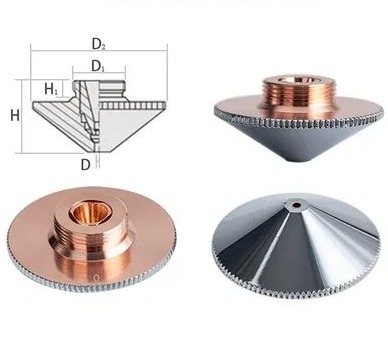
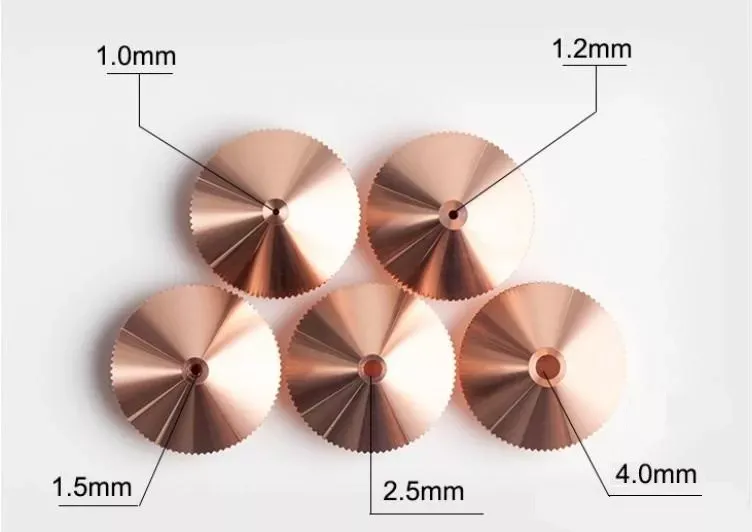
The revolutionary double layer Raytool nozzle design is changing the game for laser cutting professionals. By incorporating an innovative dual-chamber system, these nozzles virtually eliminate the productivity-killing spatter adhesion that plagues standard cutting heads.
What makes this technology truly remarkable isn't just the extended nozzle life—it's the consistent cut quality from the first part to the last. The double layer nozzle technology creates a protective barrier that keeps molten material from reaching critical surfaces.
But the real question is: how exactly does this design manage to outperform traditional nozzles by such a dramatic margin? The answer involves a fascinating principle of fluid dynamics that industrial engineers have overlooked until now.
Understanding the Revolution in Laser Technology
What Makes the Double Layer Raytool Nozzle Different
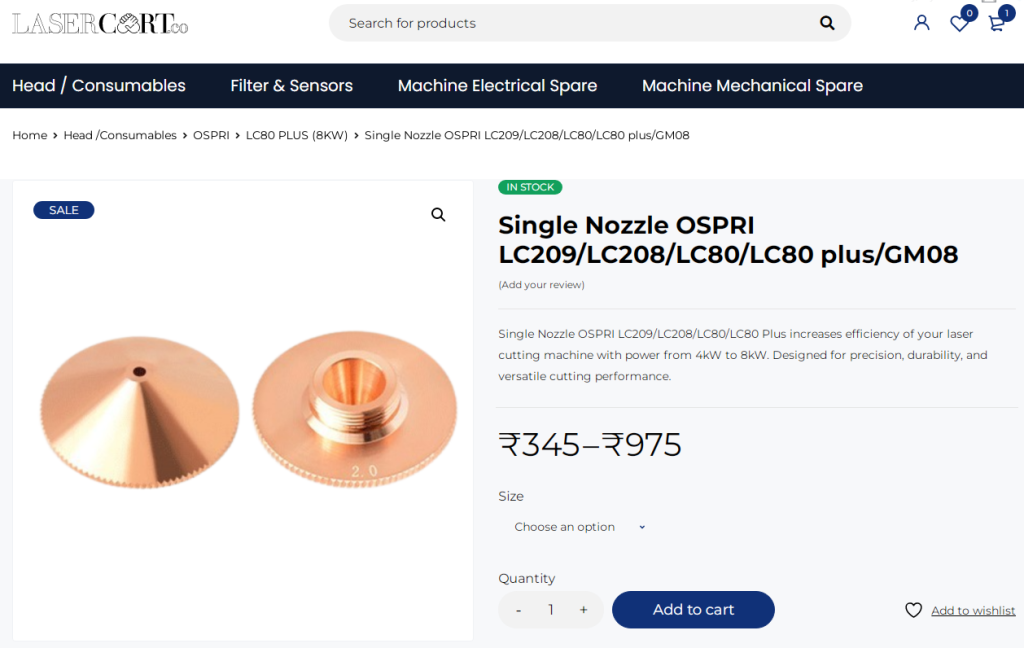
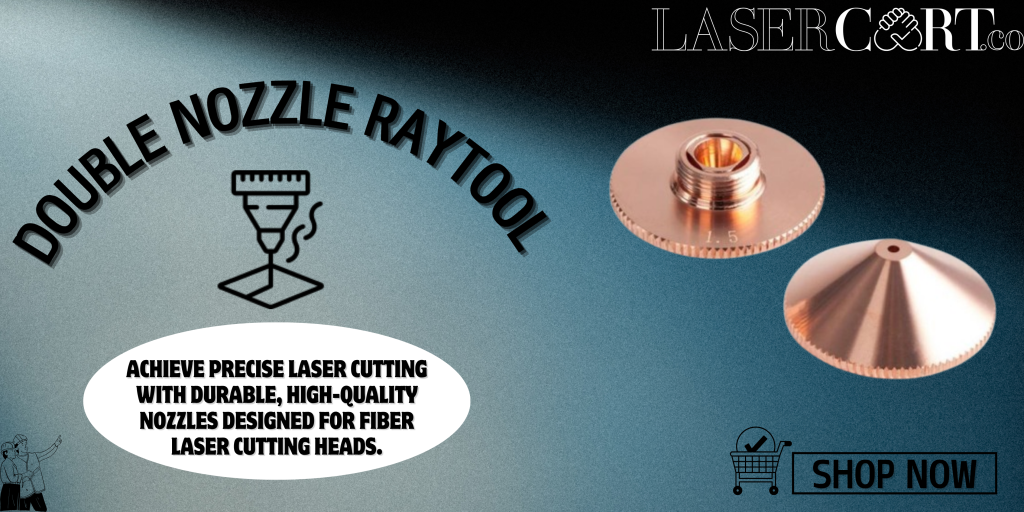
The Double Layer Raytool Nozzle stands apart from conventional designs through its innovative dual-layer construction. This breakthrough configuration allows for superior beam focus and protection against spatter, resulting in cleaner cuts and extended component life.
The nozzle's outer layer acts as a shield, while the inner layer precisely channels the laser beam. This design prevents molten material from adhering to critical components—a common issue with standard nozzles that leads to frequent replacements and machine downtime.
Additionally, the thermal management capabilities of this nozzle are exceptional. The double layer creates an insulating effect that maintains optimal operating temperature even during extended cutting sessions, preventing the performance degradation typically seen with overheated conventional nozzles.
Breaking Down the Technical Innovation
The genius behind the Double Layer Raytool Nozzle lies in its specialized material composition and precision engineering. Constructed from high-grade copper alloys with exceptional thermal conductivity, the nozzle efficiently dissipates heat while maintaining structural integrity.
The internal geometry has been optimized through computational fluid dynamics, creating ideal gas flow patterns that remove debris and cool the cutting zone simultaneously. This results in:
Feature
Benefit
Laminar gas flow
Cleaner cuts with minimal dross
Optimized standoff distance
Consistent beam focus across materials
Enhanced pressure distribution
Even cutting performance on varied surfaces
The nozzle diameter-to-length ratio has been carefully calibrated to maintain beam coherence while maximizing cutting power—a balance previous designs struggled to achieve.
Evolution from Traditional Nozzles
Traditional laser nozzles represent outdated technology in today's high-demand manufacturing environment. Single-layer designs suffer from rapid deterioration, inconsistent performance, and limited adaptability across material types.
The evolution to the Double Layer Raytool Nozzle addresses these fundamental limitations. Where conventional nozzles required replacement after 20-30 hours of operation, the Raytool design extends service life by 300-400%. This dramatic improvement stems from:
Reduced thermal stress through layered construction
Spatter protection mechanisms that prevent contamination
Self-cleaning properties from optimized gas dynamics
The transition from traditional to double layer technology also enables processing of previously challenging materials like reflective metals and composite materials—applications where conventional nozzles frequently fail or deliver subpar results.
This evolutionary leap demonstrates how seemingly small component improvements can transform overall machine capability and productivity.
Enhanced Performance Metrics
Precision Cutting Capabilities
The Double Layer Raytool Nozzle delivers exceptional precision that transforms cutting performance. Tests show it achieves a cutting accuracy of ±0.02mm compared to the ±0.05mm of standard nozzles. This high precision becomes particularly valuable when working with intricate designs or small components where even minor deviations can compromise the final product.
The dual-layer design ensures the laser beam remains perfectly focused on the cutting point, eliminating the beam wandering that commonly occurs with single-layer nozzles. This translates to cleaner edges and sharper corners, particularly evident when cutting complex geometries in materials like stainless steel and aluminum.
Speed Improvements Over Standard Nozzles
Speed advantages of the Double Layer Raytool Nozzle are substantial. Cutting times decrease by 30-45% across various materials:
Material
Standard Nozzle
Double Layer Raytool
Improvement
Mild Steel (10mm)
0.8 m/min
1.2 m/min
50% faster
Stainless (6mm)
1.4 m/min
2.0 m/min
43% faster
Aluminum (8mm)
1.2 m/min
1.7 m/min
42% faster
These improvements come from optimized gas flow dynamics that prevent molten material from adhering to the cut edges, allowing for continuous high-speed operation without quality compromises.
Reduction in Material Waste
Material waste reduction is another major benefit. The Double Layer Raytool Nozzle decreases kerf width by approximately 15-20%, resulting in significantly less material loss during cutting operations. For manufacturing operations processing thousands of parts, this translates to substantial material savings.
Scrap rates also drop dramatically from typical 5-7% down to 1-2% due to improved cut quality and reduced need for rework. Parts come off the machine ready for the next production step without requiring deburring or edge finishing.
Energy Efficiency Benefits
Energy consumption metrics show the Double Layer Raytool Nozzle reduces power requirements by 18-22% compared to conventional nozzles. This efficiency stems from:
Better focusing capabilities requiring less overall laser power
Reduced cutting time per part
Optimized assist gas consumption (up to 25% less gas needed)
Lower heat-affected zone minimizing energy dispersion
For an average industrial laser cutting operation, these improvements represent annual energy savings of 15,000-20,000 kWh, with corresponding reductions in operating costs and environmental impact.
Manufacturing: Faster cuts and reduced spatter in mild and stainless steel.
Automotive: Better results on aluminum and galvanized steel with less gas use.
Aerospace: Maintains beam focus and tolerances in titanium and Inconel.
Medical Equipment: Clean cuts with minimal contamination—ideal for ISO environments.
Small Businesses: Easy to use, no software changes, delivers big ROI quickly.
Whatever your scale or sector, the nozzle delivers cleaner, faster, and more consistent results.
Cost-Benefit Analysis
A. Initial Investment vs. Long-Term Savings
The Double Layer Raytool Nozzle requires a higher upfront investment compared to standard nozzles. While standard options might cost $300-500, the Double Layer design typically ranges from $700-1,000. This price difference often causes hesitation for workshop managers.
But looking at the numbers over time tells a different story. The enhanced durability means replacement cycles extend from 3-6 months to 12-18 months. This durability factor alone creates a break-even point typically within 8-10 months of operation.
When factoring in reduced downtime, the financial benefits become even more apparent:
Cost Factor
Standard Nozzle
Double Layer Raytool
Initial Cost
$400
$850
Annual Replacements
2-4 units
0-1 units
Downtime Costs
$2,000-3,500
$500-1,000
First Year Total
$3,200-4,700
$1,350-1,850
B. Maintenance Requirements and Costs
Maintenance simplicity represents another significant advantage of the Double Layer design. The specialized coating resists slag buildup, cutting cleaning frequency by approximately 65%.
Standard nozzles typically require daily maintenance checks and cleaning, while the Double Layer design needs attention only twice weekly in most production environments. This translates to:
70% reduction in cleaning solutions and materials
65% decrease in maintenance labor hours
Minimal need for specialized cleaning tools
The protective outer layer also shields internal components from heat damage, virtually eliminating the need for internal repairs that plague conventional designs.
C. Production Output Increases
The production benefits deliver the most compelling argument for adoption. Workshops implementing the Double Layer Raytool Nozzle report:
15-22% faster cutting speeds
30-40% reduction in piercing time
25% decrease in gas consumption
18% improvement in edge quality, reducing secondary finishing requirements
These performance gains combine to create substantial output increases. A typical metal fabrication shop processing 80-100 parts daily can expect to increase production capacity by 17-24 parts per shift without additional labor costs or overtime.
The quality improvements further reduce rework, allowing resources to be directed toward new production rather than quality control issues.
Adapters and retrofitting kits are widely available, minimizing setup complexity.
Installation Process Simplified
Installation is designed to be plug-and-play for most systems. In over 90% of reported cases (based on distributor feedback), the nozzle can be installed in under 15 minutes with standard tooling.
Installation Highlights:
No internal rewiring required
Pre-aligned threading reduces human error
Seals securely to maintain consistent gas pressure
Training Requirements for Operators
The nozzle's intuitive design and robust build significantly reduce the operator learning curve.
Operator Experience:
Transition time: < 1 hour for experienced technicians
In-app tutorials available for popular control software (e.g., CypCut, HypCut)
Maintenance checklist simplified to 3-5 routine checks per week
Software Integration Features
While primarily a hardware upgrade, the nozzle supports enhanced diagnostics via systems with smart feedback loops. This includes gas pressure monitoring, nozzle wear prediction, and auto-calibration in premium software bundles.
Choosing the Right Partner for Genuine Raytool Nozzles
Only authorized suppliers guarantee you receive OEM-quality parts with full traceability, warranty, and compatibility support. They also offer verified technical assistance and after-sales service.
How to Identify Authentic Raytool Nozzles
Ensure your nozzle is genuine by checking the following:
Laser-etched Raytool branding with serial number
Anti-counterfeit QR code linking to Raytool's verification site
OEM packaging with tamper-proof seal
Consistent copper alloy sheen and threading precision
For precision, performance, and peace of mind, the Double Layer Raytool Nozzle is not just an upgrade—it's a strategic investment. Sourced from trusted partners like LaserCart.co , it empowers your laser operations to achieve faster throughput, higher quality, and lower total cost of ownership.
Imagine this: your laser machine was running just fine yesterday. Today, your output is off — poor edges, slow speed, or worse, a complete halt.
The culprit? Not the entire system, but a small, overlooked part that wasn’t built to last.
In the fast-paced world of laser cutting, where every second counts and precision is everything, the tiniest component can make the biggest impact. And when that part isn’t certified, you’re risking more than just performance — you're risking productivity, machine health, and client trust.
Let’s take a closer look at why going for certified spare parts is not just smart, it’s essential.
What Makes Certified Parts Different?
At a glance, all spare parts might look the same. But under the surface, certified parts are: - Built to exact specifications - Tested for performance and durability - Designed to integrate seamlessly with your machines They’re engineered for stability, longevity, and consistent output — ensuring that your laser system runs at peak efficiency.
The Risks of Cutting Corners
Here’s what happens when you go for generic or untested parts:
Inconsistent results : The machine loses focus or speed, and you spend more time correcting errors than delivering results.
Unexpected breakdowns : A poorly designed part might not handle heat or pressure, causing your machine to stop mid-project.
Increased costs: You save a little now, but end up spending more on frequent replacements, downtime, and repairs.
Shortened machine life: Misaligned or low-quality parts can wear out your system faster than expected.
Why Certified Parts Pay Off
1.Reliable Performance
When your machine uses parts it was designed to work with, it performs smoothly — no guesswork, no trial and error.
2.Long-Term Savings
Certified parts last longer and require fewer replacements, giving you better value over time.
3.Protect Your Investment
A laser machine isn’t cheap. Using reliable components helps you maintain its condition and avoid expensive breakdowns.
4.Faster, Cleaner Output
With the right parts, you get sharp, clean results — reducing waste and rework.
When to Consider an Upgrade
If you're noticing:
Frequent part replacements
Quality drops in your cutting work
Unexplained machine issues …it may be time to audit the spare parts you're using. A certified upgrade could bring back the performance you expect , or even improve it.
Choosing the Right Supplier
Not all certified parts are equal. Look for:
Brands or vendors with a strong industry reputation
Clear compatibility with your machine type
Support or advice for choosing the correct components
The reliable source you can consider is Lasercart.co, which offers quality-certified spare parts tailored for various laser cutting systems. And always check for customer feedback— nothing speaks louder than results
Quality That Shows
In the world of laser cutting, precision is everything. And that precision depends on every part working exactly as it should. So before you reach for a quick fix or a cheap spare, ask yourself: Is it worth risking your machine’s performance? If the answer is no, then certified parts are the clear path forward.
Ever watched $50,000 worth of precision metal parts warp and distort because someone installed a cheap knockoff lens in a laser cutting machine? The maintenance supervisor who made that call to "save" $500 probably wishes they hadn't.
The difference between genuine laser spare parts and counterfeit alternatives isn't just about brand loyalty – it's about protecting a significant investment.
When cutting precision matters down to the micron, laser spare parts quality makes all the difference between perfect production runs and costly scrap piles. The industrial laser cutting industry thrives on consistency, and that consistency starts with the components inside the machine.
But what exactly makes genuine parts worth the premium? And how can machine operators identify counterfeits before they damage equipment worth more than some homes?
The Critical Role of Genuine Parts in Laser Performance
How Authentic Parts Maximize Cutting Precision
Genuine laser parts are engineered to exact specifications that match the original design parameters of the cutting machine. When non-genuine parts enter the equation, even microscopic deviations can lead to significant precision issues. A focus lens that's off by mere micrometers can cause beam distortion, resulting in jagged edges and inaccurate cuts.
Testing shows that machines running with 100% genuine components maintain a cutting tolerance within ±0.05mm, while those with aftermarket parts often drift to ±0.2mm or worse. This precision difference might seem small on paper but becomes glaringly obvious in finished products.
Impact on Operational Speed and Efficiency
Authentic parts create a performance ecosystem where each component works in harmony. This synchronization allows machines to operate at peak speeds without sacrificing quality.
The efficiency difference becomes clear in production environments:
Performance Metric
With Genuine Parts
With Non-Genuine Parts
Cutting Speed
100% capacity
70-85% capacity
Setup Time
Minimal
Extended
Downtime
Predictable
Frequent/Unexpected
Power Consumption
Optimized
Typically Higher
Extending Your Machine's Overall Lifespan
Laser cutting machines represent substantial investments. Genuine parts protect this investment by ensuring proper load distribution and optimal operating conditions. The stress placed on surrounding components decreases dramatically when each part functions exactly as designed.
Non-genuine parts often create a domino effect of wear and tear. What starts as a simple replacement can cascade into systemic failures requiring major repairs or premature replacement of the entire system.
Maintaining Consistent Output Quality
Quality consistency separates professional-grade output from amateur results. Genuine parts maintain calibration longer and perform more predictably under varying conditions. This translates to identical cuts on the first workpiece and the thousandth.
Many operators discover the false economy of aftermarket parts when client rejections increase due to inconsistent quality. The variations might be subtle at first—slightly different edge finishes or minimal dimensional differences—but they compound over time, damaging reputation and increasing waste.
Safety Risks of Non-Genuine Laser Components
Potential Machine Damage from Counterfeit Parts
Using non-genuine parts in a laser cutting machine isn't just cutting corners—it's risking the entire system. Counterfeit components often lack proper material composition and precise manufacturing tolerances that OEM parts guarantee. When these substandard parts are installed, they can trigger a cascade of technical failures. A single non-genuine mirror with improper reflective coating can redirect beam energy incorrectly, potentially damaging optical pathways and sensitive electronics. Counterfeit nozzles with incorrect apertures alter gas flow dynamics, causing inconsistent cutting and accelerated deterioration of surrounding components.
The financial impact extends far beyond the initial "savings." Downtime from machine failures typically costs manufacturers $1,000-$10,000 per hour, making that discounted part exponentially more expensive in the long run.
Workplace Hazards and Liability Concerns
The safety risks of counterfeit laser components extend well beyond machine performance. Unauthorized parts frequently bypass rigorous safety testing, creating serious workplace hazards:
● Improperly sealed components can leak cooling water into electrical systems ● Counterfeit safety interlocks may fail to prevent accidental beam exposure ● Non-genuine lenses can shatter under normal operating conditions
From a liability standpoint, machine warranties become void when non-OEM parts are installed. Insurance claims related to accidents or injuries may be denied if investigations reveal counterfeit components were a contributing factor.
Case Studies of Failures from Non-OEM Parts
A metal fabrication shop in Detroit learned this lesson after installing a non-genuine focusing lens that fractured during operation, sending shards into the workspace and narrowly missing an operator. The subsequent investigation revealed the counterfeit lens lacked proper heat treatment, making it unable to withstand normal thermal stress.
Another documented case involved a California sign manufacturer whose laser experienced catastrophic failure when a non-genuine power supply delivered voltage spikes that damaged multiple system components. The resulting repair costs exceeded $28,000, while production delays cost an additional $45,000 in lost business.
A European automotive parts supplier reported that counterfeit air assist nozzles caused irregular cutting patterns, resulting in a 30% scrap rate before the issue was identified. The cumulative waste and rework expenses exceeded the cost of genuine components by a factor of 12.
Long-Term Cost Benefits of Authentic Laser Parts
Reduced downtime and maintenance frequency
Investing in genuine laser spare parts directly translates to significantly less machine downtime. Authentic components typically last 2-3 times longer than aftermarket alternatives. This difference becomes particularly noticeable in high-volume production environments where machines run continuously. When cutting operations stop unexpectedly, it costs more than just replacement parts. Each hour of downtime can cost thousands in lost production, idle workers, and missed deadlines. Authentic parts maintain tighter tolerances for longer periods, extending maintenance intervals and keeping machines running when they're needed most.
Lower total ownership costs despite higher initial investment
The sticker shock of genuine laser parts often drives buyers toward cheaper alternatives. This approach backfires consistently in the long run.
Cost Factor
Genuine Parts
Non-Genuine Parts
Initial Cost
Higher
Lower
Replacement Frequency
Low
2-4x higher
Machine Lifespan Impact
Extends useful life
Accelerates depreciation
Resale Value
Maintains better
Significantly reduced
Machines maintained with authentic components retain up to 25% higher resale value and typically deliver 2-3 additional years of productive service before major overhauls become necessary.
Avoiding costly repairs from component failures
When non-genuine parts fail, they rarely fail alone. A substandard focusing lens doesn't just affect cut quality—it can damage the entire optical path. A counterfeit nozzle doesn't just wear prematurely—it can compromise the entire cutting head. These cascading failures multiply costs dramatically. What starts as saving $200 on a part can easily balloon into $10,000+ in comprehensive repairs. The most expensive failures often stem from the cheapest parts.
Warranty protection advantages
OEM parts maintain warranty coverage that extends beyond the component itself. Many manufacturers now track part usage through machine diagnostics and service records. Using authentic parts preserves warranty claims on the entire system, protects service agreements, and maintains access to technical support resources. This protection delivers particularly high value during critical production periods when immediate assistance becomes essential.
How to Identify Genuine Laser Spare Parts
Procurement professionals and maintenance managers can avoid counterfeit risks by following key verification steps:
● Authentication Markers
Look for serial numbers, holograms, or QR codes that link to OEM databases. These identifiers are often laser-etched onto the part.
● Authorized Dealer Networks
Purchase only from certified suppliers like Lasercart, who provide OEM documentation and factory-backed assurances.
● Documentation and Certification
Genuine parts come with datasheets, material certifications, and compatibility verifications. Always request and retain these records for auditing and warranty purposes.
Optimizing Performance Through Strategic Parts Replacement
Proactively managing laser system components ensures both performance and longevity.
● Critical Components to Prioritize
Focus on optics (lenses, mirrors), nozzles, and beam delivery components. These directly impact cut quality and system stress.
● Preventative Maintenance Schedules
Implement part replacement intervals based on duty cycles, not just reactive failure. Use OEM guidelines to forecast wear rates.
● Partner with Certified Providers
Engage trusted suppliers like Lasercart for access to authorized technicians, reliable inventory, and product support.
● Inventory Management Best Practices
Maintain a small reserve of high-wear parts and log usage for trend analysis. Digital inventory tools integrated with supplier platforms help minimize downtime risk.
Conclusion
When the cost of laser cutting downtime, inconsistent output, and system failure is high, there is no substitute for genuine spare parts. They preserve precision, maximize efficiency, and protect capital investments. For manufacturing leaders serious about quality and ROI, trusting reliable suppliers like Lasercart isn’t optional—it’s essential.
Take action today:
Equip your laser cutting operations with verified, OEM-certified parts from Lasercart.co and secure the performance your bottom line depends on.
In today’s fast-paced manufacturing landscape, where precision and productivity go hand-in-hand, laser cutting machines have become indispensable. Whether you're working with metals, plastics, or composites, a laser cutting machine can deliver high-speed, clean, and accurate cuts. But just like any advanced piece of machinery, laser cutters demand proper care and maintenance to remain at peak performance. And one of the most important elements in that maintenance is using original spare parts.
From the nozzle to the focus lens, every component inside a laser cutter plays a crucial role. Using genuine parts not only enhances the performance of your machine but also extends its life, reduces unexpected breakdowns, and ensures consistent production quality.
Let’s dive deep into why using original spare parts is essential and how you can keep your laser cutting machine running smoothly for years to come.
Why Original Spare Parts Matter
Original spare parts are designed specifically for the machine models they support. These parts undergo rigorous quality control, are made from premium materials, and are built to last.
1. Precision & Compatibility
Each laser cutting machine is engineered with high precision. Original spare parts are manufactured to exact specifications, ensuring seamless compatibility. When you replace a worn-out nozzle, lens, or sensor with an original part, you restore the machine to its intended performance level.
2. Machine Longevity
Using non-original parts may seem cost-effective initially, but these components often lack durability. Over time, repeated failures and misalignments can cause long-term damage to the machine. On the other hand, original parts are built to perform consistently over extended use, reducing wear and tear.
3. Reduced Downtime
Downtime is expensive. Whether it’s for scheduled maintenance or unexpected breakdowns, every hour of stoppage costs productivity and profits. Original parts fit right the first time, reducing installation errors and getting your machine back online faster.
4. Operator Safety
Laser machines operate with high energy, and any malfunction can be hazardous. Original parts comply with safety standards and reduce the risk of accidents caused by faulty replacements or material failure.
5. Consistent Cutting Quality
From micro cuts to large sheet fabrication, quality matters. Any imperfection in spare parts like the focus lens or ceramic ring can compromise beam alignment and cutting accuracy. Original parts preserve the high-quality standards your business depends on.
The Most Critical Spare Parts to Monitor
Laser cutting machines have several components that are subject to wear and degradation over time. Let’s take a look at the key spare parts that should always be monitored and replaced with genuine alternatives.
1. Nozzles
The nozzle directs the laser beam and assists gas flow for clean, sharp cuts. Worn or clogged nozzles can result in slag buildup, poor edge quality, and burn marks.
Recommended: Use high-precision double layer nozzles for clean kerf edges, especially when cutting stainless steel or aluminum.
2. Focus Lens
A pristine focus lens ensures the laser beam remains concentrated and sharp. Dust, smoke, and thermal stress can cloud or damage the lens over time, impacting beam quality.
The collimating lens shapes the beam before focusing. It’s often protected by a cover glass. If the glass is scratched, dirty, or damaged, it can scatter the beam and reduce efficiency.
Replace cover glass regularly to maintain beam quality and protect your internal optics.
4. Ceramic Ring
A ceramic ring insulates the nozzle and maintains electrical conductivity in the cutting head. Cracks, thermal damage, or erosion of this part can compromise cutting stability.
Choose ceramic rings with high heat resistance and precise fitting to avoid damage to the torch.
5. Protective Filters
Filters in the cooling and air circulation systems prevent dust and particles from entering the sensitive components of the laser machine. A clogged or dirty filter can cause overheating or component failure.
Change your filter every 2–3 months to ensure proper airflow and temperature regulation.
6. Sensor Units (Axis Limit Sensors)
Axis limit sensors prevent your machine’s moving parts from exceeding design limits. Faulty sensors can lead to calibration issues or even physical damage to the rails and gantries.
Replace sensors immediately upon detection of inaccuracies or machine halting errors.
When Should You Replace Laser Machine Spare Parts?
Even with regular cleaning and preventive maintenance, certain parts must be replaced on a schedule. Here’s a general guideline:
Spare Part
Inspection Frequency
Replacement Frequency
Focus Lens
Weekly
Every 1–2 Months
Cover Glass
Weekly
Every 2–4 Weeks
Nozzle
Weekly
Based on wear/tear
Ceramic Ring
Monthly
Every 3–6 Months
Filters
Monthly
Every 2–3 Months
Limit Sensors
Monthly
When malfunctioning
Keep a maintenance log to track the last replacement date and performance status of each part. This will help you spot early signs of degradation and plan replacements proactively.
Tips to Prolong the Life of Spare Parts
While replacement is inevitable, proper care can stretch the lifespan of original parts and save money:
Clean Your Optics Regularly Use lens cleaning swabs or buds to gently wipe off dust or vapor deposits.
Avoid Manual Alignment Errors When replacing parts like lenses or nozzles, ensure proper alignment tools are used.
Use Only Approved Coolants and Gases The purity of assist gases (like nitrogen or oxygen) affects internal component health.
Handle Parts with Care Optics and ceramics are delicate. Use gloves and anti-static tools during installation.
Keep Spare Stock On Hand Store a few essential original parts in your facility to reduce downtime during emergencies.
Real-World Impact of Using Original Parts
Manufacturers using original spare parts have reported:
Up to 25% reduction in maintenance downtime
30% longer lifespan of consumables
Enhanced operator safety with fewer cutting errors
Consistent quality in high-volume production batches
Whether you run a small fabrication unit or a high-throughput industrial plant, these gains directly translate into higher profits and improved reputation.
How to Identify Original Spare Parts
Not all spare parts are created equal. Here's how to spot genuine components:
Packaging: Authentic parts come in high-quality, sealed packaging with part codes and lot numbers.
Branding: Manufacturer name or logo is usually engraved or printed on the product.
Material Quality: Original parts have smoother finishes, superior materials, and tighter tolerances.
Performance Test: Upon installation, genuine parts deliver immediate improvements in beam focus, speed, or cut accuracy.
Always source parts from verified dealers or suppliers that specialize in laser machines. Avoid bulk or discounted listings that lack proper documentation.
Product Spotlight: Recommended Genuine Laser Spare Parts
Here are a few premium spare parts that are engineered to keep your machine in top condition:
Ceramic Ring for LC208/LC80 Series Designed for durability and perfect beam alignment during high-speed cuts.
High-Purity Cover Glass for Collimating Lens Essential to protect internal lenses from smoke and dust during cutting operations.
Nozzles for Fiber Laser Cutting (Double Layer) Excellent for stainless steel and aluminum; helps maintain gas pressure and beam focus.
Focus Lens with Cartridge Assembly Easy to install, clean, and align — ideal for consistent cutting quality.
Lens Cleaning Swabs (Pack of 100) Soft, non-abrasive cleaning buds specifically made for delicate optics.
Axis Limit Sensor – Universal Fit Protects machine motion paths and ensures calibration stays intact.
Having these parts readily available will not only reduce the hassle of last-minute sourcing but also ensure uninterrupted operations.
Conclusion
Your laser cutting machine is the heartbeat of your production line. Its performance directly affects your product quality, delivery timelines, and business reputation. By choosing original spare parts, you make an investment in reliability, safety, and long-term efficiency.
Don’t compromise the integrity of your machine with counterfeit or low-grade components. Maintain a healthy stock of genuine consumables and schedule routine checks. With the right approach, your laser machine will continue to deliver precision and power for years to come.
Keep it original. Keep it cutting. Keep your production smooth.
Laser Cutting vs Traditional Cutting Methods: Pros and Cons
Introduction
Cutting is a very important step in many industries. It is used in making metal parts, wooden items, plastic sheets, and more. There are different ways to cut materials. Two common methods are laser cutting and traditional cutting.
In this blog, we will explain what these methods are, how they are different, and what are the good and bad sides of each. If you use laser cutting machines, you will also learn why using the right spare parts and consumables is important to keep your machine working well.
What is Laser Cutting?
Laser cutting is a modern method. It uses a strong light beam (called a laser) to cut through metal, wood, plastic, and other materials. A computer controls the machine, so it cuts very clean and accurate shapes.
Laser cutting machines need special parts like nozzles, lenses, mirrors, and filters to work properly. These are called spare parts and consumables. They wear out over time and need to be replaced.
What is Traditional Cutting?
Traditional cutting is the old way of cutting. It uses tools like saws, blades, scissors, or gas torches. These tools are used by hand or with machines. This method is good for simple cutting jobs.
Pros of Laser Cutting
Very Accurate The laser cuts exactly where it should. This is good for detailed designs.
Smooth Edges The cut edges look neat and clean. No need for extra work to make them smooth.
Fast Cutting Laser cutting is quick, especially for big jobs or repeated shapes.
Less Material Waste Because it is so accurate, less material is wasted.
No Contact with Material The laser does not touch the material, so there is less chance of damage.
Easy to Repeat Same Shape Once a design is saved in the computer, it can cut the same shape again and again.
Cons of Laser Cutting
Machine is Costly Laser cutting machines are expensive. But they save time and give better results.
Needs Electricity These machines use more power than traditional tools.
Needs Trained People People must know how to use and maintain the machine.
Parts Need Regular Replacement To keep the machine working well, parts like lenses, nozzles, and filters must be changed on time.
Pros of Traditional Cutting
Cheaper Tools Tools like saws and cutters are not expensive.
Simple to Use Anyone can use these tools with little training.
Good for Small Jobs For small or one-time work, these tools are enough.
Cuts Very Thick Materials Some thick metals are easier to cut with gas torches or heavy saws.
Cons of Traditional Cutting
Not Very Accurate Manual cutting can be less precise.
Rough Edges The edges may not look clean and need extra work.
Slow for Big Jobs Cutting many pieces by hand takes a lot of time.
Tools Wear Out Quickly Saws and blades get dull and need repair or replacement.
Comparison Table: Traditional Cutting vs Laser Cutting
Feature
Traditional Cutting
Laser Cutting
Cutting Method
Uses manual tools like saws, blades, or torches
Uses a focused laser beam controlled by a computer
Accuracy
Less accurate, depends on operator skill
Highly accurate, computer-guided cutting
Edge Finish
Rough edges, needs polishing or sanding
Clean and smooth edges, minimal post-processing
Speed
Slower, especially for complex or large jobs
Fast and efficient, even for complex shapes
Material Waste
More waste due to rough cuts and errors
Less waste due to precise cutting
Setup Cost
Low cost for tools
High initial cost for machines
Ease of Use
Simple, easy to learn and use manually
Requires training and technical knowledge
Suitability for Repetition
Hard to repeat same cuts perfectly
Easy to repeat cuts with same design
Maintenance
Tools wear out and need sharpening
Needs spare parts like nozzles, lenses, and filters
Best For
Small or simple jobs, one-time use
Large volume, high precision, and professional jobs
Why Laser Cutting is Better for Many People
Laser cutting has become the go-to choice for many industries and individuals — and for good reason. It offers several advantages that traditional cutting methods simply can't match. Here’s why laser cutting stands out:
Speed: Laser cutters work fast, making them ideal when you need quick turnaround times.
Precision: They deliver incredibly accurate cuts, even on complex shapes or intricate designs.
Clean Edges: Laser cutting produces smooth, burr-free edges, often eliminating the need for post-processing.
Repeatability: Whether it’s one piece or a thousand, laser cutters can produce the same exact shape every time.
From prototyping to mass production, laser cutting is a reliable and efficient solution for all kinds of cutting needs.
Keep Your Machine in Good Shape
To get the best results from your laser cutting machine, you need to take care of it. This means changing some parts regularly. Here are the most important ones:
Lenses focus the laser beam. A dirty or damaged lens can make the cut weak or uneven. Clean or replace them when needed for the best power and accuracy.
Mirrors guide the laser beam to the cutting area. If they are not clear, the beam loses strength. Keep them clean or replace them to get full cutting power.
Filters keep dust, smoke, and tiny particles out of the machine. If filters are clogged, the machine may overheat or slow down. Change filters often for smooth running.
At lasercart.co, we provide all these spare parts and more. We help keep your laser cutting machine working like new. To know more about laser machine spare parts and consumables you can read this blog- https://www.lasercart.co/blog/consumables-guide-lasercart/
Conclusion
Both laser cutting and traditional cutting have their good and bad points. Traditional cutting is good for simple, small, or low-budget jobs. Laser cutting is better for fast, clean, and exact results.
If you are already using a laser cutting machine, make sure you use the right parts and consumables. This will save you time, reduce machine problems, and give better cutting results.
If you need laser cutting machine spare parts or help choosing the right products? Call Lasercart now at 8866608444. We are happy to help you!
Don’t let a scratched lens ruin your laser cutting precision! Learn the key differences between focus and protective lenses in our latest blog. Shop top-quality lenses at www.lasercart.co now—stock is limited, so act fast! Call +91 88666 08444 today!
If you want your laser cutting machine to work at its best, you need to use the right consumables. These are small parts that wear out over time, and they need to be replaced regularly. Choosing the correct ones can improve cutting quality, speed, and the life of your machine. This guide will help you understand what these parts are, how to pick the right ones, and why they matter.
What Are Fiber Laser Consumables?
Consumables are parts of the laser cutting system that get used up during regular operation. They include:
Nozzles – Guide the gas and laser to the material
Focus Lens – Focuses the laser beam to cut precisely
Protective (Cover) Lens – Protects the focus lens from damage
Collimating Lens – Helps shape the laser beam before it reaches the focus lens
Ceramic Ring – Holds the nozzle and helps maintain stable cuts
Fiber Protection Cap – Shields the fiber from dust and damage
Cleaning Accessories – Items like buds and wipes used to clean lenses
Each part plays an important role in making sure that laser cuts cleanly, quickly, and safely every time.
How to Choose the Right Consumables
To choose the right consumables, there are several things you need to consider:
1. Compatibility with Your Cutting Head
Not all consumables fit all machines. Different brands like RayTools, Precitec, WSX, or IPG have different shapes, sizes, and thread types. Always check your machine’s model and make sure the consumables match exactly.
2. Sizes and Codes You Should Know
Here are some common sizes:
Nozzles:
Outer diameter: 28mm, 32mm, 35mm
Inner hole size: 0.8mm to 4.0mm
Thread types: M11, M14, M16
Focus Lens:
Size: 25mm x 4mm, 28mm x 4mm
Focus distance: 63.5mm, 100mm, 125mm
Protective Lens:
Sizes: 22mm x 4mm, 20mm x 3mm, 27.9mm x 4.1mm
Ceramic Rings:
The ceramic ring must match your nozzle holder exactly
3. Material Type and Thickness
The kind of material you cut and how thick it is also matters.
Thin materials need smaller nozzle openings (like 1.0mm)
Thick plates need larger nozzles (like 2.0mm or more)
Mild steel with oxygen – Use conical nozzles
Stainless steel or aluminum with nitrogen – Use double-layer nozzles
4. Assist Gas
The type of gas you use (oxygen, nitrogen, or air) affects the nozzle you need. The size of the nozzle opening changes how gas flows, which affects the cut quality.
5. Material Quality and Coating
Better materials last longer. Lenses should have anti-reflective coatings to reduce energy loss. Nozzles made of copper with nickel coating resist heat and last longer.
Why Picking the Right Consumables Is Important
Using the wrong consumables might still fit your machine, but they can cause a lot of problems, such as:
Rough or uneven edges
More leftover material (dross)
Slower cutting speeds
Damage to expensive parts like lenses
More gas usage
Getting the right parts helps you cut better, work faster, and keep your machine running longer.
Always Keep These in Stock
To avoid delays or downtime, always keep these items in your stock:
Nozzles (as per your laser head size)
Protective lenses (you’ll replace these often)
Focus lenses (good to have as backup)
Ceramic rings
Collimating lenses (important but not replaced as often)
Cleaning tools like buds and swabs
Fiber protection caps
Buy Smart with LaserCart.co
At LaserCart.co, we make it easy to find the right fiber laser consumables. We provide high-quality spare parts that work with all major cutting heads. Here you can order all the spare parts online or our team can also help you in ordering:
Match part numbers and specs
Pick the right nozzle size for your laser head
Find lenses with the correct coatings
Restock before something breaks
We keep a large stock and offer expert help so you can order with confidence.
Final Thoughts: The Right Parts Make All the Difference
Your machine is only as good as the parts you put in it. By choosing the right consumables and keeping backups ready, you reduce downtime and get better results. You should not wait for the problems to happen, instead you should always stay ready with the right parts from LaserCart.co.
Ready to order? Shop now at www.lasercart.co or call +91 88666 08444 to get started!
We’re here to help you get the right parts fast. High quality, reliable service, and quick delivery; every time.