

Introduction
In the demanding world of industrial laser cutting, precision and efficiency are paramount. Machine downtime, inconsistent cut quality, and unexpected maintenance costs can severely impact your production schedule and profitability. For B2B Laser Cutting Machine Users, Operators, and metal fabricators, understanding the critical role of high-quality spare parts and consumables is not just an advantage—it’s a necessity.
This article dives deep into why investing in superior components, especially a reliable Laser Collimating Lens and other essential fiber laser cutting Consumbales, is crucial for maintaining peak machine performance and extending the lifespan of your valuable equipment. We will explore practical insights, performance improvement strategies, and cost optimization techniques to keep your operations running smoothly.
Don’t let subpar parts compromise your output. Download our comprehensive Spare Parts Checklist today to ensure you’re always prepared!
Why Spare Parts & Consumables Matter in Laser Cutting
The performance of any fiber laser cutting machine is only as good as its weakest link. Spare parts and consumables are not mere accessories; they are integral components that directly influence the quality, speed, and reliability of your cutting processes. Neglecting their importance can lead to a cascade of problems.
Low-quality or worn-out parts can significantly degrade cutting performance, resulting in rough edges, excessive dross, and inaccuracies that require costly post-processing or even scrap entire batches. This directly impacts your bottom line, transforming what seemed like a minor saving on cheap parts into a substantial loss from rework and material waste.
Moreover, the use of inferior components can put undue stress on other parts of the machine, accelerating wear and tear and potentially leading to catastrophic failures. This not only causes prolonged downtime but also incurs expensive repairs, dwarfing any initial cost savings. Investing in genuine, high-quality spare parts and fiber laser cutting Consumbales ensures optimal machine efficiency, consistent output, and a longer operational life for your laser cutting system.
Complete Overview of Laser Cutting Machine Spare Parts
A modern fiber laser cutting machine is a complex integration of various sophisticated components, each playing a vital role. Understanding these parts is the first step towards effective maintenance and proactive replacement.
Optical Components (Lens, Mirrors)
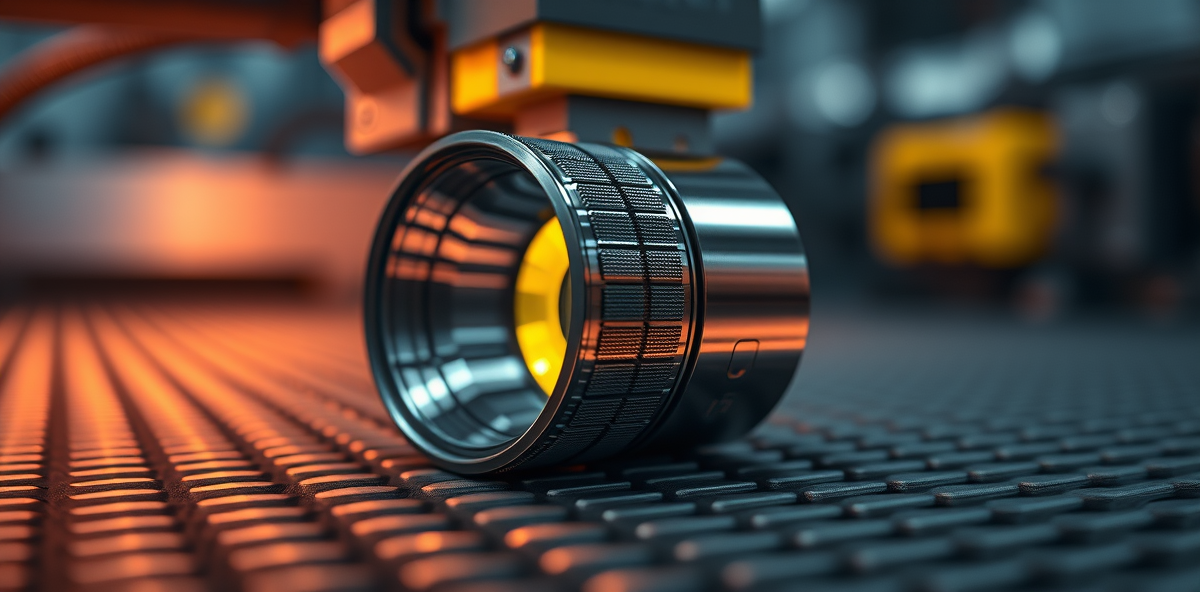
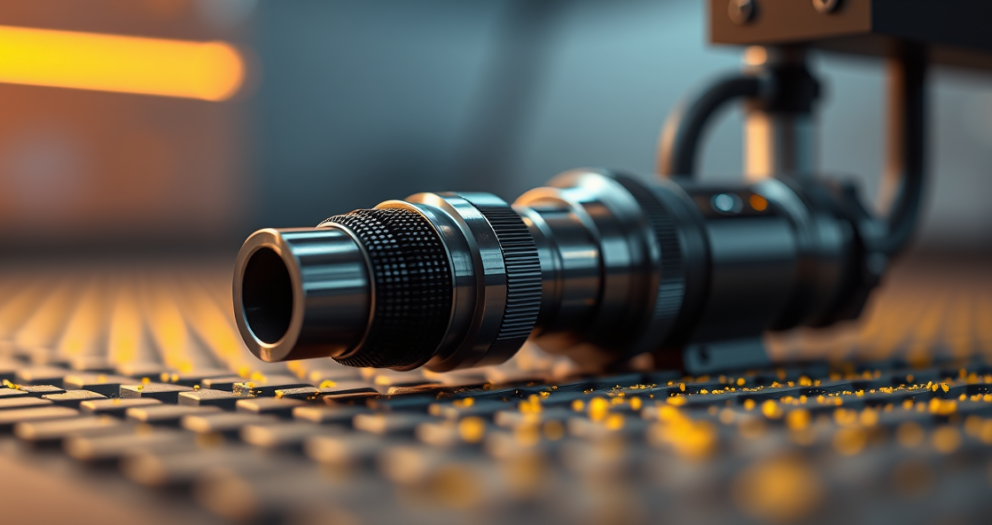
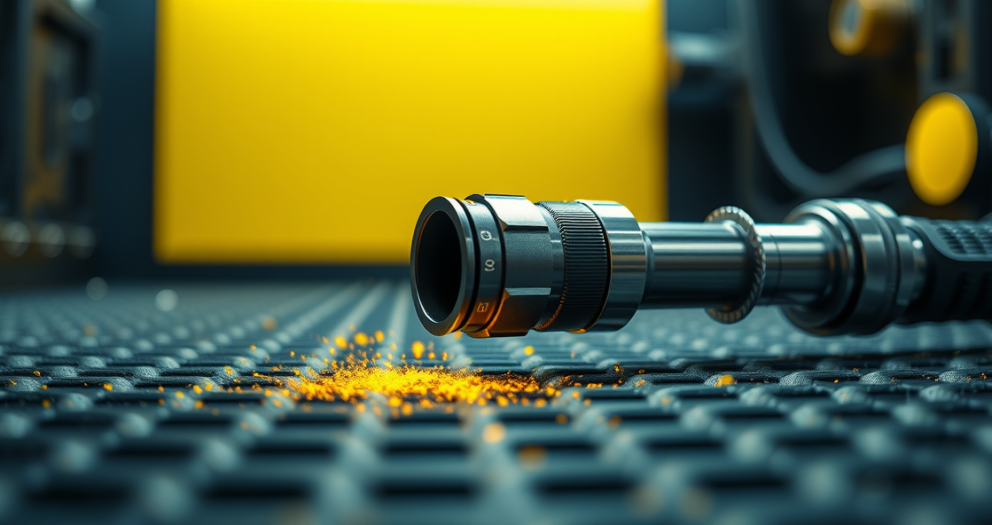
These are the heart of your laser beam delivery system. The Laser Collimating Lens, in particular, transforms the divergent laser beam from the fiber into a parallel beam before it reaches the focusing lens. High-quality lenses, often from brands like Raytools, OSPRI, Precitec, or Fine Focus, are essential for maintaining beam integrity and precise cutting. Protective windows, focusing lenses, and mirrors also fall into this category, directly impacting beam quality and power transmission.
Mechanical Parts (Nozzle, Bearings)
Mechanical components ensure the physical movement and precise positioning of the cutting head. This includes Single & Double Nozzle, guide rails, gears, and bearings. Worn bearings can lead to jerky movements and reduced cutting accuracy, while a damaged nozzle can affect gas flow and cut quality. Precision-engineered mechanical parts are crucial for smooth operation and repeatable results.
Electrical Components
The electrical system controls every aspect of the laser cutter, from power delivery to motion control. This includes power supplies, control boards, sensors, motors, and cables. Malfunctioning electrical components can lead to intermittent operation, safety hazards, or complete system shutdown. Regular checks and quality replacements are key to uninterrupted operation.
Consumables (Filters, Ceramic Rings)
Consumables are parts that are designed to be replaced regularly due to wear or specific operational requirements. This category includes air filters, water filters, and crucially, ceramic ring for laser cutting machine. These items ensure the purity of the cutting environment, protect sensitive components, and facilitate stable cutting processes.
| Part | Function | Replacement Cycle |
|---|---|---|
| Laser Collimating Lens | Collimates the laser beam from fiber | 6-12 months (or as needed based on inspection) |
| Focusing Lens | Focuses the beam onto the material | 6-12 months (or as needed based on inspection) |
| Protective Window | Protects internal optics from debris | 1-3 months (or when visibly dirty/damaged) |
| Nozzle | Directs assist gas and laser beam | Daily inspection, replace weekly/monthly based on wear |
| Ceramic Ring | Insulates the nozzle, aids in stable arc discharge | 1-3 months (or when arc stability issues occur) |
| Air Filters | Filters compressed air for cutting | 1-3 months |
| Water Filters | Maintains coolant purity | 3-6 months |
| Guide Rails & Bearings | Ensures smooth, precise motion | Annually (or as needed based on wear) |
Types of Laser Cutting Consumables Explained
fiber laser cutting Consumbales are the workhorses of your laser cutting machine, requiring regular replacement to maintain optimal performance. Understanding each type is key to proactive maintenance.
nozzles (Single & Double)
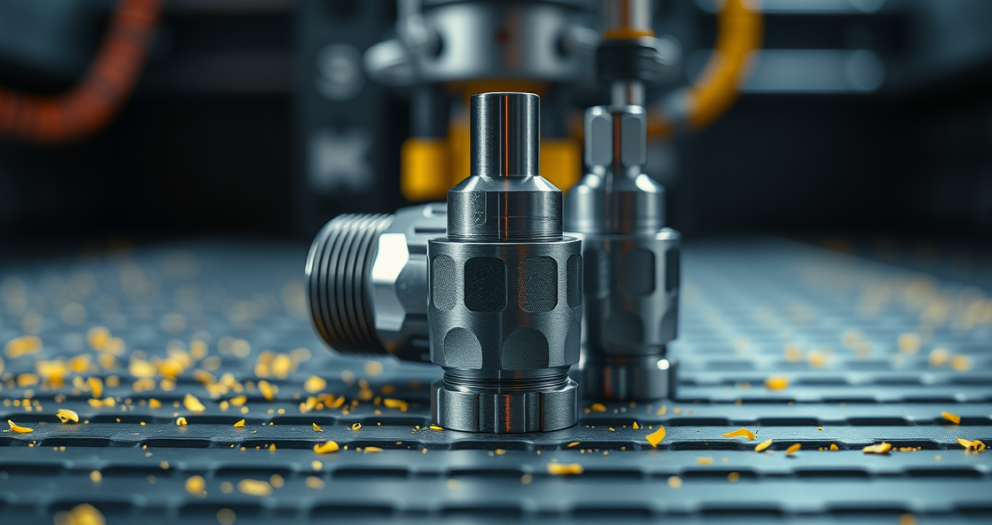
Laser cutting nozzles are crucial for directing the assist gas and shaping the laser beam precisely onto the workpiece. We primarily find Single Nozzle and Double Nozzle types. A Single Nozzle is typically used for oxygen cutting, while a Double Nozzle is preferred for nitrogen cutting, offering improved cut quality and debris removal. The orifice size and condition of the nozzle directly impact gas flow, kerf width, and the overall quality of the cut. Regular inspection and replacement of your Single & Double Nozzle are vital to prevent issues like dross, burrs, and inconsistent cuts.
Ceramic Rings
The ceramic ring for laser cutting machine is a critical component located within the cutting head, serving multiple functions. It provides electrical insulation for the nozzle and plays a pivotal role in the capacitive height sensing system, ensuring a consistent stand-off distance between the nozzle and the material. A high-quality fiber laser ceramic ring ensures stable arc discharge and accurate height control, preventing nozzle crashes and maintaining consistent cut quality. Signs of a worn laser ceramic ring include erratic height sensing and poor cutting performance, necessitating prompt replacement with a genuine ceramic ring for laser cutting machine.
Lenses
The optical lenses, especially the Laser Collimating Lens and focusing lens, are indispensable. The Laser Collimating Lens takes the laser light from the fiber and makes it parallel, preparing it for precise focusing. A pristine Laser Collimating Lens from a reputable brand like Raytools or Precitec is crucial for maintaining the integrity of the laser beam throughout its path. Any dust, scratches, or thermal stress on the lens can scatter the laser light, reduce power density, and lead to poor cut quality or even damage to the laser source. Regular cleaning and timely replacement are essential to harness the full power and precision of your fiber laser cutting machine. Buy Laser Collimating Lens Online & Get 20% OFF – Limited Offer to ensure your machine always performs at its best.
Signs Your Spare Parts Need Replacement
Proactive identification of worn or damaged spare parts is essential to prevent extensive damage and maintain continuous production. Operators should be trained to recognize the following indicators:
- Poor Cutting Quality: This is often the most immediate and noticeable sign. Uneven edges, excessive dross, or incomplete cuts frequently point to issues with the nozzle, lenses, or even the ceramic ring for laser cutting machine.
- Burr Formation: The presence of burrs on cut edges indicates that the laser beam is not cutting cleanly. This could be due to a dirty or scratched Laser Collimating Lens, a worn nozzle, or incorrect gas pressure.
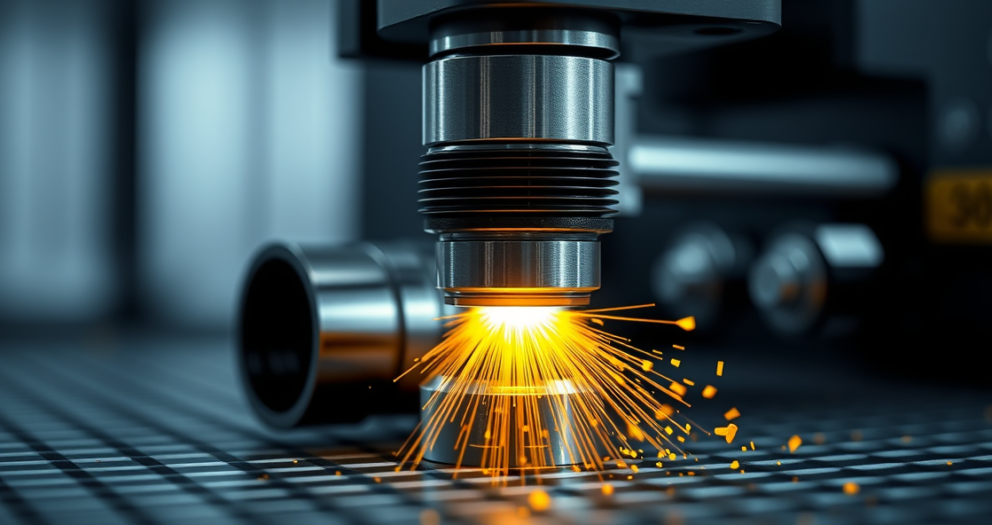
- Irregular Sparks: An uneven or sputtering spark pattern during cutting often suggests a damaged nozzle or issues with the assist gas delivery. It can also point to problems with the fiber laser ceramic ring affecting arc stability.
- Erratic Height Sensing: If the cutting head struggles to maintain a consistent distance from the material, the laser cutting machine ceramic ring, which contains the capacitive sensor, might be dirty or damaged.
- Reduced Cutting Speed: A noticeable drop in cutting speed for the same material and thickness often points to a loss of laser power, which can be caused by degraded optical components like a dirty or damaged Laser Collimating Lens or protective window.
- Frequent Nozzle Crashes: These can indicate a failing ceramic ring for laser cutting machine or issues with the height sensing system.
- Increased Gas Consumption: A worn or improperly fitted Single & Double Nozzle can lead to inefficient use of assist gas, driving up operational costs.
Featured Snippet: What are signs of worn laser cutting parts?
Signs of worn laser cutting parts include poor cutting quality, burr formation, irregular sparks, erratic height sensing, reduced cutting speed, frequent nozzle crashes, and increased gas consumption. These indicators suggest the need for immediate inspection and potential replacement of components like the Laser Collimating Lens, nozzles, or ceramic ring for laser cutting machine.
OEM vs Aftermarket Spare Parts
When it comes to replacing parts, manufacturers face a choice between Original Equipment Manufacturer (OEM) parts and aftermarket alternatives. Each option presents distinct advantages and disadvantages.
| Feature | OEM Spare Parts | Aftermarket Spare Parts |
|---|---|---|
| Quality & Performance | Guaranteed to meet original specifications; optimal performance and longevity. | Quality varies widely; can be excellent or poor depending on manufacturer. |
| Compatibility | Perfect fit and seamless integration with your machine model. | May require modifications; fit and function not always guaranteed. |
| Warranty | Typically comes with manufacturer’s warranty; protects machine warranty. | Warranty often limited or non-existent; can void machine warranty. |
| Cost | Generally higher initial cost. | Often significantly lower initial cost. |
| Availability | Readily available from authorized distributors. | Wide availability from various suppliers. |
| Technical Support | Access to manufacturer’s expert support and documentation. | Support quality varies; often limited to the supplier. |
While aftermarket parts might offer a lower upfront cost, the risks associated with varying quality, potential compatibility issues, and lack of manufacturer support can lead to higher long-term costs due to increased downtime, reduced machine life, and compromised cut quality. For critical components like a Laser Collimating Lens or a fiber laser ceramic ring, OEM or high-quality branded alternatives from trusted suppliers are almost always the superior choice.
How to Choose High-Quality Spare Parts Supplier
Selecting the right supplier for your fiber laser cutting Consumbales and spare parts is as crucial as the parts themselves. A reliable supplier ensures you receive genuine, high-performance components that keep your operations running smoothly.
- Certifications and Standards: Look for suppliers who adhere to international quality standards such as ISO 9001. This indicates a commitment to quality management and consistent product delivery. A supplier providing certified optical components assures the quality of your Laser Collimating Lens.
- Brand Compatibility: Ensure the supplier offers parts compatible with leading laser cutting brands and components. For example, if your machine uses cutting heads from Raytools, Precitec, OSPRI, or Fine Focus, your supplier should provide genuine or equivalent quality parts for these systems. This includes precise nozzles, durable protective windows, and high-performance Laser Collimating Lens designed for these specific brands. Ask if they stock laser cutting machine ceramic ring compatible with your existing setup.
- Technical Support and Expertise: A good supplier provides more than just parts; they offer expert advice and technical support. This can be invaluable when troubleshooting issues, selecting the correct part for an upgrade, or understanding maintenance best practices for components like your Single & Double Nozzle.
- Inventory and Availability: Check if the supplier maintains a robust inventory of essential parts. Quick availability reduces downtime. Suppliers offering deals like “Buy Laser Collimating Lens Online & Get 20% OFF – Limited Offer” often have efficient logistics.
- Reputation and Reviews: Research the supplier’s reputation. Customer testimonials and industry reviews can offer insights into their reliability, product quality, and service.
Maintenance Tips to Increase Machine Life
Regular and meticulous maintenance is the cornerstone of maximizing the lifespan and efficiency of your fiber laser cutting machine. Implementing a robust maintenance schedule can significantly reduce unexpected breakdowns and maintain optimal performance.
- Cleaning Lenses Regularly: The Laser Collimating Lens, focusing lens, and protective windows are susceptible to contamination from smoke, dust, and spatter. Clean these optical components regularly using approved optical cleaning solutions and specialized wipes. Even a tiny speck of dust can absorb laser energy, leading to thermal lensing, reduced power, and eventually, permanent damage to the lens.
- Checking Nozzle Alignment: Ensure your Single Nozzle or Double Nozzle is perfectly centered and aligned with the laser beam. Misalignment can cause inconsistent cuts, burrs, and premature wear of the nozzle and protective window. Regularly inspect the nozzle orifice for damage or deformation.
- Replacing Consumables Regularly: Adhere to recommended replacement cycles for all fiber laser cutting Consumbales. This includes the nozzle, protective window, and especially the ceramic ring for laser cutting machine. A worn ceramic ring can lead to unstable height sensing and potential head crashes. Proactive replacement prevents minor issues from escalating into major problems.
- Lubricating Moving Parts: Regularly lubricate guide rails, ball screws, and other mechanical moving parts according to the manufacturer’s guidelines. This reduces friction and wear, ensuring smooth and precise motion.
- Maintaining Cooling System: Ensure the chiller operates effectively and the coolant is clean and at the correct temperature. A compromised cooling system can lead to overheating of the laser source and optical components, severely impacting their lifespan.
- Cleaning and Inspecting Electrical Connections: Periodically check electrical connections for looseness or corrosion. Ensure all sensors are clean and functioning correctly.
Optimize your machine’s longevity and performance. Book a Maintenance Consultation with our experts today!
Cost Optimization Strategy
While investing in quality spare parts is essential, smart purchasing and maintenance strategies can significantly optimize costs without compromising performance.
- Bulk Buying: For frequently used fiber laser cutting Consumbales like nozzles, protective windows, and even the Laser Collimating Lens, consider buying in bulk. Many suppliers offer significant discounts for larger orders. This reduces the per-unit cost and ensures you always have critical parts on hand, preventing production delays. Take advantage of offers like “Buy Laser Collimating Lens Online & Get 20% OFF – Limited Offer” for substantial savings.
- Preventive Maintenance: As discussed, a rigorous preventive maintenance schedule is your best defense against costly breakdowns. By regularly cleaning, inspecting, and replacing parts before they fail, you avoid emergency repairs, prolonged downtime, and the potential for damage to more expensive components.
- Using Genuine Consumables: While the initial cost of genuine or high-quality branded fiber laser cutting Consumbales might be higher, their superior performance and longer lifespan often result in a lower total cost of ownership. They reduce rework, scrap material, and machine wear, ultimately saving you money in the long run. Stick to trusted brands like Raytools, OSPRI, Precitec, and Fine Focus for crucial items like your Laser Collimating Lens and fiber laser ceramic ring.
- Inventory Management: Implement an efficient inventory management system to track spare parts usage and replenishment needs. This prevents overstocking unnecessary items and ensures critical components are always available when needed.
- Operator Training: Well-trained operators can identify issues early, perform routine maintenance correctly, and handle parts like the Single & Double Nozzle and Laser Collimating Lens with care, extending their life.
Applications & Industry Use Cases
Fiber laser cutting technology, supported by high-quality spare parts and fiber laser cutting Consumbales, is indispensable across a multitude of industrial sectors.
- Automotive Industry: Used for precision cutting of various metal components, including chassis parts, exhaust systems, and interior elements. The need for high accuracy and repeatable results makes the quality of the Laser Collimating Lens and Single & Double Nozzle paramount.
- Sheet Metal Fabrication: From custom architectural elements to industrial enclosures, laser cutting allows for intricate designs and high throughput. Consistent cut quality, achieved with reliable laser cutting machine ceramic ring and optics, is crucial.
- Heavy Machinery & Equipment Manufacturing: Producing robust and precise components for construction, agricultural, and mining equipment. Durability and accuracy of parts like the Laser Collimating Lens are critical in these demanding applications.
- Aerospace Industry: Cutting lightweight and high-strength alloys for aircraft components. The stringent quality requirements demand the use of only the best quality spare parts and fiber laser cutting Consumbales to ensure structural integrity.
- Medical Device Manufacturing: Creating small, intricate, and highly precise components for medical instruments and implants. Here, the flawless performance of every part, down to the Double Nozzle and Laser Collimating Lens, is vital.
FAQs
- Q: How often should I replace my Laser Collimating Lens?
A: The replacement cycle for a Laser Collimating Lens can vary from 6 to 12 months, depending on machine usage, material types cut, and the effectiveness of maintenance. Regular inspection for dust, scratches, or burns is crucial for determining its lifespan. - Q: What is the benefit of using an OEM ceramic ring for laser cutting machine?
A: An OEM ceramic ring for laser cutting machine guarantees perfect compatibility, stable height sensing, and reliable electrical insulation, which are critical for consistent cut quality and preventing costly nozzle crashes, ultimately leading to higher machine efficiency and reduced downtime. - Q: Can I use any brand of Single Nozzle with my Raytools cutting head?
A: While some aftermarket Single Nozzle might fit, it’s highly recommended to use genuine Raytools nozzles or those specifically certified for Raytools heads. This ensures optimal gas flow, beam concentricity, and cut quality, leveraging the full potential of your Raytools system. - Q: How does a dirty Laser Collimating Lens affect cutting?
A: A dirty Laser Collimating Lens scatters the laser beam, reducing its power density and causing an unfocused beam. This results in poor cut quality, wider kerf, burrs, slower cutting speeds, and can even permanently damage the lens or other optical components. - Q: Is there a difference between a Single Nozzle and a Double Nozzle for fiber laser cutting?
A: Yes, a Single Nozzle is generally used with oxygen for mild steel cutting, providing an exothermic reaction. A Double Nozzle is typically used with nitrogen for stainless steel and aluminum, creating a clean, dross-free cut by shielding the cut area more effectively and removing molten material.
Conclusion
The operational efficiency, precision, and longevity of your fiber laser cutting machine are inextricably linked to the quality of its spare parts and fiber laser cutting Consumbales. Investing in high-quality components, particularly a premium Laser Collimating Lens, and adhering to a strict maintenance regimen are not merely expenses but strategic investments that yield significant returns in performance, cost optimization, and overall machine life.
By understanding the critical role of each part, choosing reputable suppliers, and proactively addressing wear and tear, you can minimize downtime, enhance cut quality, and ensure your laser cutting operations remain at the forefront of productivity and profitability. Don’t compromise on the integrity of your machinery – choose quality, choose precision, and secure your competitive edge.
Ready to upgrade your laser cutting machine?
Write a comment
Your email address will not be published. All fields are required