

Introduction: Unlocking Precision with Ceramic Rings
In the high-stakes world of laser cutting, precision, efficiency, and consistent quality are paramount. While the laser source itself often steals the spotlight, a multitude of smaller, yet critically important, components work in unison to achieve superior results. Among these unsung heroes is the ceramic ring for laser cutting machine. Often overlooked, this seemingly simple component plays an indispensable role in ensuring the stable and accurate operation of your laser cutting equipment. This comprehensive guide will delve deep into everything you need to know about ceramic rings, from their fundamental purpose and various types to crucial selection criteria, proper maintenance, and performance optimization.
What is a Ceramic Ring and Why is it Crucial?
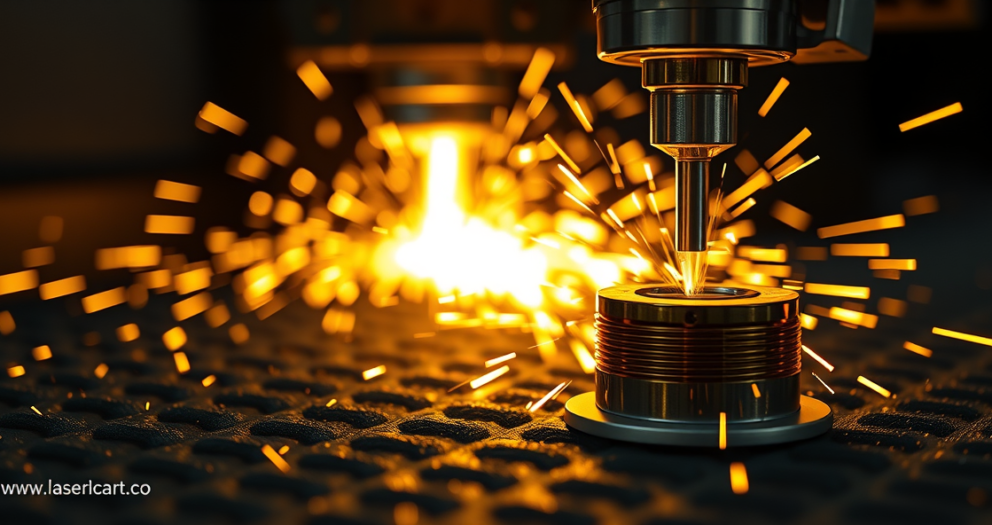
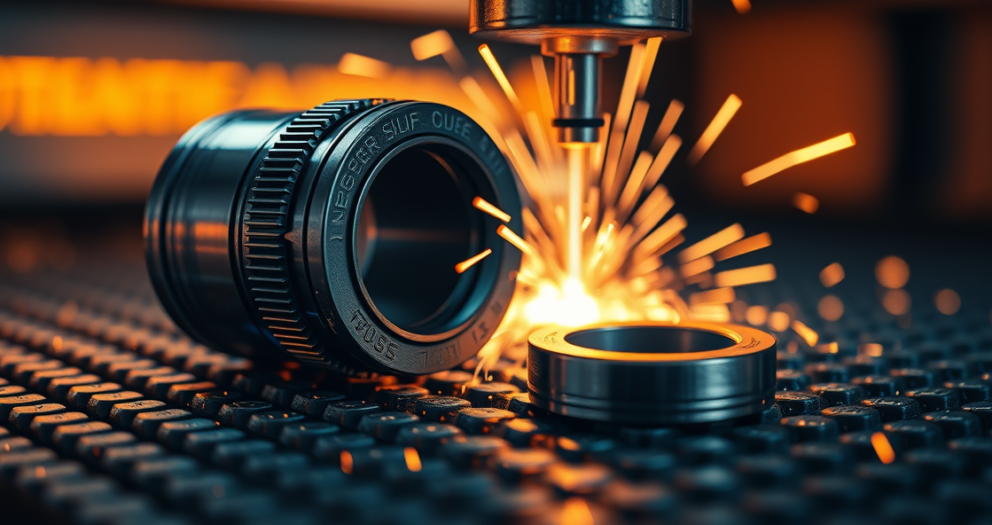
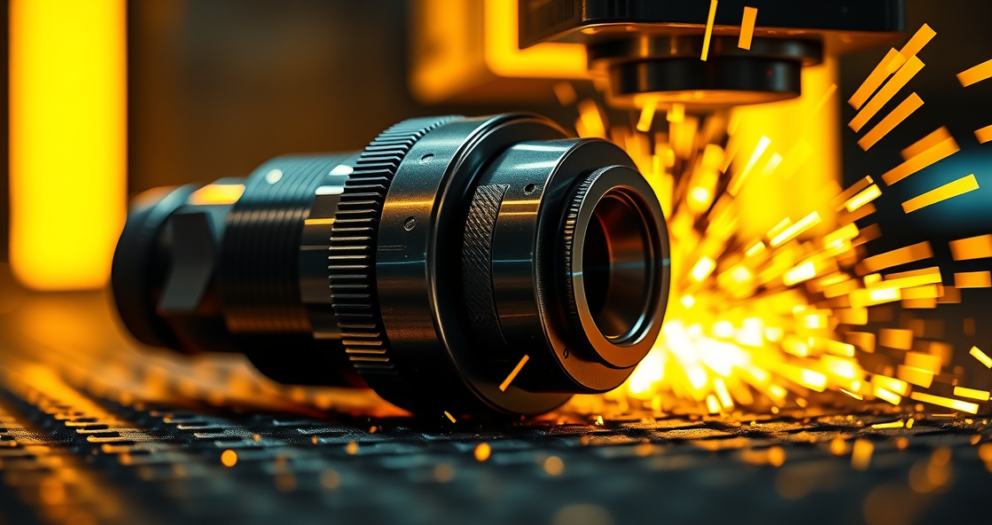
A ceramic ring for laser cutting machine, also known as a nozzle body or insulator, is a vital consumable part found in the cutting head. It is typically manufactured from advanced ceramic materials, primarily zirconia or alumina, known for their exceptional electrical insulation and high-temperature resistance. Its primary function is to accurately center and guide the laser beam through the nozzle, ensuring that the focused energy consistently hits the workpiece at the desired point. Without a properly functioning ceramic ring, the laser beam can become misaligned, leading to inconsistent cuts, reduced quality, and potential damage to other components.
The Role of the Ceramic Ring
The ceramic ring serves several critical functions. Firstly, it provides electrical insulation for the electrodes within the cutting head, preventing arcing and ensuring the stable operation of the plasma generation (in some systems) or capacitative sensing mechanism. Secondly, and perhaps most importantly, it precisely guides the assist gas and centers the laser beam, ensuring optimal beam delivery to the workpiece. This concentricity is vital for achieving clean, precise cuts and maintaining the integrity of the cutting process. A worn or damaged ceramic ring for laser cutting machine can lead to beam deviation, resulting in poor edge quality, increased dross, and even material wastage. For an in-depth understanding of how different components of a laser cutting head interact, explore our article on Laser Cutting Head Components Explained.
Types of Ceramic Rings for Laser Cutting Machines
While the fundamental purpose remains the same, ceramic rings are typically categorized by their material composition, each offering distinct advantages for specific applications and laser systems.
Zirconia (ZrO2) Ceramic Rings
Zirconia ceramic rings are highly favored in many modern fiber laser cutting machines due to their excellent toughness, high strength, and superior resistance to thermal shock. Zirconia is known for its ability to withstand rapid temperature changes without cracking, making it ideal for the demanding environment within a laser cutting head. These ceramic rings also offer good electrical insulation properties, contributing to stable arc control and reliable sensing functions. Their robust nature often translates to a longer lifespan under challenging operating conditions.
Alumina (Al2O3) Ceramic Rings
Alumina ceramic rings are another common type, particularly in CO2 laser cutting systems. Alumina boasts high hardness, good wear resistance, and excellent electrical insulating properties. While generally more cost-effective than zirconia, alumina ceramic rings may exhibit slightly less resistance to thermal shock and impact. However, for applications where these factors are less critical, alumina can provide a reliable and efficient solution. Choosing between zirconia and alumina ceramic rings often depends on the specific laser cutting machine, material being processed, and desired performance characteristics. You can find more details on Fiber vs. CO2 Laser Cutting Technologies.
Factors to Consider When Selecting a Ceramic Ring
Selecting the correct ceramic ring for laser cutting machine is paramount for optimal performance and longevity. Several factors must be carefully evaluated:
Material Composition
As discussed, zirconia and alumina offer different properties. Consider the type of laser machine (fiber or CO2), the materials you frequently cut, and the thermal demands of your applications when choosing the material for your ceramic ring.
Dimensional Accuracy and Tolerances
Precision is key. The ceramic ring must fit perfectly within the cutting head, and its internal bore must be precisely concentric with the laser beam path. Even slight deviations can lead to beam misalignment and poor cut quality. Always source ceramic rings from reputable suppliers who adhere to strict manufacturing tolerances.
Electrical Insulation Properties
The ability of the ceramic ring to provide stable electrical insulation is crucial for preventing arcing and ensuring the proper functioning of the capacitance sensor or plasma control. Look for ceramic rings with high dielectric strength.
Thermal Shock Resistance
Laser cutting involves rapid heating and cooling cycles. A ceramic ring with high thermal shock resistance will be less prone to cracking and premature failure, especially in high-power applications.
Compatibility with Your Laser System
Always ensure the ceramic ring is specifically designed and compatible with your laser cutting machine’s make and model. Different machines have varying designs for their cutting heads, and using an incompatible ceramic ring can lead to performance issues or damage. For insights into selecting other consumables, consider our article on Choosing the Right Laser Nozzles.
Installation and Replacement: A Step-by-Step Guide
Proper installation of the ceramic ring for laser cutting machine is as important as selecting the right one. Incorrect installation can lead to immediate performance issues or premature failure.
Safety First
Always power down the laser cutting machine and follow all manufacturer safety protocols before attempting any maintenance or component replacement.
Removing the Old Ring
Carefully disassemble the nozzle and any retaining components. Gently remove the old ceramic ring, inspecting it for signs of wear, cracks, or contamination. This inspection can provide valuable insights into potential underlying issues.
Installing the New Ceramic Ring
Handle the new ceramic ring with care to avoid damage or contamination. Ensure the seating surfaces are clean and free of debris. Gently insert the new ceramic ring, ensuring it is properly seated and aligned. Avoid forcing it, as this can cause damage. Reassemble the nozzle and retaining components according to the manufacturer’s instructions.
Calibration and Testing
After installation, it is crucial to perform a laser beam alignment and calibration check. This ensures the laser beam is perfectly centered through the new ceramic ring and nozzle. Conduct test cuts on scrap material to verify cut quality and consistency before resuming production. Detailed calibration steps can be found in your machine’s manual or our guide on Mastering Laser Beam Alignment.
Common Issues and Troubleshooting
Even with careful selection and installation, problems can arise with the ceramic ring for laser cutting machine. Understanding common issues can help in quick troubleshooting.
Premature Wear and Cracking
This is often due to improper installation, excessive heat, thermal shock, or using a ceramic ring not suited for the application. Verify alignment, check cooling systems, and ensure you’re using the correct material type.
Inconsistent Cutting Quality
Poor cut quality, excessive dross, or uneven edges can indicate a misaligned or damaged ceramic ring. Re-check alignment and inspect the ceramic ring for wear or chips.
Electrical Discharge Issues
If you experience erratic sensor readings or arcing within the cutting head, the electrical insulation of the ceramic ring might be compromised due to cracks, contamination, or material degradation. Replace the ceramic ring and ensure all connections are clean.
Maintenance Tips to Extend Lifespan
Proactive maintenance can significantly extend the lifespan of your ceramic ring for laser cutting machine and ensure consistent performance.
Regular Cleaning
Periodically clean the ceramic ring to remove any accumulated dust, debris, or spatter from the cutting process. Use a soft, lint-free cloth and appropriate cleaning agents as recommended by your laser machine manufacturer. Avoid abrasive materials that could scratch the ceramic surface.
Inspection for Wear and Damage
During routine maintenance, carefully inspect the ceramic ring for any signs of wear, chips, cracks, or discoloration. Even minor damage can compromise its performance. Early detection allows for timely replacement, preventing more significant issues.
Proper Storage
Keep spare ceramic rings in their original, protective packaging in a clean, dry environment. Exposure to dust, humidity, or impact can damage them before use.
Following Manufacturer Guidelines
Always adhere to the laser machine manufacturer’s recommendations for inspection intervals, cleaning procedures, and replacement schedules for the ceramic ring for laser cutting machine. These guidelines are based on extensive testing and are crucial for optimal operation.
Reputable Suppliers of Ceramic Rings
The quality of your ceramic ring for laser cutting machine directly impacts your cutting performance. Sourcing from reputable suppliers is crucial. Look for manufacturers and distributors known for their precision engineering, stringent quality control, and excellent customer support. Leading brands in the laser cutting consumables market often offer high-quality ceramic rings. Always verify compatibility with your specific laser system before making a purchase. Further guidance on sourcing quality consumables can be found in our Guide to Sourcing Laser Machine Parts.
Conclusion: The Foundation of Laser Cutting Excellence
The ceramic ring for laser cutting machine, though small, is a giant in terms of its impact on your laser cutting operations. From precisely guiding the laser beam to providing essential electrical insulation, its flawless performance is foundational to achieving superior cut quality, maximizing machine uptime, and optimizing your production efficiency. By understanding its role, making informed selection choices, ensuring correct installation, and implementing diligent maintenance practices, you can significantly enhance the performance and lifespan of your laser cutting machine. Don’t underestimate the power of this critical component – invest in quality, maintain with care, and unlock the full potential of your laser cutting capabilities. For personalized advice on optimizing your laser cutting process or to inquire about high-quality ceramic rings, contact our experts today!
FAQ Schema
Q: What is the primary function of a ceramic ring in a laser cutting machine?
A: The ceramic ring primarily functions to accurately center and guide the laser beam through the nozzle, ensuring precise delivery of energy to the workpiece. It also provides essential electrical insulation within the cutting head.
Q: What materials are ceramic rings typically made from?
A: Ceramic rings are commonly made from advanced ceramic materials such as Zirconia (ZrO2) and Alumina (Al2O3), both known for their excellent electrical insulation and high-temperature resistance.
Q: How often should a ceramic ring be replaced?
A: The replacement frequency for a ceramic ring for laser cutting machine depends on factors like machine usage, material being cut, laser power, and maintenance practices. Regular inspection for wear, cracks, or damage is recommended, and replacement should occur as soon as any issues are detected or according to the manufacturer’s guidelines.
Q: Can a damaged ceramic ring affect cutting quality?
A: Absolutely. A damaged, worn, or misaligned ceramic ring can lead to inconsistent laser beam delivery, resulting in poor cut quality, excessive dross, uneven edges, and potential damage to other cutting head components.
Q: How can I extend the lifespan of my ceramic ring?
A: To extend the lifespan, ensure correct installation and alignment, perform regular cleaning to remove debris, inspect for wear or damage during routine maintenance, store spare rings properly, and always follow the laser machine manufacturer’s recommended guidelines.
Q: Is there a difference between ceramic rings for fiber lasers and CO2 lasers?
A: While both types of lasers use ceramic rings, the specific material (Zirconia for fiber often, Alumina for CO2 often) and design might vary to optimize for the unique characteristics and demands of each laser technology. Always ensure compatibility with your specific machine.
Write a comment
Your email address will not be published. All fields are required