Introduction
In the demanding world of industrial laser cutting, unexpected downtime, inconsistent cutting quality, and soaring operational costs are common frustrations. Often, these challenges trace back to overlooked components: your fiber laser consumables. These seemingly small parts—the cover glass, focusing lens, and nozzle—are, in fact, the critical backbone of your machine’s performance.
For B2B laser cutting machine users, operators, and metal fabricators, understanding and managing these consumables isn’t just about maintenance; it’s about safeguarding precision, maximizing speed, and enhancing overall profitability. This article delves deep into the practical insights, performance improvements, and cost optimization strategies associated with these vital components.
Download Spare Parts Checklist
Why Spare Parts & Consumables Matter in Laser Cutting
The efficiency and output quality of your fiber laser cutting machine are inextricably linked to the quality and condition of its spare parts and consumables. These components are at the forefront of the cutting process, directly interacting with the laser beam and workpiece.
Genuine, high-quality spare parts and consumables directly influence the beam quality, cut edge finish, and cutting speed. They ensure the laser beam maintains its integrity and delivers precise energy to the material, leading to superior results.
Opting for cheaper, subpar components might seem like a cost-saving measure initially. However, it often leads to frequent replacements, increased downtime, material waste, and ultimately, higher long-term operational costs due to compromised performance and potential damage to more expensive machine parts.
Proper consumables contribute significantly to stable machine operation, reduced maintenance interventions, and maximized throughput. They are essential for maintaining the delicate balance of the laser system, ensuring consistent cuts and extending the overall lifespan of your valuable machinery.
Complete Overview of Laser Cutting Machine Spare Parts
Optical Components (Lens, Mirrors, Cover Glass)
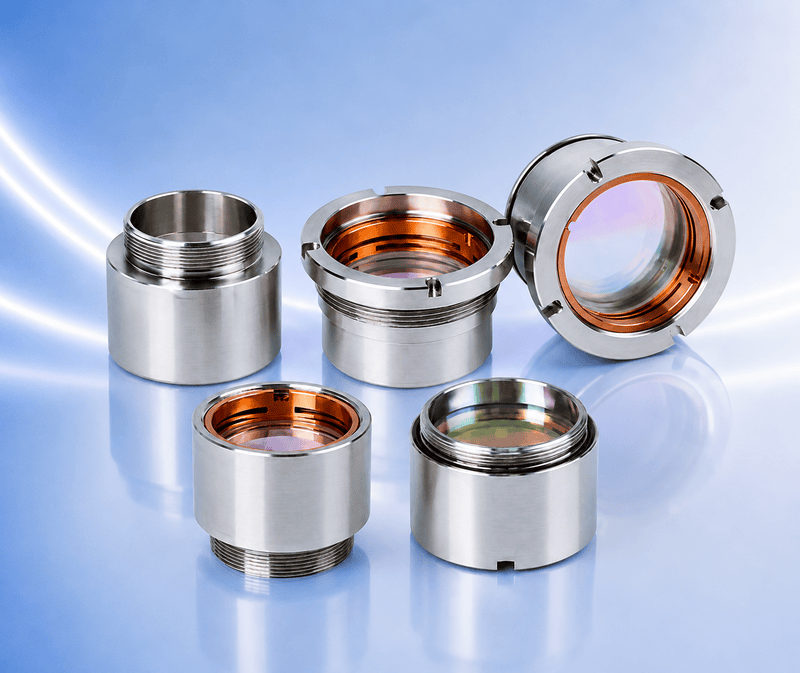
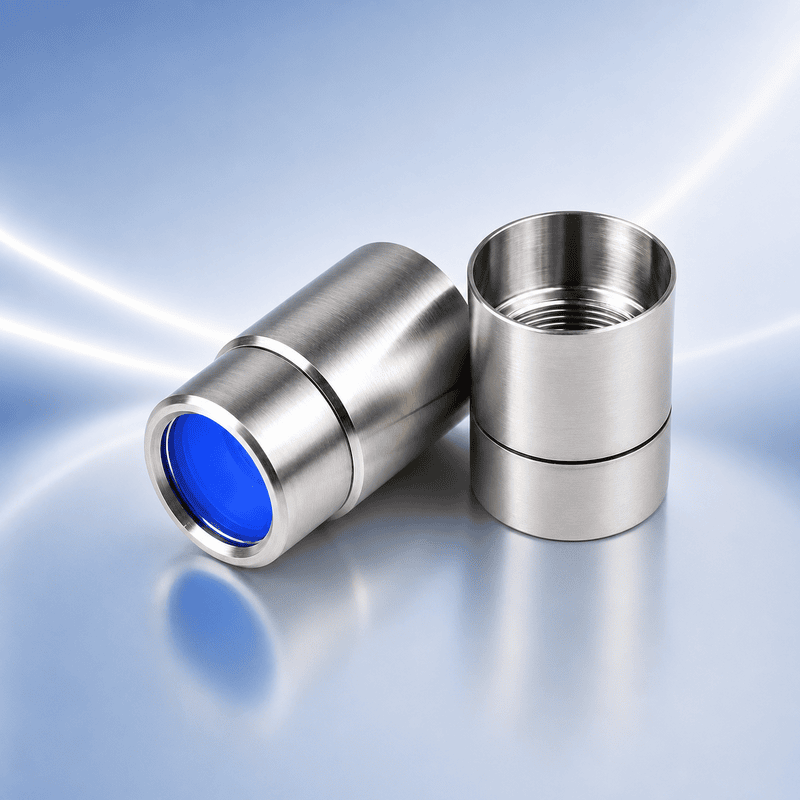
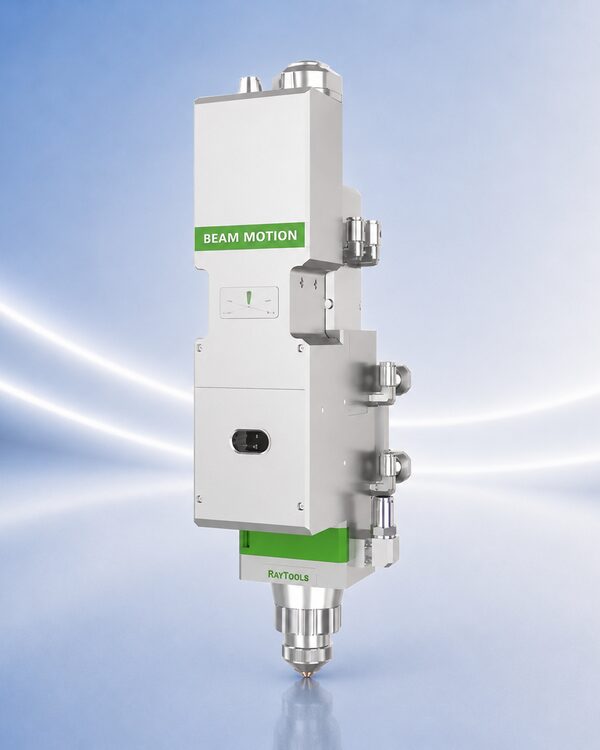
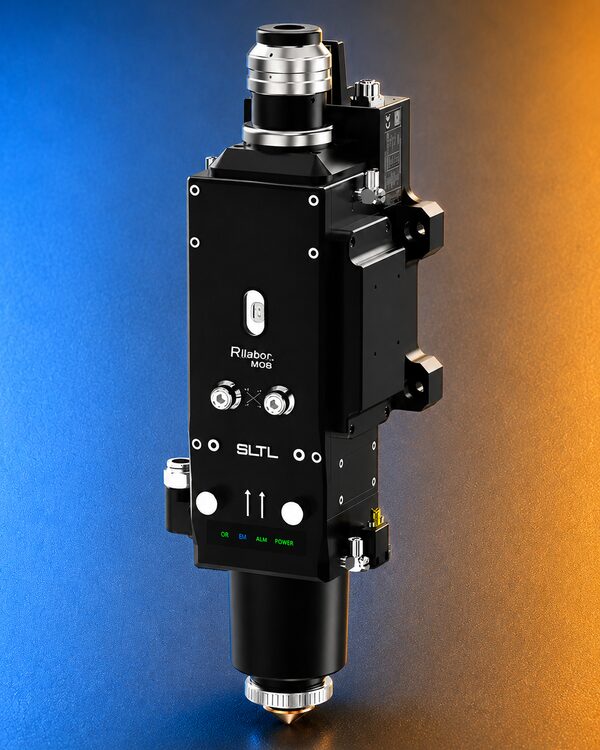
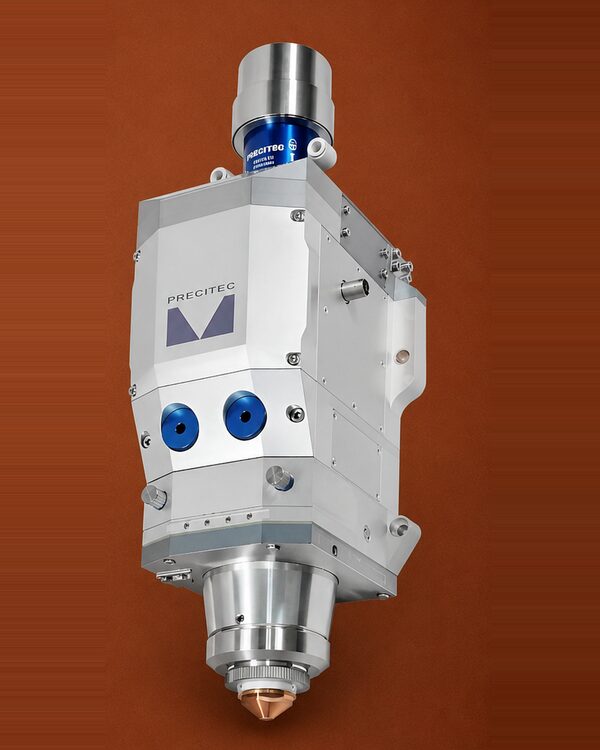
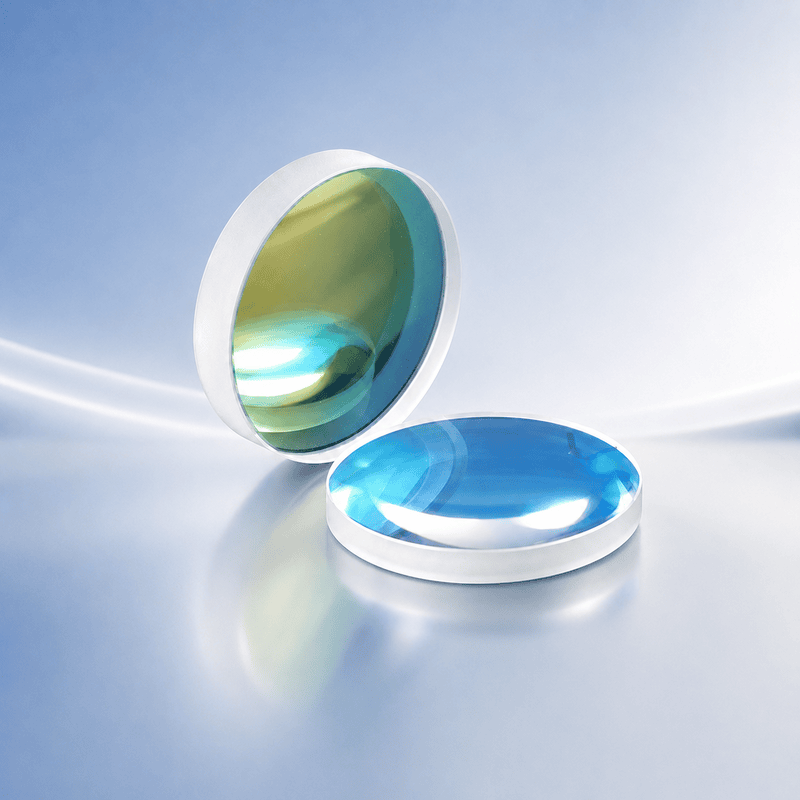
Optical components are crucial for guiding and focusing the laser beam. The focusing lens, often from leading brands like Precitec or Raytools, concentrates the laser energy to a precise spot on the material, directly influencing cut quality and speed.
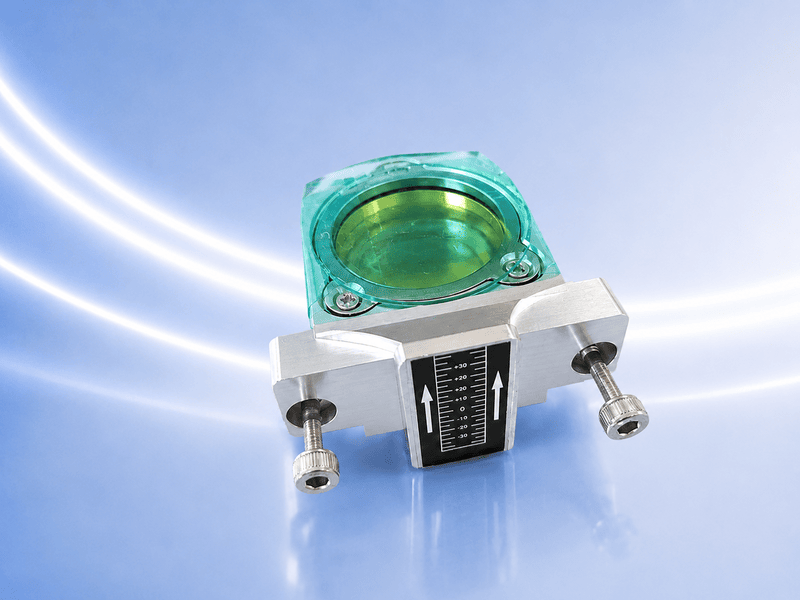
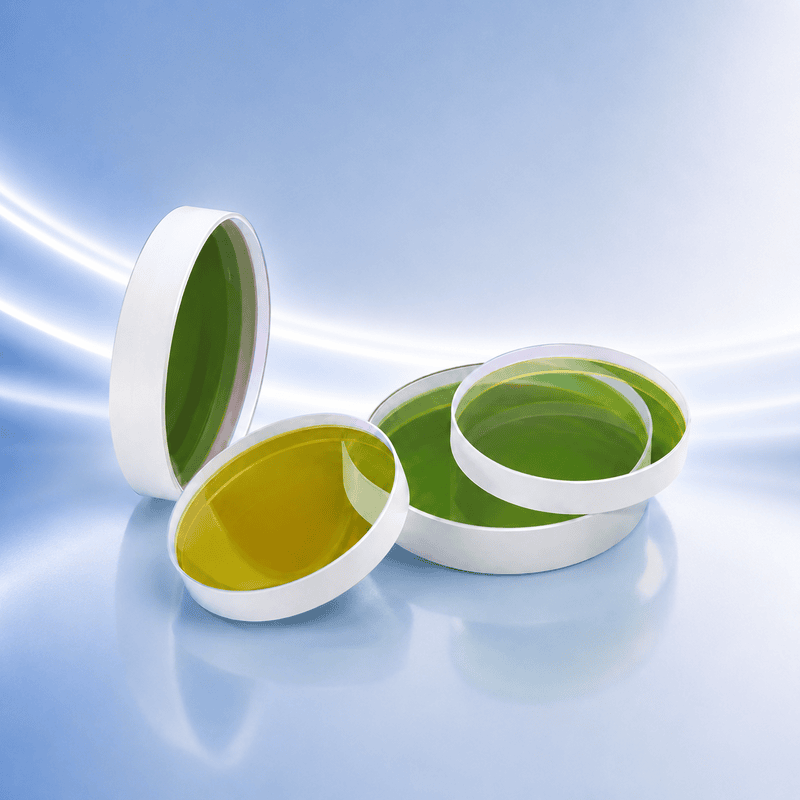
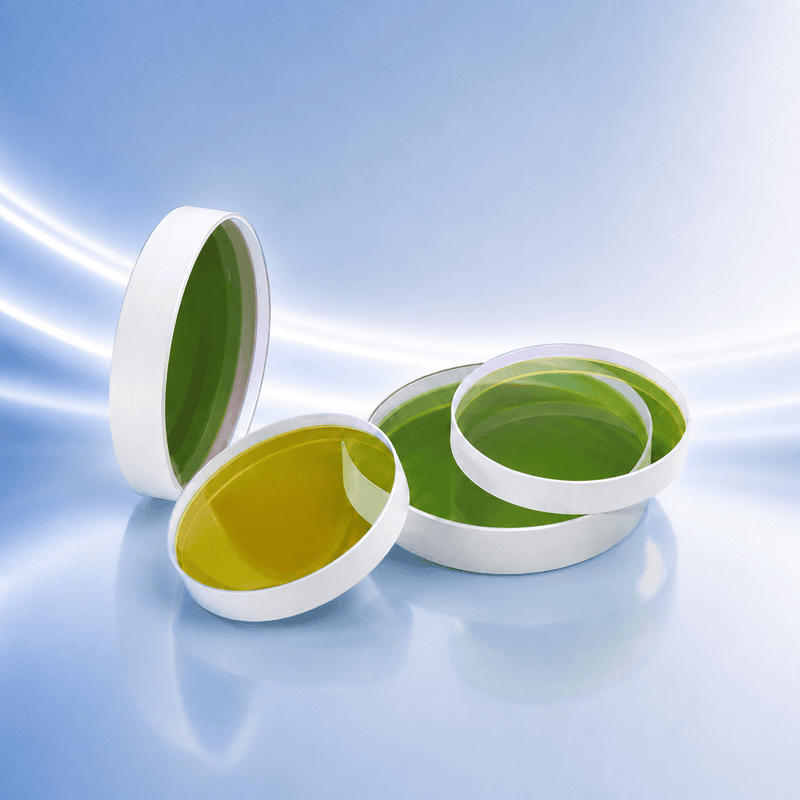
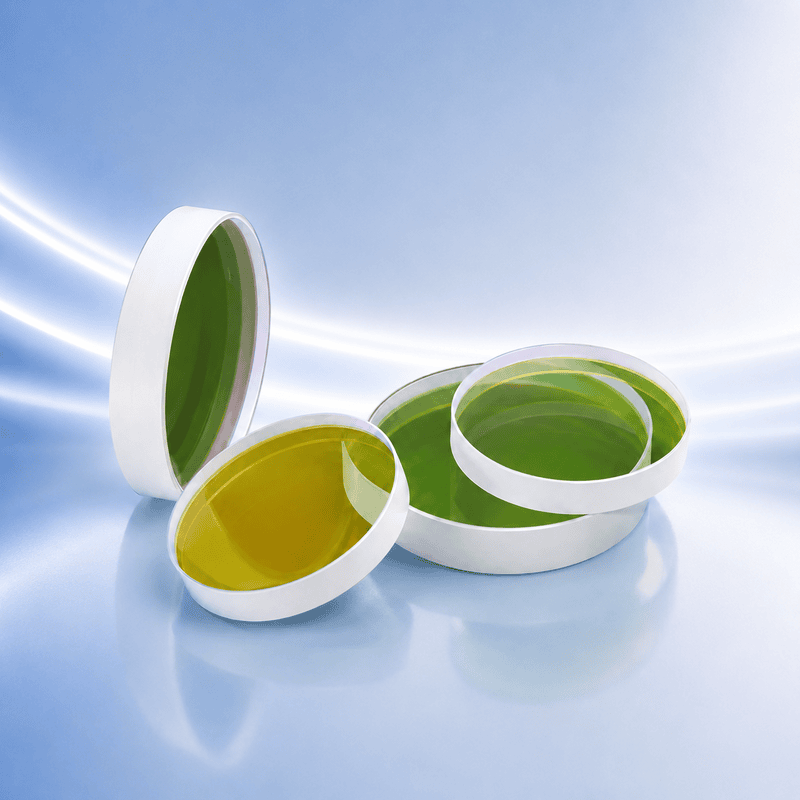
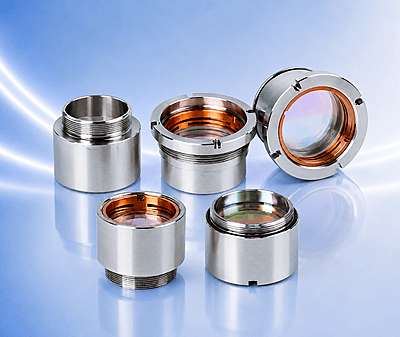
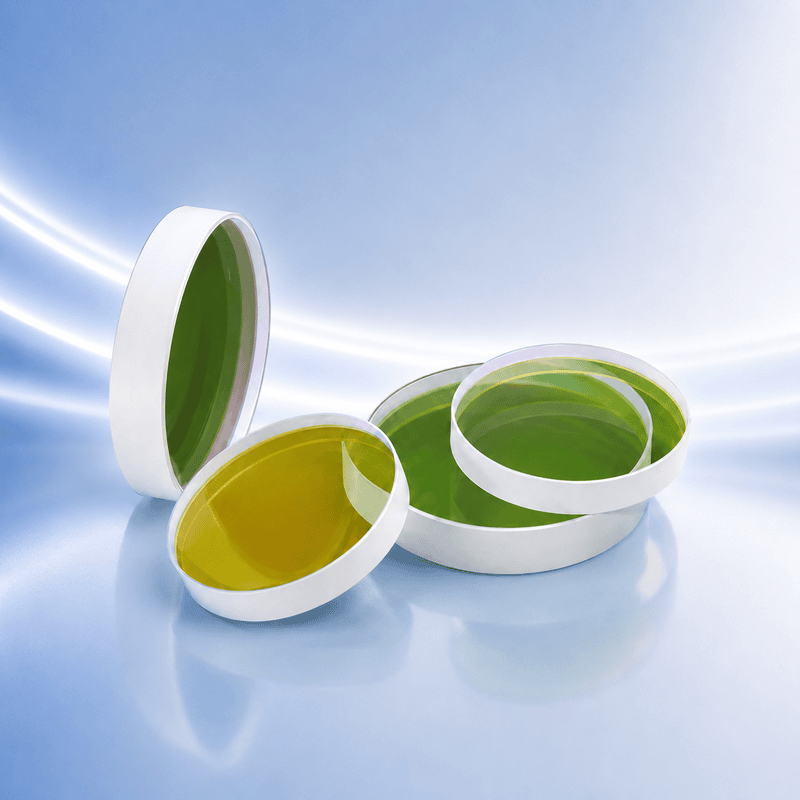
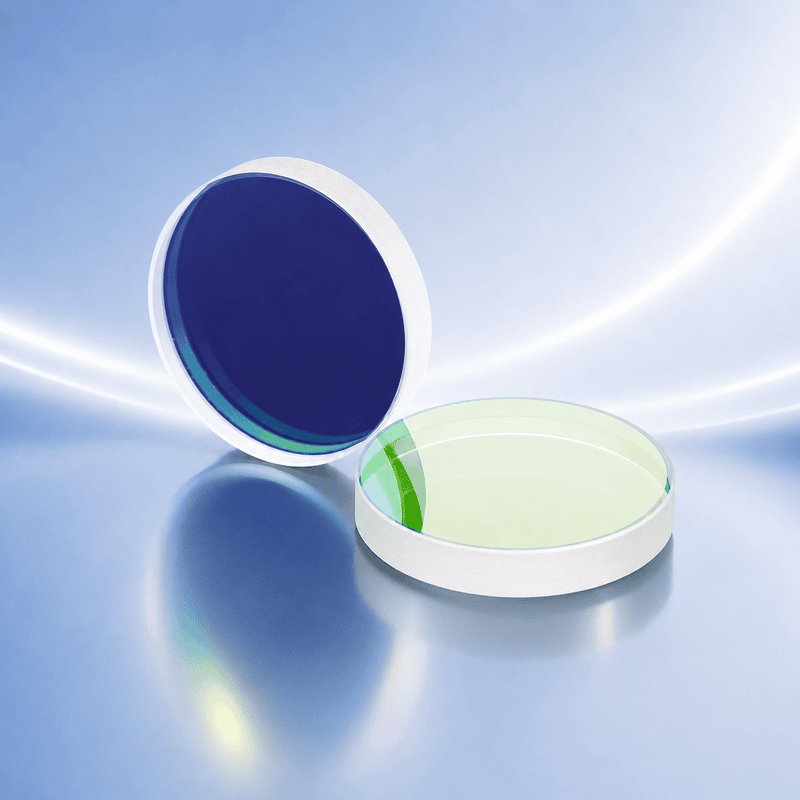
The protective cover glass, also known as a protective window, acts as a sacrificial barrier. It shields the expensive focusing lens from spatter, fumes, and debris generated during the cutting process, preventing damage and prolonging lens life.
Reflection mirrors also play a role in directing the laser beam within certain systems. The cleanliness and integrity of all optical components are paramount for maintaining beam quality and minimizing energy loss.
Mechanical Parts (Nozzle, Bearings, Motors)
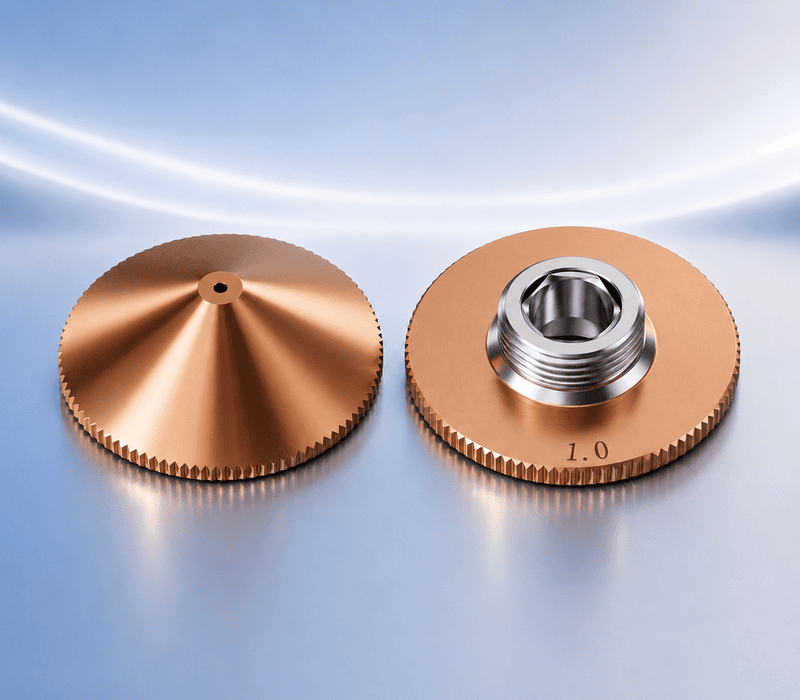
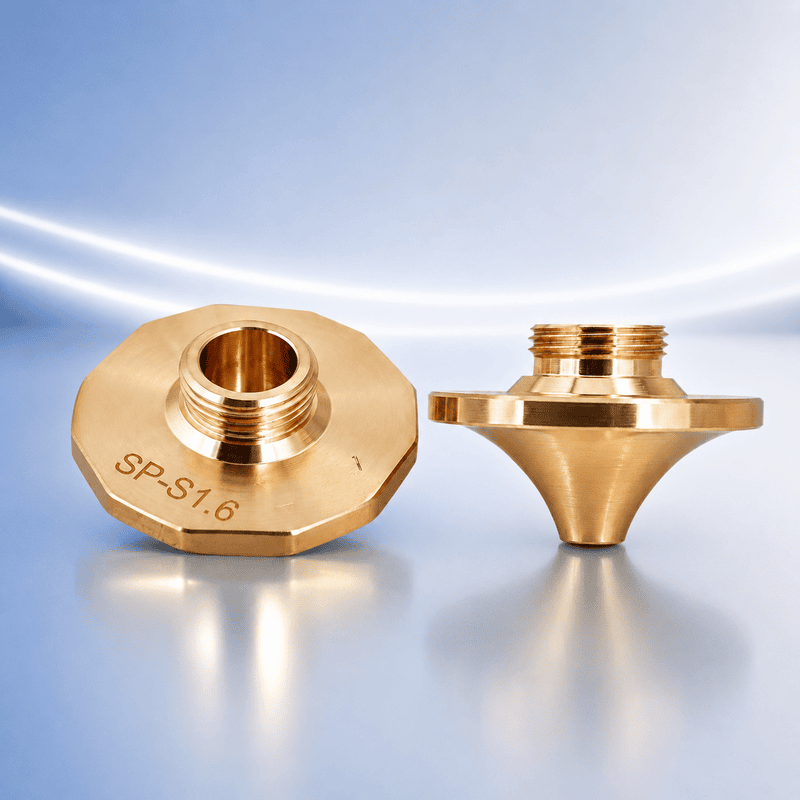
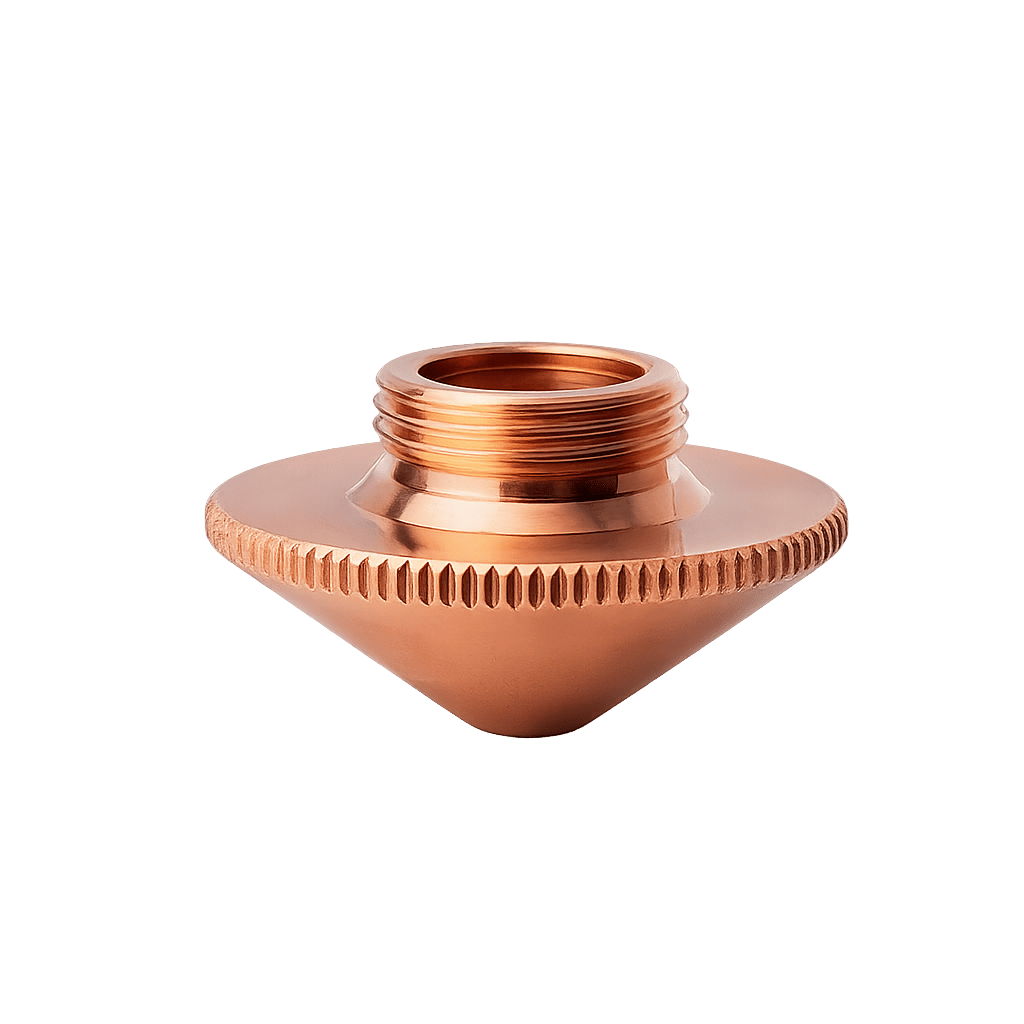
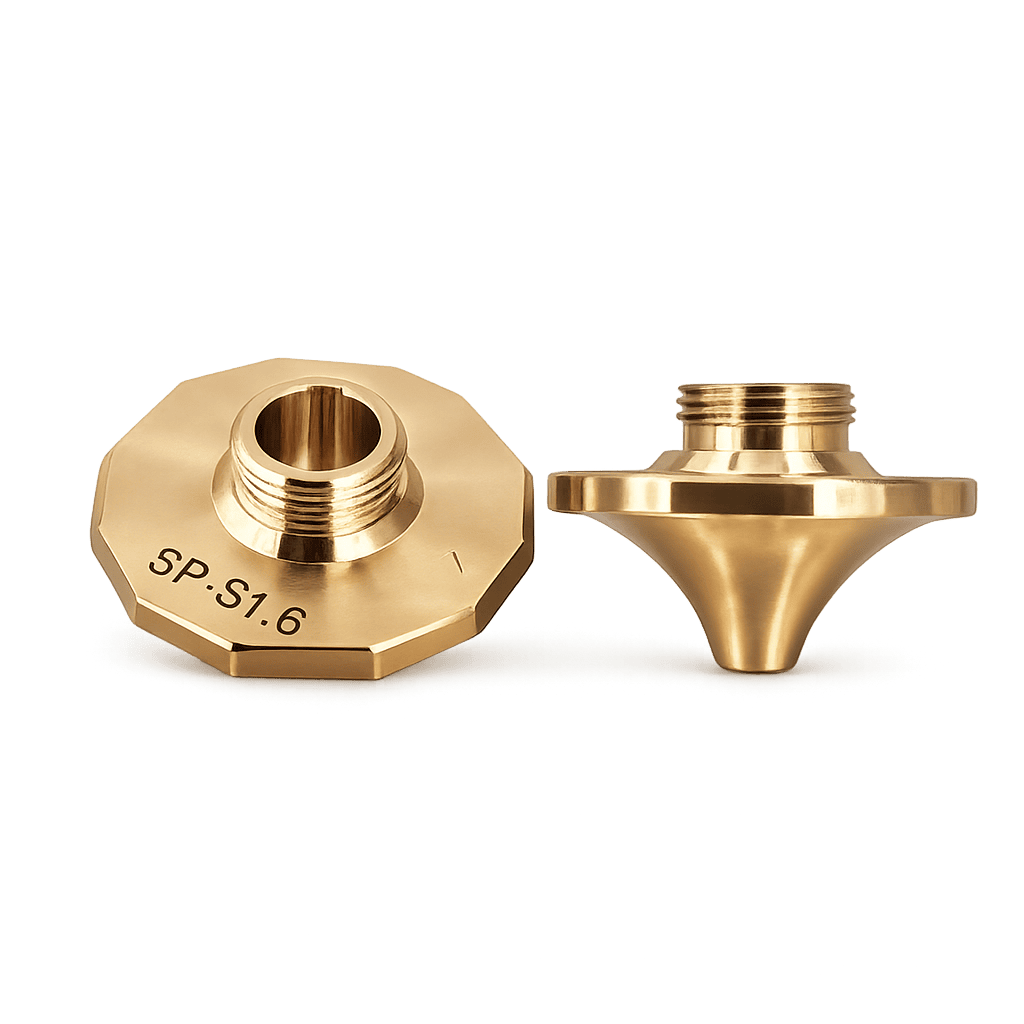
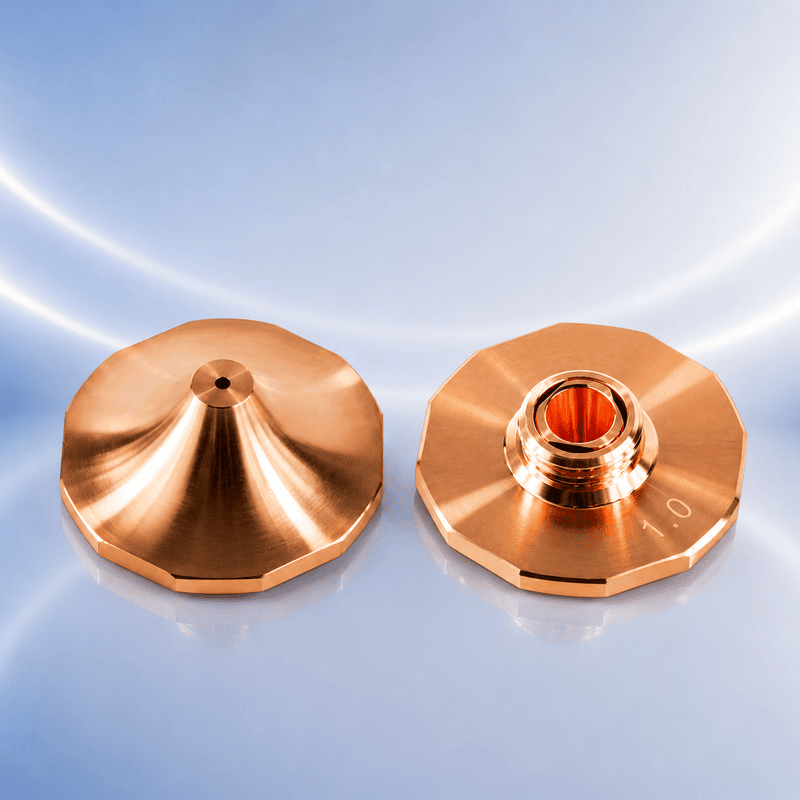
Mechanical parts are integral to the physical movement and precise delivery of the laser beam. The Single & Double Nozzle is a primary mechanical consumable, directing both the laser beam and assist gas flow to the workpiece.
Other mechanical parts include bearings, which ensure smooth and accurate movement of the gantry and laser head, and servo motors, responsible for precise positioning. These components contribute to the machine’s speed and accuracy.
Regular inspection and replacement of worn mechanical parts prevent backlash, vibrations, and misalignments that can severely impact cutting performance and machine longevity.
Electrical Components (Cables, Sensors)
Electrical components are the nerve center of your laser cutting machine, facilitating communication and control. High-flex cables transmit data and power reliably, enduring constant movement during operation.
Accurate sensors monitor various parameters, from gas pressure to laser head height, ensuring safe and consistent operation. Faulty electrical components can lead to intermittent issues, safety hazards, and significant downtime.
Consumables (Filters, Ceramic Rings, Gas)
Consumables are parts that are regularly replaced due to wear or usage. This category includes air filters and water filters, which maintain the cleanliness of the compressed air and cooling water systems, respectively.
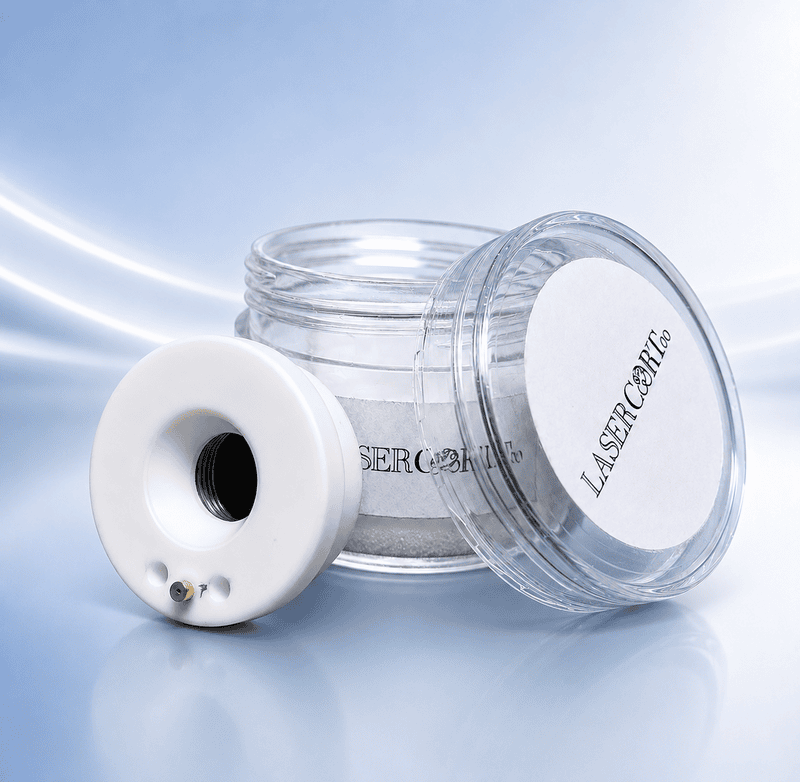
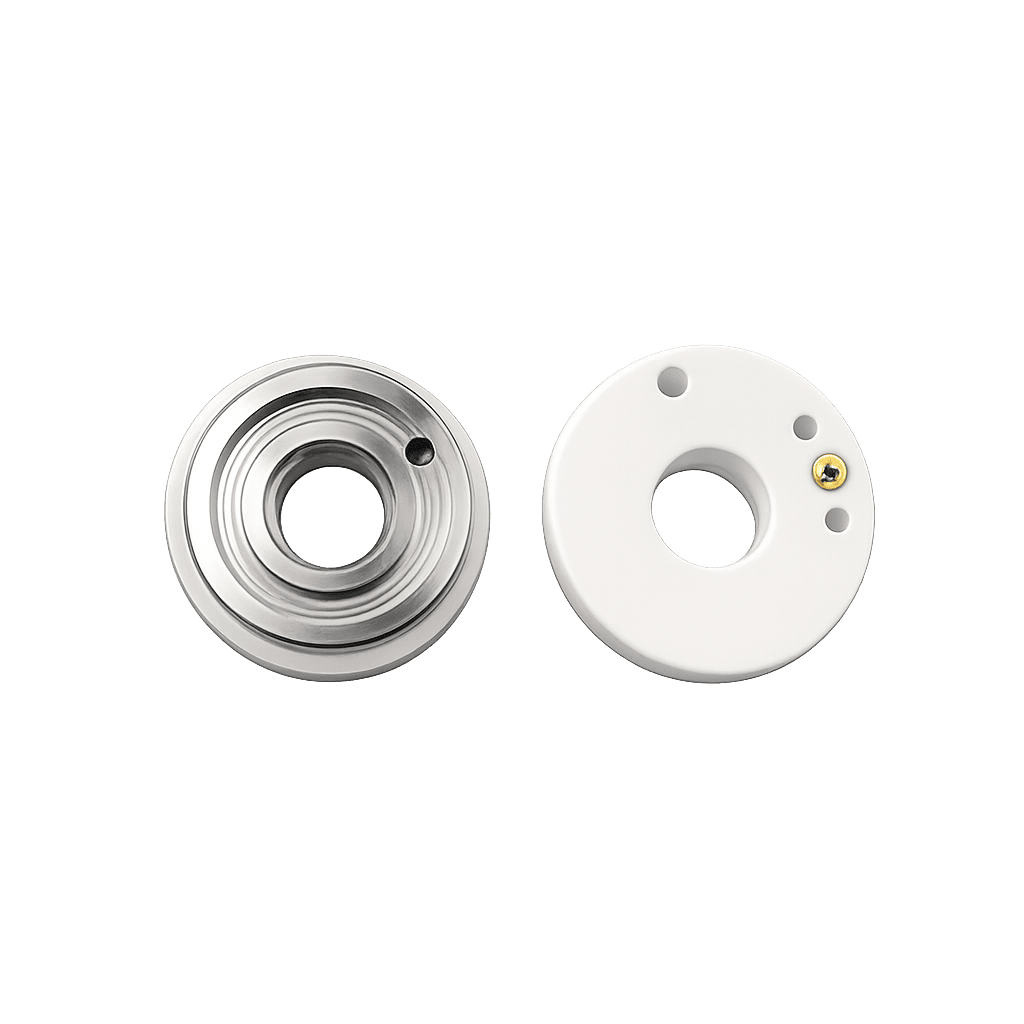
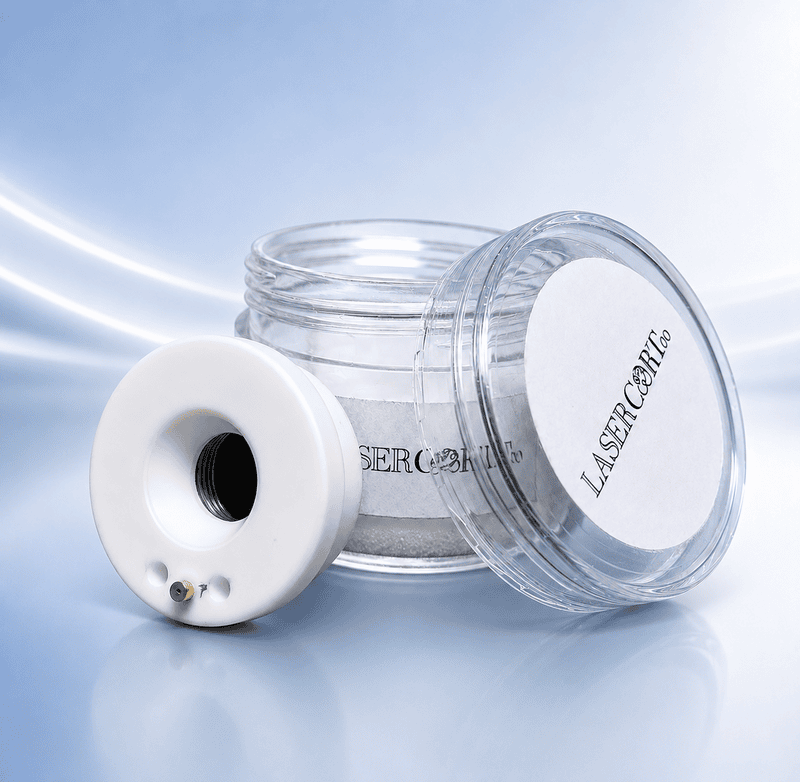
The fiber laser ceramic ring is another critical consumable, providing electrical insulation and enabling capacitive height sensing for stable cutting. Even assist gases like oxygen, nitrogen, and compressed air are considered consumables, vital for the cutting process itself.
| Part | Function | Replacement Cycle |
|---|---|---|
| Nozzle | Directs laser beam and assist gas for optimal cutting; protects lens from spatter. | Every 2-8 hours of operation, depending on material, thickness, and cutting parameters. Inspect daily. |
| Cover Glass (Protective Window) | Protects the focusing lens from spatter, fumes, and debris. | Weekly inspection, replace every 1-4 weeks or sooner if contaminated/damaged. |
| Focusing Lens | Focuses the laser beam to a precise spot for cutting. | Every 3-6 months, or if visible damage/contamination affects beam quality. Requires careful handling. |
| ceramic ring for laser cutting machine | Provides electrical insulation and guides the nozzle, ensuring stable capacitive height sensing. | Every 1-3 months, or if height sensing becomes unstable or shows visible wear/cracks. |
| Water Filter | Removes impurities from the chiller’s cooling water. | Every 3-6 months, or as recommended by chiller manufacturer. |
| Air Filter | Filters compressed air supplied to the laser head and machine. | Every 1-3 months, or if pressure drop indicates blockage. |
Types of Laser Cutting Consumables Explained
Nozzles (Single & Double)
Nozzles play a critical role in shaping the assist gas flow and protecting the focusing lens. They are essential for achieving desired cut quality and efficiency across various materials and thicknesses.
A Single Nozzle is typically used for thicker materials or specific applications where a focused, high-pressure gas stream is needed. It provides direct gas flow for piercing and cutting.
The Double Nozzle is more common for thinner materials, offering better gas flow control, enhanced cutting speed, and improved cut quality by creating a more stable cutting environment. Selecting the correct nozzle type and aperture size is paramount for optimal results.
Reputable brands like Raytools and Precitec offer a wide range of high-quality nozzles designed for durability and precision, ensuring consistent performance for your fiber laser cutting Consumables.
fiber laser ceramic rings
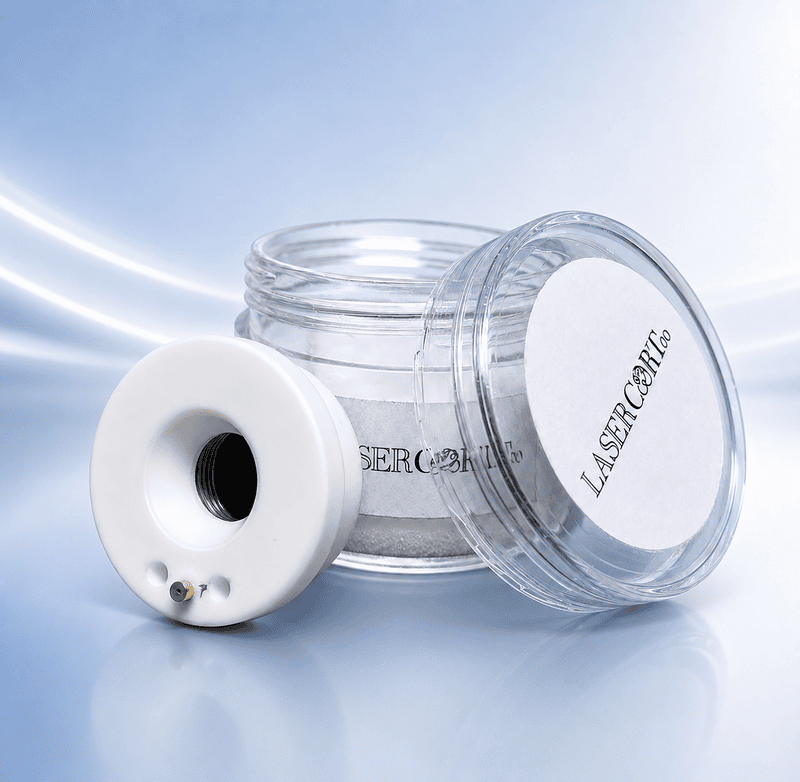
The ceramic ring for laser cutting machine is a vital component of the laser head, more than just a holder for the nozzle. It provides crucial electrical insulation and is integral to the capacitive height sensing system.
This system ensures a consistent standoff distance between the nozzle and the workpiece, which is critical for maintaining optimal focus and cut quality. A damaged or contaminated laser ceramic ring can lead to unstable cutting height, poor cut quality, and even collisions with the material, causing costly damage.
Brands such as OSPRI and Fine Focus are known for producing reliable and precise ceramic ring for laser cutting machines, ensuring the stability and accuracy of your laser cutting operations.
Lenses and Protective Windows (Cover Glass)
The focusing lens is arguably the most critical optical component in a fiber laser machine. It concentrates the raw laser beam into a fine, powerful spot, directly impacting the beam spot size and power density delivered to the material.
Protective windows, or cover glass, are sacrificial elements strategically placed to shield the expensive focusing lens from spatter, smoke, and debris generated during the cutting process. These must be clean and free of defects to avoid beam distortion.
It is essential to use high-transmission, low-absorption optics from reputable manufacturers like Raytools, Precitec, or OSPRI. This maintains beam integrity, minimizes heat buildup in the lens, and extends the overall life of these delicate components, ensuring consistent cutting performance.
Signs Your Spare Parts Need Replacement
Timely identification of worn-out spare parts and consumables is crucial for preventing extensive damage, maintaining cut quality, and optimizing machine efficiency. Operators should be vigilant for several common indicators.
- Poor cutting quality: Jagged edges, excessive dross, incomplete cuts, or an inconsistent kerf width are clear signs that components like the nozzle, lens, or protective window may be compromised.
- Burr formation: An increase in burr on the underside of the cut material often indicates issues with focus, a worn nozzle, or improper assist gas settings.
- Irregular sparks: Uncontrolled or excessive sparks during the cutting process frequently point to a worn nozzle, a misaligned beam, or a contaminated protective window.
- Unstable height sensing: If the laser head frequently collides with the material or struggles to maintain a consistent standoff distance, the fiber laser ceramic ring or its electrical connection may be worn or damaged.
- Reduced piercing time or speed: A noticeable drop in piercing efficiency or overall cutting speed can signify a degraded lens condition, a worn nozzle, or issues with assist gas delivery.
What are signs of worn laser cutting parts?
Signs include poor cutting quality, increased burr formation, irregular sparks, unstable height sensing, and reduced piercing time or speed. These often indicate issues with the nozzle, cover glass, focusing lens, or ceramic ring for laser cutting machine, signaling the need for inspection or replacement.
OEM vs Aftermarket Spare Parts
When sourcing replacements for fiber laser cutting consumables, businesses face a choice between Original Equipment Manufacturer (OEM) parts and aftermarket alternatives. Understanding the distinctions is crucial for long-term machine performance and cost management.
| Feature | OEM (Original Equipment Manufacturer) Parts | Aftermarket Parts |
|---|---|---|
| Quality & Reliability | Guaranteed to meet original specifications, highest reliability, optimal performance. | Varies significantly; can be high-quality and cost-effective, but also low-quality and unreliable. |
| Compatibility | Perfect fit and seamless integration with the machine. | May require modifications; fit and function can be inconsistent. |
| Warranty | Often covered by manufacturer’s warranty, protecting machine performance. | Typically includes vendor’s warranty; may void machine’s warranty. |
| Cost | Generally higher upfront cost. | Often lower upfront cost, but potential for higher long-term costs due to frequent replacement or damage. |
| Performance | Ensures peak machine performance and maintains cutting quality. | Performance can be compromised, leading to subpar results and efficiency loss. |
| Technical Support | Full support from the machine manufacturer and parts supplier. | Support depends solely on the aftermarket supplier; may lack specialized machine knowledge. |
| Risk | Minimal risk of machine damage or compromised safety. | Higher risk of machine damage, safety issues, and operational downtime. |
How to Choose High-Quality Spare Parts Supplier
Selecting the right supplier for your fiber laser consumables is as important as choosing the right machine. A reliable supplier ensures continuous operation and peak performance.
- Certifications and Quality Assurance: Look for suppliers that adhere to international quality standards, such as ISO certifications, and provide thorough documentation for their products. This guarantees that parts are manufactured to precise specifications and undergo rigorous testing.
- Brand Compatibility and Genuine Products: Prioritize suppliers offering genuine consumables from renowned brands. For instance, using Raytools nozzles and protective windows, OSPRI focusing lenses, Precitec ceramic rings, or Fine Focus cover glass ensures optimal compatibility and performance matching your machine’s original design.
- Technical Support and Expertise: A superior supplier offers more than just parts; they provide invaluable expert advice on product selection, correct installation, and effective troubleshooting. This technical partnership is invaluable for optimizing your cutting process and resolving issues efficiently.
- Inventory and Availability: Ensure the supplier maintains a robust inventory and efficient logistics to minimize lead times, especially for critical consumables like the Single & Double Nozzle or the ceramic ring for laser cutting machine. Quick access to parts reduces costly downtime.
- Customer Reviews and Reputation: Check industry reviews and testimonials to gauge a supplier’s reputation for product quality, consistent service, and overall reliability. A strong track record is a good indicator of future performance.
Maintenance Tips to Increase Machine Life
Proactive maintenance of your fiber laser cutting machine, particularly its consumables, is the most effective way to extend its lifespan, ensure consistent performance, and prevent expensive repairs. Regular attention to these key areas can yield significant returns.
- Regular Cleaning of Optical Components: The protective window (cover glass) and focusing lens are highly susceptible to contamination. They must be cleaned daily, or even more frequently depending on usage, using only approved cleaning solutions and lint-free wipes to prevent scratches and residue buildup.
- Checking Nozzle Alignment and Condition: Routinely inspect the nozzle for any signs of wear, damage, or spatter buildup. Ensure proper alignment with the laser beam using a centering tool. A misaligned Single Nozzle or Double Nozzle can lead to poor cut quality and potentially damage other components in the laser head.
- Replacing Consumables Regularly: Adhere strictly to the manufacturer’s recommended replacement schedules for items such as the protective window, focusing lens, fiber laser ceramic ring, and various filters. Proactive replacement prevents catastrophic failures and maintains consistent, high-quality cutting performance.
- Monitor Chiller and Air System: Ensure the chiller consistently maintains the optimal water temperature, and that its cooling water filters are clean and free of debris. Regularly check the assist air pressure and confirm that air filters are not clogged, as clean and consistent assist gas is crucial for quality cuts and protecting optics.
- Software and Firmware Updates: Keep your machine’s operating software and firmware updated to the latest versions. These updates often include performance enhancements, bug fixes, and new features that can improve machine efficiency and reliability.
Book Maintenance Consultation
Cost Optimization Strategy
Managing the operational costs of a fiber laser cutting machine goes beyond the initial investment. Strategic approaches to consumable purchasing and maintenance can significantly reduce your total cost of ownership.
- Bulk Buying of Consumables: Purchasing frequently used fiber laser cutting consumables, such as nozzles, protective windows, and ceramic ring for laser cutting machines, in larger quantities can often lead to substantial discounts per unit. This strategy not only reduces direct costs but also ensures you always have essential spares on hand, minimizing costly downtime.
- Implementing Preventive Maintenance Schedules: A rigorously structured preventive maintenance plan is key to identifying and addressing potential issues before they escalate into major, expensive repairs or extended periods of machine downtime. This includes regular inspections and the proactive replacement of worn parts, saving both time and money in the long run.
- Using Genuine and Branded Consumables: While the upfront cost of genuine consumables from brands like Raytools, OSPRI, Precitec, or Fine Focus may seem higher, they offer superior performance, longer operational life, and greater reliability. This strategic investment reduces material waste, significantly improves cutting efficiency, and minimizes the risk of damage to expensive machine components, resulting in a lower overall operating cost over time.
- Optimizing Cutting Parameters: Properly calibrating and fine-tuning cutting parameters for different materials and thicknesses can extend the lifespan of your consumables and optimize assist gas consumption. Efficient parameter usage directly impacts operational costs by reducing wear and waste.
Applications & Industry Use Cases
Fiber laser cutting technology, powered by reliable consumables, is a cornerstone in numerous industrial sectors due to its precision, speed, and versatility.
- Automotive Industry: Fiber laser machines are indispensable for cutting high-strength steels, lightweight aluminum alloys, and intricate components for vehicle bodies, chassis, and exhaust systems. The precision enabled by quality consumables ensures exact fit and finish, critical for safety and performance.
- Sheet Metal Fabrication: From mild steel to stainless steel and aluminum, fiber lasers with optimized consumables excel in rapid, high-quality cutting of various sheet metal thicknesses. This is essential for producing structural components, enclosures, decorative panels, and custom parts across diverse industries.
- General Manufacturing & Fabrication: These machines are widely used across a broad spectrum of manufacturing for creating prototypes, producing custom parts, and handling high-volume production runs for machinery, appliances, furniture, and agricultural equipment. The versatility and consistent performance are heavily reliant on the quality of laser consumables.
- Medical Device Manufacturing: The extremely high precision and clean cuts afforded by well-maintained fiber lasers and top-tier consumables are absolutely critical for producing components for medical instruments, implants, and sophisticated equipment where tolerances are exceptionally tight and material integrity is paramount.
FAQs
- Q1: How often should I replace my fiber laser nozzle?
A1: The replacement frequency for your Single & Double Nozzle depends on the material, thickness, and laser power used, typically ranging from every 2-8 hours of operation. Daily inspection for wear and spatter buildup is crucial for maintaining cut quality. - Q2: What is the purpose of the protective cover glass in a fiber laser?
A2: The cover glass, or protective window, acts as a sacrificial barrier. Its primary purpose is to shield the much more expensive focusing lens from spatter, dust, and noxious fumes generated during the cutting process, thereby significantly extending the life of the lens. - Q3: Can using aftermarket consumables damage my laser cutting machine?
A3: Yes, using low-quality or incompatible aftermarket consumables can lead to poor cutting performance, accelerate wear on other machine parts, and in severe cases, cause significant damage to the laser head or expensive optical components due to improper fit, inferior material quality, or poor optical properties. - Q4: Why is the ceramic ring for laser cutting machine so important?
A4: The ceramic ring for laser cutting machine is vital because it provides essential electrical insulation and enables the capacitive height sensing system. This system ensures the nozzle maintains a precise, consistent standoff distance from the workpiece, which is critical for optimal cutting quality and preventing collisions. - Q5: How can I tell if my focusing lens needs to be replaced?
A5: Signs that your focusing lens needs replacement include a noticeable drop in cutting power, inconsistent beam quality, excessive dross, or visible scratches, burns, cracks, or contamination on the lens surface that cannot be safely cleaned. These issues directly impair the laser’s ability to focus effectively.
Conclusion
In conclusion, while often considered minor components, the cover glass, focusing lens, and nozzle are the fundamental fiber laser cutting Consumables that underpin the efficiency, precision, and profitability of your fiber laser cutting operations. Understanding their critical function, implementing rigorous maintenance routines, and ensuring their timely replacement are not mere recommendations but essential practices.
Investing in genuine, branded consumables from trusted suppliers is not an expense; it is a strategic investment. High-quality parts from manufacturers like Raytools, OSPRI, Precitec, and Fine Focus deliver superior performance, extended operational life, and greater reliability. This approach ultimately minimizes downtime, reduces material waste, and significantly lowers your overall operating costs, ensuring your machine consistently delivers exceptional results.
- Request Quote
- Talk to Expert
- Download Catalog
Write a comment
Your email address will not be published. All fields are required